



Enter your VAT number here and click Verify:
Your details have been verified. VAT number registered to:
,
.
Your order will now be zero rated for VAT purposes. We reserve the right to verify these details after your order request has been made and reinstate VAT if required.
Your VAT details were not recognised or were invalid. Your VAT number must be matched to your Billing Country as specified above. This is currently specified as . You do not need to enter the country code part of your VAT number as this has already been selected in your billing address details above.
The VAT number checking service is currently offline. Please supply your VAT details within the comments or special instructions field below and we will apply a VAT discount after placing your order request.
Turbo Chargers / Intercoolers & Parts
By OE Match


- Porsche 911 1975-1977 3.0L Turbo (930)
- Porsche 911 1978-1989 3.3L Turbo (930)
- Porsche 964 (911) TURBO 3.3L 1991-93
- Porsche 964 (911) TURBO 3.6L 1991-93
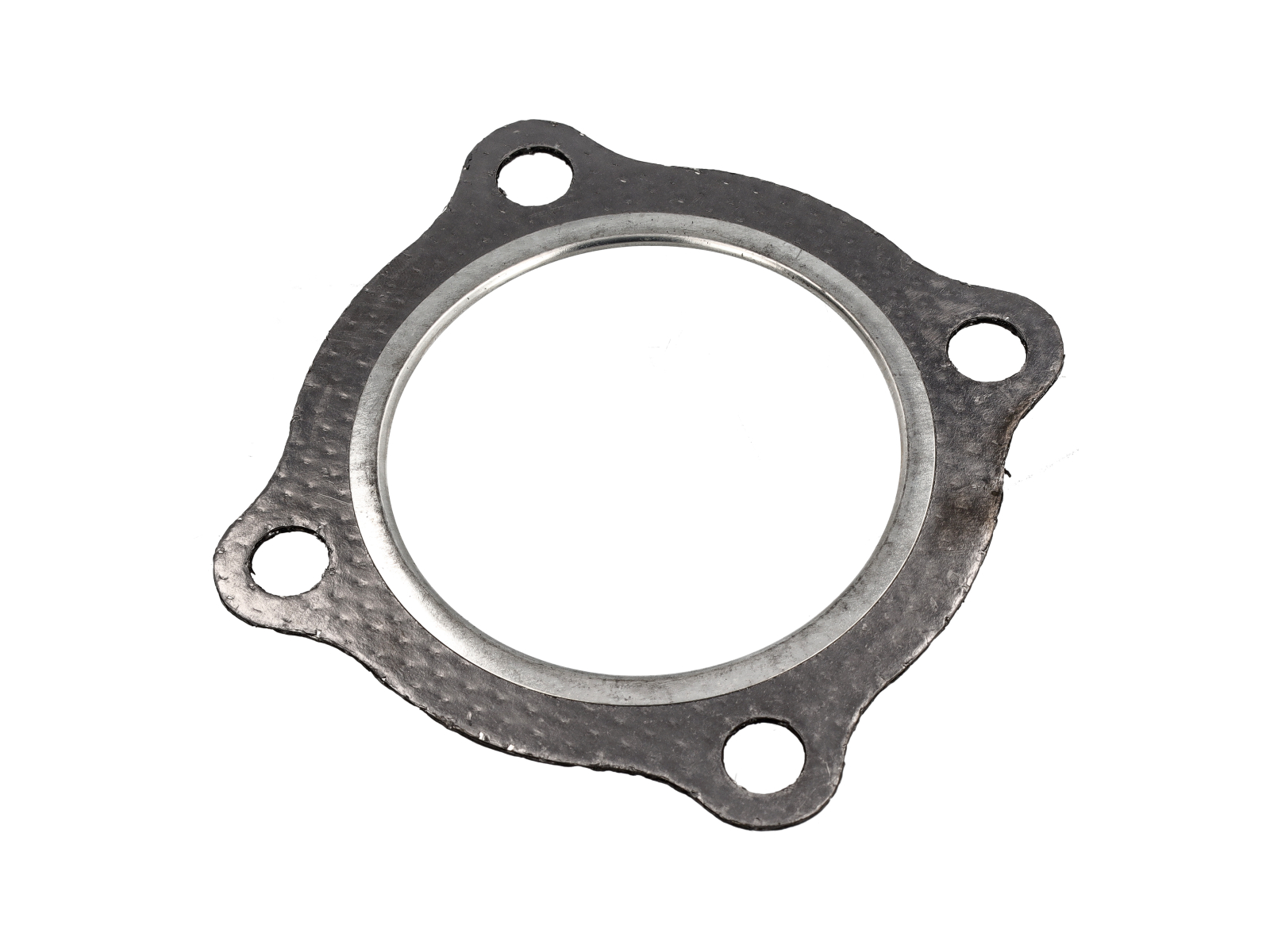
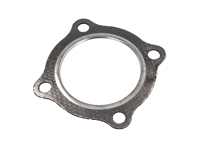
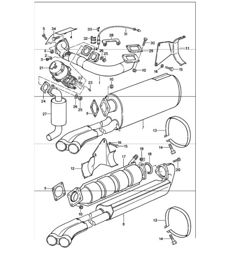
Rear silencer exhaust gasket by OE Match for Porsche 930 Turbo and 965 Turbo applications. This replacement seals the exhaust connection during joint repairs or reassembly.
Fits
- Porsche 930 Turbo 1977-89
- Porsche 965 Turbo 1989-94
Check fitment for your specific vehicle (model, year, engine) before ordering.
What This Product Does
The gasket forms a seal where adjoining exhaust components meet. Its purpose is to contain exhaust gases at the connection rather than allowing them to escape around the joint. OE Match develops replacement components around Porsche applications, using original references and application details when assessing suitability.
Functions
- Seals the exhaust connection.
- Helps contain gases within the exhaust assembly.
- Supports joint resealing after dismantling.
Technical Details
- Part reference: 93012319105.
- Intended application: rear silencer exhaust connection.
Symptoms of Fault
- A ticking or blowing sound near the connection.
- Dark soot deposits around the sealing faces.
- An exhaust odour associated with a leaking joint.
Why Replacement Matters
Repeated heating and cooling can leave an old gasket hardened or compressed, making it unsuitable for resealing after removal. Renewing the gasket when the connection is opened helps address joint leakage. Inspect flange condition, component alignment and fastening hardware at the same time; a replacement gasket alone will not correct damaged mating faces or uneven clamping.
FAQs
Is the removed gasket suitable for refitting?
Renewal is generally preferable because a previously compressed gasket may not seal again.
Should sealant be applied?
Use the installation instructions applicable to the vehicle and component; do not assume additional sealant is required.
What should be checked if leakage returns?
Examine flange distortion, exhaust alignment and fasteners that may not distribute clamping force evenly.
Related reference numbers
Related, superseded, cross reference or alternative numbers for comparison.
93012319105
The product you are viewing cross references to these numbers
- Porsche 911 1965-1968 2.0L / 912 SWB (F)
- Porsche 911 1968-1973 2.2L / 2.4L / 2.7L RS LWB (F)
- Porsche 911 1978-1989 3.3L Turbo (930)
- Porsche 914 (1970-1976)
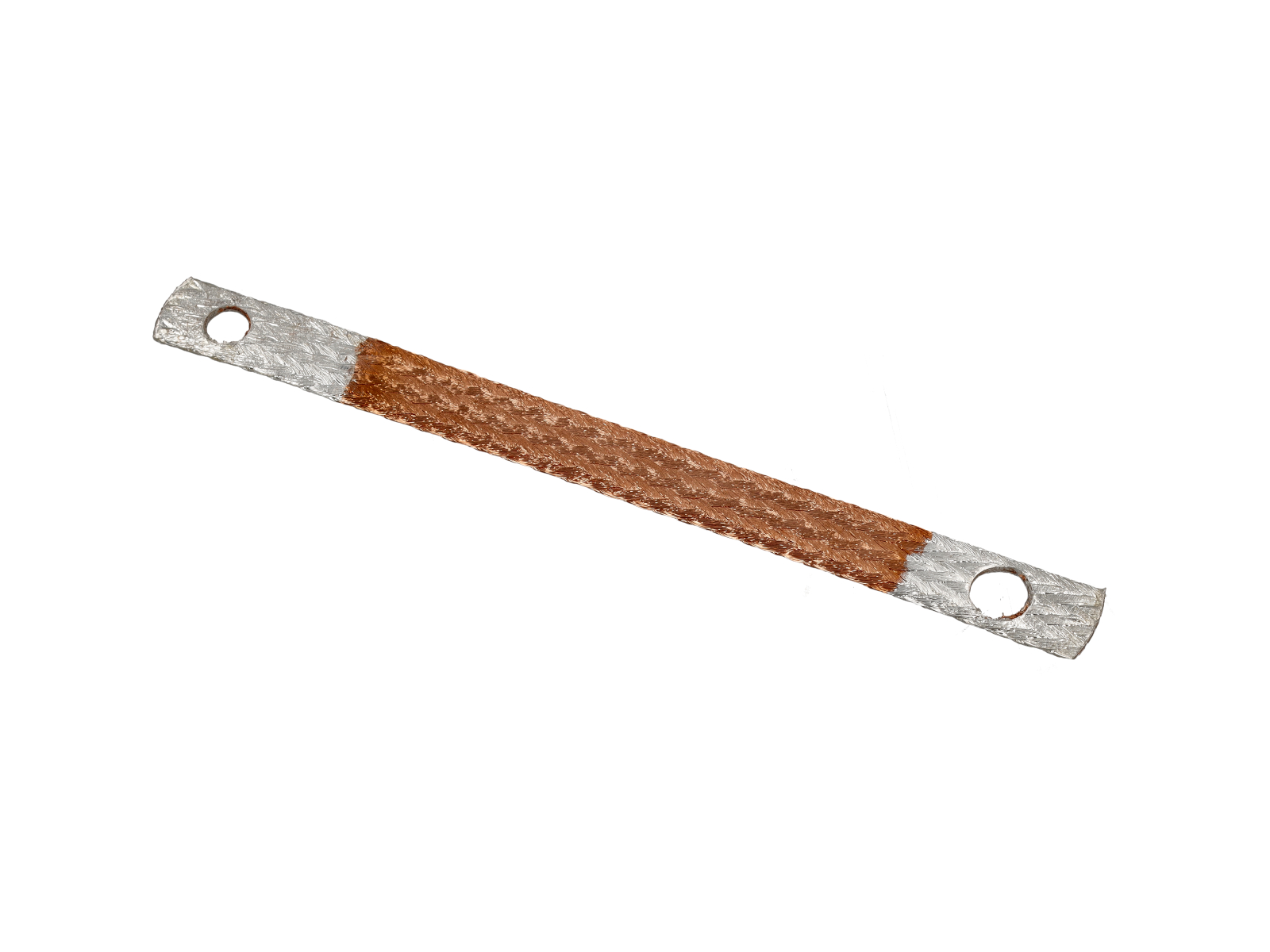
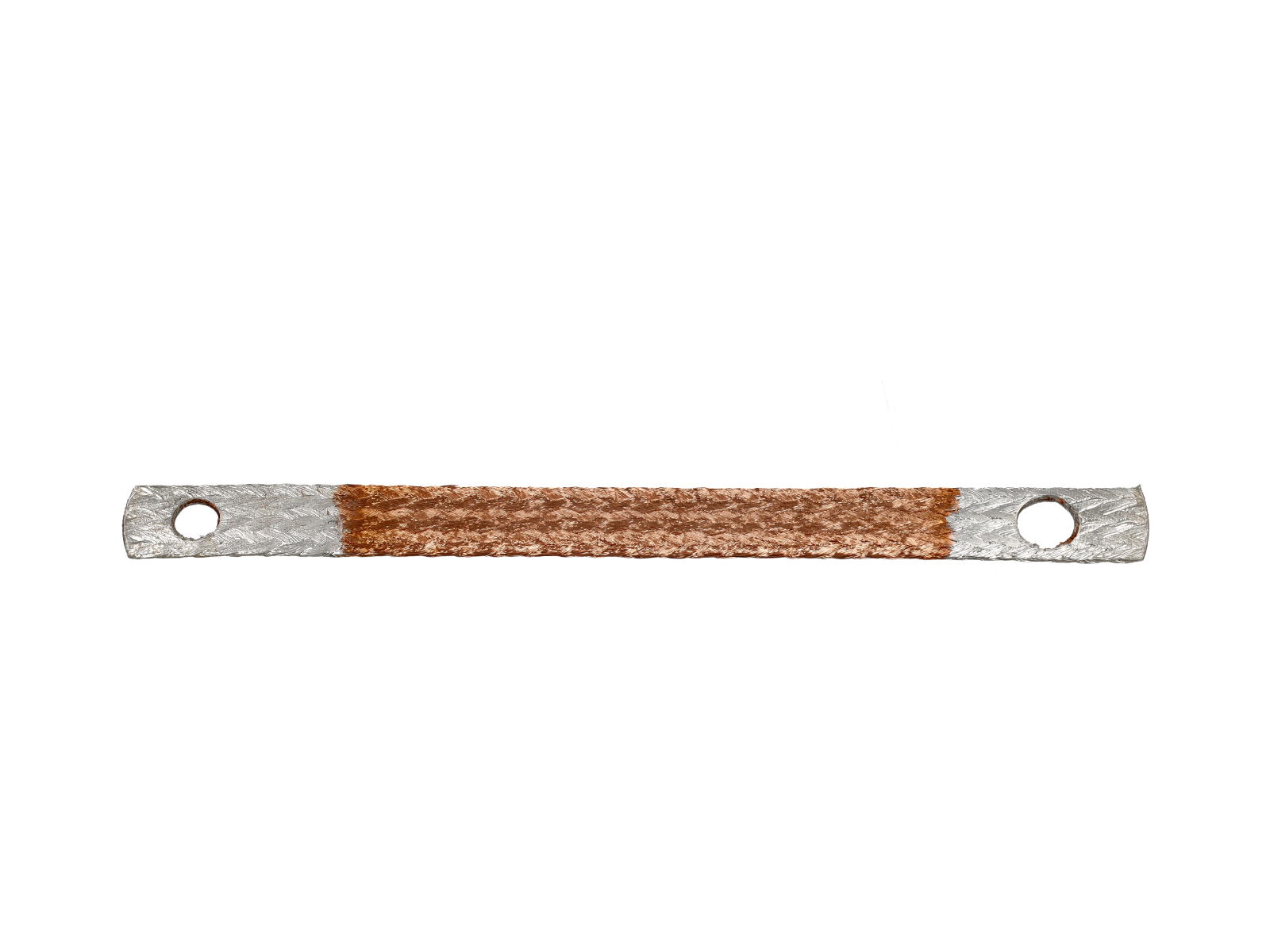
Fits:
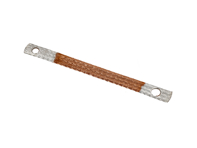
Porsche 911 - 1965 to 1973 - (alternator)
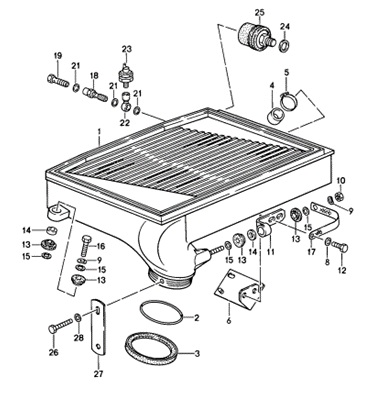
Porsche 911 turbo - 1987 to 1989 (intercooler)
Porsche 914 - 1970 to 1976
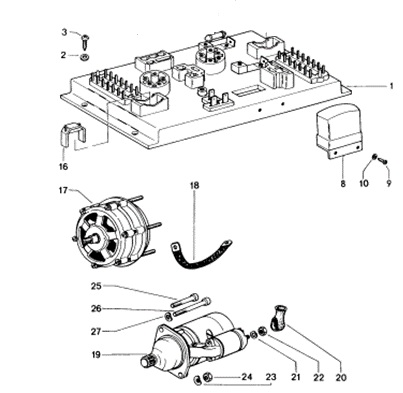
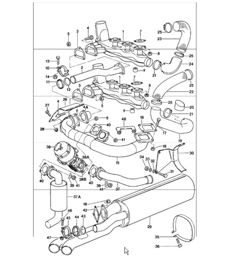
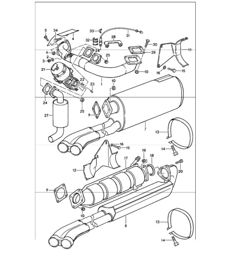
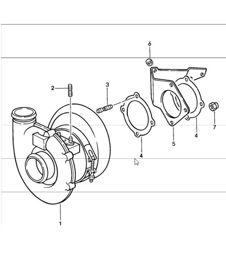
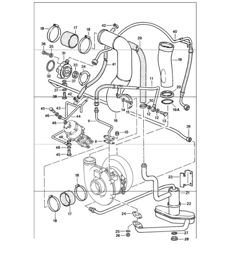
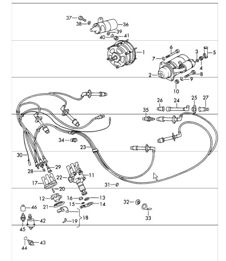
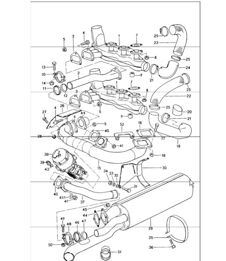
Click 'Zoom in' for large parts diagram.
Diagram ref no 18 or 17
Related reference numbers
Related, superseded, cross reference or alternative numbers for comparison.
90161211000
The product you are viewing cross references to these numbers
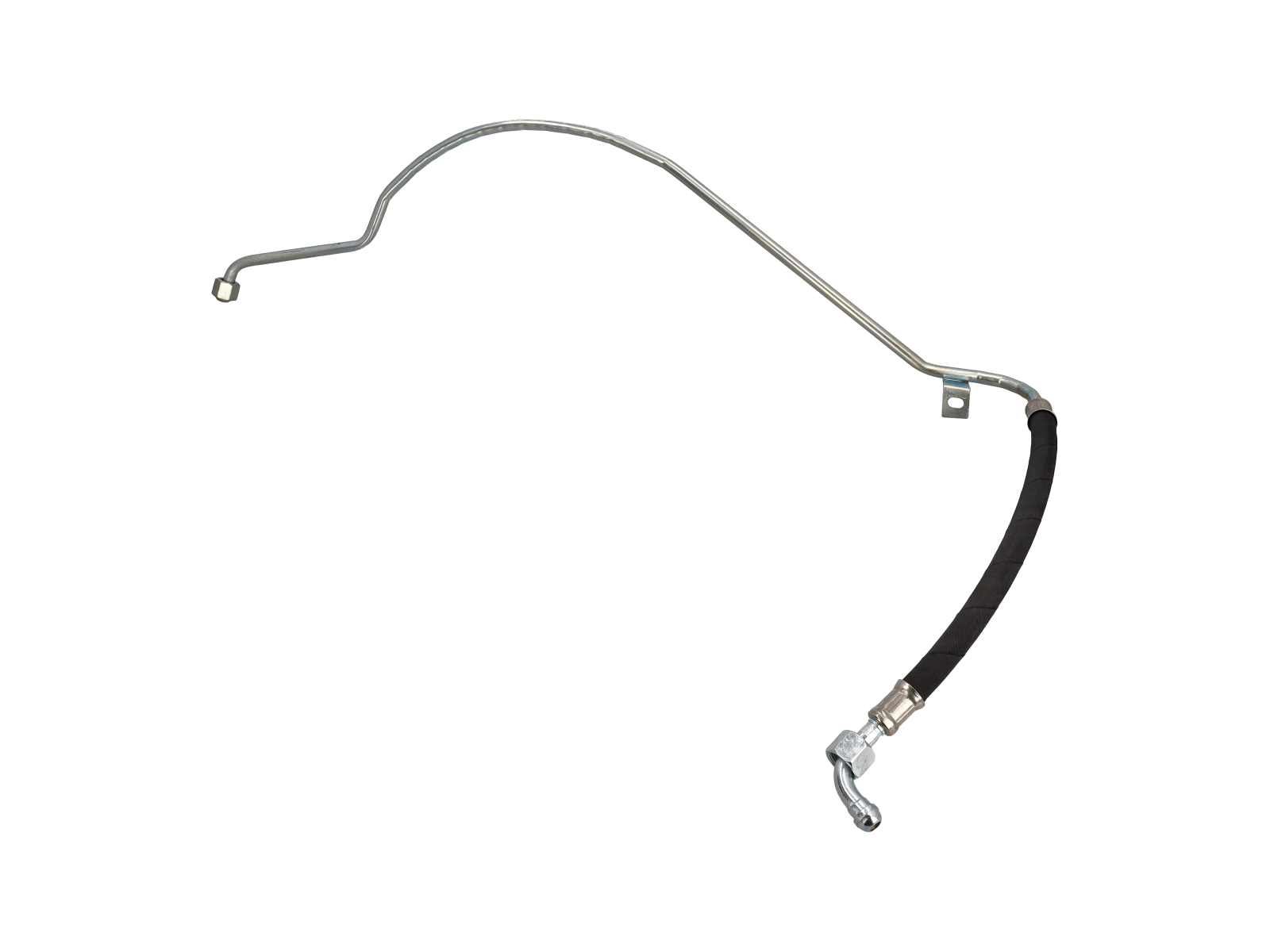
- Porsche 911 1978-1989 3.3L Turbo (930)
Fits:
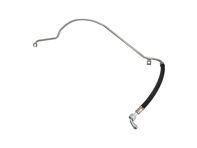
Porsche 930 Turbo 3.3L 1978-89
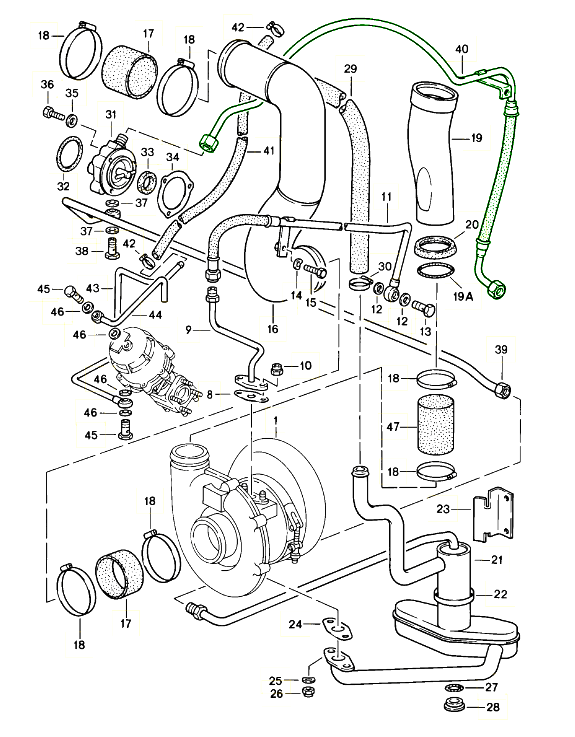
Diagram ref no 40
Related reference numbers
Related, superseded, cross reference or alternative numbers for comparison.
93010733607
The product you are viewing cross references to these numbers
- Porsche 911 1975-1977 3.0L Turbo (930)
- Porsche 911 1978-1989 3.3L Turbo (930)
- Porsche 964 (911) TURBO 3.3L 1991-93
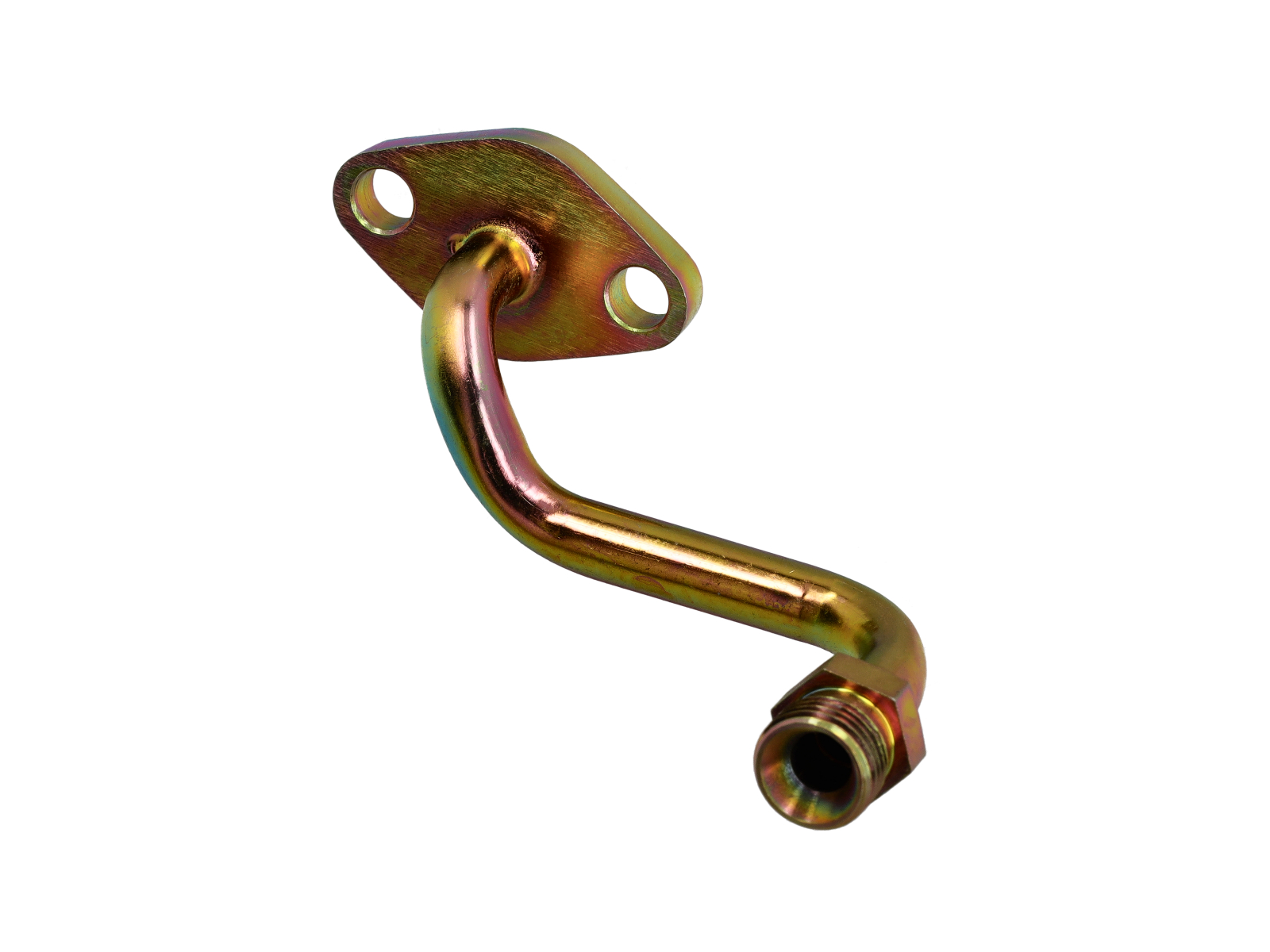
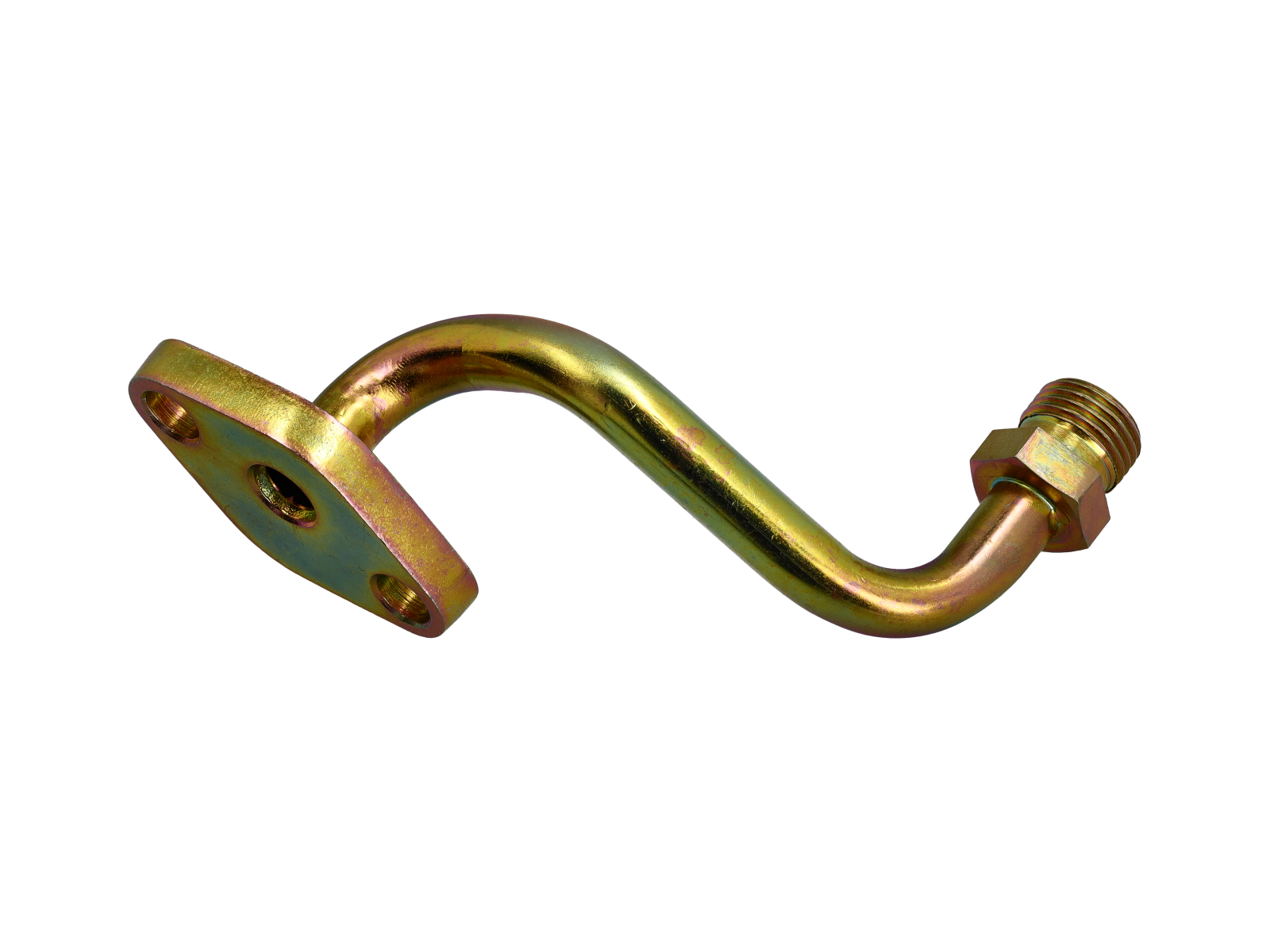
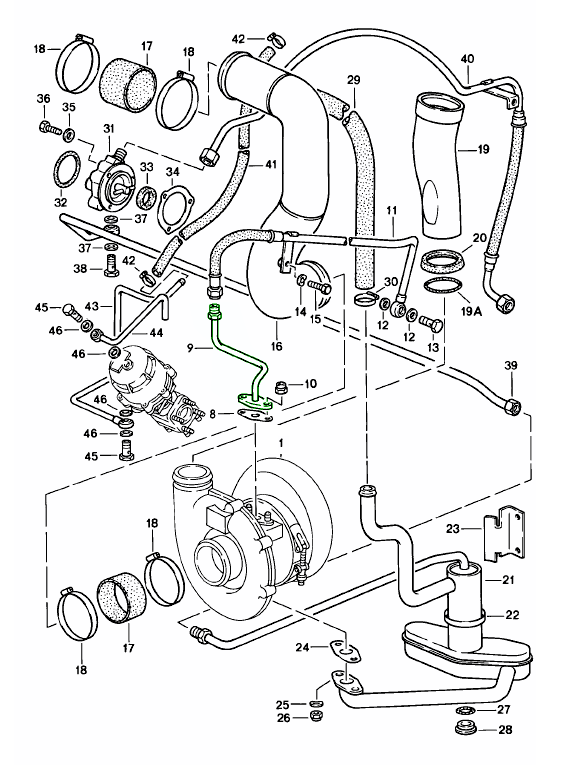
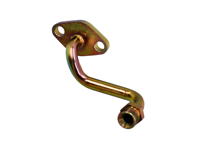
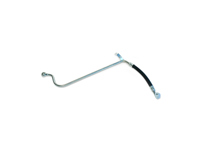
The OE MATCH Turbo Oil Feed Pipe is a replacement lubrication component designed to maintain a reliable supply of engine oil to the turbocharger on classic Porsche 911 Turbo (930) and Porsche 964 Turbo 3.3L models.
Fits:
- Porsche 911 (930) Turbo 1978-89
- Porsche 964 Turbo 3.3L 991-92
Diagram Ref No 9
Manufactured to match the original equipment design and fitment, this turbocharger oil supply pipe provides a dedicated passage for pressurised engine oil to reach the turbocharger bearing assembly, helping maintain effective lubrication and reliable turbocharger operation.
The turbocharger is one of the most important performance components of Porsche's turbocharged engines. Operating at extremely high rotational speeds and elevated temperatures, it relies on a continuous supply of clean engine oil to lubricate its internal bearings, reduce friction and assist with heat dissipation.
The turbo oil feed pipe connects the engine's lubrication system to the turbocharger oil inlet, delivering the oil required for normal turbocharger operation.
Its correctly formed shape and connection points help maintain the intended oil supply arrangement while accommodating the demanding conditions within the engine compartment.
Over time, the original oil feed pipe may deteriorate due to prolonged exposure to heat, vibration, corrosion and repeated thermal expansion. Cracks, damaged connections or restricted internal passages may cause oil leakage or reduce the oil supply reaching the turbocharger.
Insufficient lubrication can result in increased bearing friction, excessive heat, premature turbocharger wear and potentially serious turbocharger failure.
Replacing a damaged, leaking or restricted turbo oil feed pipe with an OE MATCH component helps restore the original lubrication connection, maintain reliable oil delivery and protect the turbocharger against avoidable mechanical damage.
Ideal for turbocharger servicing, engine oil leak repairs, turbo replacement, lubrication system refurbishment and classic Porsche restoration projects.
What This Product Does:
The turbocharger oil feed pipe performs an essential function within the engine's lubrication and turbocharging systems.
Its primary functions include:
- Supplies Oil to the Turbocharger: Transfers pressurised engine oil from the lubrication system to the turbocharger bearing housing.
- Lubricates Turbocharger Bearings: Helps maintain the protective oil film required between moving bearing components.
- Reduces Friction: Supports smooth operation of the turbocharger's rotating shaft and bearing assembly.
- Assists Heat Dissipation: Circulating engine oil helps remove heat from the turbocharger's internal bearing components.
- Supports Reliable Turbocharger Operation: Maintains the oil supply needed for the turbocharger to operate under demanding engine conditions.
- Helps Prevent Premature Bearing Wear: Proper lubrication reduces excessive mechanical contact and friction-related deterioration.
- Maintains Oil Supply Integrity: Provides a secure connection between the engine lubrication circuit and turbocharger oil inlet.
- Supports Correct Oil Delivery: Maintains the intended oil passage dimensions and connection arrangement.
- Protects Turbocharger Components: Helps reduce the risk of oil starvation and associated damage to the rotating assembly.
- Maintains Original Equipment Configuration: Replaces the factory oil feed pipe without modifying the intended turbocharger oil supply system.
Symptoms Of Wear Or Failure:
Turbocharger oil feed pipes operate in demanding environments involving high engine temperatures, oil pressure, vibration and repeated heating and cooling cycles.
Over time, the pipe, fittings and associated sealing components can become damaged, corroded or restricted.
Common symptoms of a worn or failing turbo oil feed pipe include:
- Visible Engine Oil Leaks: Oil may seep or drip from the feed pipe, its unions or connection points.
- Oil Residue Around the Turbocharger: Wet or oily deposits may appear around the turbocharger oil inlet or adjacent pipework.
- Low Engine Oil Level: Continued leakage may cause the engine oil quantity to fall between servicing intervals.
- Burning Oil Smell: Leaking oil contacting hot exhaust or turbocharger components may produce a noticeable burning smell.
- Smoke from the Engine Compartment: Oil reaching hot components may generate visible smoke.
- Cracked or Damaged Pipe: Physical damage or fatigue may cause fractures and loss of oil pressure at the feed connection.
- Corroded Pipework: Prolonged exposure to moisture and road contaminants may weaken the oil feed pipe.
- Loose or Damaged Fittings: Worn unions, damaged threads or deteriorated seals may allow oil to escape.
- Restricted Oil Flow: Internal contamination, sludge or carbon deposits may reduce the oil supply reaching the turbocharger.
- Turbocharger Whining or Whistling: Abnormal noises may develop if insufficient lubrication causes bearing wear.
- Excessive Turbocharger Shaft Play: Severe bearing deterioration caused by inadequate lubrication may result in excessive movement of the turbocharger shaft.
- Increased Turbocharger Wear: Reduced oil supply may accelerate deterioration of bearings and other internal components.
- Reduced Turbocharger Performance: Significant mechanical damage resulting from inadequate lubrication may affect turbocharger operation.
- Oil Leakage Following Turbo Repairs: Incorrect pipe installation, damaged fittings or unsuitable sealing components may cause leaks after servicing.
- Visible Pipe Deformation: Incorrect handling or mechanical impact may bend the pipe and affect fitment or internal flow.
Why Replacement Matters:
Replacing a leaking, damaged or restricted turbocharger oil feed pipe is important for maintaining the reliability, performance and longevity of the turbocharger.
Key Benefits of Replacement:
- Restores Reliable Oil Supply: Helps maintain the continuous flow of pressurised engine oil required for turbocharger lubrication.
- Protects Turbocharger Bearings: Reduces the risk of excessive friction and wear caused by inadequate oil delivery.
- Helps Prevent Turbocharger Failure: Replacing a restricted or damaged oil feed pipe can help protect expensive turbocharger components.
- Reduces Engine Oil Leakage: Restores the integrity of the oil supply connection where the original pipe or its fittings are defective.
- Supports Effective Heat Management: Maintains oil circulation that helps dissipate heat from the turbocharger bearing assembly.
- Maintains Turbocharger Reliability: Helps preserve suitable lubrication conditions during normal and demanding driving.
- Reduces the Risk of Premature Wear: Protects internal rotating components against insufficient lubrication.
- Restores Factory Oil Line Routing: Provides the original-style pipe shape and connection arrangement.
- Original Equipment-Style Fitment: Designed to match the corresponding Porsche turbocharger oil supply configuration.
- Ideal During Turbocharger Replacement: Allows deteriorated or contaminated oil feed pipework to be renewed when installing a replacement turbocharger.
- Supports Engine Lubrication Integrity: Helps prevent oil loss through damaged feed pipe connections.
- Reduces the Risk of Oil-Related Smoke: Helps eliminate external oil leakage that may contact hot turbocharger or exhaust components.
- Cost-Effective Preventative Maintenance: Replacing a relatively small lubrication component may help prevent considerably more expensive turbocharger repairs.
- Suitable for Classic Porsche Restoration: Maintains the original turbocharger lubrication arrangement used on compatible Porsche 930 and 964 Turbo models.
Although the turbo oil feed pipe is a relatively small component, it plays a critical role in protecting the turbocharger's high-speed rotating assembly.
A turbocharger relies on a continuous supply of clean engine oil to maintain adequate lubrication. If the feed pipe becomes severely restricted or damaged, the turbocharger bearings may experience excessive friction and heat.
Continued operation with inadequate lubrication can result in bearing damage, increased shaft movement and potentially complete turbocharger failure.
External oil leakage also creates additional concerns, particularly because the turbocharger and surrounding exhaust components operate at very high temperatures.
Replacing a defective oil feed pipe with an OE MATCH component helps restore the intended lubrication pathway and maintain the reliability of the turbocharger system.
Related reference numbers
Related, superseded, cross reference or alternative numbers for comparison.
93010712403
The product you are viewing cross references to these numbers
- Porsche 911 1975-1977 3.0L Turbo (930)
- Porsche 911 1978-1989 3.3L Turbo (930)
- Porsche 964 (911) TURBO 3.3L 1991-93
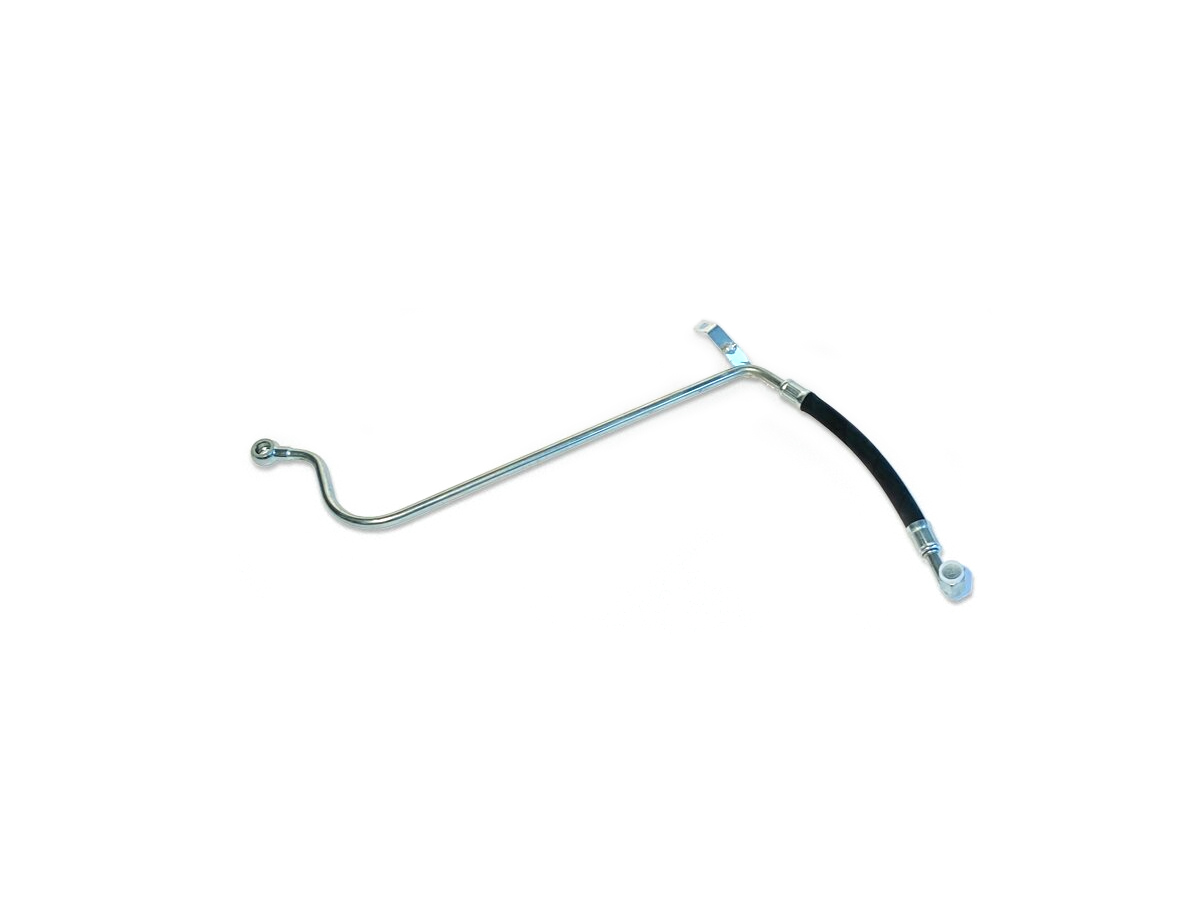
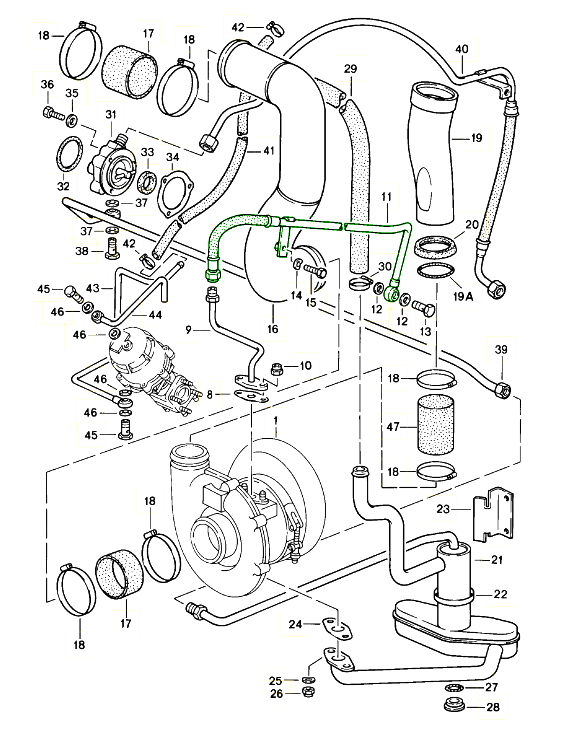
Engine to turbocharger
Fits:
Porsche 911 (930) 3.0L / 3.3L Turbo 1975-1989
Porsche 965 3.3L Turbo 08/1990 - 07/1992
This product supersedes Porsche's old part numbers:
- 93010712501,
- 93010712503,
- 93010712505,
- 93010712507,
Diagram ref no 11
Related reference numbers
Related, superseded, cross reference or alternative numbers for comparison.
93010712509
The product you are viewing cross references to these numbers
-

turbocharging 911 TURBO 1978-83 107-40
-
exhaust system 911 TURBO 930.60/66 1978-83 202-10
-
turbocharging 911 TURBO 930.66/68 1987-89 107-40
-
charge air cooler 911 TURBO 930.66/68 1987-89 107-45
-
exhaust system 911 TURBO 930.66/68 1987-89 202-15
-
turbocharger 911 TURBO 930.66/68 1987-89 202-16
-
turbocharging 911 1984-86 107-40
-
Exhaust system 911 TURBO 1984-86 202-15
-
turbocharger 911 TURBO 1984-86 202-16
-
Engine electrics 911 1970-73 901-00
-
engine electrics 911 1965-69 901-00
-
exhaust system 911 TURBO 1975-77 202-00
-
exhaust system 911 TURBO 1975-77 (J) (USA) 202-10
-
turbocharger and wastegate 911 TURBO 1975-77 202-20







OEMatch Turbo Chargers / Intercoolers & Parts — Fit, Function, Confidence
OEMatch offers turbochargers and intercoolers for Porsche models, selected to support application-specific needs. Many owners search for genuine or OEM turbochargers and intercoolers; these are direct-fit alternatives designed to match the original form, fit and function. The range supports maintenance, rebuilds and sympathetic performance upgrades for classic and modern Porsche vehicles.
Available Types
- Turbochargers
- Intercoolers
- Intercooler pipes and hoses
- Wastegates and actuators
- Gaskets, seals and clamps
- Rebuild and repair parts
Understanding OEMatch Turbo Chargers / Intercoolers & Parts
OEM (Original Equipment Manufacturer) parts are made by the same company that produced your Porsche’s original turbochargers and intercoolers.
OE (Original Equipment) refers to parts matching original specifications for the turbochargers and intercoolers and may be supplied by alternative manufacturers. Aftermarket parts offer alternative options, sometimes with enhanced features or better value. OEMatch supplies non-OEM turbochargers and intercoolers engineered as direct-fit alternatives to OEM parts, made to original-spec dimensions and tolerances for Porsche models.
A turbocharger increases charge density by compressing intake air while an intercooler lowers its temperature to improve combustion and reduce the risk of knock. OEMatch catalogues over 4,000 part numbers and more than 8,700 OE cross-references to assist sourcing across Porsche generations.
Benefits Include
- Restored boost pressure and throttle response
- Lower intake temperatures and more consistent power delivery
- Improved sealing to reduce oil and boost leaks
Why Turbo Chargers / Intercoolers & Parts Wear and Fail
- Oil contamination or inadequate lubrication damaging turbo bearings
- Boost leaks due to worn seals, cracked hoses or failing clamps
- Intercooler clogging from debris or oil residue
- Excessive exhaust temperatures causing turbine or actuator damage
- Corrosion or heat fatigue from prolonged high-load use
The Importance of Replacing with OEMatch Turbo Chargers / Intercoolers & Parts
Replacing ageing turbo and intercooler components restores control of boost and intake temperatures, protecting combustion integrity and helping avoid secondary engine damage. Correctly matched parts preserve the driving characteristics expected of Porsche models and suit restoration, routine maintenance or targeted performance work. Early intervention can prevent more extensive repairs.
Advantages
- Direct-fit replacements engineered to match original dimensions and tolerances
- Manufactured from heat-resistant materials with attention to balance and sealing
- Suitable for maintenance, rebuilds and sympathetic upgrades across Porsche applications
Support & Advice
Installation should be carried out by a qualified technician following model-specific procedures and torque settings. Use calibrated tools and new fasteners where specified.
-
 Intermediate shaft (IMS)
-
Oil System Parts
-
Fuel System Parts
-
Gaskets & Sets
-
Radial Seal / RMS / Camshaft / Balance shaft
-
Belts / Tensioners / Rollers
-
Chains & Tensioners
-
Timing covers and gaskets
-
Engine Bearings / Shells
-
Engine Valves / Guides / Springs
-
Rocker Arms & Tappets
-
Engine Bolts / Studs
-
Engine Mounts
-
Piston Rings
-
Engine Cylinders / Liners / Pistons
-
Connecting Rod
-
Cylinder Head / Camshaft Carrier
-
Camshaft covers / Gaskets
-
Camshafts
-
Camshaft gears / sprockets and fixings
-
Crankcase Parts
-
Crankshaft & Parts
-
Engine Tinware
-
Air Intake & Injection
-
Carburetors & Parts
-
Vacuum Pump
-
Specialist Tools