

Enter your VAT number here and click Verify:
Your details have been verified. VAT number registered to:
,
.
Your order will now be zero rated for VAT purposes. We reserve the right to verify these details after your order request has been made and reinstate VAT if required.
Your VAT details were not recognised or were invalid. Your VAT number must be matched to your Billing Country as specified above. This is currently specified as . You do not need to enter the country code part of your VAT number as this has already been selected in your billing address details above.
The VAT number checking service is currently offline. Please supply your VAT details within the comments or special instructions field below and we will apply a VAT discount after placing your order request.
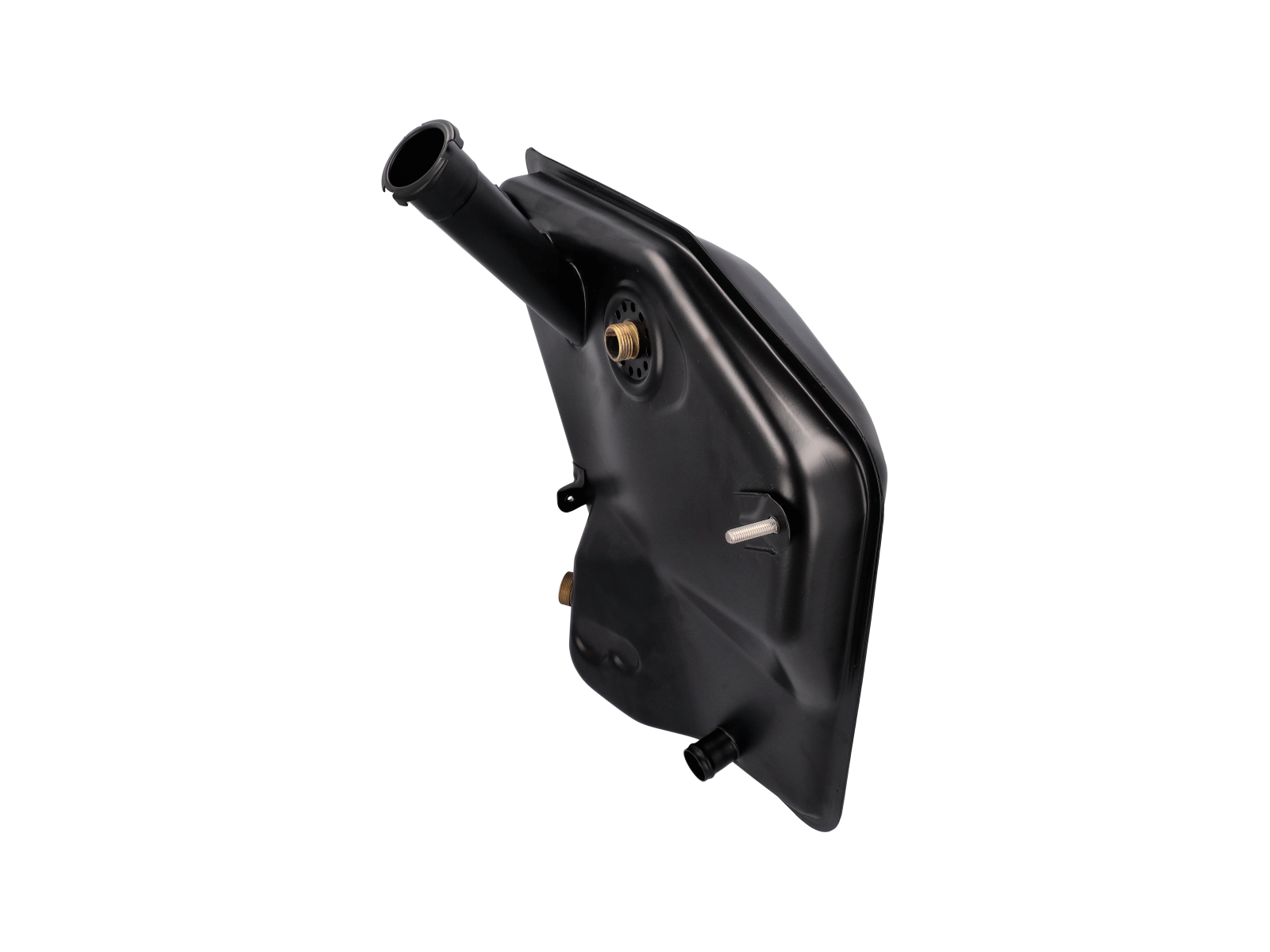
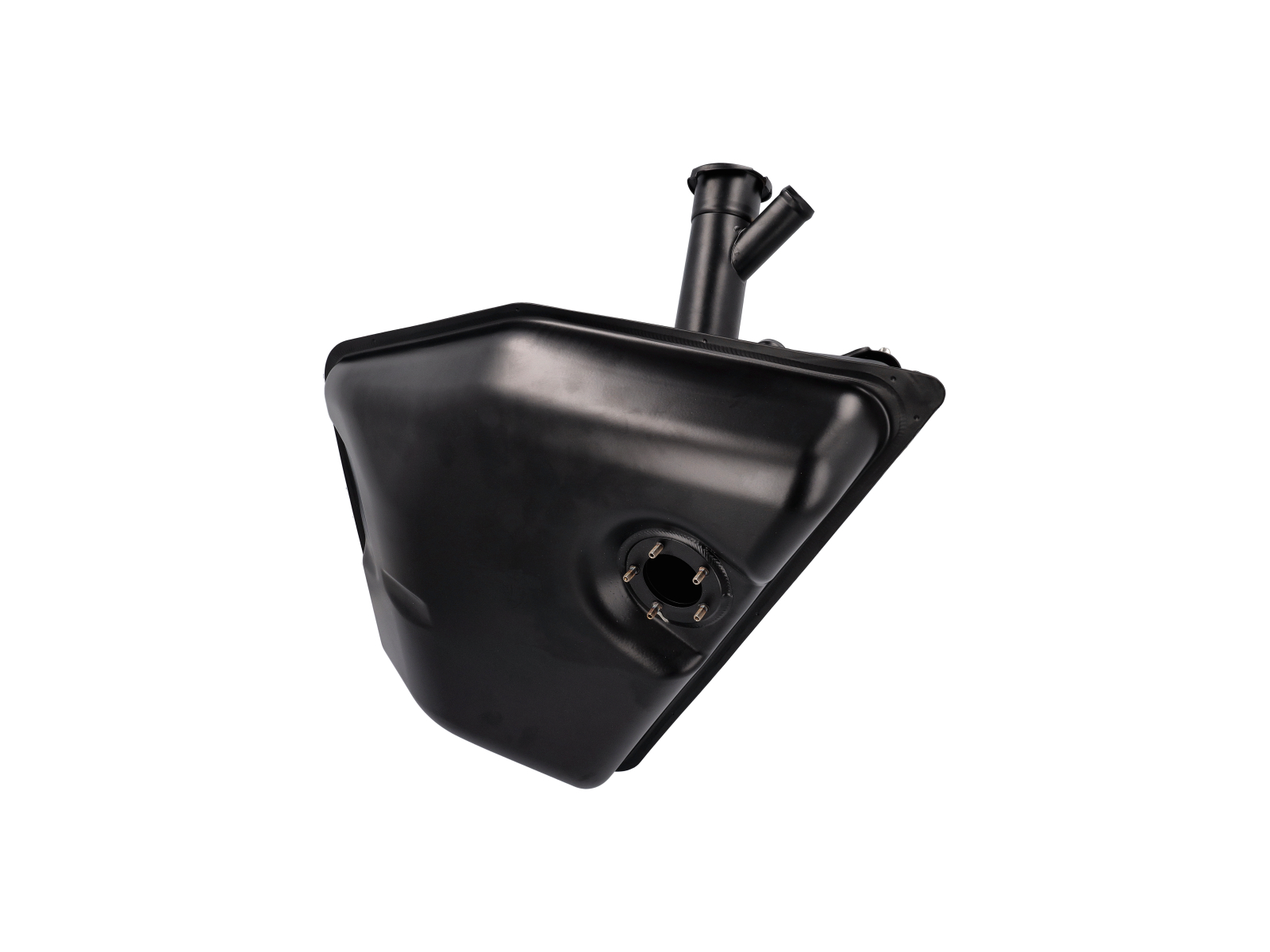
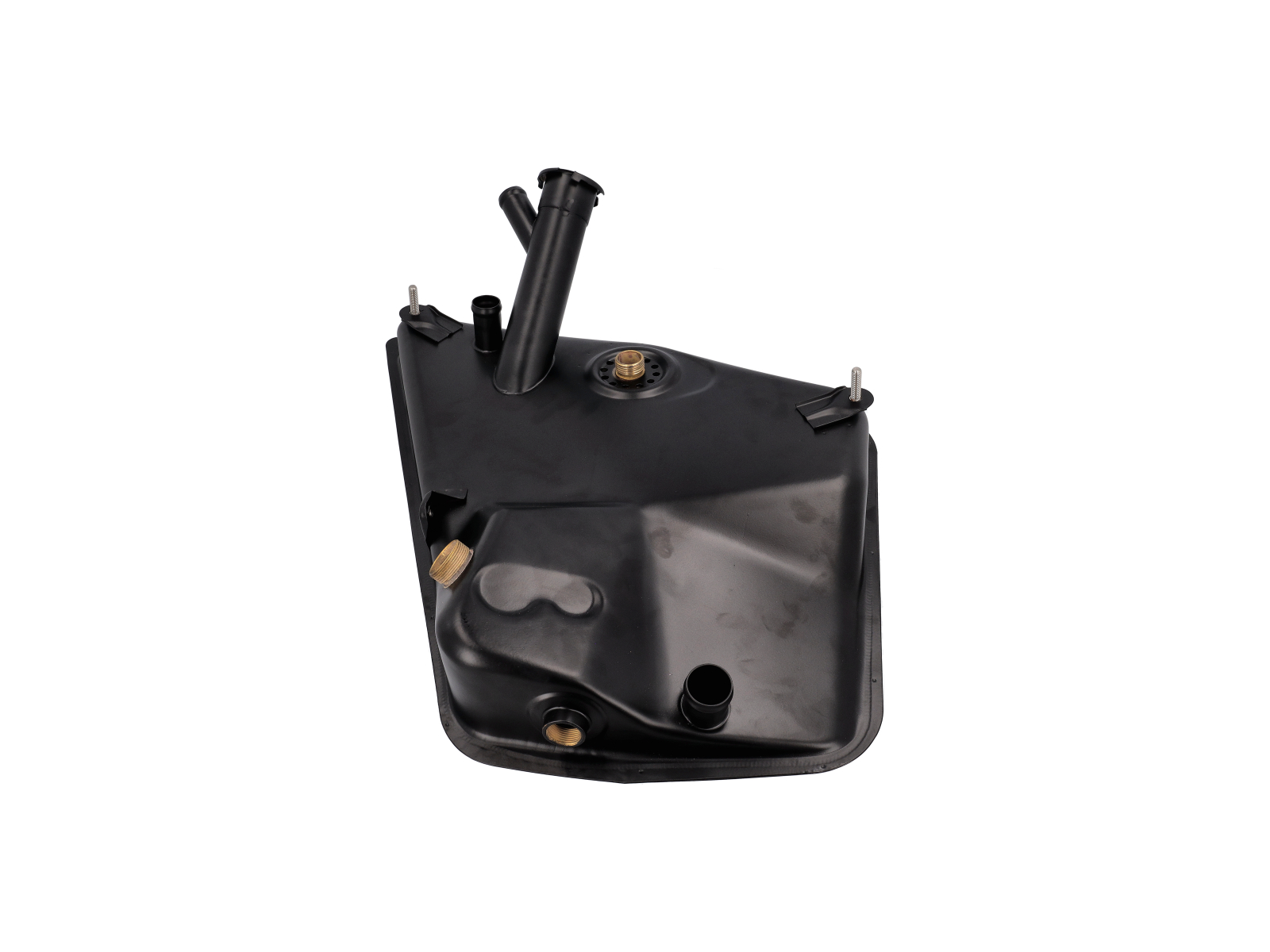
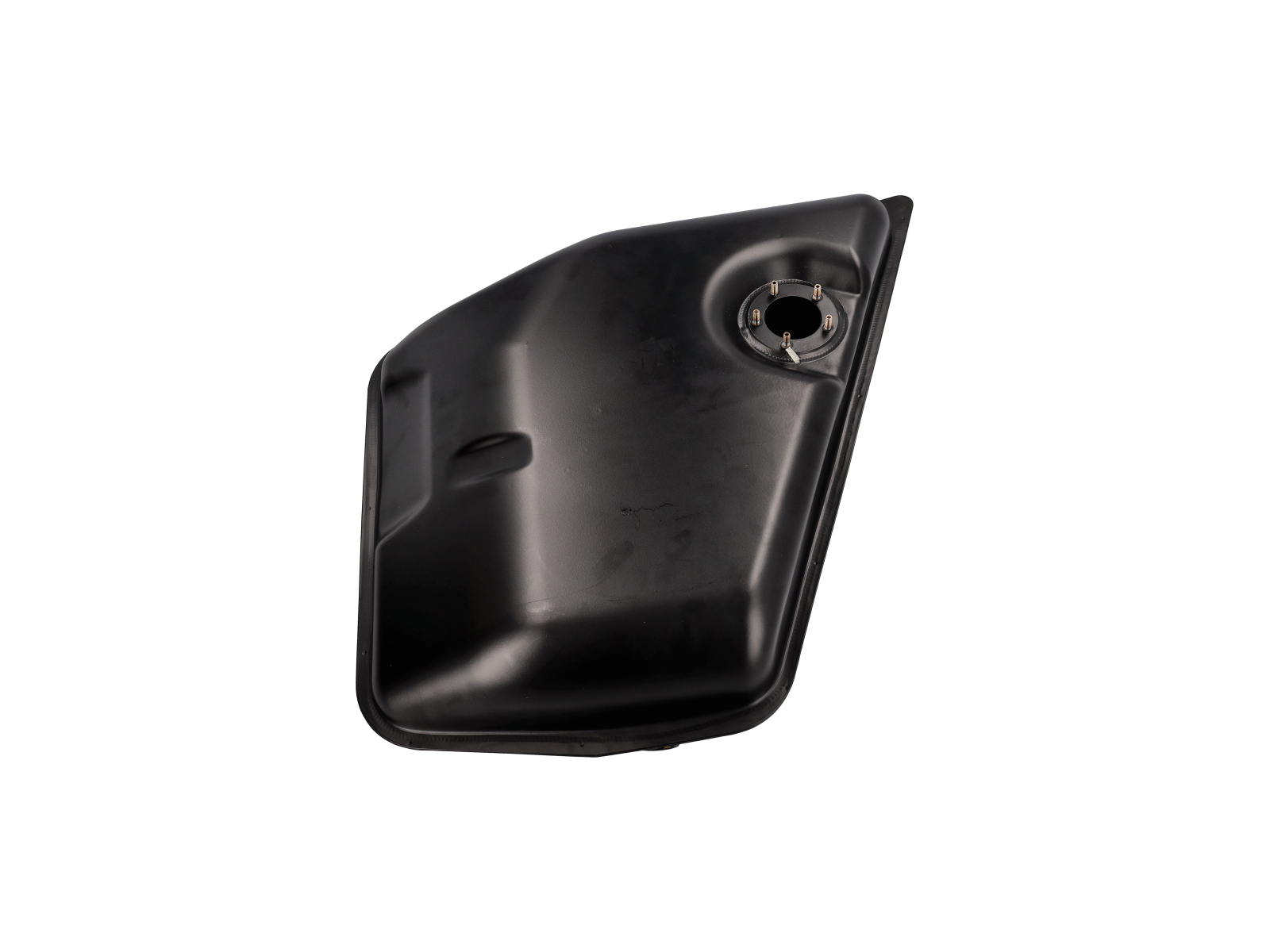
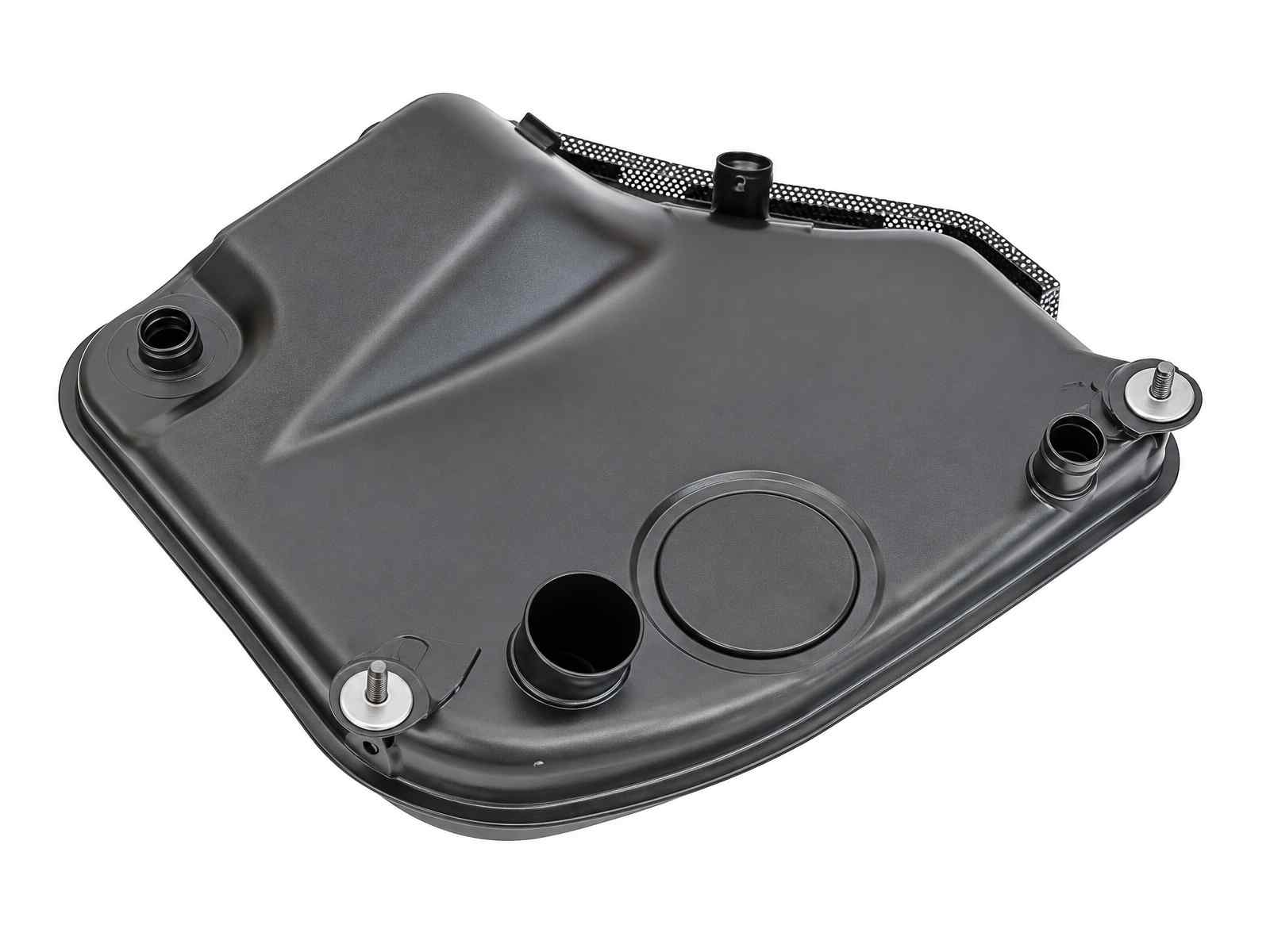
Oil Tank
By OE Match

- Porsche 911 1965-1968 2.0L / 912 SWB (F)
- Porsche 911 1968-1973 2.2L / 2.4L / 2.7L RS LWB (F)
- Porsche 911 1974-1977 2.7L / 1976-77 3.0 Carrera
- Porsche 911 1978-1983 3.0L / SC
- Porsche 911 1984-1986 3.2L
- Porsche 911 1987-1989 3.2L G50
- Porsche 911 1975-1977 3.0L Turbo (930)
- Porsche 911 1978-1989 3.3L Turbo (930)


- Porsche 911 1968-1973 2.2L / 2.4L / 2.7L RS LWB (F)
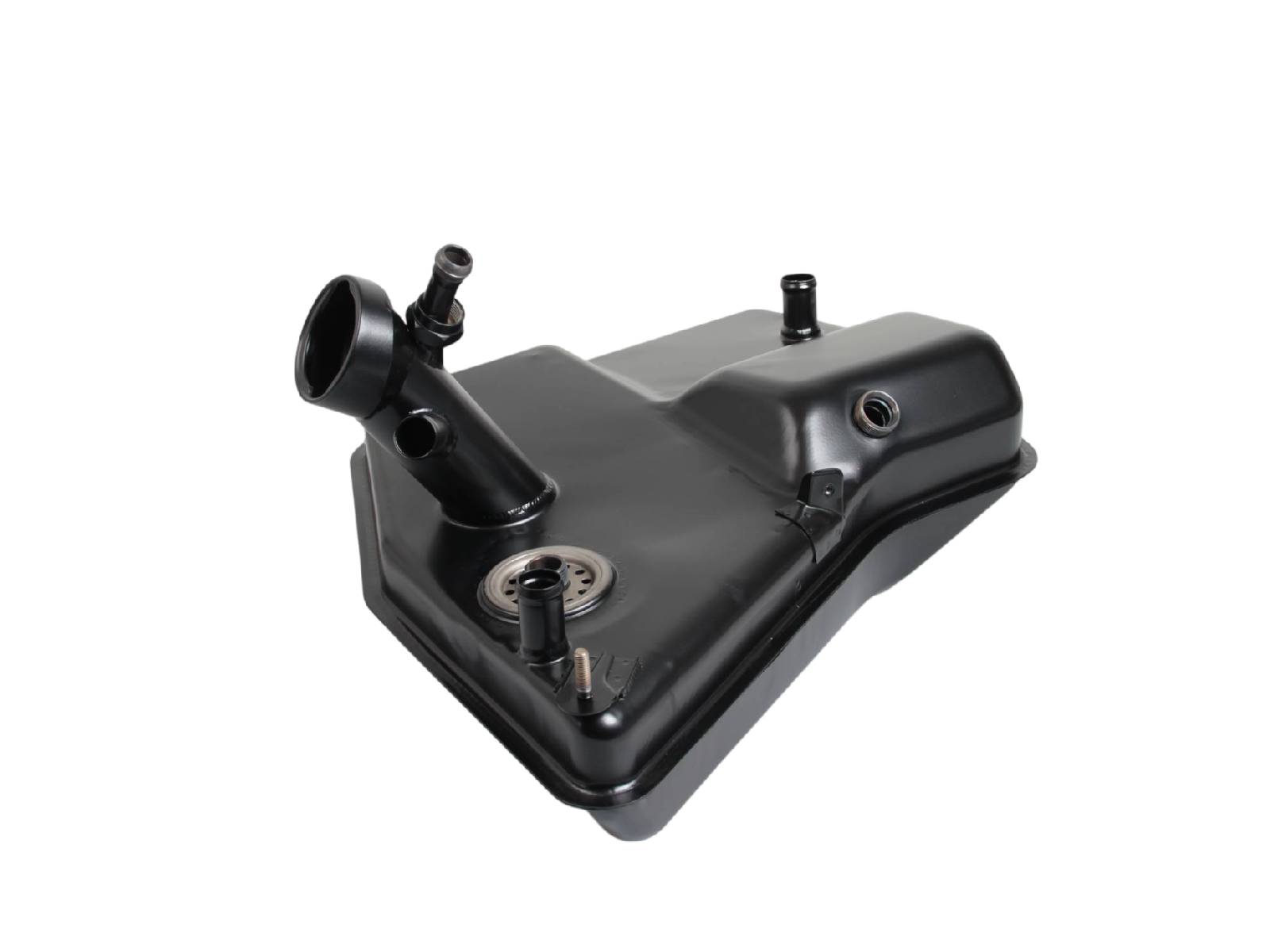
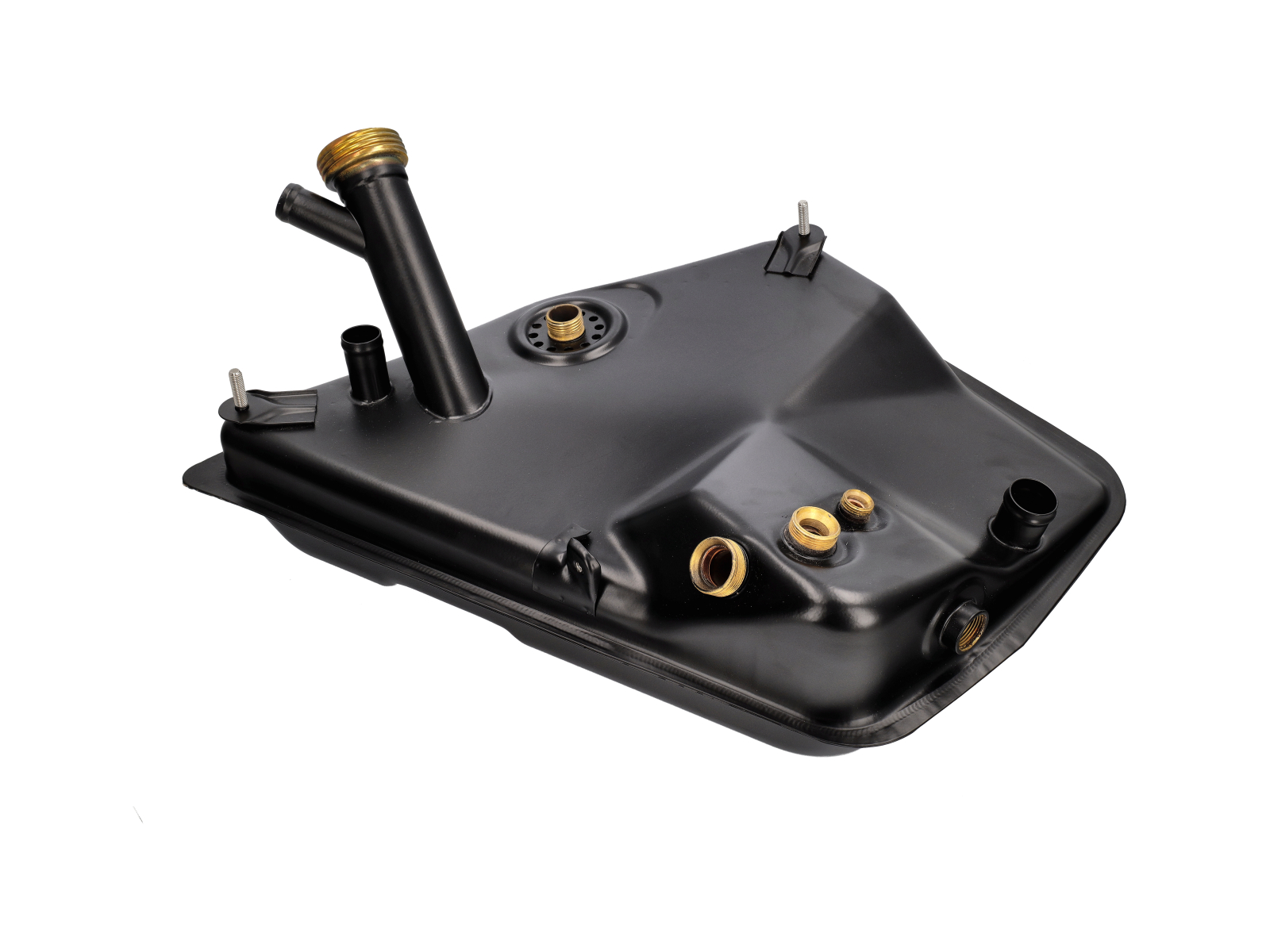
Engine Oil Tank for the 1972 "Oil Klapper"
Preserve the originality and reliability of your classic
Porsche with this OE Match Rear Engine Oil Tank,
designed exclusively for the one-year-only Porsche 911 1972 "Oil
Klapper". Manufactured to original equipment
specifications, this premium replacement oil tank is engineered to provide
factory-correct fitment, capacity and functionality for the unique external oil
filler system fitted only to the 1972 model year.
Fits:
Diagram Ref No 19
The 1972 Porsche 911 is one of the most sought-after classic 911 models, thanks to its distinctive external oil filler flap and revised oil tank location. This OE Match oil tank allows owners and restoration specialists to maintain the originality and performance of this iconic air-cooled Porsche.
What Does the Rear Engine Oil Tank Do?
Unlike conventional wet sump engines, the Porsche 911 uses a dry sump lubrication system. The oil tank stores the engine's oil supply separately from the crankcase, ensuring a constant supply of oil under all driving conditions.
Its primary functions include:
- Storing the engine's oil reserve.
- Supplying oil to the engine lubrication system.
- Allowing the scavenging pump to return oil from the engine.
- Maintaining stable oil pressure during cornering, braking and acceleration.
- Assisting with engine oil cooling.
- Supporting the unique external oil filling system found only on the 1972 Oil Klapper.
A properly functioning oil tank is critical to engine lubrication, cooling and long-term engine durability.
Why Do Rear Engine Oil Tanks Fail?
Although built to last, original oil tanks are now over 50
years old and are susceptible to deterioration. Common causes of failure
include:
- Internal corrosion caused by moisture and condensation.
- External corrosion from road salt and dirt.
- Stone damage.
- Accident damage.
- Rust around mounting brackets and seams.
- Contamination from degraded engine oil.
- Previous poor-quality repairs or welding.
Corroded or damaged oil tanks can develop leaks, contamination issues and reduced reliability, placing the engine at risk of lubrication failure.
When Should the Rear Engine Oil Tank Be Replaced?
Replacement is recommended whenever you notice:
- Oil leaks from the tank or welded seams.
- Internal corrosion or sludge contamination.
- Significant external rust.
- Accident or impact damage.
- Damaged mounting points.
- During a complete vehicle or engine restoration.
Replacing an ageing oil tank helps ensure reliable lubrication, protects the engine and preserves the originality of the rare 1972 Porsche 911.
Related reference numbers
Related, superseded, cross reference or alternative numbers for comparison.
91120701006
The product you are viewing cross references to these numbers
- Porsche 911 1968-1973 2.2L / 2.4L / 2.7L RS LWB (F)
- Porsche 911 1974-1977 2.7L / 1976-77 3.0 Carrera
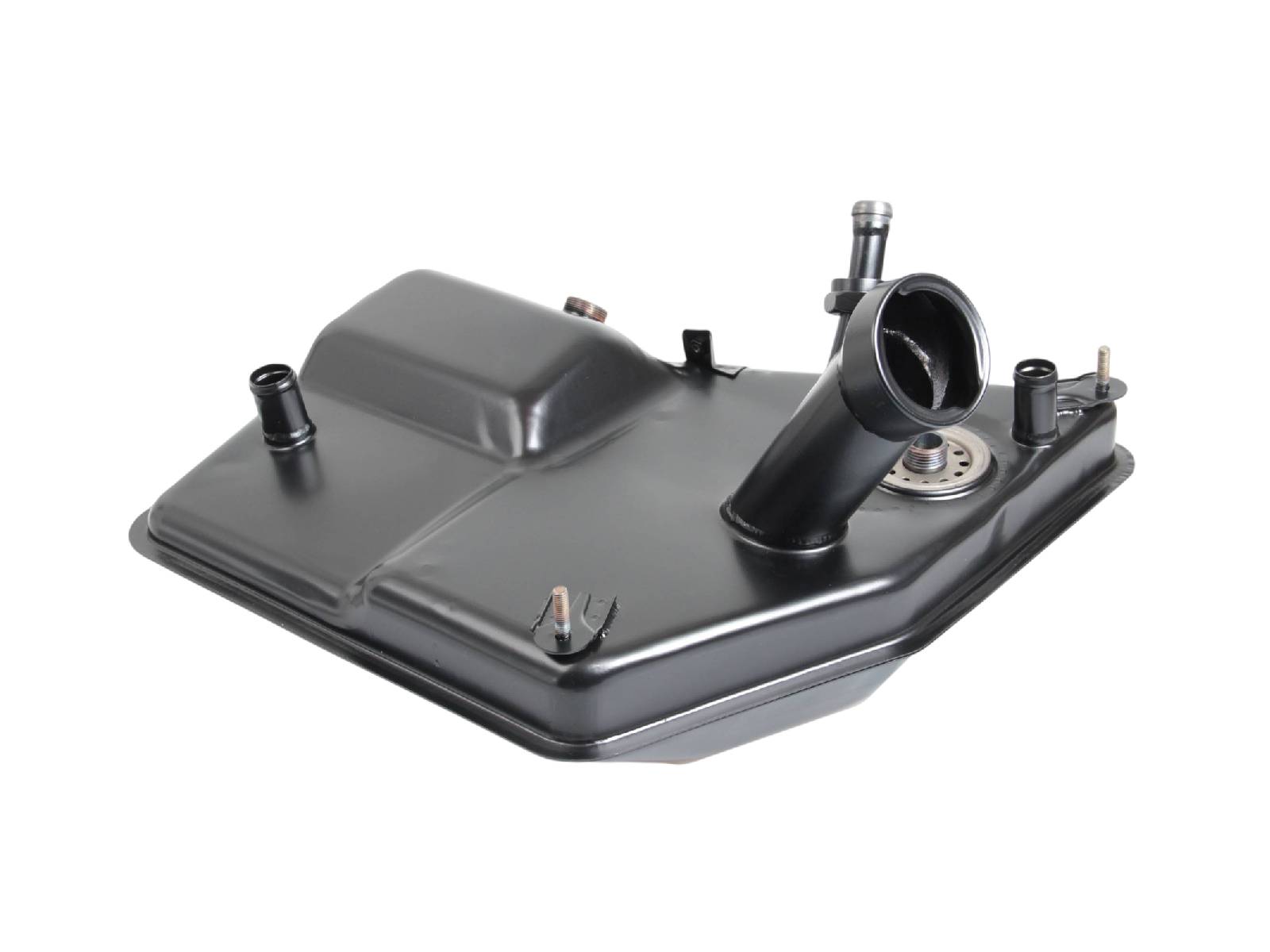
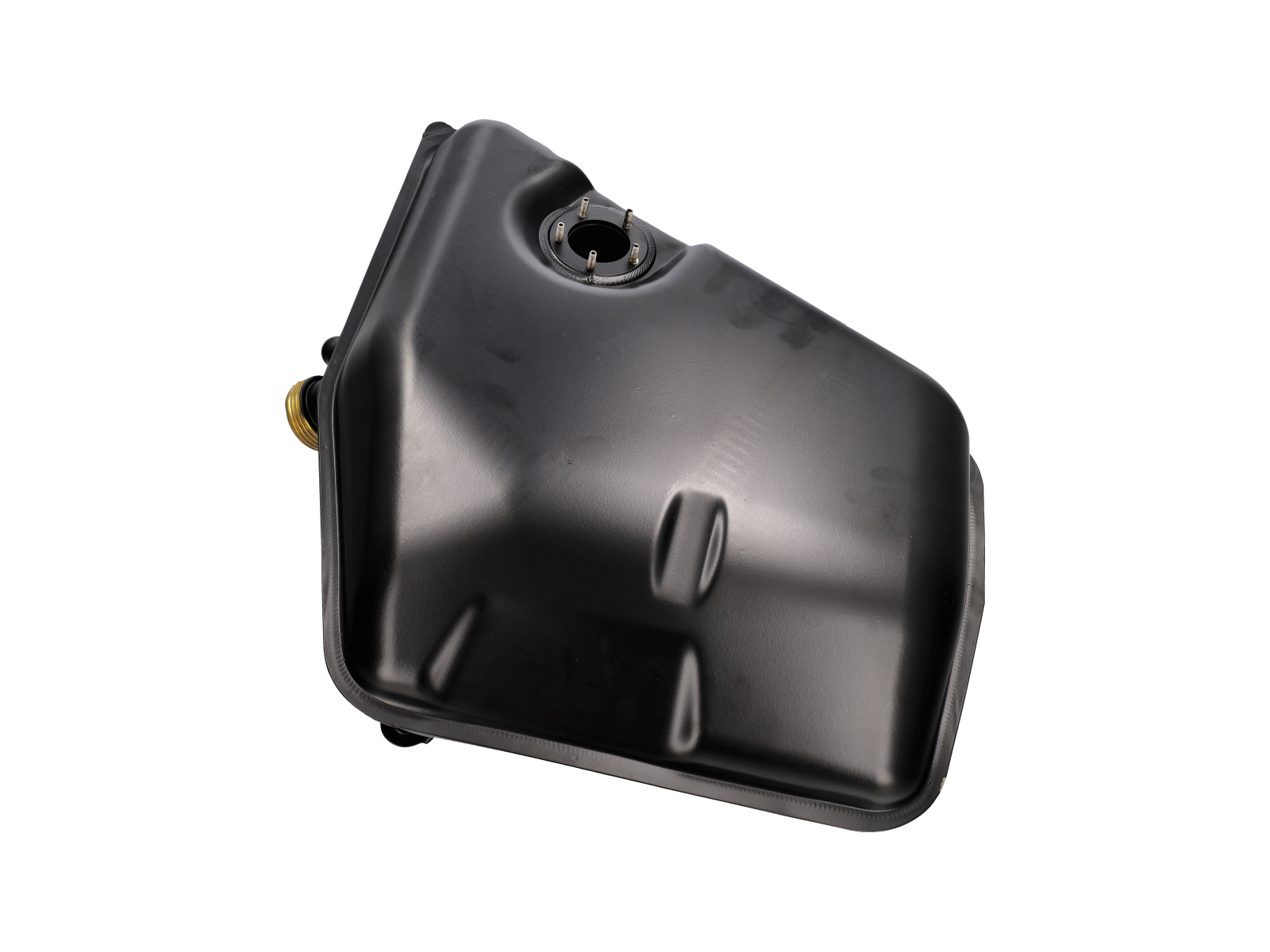
Stainless Steel Engine Oil Tank
Restore an essential part of your classic Porsche's
lubrication system with this OE Match Stainless Steel Engine Oil Tank. Manufactured from painted stainless steel with brass pipes,
this replacement tank provides a durable alternative to an ageing original oil
reservoir and is particularly suitable for restoration, engine rebuild and
long-term maintenance projects.
Fits:
- Porsche 911 1968-1973 2.2L / 2.4L / 2.7L RS LWB (F)
- Porsche 911 1974-1977 2.7L / 1976-77 3.0 Carrera
The oil tank is a vital component of the Porsche 911 dry-sump lubrication system, storing the engine oil externally and ensuring a reliable supply of lubricant is available to the air-cooled flat-six engine.
What Does the Oil Tank Do?
Unlike a conventional wet-sump engine, the classic Porsche 911 uses a dry-sump lubrication system where the majority of the engine oil is stored in a separate external tank.
Oil returning from the engine is pumped back into this reservoir before being circulated through the lubrication system again.
The oil tank therefore performs several important functions:
- Stores the engine's main oil supply
- Provides a reliable supply of oil to the engine
- Helps separate air from returning engine oil
- Helps reduce oil aeration and foaming
- Supports effective oil circulation
- Contributes to oil temperature management
- Helps maintain lubrication during acceleration, braking and cornering
Maintaining a clean, leak-free oil tank is therefore extremely important for the reliability and longevity of an air-cooled Porsche engine.
Why Choose a Stainless Steel Oil Tank?
Corrosion is one of the biggest problems affecting original classic Porsche oil tanks.
Stainless steel provides improved resistance to corrosion compared with conventional mild-steel construction, making this OE Match tank particularly attractive for restorations where long-term durability is important.
The tank is painted externally for additional protection and features brass pipework.
Why Do Oil Tanks Fail?
Original Porsche 911 oil tanks are now several decades old and can deteriorate both internally and externally.
Moisture, road dirt, temperature cycles and age can eventually cause corrosion, particularly around seams, mounting points and pipe connections.
Common causes of failure include:
- Internal corrosion
- External rust and corrosion
- Deterioration around seams and welded joints
- Corrosion around mounting points
- Oil leaks
- Damaged pipe connections
- Internal sludge and contamination
- Physical or accident damage
- Previous poor-quality welding or repairs
- General deterioration caused by age
Internal corrosion can be particularly difficult to detect because a tank may appear acceptable externally while deterioration is taking place inside.
When Should the Oil Tank Be Replaced?
Replacement should be considered when the existing tank can no longer provide a clean, secure and leak-free reservoir for the engine's oil supply.
Typical warning signs include:
- Visible oil leaks
- Heavy external corrosion
- Evidence of internal rust
- Corrosion around seams or mounting points
- Damaged or weakened pipe connections
- Persistent internal sludge or contamination
- Previous repairs of questionable quality
- Physical damage or deformation
- During a major engine rebuild or vehicle restoration
A badly corroded oil tank should not be ignored. Rust, debris and contamination entering the lubrication circuit can potentially damage expensive internal engine components.
Why Replace an Ageing Porsche 911 Oil Tank?
The dry-sump lubrication system is fundamental to the reliability of the air-cooled Porsche flat-six engine.
Replacing an ageing or corroded original tank helps restore the integrity of the lubrication system and provides confidence that clean engine oil is being stored in a secure, leak-free reservoir.
Choosing a stainless steel replacement also provides additional corrosion resistance, making it particularly suitable for classic Porsche 911s intended to remain in service for many years.
Stainless Steel Oil Tanks & Dry-Sump Lubrication Parts
The dry-sump lubrication system is one of the defining engineering features of the classic air-cooled Porsche 911, and the external oil tank plays a critical role in maintaining a reliable engine oil supply.
As original tanks age, corrosion, leaks and internal contamination become increasingly important concerns. A stainless steel replacement offers an effective long-term solution, providing improved corrosion resistance while restoring a critical part of the lubrication system.
When replacing an oil tank, it is also advisable to inspect the associated oil hoses, hard lines, seals, breather hoses, filler components, filter connections and mounting hardware for deterioration or leakage.
Related reference numbers
Related, superseded, cross reference or alternative numbers for comparison.
91110700630
The product you are viewing cross references to these numbers
- Porsche 911 1965-1968 2.0L / 912 SWB (F)
- Porsche 911 1968-1973 2.2L / 2.4L / 2.7L RS LWB (F)
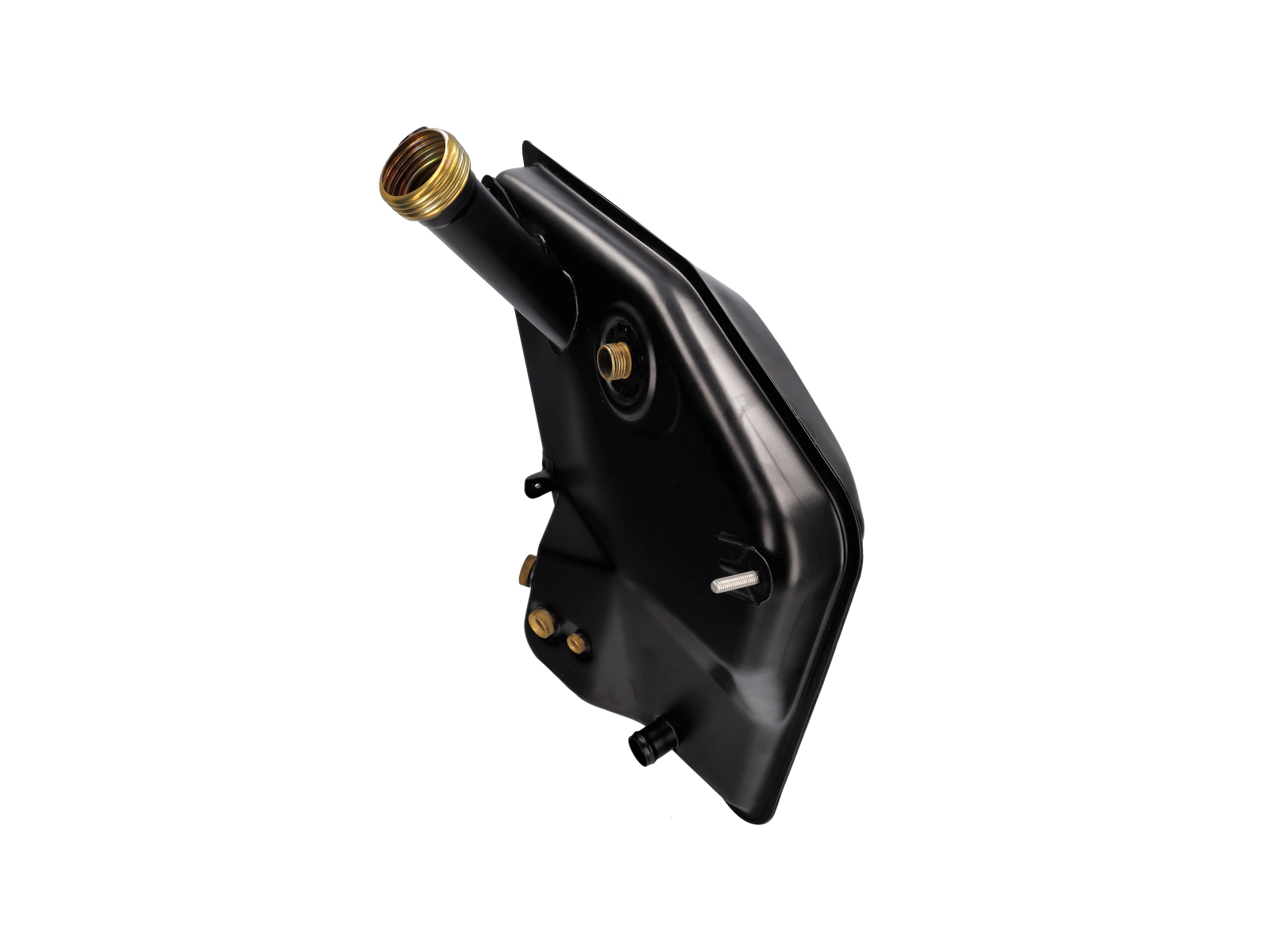
Stainless Steel Engine Oil Tank
Restore an essential part of your early Porsche 911's
dry-sump lubrication system with this OE Match Stainless Steel Engine Oil Tank. This oil tank is ideal for replacing an original tank
suffering from corrosion, leaks, contamination or previous repairs.
Fits:
- Porsche 911 1965-1968 2.0L / 912 SWB (F)
- Porsche 911 1968-1971 2.2L LWB (F)
This early-style tank uses the original arrangement where the engine oil is filled from inside the engine bay and is suitable for non-Sportomatic models.
What Does the Oil Tank Do?
The classic air-cooled Porsche 911 uses a dry-sump lubrication system. Rather than storing the majority of its engine oil in a conventional sump underneath the engine, the oil is held in a separate external reservoir.
Oil is scavenged from the engine and returned to the tank before being circulated through the lubrication system again.
The oil tank performs several important functions:
- Stores the engine's main oil supply
- Provides a consistent supply of oil to the engine
- Helps separate air from returning engine oil
- Helps reduce oil aeration and foaming
- Supports reliable lubrication during cornering, acceleration and braking
- Forms an essential part of the engine's oil circulation system
- Contributes to effective oil and engine temperature management
A clean, structurally sound and leak-free oil tank is therefore essential to the reliability and longevity of the air-cooled flat-six engine.
Why Choose a Stainless Steel Replacement?
Corrosion is one of the biggest problems affecting original early Porsche 911 oil tanks.
Stainless steel provides increased resistance to corrosion compared with conventional mild-steel construction, making it an excellent choice for classic Porsche restorations and cars intended for continued long-term use.
It provides the opportunity to replace a decades-old reservoir while retaining the correct function of the original dry-sump lubrication system.
Why Do Oil Tanks Fail?
Original Porsche 911 oil tanks from this period are now more than 50 years old. Even tanks that appear serviceable externally can suffer deterioration internally.
Common causes of failure include:
- Internal corrosion caused by moisture
- External rust and corrosion
- Deterioration around seams and welded joints
- Corrosion around mounting points
- Oil leaks from weakened areas
- Damage around hose and pipe connections
- Internal sludge and contamination
- Physical damage
- Previous welding or poor-quality repairs
- General deterioration caused by age
Internal corrosion is particularly important because rust and contamination can potentially enter the engine's lubrication system.
When Should the Oil Tank Be Replaced?
Replacement should be considered whenever the existing tank can no longer provide a clean, secure and leak-free reservoir for the engine oil.
- Typical warning signs include:
- Visible oil leaks
- Significant external corrosion
- Suspected internal rust
- Corrosion around seams or mounting points
- Damaged pipe or hose connections
- Persistent internal contamination or sludge
- Previous repairs of questionable quality
- Physical damage or deformation
- During a complete vehicle restoration
- During an engine rebuild where contamination of the new engine must be avoided
Replacing a questionable oil tank during an engine rebuild is particularly worthwhile, as it prevents old contamination or corrosion debris from being introduced into a freshly rebuilt engine.
Related reference numbers
Related, superseded, cross reference or alternative numbers for comparison.
91110700169
The product you are viewing cross references to these numbers

- Porsche 911 1968-1973 2.2L / 2.4L / 2.7L RS LWB (F)
- Porsche 911 1974-1977 2.7L / 1976-77 3.0 Carrera
- Porsche 911 1978-1983 3.0L / SC
Engine Oil Tank
Restore the heart of your classic Porsche's dry sump
lubrication system with this OE Match Oil Tank, developed for the legendary
Porsche 911 RSR 2.8 and 3.0 litre race cars. Manufactured to OE specifications,
this premium replacement faithfully reproduces the original design, providing
factory-style fitment, correct oil capacity and dependable performance for
restoration and historic motorsport applications.
Fits:
- Porsche 911 RSR 2.8ltr
- Porsche 911 RSR 3.0ltr
This oil tank is engineered to meet the demands of high-performance air-cooled flat-six engines, ensuring a reliable oil supply under both road and competition conditions. Whether you're rebuilding an authentic RSR, restoring a historic race car or maintaining a high-value classic Porsche, this oil tank delivers the quality and accuracy expected from an OE Match component.
What Does the Oil Tank Do?
Unlike a conventional wet sump engine, the Porsche 911 RSR uses a dry sump lubrication system, with the oil tank acting as a separate oil reservoir.
The oil tank stores the engine's oil supply before it is circulated throughout the lubrication system. It also helps separate air from the returning oil, promotes cooling and ensures a consistent oil supply during high cornering, braking and acceleration forces.
A correctly functioning oil tank helps provide:
- Consistent engine oil supply
- Stable oil pressure
- Efficient oil cooling
- Effective oil de-aeration
- Reliable lubrication during high-performance driving
- Long-term engine protection
- Proper operation of the dry sump lubrication system
Why Replace the Oil Tank?
After decades of use, original oil tanks can suffer from corrosion, internal contamination or physical damage that compromises both reliability and engine protection.
Replacement may be necessary due to:
- Internal corrosion
- External rust
- Accident damage
- Fatigue cracking
- Damaged mounting points
- Previous repairs
- Contaminated internal surfaces
- Distorted oil pipe connections
- Oil leaks
- Restoration requirements
Replacing the oil tank during an engine rebuild or vehicle restoration helps ensure the lubrication system performs exactly as intended.
Symptoms of a Damaged Oil Tank
A replacement oil tank should be considered if you notice:
- Oil leaks from the tank
- Corrosion around seams or welds
- Damaged mounting brackets
- Cracked or dented tank body
- Oil contamination
- Loose oil connections
- Persistent oil seepage
- Physical damage following impact
- Signs of previous poor-quality repairs
Any signs of corrosion inside the oil tank should be addressed immediately, as debris can circulate throughout the engine and cause extensive internal damage.
Benefits
Installing this OE Match oil tank helps to:
- Restore correct oil system operation
- Maintain stable oil pressure
- Improve lubrication reliability
- Replace corroded or damaged original tanks
- Reduce the risk of oil leaks
- Preserve factory appearance
- Support authentic
- RSR restorations
- Protect valuable engine components
- Enhance long-term reliability
- Maintain the integrity of the Porsche dry sump lubrication system
Installation Recommendations
Professional installation is strongly recommended.
During installation, inspect:
- Oil lines
- Flexible oil hoses
- Oil thermostat
- Oil filter console
- Oil pressure relief valve
- Oil level sender
- Oil tank mounting rubbers
- Tank retaining hardware
- Engine oil cooler
- Oil breather hoses
- Seals and gaskets
Flush the lubrication system before installation to remove contaminants from previous components.
Related reference numbers
Related, superseded, cross reference or alternative numbers for comparison.
911107006RS
The product you are viewing cross references to these numbers
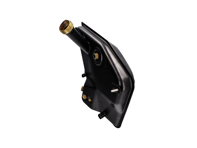
- Porsche 911 1978-1989 3.3L Turbo (930)
Engine Oil Tank - Stainless Steel
Restore an essential part of your Porsche 911 Turbo's
dry-sump lubrication system with this OE Match replacement engine oil tank.
Fits:
- Porsche 911 1975-1977 3.0L Turbo (930)
- Porsche 911 1978-1989 3.3L Turbo (930)
Designed for the Porsche 911 930 Turbo 3.3L from 1977-89, the oil tank acts as the external reservoir for the engine's dry-sump lubrication system. A sound oil tank is essential for maintaining a reliable supply of clean engine oil, particularly on a high-performance air-cooled turbocharged engine.
An ideal replacement for an original tank suffering from corrosion, leaks, contamination or previous poor-quality repairs.
What Does the Oil Tank Do?
Unlike a conventional wet-sump engine where most of the oil is stored beneath the crankshaft, the Porsche 930 uses a dry-sump lubrication system with a separate external oil reservoir.
Oil scavenged from the engine is returned to the tank before being supplied back through the lubrication system.
The oil tank performs several important functions:
- Stores the engine's oil supply outside the crankcase
- Provides a consistent supply of oil to the lubrication system
- Helps separate air from returning engine oil
- Helps reduce oil aeration and foaming
- Supports effective oil circulation
- Contributes to engine oil temperature management
- Helps maintain reliable lubrication during acceleration, braking and cornering
For a high-performance turbocharged engine such as the Porsche 930, maintaining the condition of the complete lubrication system is particularly important.
Why Do Oil Tanks Fail?
Many original Porsche 930 oil tanks have now been in service for several decades. Age, heat, road contamination and moisture can eventually cause deterioration.
Common problems include:
- Internal corrosion caused by moisture
- External corrosion and rust
- Corrosion around seams and mounting points
- Oil leaks from weakened areas
- Damage around pipe and hose connections
- Internal sludge and contamination
- Physical damage from road debris
- Previous welding or poor-quality repairs
- General deterioration caused by age
Internal corrosion can be particularly difficult to identify because the outside of the tank may still appear serviceable while deterioration is occurring internally.
When Should the Oil Tank Be Replaced?
Replacement should be considered whenever the existing oil tank can no longer provide a clean, secure and leak-free reservoir for the engine's oil supply.
Typical signs include:
- Visible oil leaks
- Significant external corrosion
- Suspected internal rust
- Corrosion around seams or mounting points
- Damaged oil pipe connections
- Persistent contamination or sludge
- Previous repairs of questionable condition
- Physical damage to the tank
- During a major engine rebuild or vehicle restoration
A heavily corroded or contaminated tank should not be ignored. Debris entering the lubrication circuit can potentially damage expensive engine components, while a leaking tank can result in loss of engine oil.
Why Replace an Ageing Porsche 930 Oil Tank?
The dry-sump lubrication system is fundamental to the reliability of the air-cooled Porsche 911 Turbo engine.
Replacing a deteriorated original tank helps restore the integrity of the oil system and provides confidence that the engine's oil is being stored in a clean, secure and leak-free reservoir.
It is particularly worthwhile during an engine rebuild or restoration when the associated oil hoses, oil lines, thermostat, filter connections and seals can be inspected at the same time.
Oil Tanks & Dry-Sump Lubrication Parts
The Porsche 911 930 Turbo relies on its dry-sump lubrication system to provide a dependable supply of engine oil during normal driving and demanding high-performance use.
As these cars age, corrosion and contamination within the original oil tank can become an increasing concern. Replacing a deteriorated reservoir with an OE Match oil tank can help restore the integrity and reliability of this critical lubrication system.
When replacing the oil tank, it is also advisable to inspect the associated oil hoses, hard lines, fittings, oil thermostat, filter connections, breather hoses, seals and mounting hardware for deterioration or leaks.
Related reference numbers
Related, superseded, cross reference or alternative numbers for comparison.
93010700607
The product you are viewing cross references to these numbers

- Porsche 911 1984-1986 3.2L
- Porsche 911 1987-1989 3.2L G50
- Porsche 911 1978-1989 3.3L Turbo (930)
- Porsche 964 (911) C2 1989-93
- Porsche 964 (911) C4 1989-93
- Porsche 964 (911) RS 3.6L 1991-93
- Porsche 964 (911) RS 3.8L 1991-93
- Porsche 964 (911) TURBO 3.3L 1991-93
- Porsche 964 (911) TURBO 3.6L 1991-93
- Porsche 924S 2.5L 1986-87
- Porsche 924S 2.5L 1988
- Porsche 944 2.7L 8V 1988-89
- Porsche 944S 2.5L 16V 1987-88
- Porsche 944S2 3.0L 16V 1989-91
- Porsche 944 Turbo 2.5L 8V 1985-88
- Porsche 944 Turbo 2.5L 8V 1989-91
- Porsche 944 Turbo S 2.5L 8V 1988
- Porsche 968 3.0L 1992-94
- Porsche 968 Sport 3.0L 1994-95
- Porsche 968 CS 3.0L 1993-95
- Porsche 968 Turbo S 3.0L 1993-94
- Porsche 928S4 5.0L 1987-92
- Porsche 928GT 5.0L 1989-91
- Porsche 928GTS 5.4L 1992-95
Oil Filler Cap Seal
High-quality replacement oil filler cap seal designed for a wide range of Porsche models.
This gasket fits within the oil filler cap, ensuring a tight
and secure seal to prevent oil leaks and protect the engine from contamination.
It is an essential component for maintaining proper engine sealing and
cleanliness.
Fits:
Diagram ref no 12
Manufactured to OEM specifications, this seal provides precise fitment and reliable long-term performance—ideal for routine maintenance or resolving oil seepage issues.
Key Features
• Direct replacement oil filler cap seal
• Suitable for multiple Porsche models
• Ensures secure sealing of oil filler cap
• OEM-style fit and performance
• Durable material resistant to heat and oil
• Ideal for maintenance and leak prevention
Function and Purpose
This seal ensures a proper closure of the oil filler cap.
It helps to:
• Prevent engine oil leaks
• Maintain engine cleanliness
• Protect against dirt and contamination
• Support consistent engine performance
Why Replace Your Oil Filler Cap Seal
Over time, seals can degrade due to heat and oil exposure.
Common issues include:
• Oil seepage around the filler cap
• Hardened or cracked seal material
• Reduced sealing effectiveness
• Increased risk of contamination
Replacing the seal restores proper engine sealing and prevents leaks.
Related reference numbers
Related, superseded, cross reference or alternative numbers for comparison.
99970184641
The product you are viewing cross references to these numbers

- Porsche 911 1974-1977 2.7L / 1976-77 3.0 Carrera
- Porsche 911 1978-1983 3.0L / SC
- Porsche 911 1984-1986 3.2L
- Porsche 911 1987-1989 3.2L G50
- Porsche 911 1978-1989 3.3L Turbo (930)
- Porsche 964 (911) C2 1989-93
- Porsche 964 (911) C4 1989-93
- Porsche 964 (911) RS 3.6L 1991-93
- Porsche 964 (911) RS 3.8L 1991-93
- Porsche 964 (911) TURBO 3.3L 1991-93
- Porsche 964 (911) TURBO 3.6L 1991-93
- Porsche 924S 2.5L 1986-87
- Porsche 924S 2.5L 1988
- Porsche 944 2.7L 8V 1988-89
- Porsche 944S2 3.0L 16V 1989-91
- Porsche 944 Turbo 2.5L 8V 1985-88
- Porsche 944 Turbo 2.5L 8V 1989-91
- Porsche 944 Turbo S 2.5L 8V 1988
- Porsche 968 3.0L 1992-94
- Porsche 968 Sport 3.0L 1994-95
- Porsche 968 CS 3.0L 1993-95
- Porsche 968 Turbo S 3.0L 1993-94
- Porsche 928S4 5.0L 1987-92
- Porsche 928GT 5.0L 1989-91
- Porsche 928GTS 5.4L 1992-95
The OE MATCH Oil Filler Cap is a replacement engine oil filler cap designed for compatible Porsche applications. Installed at the engine's oil filling point, the cap closes and seals the opening after engine oil has been added.
Fits:
- Porsche 911 SC 1974-83 SPORTMATIC ONLY
- Porsche 911 Turbo (3.3L) 09/1977-07/1989
- Porsche 964 1989-94
- Porsche 968 1992-95
- Porsche 924S 1986-88
- Porsche 944 2.7L 1989
- Porsche 944 S2 3.0L 1989-91
- Porsche 944 2.5L Turbo 1986-91
- Porsche 944 2.5L Turbo S 1987-88
- Porsche 928 S4 / GT / GTS 1987-95
Although relatively simple, the oil filler cap performs an important sealing function. A correctly fitted cap helps prevent engine oil from escaping while protecting the lubrication system from dirt, moisture and other external contamination.
What This Product Does:
The oil filler cap seals the opening used when adding engine oil.
Once installed correctly, it helps:
- Close the engine oil filling point
- Prevent oil from splashing or escaping
- Reduce the risk of dirt entering the engine
- Reduce moisture and external contamination
- Maintain the intended sealing of the lubrication system
- Keep the engine bay cleaner
- Provide convenient access during oil servicing
The cap must fit securely and its sealing surface must remain in good condition.
Symptoms Of Wear Or Failure:
Oil filler caps are exposed to engine heat, oil vapour and repeated removal during servicing. Over time, the cap or its sealing components can deteriorate.
Common symptoms include:
- Oil residue around the filler opening
- Oil leaking or misting around the cap
- Oil staining nearby engine components
- Cap becoming loose
- Cap no longer tightening securely
- Cracked or damaged cap
- Hardened or deteriorated sealing surface
- Damaged threads or retaining features
- Cap becoming difficult to remove or install
- Visible deformation
- Missing oil filler cap
Any persistent oil leakage around the filler opening should be investigated rather than simply cleaned away.
Why Replacement Matters:
Replacing a worn or damaged oil filler cap helps maintain the integrity and cleanliness of the engine lubrication system.
A new cap can help:
- Restore a secure seal
- Prevent oil leakage around the filler opening
- Reduce oil mist in the engine compartment
- Protect against dirt and moisture
- Keep surrounding engine components cleaner
- Replace cracked or deteriorated material
- Restore secure engagement with the filler opening
- Maintain reliable access for routine oil servicing
A missing or severely damaged filler cap should be replaced promptly.
Related reference numbers
Related, superseded, cross reference or alternative numbers for comparison.
94410709101
The product you are viewing cross references to these numbers

- Porsche 911 1978-1983 3.0L / SC
- Porsche 911 1984-1986 3.2L
- Porsche 993 (911) C2 1994-97
- Porsche 993 (911) C4 1994-97
- Porsche 993 (911) RS 1994-97
- Porsche 993 (911) C2S 1994-97
- Porsche 993 (911) C4S 1994-97
The OE MATCH Oil Tank Cap – Bayonet Fitting Type is a replacement engine oil tank filler cap designed for selected air-cooled Porsche 911 and Porsche 993 models equipped with the corresponding dry-sump lubrication system.
Fits:Porsche 911 1978-86*
*fit oil tank 9111070061, 91110700620, 91110707203
Porsche 911 1970-98
Manufactured to match the original equipment fitting arrangement, this cap provides a secure closure for the external engine oil tank's filler opening, helping protect the lubrication system from dirt, dust, moisture and other environmental contaminants.
Unlike conventional engines that store most of their lubricating oil in a sump beneath the crankshaft, the air-cooled Porsche 911 uses a dry-sump lubrication system with a separate oil reservoir.
This external oil tank stores the engine oil and forms an important part of the circulation system that supplies lubrication to the engine's moving components.
The oil tank filler cap allows access to the reservoir when topping up engine oil or carrying out routine servicing.
Its bayonet-style fastening mechanism is designed to engage with the corresponding oil tank filler neck, providing a secure and convenient closure.
The correct fitting and condition of the oil tank cap are important for maintaining a clean, properly enclosed oil reservoir.
Over time, an original oil tank cap may deteriorate due to repeated removal, exposure to heat, oil residue, vibration and natural ageing. The sealing surface may become damaged, while the locking tabs or bayonet mechanism may become worn or distorted.
A loose, damaged or incorrectly fitting oil tank cap may allow oil mist or residue to escape around the filler neck and permit contaminants to enter the tank.
Replacing a deteriorated cap with the OE MATCH Oil Tank Cap 91110707204/1 helps restore secure closure of the oil filler opening, maintain the cleanliness of the lubrication system and preserve the original Porsche oil tank arrangement.
Ideal for routine servicing, oil tank refurbishment, engine bay restoration and classic Porsche maintenance.
What This Product Does:
The oil tank cap provides a removable closure for the engine oil reservoir's filler opening.
Its primary functions include:
- Closes the Oil Filler Opening: Provides a secure cover for the external engine oil tank.
- Helps Prevent Contamination: Reduces the entry of dust, dirt and debris during normal vehicle operation.
- Reduces Moisture Ingress: Helps prevent rainwater, splashes and other external moisture from entering through the filler opening.
- Provides Secure Bayonet Engagement: Uses the corresponding bayonet-style locking mechanism to retain the cap on the filler neck.
- Helps Contain Oil Mist: Reduces the escape of oil mist and minor oil residue around the filler opening.
- Maintains Oil Tank Cleanliness: Helps protect the oil stored within the dry-sump lubrication reservoir.
- Supports Routine Oil Servicing: Can be removed to allow engine oil to be added through the correct filler point.
- Maintains Original Equipment Fitment: Preserves the factory-style oil tank cap arrangement.
- Protects the Filler Neck: Covers the opening when oil is not being added.
- Supports Lubrication System Maintenance: Helps maintain a clean and properly closed oil reservoir.
Symptoms Of Wear Or Failure:
The oil tank filler cap is regularly removed during maintenance and is exposed to heat, engine oil and vibration.
Over time, the locking mechanism and sealing surfaces may deteriorate.
Common symptoms of a worn or failing oil tank cap include:
- Loose-Fitting Cap: The cap may not sit securely on the oil tank filler neck.
- Difficulty Locking the Cap: The bayonet tabs may no longer engage smoothly or correctly.
- Cap Not Remaining Secure: A damaged locking arrangement may allow the cap to loosen.
- Worn Bayonet Tabs: Repeated operation or incorrect installation may wear the retaining surfaces.
- Damaged Sealing Surface: The cap may no longer make proper contact with the filler neck.
- Hardened or Deteriorated Seal: Where a sealing element is fitted, ageing may cause it to become brittle, flattened or damaged.
- Oil Residue Around the Filler Neck: Oil mist or seepage may appear around a cap that is not closing correctly.
- Oil Smell in the Engine Compartment: Oil vapours escaping around the filler opening may produce a noticeable odour.
- Visible Cracks or Deformation: Physical damage may prevent the cap from fitting or locking correctly.
- Corrosion or Deterioration: Age-related damage may affect the cap's locking or contact surfaces.
- Missing Oil Tank Cap: The original cap may have been misplaced during servicing.
- Incorrect Replacement Cap: A cap with the wrong locking arrangement may not fit the oil tank correctly.
- Contamination Around the Filler Opening: Dirt and debris may accumulate where the filler neck is not adequately covered.
Why Replacement Matters:
Replacing a worn, damaged or missing oil tank cap is important for maintaining the cleanliness and correct closure of the dry-sump lubrication system.
- Restores Secure Oil Tank Closure: Replaces a loose or damaged cap with the correct bayonet-style fitting.
- Helps Prevent Dirt Ingress: Protects the oil reservoir against external contamination.
- Reduces Moisture Exposure: Helps prevent water and moisture entering through the filler opening.
- Maintains Oil Cleanliness: Supports the condition of the oil stored within the external reservoir.
- Reduces Oil Mist Escape: Helps contain oil mist and minor seepage at the filler neck where the cap is responsible.
- Supports Reliable Cap Retention: Provides the specified locking engagement for compatible oil tanks.
- Maintains Original Equipment Appearance: Restores the factory-style filler cap arrangement.
- Protects Lubrication System Components: Helps prevent foreign material entering the oil circuit through the filler neck.
- Improves Servicing Convenience: Provides a correctly fitting cap for routine oil top-ups.
- Supports Preventative Maintenance: Addresses wear before the cap becomes insecure or is lost.
- Original Equipment-Style Fitment: Designed to correspond with the specified Porsche bayonet filler arrangement.
- Suitable for Engine Bay Restoration: Helps maintain the original appearance of classic Porsche oil tank installations.
- Cost-Effective Replacement: A relatively simple component that helps protect an important lubrication system.
The external oil tank is a critical part of the dry-sump lubrication system used in air-cooled Porsche engines.
Keeping the oil reservoir properly closed helps prevent foreign material from entering the oil supply.
Dirt, water or other contamination introduced through an open or improperly covered filler neck can affect lubricant cleanliness and may contribute to unwanted wear if it circulates through the engine.
A damaged cap may also allow oil residue to accumulate around the filler opening, making the engine compartment harder to keep clean and potentially obscuring other leaks.
Although replacing the filler cap will not cure unrelated oil leaks or lubrication problems, fitting the correct cap restores an important protective feature of the oil tank.
Related reference numbers
Related, superseded, cross reference or alternative numbers for comparison.
91110707204
The product you are viewing cross references to these numbers

- Porsche 911 1965-1968 2.0L / 912 SWB (F)
- Porsche 911 1968-1973 2.2L / 2.4L / 2.7L RS LWB (F)
- Porsche 911 1974-1977 2.7L / 1976-77 3.0 Carrera
- Porsche 911 1978-1983 3.0L / SC
- Porsche 911 1984-1986 3.2L
- Porsche 911 1975-1977 3.0L Turbo (930)
- Porsche 911 1978-1989 3.3L Turbo (930)
- Porsche 993 (911) C2 1994-97
- Porsche 993 (911) C4 1994-97
- Porsche 993 (911) RS 1994-97
- Porsche 993 (911) C2S 1994-97
- Porsche 993 (911) C4S 1994-97
- Porsche 356B 1959-63
- Porsche 356C 1963-65
- Porsche 914 (1970-1976)
Fits:
Porsche 356 B-T6 / C
Porsche 911 1965-86
Porsche 914 1970-76
Porsche 993 1994-98
Diagram ref no 12
Related reference numbers
Related, superseded, cross reference or alternative numbers for comparison.
93010727201
The product you are viewing cross references to these numbers

- Porsche 911 1965-1968 2.0L / 912 SWB (F)
- Porsche 911 1968-1973 2.2L / 2.4L / 2.7L RS LWB (F)
- Porsche 911 1974-1977 2.7L / 1976-77 3.0 Carrera
- Porsche 911 1978-1983 3.0L / SC
- Porsche 911 1984-1986 3.2L
- Porsche 911 1987-1989 3.2L G50
- Porsche 911 1975-1977 3.0L Turbo (930)
- Porsche 911 1978-1989 3.3L Turbo (930)
- Porsche 928 4.5L 1978-82
Fits:
Porsche 911 1965-89
Click 'Zoom in' for large parts diagram.
Diagram ref no 11.
Related reference numbers
Related, superseded, cross reference or alternative numbers for comparison.
91110717603
The product you are viewing cross references to these numbers

- Porsche 911 1968-1973 2.2L / 2.4L / 2.7L RS LWB (F)
- Porsche 911 1974-1977 2.7L / 1976-77 3.0 Carrera
- Porsche 911 1978-1983 3.0L / SC
- Porsche 911 1984-1986 3.2L
- Porsche 911 1987-1989 3.2L G50
- Porsche 911 1975-1977 3.0L Turbo (930)
- Porsche 911 1978-1989 3.3L Turbo (930)
This precision-cut gasket seals the connection between the outer oil reservoir and the inner fender, preventing oil leaks and maintaining proper system pressure.
Fits:
Porsche 911 1973 - 1989
Porsche 911 (930) Turbo 1975 - 1989
Diagram Ref No 13.
As the oil tank gasket ages, it becomes brittle, compressed, or cracked from heat cycles and vibration. This leads to oil seepage around the tank area, creating drips beneath the car, engine-bay contamination, and potential loss of oil pressure. Replacing the gasket restores a proper seal, prevents oil leaks, and helps maintain the health and cleanliness of the lubrication system.
Replace the oil tank gasket when:
• You notice oil drips or seepage around the oil tank
• The gasket appears dry, brittle, cracked, or crushed
• The oil tank is being serviced or removed
• You smell oil fumes from the rear right side of the vehicle
• Oil pressure seems inconsistent due to possible leakage
• Performing a restoration or major engine/oil system refresh
Related reference numbers
Related, superseded, cross reference or alternative numbers for comparison.
91110719203
The product you are viewing cross references to these numbers

- Porsche 911 1974-1977 2.7L / 1976-77 3.0 Carrera
- Porsche 911 1978-1983 3.0L / SC
- Porsche 911 1984-1986 3.2L
- Porsche 911 1987-1989 3.2L G50
- Porsche 911 1975-1977 3.0L Turbo (930)
- Porsche 911 1978-1989 3.3L Turbo (930)
Fits:
Porsche 911 - 1974 to 1989
Protect the engine oil tank from stones and debris with this stone guard
Related reference numbers
Related, superseded, cross reference or alternative numbers for comparison.
91110714100
The product you are viewing cross references to these numbers
-

engine lubrication 911 UPTO 1971 104-00
-
crankcase 911 1970-73 101-05
-
engine lubrication 911 T-E/E/S and 911 T-V 1972 104-15
-
engine lubrication auxiliary units for TYP 911/53/63 - 911 T-E/E/S and 911 T-V 1972 104-20
-
engine lubrication 911 1973 ONWARDS 104-25
-
engine lubrication auxiliary units for TYP 911/53/63/83/88 - 911 1973 ONWARDS 104-30
-
crankcase left 911 1978-83 101-05
-
engine lubrication oil pump 911 1978-83 104-00
-
SPM - oil supply for converter 911 1978-83 104-10
-
oil supply for converter sportomatic 911 1973 ONWARDS 104-45
-
Fuel system lines with fuel pump front for 911 UPTO 1971 201-00
-
Fuel system lines with fuel pump rear for 911 T/E/S 1971 ONWARDS and 911 T-V / CARRERA 2.7 / 911 T-K 1972 ONAWRDS 201-05
-
engine lubrication oil tank lines 911 1987-89 104-01
-
Engine lubrication oil tank lines 911 1984-86 104-01
-
Crankcase left 911 1974-77 101-05
-
Engine lubrication 911 1974-77 104-00
-
engine lubrication, radiator coil 911 1974-77 104-05
-
Oil supply for converter oil tank for SPM 911 1974-77 104-20
-
Fuel system front for cars with steel auxiliary support 911 1974-77 201-00
-
Fuel system front for cars with aluminium auxil. support 911 1974-77 201-05
-
Crankcase 911 1965-69 101-05
-
engine lubrication 911 1965-69 104-00
-
engine lubrication 912 1965-69 104-10
-
fuel system 911 1965-69 201-00
-
crankcase left 911 Turbo 1975-77 101-05
-
engine lubrication 911 TURBO 1975-77 104-00
-
engine lubrication, radiator coil 911 TURBO 1975-77 104-05
-
fuel system front 911 TURBO 1975 201-00


OEMatch Oil Tank — Fit, Function, Confidence
Oil tanks play a central role in Porsche lubrication systems by storing, circulating and helping to cool engine oil. In dry-sump layouts they also allow lower engine placement while ensuring steady oil delivery under varying loads. OEMatch supplies oil tank options catalogued for Porsche models to support application-specific needs.
Understanding OEMatch Oil Tank
OEM (Original Equipment Manufacturer) parts are made by the same company that produced your Porsche’s original oil tank. OE (Original Equipment) refers to parts matching original specifications for the oil tank and may be supplied by alternative manufacturers. Aftermarket parts offer alternative options, sometimes with enhanced features or better value. OEMatch supplies non-OEM oil tank engineered as direct-fit alternatives to OEM parts, made to original-spec dimensions and tolerances for Porsche models. Oil tanks store and circulate engine oil, separate air from oil to reduce foaming, and assist temperature regulation so bearings and moving parts receive steady lubrication. OEMatch maintains an extensive Porsche parts catalogue with thousands of part numbers and many OE cross-references to help identify compatible replacements; this coverage helps when matching tanks, breather components, seals and fittings to specific model requirements.
Benefits Include
- Restored oil circulation and pressure stability to protect bearings and camtrain components.
- Improved oil temperature control and reduced overheating risk under sustained load.
- Reduced foaming and improved oil film stability through effective air separation.
- Replacement seals and fittings lower the risk of external leaks and contamination.
Why Oil Tank Wear and Fail
- Cracks or leaks from vibration, impact or old mounting points.
- Corrosion from moisture, condensation or degraded oil.
- Blocked breathers or vents causing pressure imbalance and reduced flow.
- Internal contamination such as sludge or metal debris impairing circulation.
The Importance of Replacing with OEMatch Oil Tank
A leaking or damaged oil tank can lead to oil loss, low pressure or poor cooling, increasing the risk of severe engine damage. Timely replacement restores correct oil flow and pressure, prevents oil starvation and helps maintain reliable lubrication under road or track conditions. Where components affect pressure, breathers or sensor interfaces, check mounting, seals and associated hoses during replacement and follow model-specific procedures for installation and inspection.
Advantages
- Manufactured to original-spec dimensions and tolerances so units fit original mounting points and clearances.
- Materials and construction chosen to resist corrosion and mechanical stress, including high-grade alloys or reinforced composites where specified.
- Catalogued references and cross-checks to simplify selection for Porsche models and related breather, seal and hose parts.