



Enter your VAT number here and click Verify:
Your details have been verified. VAT number registered to:
,
.
Your order will now be zero rated for VAT purposes. We reserve the right to verify these details after your order request has been made and reinstate VAT if required.
Your VAT details were not recognised or were invalid. Your VAT number must be matched to your Billing Country as specified above. This is currently specified as . You do not need to enter the country code part of your VAT number as this has already been selected in your billing address details above.
The VAT number checking service is currently offline. Please supply your VAT details within the comments or special instructions field below and we will apply a VAT discount after placing your order request.
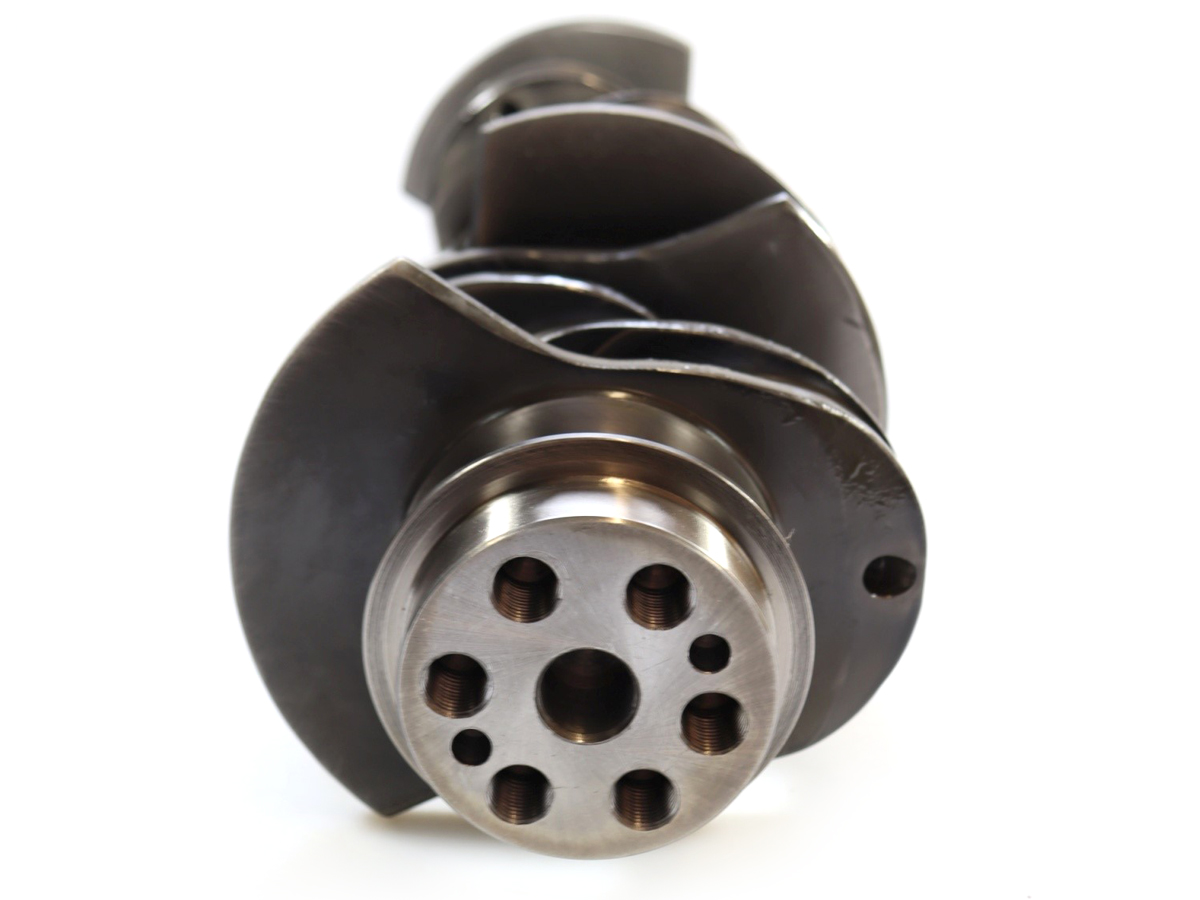
Crankshaft & Parts
By OE Match

- Porsche 911 1965-1968 2.0L / 912 SWB (F)
- Porsche 911 1968-1973 2.2L / 2.4L / 2.7L RS LWB (F)
- Porsche 911 1974-1977 2.7L / 1976-77 3.0 Carrera
- Porsche 911 1978-1983 3.0L / SC
- Porsche 911 1984-1986 3.2L
- Porsche 911 1987-1989 3.2L G50
- Porsche 911 1975-1977 3.0L Turbo (930)
- Porsche 911 1978-1989 3.3L Turbo (930)

- Porsche 911 1978-1983 3.0L / SC
- Porsche 911 1984-1986 3.2L
- Porsche 911 1987-1989 3.2L G50
- Porsche 911 1978-1989 3.3L Turbo (930)
- Porsche 964 (911) C2 1989-93
- Porsche 964 (911) C4 1989-93
- Porsche 964 (911) RS 3.6L 1991-93
- Porsche 964 (911) RS 3.8L 1991-93
- Porsche 964 (911) TURBO 3.3L 1991-93
- Porsche 964 (911) TURBO 3.6L 1991-93
- Porsche 993 (911) C2 1994-97
- Porsche 993 (911) C4 1994-97
- Porsche 993 (911) RS 1994-97
- Porsche 993 (911) C2S 1994-97
- Porsche 993 (911) C4S 1994-97
- Porsche 993 (911) TURBO 1994-96
- Porsche 993 (911) GT2 1994-97
- Porsche 993 (911) TURBO S 1994-97
- Porsche 996 TURBO 2000-05
- Porsche 996 GT3 MKI 1999-02
- Porsche 996 GT3 MKII 2003>>
- Porsche 996 GT3 RS 2003-04
- Porsche 997 MK1 TURBO 2007-09
- Porsche 997 MK1 GT3 / GT3 RS 2007-09
- Porsche 997 MKII GT3 / GT3 RS 2010-11
- Porsche 997 MKII Turbo 2010-13
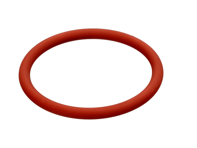
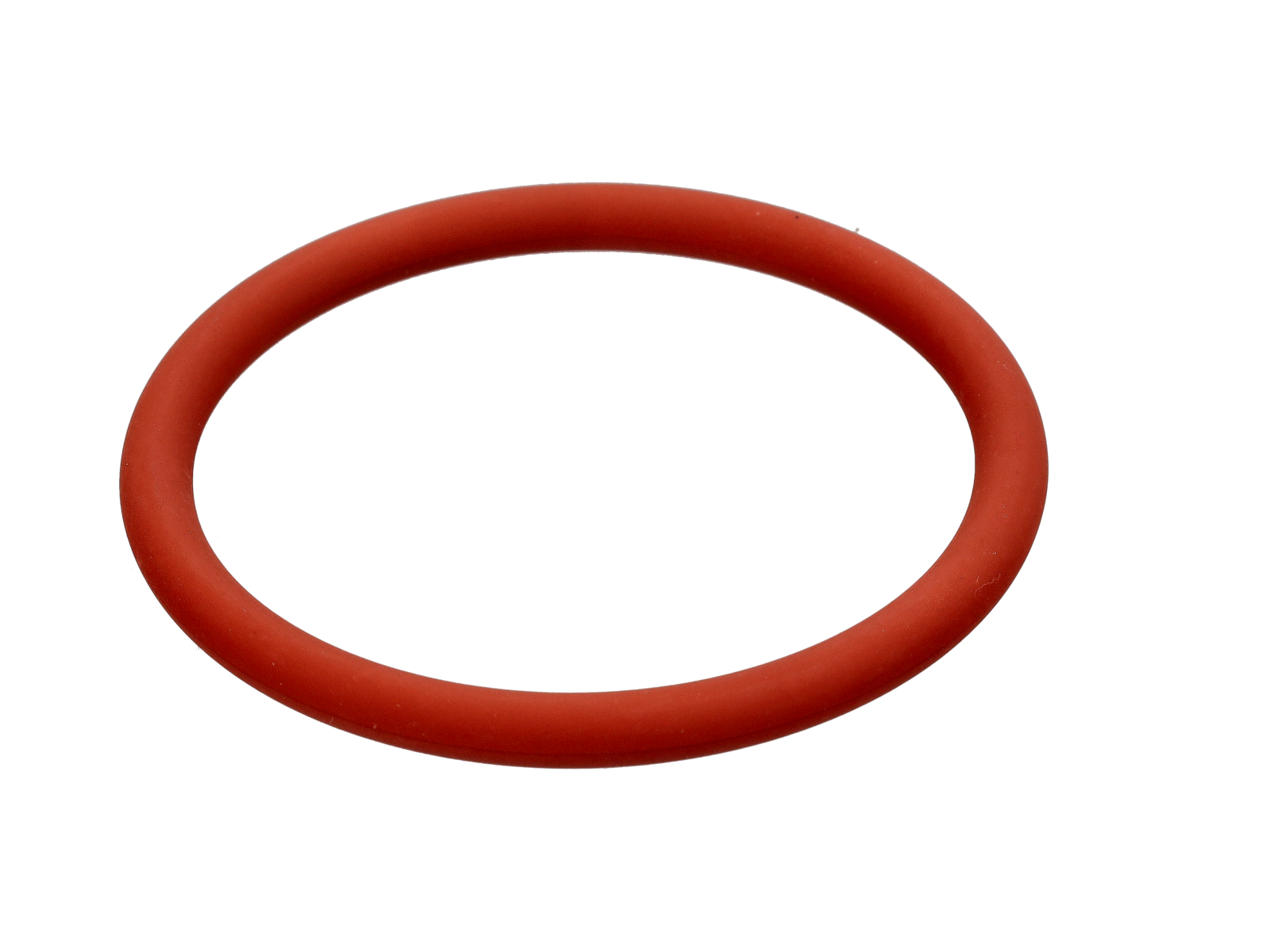
This OE Match crankshaft main bearing O-ring is a replacement sealing ring for Porsche 911 1978–1989, 964, 993, 996 Turbo, 997 Turbo, and GT3 models. Measuring 51 x 4.5, it is designed to match the original-style fitment and sealing function within the crankshaft / main bearing area.
Sold individually
Fits:
Porsche 911 1978 - 1989
Porsche 964 1989 - 1994
Porsche 993 1995 - 1998
Porsche 996 Turbo 3.6L 2001 - 2005
Porsche 996 GT3 3.6L 1999 - 2005
Porsche 997.1 Turbo 3.6L 2007 - 2009
Porsche 997.2 Turbo 3.6L 2010 - 2013
Porsche 997 GT3 3.6L / 3.8L / 4.0L 2007 - 2011
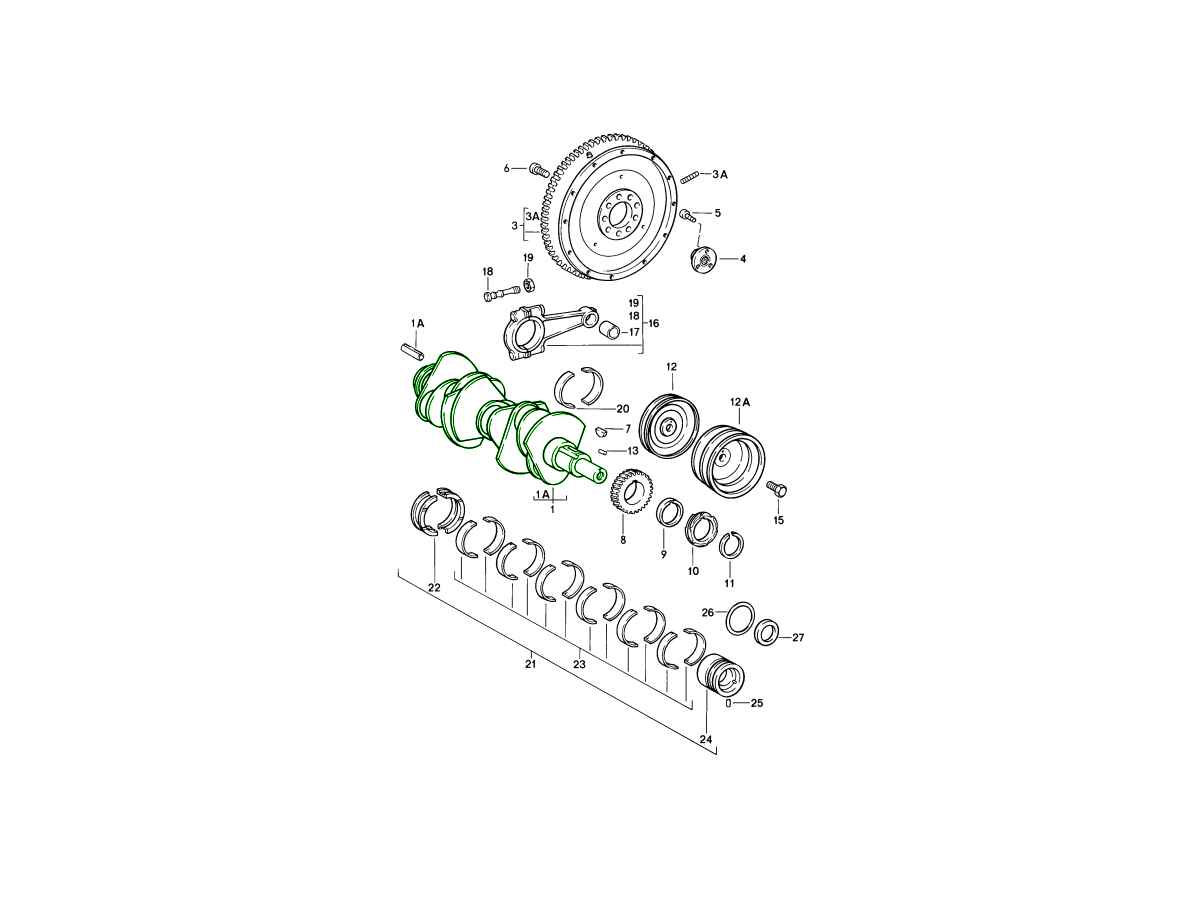
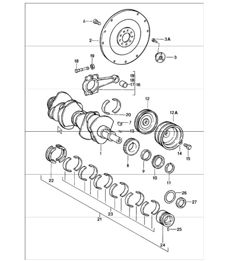
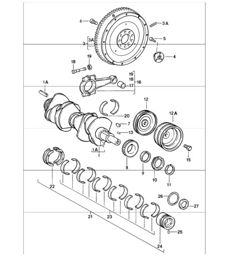
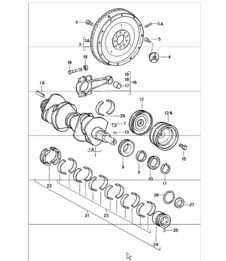
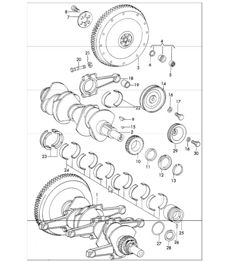
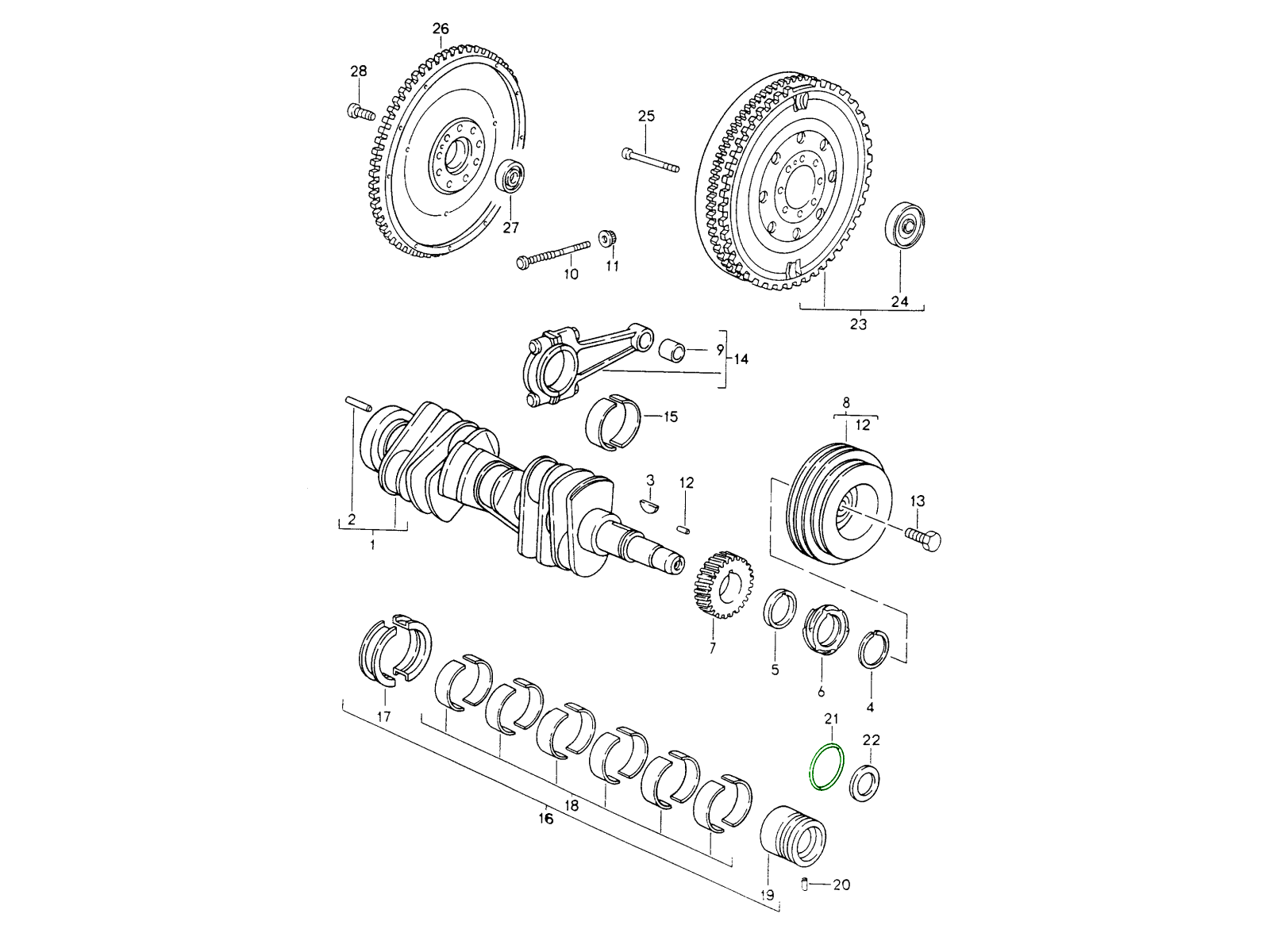
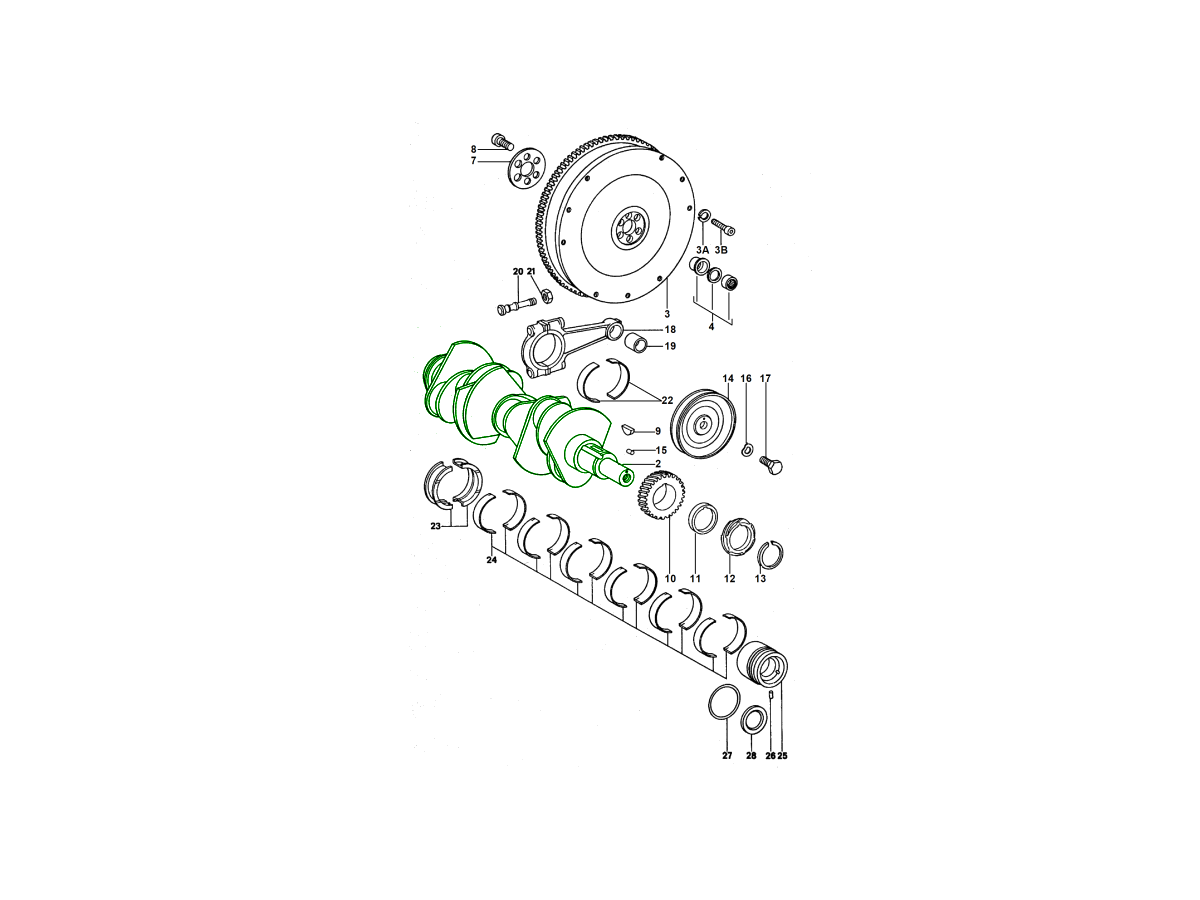
Diagram ref no 21
The crankshaft main bearing O-ring helps seal the relevant bearing or housing connection to prevent oil leakage and maintain correct engine oil sealing. A properly sealing O-ring is essential for protecting engine components and maintaining oil system integrity.
What This Part Does / Functions
• Replaces the crankshaft main bearing
• O-ring Helps seal the crankshaft / main bearing housing area
• Supports correct engine oil sealing
• Helps prevent oil leaks from aged or flattened seals
• Suitable for engine rebuild, crankshaft, or bearing service
• Replaces hardened, cracked, flattened, swollen, or damaged O-rings
• OE Match replacement for Porsche engine sealing repair.
Why Replace This Part?
O-rings can harden, flatten, crack, swell, or lose sealing ability due to heat, age, oil exposure, pressure, and engine service work. A worn or damaged crankshaft main bearing O-ring may allow oil seepage or leakage, affecting engine cleanliness and oil system reliability. Replacement is recommended whenever the related engine components are removed or when oil leakage is present.
When to Replace This Part
• Engine rebuild or major engine service is being carried out
• Crankshaft or main bearing components are being serviced
• Oil leakage is present around the related sealing area
• The original O-ring is hardened, flattened, cracked, or damaged
• Bearing housing or crankshaft sealing components have been removed
• Preventative replacement is required during engine assembly
• The vehicle is undergoing Porsche engine restoration
Where it fits on the car
This O-ring fits within the engine crankshaft / main bearing sealing area. Exact position can vary depending on engine type and model-specific crankcase layout.
Related reference numbers
Related, superseded, cross reference or alternative numbers for comparison.
99970728541
The product you are viewing cross references to these numbers
- Porsche 911 1965-1968 2.0L / 912 SWB (F)
- Porsche 356 1950-55
- Porsche 356A 1955-59
- Porsche 356B 1959-63
- Porsche 356C 1963-65
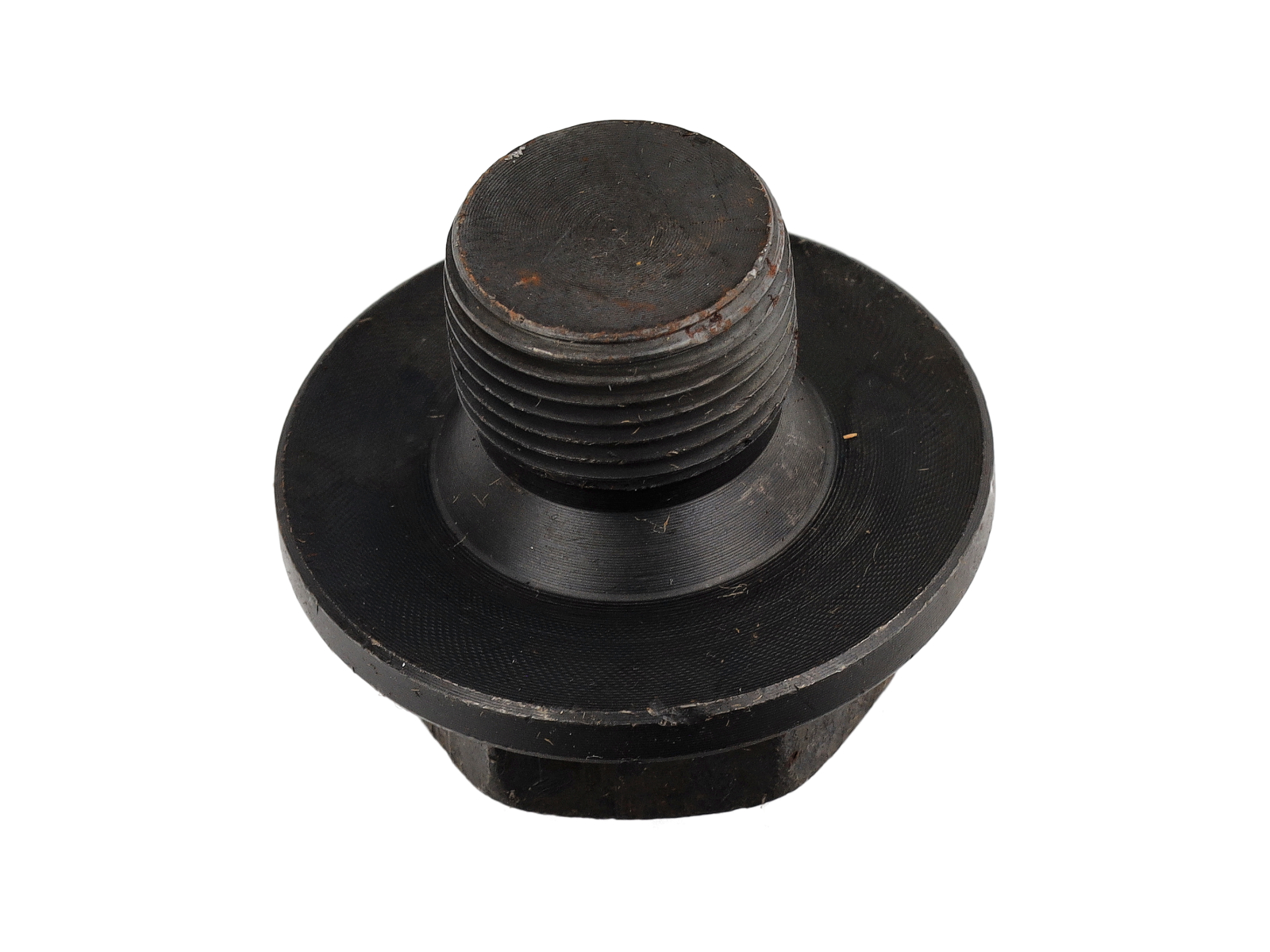
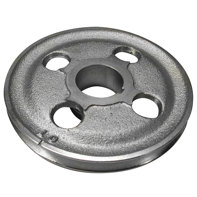
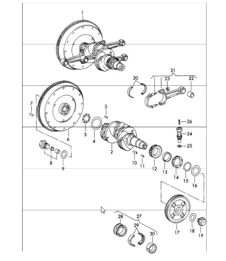
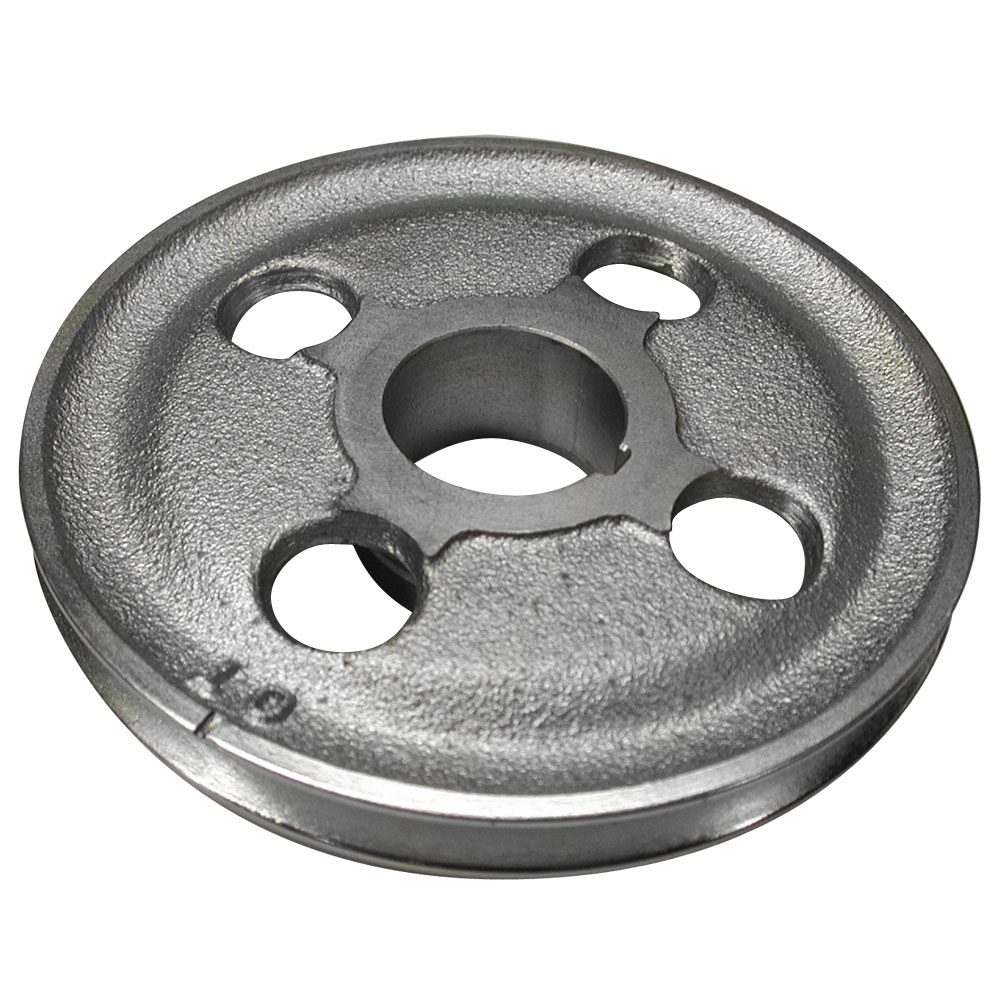
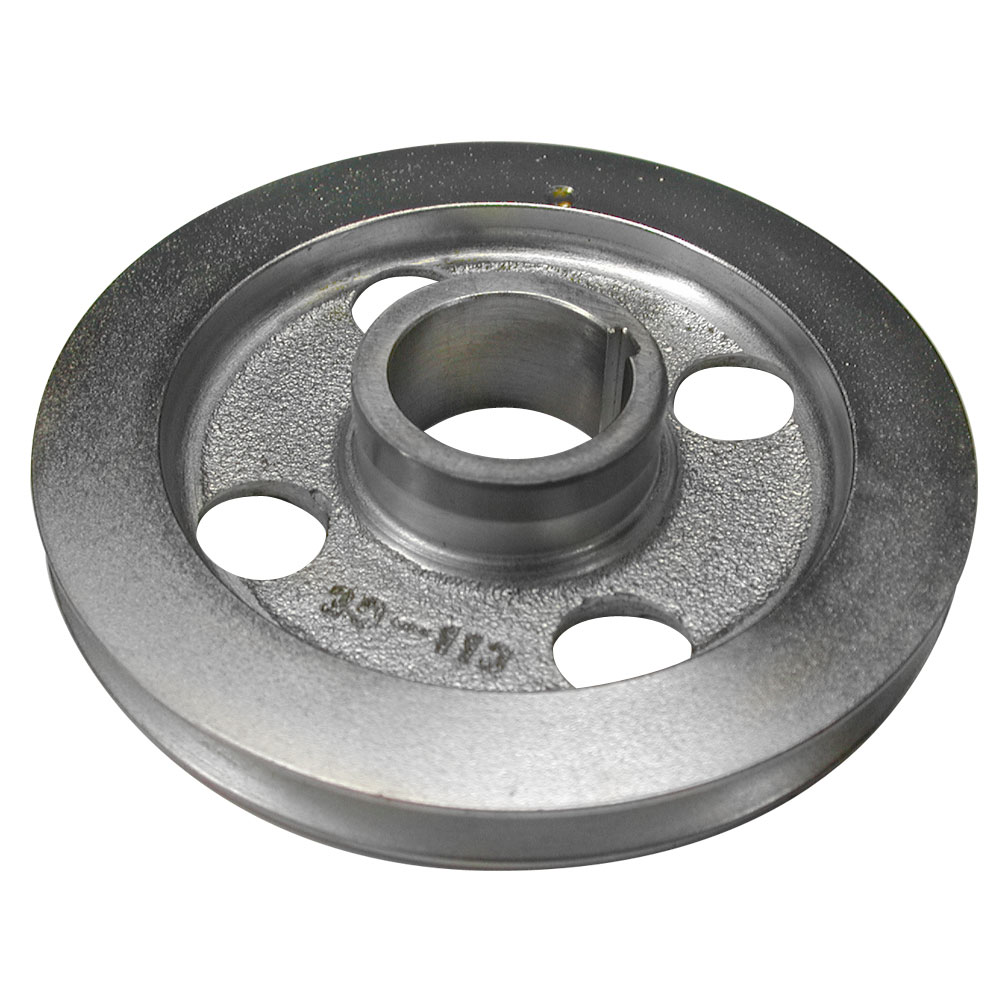
Crankshaft pulley
OE Match 4-hole crankshaft pulley for the Porsche 356 and 912 applications below. It provides a replacement option for classic engine repairs and restoration work.
Fits:
Porsche 356 1950 - 1955
Porsche 356A 1956 - 1959
Porsche 356B 1959 - 1963
Porsche 356C / SC 1963 - 1965
Porsche 912 1966 -1969
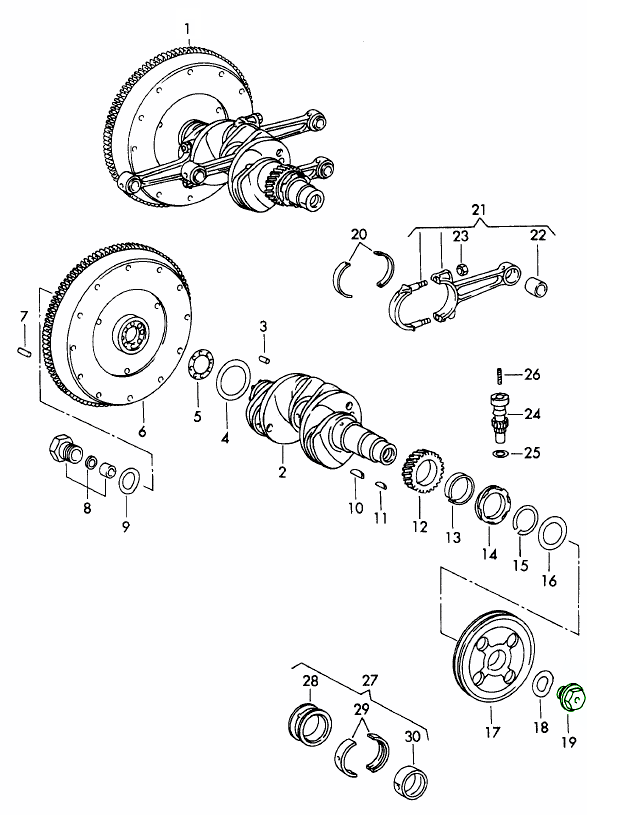
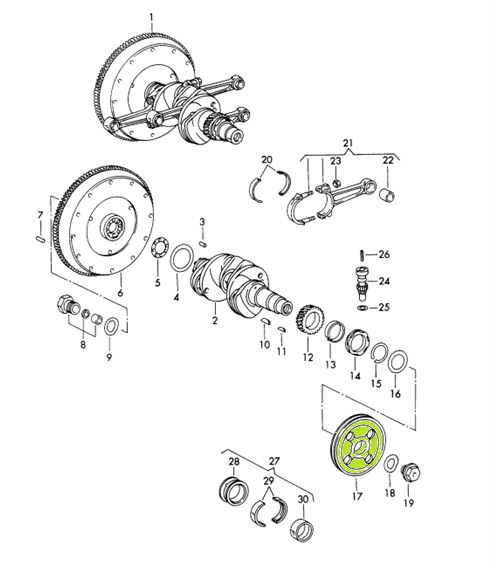
Diagram ref no 17
Important Application Notes
This crankshaft pulley is not useable on the Carrera versions of the Porsche 356.
This 4-hole crankshaft pulley replaces for the 356 pre-A from 1950 to 1955 the 2-hole pulleys with diameter 161 and 170.5 mm that are no longer available.
What This Product Does
The pulley is a crankshaft-mounted component within the engine assembly. OE Match develops replacement components around Porsche applications, using original references and vehicle specifications to assess suitability.
Technical Details
- Brand: OE Match.
- Supplied part reference: 53902113.
- Construction detail supplied: 4-hole pulley.
Why Replacement Matters
Renewal may form part of a planned engine rebuild or restoration when inspection identifies a worn or damaged pulley. Verify the application and inspect adjoining components rather than assuming that general engine noise or vibration confirms a pulley fault.
FAQs
Does it replace the early two-hole version?
Yes. The supplied application notes identify it as a substitute for the 161 mm and 170.5 mm two-hole pulleys used on 1950–1955 356 pre-A models.
Can it be fitted to a 356 Carrera?
No. Porsche 356 Carrera versions are excluded.
Check fitment for your specific vehicle (model, year, engine) before ordering.
Related reference numbers
Related, superseded, cross reference or alternative numbers for comparison.
53902113
The product you are viewing cross references to these numbers
- Porsche 911 1968-1973 2.2L / 2.4L / 2.7L RS LWB (F)
- Porsche 911 1974-1977 2.7L / 1976-77 3.0 Carrera
- Porsche 911 1975-1977 3.0L Turbo (930)
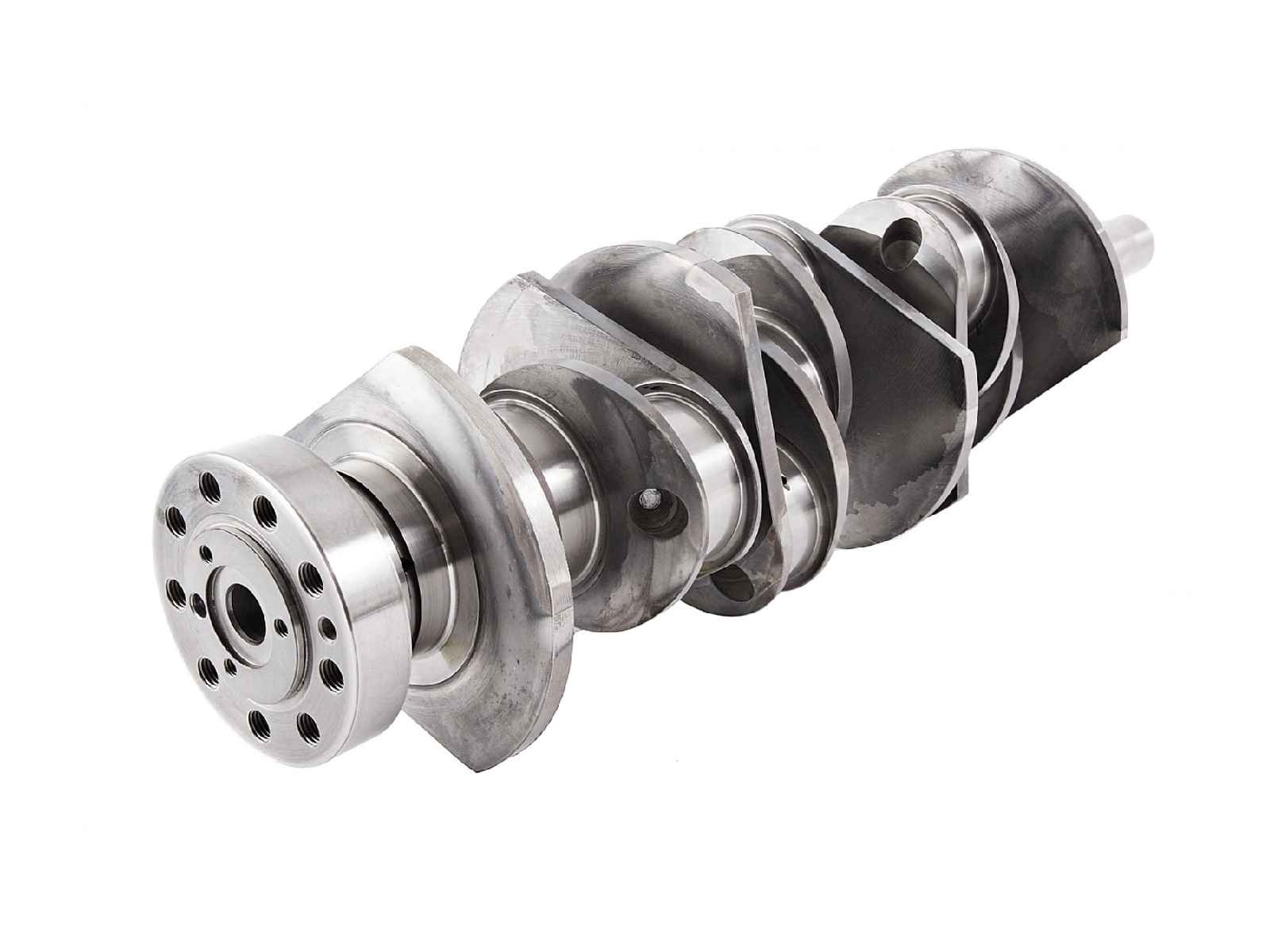
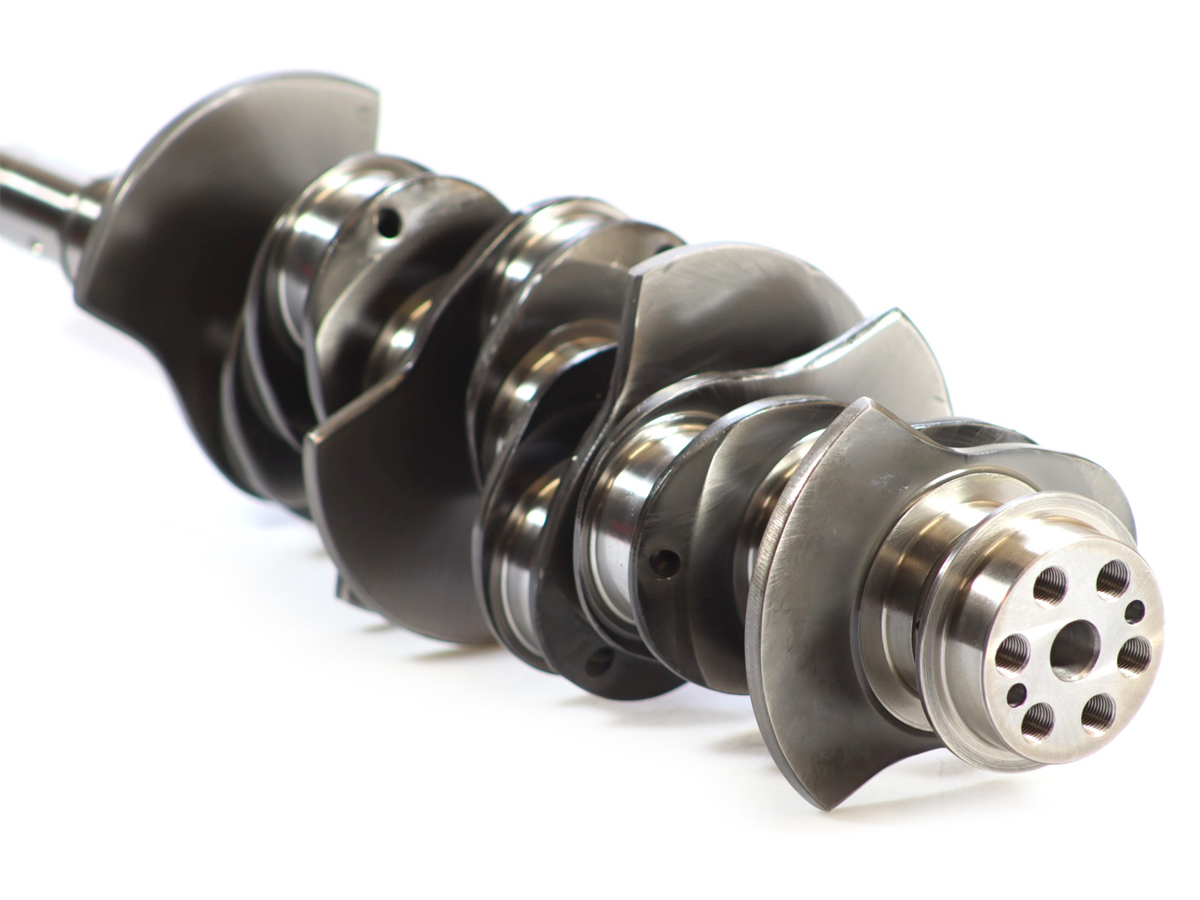
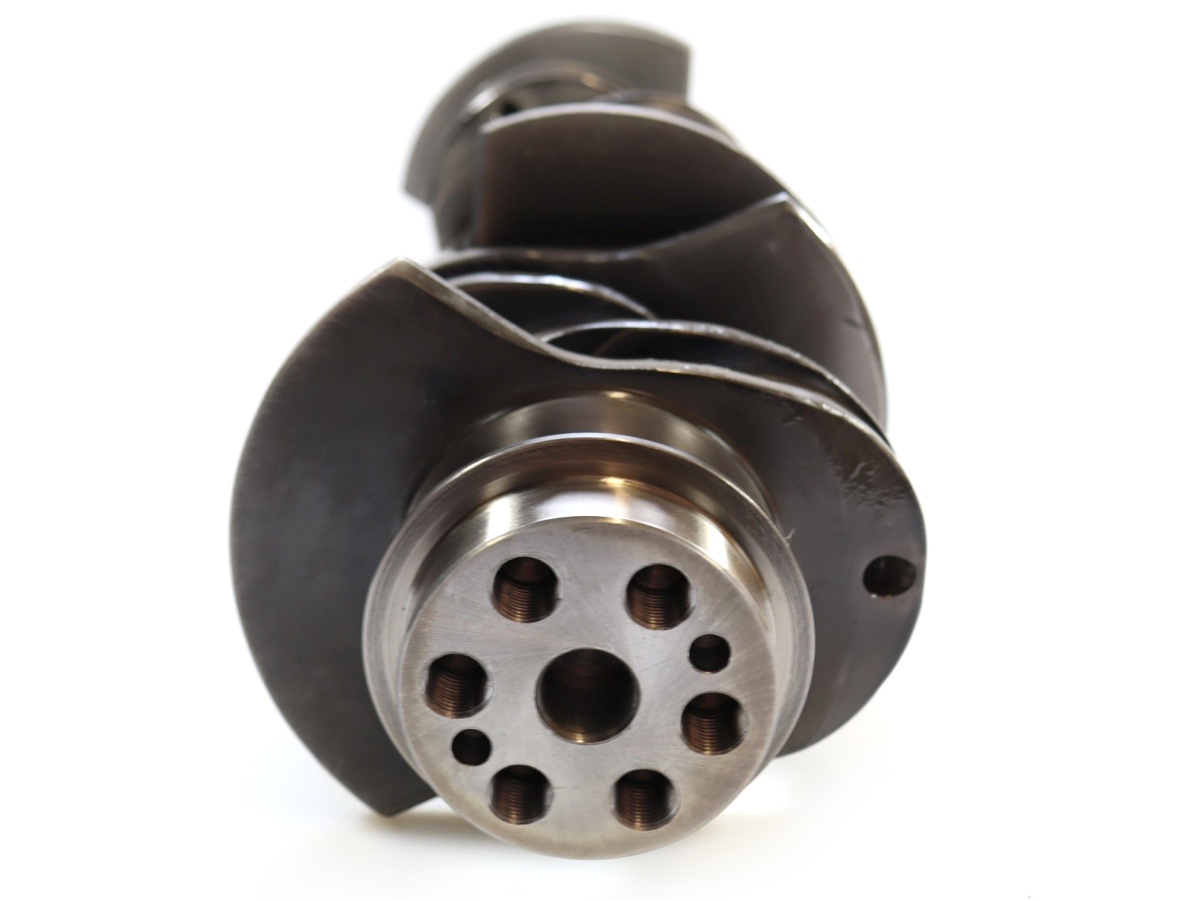
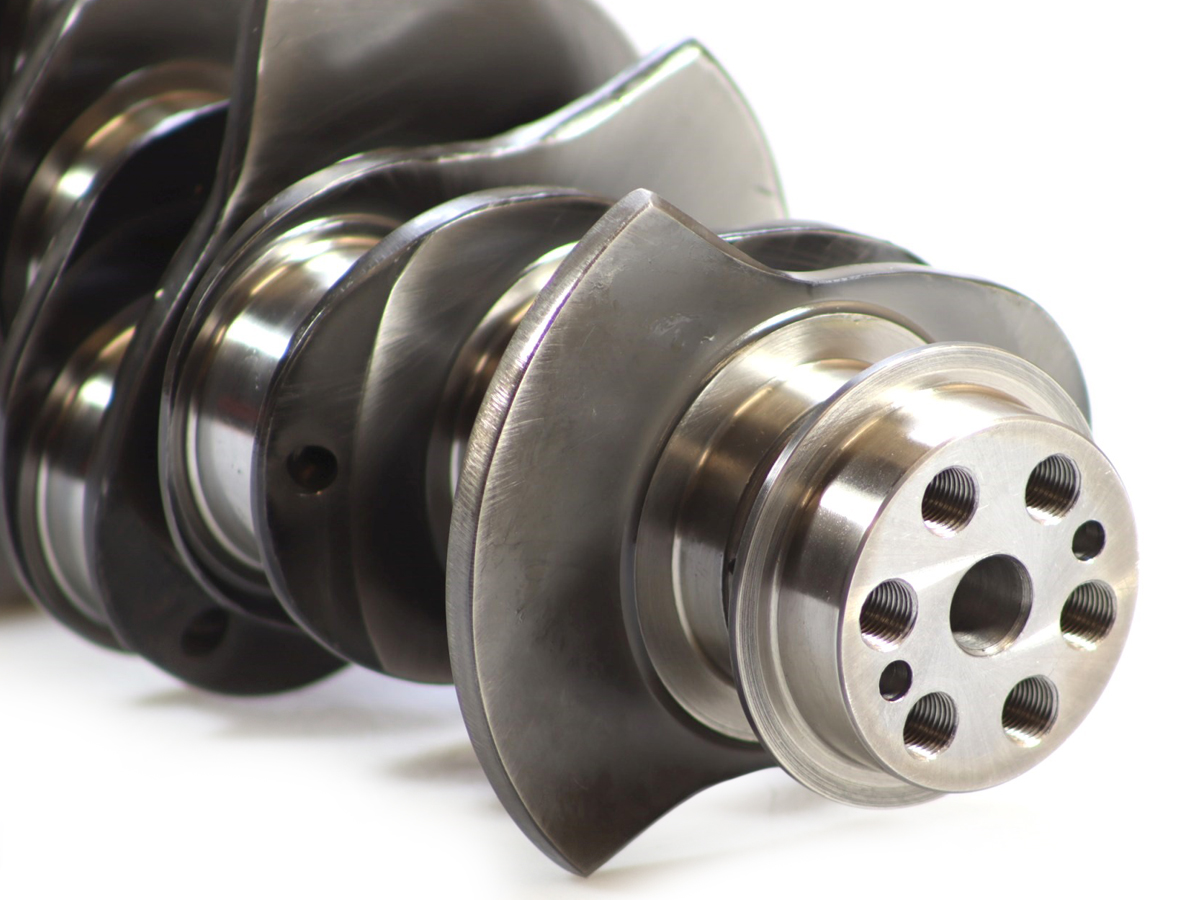
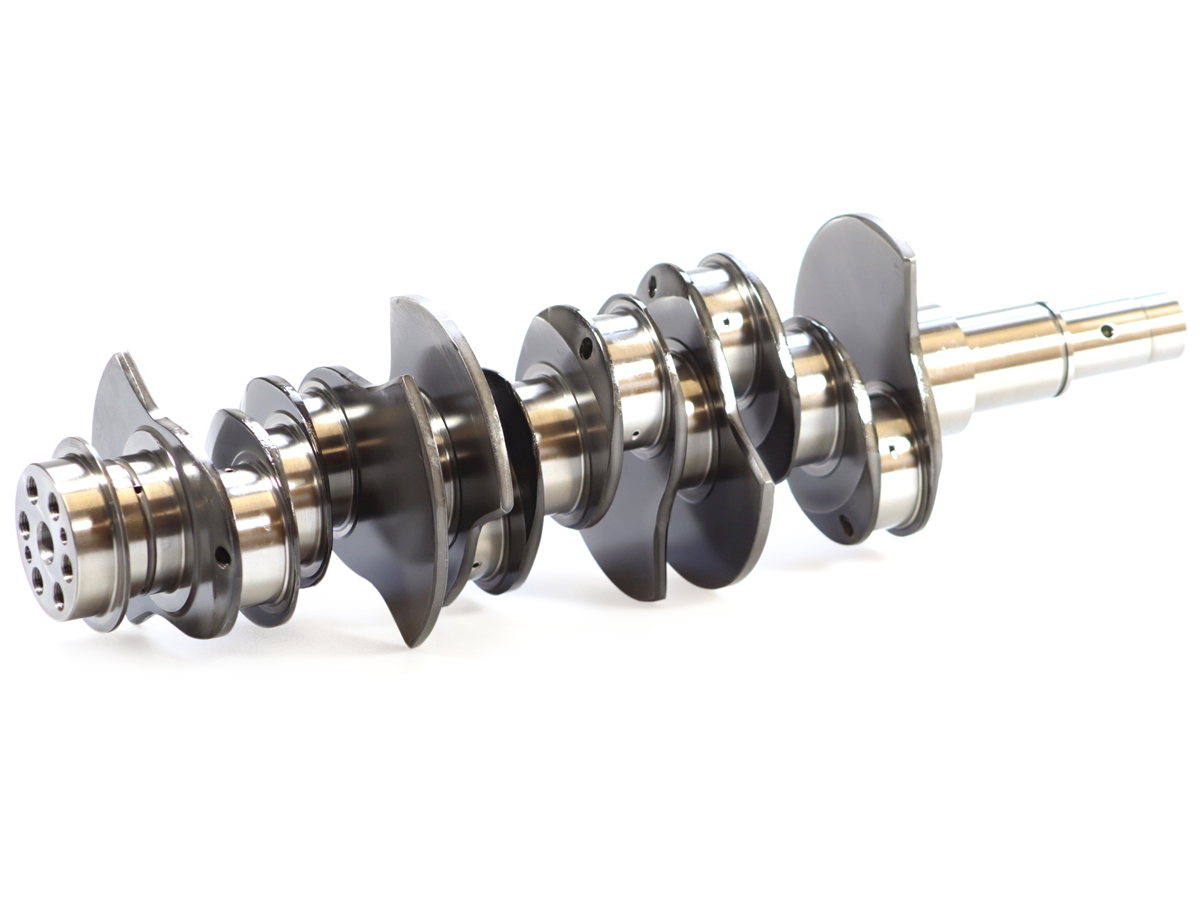
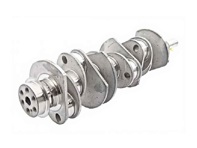
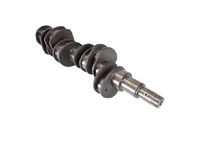
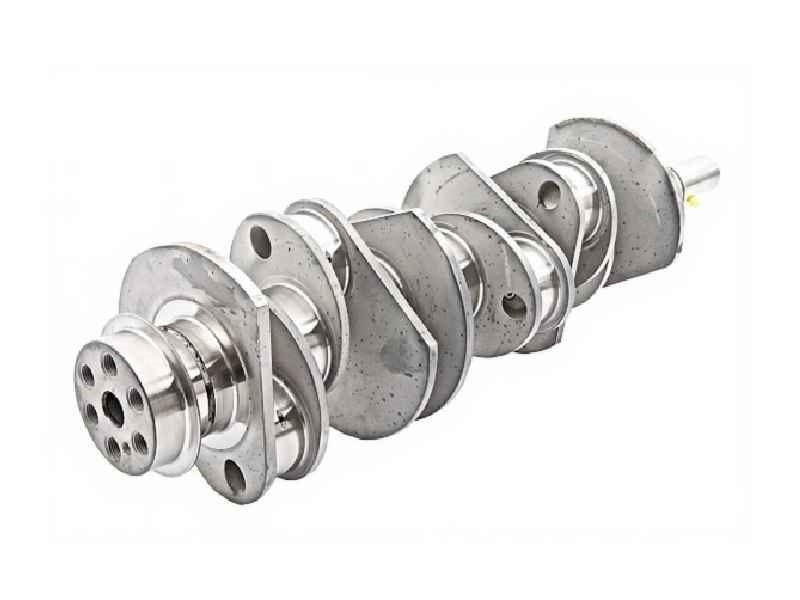
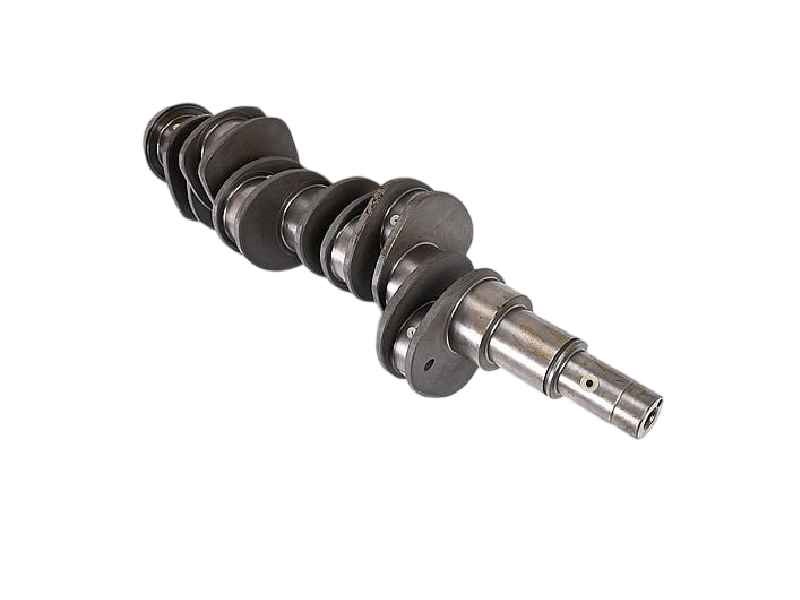
Standard Size Crankshaft (STD)
The standard size (STD) engine crankshaft is an
essential rotating component for the early air-cooled Porsche models.
Fits:
- Porsche 911 1972-1973 2.4L / 2.7L RS LWB (F)
- Porsche 911 1974-1977 2.7L / 1976-77 3.0 Carrera
- Porsche 911 1975-1977 3.0L Turbo (930)
Designed to maintain original journal dimensions and deliver long-lasting structural integrity, this crankshaft provides the precision, balance and strength demanded by classic flat-six engines.
Whether performing a true-to-original restoration or a full bottom-end rebuild, this crankshaft ensures proper bearing clearances, smooth rotation and the reliability required to support both naturally aspirated and early turbocharged Porsche engines.
What the Crankshaft Does
This crankshaft plays a central role in engine operation by:
- Transforming
piston movement into rotational torque to drive the transmission
- Maintaining
exact journal sizing for correct oil film and bearing support
- Ensuring
balanced rotation across the entire RPM range
- Supporting
reliable lubrication through precision oil galleries
- Handling
high load and thermal stress typical of air-cooled performance engines
- Providing dependable bottom-end stability for both normally aspirated and turbocharged setups
Without a properly sized and balanced crankshaft, the engine cannot run smoothly or reliably.
Why Crankshafts Can Fail
Although Porsche’s air-cooled crankshafts are renowned for
durability, age, performance use and lubrication issues can lead to failure.
Common causes include:
- Oil
starvation causing bearing damage and journal scoring
- Contamination
in the oil system leading to abrasive wear
- High-mileage
fatigue resulting in stress cracks or journal out-of-round conditions
- Overheating
reducing metallurgical strength
- Incorrect
machining or imbalance from past rebuilds
- Detonation
or pre-ignition placing excessive load on journals
- Corrosion from long storage or moisture intrusion
Symptoms can include low oil pressure, vibration, bearing noise, metal debris in the oil, or excessive crankshaft end-float.
Why You Should Replace a Worn or Damaged Crankshaft
Installing a new or precision-engineered standard size crankshaft—matched to original Porsche tolerances—provides the foundation for a reliable, long-lasting engine rebuild.
Benefits include:
- Restored bearing clearance and proper lubrication
- Smooth rotational balance and reduced engine vibration
- Improved reliability for both standard and turbocharged engines
- Protection against catastrophic bottom-end failures
- Extended lifespan for connecting rods, bearings and pistons
- Consistent performance in high-heat air-cooled environments
For valuable classics like the 1972–77 Porsche 911 and early 930 Turbo, a correct STD crankshaft is essential to preserving performance and longevity.
Related reference numbers
Related, superseded, cross reference or alternative numbers for comparison.
91610201600
The product you are viewing cross references to these numbers
- Porsche 911 1965-1968 2.0L / 912 SWB (F)
- Porsche 911 1968-1973 2.2L / 2.4L / 2.7L RS LWB (F)
- Porsche 914 (1970-1976)
Standard Size Crankshaft (STD)
The standard size (STD) engine crankshaft is an
essential rotating component for the early air-cooled Porsche models.
Fits:
These first-generation air-cooled flat-six engines rely heavily on the strength, balance and accuracy of the crankshaft to deliver the smooth, free-revving performance that made the classic 911 legendary.
Whether performing a true-to-original restoration or a full
bottom-end rebuild, this crankshaft ensures proper bearing clearances, smooth
rotation and the reliability required to support both naturally aspirated and
early turbocharged Porsche engines.
What the Crankshaft Does
This crankshaft plays a central role in engine operation by:
- Transforming
piston movement into rotational torque to drive the transmission
- Maintaining
exact journal sizing for correct oil film and bearing support
- Ensuring
balanced rotation across the entire RPM range
- Supporting
reliable lubrication through precision oil galleries
- Handling
high load and thermal stress typical of air-cooled performance engines
- Providing dependable bottom-end stability for both normally aspirated and turbocharged setups
Without a properly sized and balanced crankshaft, the engine cannot run smoothly or reliably.
Why Crankshafts Can Fail
Although Porsche’s air-cooled crankshafts are renowned for
durability, age, performance use and lubrication issues can lead to failure.
Common causes include:
- Oil
starvation causing bearing damage and journal scoring
- Contamination
in the oil system leading to abrasive wear
- High-mileage
fatigue resulting in stress cracks or journal out-of-round conditions
- Overheating
reducing metallurgical strength
- Incorrect
machining or imbalance from past rebuilds
- Detonation
or pre-ignition placing excessive load on journals
- Corrosion from long storage or moisture intrusion
Symptoms can include low oil pressure, vibration, bearing noise, metal debris in the oil, or excessive crankshaft end-float.
Why You Should Replace a Worn or Damaged Crankshaft
Installing a new or precision-engineered standard size crankshaft—matched to original Porsche tolerances—provides the foundation for a reliable, long-lasting engine rebuild.
Benefits include:
- Restored bearing clearance and proper lubrication
- Smooth rotational balance and reduced engine vibration
- Improved reliability for both standard and turbocharged engines
- Protection against catastrophic bottom-end failures
- Extended lifespan for connecting rods, bearings and pistons
- Consistent performance in high-heat air-cooled environments
For early air-cooled Porsche models, the crankshaft is one of the most critical components that determines the success and durability of any engine rebuild.
Related reference numbers
Related, superseded, cross reference or alternative numbers for comparison.
90110201101
The product you are viewing cross references to these numbers
.jpg?width=197 "Crankshaft Standard (STD). Porsche 911 3.2 Carrera / 911 turbo / 964 turbo 3.3ltr - 93010201409, 930102014CX - 930 102 014")
- Porsche 911 1984-1986 3.2L
- Porsche 911 1987-1989 3.2L G50
- Porsche 911 1978-1989 3.3L Turbo (930)
- Porsche 964 (911) TURBO 3.3L 1991-93
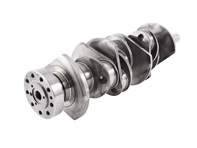
Crankshaft Standard (STD)
This standard size crankshaft (STD) is a
precision-engineered rotating assembly component used in several iconic Porsche
air-cooled engines.
Fits:
- Porsche 911 1984-1986 3.2L
- Porsche 911 1987-1989 3.2L G50
- Porsche 911 1984 -1989 3.3L Turbo (930)
- Porsche 964 (911) TURBO 3.3L 1991-93
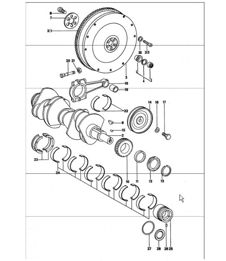
Diagram ref no 1
Designed to maintain original journal dimensions and deliver exceptional strength, this crankshaft plays a crucial role in preserving the smoothness, reliability and performance expected from these high-value flat-six engines.
Whether performing a classic restoration, a bottom-end refresh or a full performance rebuild, this crankshaft is essential for ensuring correct bearing clearances, optimal lubrication and long-term engine integrity.
What the Engine Crankshaft Does
This crankshaft is responsible for key engine functions,
including:
- Converting
piston motion into rotational torque that drives the transmission
- Maintaining
accurate journal diameters to support proper bearing lubrication
- Providing
smooth, balanced rotation across the engine’s entire RPM range
- Distributing
oil internally through precision-machined lubrication galleries
- Supporting
turbocharged loads with a strong, durable crank web and journal design
- Forming the foundation of the bottom-end rotating assembly
A correct standard-size crankshaft is vital to the long-term reliability and performance of any air-cooled Porsche flat-six.
Why Crankshafts Can Fail
Even though Porsche engineered these crankshafts for
durability, decades of use and performance driving can lead to wear or damage.
Common causes of failure include:
- Oil
starvation resulting in journal scoring or bearing failure
- Metal
fatigue from high RPM use, boost pressure or detonation
- Contamination
in the oil supply causing abrasive wear
- Overheating
weakening the crankshaft’s molecular structure
- Incorrect
machining from past rebuilds creating imbalance or mismatched
tolerances
- Severe
knock events bending or cracking the crankshaft
- High-mileage wear reducing journal roundness and bearing clearances
Symptoms of crankshaft-related failure include low oil pressure, metallic knocking, vibration, bearing debris in oil, and uneven rotation during teardown.
Why You Should Replace a Damaged or Worn Crankshaft
Installing a new or precision-built standard size crankshaft—designed to match original Porsche performance tolerances—ensures a strong, balanced and reliable engine rebuild.
Key benefits include:
- Restored bearing clearances and stable oil pressure
- Smooth, balanced engine rotation at all RPM ranges
- Reduced vibration and improved power delivery
- Enhanced reliability under turbocharged loads
- Prevention of severe bottom-end failures
- Increased lifespan of pistons, rods and bearings
- Assurance of correct geometry for high-performance use
For high-value Porsche models like the 911 Carrera 3.2 and Turbo variants, a correct, high-quality STD crankshaft is one of the most critical investments in any rebuild.
Related reference numbers
Related, superseded, cross reference or alternative numbers for comparison.
93010201409
The product you are viewing cross references to these numbers
- Porsche 911 1978-1983 3.0L / SC
Crankshaft Standard (STD)
The
standard size (STD) crankshaft is a key rotating component for the classic Porsche
911 SC (3.0ltr).
Fits:
Engineered to match original build specifications, this crankshaft ensures proper journal dimensions, smooth rotation and long-term durability within the renowned air-cooled flat-six engine. Whether restoring a classic 911 SC or rebuilding a high-mileage bottom end, this precision-machined crankshaft plays a vital role in maintaining authentic Porsche performance.
Designed to maintain original journal dimensions and deliver exceptional strength, this crankshaft plays a crucial role in preserving the smoothness, reliability and performance expected from these high-value flat-six engines.
Whether performing a classic restoration, a bottom-end refresh or a full performance rebuild, this crankshaft is essential for ensuring correct bearing clearances, optimal lubrication and long-term engine integrity.
What the Engine Crankshaft Does
This crankshaft is responsible for key engine functions,
including:
- Converting
piston motion into rotational torque that drives the transmission
- Maintaining
accurate journal diameters to support proper bearing lubrication
- Providing
smooth, balanced rotation across the engine’s entire RPM range
- Distributing
oil internally through precision-machined lubrication galleries
- Supporting
turbocharged loads with a strong, durable crank web and journal design
- Forming the foundation of the bottom-end rotating assembly
A correct standard-size crankshaft is vital to the long-term reliability and performance of any air-cooled Porsche flat-six.
Why Crankshafts Can Fail
Even though Porsche engineered these crankshafts for
durability, decades of use and performance driving can lead to wear or damage.
Common causes of failure include:
- Oil
starvation resulting in journal scoring or bearing failure
- Metal
fatigue from high RPM use, boost pressure or detonation
- Contamination
in the oil supply causing abrasive wear
- Overheating
weakening the crankshaft’s molecular structure
- Incorrect
machining from past rebuilds creating imbalance or mismatched
tolerances
- Severe
knock events bending or cracking the crankshaft
- High-mileage wear reducing journal roundness and bearing clearances
Symptoms of crankshaft-related failure include low oil pressure, metallic knocking, vibration, bearing debris in oil, and uneven rotation during teardown.
Why You Should Replace a Damaged or Worn Crankshaft
Installing a new or precision-built standard size crankshaft—designed to match original Porsche performance tolerances—ensures a strong, balanced and reliable engine rebuild.
Key benefits include:
- Restored bearing clearances and stable oil pressure
- Smooth, balanced engine rotation at all RPM ranges
- Reduced vibration and improved power delivery
- Enhanced reliability under turbocharged loads
- Prevention of severe bottom-end failures
- Increased lifespan of pistons, rods and bearings
- Assurance of correct geometry for high-performance use
For a Porsche 911 SC rebuild, choosing the correct STD crankshaft is one of the most important steps in achieving a long-lasting, dependable engine.
Related reference numbers
Related, superseded, cross reference or alternative numbers for comparison.
93010201508
The product you are viewing cross references to these numbers
- Porsche 911 1965-1968 2.0L / 912 SWB (F)
- Porsche 356 1950-55
- Porsche 356A 1955-59
- Porsche 356B 1959-63
- Porsche 356C 1963-65
Fits:
Porsche 356 1300 / 1300 S / 1500 / 1500 S / 1600 / 1600 S 1950-59
Porsche 356 1600-SC 1960-65
Porsche 912 1965-69
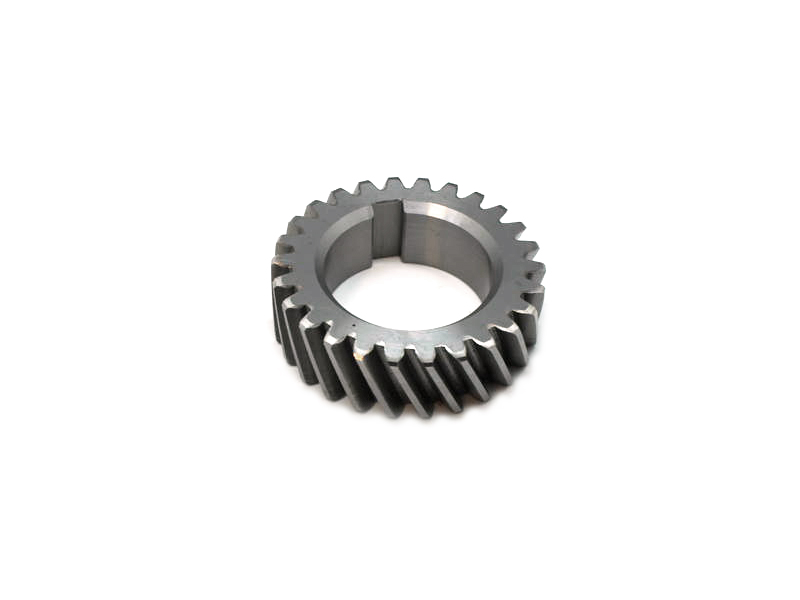
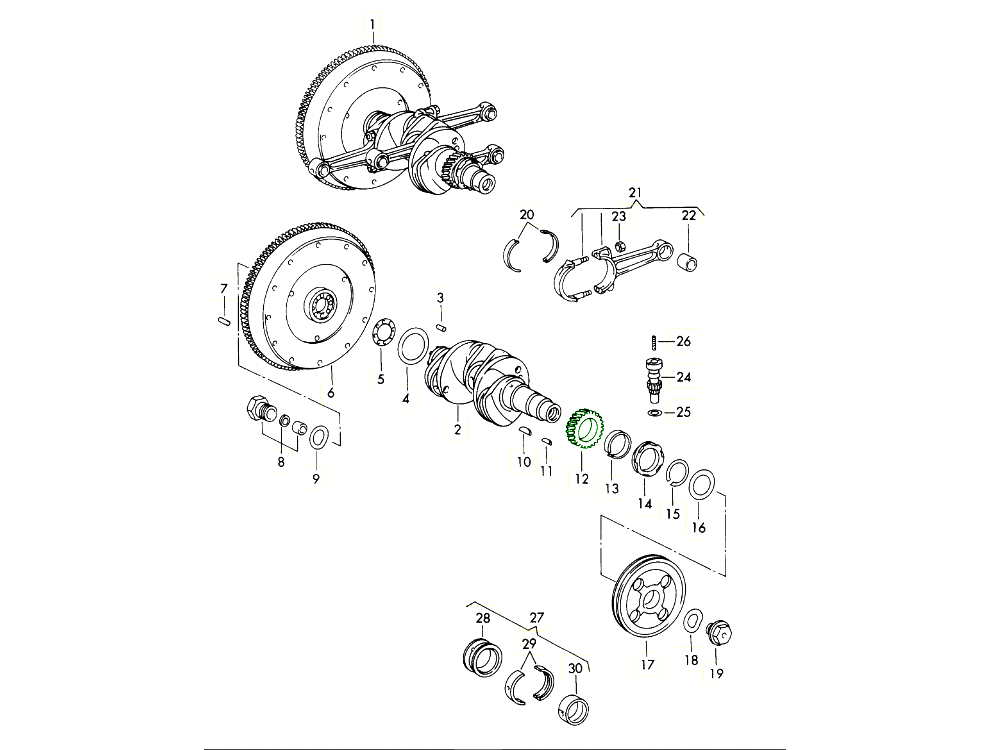
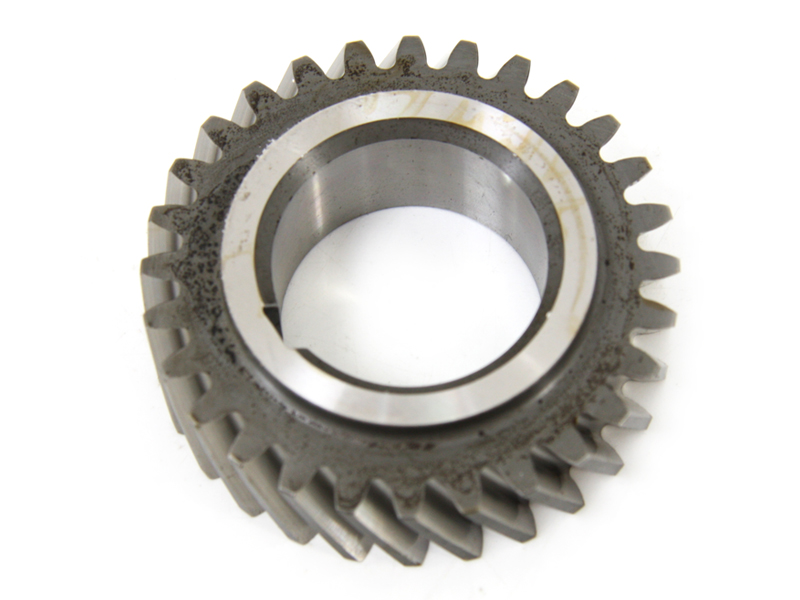
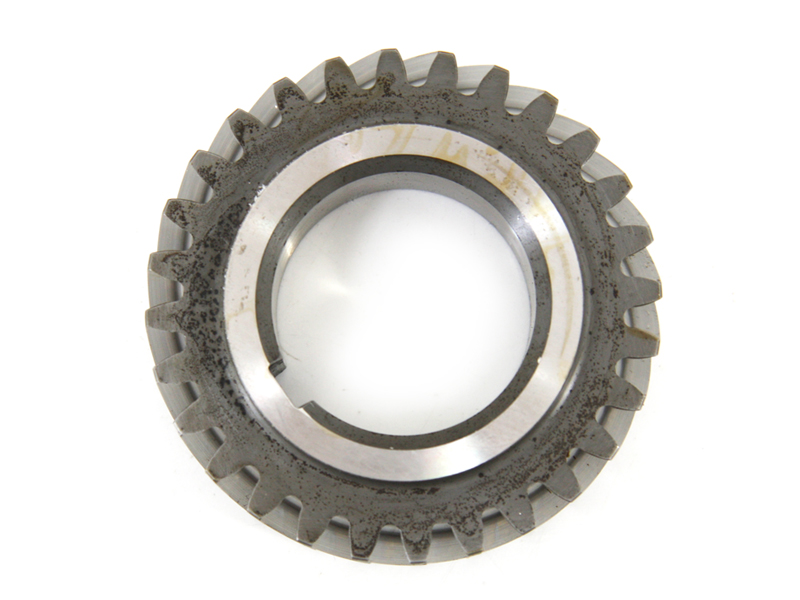
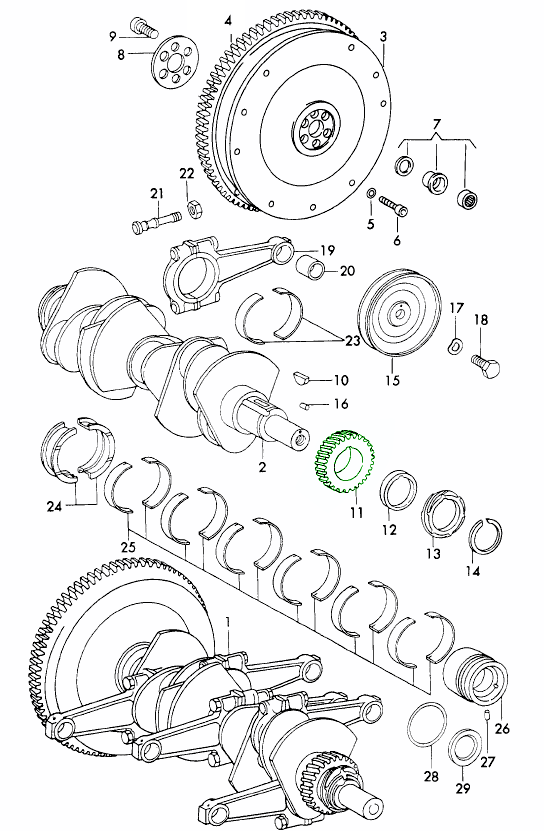
Click 'Zoom in' for large parts diagram.
Diagram ref no 12
Related reference numbers
Related, superseded, cross reference or alternative numbers for comparison.
PCG02105
The product you are viewing cross references to these numbers
- Porsche 911 1965-1968 2.0L / 912 SWB (F)
- Porsche 911 1968-1973 2.2L / 2.4L / 2.7L RS LWB (F)
- Porsche 911 1974-1977 2.7L / 1976-77 3.0 Carrera
- Porsche 911 1978-1983 3.0L / SC
- Porsche 911 1984-1986 3.2L
- Porsche 911 1987-1989 3.2L G50
- Porsche 911 1975-1977 3.0L Turbo (930)
- Porsche 911 1978-1989 3.3L Turbo (930)
- Porsche 964 (911) TURBO 3.3L 1991-93
- Porsche 914 (1970-1976)
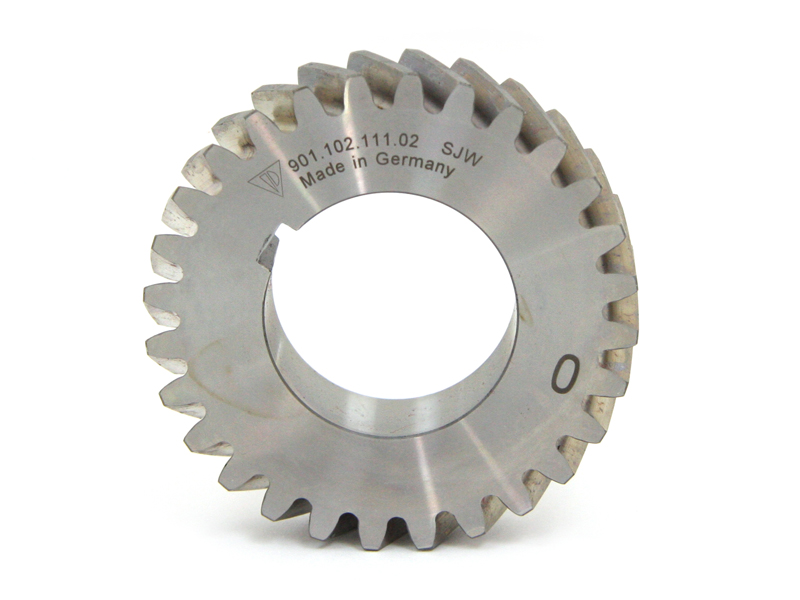
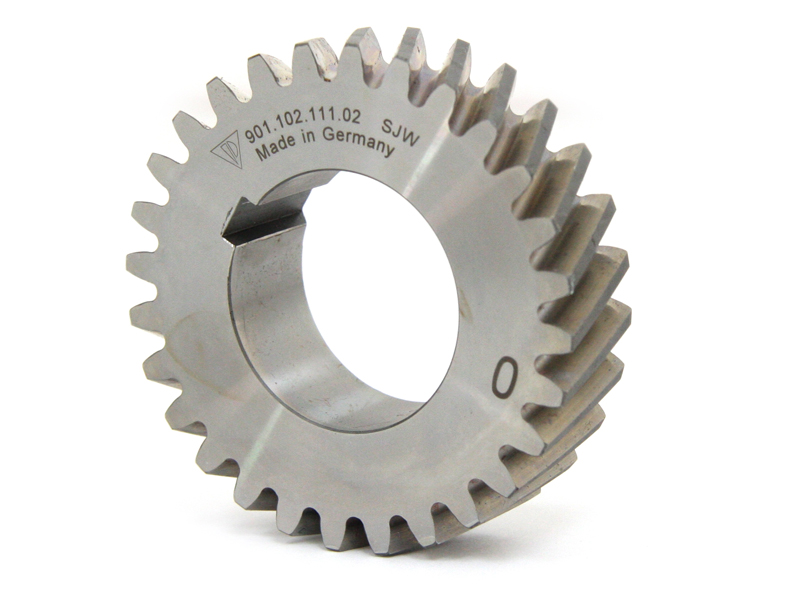
*** to be used for code no: 0
Fits:
Porsche 911 1965-89
Porsche 914-6 1970-76
Porsche 964 Turbo 3.3L 1991-92
Click 'Zoom in' for large parts diagram.
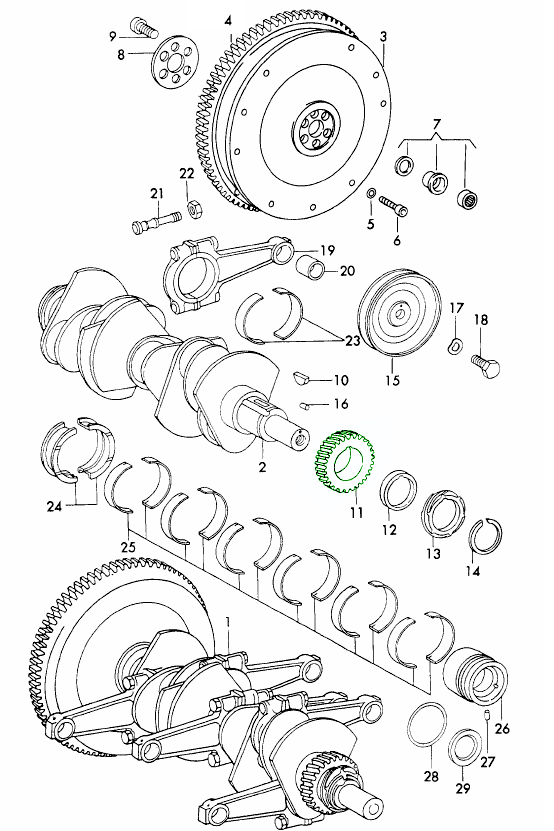
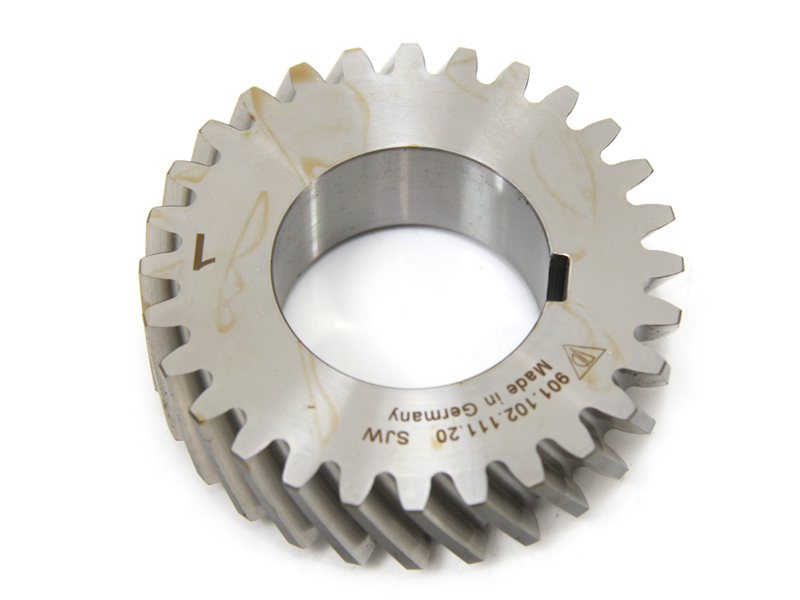
Diagram ref no 11
Related reference numbers
Related, superseded, cross reference or alternative numbers for comparison.
90110211102
The product you are viewing cross references to these numbers
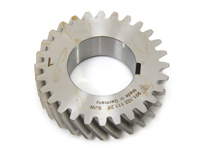
- Porsche 911 1965-1968 2.0L / 912 SWB (F)
- Porsche 911 1968-1973 2.2L / 2.4L / 2.7L RS LWB (F)
- Porsche 911 1974-1977 2.7L / 1976-77 3.0 Carrera
- Porsche 911 1978-1983 3.0L / SC
- Porsche 911 1984-1986 3.2L
- Porsche 911 1987-1989 3.2L G50
- Porsche 911 1975-1977 3.0L Turbo (930)
- Porsche 911 1978-1989 3.3L Turbo (930)
- Porsche 964 (911) TURBO 3.3L 1991-93
- Porsche 914 (1970-1976)
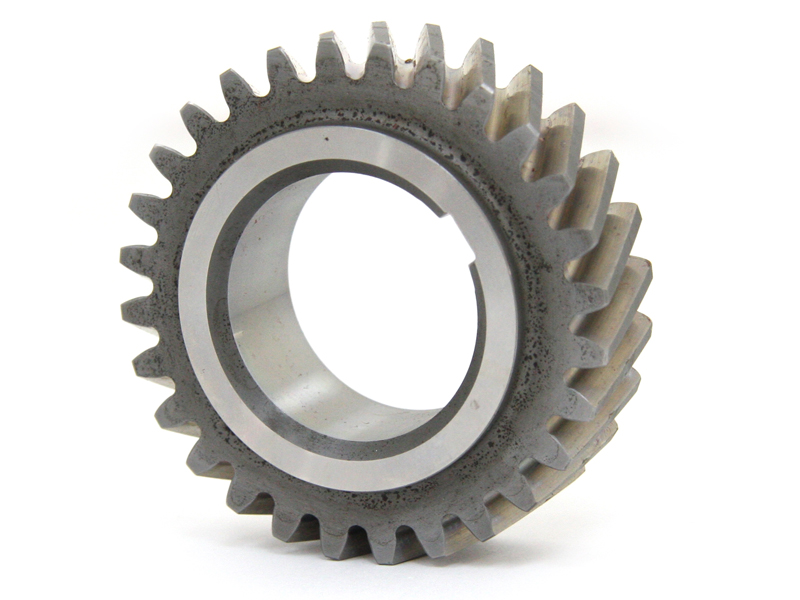
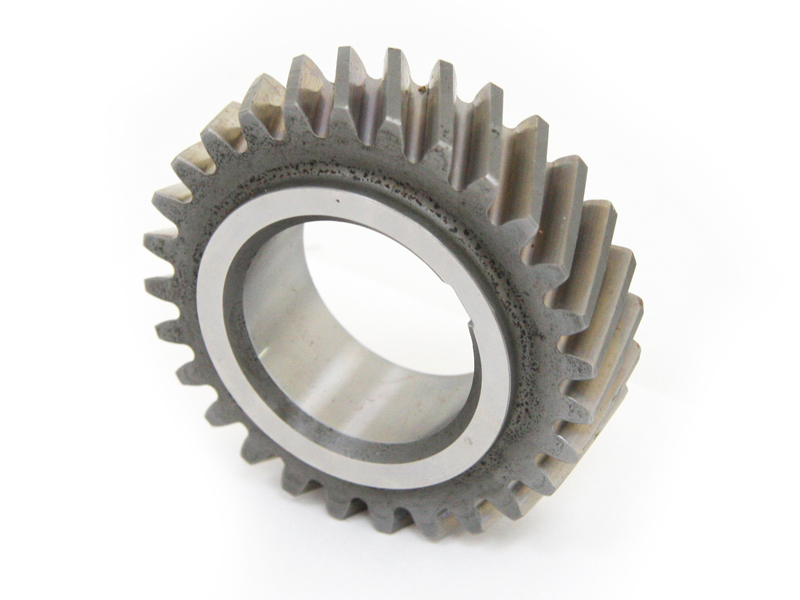
*** to be used for code no: 1
Fits:
Porsche 911 1965-89
Porsche 914-6 1970-76
Porsche 964 Turbo 3.3L 1991-92
Diagram ref no 11
Related reference numbers
Related, superseded, cross reference or alternative numbers for comparison.
90110211120
The product you are viewing cross references to these numbers
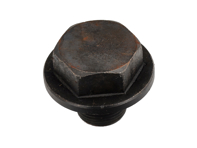
- Porsche 356 1950-55
- Porsche 356A 1955-59
- Porsche 356B 1959-63
- Porsche 356C 1963-65
Fits:
Porsche 356
Porsche 912 1965-69
Diagram ref no 19
Related reference numbers
Related, superseded, cross reference or alternative numbers for comparison.
53902112
The product you are viewing cross references to these numbers
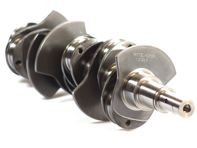
- Porsche 911 1965-1968 2.0L / 912 SWB (F)
- Porsche 911 1968-1973 2.2L / 2.4L / 2.7L RS LWB (F)
Fits:
Porsche 911 2.0ltr - 1965 to 1969
Porsche 911 2.2ltr - 1970 to 1971
Notes
Conforms to FIA Appendix K
Tested to 10,000 RPM
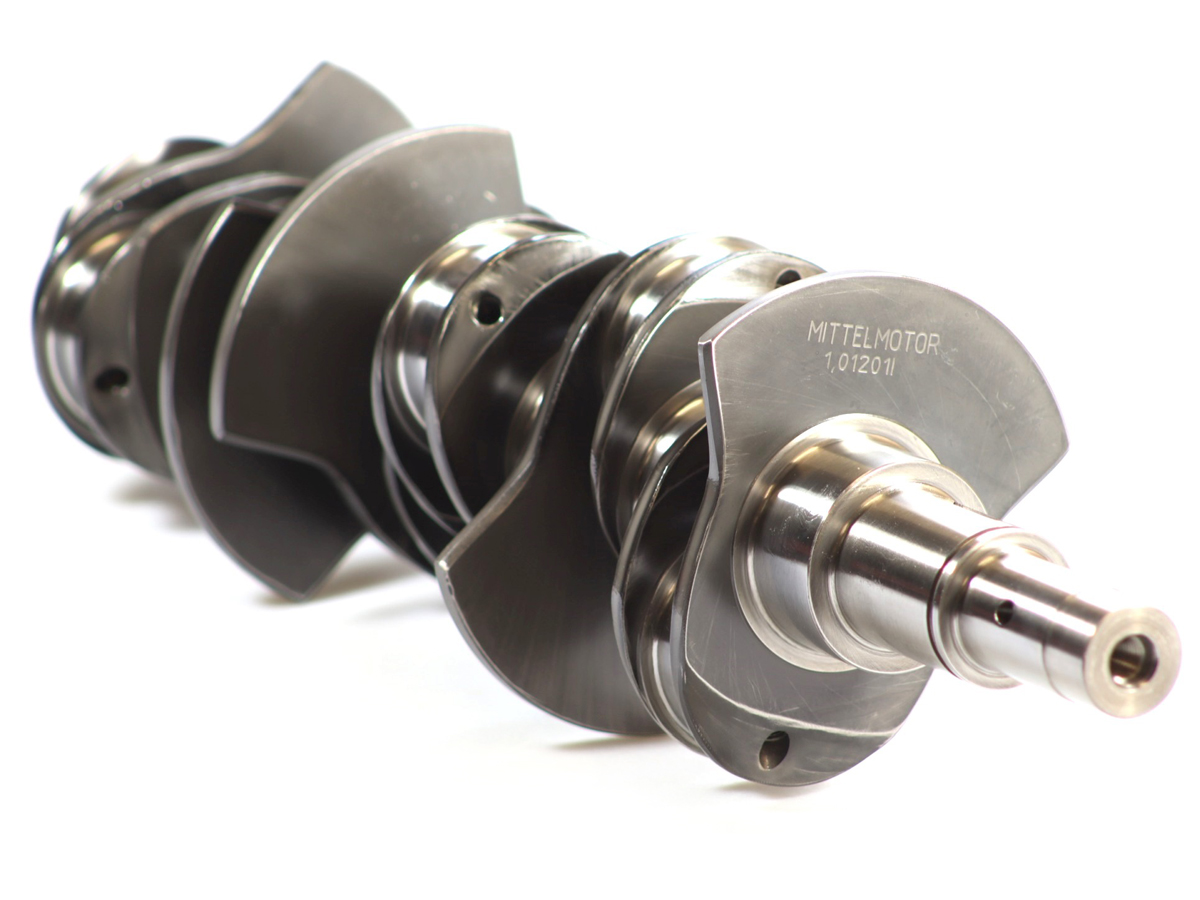
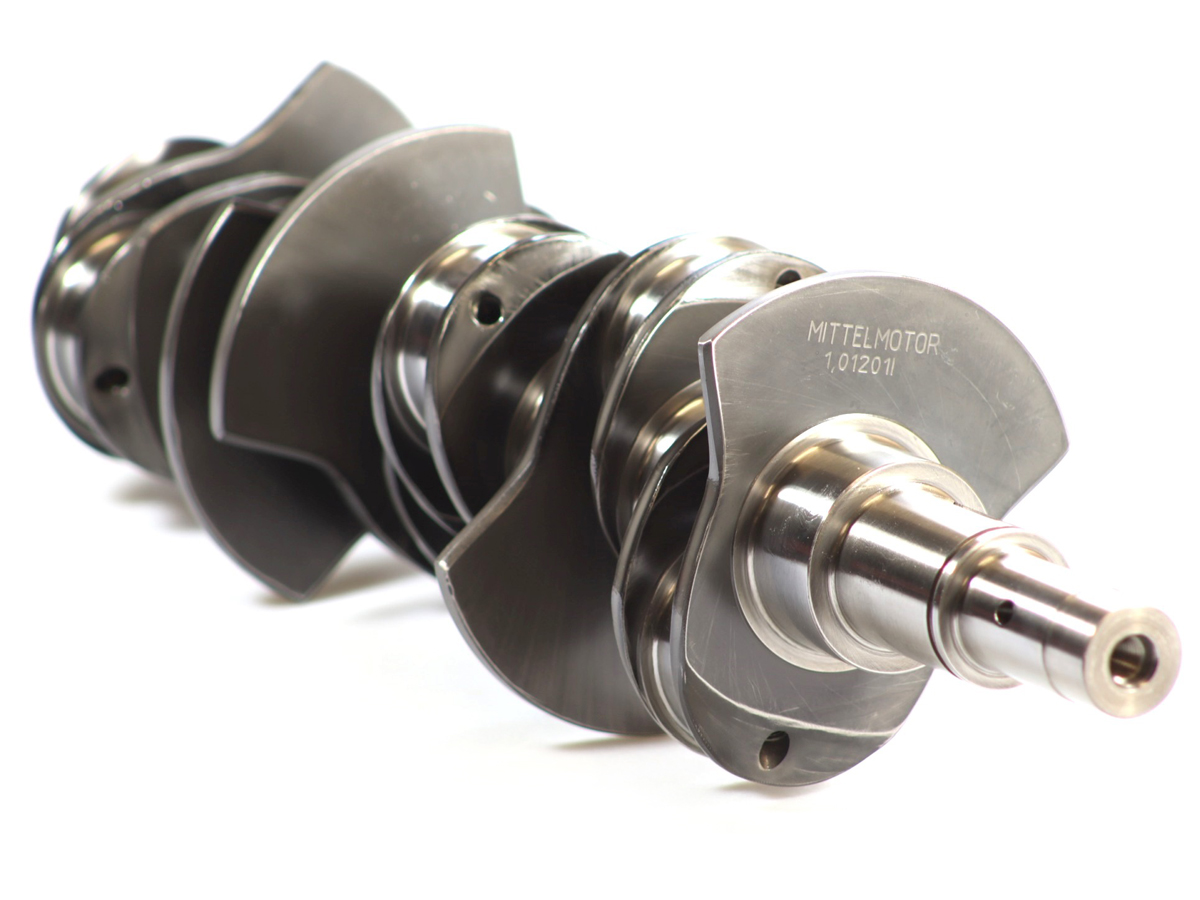
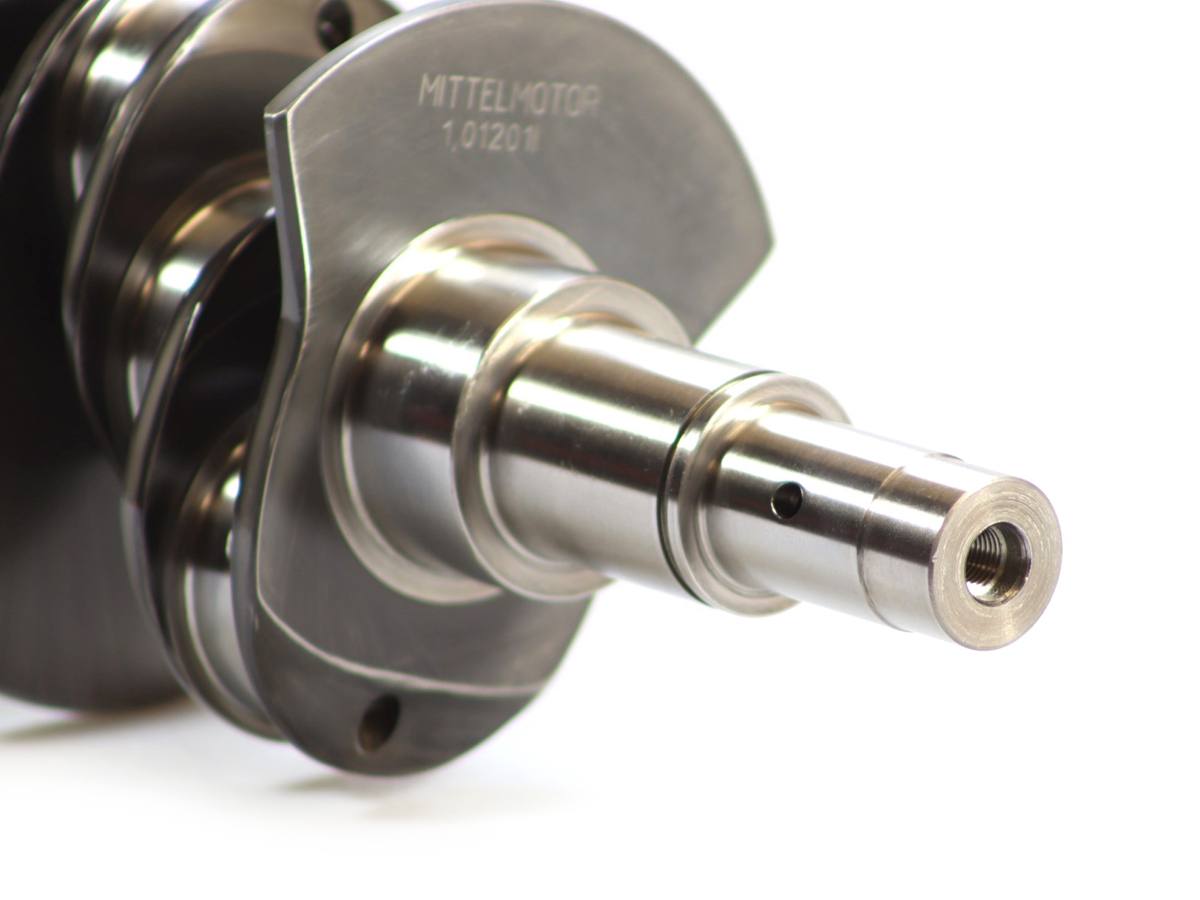
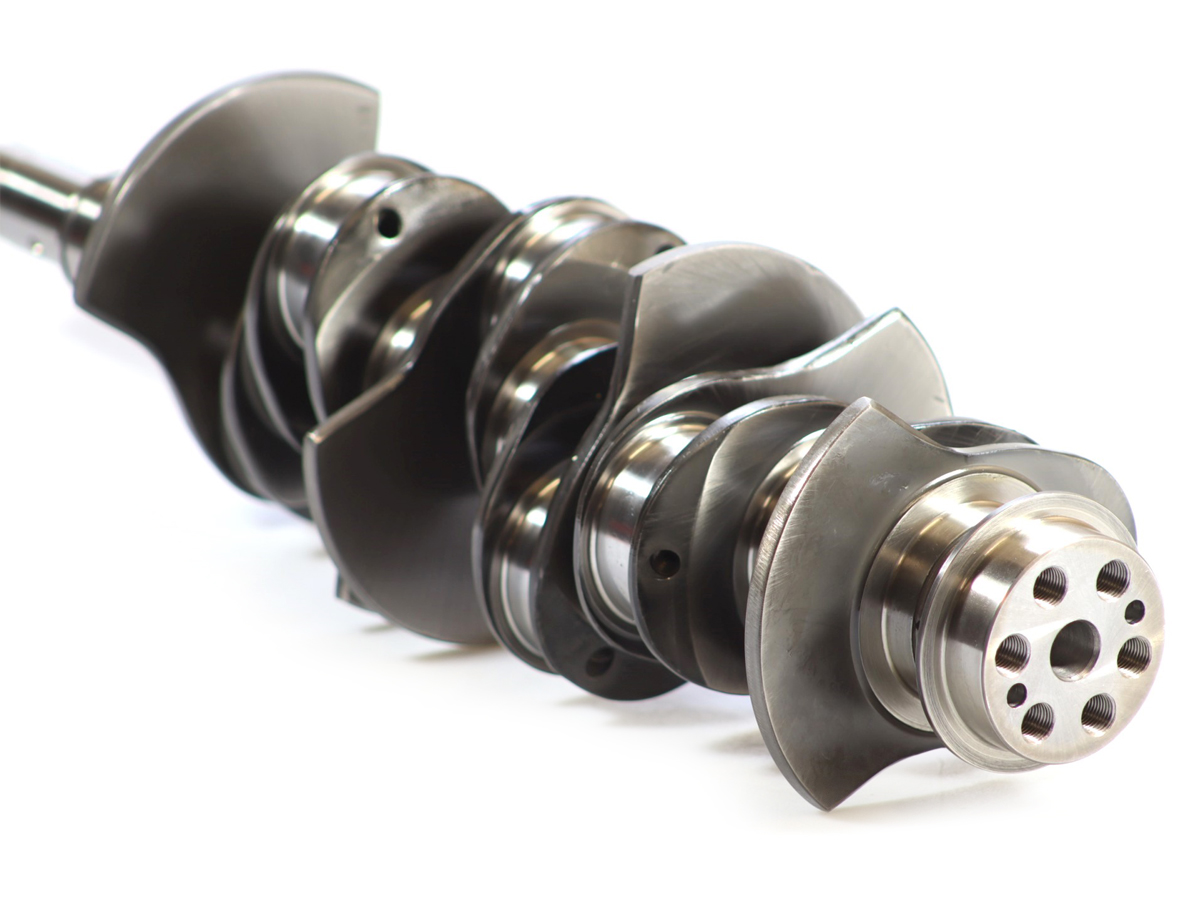
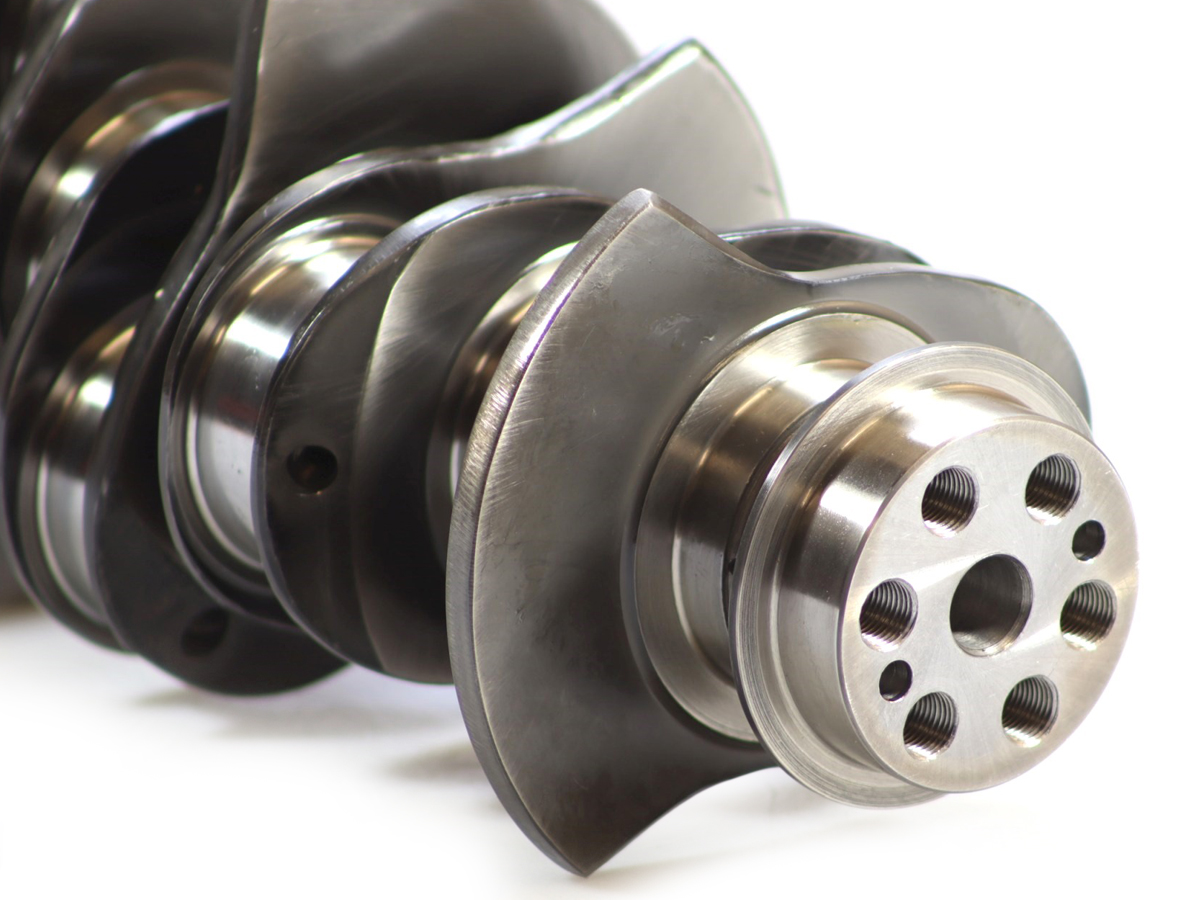
Increasing the performance of an engine via the crankshaft does not make sense at first glance, but it is worth taking a closer look.
The mechanical efficiency of an engine, which, together with the thermodynamic efficiency and the volumetric efficiency, determines the rated output of an engine, depends fundamentally on the diameter of the crankshaft bearings and the friction in the bearings.
Of course, the diameter cannot be easily changed, but the friction can, which in turn depends on the bending loads and the resulting vibrations of the crankshaft. This is exactly why the use of top-quality titanium connecting rods is of little use if the resulting significantly reduced rotating masses at the connecting rod foot are not also taken into account on the counterweight side of the crankshaft.
Because only a perfectly designed crankshaft, calculated for the connecting rod weights, actually brings with it less bearing friction due to eliminated vibrations, and thus an increase in performance. Furthermore, this crankshaft is speed-resistant up to 11,000 rpm and tested in continuous operation up to 10,000 rpm. A pleasant side effect is of course a reduced load on the crankcase and less wear.
This crankshaft is designed utilising the latest calculation methods using CAD and FE methods (finite elements), but is still FIA legal for historic motorsport and conforms to Annex K, but is only designed for operation with steel connecting rods. The focus was on the FIA regulation that " in the case of a new production, the original or the newly manufactured component may be lightened, which was exactly the case with this crankshaft.
If you want to run this crankshaft with titanium connecting rods, use crankshaft part number 91610201600/1 which is designed for the lower rotating masses of titanium connecting rods. Failure to comply with the mass balance will sooner or later lead to the crankshaft breaking at maximum speeds.
Furthermore, this crankshaft is an authentic replacement for every standard crankshaft of the 911 from 1965 to 1971, i.e. every 2.0ltr and 2.2ltr engine.
Related reference numbers
Related, superseded, cross reference or alternative numbers for comparison.
90110201101
The product you are viewing cross references to these numbers
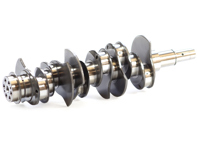
- Porsche 911 1965-1968 2.0L / 912 SWB (F)
- Porsche 911 1968-1973 2.2L / 2.4L / 2.7L RS LWB (F)
Fits:
Porsche 911 2.0ltr - 1965 to 1969
Porsche 911 2.2ltr - 1970 to 1971
Notes
Tested to 10,000 RPM
Increasing the performance of an engine via the crankshaft does not make sense at first glance, but it is worth taking a closer look.
The mechanical efficiency of an engine, which, together with the thermodynamic efficiency and the volumetric efficiency, determines the rated output of an engine, depends fundamentally on the diameter of the crankshaft bearings and the friction in the bearings.
Of course, the diameter cannot be easily changed, but the friction can, which in turn depends on the bending loads and the resulting vibrations of the crankshaft. This is exactly why the use of top-quality titanium connecting rods is of little use if the resulting significantly reduced rotating masses at the connecting rod foot are not also taken into account on the counterweight side of the crankshaft.
Because only a perfectly designed crankshaft, calculated for the connecting rod weights, actually brings with it less bearing friction due to eliminated vibrations, and thus an increase in performance. Furthermore, this crankshaft is speed-resistant up to 11,000 rpm and tested in continuous operation up to 10,000 rpm. A pleasant side effect is of course a reduced load on the crankcase and less wear.
This crankshaft is designed utilising the latest calculation methods using CAD and FE methods (finite elements) and is designed for operation with titanium connecting rods only.
If you want to run this crankshaft with steel connecting rods, use crankshaft part number 90110201100/1. Failure to comply with the mass balance will sooner or later lead to the crankshaft breaking at maximum speeds.
Furthermore, this crankshaft is an authentic replacement for every standard crankshaft of the 911 from 1965 to 1971, i.e. every 2.0ltr and 2.2ltr engine.
You can easily swap out any 2.0ltr or 2.2ltr 911T crankshaft that doesn't have factory counterweights for this crankshaft with counterweights.
Related reference numbers
Related, superseded, cross reference or alternative numbers for comparison.
91610201600
The product you are viewing cross references to these numbers
-

crankshaft and connecting rods 911 1970-73 102-00
-
crankshaft 911 1978-83 102-00
-
crankshaft 911 1987-89 102-00
-
Crankshaft 911 1984-86 102-00
-
Crankshaft 911 1974-77 102-00
-
crankshaft and connecting rods 911 1965-69 102-00
-
crankshaft and connecting rods 911 1965-69 102-05
-
crankshaft 911 TURBO 1975-77 102-00


OEMatch Crankshaft & Parts — Fit, Function, Confidence
OEMatch supplies crankshaft and related engine parts for Porsche models, selected for rebuilds, restorations and major servicing. The range is described to help you identify bearings, seals, fastenings and assembled crankshafts needed to complete an overhaul while preserving engine balance and lubrication integrity.
Available Types
- Complete crankshafts
- Main and rod bearings
- Thrust washers and spacers
- Oil seals and gaskets
- Dowel pins, bolts and pulleys
Understanding OEMatch Crankshaft & Parts
OEM (Original Equipment Manufacturer) parts are made by the same company that produced your Porsche’s original crankshafts and parts.
OE (Original Equipment) refers to parts matching original specifications for the crankshafts and parts and may be supplied by alternative manufacturers. Aftermarket parts offer alternative options, sometimes with enhanced features or better value. OEMatch supplies non-OEM crankshafts and parts engineered as direct-fit alternatives to OEM parts, made to original-spec dimensions and tolerances for Porsche models.
OEMatch provides a wide range of crankshafts and related engine hardware for Porsche applications, supporting repairs across multiple model generations. The crankshaft converts linear piston motion into rotational energy and relies on bearings, seals and correct fastenings to maintain alignment, oil flow and rotational balance.
Benefits Include
- Restores rotational balance and smooth power delivery
- Protects bearings and journals by restoring correct clearances
- Improves oil control and sealing to reduce contamination and wear
Why Crankshaft & Parts Wear and Fail
- Oil starvation or contamination leading to bearing wear and journal scoring
- Imbalance or damaged dampers causing vibration and accelerated fatigue
- Cracks or fatigue from high loads, detonation or extended high-RPM use
- Incorrect assembly torque or alignment during rebuilds
The Importance of Replacing with OEMatch Crankshaft & Parts
Replacing worn crankshaft elements with correctly specified parts restores bearing clearances, oil control and rotational balance that are essential to long-term engine function in Porsche models. Choosing parts described for crankshaft assemblies helps reduce the risk of secondary damage, supports reliable lubrication and aids a smoother, more consistent running engine after rebuild or repair.
Advantages
- Direct-fit alternatives engineered to match original dimensions and tolerances where applicable
- Coverage aimed at classic and modern Porsche engines to support rebuilds and preventive maintenance
- Parts described for clear identification during overhaul and reassembly
-
 Intermediate shaft (IMS)
-
Oil System Parts
-
Fuel System Parts
-
Gaskets & Sets
-
Radial Seal / RMS / Camshaft / Balance shaft
-
Belts / Tensioners / Rollers
-
Chains & Tensioners
-
Timing covers and gaskets
-
Engine Bearings / Shells
-
Engine Valves / Guides / Springs
-
Rocker Arms & Tappets
-
Engine Bolts / Studs
-
Engine Mounts
-
Piston Rings
-
Engine Cylinders / Liners / Pistons
-
Connecting Rod
-
Cylinder Head / Camshaft Carrier
-
Camshaft covers / Gaskets
-
Camshafts
-
Camshaft gears / sprockets and fixings
-
Crankcase Parts
-
Engine Tinware
-
Turbo Chargers / Intercoolers & Parts
-
Air Intake & Injection
-
Carburetors & Parts
-
Vacuum Pump
-
Specialist Tools


.jpg)