



Enter your VAT number here and click Verify:
Your details have been verified. VAT number registered to:
,
.
Your order will now be zero rated for VAT purposes. We reserve the right to verify these details after your order request has been made and reinstate VAT if required.
Your VAT details were not recognised or were invalid. Your VAT number must be matched to your Billing Country as specified above. This is currently specified as . You do not need to enter the country code part of your VAT number as this has already been selected in your billing address details above.
The VAT number checking service is currently offline. Please supply your VAT details within the comments or special instructions field below and we will apply a VAT discount after placing your order request.
Pressure Valves / Sensors / Dampers / Regulators
By OE Match


- Porsche 911 1978-1989 3.3L Turbo (930)
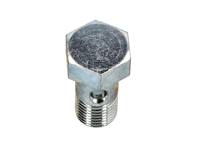
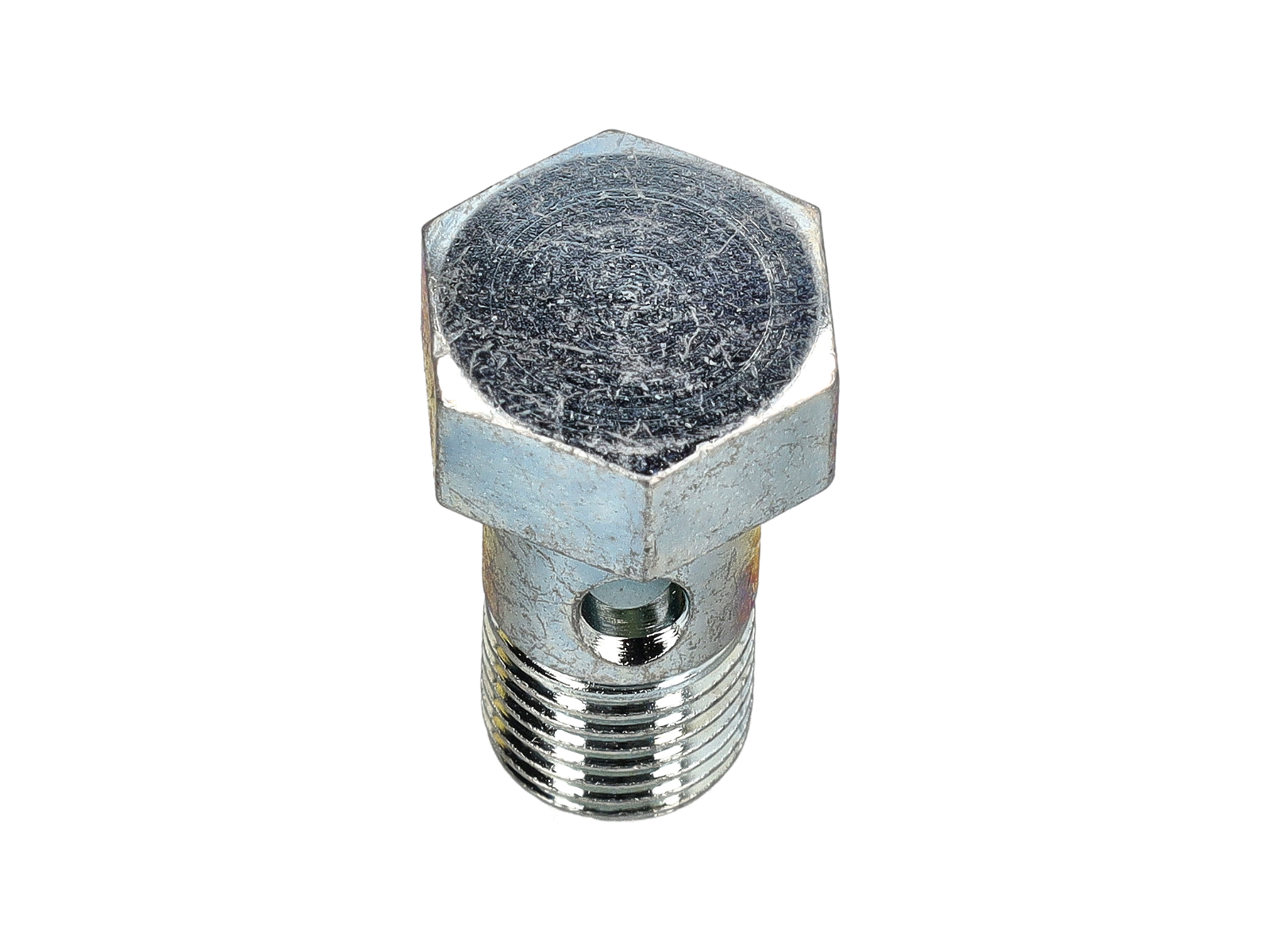
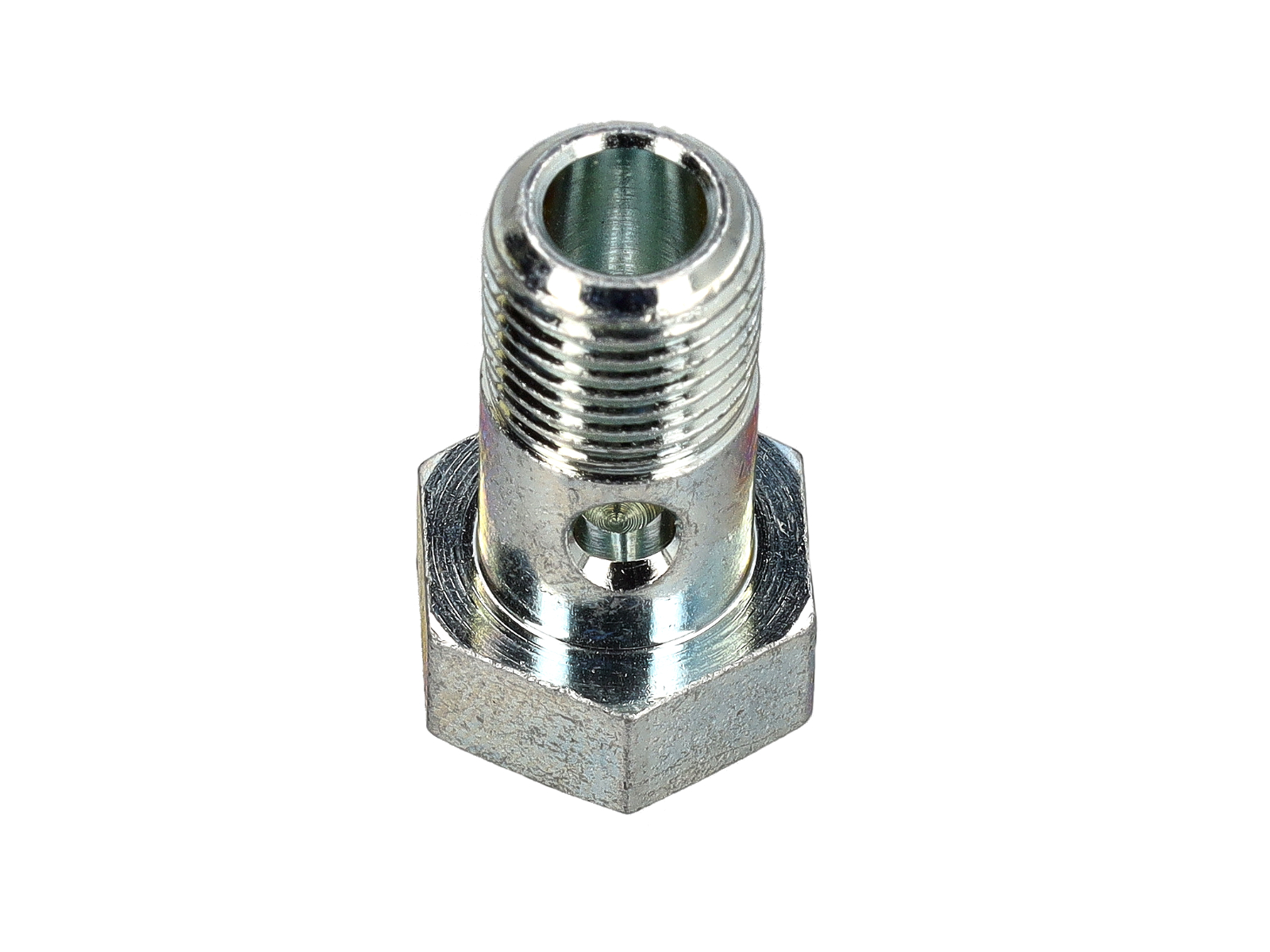
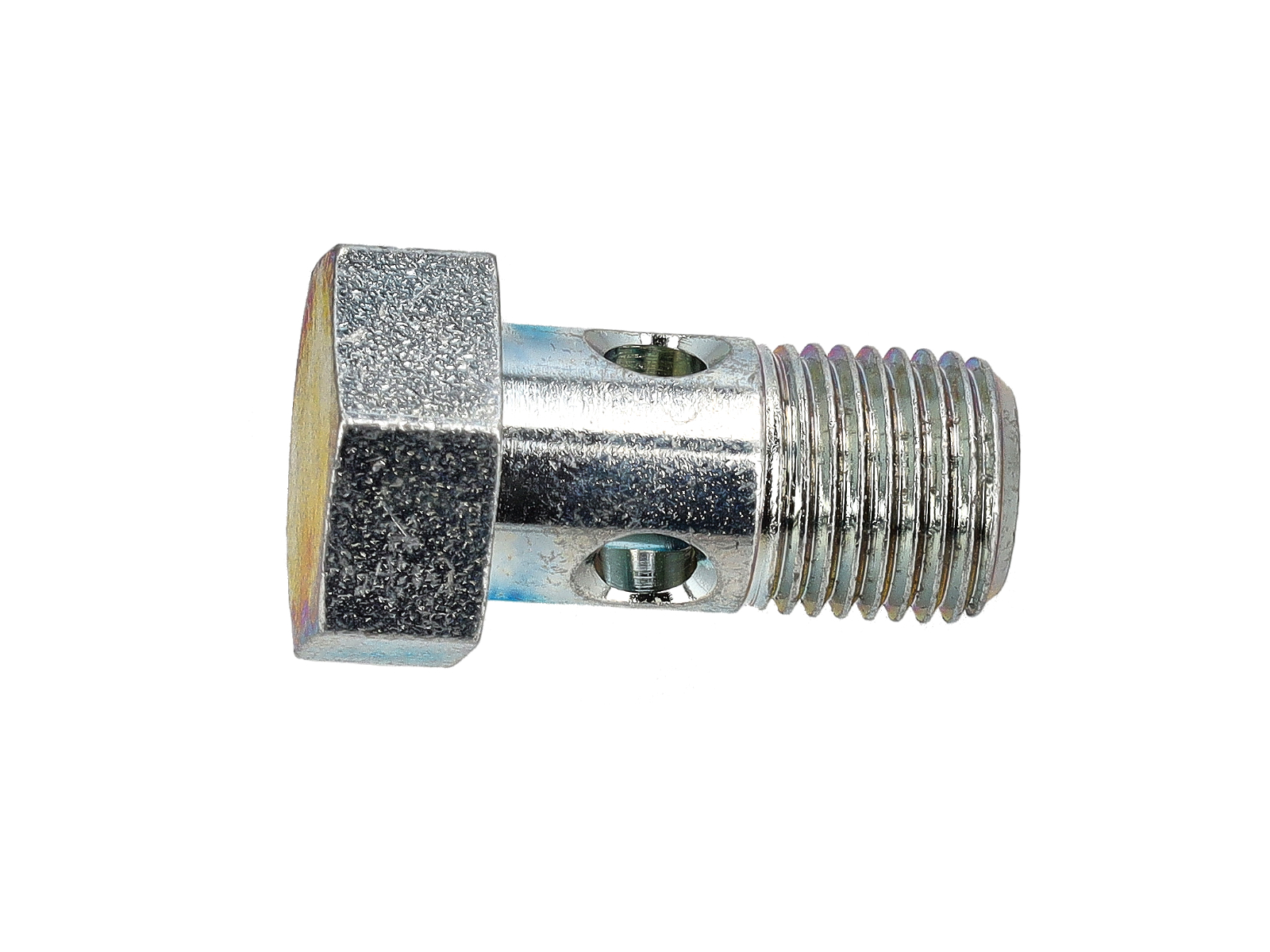
Banjo Bolt – M930.66 Engine
High-quality banjo bolt designed for
Porsche 911 Turbo (930) models equipped with the M930.66 engine,
produced between 1984 and 1989.
Fits:
- Porsche 911 1984-1989 3.3L Turbo (930)
Diagram ref no 10
This precision-engineered bolt is used to secure banjo fittings within the fuel system, ensuring a strong and leak-free connection between fuel lines and key components. Designed to operate under the high-pressure conditions of turbocharged engines, it plays a vital role in maintaining system integrity and performance.
Manufactured to OEM specifications, this banjo bolt provides accurate fitment and reliable sealing, making it ideal for restoration, servicing, or repair of classic Porsche 930 Turbo fuel systems.
Key Features
• Banjo bolt for Porsche 911 Turbo (930)
• Designed for M930.66 engine (1984–1989)
• Suitable for high-pressure fuel system applications
• Ensures secure, leak-free connections
• OEM-style fit and specification
• Durable construction for long-term reliability
Function and Purpose
This banjo bolt is an essential fastening component within the fuel system.
It helps to:
• Secure banjo fittings to fuel system components
• Maintain proper fuel sealing under pressure
• Support stable and consistent fuel flow
• Ensure safe and reliable system operation
• Enable correct performance of turbocharged engines
Why Replace Banjo Bolts
Over time, banjo bolts can wear or become compromised due to heat and pressure.
Common issues include:
• Fuel leaks at connection points
• Thread wear or damage
• Corrosion from fuel exposure
• Reduced sealing performance
Replacing worn bolts ensures safe operation and maintains fuel system reliability.
Related reference numbers
Related, superseded, cross reference or alternative numbers for comparison.
N0210532
The product you are viewing cross references to these numbers
- Porsche 911 1978-1989 3.3L Turbo (930)
- Porsche 928 4.5L 1978-82
- Porsche 928S 4.7L 1981-83
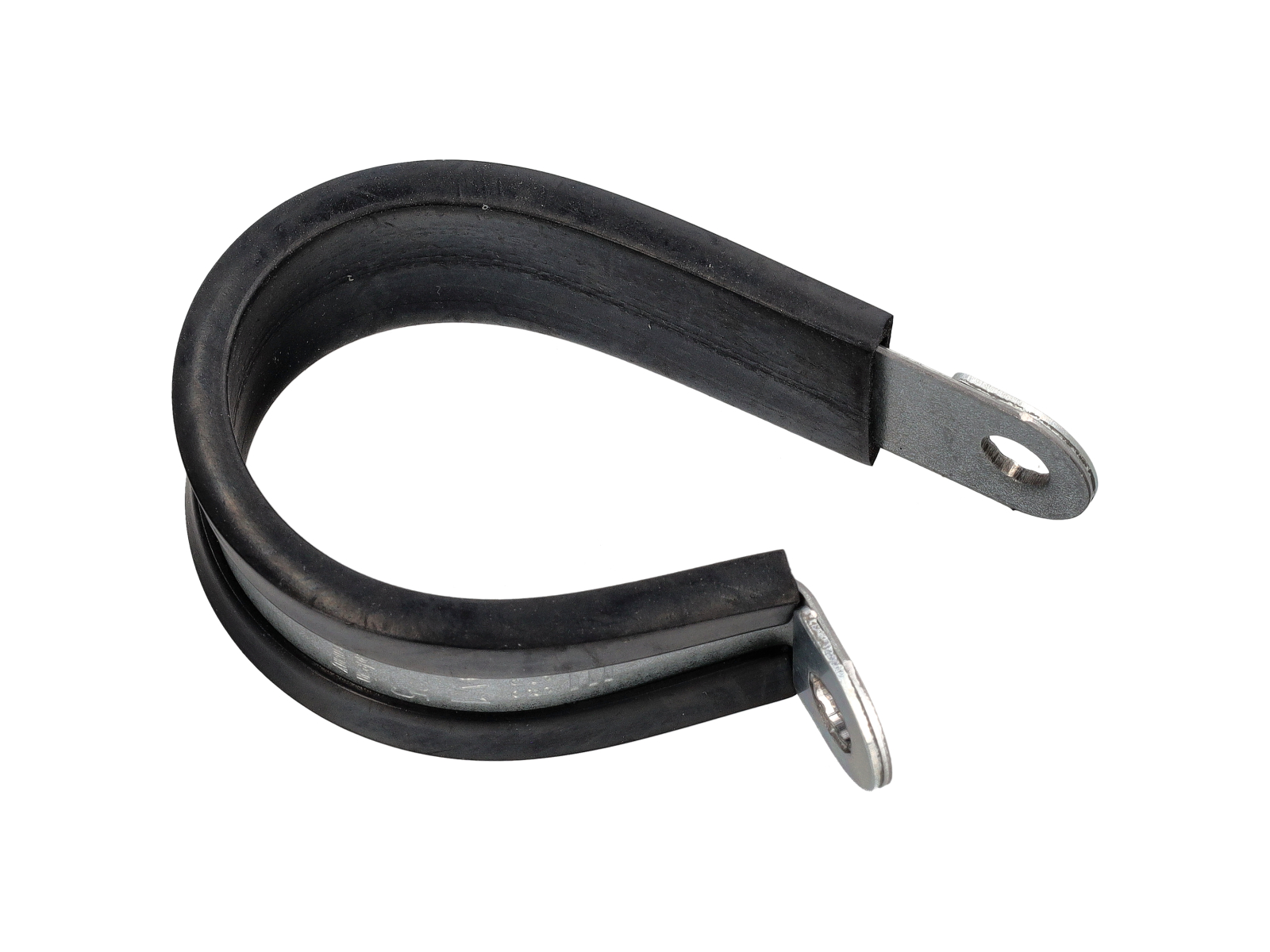
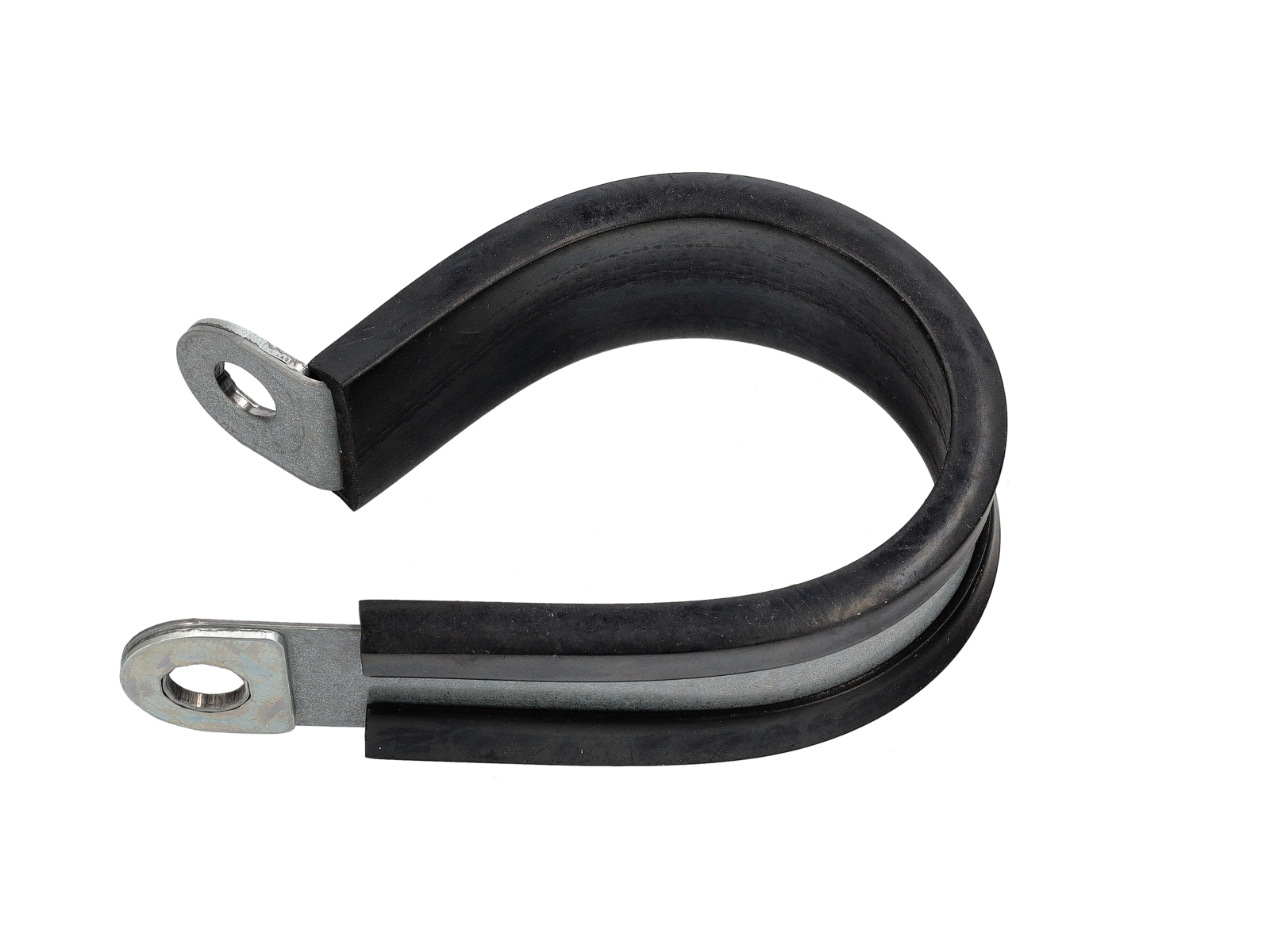
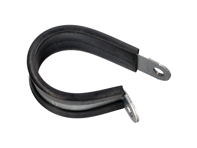
Clamp 38/15 – Fuel Pressure Regulator
Mounting Clamp
Sold each
High-quality 38/15 clamp designed for Porsche 928 and 911 turbo models, used to securely mount the fuel pressure regulator.
This clamp plays a critical role in the fuel system by
ensuring the regulator is held firmly in place, maintaining correct positioning
and preventing movement or vibration that could affect fuel pressure stability
and engine performance.
Fits:
- Porsche 911 1978-1989 3.3L Turbo (930)
- Porsche 928 4.5L 1978-82
- Porsche 928S 4.7L 1981-83
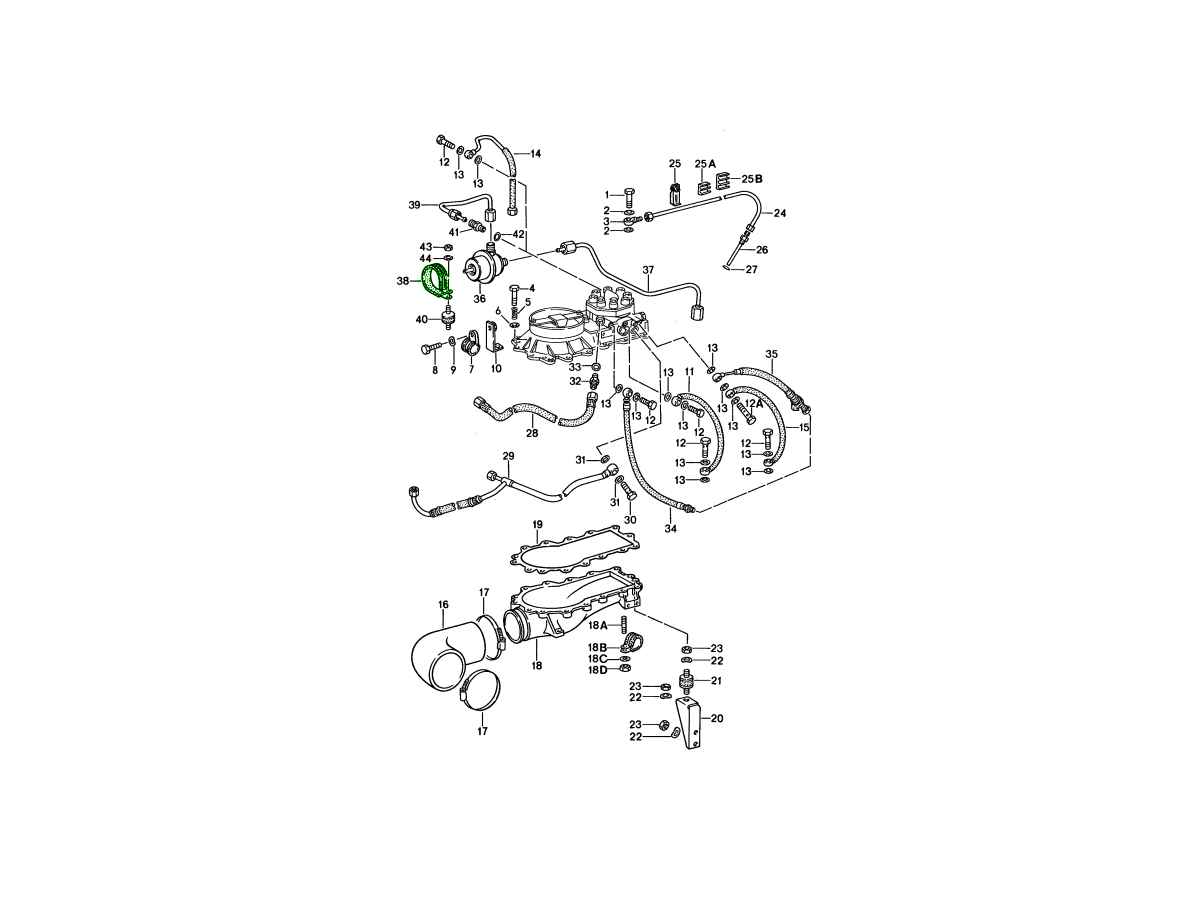
Diagram ref no 38
Manufactured to OEM specifications, this clamp offers precise fitment, durability, and resistance to engine bay conditions. Supplied individually, it is ideal for maintenance, repair, or restoration of Porsche fuel systems.
Key Features
• Clamp size 38/15
• Suitable for Porsche 928 and Porsche 911 Turbo
• Part number 99951113202
• Designed for fuel pressure regulator mounting
• Ensures secure positioning and stability
• Prevents vibration-related movement
• Durable and corrosion-resistant construction
• OEM-style fit and performance
• Sold individually
Function and Purpose
This clamp is essential for proper fuel system operation.
It helps to:
• Secure the fuel pressure regulator in position
• Maintain consistent fuel pressure control
• Prevent movement and vibration damage
• Support stable fuel delivery to the engine
• Ensure long-term system reliability
Why Replace Clamps
Clamps can degrade over time due to heat and fuel exposure.
Common issues include:
• Loss of clamping strength
• Corrosion or fatigue
• Regulator movement or misalignment
• Potential impact on fuel pressure stability
Replacing worn clamps ensures secure mounting and protects fuel system performance.
Related reference numbers
Related, superseded, cross reference or alternative numbers for comparison.
99951113202
The product you are viewing cross references to these numbers
- Porsche 911 1984-1986 3.2L
- Porsche 911 1987-1989 3.2L G50
- Porsche 928S2 4.7L 1984-86
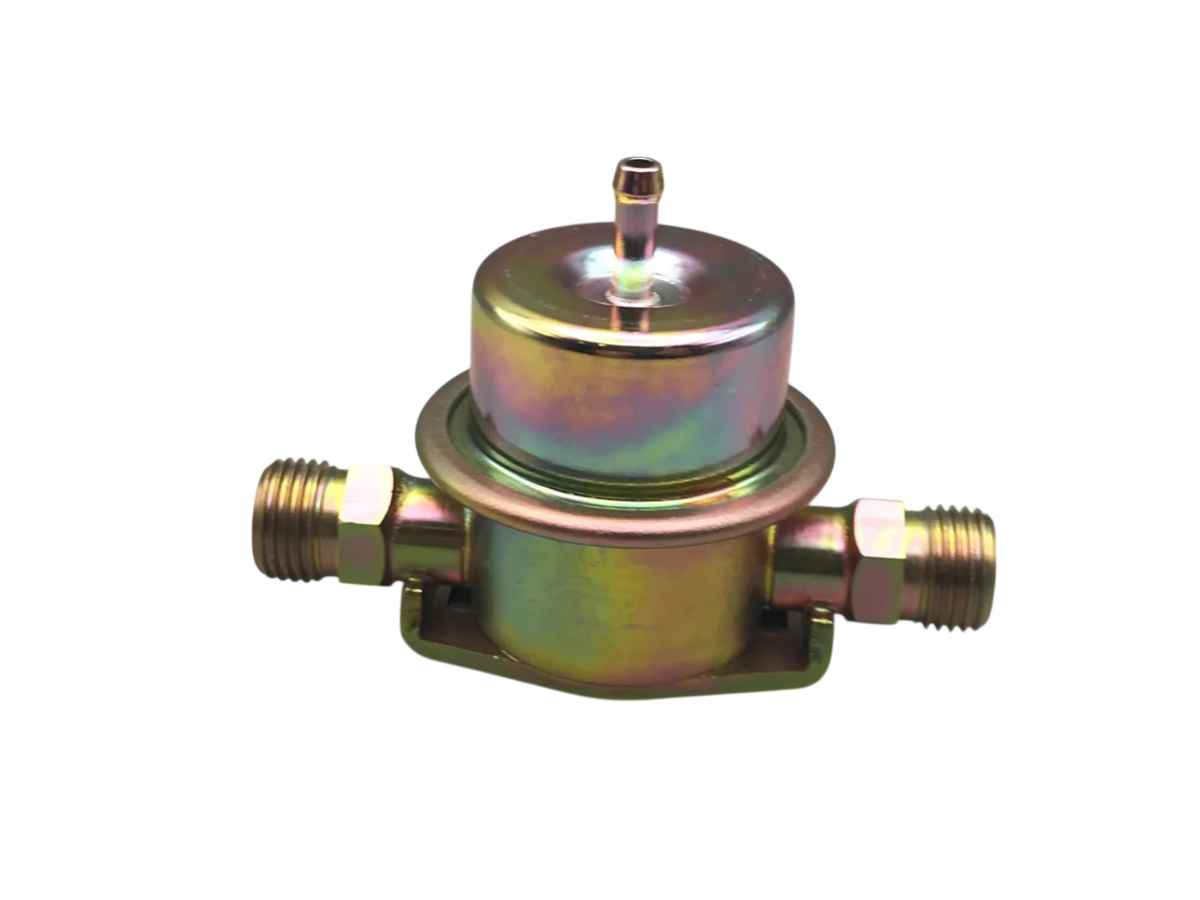
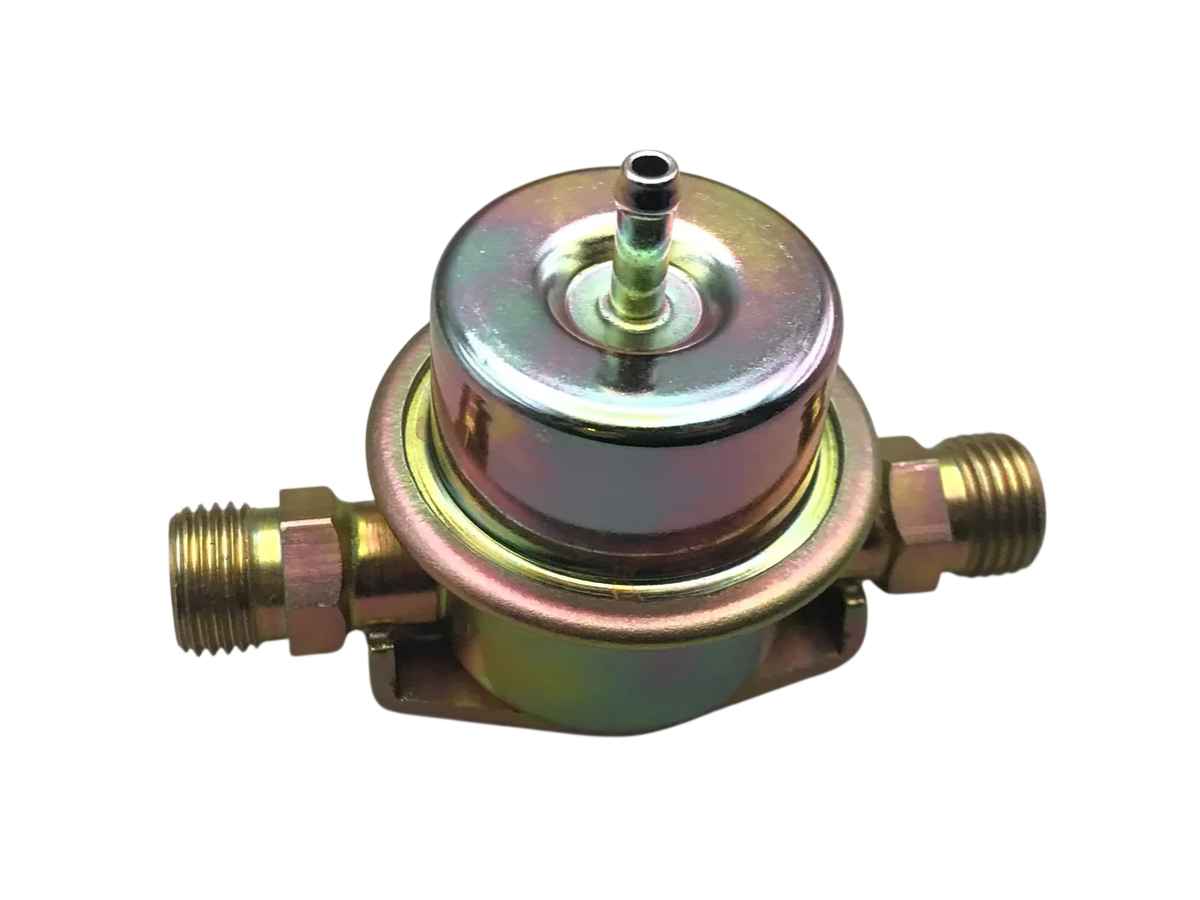
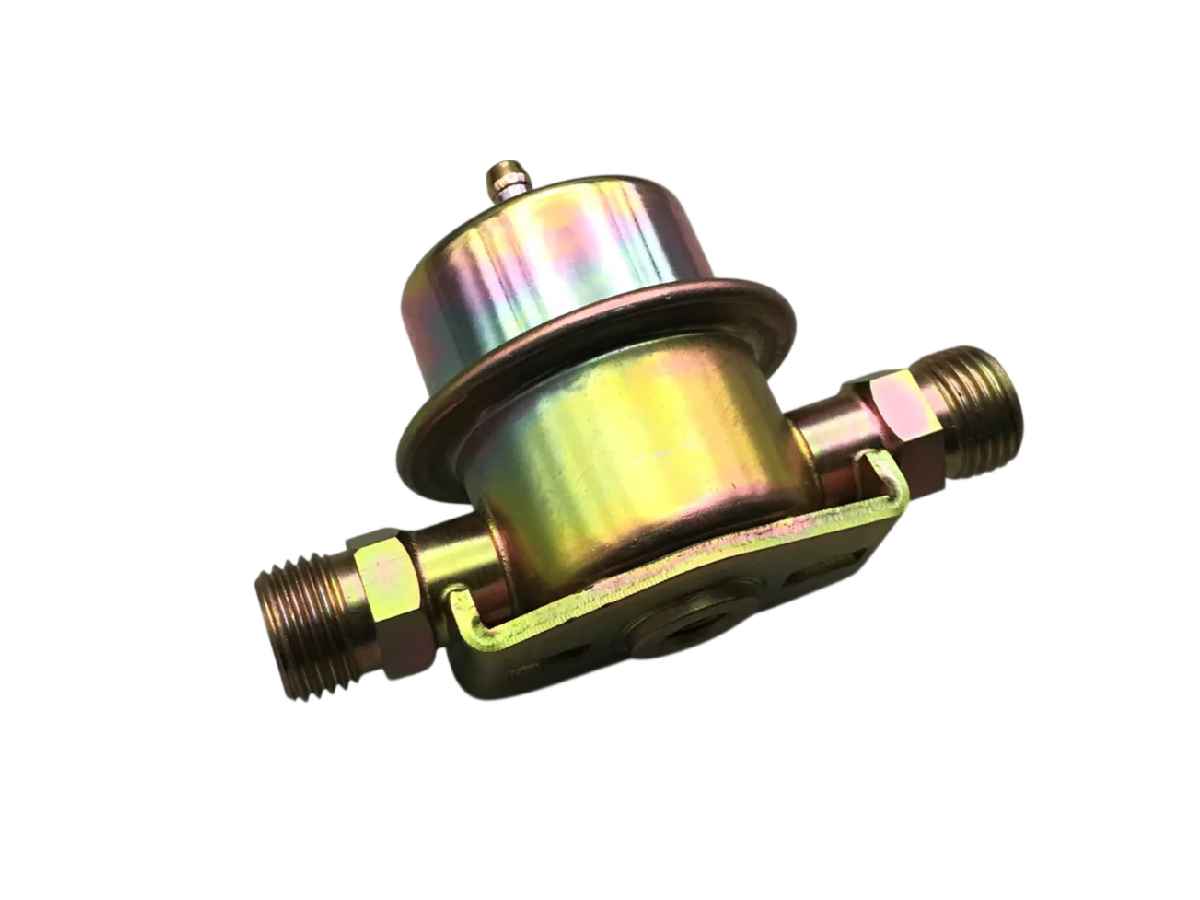
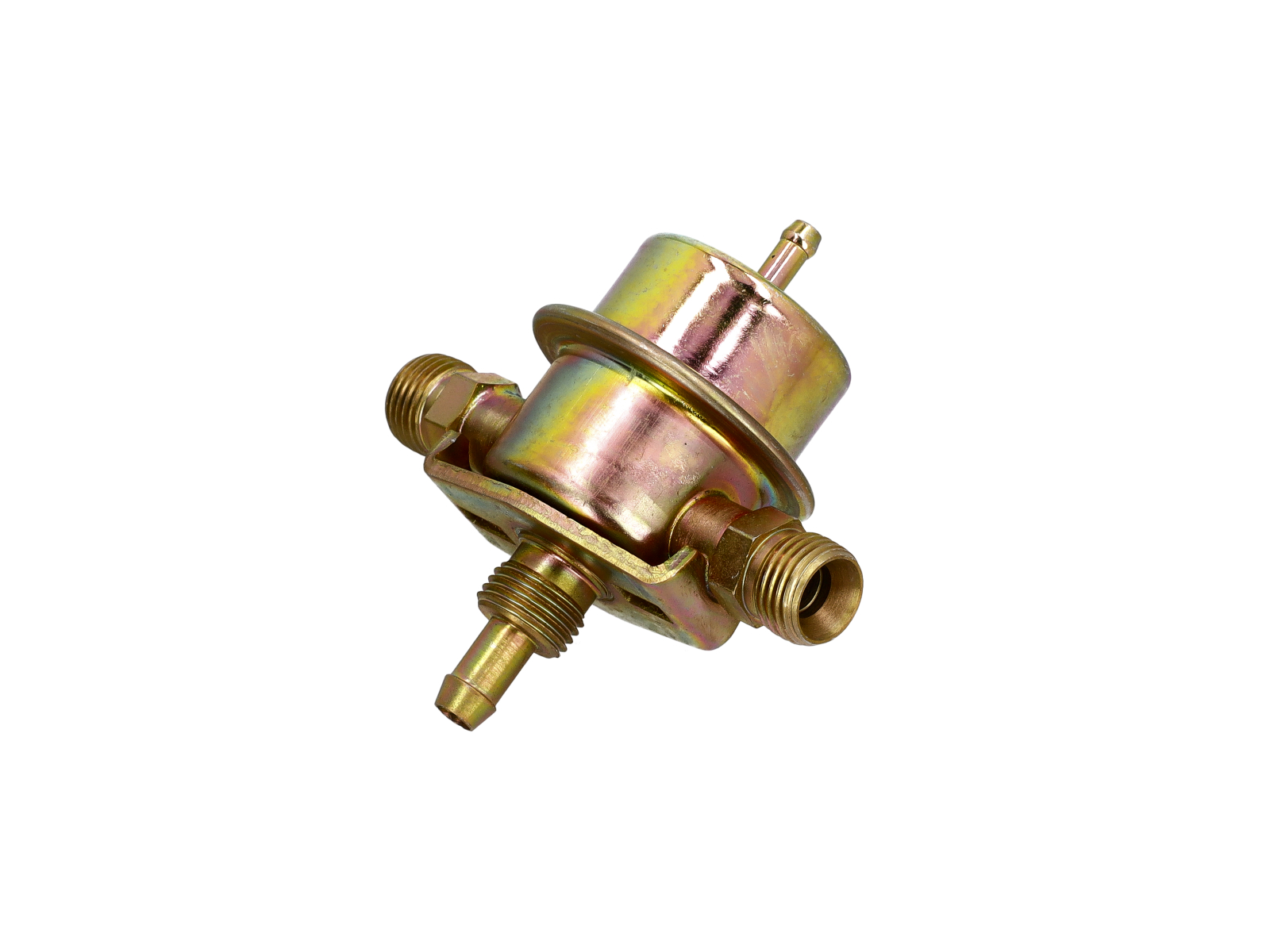
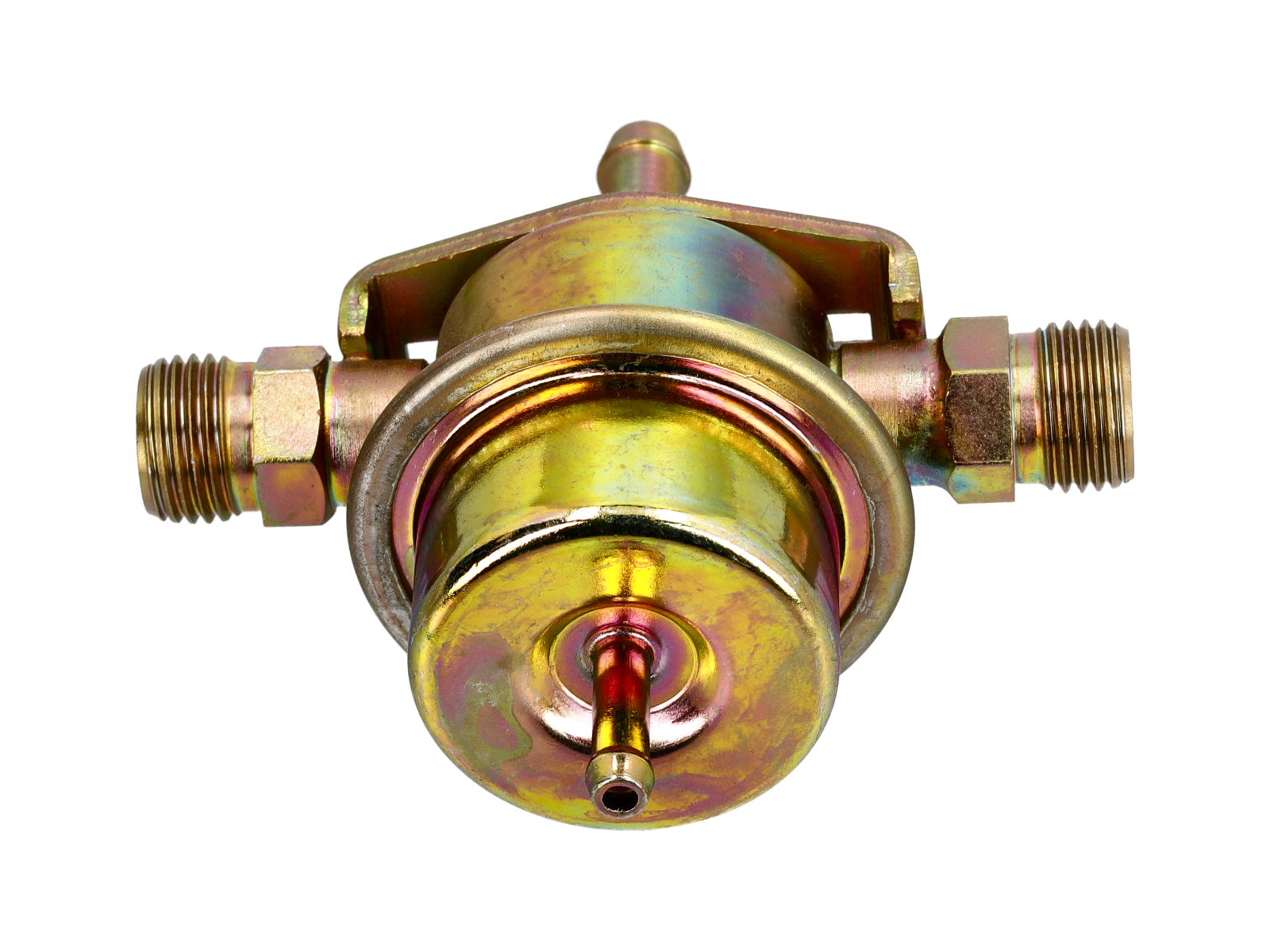
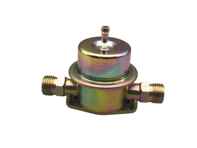
Fuel Pressure Damper – Fuel System Stabiliser
This component plays a vital role in stabilising fuel
pressure within the fuel injection system, reducing pressure fluctuations and
ensuring smooth, consistent fuel delivery to the engine.
Fits:
- Porsche 911 1984-1986 3.2L
- Porsche 911 1987-1989 3.2L G50
- Porsche 928S2 4.7L 1985-86 (engine codes M2843, M2844, M2845, M2846)
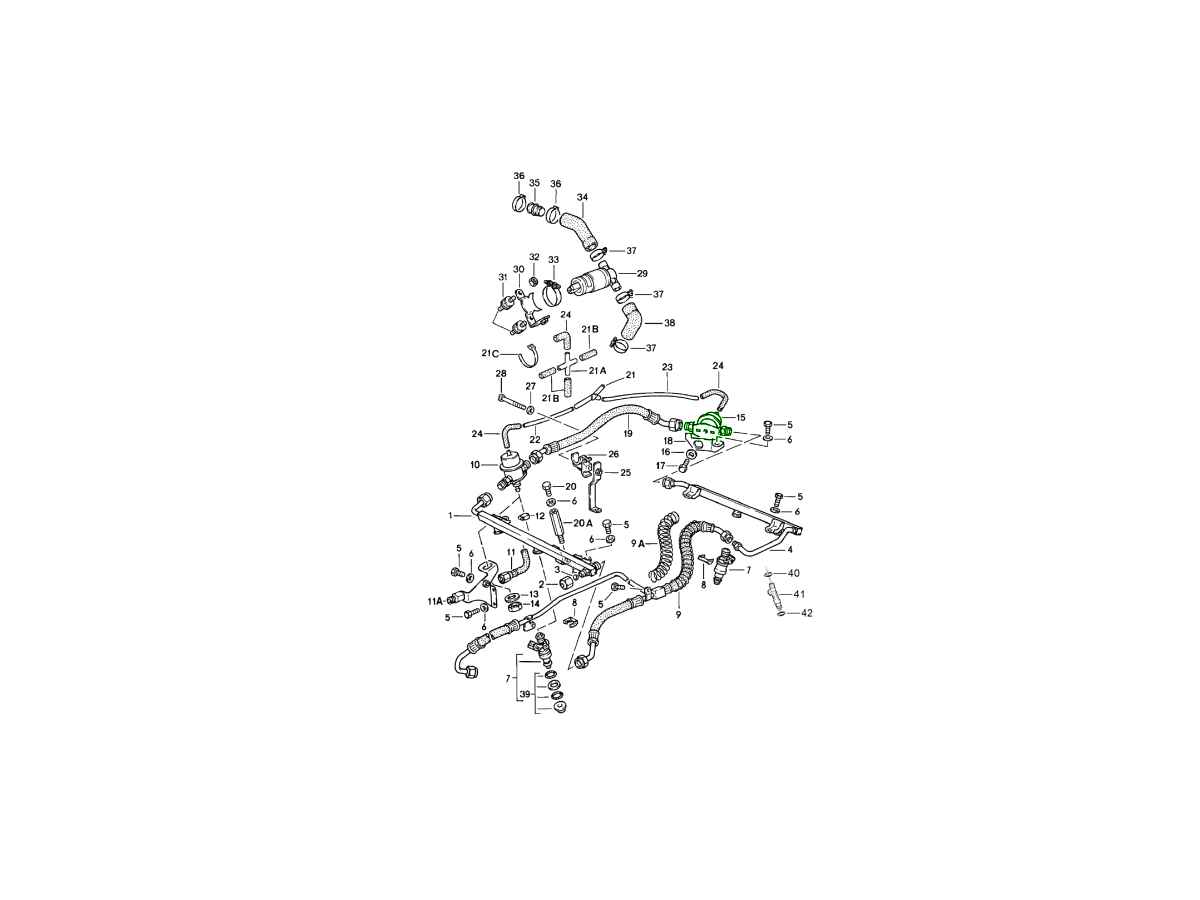
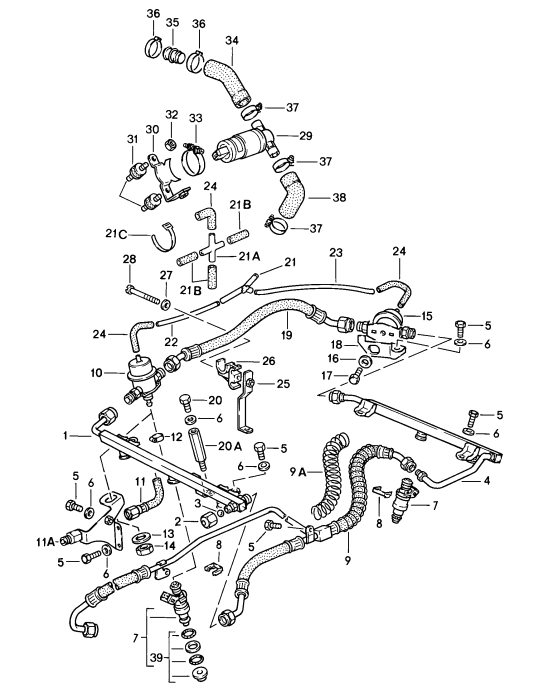
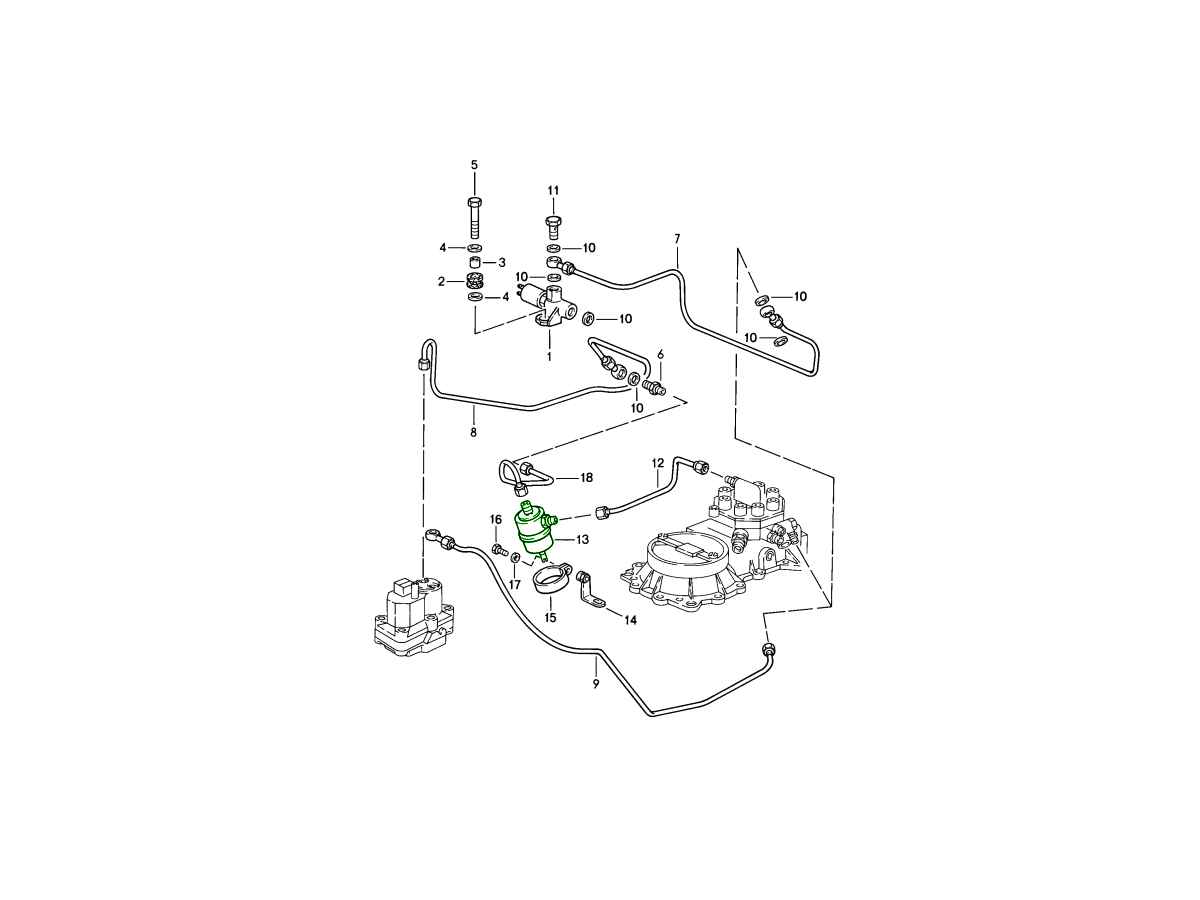
Diagram ref no 15
Manufactured to OEM specifications, this fuel pressure damper ensures precise fitment and reliable performance—ideal for restoring proper engine operation and resolving fuel system irregularities.
Key Features
• Direct replacement fuel pressure damper
• Suitable for Porsche 911 3.2 Carrera and 928 S2 models
• Stabilises fuel pressure within injection system
• OEM-style fit and performance
• Durable construction for long-term reliability
• Ideal for maintenance, repair, or restoration
Function and Purpose
The fuel pressure damper smooths pressure pulses in the fuel system.
It helps to:
• Maintain consistent fuel pressure
• Reduce fuel pressure fluctuations
• Improve engine smoothness and drivability
• Support proper fuel injection performance
Why Replace Your Fuel Pressure Damper
Over time, internal diaphragms can wear or fail.
Common issues include:
• Rough idle or hesitation
• Inconsistent fuel delivery
• Hard starting
• Fuel system noise or pressure instability
Replacing the damper restores proper fuel system operation.
Related reference numbers
Related, superseded, cross reference or alternative numbers for comparison.
93011060230
The product you are viewing cross references to these numbers
- Porsche 911 1984-1986 3.2L
- Porsche 911 1987-1989 3.2L G50
- Porsche 928S2 4.7L 1984-86
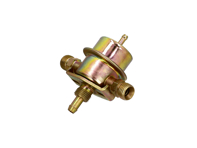
Fits:
Porsche 911 Carrera 1984 - 1989
Porsche 928 1984 - 1986
Diagram ref no. 10
Related reference numbers
Related, superseded, cross reference or alternative numbers for comparison.
92811019826
The product you are viewing cross references to these numbers
- Porsche 911 1978-1989 3.3L Turbo (930)
- Porsche 928 4.5L 1978-82
- Porsche 928S 4.7L 1981-83
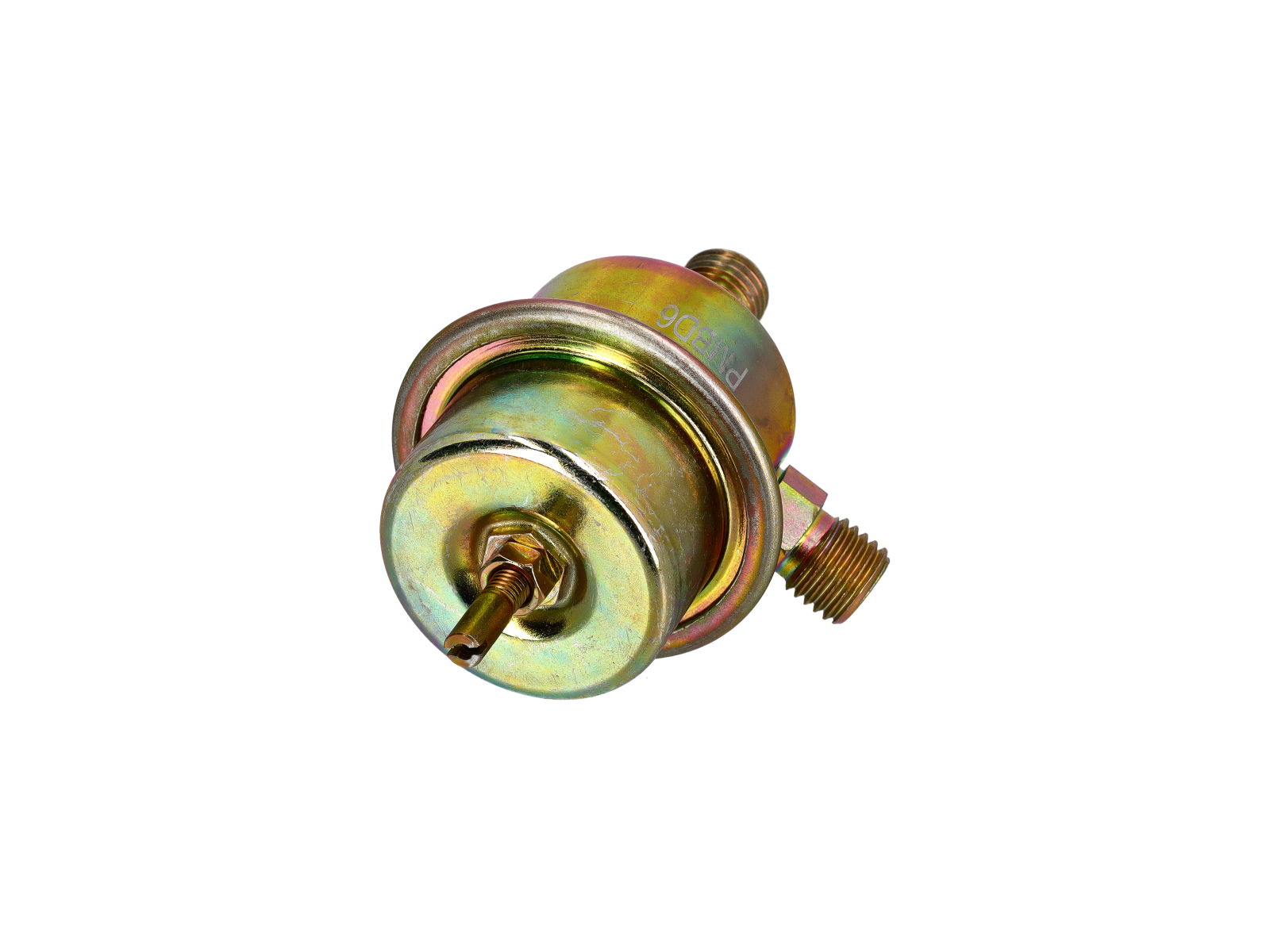
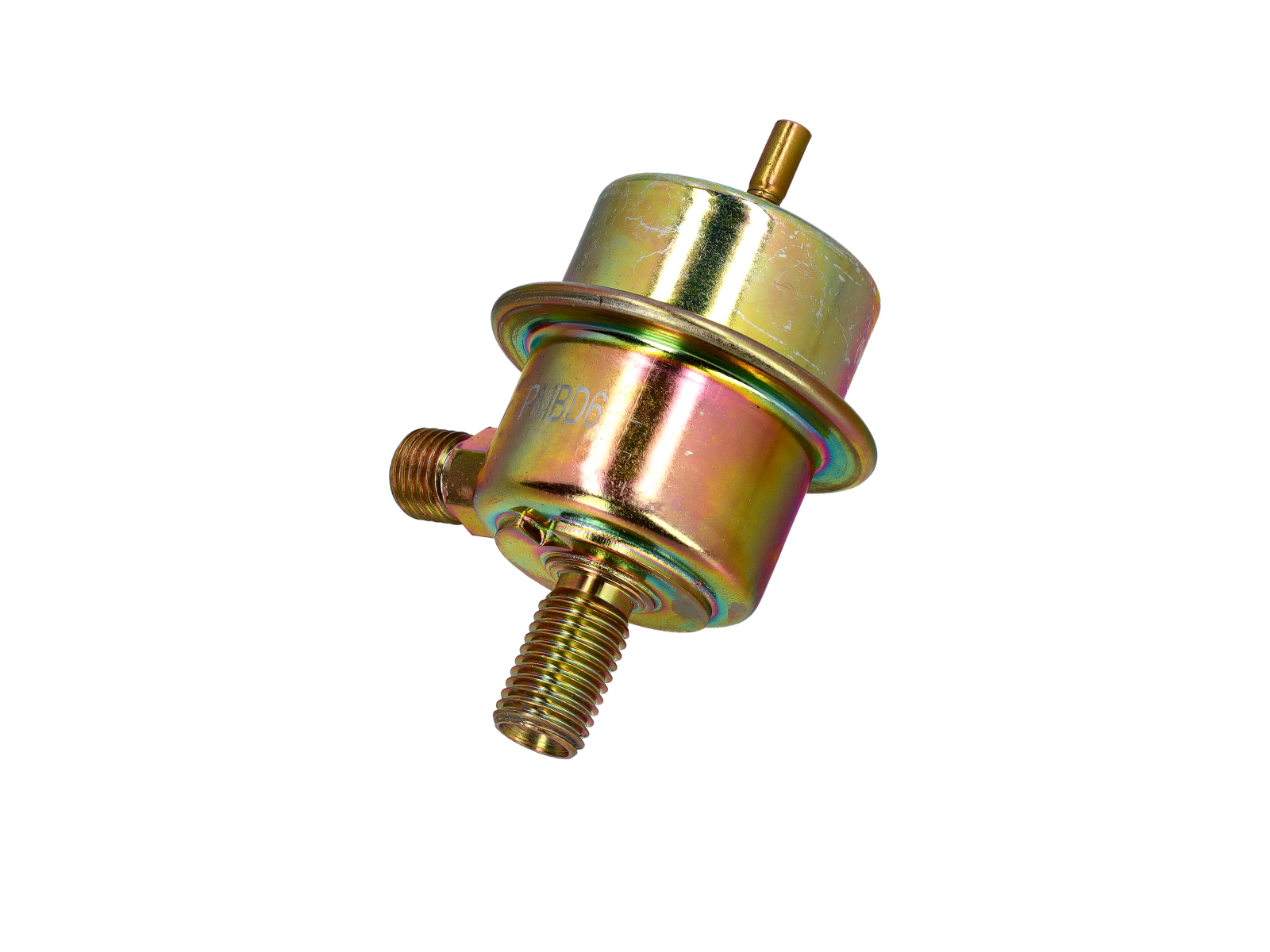
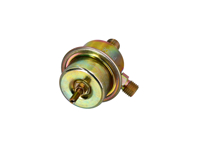
Fuel Pressure Damper
High-quality replacement fuel pressure damper designed for Porsche 928, 928S, and 911 turbo models.
This component plays a critical role in stabilising fuel
pressure within the fuel injection system, reducing pressure fluctuations and
ensuring smooth, consistent fuel delivery across the engine.
Fits:
- Porsche 911 1987-1989 3.3L Turbo (930) - (engine type 930.66-S, Option Code M148- Engine with increased power output 930.66)
- Porsche 928 4.5L 1980-82 (engine type M2809, M2810, M2811, M2812)
- Porsche 928S 4.7L 1981-83 (engine type M2811, M2812)
for 928
M 800 0378 >>
M 800 5496 >>
M 820 0233 >>
M 820 5025 >>
Diagram ref no 25
Installed within the engine bay fuel system, the damper helps regulate pressure pulses in the fuel rails, supporting balanced fuel distribution and optimal engine performance.
Manufactured to OEM specifications, this fuel pressure damper ensures precise fitment and reliable operation—ideal for maintenance, diagnostics, or restoration.
Key Features
• Direct replacement fuel pressure damper
• Suitable for Porsche 928, 928S, and 911 Turbo models
• Stabilises fuel pressure across fuel rails
• Reduces pressure fluctuations within the system
• OEM-style fit and performance
• Durable construction for long-term reliability
Function and Purpose
The fuel pressure damper smooths pressure pulses within the fuel injection system.
It helps to:
• Maintain consistent fuel pressure
• Reduce fluctuations in the fuel rails
• Improve engine smoothness and drivability
• Support balanced fuel delivery across cylinders
Why Replace Your Fuel Pressure Damper
Over time, internal diaphragms can deteriorate or fail.
Common issues include:
• Rough idle or hesitation
• Uneven fuel delivery
• Hard starting
• Fuel pressure instability
• Reduced engine performance
Replacing the damper restores proper fuel system function and performance.
Related reference numbers
Related, superseded, cross reference or alternative numbers for comparison.
92811023102
The product you are viewing cross references to these numbers
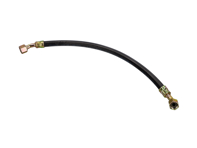
- Porsche 911 1984-1986 3.2L
- Porsche 911 1987-1989 3.2L G50
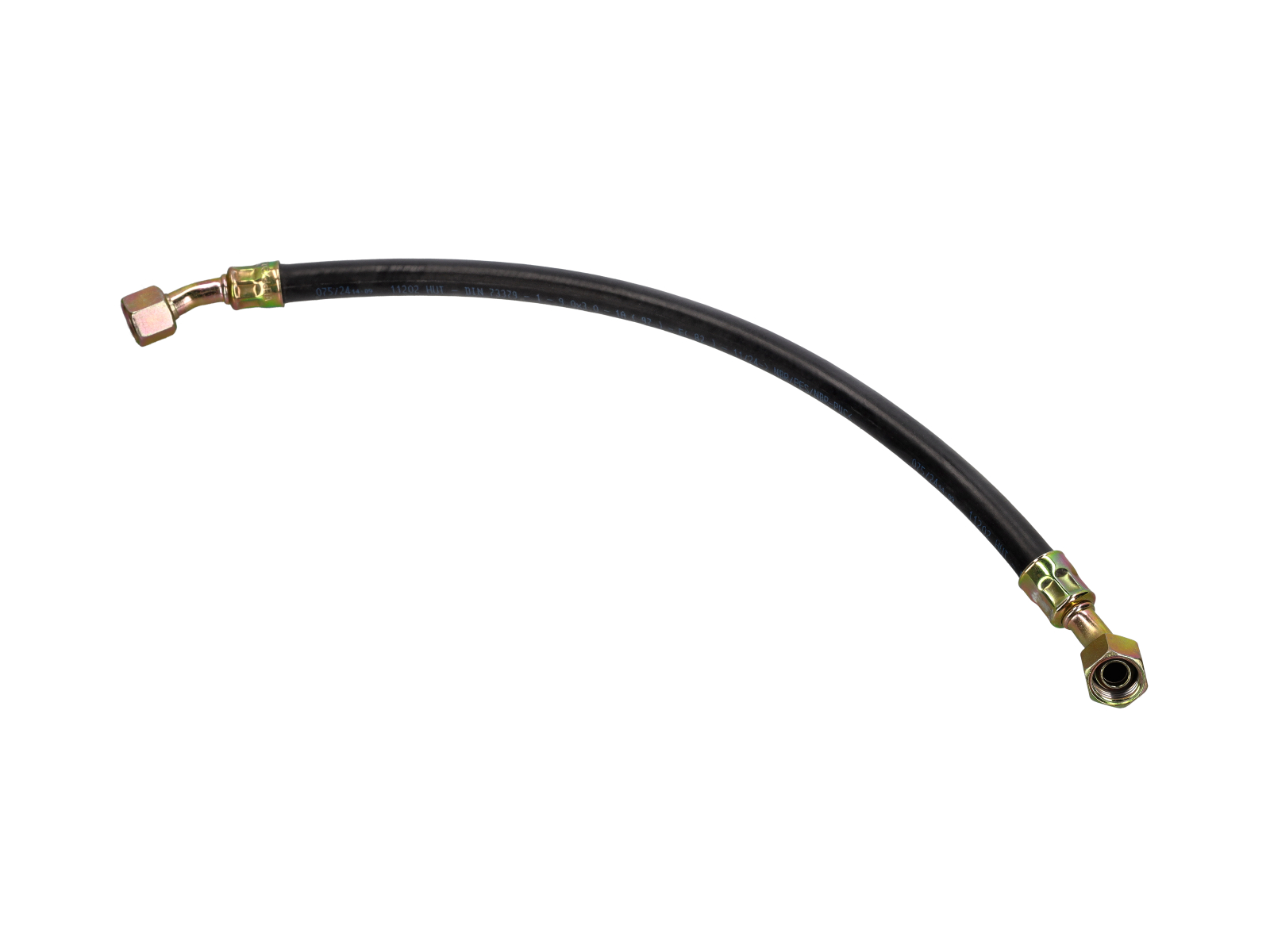
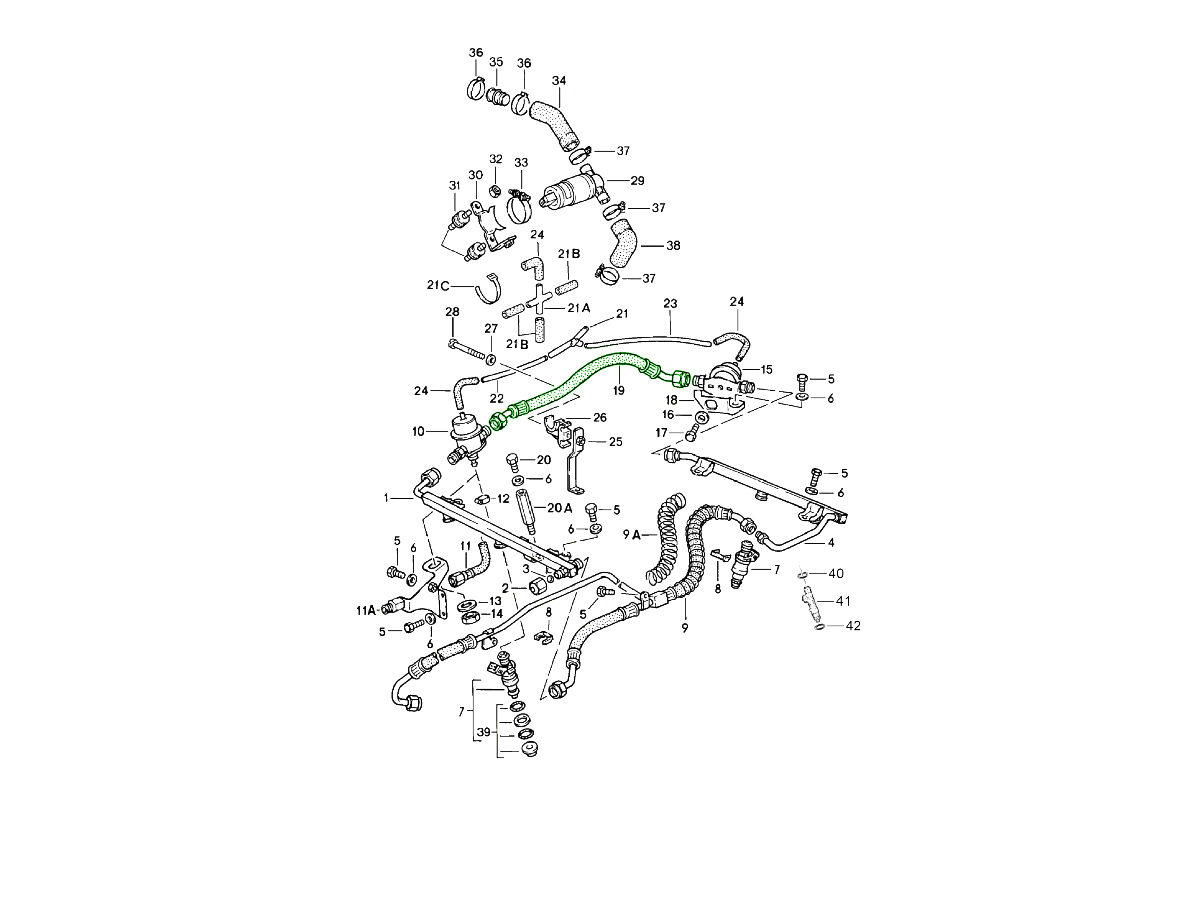
A fuel supply hose that carries pressurised fuel from the fuel pressure regulator to the diaphragm damper (fuel accumulator / damper) in the L-Jetronic injection system of certain classic Porsche 911 models. The damper helps smooth fuel pressure pulses and supply consistent fuel pressure to the injectors.
Fits:
Porsche 911 Carrera 1984 - 1989
Diagram ref no 19
This fuel line delivers a consistent, pressurised flow of fuel from the regulator to the damper without leaks or pressure loss. Its modern fuel-resistant construction ensures durability against petrol, vapour, and ethanol-blended fuels while maintaining stable fuel pressure for reliable injector performance and preventing issues such as hesitation or lean running. By replacing old, hardened, or cracked hoses, it restores the safety and efficiency of the fuel system. Designed with the correct internal diameter and fittings, it provides proper fuel delivery, smooths pressure fluctuations, and offers long-term resistance to heat, vibration, and chemical exposure for dependable operation on 911 engines.
Over time, fuel hoses deteriorate: rubber hardens, cracks or swells; internal layers degrade; fittings loosen. On a fuel-line this can lead to:
• Fuel leaks - hazard to engine bay and fire risk
• Pressure loss or instability - causing poor fuel delivery, misfires or rough running
• Permeation or fuel vapour leakage - potentially causing poor cold start, smell, or regulatory issues
Replacing the old hose with a fresh line ensures safe, leak-free fuel flow, correct pressure regulation, and reliable injector performance - essential for performance, reliability, and safety on an air-cooled Porsche 911.
You should replace this fuel line if:
• The original hose is cracked, swollen, hardened, or leaking
• There are signs of fuel smell or seepage around the regulator / damper area
• You’re performing fuel system maintenance, pressure regulator overhaul or damper replacement
• You are upgrading to modern fuels (higher ethanol content or aggressive blends)
• You notice fuel delivery issues - hesitation, poor idle, uneven fuel pressure
Related reference numbers
Related, superseded, cross reference or alternative numbers for comparison.
93011041104
The product you are viewing cross references to these numbers

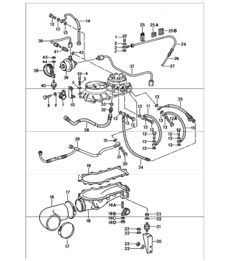
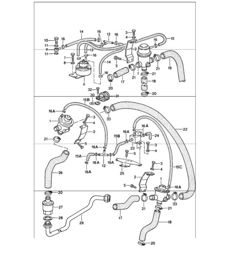
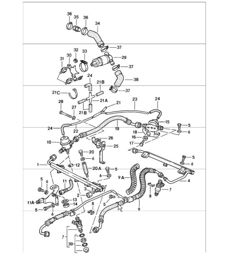

OEMatch Pressure Valves / Sensors / Dampers / Regulators — Fit, Function, Confidence
OEMatch supplies a focused selection of pressure valves, sensors, dampers and regulators for Porsche models. These fuel system parts control rail pressure, smooth pulsations and provide the inputs the engine management system needs to keep fuel delivery and throttle response consistent across load and temperature ranges.
Available Types
- Fuel pressure regulator (mechanical and vacuum-controlled)
- Fuel rail pressure sensor
- Fuel damper and accumulator
- Pressure relief and pressure-limiting valves
Understanding OEMatch Pressure Valves / Sensors / Dampers / Regulators
OEM (Original Equipment Manufacturer) parts are made by the same company that produced your Porsche’s original pressure valves, sensors, dampers and regulators.
OE (Original Equipment) refers to parts matching original specifications for the pressure valves, sensors, dampers and regulators and may be supplied by alternative manufacturers. Aftermarket parts offer alternative options, sometimes with enhanced features or better value. OEMatch supplies non-OEM pressure valves, sensors, dampers and regulators engineered as direct-fit alternatives to OEM parts, made to original-spec dimensions and tolerances for Porsche models.
Fuel pressure regulators, sensors and dampers work together to maintain the correct pressure in the fuel rail, to smooth transient pulses from the pump and injectors, and to report pressure to the engine control unit. Regulators adjust flow to match demand, sensors provide feedback for closed-loop control, and dampers reduce pressure spikes that can affect injector timing and pump life.
Benefits Include
- Restores stable fuel pressure for consistent combustion and throttle response
- Reduces pressure fluctuations that can accelerate wear on pumps and injectors
- Helps maintain fuel metering accuracy for smoother running
Why Pressure Valves / Sensors / Dampers / Regulators Wear and Fail
- Contamination and clogging from dirty or degraded fuel
- Diaphragm or internal seal deterioration due to age and heat
- Corrosion from moisture or ethanol-containing fuels and electrical faults in sensors
The Importance of Replacing with OEMatch Pressure Valves / Sensors / Dampers / Regulators
Replacing worn or faulty units restores accurate pressure regulation and sensor feedback, which supports drivability and can prevent secondary damage to fuel pumps or injectors. OEMatch parts are supplied alongside comprehensive cross-reference data to help identify the correct component for each Porsche model and application.
Advantages
- Range selected for Porsche applications, including fuel pressure regulators, dampers and sensors
- Catalogued cross-references and wide part coverage to aid correct identification; OEMatch has catalogue records covering thousands of part numbers and many OE cross-references
- Components finished in corrosion-resistant materials and with electrical connectors matched to factory interfaces where applicable
Support & Advice
Fitting can appear straightforward but may require procedures such as correct torque settings and careful routing of hoses. If you lack the correct tools or model-specific knowledge, we recommend professional installation. Recheck fasteners and connections after initial running and observe for any diagnostic codes or fuel odours.


.jpg)