



Enter your VAT number here and click Verify:
Your details have been verified. VAT number registered to:
,
.
Your order will now be zero rated for VAT purposes. We reserve the right to verify these details after your order request has been made and reinstate VAT if required.
Your VAT details were not recognised or were invalid. Your VAT number must be matched to your Billing Country as specified above. This is currently specified as . You do not need to enter the country code part of your VAT number as this has already been selected in your billing address details above.
The VAT number checking service is currently offline. Please supply your VAT details within the comments or special instructions field below and we will apply a VAT discount after placing your order request.
Fuel Pump
By OE Match

- Porsche 955 Cayenne 3.2L V6 2003-06
- Porsche 955 Cayenne S 4.5L V8 2003-06
- Porsche 955 Cayenne Turbo 4.5L 2003-06
- Porsche 955 Cayenne Turbo S 4.5L 2006>>
- Porsche 957 Cayenne 3.6L 2007-10
- Porsche 957 Cayenne S / GTS 4.8L 2007-10
- Porsche 957 Cayenne Turbo / Turbo S 4.8L 2007-10
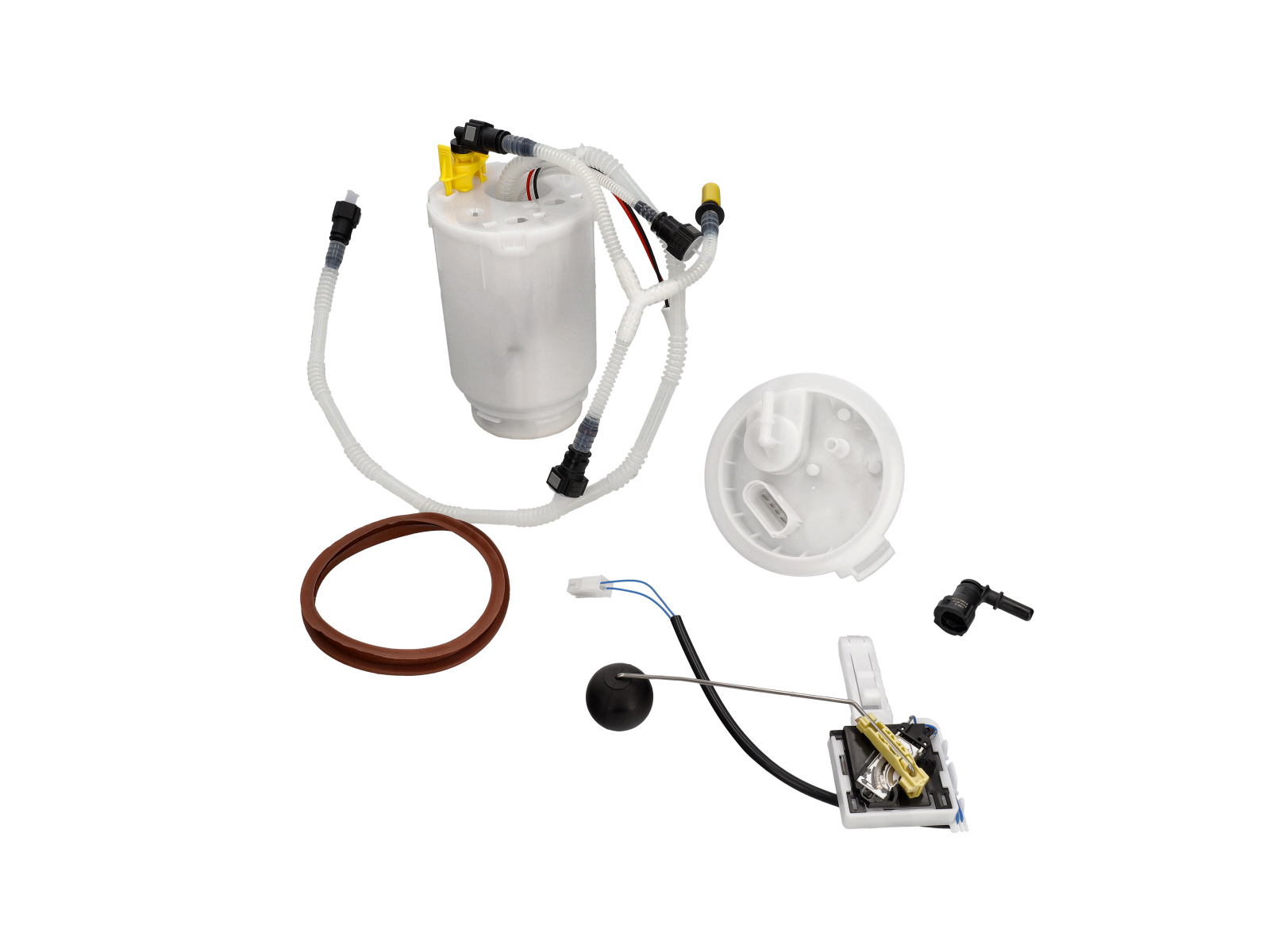
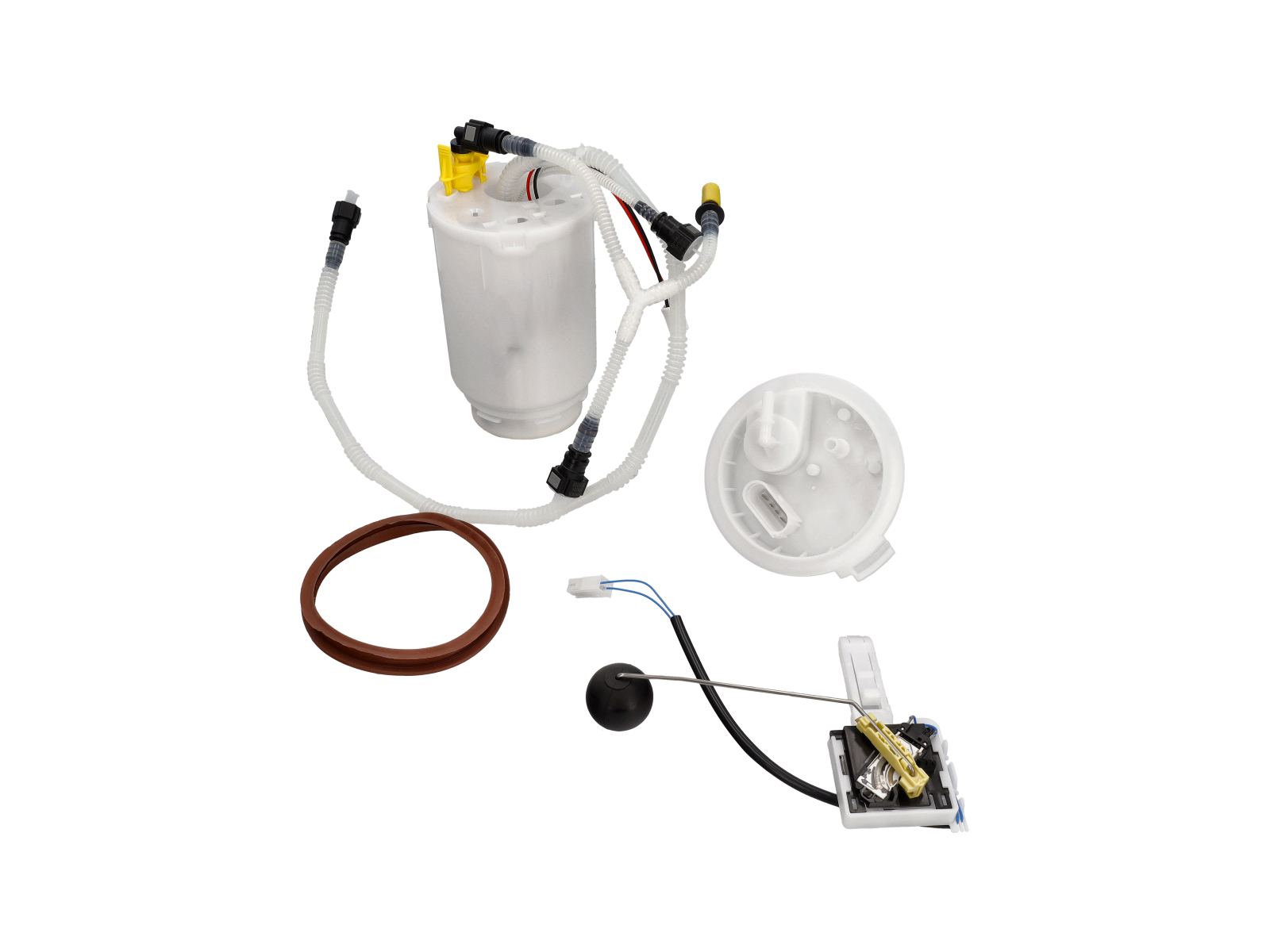
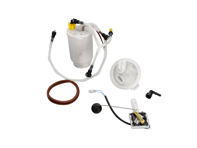
The OE Match Fuel Pump Kit – Left - is a complete in-tank fuel delivery service package for the Porsche 955 Cayenne (2003-2006) and 957 Cayenne (2007-2010) petrol vehicles (non-diesel). This OE Match kit delivers the necessary components to replace the left-side electric fuel pump and associated tank hardware, restoring efficient and reliable fuel supply to the engine.
Fits:
Porsche 955 Cayenne 2003 - 2006
Porsche 957 Cayenne 2007 - 2010 (not Diesel)
Modern fuel-injected engines rely on a precisely functioning electric fuel pump and sender assembly to maintain the required pressure and flow for smooth combustion. This OE Match kit includes all major components needed for a comprehensive left-side fuel pump service:
1x Fuel pump Left (Ref No.95562093101)
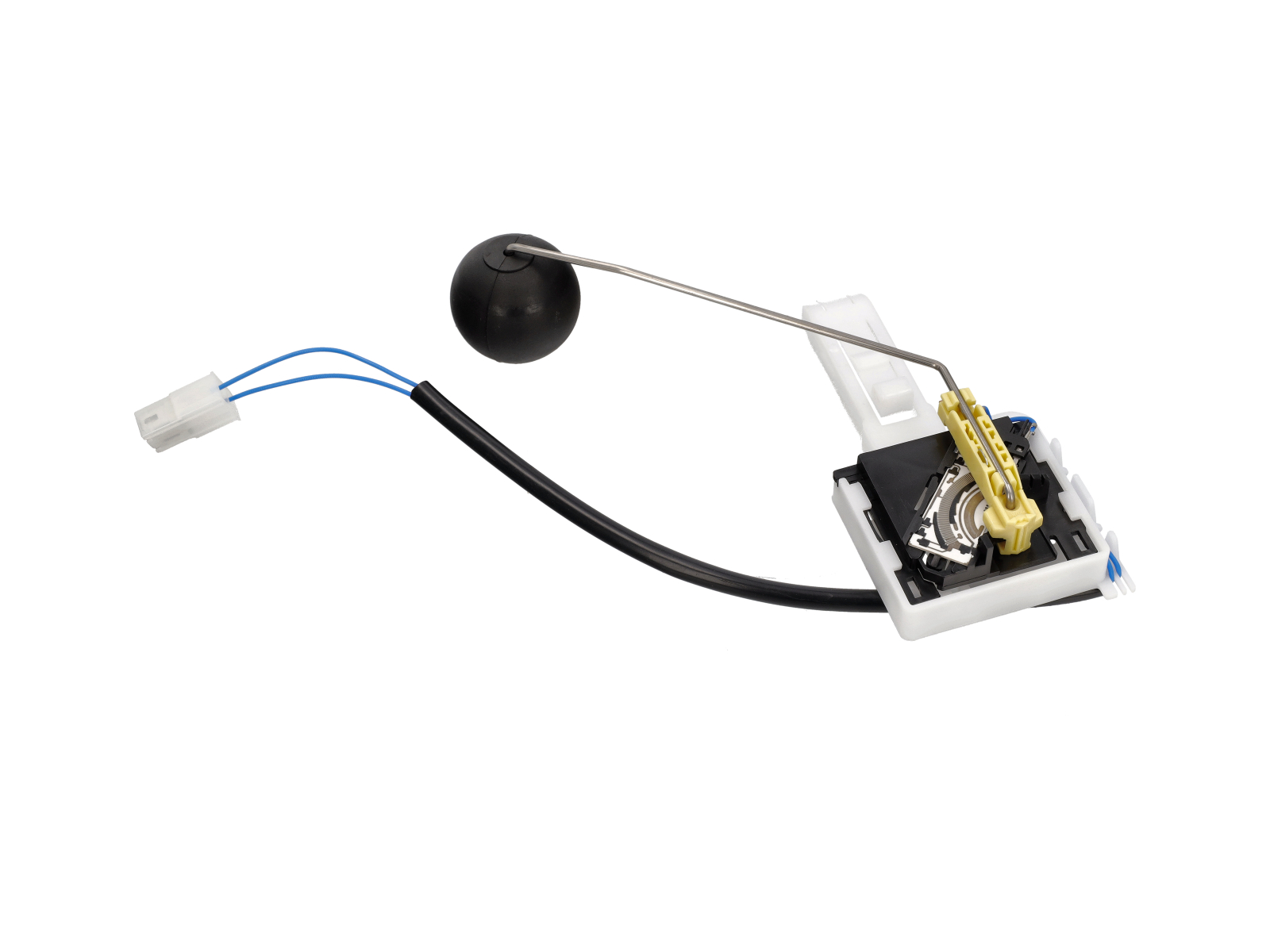
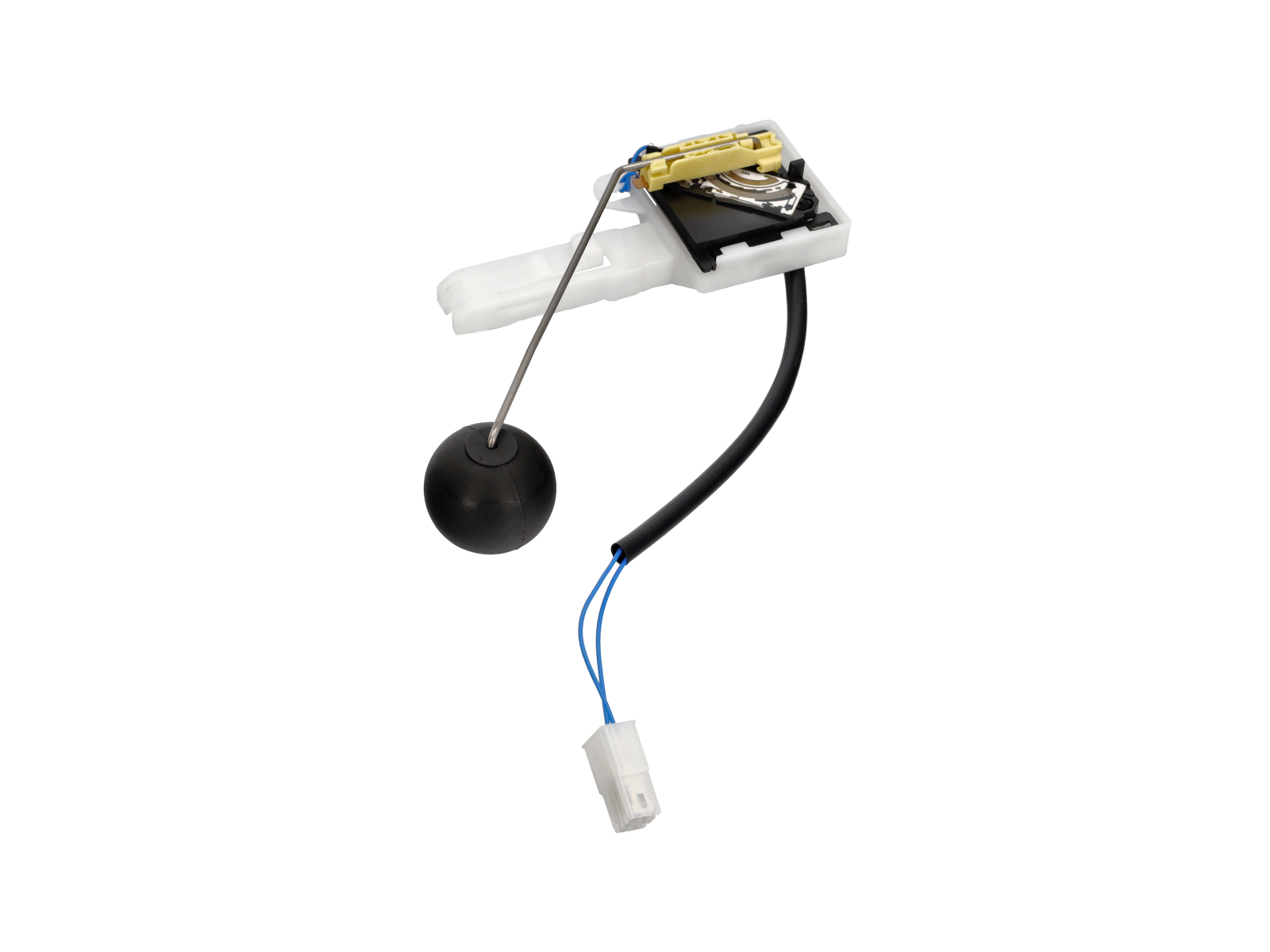
1x Fuel Level Sender LEFT. (Ref No. 95562080500)
1x Fuel pump tank seal (Ref No. 95520113301)
1x Angled Pipe Adapter (Ref No. 95562091101)
1x Fuel tank flange with integrated fuel filter. (Ref No. 95562042100)
All components are engineered to match the original Porsche specifications for fit, function, and durability. Designed for direct replacement, this kit simplifies servicing of the left-side fuel pump circuit with a factory-equivalent solution without the premium price tag of genuine parts.
A failing or weak fuel pump can lead to poor engine performance, hesitation under load, stalling, and hard starting. Faulty senders result in inaccurate fuel gauge readings, while worn seals risk fuel leakage. This complete OE Match kit addresses all these potential issues with a coordinated set of pump, sender, seal, and filtration components to restore dependable operation.
Replace this kit if you notice:
• Engine hesitation, misfire, or loss of power
• Noise or whining from the fuel tank area
• Inaccurate or erratic fuel gauge readings
• Difficulty starting the engine
• Fuel leaks around the pump module
• During preventative maintenance or tank service
Related reference numbers
Related, superseded, cross reference or alternative numbers for comparison.
FUELPUMPKIT955
The product you are viewing cross references to these numbers
This kit is comprised of the following items:


- Porsche 955 Cayenne 3.2L V6 2003-06
- Porsche 955 Cayenne S 4.5L V8 2003-06
- Porsche 955 Cayenne Turbo 4.5L 2003-06
- Porsche 955 Cayenne Turbo S 4.5L 2006>>
- Porsche 957 Cayenne 3.6L 2007-10
- Porsche 957 Cayenne S / GTS 4.8L 2007-10
- Porsche 957 Cayenne Turbo / Turbo S 4.8L 2007-10
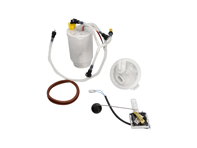
Kit includes:
1 x Fuel pump Right (Ref No. 95562093101)
1 x Fuel pump tank seal.(Ref No. 95520113301))
1 x Fuel pump flange with pressure regulator.(Ref No. 95562084110)
1 x Fuel Level Sender RIGHT.(Ref No. 95562080601)
Fits:
Porsche 955 Cayenne MKI 2003-06
Porsche 957 Cayenne MKII 2007-10 (not Diesel)
Related reference numbers
Related, superseded, cross reference or alternative numbers for comparison.
95562093201
The product you are viewing cross references to these numbers
This kit is comprised of the following items:
- Porsche 955 Cayenne 3.2L V6 2003-06
- Porsche 955 Cayenne S 4.5L V8 2003-06
- Porsche 955 Cayenne Turbo 4.5L 2003-06
- Porsche 955 Cayenne Turbo S 4.5L 2006>>
- Porsche 957 Cayenne 3.0L Diesel 2007-10
- Porsche 957 Cayenne 3.6L 2007-10
- Porsche 957 Cayenne S / GTS 4.8L 2007-10
- Porsche 957 Cayenne Turbo / Turbo S 4.8L 2007-10
Fits:
Porsche 955 Cayenne MKI 2003-06
Porsche 957 Cayenne MKII 2007-10 (incl. Diesel)
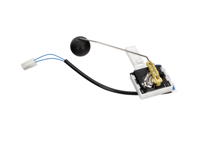
This product supersedes Porsche's old part numbers:
- 95562080600
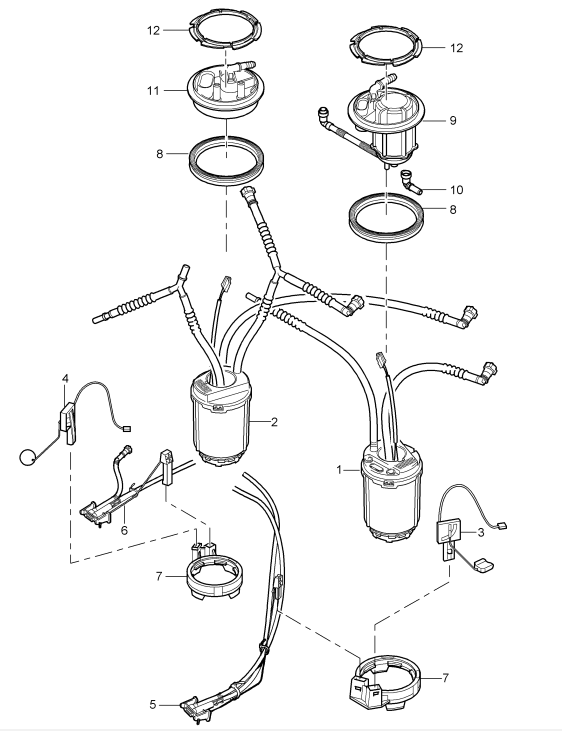
Click picture for large parts diagram.
Diagram Ref No 4.
Related reference numbers
Related, superseded, cross reference or alternative numbers for comparison.
95562080601
The product you are viewing cross references to these numbers
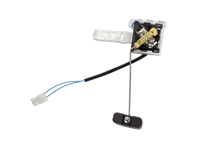
- Porsche 955 Cayenne 3.2L V6 2003-06
- Porsche 955 Cayenne S 4.5L V8 2003-06
- Porsche 955 Cayenne Turbo 4.5L 2003-06
- Porsche 955 Cayenne Turbo S 4.5L 2006>>
- Porsche 957 Cayenne 3.0L Diesel 2007-10
- Porsche 957 Cayenne 3.6L 2007-10
- Porsche 957 Cayenne S / GTS 4.8L 2007-10
- Porsche 957 Cayenne Turbo / Turbo S 4.8L 2007-10
Fits:
Porsche 955 Cayenne MKI 2003-06
Porsche 957 Cayenne MKII 2007-10 (incl. Diesel)
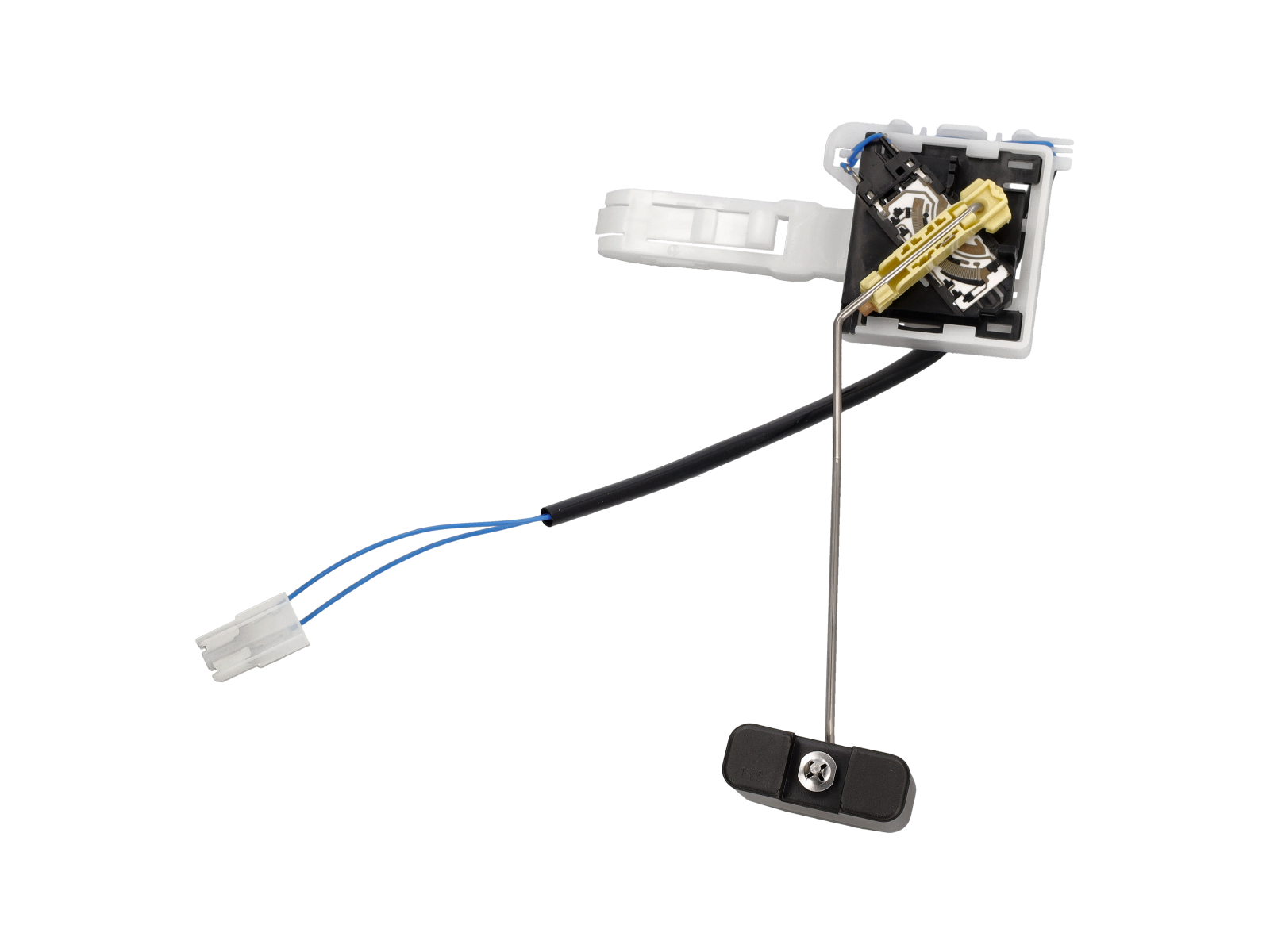
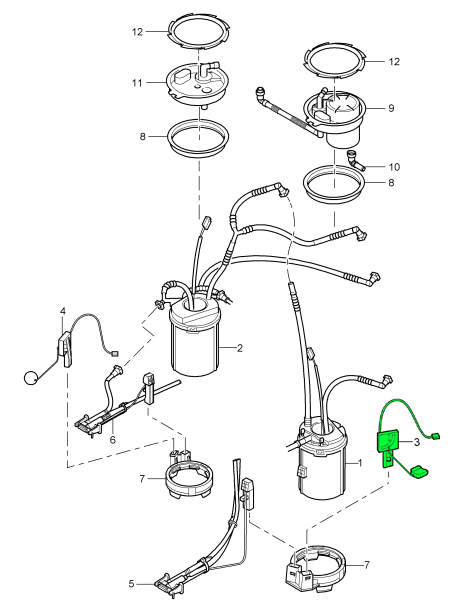
Click 'Zoom in' for large parts diagram.
Diagram Ref No 3
Related reference numbers
Related, superseded, cross reference or alternative numbers for comparison.
95562080500
The product you are viewing cross references to these numbers
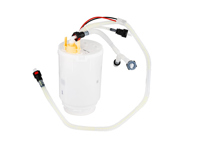
- Porsche 955 Cayenne 3.2L V6 2003-06
- Porsche 955 Cayenne S 4.5L V8 2003-06
- Porsche 955 Cayenne Turbo 4.5L 2003-06
- Porsche 955 Cayenne Turbo S 4.5L 2006>>
- Porsche 957 Cayenne 3.6L 2007-10
- Porsche 957 Cayenne S / GTS 4.8L 2007-10
- Porsche 957 Cayenne Turbo / Turbo S 4.8L 2007-10
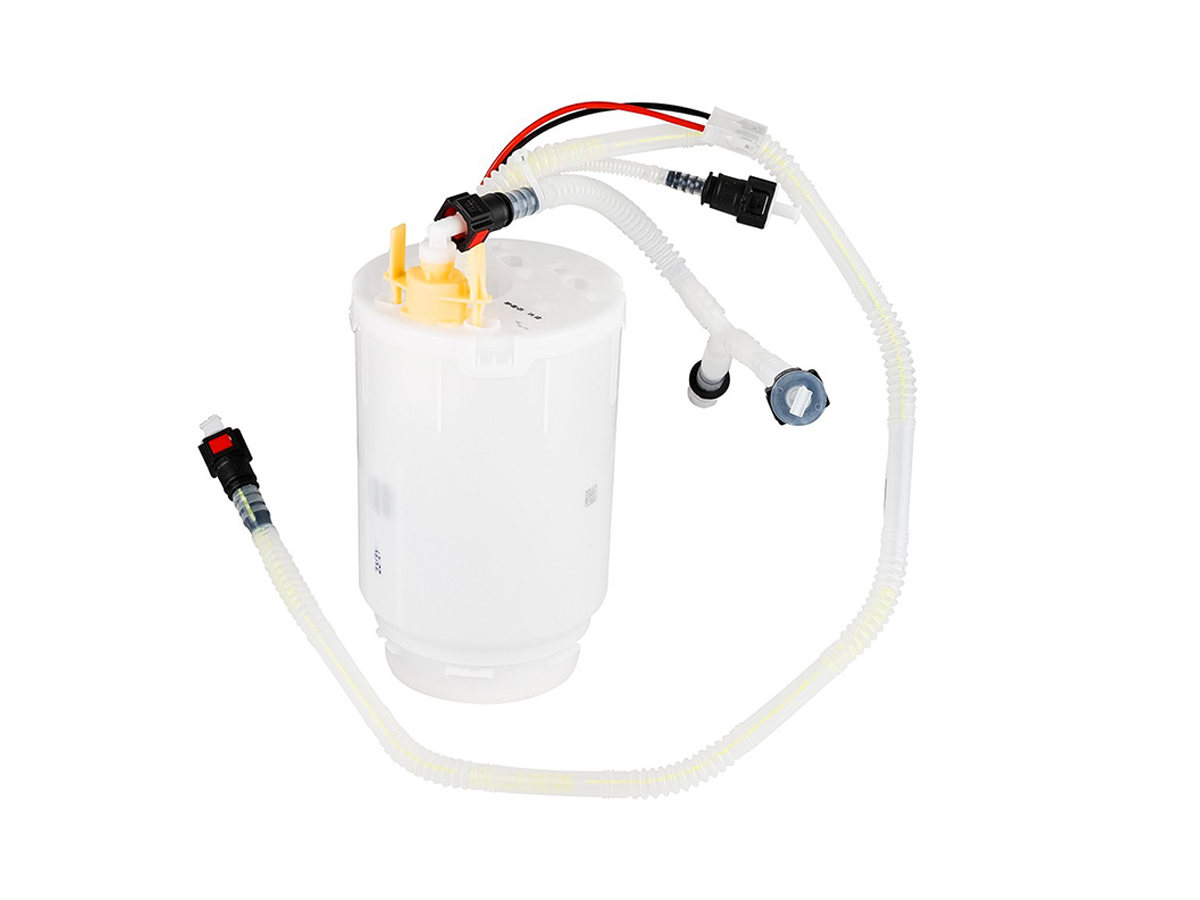
Restore reliable fuel delivery and consistent engine performance with these OE Match Fuel Pumps. Designed for compatible Porsche applications, the fuel pump is a critical part of the vehicle's fuel-delivery system, supplying fuel from the tank towards the engine at the pressure and flow required by the fuel system.
Fits:
- Porsche 955 Cayenne 3.2L V6 2003-06
- Porsche 955 Cayenne S 4.5L V8 2003-06
- Porsche 955 Cayenne Turbo 4.5L 2003-06
- Porsche 955 Cayenne Turbo S 4.5L 2006>>
- Porsche 957 Cayenne 3.6L 2007-10
- Porsche 957 Cayenne S / GTS 4.8L 2007-10
- Porsche 957 Cayenne Turbo / Turbo S 4.8L 2007-10
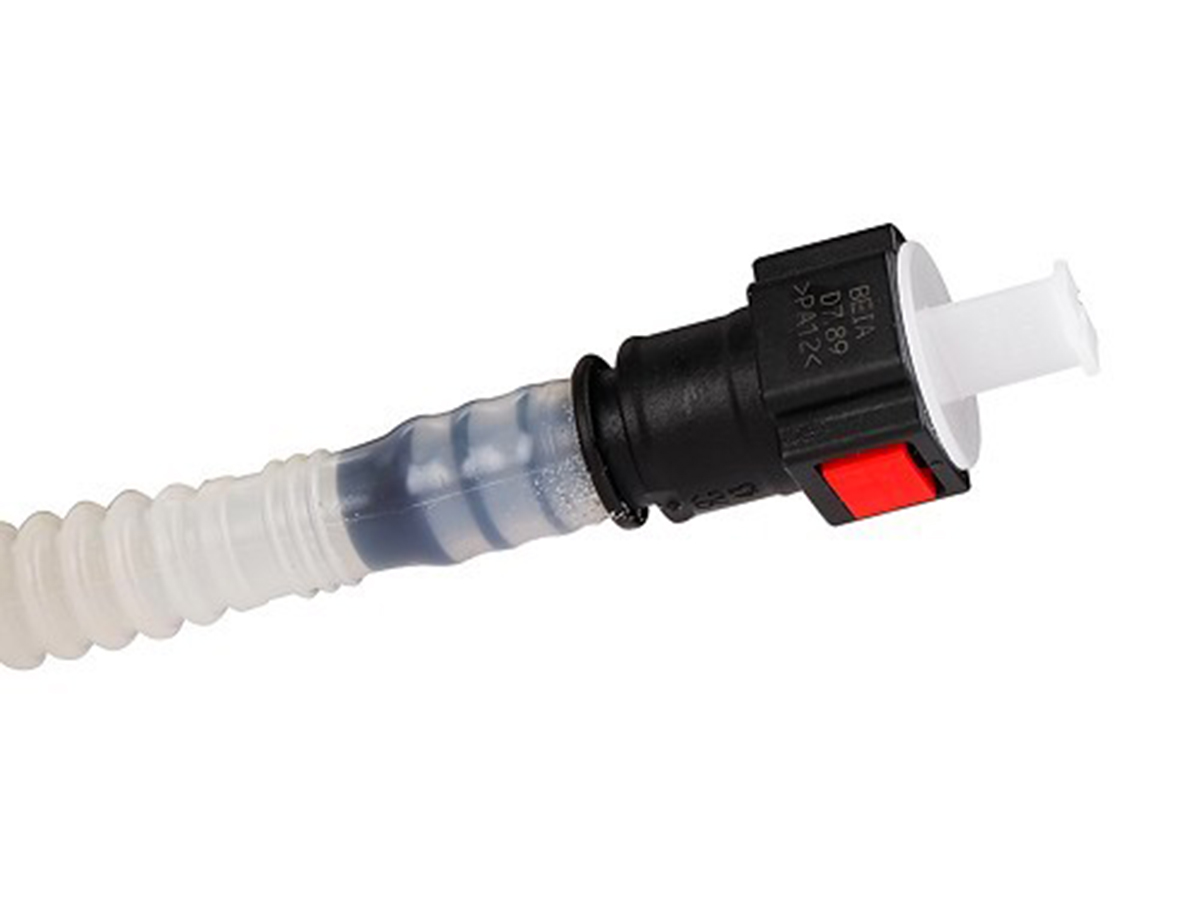
PLEASE NOTE: You may need a small adaptor pipe to go with this new design fuel pump. The adaptor part number is 95562091100
Modern fuel-injected engines depend on a stable and continuous fuel supply. The pump operates electrically and must provide sufficient fuel volume across a wide range of operating conditions, from starting and idling through to acceleration and high engine loads.
Fuel pumps operate whenever the engine requires fuel and are exposed to continuous electrical and mechanical loads. Over time, the internal electric motor, pumping mechanism, electrical connections or associated components can deteriorate. Contamination within the fuel tank can also contribute to premature wear.
A weak or failing pump may still operate but be unable to maintain adequate fuel delivery when demand increases. This can cause difficult starting, hesitation, loss of power or engine-management faults.
These OE Match Fuel Pumps provide high-quality replacement options for failed, noisy or underperforming original fuel pumps.
What This Product Does:
- Draws fuel from the vehicle's fuel tank.
- Supplies fuel towards the engine's fuel system.
- Provides the flow required for reliable engine operation.
- Helps maintain the required fuel supply pressure.
- Supports dependable engine starting.
- Supplies sufficient fuel during acceleration and increased engine load.
- Helps maintain smooth and consistent engine performance.
- Supports correct fuel-injection operation.
- Works with the fuel lines, filters, pressure-control components and injection system.
- Helps maintain consistent fuel delivery across different driving conditions.
- Replaces a weak, noisy, intermittent or completely failed fuel pump.
- Provides an OE Match replacement for compatible Porsche applications.
Symptoms Of Wear Or Failure:
- Engine cranks but does not start.
- Extended cranking before the engine starts.
- Intermittent starting problems.
- Engine suddenly failing to start.
- Hesitation during acceleration.
- Loss of power under heavy load.
- Poor high-speed performance.
- Engine stumbling or cutting out.
- Intermittent engine stalling.
- Rough or inconsistent engine operation.
- Fuel-pressure-related diagnostic fault codes.
- Lean-running fault codes.
- Fuel pressure below specification.
- Engine-management warning light.
- Unusually loud humming or whining from the fuel tank.
- Pump operating intermittently.
- Vehicle starting when cold but developing problems when warm.
- Fuel delivery failing during periods of high demand.
Why Replacement Matters:
- The engine requires a continuous and correctly regulated supply of fuel to operate properly. If the fuel pump cannot provide sufficient flow, the engine may receive less fuel than required, particularly during acceleration or high-load operation.
- A pump in the early stages of failure may provide enough fuel for idling or gentle driving but struggle when demand increases. This can result in hesitation, reduced performance or intermittent loss of power.
- As deterioration progresses, starting may become increasingly difficult until the pump eventually stops operating altogether.
- Insufficient fuel delivery can also cause the engine to operate lean under certain conditions. The engine-management system may detect the problem and record fuel-pressure or mixture-related faults.
- Replacing a confirmed faulty pump with the correct OE Match Fuel Pump helps restore reliable fuel delivery, consistent starting and dependable engine performance.
Related reference numbers
Related, superseded, cross reference or alternative numbers for comparison.
95562093
The product you are viewing cross references to these numbers

OEMatch Fuel Pump — Fit, Function, Confidence
Fuel pumps move fuel from the tank to the engine at controlled pressure to support combustion and throttle response in Porsche models. OEMatch focuses on fuel pump-related items selected for Porsche applications. These products are offered as compatible replacements intended to restore dependable fuel delivery and drivability.
Available Types
- Electric in-tank pumps and integrated modules
- Mechanical lift pumps and push/pull units
- Auxiliary or inline pumps for high-demand systems
- Complete pump assemblies including strainer and regulator
Understanding OEMatch Fuel Pump
OEM (Original Equipment Manufacturer) parts are made by the same company that produced your Porsche’s original fuel pump. OE (Original Equipment) refers to parts matching original specifications for the fuel pump and may be supplied by alternative manufacturers. Aftermarket parts offer alternative options, sometimes with enhanced features or better value. OEMatch supplies non-OEM fuel pump engineered as direct-fit alternatives to OEM parts, made to original-spec dimensions and tolerances for Porsche models.
A correctly working pump maintains the pressure and flow required by the injectors or fuel rail, supporting consistent combustion and throttle response. Modern Porsche applications commonly use electric in-tank pumps integrated into a module, while some older or specialised systems use mechanical lift pumps. Symptoms of a failing pump include difficulty starting, hesitation under load, loss of power, stalling or audible whining from the tank.
Benefits Include
- Consistent fuel pressure and steady flow to the injectors
- Improved throttle response and more reliable starting
- Reduced risk of intermittent stalling or power loss
Why Fuel Pump Wear and Fail
- Contaminated fuel or debris causing blockages and abrasion
- Electrical faults such as relays, wiring or connector failures
- Low fuel levels that reduce cooling and lubrication of the pump
- Corrosion or tank-borne debris accumulating in the module
- Internal wear from age, mileage or exposure to ethanol-blended fuels
The Importance of Replacing with OEMatch Fuel Pump
Replacing a failing pump restores steady fuel delivery, helps protect injectors and other fuel-system components, and reduces the risk of driveability problems. Choosing a compatible replacement helps maintain safe operation and predictable engine response for Porsche models while avoiding the downtime and secondary damage that can result from fuel starvation.
Advantages
- Direct-fit replacements engineered to match original dimensions and tolerances where applicable
- Designed to fit original mounting points and clearances to simplify installation
- Options available for electric, mechanical and auxiliary applications to suit different Porsche systems
Support & Advice
These items can affect safety-critical systems. Installation should follow model-specific procedures and torque settings. Use correct electrical connectors and sealing components, protect paintwork during work, and confirm fuel lines and clamps for secure refitting. If you lack the correct tools or are unsure about hidden sensors or calibration steps, seek professional installation and recheck fasteners after the initial mileage.