


Enter your VAT number here and click Verify:
Your details have been verified. VAT number registered to:
,
.
Your order will now be zero rated for VAT purposes. We reserve the right to verify these details after your order request has been made and reinstate VAT if required.
Your VAT details were not recognised or were invalid. Your VAT number must be matched to your Billing Country as specified above. This is currently specified as . You do not need to enter the country code part of your VAT number as this has already been selected in your billing address details above.
The VAT number checking service is currently offline. Please supply your VAT details within the comments or special instructions field below and we will apply a VAT discount after placing your order request.
Oil Sump
By OE Match

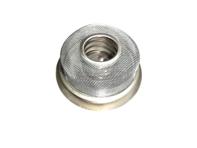

- Porsche 914 (1970-1976)
The OE MATCH Engine Oil Strainer is a replacement component designed to maintain clean and consistent engine oil flow on Porsche 914 and Porsche 912E models equipped with the air-cooled four-cylinder engine.
Fits:- Porsche 914-4
- Porsche 912E
Diagram Ref No 10
Manufactured to match the original equipment design and fitment, this engine oil strainer forms an important part of the engine's lubrication system, helping prevent larger debris and contaminants from entering the oil pump pickup.
Located within the engine oil sump, the strainer uses a fine metal mesh screen to capture larger particles, including carbon deposits, gasket fragments and other debris that may accumulate in the engine oil over time.
The Porsche 914 and 912E air-cooled engines rely on a dependable supply of lubricating oil to protect critical internal components, including the crankshaft, bearings, camshaft and other moving engine parts.
A properly functioning oil strainer helps maintain an unobstructed oil pickup while reducing the risk of larger contaminants entering the oil circulation system.
Over time, the original oil strainer can become clogged, damaged, distorted or contaminated through prolonged use, neglected maintenance or internal engine wear. A heavily restricted strainer may reduce the available oil supply to the pump, potentially affecting oil pressure and lubrication performance.
Replacing a damaged or excessively contaminated strainer with an OE MATCH component helps restore effective preliminary oil screening, maintain reliable oil pickup and support long-term engine durability.
Ideal for routine engine servicing, oil sump maintenance, engine rebuilds and classic Porsche restoration projects, the OE MATCH Engine Oil Strainer provides an original-style replacement for maintaining the lubrication system of Porsche's Type 4-derived air-cooled engines.
What This Product Does:The engine oil strainer is a protective component within the engine lubrication system, designed to screen the oil before it enters the oil pump pickup.
Its primary functions include:
- Screens Larger Oil Contaminants: Uses a metal mesh screen to capture larger particles and debris present in the engine oil.
- Protects the Oil Pump: Helps prevent larger contaminants from entering the oil pump, where they could cause damage or excessive wear.
- Supports Reliable Oil Pickup: Provides a screened passage through which oil can be drawn from the sump into the lubrication system.
- Helps Maintain Oil Flow: When clean and unobstructed, allows oil to pass towards the pump with minimal unnecessary restriction.
- Protects Internal Engine Components: Reduces the risk of larger debris entering the lubrication circuit and damaging sensitive mechanical components.
- Supports Consistent Lubrication: Helps maintain the oil supply required for the crankshaft, bearings, camshaft and other moving engine parts.
- Reduces Debris Circulation: Acts as an initial protective barrier against larger particles within the oil sump.
- Supports Engine Reliability: Helps preserve the integrity of the lubrication system by limiting the entry of potentially damaging debris.
- Complements the Engine Oil Filter: Provides coarse filtration at the oil pickup, while the engine's main oil filter removes finer contaminants.
- Maintains Original Equipment Configuration: Replaces the original strainer with the correct factory-style component.
Symptoms Of Wear Or Failure:
The engine oil strainer is a relatively simple component with no moving parts, but it can become damaged, restricted or contaminated over time.
Common symptoms and indications of a worn or failing engine oil strainer include:
- Low Engine Oil Pressure: A heavily blocked strainer may restrict oil flow to the pump, potentially contributing to reduced oil pressure.
- Oil Pressure Warning Light: Severe oil pickup restrictions may trigger an oil pressure warning under certain operating conditions.
- Blocked or Contaminated Mesh: Sludge, carbon deposits or engine debris may accumulate on the strainer screen.
- Visible Metal Particles: Metal fragments trapped in the strainer may indicate internal engine wear or mechanical damage.
- Damaged Mesh Screen: Tears, holes or broken sections of the strainer may allow larger contaminants to pass through.
- Distorted or Crushed Strainer: Incorrect installation or physical damage may deform the strainer and restrict oil flow.
- Excessive Sludge Build-Up: Poor maintenance or degraded engine oil may cause deposits to collect around the oil pickup.
- Restricted Oil Circulation: A severely obstructed strainer can limit the volume of oil available to the oil pump.
- Unusual Engine Noise: Inadequate lubrication caused by severe oil starvation may contribute to increased mechanical noise.
- Engine Overheating: Reduced oil circulation may impair lubrication and heat transfer, potentially increasing engine operating temperatures.
- Damaged Mounting or Seating Surfaces: Physical deterioration may prevent the strainer from fitting correctly within the sump assembly.
- Evidence of Previous Engine Damage: Debris from damaged bearings, seals or other internal components may become trapped in the strainer.
Why Replacement Matters:
Replacing a damaged, blocked or deteriorated engine oil strainer is important for maintaining effective oil circulation and protecting the engine's internal components.
Key Benefits of Replacement:
- Restores Effective Oil Screening: Replaces damaged or excessively contaminated screens to help prevent larger debris entering the oil pump.
- Supports Reliable Oil Flow: Helps maintain an unobstructed oil pickup within the sump.
- Protects the Oil Pump: Reduces the risk of larger contaminants reaching and damaging the pump mechanism.
- Helps Prevent Oil Starvation: Replacing a severely restricted strainer can restore the flow of oil available to the lubrication system.
- Protects Critical Engine Components: Supports reliable lubrication of crankshaft bearings, camshaft components and other moving parts.
- Maintains Lubrication System Integrity: Helps preserve the intended oil pickup and screening arrangement.
- Reduces the Risk of Premature Engine Wear: Helps prevent damage associated with contamination or inadequate oil supply.
- Supports Engine Reliability: Contributes to dependable lubrication during normal and demanding driving conditions.
- Original Equipment-Style Fitment: Designed to replace the factory oil strainer without altering the original lubrication system.
- Ideal for Engine Rebuilds: Provides a replacement for damaged or contaminated strainers during engine refurbishment.
- Supports Preventative Maintenance: Allows deteriorated components to be renewed during oil sump servicing.
- Cost-Effective Engine Protection: Replacing a damaged strainer may help prevent more expensive lubrication-related engine repairs.
- Suitable for Classic Porsche Restoration: Maintains the original lubrication system configuration of Porsche 914 and 912E engines.
Although the engine oil strainer is a relatively small and inexpensive component, it plays an important protective role within the engine lubrication system.
A damaged screen may allow larger debris to enter the oil pump, while a heavily blocked strainer can restrict oil pickup and compromise the supply of lubrication to critical engine components.
Continued operation with inadequate oil flow can result in increased friction, excessive wear and potentially serious engine damage.
Replacing a defective strainer with the OE MATCH Engine Oil Strainer helps restore the original screening function and supports reliable engine lubrication.
During engine rebuilds, the strainer should also be inspected for contamination from previous internal component damage. Where significant debris or structural damage is present, replacement is generally preferable to reusing a compromised component.
Related reference numbers
Related, superseded, cross reference or alternative numbers for comparison.
021115175
The product you are viewing cross references to these numbers

- Porsche 911 1965-1968 2.0L / 912 SWB (F)
- Porsche 911 1968-1973 2.2L / 2.4L / 2.7L RS LWB (F)
- Porsche 911 1974-1977 2.7L / 1976-77 3.0 Carrera
- Porsche 911 1978-1983 3.0L / SC
- Porsche 911 1975-1977 3.0L Turbo (930)
- Porsche 914 (1970-1976)
Fits:
Porsche 911 1969-83
Porsche 914 1970-76
Diagram ref no 36
Related reference numbers
Related, superseded, cross reference or alternative numbers for comparison.
93010190200
The product you are viewing cross references to these numbers

- Porsche 911 1965-1968 2.0L / 912 SWB (F)
- Porsche 911 1968-1973 2.2L / 2.4L / 2.7L RS LWB (F)
- Porsche 911 1974-1977 2.7L / 1976-77 3.0 Carrera
- Porsche 911 1978-1983 3.0L / SC
- Porsche 911 1975-1977 3.0L Turbo (930)
- Porsche 914 (1970-1976)
It is engineered to be a direct-fit replacement for the original sump plate in the engine oil system of classic Porsche models, ensuring accurate alignment and compatibility with other oil system components.
Fits:
Porsche 911 1969 - 1983
Porsche 914 1970 - 1976
Diagram ref no 36
The sump plate forms the base of the engine’s oil sump, helping to contain and channel oil that has passed through the engine before it is drawn up again by the oil pump. It contributes to proper oil retention, distribution, and structural support for the lower part of the engine’s lubrication system. Without this plate, oil could escape or fail to be delivered reliably to internal engine components.
Installed at the bottom of the engine block, the sump plate either supports or replaces the original metal surface that captures oil returning to the sump and often integrates or supports features such as oil drain plug provision (depending on variant). It ensures that the engine’s lubricating oil system maintains proper capacity and seal integrity, preventing leaks and helping to sustain stable oil flow under a range of operating conditions.
The sump plate plays a vital role in the engine lubrication system. Over time, original plates can be damaged by corrosion, impact, or wear and may not seal as effectively. A compromised sump plate can lead to:
• Oil leaks at the bottom of the engine
• Reduced oil capacity or poor oil return
• Increased risk of engine wear or damage due to insufficient lubrication.
Replacing ensures proper oil containment and system integrity, helping preserve reliability and keep your classic Porsche engine performing as intended.
Replace the sump plate if you notice:
• Visible oil leaks under the engine
• A sump or plate that is bent, corroded, or damaged
• During engine overhaul or oil system servicing
• When planning long-term reliability for classic restoration
• If the original plate fails to seal properly
Related reference numbers
Related, superseded, cross reference or alternative numbers for comparison.
93010190200
The product you are viewing cross references to these numbers

- Porsche 911 1965-1968 2.0L / 912 SWB (F)
- Porsche 911 1968-1973 2.2L / 2.4L / 2.7L RS LWB (F)
- Porsche 911 1974-1977 2.7L / 1976-77 3.0 Carrera
- Porsche 911 1978-1983 3.0L / SC
- Porsche 914 (1970-1976)
The OE Match Engine Sump Plate is a premium-quality replacement engine lubrication component designed to seal and protect the underside of the engine crankcase on compatible classic Porsche models. Manufactured to OE specifications for fit, strength and durability, the sump plate provides a secure closure for the engine sump while allowing access for routine oil changes and engine maintenance.
Fits:
- Porsche 911 1965-1968 2.0L / 912 SWB (F)
- Porsche 911 1968-1973 2.2L / 2.4L / 2.7L RS LWB (F)
- Porsche 911 1974-1977 2.7L / 1976-77 3.0 Carrera
- Porsche 911 1978-1983 3.0L / SC
- Porsche 914 (1970-1976)
Diagram Ref No 36
Manufactured from high-quality pressed steel with a corrosion-resistant finish, the sump plate is engineered to withstand engine heat, vibration, oil exposure and road debris. Precision-machined sealing surfaces ensure an accurate OE-style fit, helping to maintain a reliable oil-tight seal when installed with the correct gasket and hardware. It is ideal for replacing warped, corroded or damaged original sump plates during engine servicing or restoration.
What This Product Does:
- Seals the underside of the engine sump.
- Helps retain engine oil within the lubrication system.
- Protects internal engine components from contamination.
- Provides access for engine oil draining and maintenance.
- Maintains the integrity of the engine lubrication system.
- Supports correct engine oil circulation.
- Restores factory-style fitment and sealing performance.
- Forms an essential part of the engine lubrication system.
Symptoms Of Wear Or Failure:
- Engine oil leaks from the sump plate.
- Warped or distorted sealing surface.
- Corrosion or rust on the plate.
- Damaged drain plug threads where applicable.
- Oil residue on the underside of the engine.
- Loose or damaged mounting holes.
- Persistent oil seepage after gasket replacement.
- Visible dents or impact damage from road debris.
- Low engine oil level caused by leakage.
- Oil drips beneath the parked vehicle.
Why Replacement Matters:
- The engine sump plate is continuously exposed to engine heat, vibration, road debris and regular servicing. Over time, it can become warped through over-tightening, damaged by impacts or weakened by corrosion, reducing its ability to provide a reliable oil seal.
- A damaged sump plate can lead to persistent oil leaks, resulting in reduced engine oil levels and the risk of inadequate lubrication. Continued oil loss can accelerate wear of bearings, pistons, camshafts and other critical engine components, potentially leading to costly engine repairs.
- Replacing a worn or damaged sump plate restores the integrity of the engine lubrication system and ensures a dependable oil-tight seal. The OE Match replacement provides factory-style fitment, high-quality pressed steel construction and long-lasting durability, helping maintain reliable engine performance, effective lubrication and the longevity expected from your Porsche.
Related reference numbers
Related, superseded, cross reference or alternative numbers for comparison.
90110138600
The product you are viewing cross references to these numbers

- Porsche 914 (1970-1976)
Maintain a dependable, leak-free seal around the engine oil strainer with this OE Match Oil Strainer Gasket Set, reference 021198031. Designed for compatible engine applications, this gasket set provides the sealing components required when servicing, removing, or refitting the engine oil strainer assembly.
Fits:
Porsche 914 1970-76
The oil strainer forms part of the engine's lubrication system and helps prevent larger particles and debris from circulating through the engine oil system. During servicing, the strainer is typically removed for inspection and cleaning, which disturbs the sealing surfaces and existing gaskets.
What This Product Does:
- Seals the engine oil strainer assembly.
- Helps prevent engine oil leaking from the strainer area.
- Supports correct operation of the engine lubrication system.
- Provides replacement sealing components during oil strainer servicing.
- Helps maintain engine oil level by preventing external leakage.
- Allows the oil strainer to be removed, cleaned, inspected, and correctly resealed.
- Replaces old, flattened, hardened, cracked, or damaged gaskets.
- Helps maintain a clean and dry engine exterior.
- Provides an OE-style replacement for compatible engine applications.
Symptoms Of Wear Or Failure:
- Engine oil leaking around the oil strainer cover or mounting area.
- Oil drops or patches underneath the vehicle.
- Wetness or oil staining around the bottom of the engine.
- Gradual reduction in engine oil level.
- Oil residue collecting around the strainer assembly.
- Dirt and road debris sticking to oily areas around the engine.
- Burning-oil smells if leaked oil reaches hot components.
- A flattened, brittle, torn, or damaged gasket during servicing.
- Oil leakage appearing after the strainer has been removed and refitted.
Why Replacement Matters:
- Maintaining the correct engine oil level is essential for lubrication and cooling of internal engine components. A leaking oil strainer gasket may initially appear to be a minor problem, but continued oil loss can gradually reduce the amount of lubricant available to protect the engine.
- Low engine oil levels can contribute to increased friction, elevated operating temperatures, reduced oil pressure, and accelerated wear of bearings, crankshaft journals, camshaft components, pistons, and other internal parts. Severe oil loss can ultimately result in significant engine damage.
- Gaskets also compress during installation and can harden after prolonged exposure to heat and engine oil. Once removed, an old gasket may no longer conform correctly to the sealing surfaces, making reuse more likely to result in leakage.
- Replacing the sealing components with this OE Match Oil Strainer Gasket Set 021198031 whenever the strainer is serviced helps maintain a dependable oil-tight seal, prevents unnecessary lubricant loss, and supports reliable engine lubrication.
Related reference numbers
Related, superseded, cross reference or alternative numbers for comparison.
021198031
The product you are viewing cross references to these numbers

- Porsche 911 1965-1968 2.0L / 912 SWB (F)
- Porsche 911 1968-1973 2.2L / 2.4L / 2.7L RS LWB (F)
- Porsche 911 1974-1977 2.7L / 1976-77 3.0 Carrera
- Porsche 914 (1970-1976)
Old type design.
Fits:
Porsche 911 1965-83
Porsche 911 (930) Turbo 1975-77
Porsche 914-6 1970-76
Diagram ref no 38
Related reference numbers
Related, superseded, cross reference or alternative numbers for comparison.
90110138002
The product you are viewing cross references to these numbers

- Porsche 911 1965-1968 2.0L / 912 SWB (F)
- Porsche 911 1968-1973 2.2L / 2.4L / 2.7L RS LWB (F)
- Porsche 911 1974-1977 2.7L / 1976-77 3.0 Carrera
- Porsche 911 1978-1983 3.0L / SC
- Porsche 914 (1970-1976)
Crankcase Oil Strainer
Protect your Porsche engine with this OE Match Crankcase Oil Strainer. Manufactured to OE specifications, this precision-engineered replacement oil strainer plays a vital role in safeguarding the lubrication system by preventing large debris from entering the oil pump while ensuring unrestricted oil flow throughout the engine.
Fits:
- Porsche 911 1965-1968 2.0L / 912 SWB (F)
- Porsche 911 1968-1973 2.2L / 2.4L / 2.7L RS LWB (F)
- Porsche 911 1974-1977 2.7L / 1976-77 3.0 Carrera
- Porsche 911 1978-1983 3.0L / SC
- Porsche 914-6 (1970-1976)
Diagram ref no 38
Located within the engine crankcase, the oil strainer acts as the first line of defence for the lubrication system. It filters larger contaminants before the oil reaches the pump, helping to protect critical internal engine components from premature wear and damage. A clean, undamaged oil strainer is essential for maintaining consistent oil circulation and reliable engine lubrication.
Whether you're carrying out a routine oil service, rebuilding an engine or undertaking a complete restoration, replacing a worn or damaged oil strainer is a sensible preventative maintenance measure that helps preserve long-term engine reliability.
What Does the Crankcase Oil Strainer Do?
The crankcase oil strainer performs several
important functions within the engine lubrication system:
- Filters larger particles from the engine oil.
- Protects the oil pump from debris.
- Maintains unrestricted oil flow.
- Supports consistent oil pressure.
- Helps extend engine life.
- Prevents contaminants circulating through the lubrication system.
- Contributes to reliable engine performance.
Working alongside the oil filter and oil pump, the oil strainer helps ensure clean, uninterrupted lubrication reaches every critical engine component.
Why Replace the Crankcase Oil Strainer?
Over time, oil strainers can become contaminated or damaged through years of service.
Common reasons for replacement include:
- Sludge accumulation.
- Metal debris contamination.
- Damaged or distorted mesh. Corrosion.
- Engine rebuilds.
- Preventative maintenance.
- Oil starvation investigations.
- High-mileage servicing.
Replacing the oil strainer during engine maintenance helps ensure maximum lubrication efficiency and provides valuable insight into the condition of the engine by revealing any abnormal debris trapped within the screen.
Symptoms of a Worn or Contaminated Oil Strainer
Signs that the oil strainer should be
inspected or replaced include:
- Reduced oil pressure.
- Sludge build-up inside the engine.
- Restricted oil flow.
- Oil pressure warning light.
- Metallic debris discovered during servicing.
- Engine lubrication concerns.
- Evidence of contamination during oil changes.
- Engine rebuild or restoration work.
Regular inspection of the oil strainer is considered good practice during major engine servicing.
Benefits
- Protects the oil pump from debris.
- Supports reliable oil circulation.
- Helps maintain correct oil pressure.
- Improves lubrication system reliability.
- Reduces the risk of oil starvation.
- Long-lasting construction.
- Factory-quality fitment.
- Excellent value OE Match replacement.
Installation Recommendations
When replacing the crankcase oil strainer, it
is recommended to inspect or replace associated service components, including:
- Engine oil.
- Oil filter.
- Oil strainer gasket.
- Sump plate gasket.
- Drain plug sealing washer.
- Oil pump pick-up.
- Oil pressure relief valve.
- Oil lines and fittings.
Always refill the engine with the correct Porsche-approved engine oil and inspect the removed strainer for signs of excessive metal particles or debris that may indicate internal engine wear.
Related reference numbers
Related, superseded, cross reference or alternative numbers for comparison.
93010731400
The product you are viewing cross references to these numbers

- Porsche 914 (1970-1976)
Fits:
Porsche 914 1970-76
Diagram ref no 20
Related reference numbers
Related, superseded, cross reference or alternative numbers for comparison.
021101269A
The product you are viewing cross references to these numbers

- Porsche 914 (1970-1976)
Restore dependable pushrod protection and engine oil containment with this OE Match Stainless Steel Push Rod Tube, reference 021109335C/2. Designed for compatible engine applications, the push rod tube provides a protective passage for the pushrod as it operates between the internal valve-train components, while also helping keep engine oil contained within the engine.
Fits:
- Porsche 914 1.7L, 1.8L & 2.0L 1970-76 & Type 4
Diagram Ref No 4
Push rod tubes are an important feature of pushrod-operated engines. The pushrods move continuously as the engine runs, transferring camshaft and lifter movement to the rocker assemblies that operate the intake and exhaust valves. The tubes surround the pushrods and isolate them from the external environment while allowing lubricating oil from the valve-train area to remain contained and return through the engine as intended.
What This Product Does:
- Provides a protected passage for the engine pushrod.
- Allows the pushrod to operate freely between the lifter and rocker assembly.
- Helps contain lubricating oil within the engine.
- Supports the return of valve-train oil through the engine.
- Helps protect the pushrod from dirt, moisture, and external contamination.
- Works with the push rod tube seals to prevent oil leakage.
- Features stainless steel construction for improved corrosion resistance.
- Withstands repeated engine heating and cooling cycles.
- Helps keep the exterior of the engine clean and dry.
- Replaces a corroded, damaged, distorted, or leaking push rod tube.
- Provides an OE-style solution for compatible engine repairs and rebuilds.
Symptoms Of Wear Or Failure:
- Engine oil leaking around the push rod tubes.
- Oil collecting underneath the engine.
- Wet or oily areas around the cylinder heads or crankcase.
- Burning-oil smells while driving.
- Smoke caused by leaked oil reaching hot exhaust components.
- Dirt and debris accumulating on oil-covered engine surfaces.
- Visible corrosion or rust on existing push rod tubes.
- Dents, cracks, distortion, or other physical tube damage.
- Persistent oil leakage despite replacement of the push rod tube seals.
- Damaged sealing surfaces at either end of the tube.
Why Replacement Matters:
- Push rod tubes perform an important oil-containment function within the engine. A corroded, cracked, distorted, or damaged tube may allow engine oil to escape, resulting in an increasingly messy and potentially significant oil leak.
- Oil leaking from the push rod tube area can spread across the underside of the engine and surrounding components. If it reaches hot exhaust surfaces, it may produce smoke and a strong burning-oil smell. Continued leakage can also gradually lower the engine oil level, making regular monitoring and topping-up necessary.
- Maintaining the correct oil level is essential for protecting bearings, crankshaft journals, camshaft components, pistons, and the rest of the engine's lubricated internal parts. Allowing an oil leak to continue unchecked can therefore contribute to more serious lubrication problems.
- Corroded or damaged tubes can also prevent new seals from seating correctly. In these situations, replacing only the seals may not permanently cure the leak because the tube's sealing surfaces are no longer suitable.
Related reference numbers
Related, superseded, cross reference or alternative numbers for comparison.
021109335C
The product you are viewing cross references to these numbers

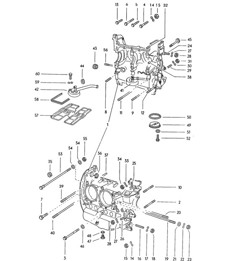


OEMatch Oil Sump — Fit, Fnction, Confidence
OEMatch oil sumps for Porsche models provide secure oil containment and managed cooling for the lubrication system. Many owners search for genuine or OEM oil sumps; these alternatives are compiled to reflect original specifications and procedures and suit restoration, regular maintenance and performance use.
Available Types
- Replacement oil sumps in aluminium or steel
- Sump gaskets, seals and drain plugs
- Baffled sumps and performance pans
- Pickup tubes and repair sections
Understanding OEMatch Oil Sump
OEM (Original Equipment Manufacturer) parts are made by the same company that produced your Porsche’s original oil sump.
OE (Original Equipment) refers to parts matching original specifications for the oil sump and may be supplied by alternative manufacturers. Aftermarket parts offer alternative options, sometimes with enhanced features or better value. OEMatch supplies non-OEM oil sumps engineered as direct-fit alternatives to OEM parts, made to original-spec dimensions and tolerances for Porsche models.
The oil sump sits at the base of the engine and acts as the main reservoir for lubricating oil. It collects returning oil, feeds the pump and helps dissipate heat from the oil stream. Sumps vary by material, depth and internal baffling to resist oil surge during acceleration, braking and cornering; features such as drain plugs, pickup tube geometry and reinforced flange areas affect serviceability and sealing.
OEMatch supplies a wide range of Porsche-focused components, including sumps, gaskets and related hardware, and maintains an extensive parts catalogue to support repair and restoration across multiple Porsche generations.
Benefits Include
- Secure oil containment and reliable circulation
- Improved temperature control and heat dissipation
- Reduced risk of oil starvation under load
Why Oil Sump Wear and Fail
- Impact damage from road debris or contact with obstacles
- Leaking or degraded gaskets and seals
- Corrosion or warping from heat cycles and contaminants
- Thread damage around the drain plug or oil pickup problems
The Importance of Replacing with OEMatch Oil Sump
Replacing a damaged or leaking sump restores secure oil storage and sealing, reducing the risk of engine damage on Porsche vehicles. A correct replacement preserves oil pressure behaviour, maintains cooling capacity and reduces the chance of oil loss during spirited driving or long journeys. Using an appropriately specified sump and the correct sealing parts helps ensure reliable engine lubrication and easier servicing.
Advantages
- Direct-fit replacements engineered to match original dimensions and tolerances
- Materials chosen for strength, thermal management and corrosion resistance
- Compatible with factory mounting points, drain arrangements and oil-pickup geometry
Support & Advice
Installation should be carried out by a qualified technician following model-specific procedures and torque settings. Use calibrated tools and new fasteners where specified and check for correct sealing and clearance after installation.


