



Enter your VAT number here and click Verify:
Your details have been verified. VAT number registered to:
,
.
Your order will now be zero rated for VAT purposes. We reserve the right to verify these details after your order request has been made and reinstate VAT if required.
Your VAT details were not recognised or were invalid. Your VAT number must be matched to your Billing Country as specified above. This is currently specified as . You do not need to enter the country code part of your VAT number as this has already been selected in your billing address details above.
The VAT number checking service is currently offline. Please supply your VAT details within the comments or special instructions field below and we will apply a VAT discount after placing your order request.
Camshafts
By OE Match

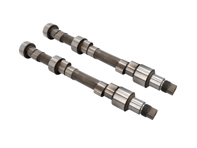
- Porsche 911 1965-1968 2.0L / 912 SWB (F)
- Porsche 911 1968-1973 2.2L / 2.4L / 2.7L RS LWB (F)
- Porsche 914 (1970-1976)
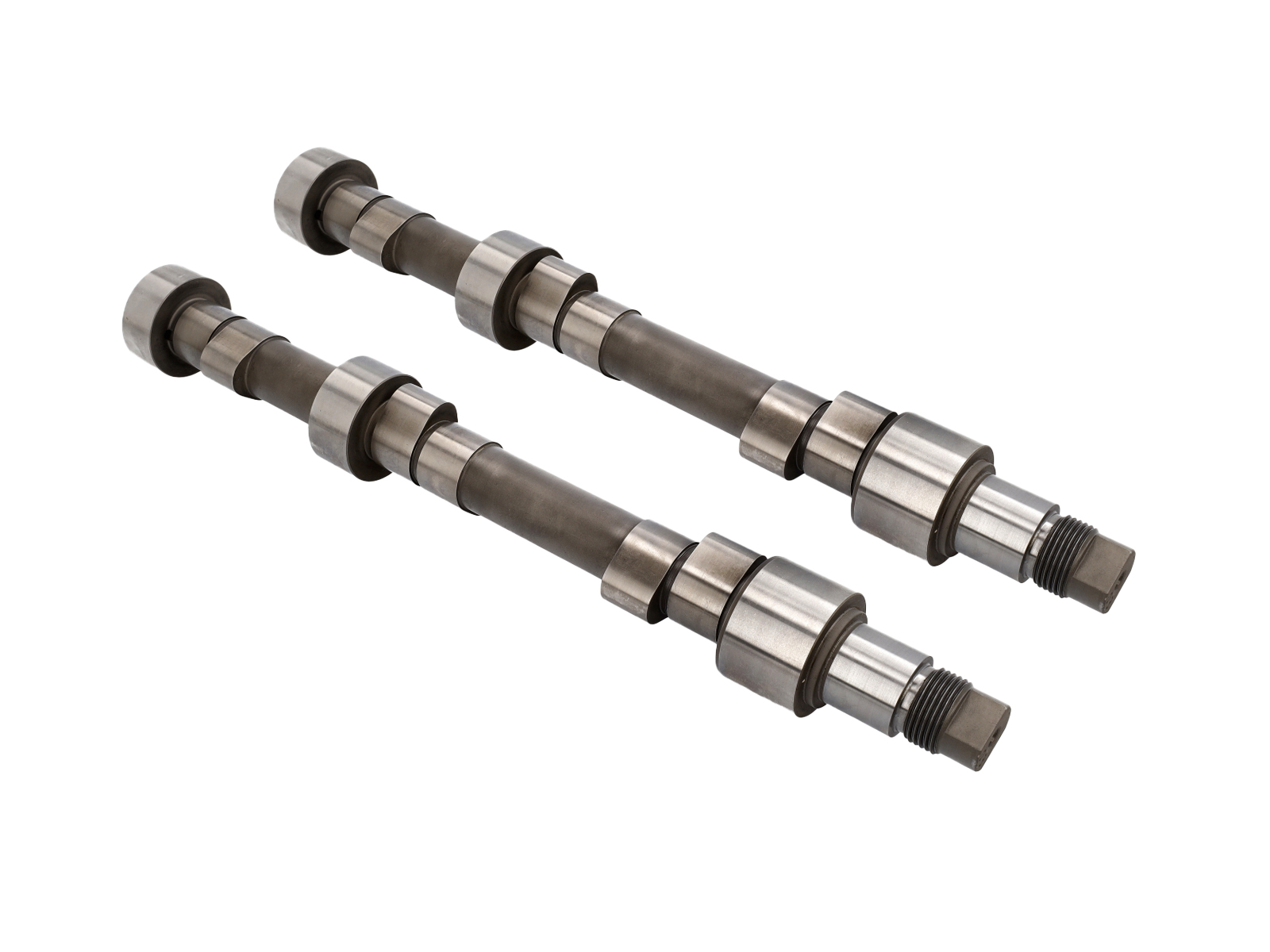
SET OF 2 Left & Right.
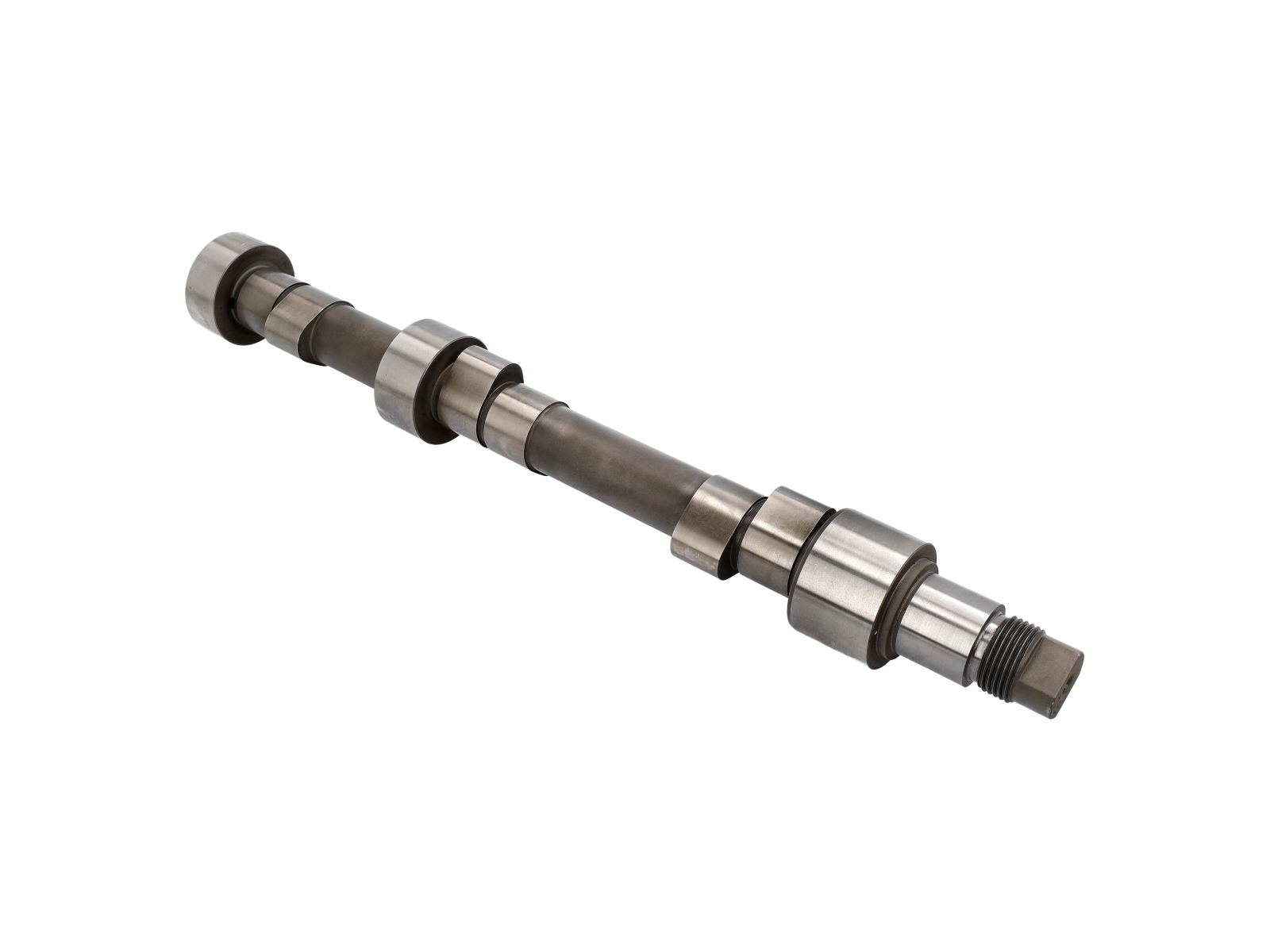
Restore accurate valve-train operation and dependable engine performance with this OE Match Camshaft Kit. Designed for compatible engine applications, this kit provides essential components for camshaft replacement or engine rebuilding, helping restore correct valve timing, valve lift and overall valve-train operation.
Fits:
Porsche 911 TU/T 1965-69
Porsche 911 T 1970>>
Porsche 911 T-V 1972>>
Porsche 914-6 1970-76
The camshaft is one of the engine's most important internal components. Its precisely shaped lobes control the movement of the intake and exhaust valves through the associated valve-train components. Camshaft profile determines critical characteristics including valve lift, duration and timing, all of which influence cylinder filling, exhaust gas evacuation, combustion efficiency and engine performance.
What This Product Does:
- Restore correct camshaft and valve-train operation.
- Control the opening and closing of the intake and exhaust valves.
- Maintain correct valve timing relative to crankshaft position.
- Provide the required valve lift and duration.
- Support efficient cylinder filling with the intake charge.
- Allow effective evacuation of exhaust gases.
- Maintain consistent valve operation across the engine.
- Support smooth combustion and dependable engine performance.
- Replace worn or damaged camshaft-related components.
- Provide a coordinated solution for compatible engine rebuilds and repairs.
- Restore valve-train functionality when correctly installed and timed.
Symptoms Of Wear Or Failure:
- Ticking, tapping or abnormal valve-train noise.
- Reduced engine power or acceleration.
- Poor throttle response.
- Rough or inconsistent idle.
- Engine misfires.
- Uneven performance between cylinders.
- Difficulty maintaining correct valve clearances.
- Repeated changes in valve adjustment.
- Reduced valve lift.
- Flattened or excessively worn cam lobes.
- Pitting or scoring on camshaft surfaces.
- Excessive wear of mating followers, lifters or rocker components.
- Metallic particles in the engine oil or oil filter.
- Abnormal camshaft journal wear.
- Visible valve-train damage during engine disassembly.
Why Replacement Matters:
- The camshaft directly controls the engine's valve movement. When a cam lobe becomes worn, its effective profile changes, potentially reducing how far or how long the corresponding valve opens.
- Reduced valve lift or incorrect effective duration can restrict the amount of air and fuel entering the cylinder or interfere with the removal of exhaust gases. The result may be reduced power, rough running, poor throttle response and inefficient combustion.
- Camshaft wear can also spread to associated valve-train components. A damaged cam lobe may accelerate wear of its mating follower, lifter or rocker component, while a damaged mating component can quickly deteriorate a replacement camshaft. Metallic debris produced by this wear can then circulate through the lubrication system and potentially damage other internal engine components.
Related reference numbers
Related, superseded, cross reference or alternative numbers for comparison.
CAMSHAFTKIT01
The product you are viewing cross references to these numbers
This kit is comprised of the following items:

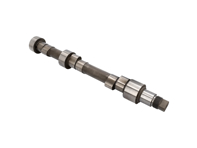
- Porsche 911 1965-1968 2.0L / 912 SWB (F)
- Porsche 911 1968-1973 2.2L / 2.4L / 2.7L RS LWB (F)
- Porsche 914 (1970-1976)
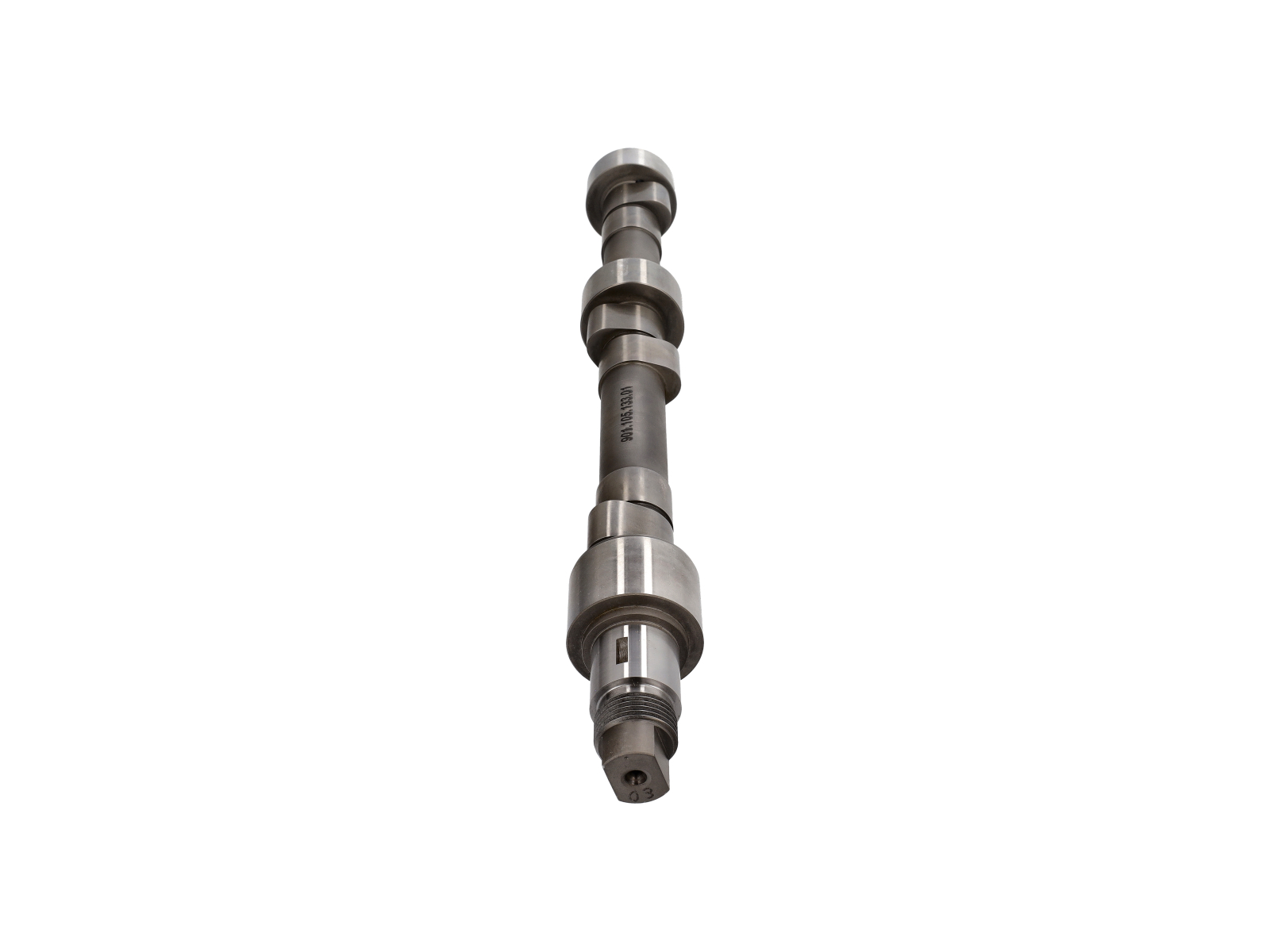
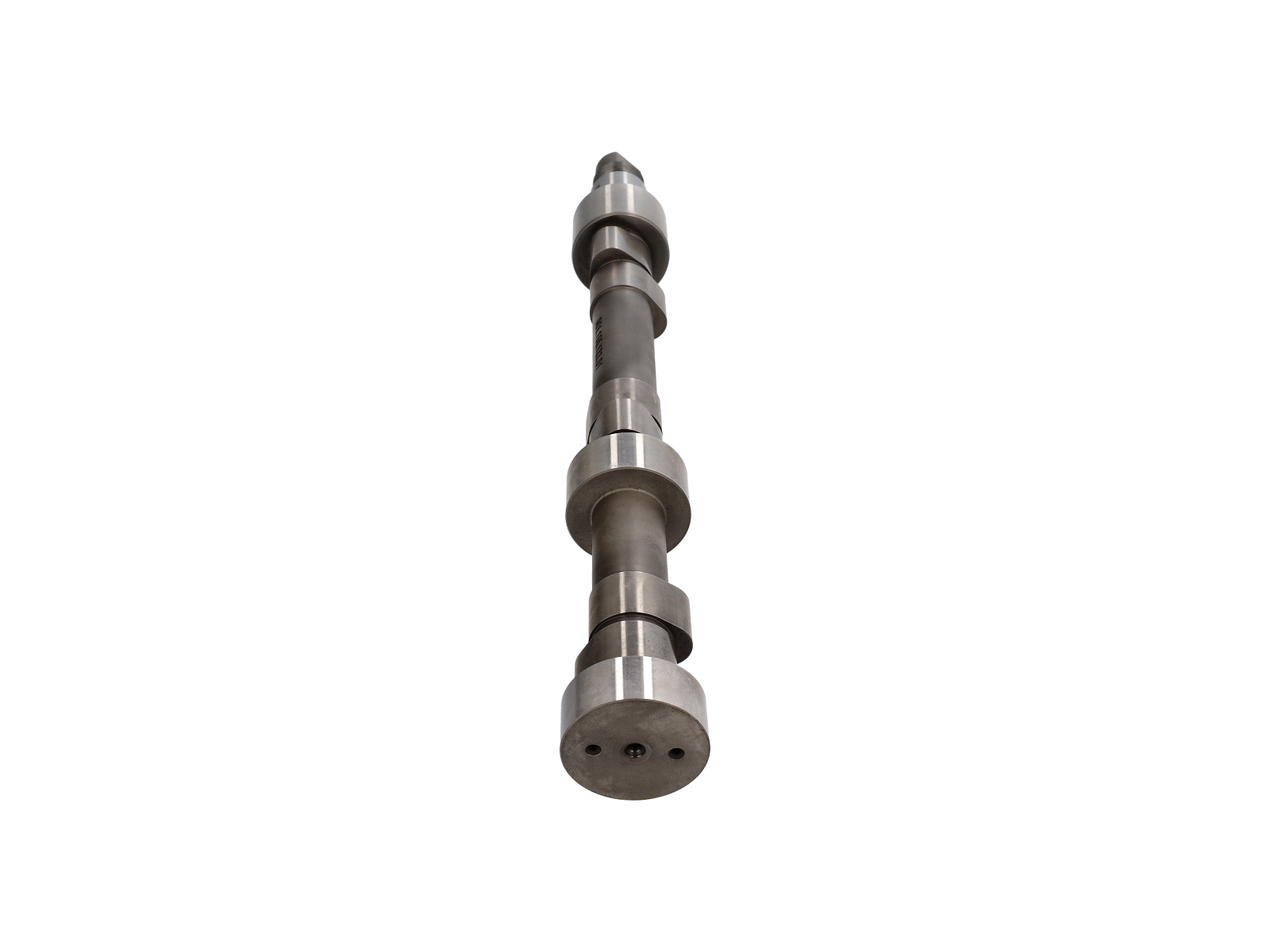
Restore accurate valve timing and dependable engine performance with these OE Match Camshafts. Designed for compatible Porsche engine applications, the camshafts are critical internal components responsible for controlling the opening and closing of the intake and exhaust valves.
Fits:
Porsche 911 TU/T 1965-69
Porsche 911 T 1970>>
Porsche 911 T-V 1972>>
Porsche 914-6 1970-76
As the engine rotates, precisely shaped lobes on each camshaft operate the corresponding valve-train components. The profile of these lobes determines valve lift, duration and timing, ensuring that the valves open and close at the correct points in the combustion cycle.
What This Product Does:
- Control the opening and closing of the intake and exhaust valves.
- Maintain correct valve timing relative to crankshaft position.
- Determine valve lift through the profile of the camshaft lobes.
- Control how long each valve remains open.
- Transfer rotational movement through the valve train.
- Help the cylinders receive the correct intake charge.
- Support efficient evacuation of exhaust gases.
- Help maintain smooth and consistent combustion.
- Influence engine power, torque and throttle response.
- Maintain coordinated valve operation across the engine.
- Replace worn, scored, pitted or damaged original camshafts.
- Provide OE-style replacements for compatible Porsche engine applications.
Symptoms Of Wear Or Failure:
- Ticking, tapping or abnormal valve-train noises.
- Reduced engine power or acceleration.
- Rough or inconsistent engine operation.
- Engine misfires.
- Uneven performance between cylinders.
- Difficulty maintaining correct valve clearances.
- Repeated changes in valve adjustment.
- Reduced valve lift.
- Flattened or excessively worn camshaft lobes.
- Scoring, pitting or surface deterioration on the lobes.
- Abnormal wear on rocker arms or other cam-contact components.
- Excessive camshaft journal wear.
- Metallic particles in the engine oil or oil filter.
- Visible camshaft damage during an engine rebuild.
Why Replacement Matters:
- The camshaft determines when and how far the engine's valves open. Even relatively small changes caused by cam lobe wear can affect how efficiently a cylinder draws in its intake charge and expels exhaust gases.
- A worn cam lobe may provide less valve lift than intended. This can restrict engine breathing and contribute to reduced power, poor throttle response, rough running or uneven performance between cylinders.
- Camshaft wear can also affect associated valve-train components. Damaged contact surfaces may accelerate wear of rocker arms or other components that operate against the camshaft. Metal particles generated by this deterioration can circulate through the lubrication system and contribute to further internal engine wear.
- Severe camshaft or journal damage may also compromise smooth camshaft rotation and correct valve timing. Continued operation can turn a valve-train problem into a more extensive and expensive engine repair.
Related reference numbers
Related, superseded, cross reference or alternative numbers for comparison.
90110513
The product you are viewing cross references to these numbers
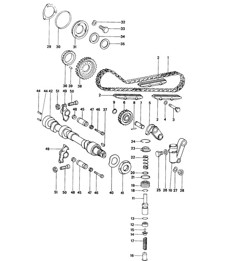

OEMatch Camshafts — Fit, Function, Confidence
For Porsche models, OEMatch Camshafts components are compatible replacements engineered to original-spec dimensions and tolerances — a practical option when genuine or OEM parts are unavailable.
Available Types
- Standard replacement camshafts
- Performance-profile camshafts
- Restoration-fit camshafts
Understanding OEMatch Camshafts
OEM (Original Equipment Manufacturer) parts are made by the same company that produced your Porsche’s original camshafts.
OE (Original Equipment) refers to parts matching original specifications for the camshafts and may be supplied by alternative manufacturers. Aftermarket parts offer alternative options, sometimes with enhanced features or better value. OEMatch supplies non-OEM camshafts engineered as direct-fit alternatives to OEM parts, made to original-spec dimensions and tolerances for Porsche models.
Camshafts control valve timing, lift and duration to regulate how air and fuel enter and exhaust gases leave the combustion chambers. Correct cam timing supports efficient combustion, smooth idling and predictable throttle response. OEMatch aims to keep Porsche vehicles on the road and catalogs over 4,000 part numbers with more than 8,700 OE cross-references to support repairs, rebuilds and restorations.
Benefits Include
- Restores valve timing accuracy and smooth engine operation
- Improves throttle response and power delivery where matched to engine spec
- Precision-machined surfaces support wear resistance and consistent timing
Why Camshafts Wear and Fail
- Oil starvation causing friction and surface wear
- Excessive heat or poor lubrication degrading cam lobes
- Incorrect timing-belt or chain tension leading to misalignment or damage
- Contaminated oil introducing abrasive particles into the valvetrain
- Mechanical fatigue from extended mileage or intensive use
The Importance of Replacing with OEMatch Camshafts
Replacing worn camshafts restores the engine’s valve timing and combustion stability, which helps recover lost performance and reduces the risk of further valvetrain damage. OEMatch supplies items selected for Porsche applications and documented with cross-references to support restorations, engine rebuilds and performance tuning projects. Using correct-fit camshafts reduces the need for additional machining or modifications and helps preserve engine reliability.
Advantages
- Direct-fit alternatives made to original-spec dimensions and tolerances
- Suitable for restorations, rebuilds and performance tuning when fitted to correct engine specifications
- Parts supplied with documented cross-references to support fitment and selection
Support & Advice
These items affect critical engine timing. Installation should be carried out by a qualified technician following model-specific procedures and torque settings. Use calibrated tools and where specified.
-
 Intermediate shaft (IMS)
-
Oil System Parts
-
Fuel System Parts
-
Gaskets & Sets
-
Chains & Tensioners
-
Timing covers and gaskets
-
Engine Bearings / Shells
-
Engine Valves / Guides / Springs
-
Rocker Arms & Tappets
-
Engine Bolts / Studs
-
Engine Mounts
-
Piston Rings
-
Engine Cylinders / Liners / Pistons
-
Connecting Rod
-
Cylinder Head / Camshaft Carrier
-
Camshaft covers / Gaskets
-
Camshaft gears / sprockets and fixings
-
Crankcase Parts
-
Crankshaft & Parts
-
Engine Tinware
-
Turbo Chargers / Intercoolers & Parts
-
Air Intake & Injection
-
Carburetors & Parts