



Enter your VAT number here and click Verify:
Your details have been verified. VAT number registered to:
,
.
Your order will now be zero rated for VAT purposes. We reserve the right to verify these details after your order request has been made and reinstate VAT if required.
Your VAT details were not recognised or were invalid. Your VAT number must be matched to your Billing Country as specified above. This is currently specified as . You do not need to enter the country code part of your VAT number as this has already been selected in your billing address details above.
The VAT number checking service is currently offline. Please supply your VAT details within the comments or special instructions field below and we will apply a VAT discount after placing your order request.
Thermostat / Temperature Sensor
By OE Match


- Porsche 911 1974-1977 2.7L / 1976-77 3.0 Carrera
- Porsche 914 (1970-1976)
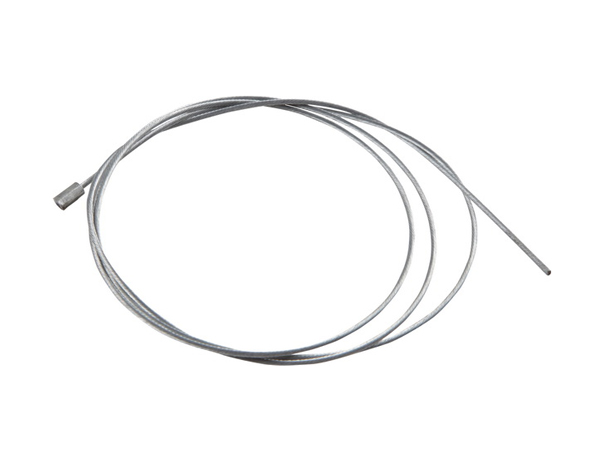
The OE MATCH Thermostat Control Cable is a replacement cable designed for the engine cooling thermostat system on applicable classic air-cooled Porsche applications. Measuring 469mm in length, it provides the mechanical connection required for the thermostat-controlled cooling arrangement to operate correctly.
Fits:
- Porsche 911 1974-1977 2.7L / 1976-77 3.0 Carrera
- Porsche 914 (1970-1976)
What This Product Does:
The thermostat control cable forms part of the engine cooling-air regulation system. It transfers movement from the thermostat to the cooling-air control mechanism as engine temperature changes.
When the engine is cold, the thermostat system regulates cooling airflow to help the engine reach its normal operating temperature efficiently. As the engine warms, the thermostat responds to increasing temperature and the cable allows the cooling-air control mechanism to move accordingly.
This helps ensure that the engine receives the appropriate cooling airflow for its operating temperature, rather than maximum cooling being applied regardless of conditions.
A correctly functioning cable therefore contributes to:
- Proper operation of the thermostat system
- Controlled engine warm-up
- Correct cooling-air regulation
- Stable engine operating temperatures
- Reliable operation of the associated cooling flaps and linkage
Symptoms Of Wear Or Failure:
The cable is exposed to repeated movement, engine heat and age-related deterioration. Over time it can stretch, fray, seize or break.
Common symptoms include:
- Broken or snapped thermostat cable
- Cable becoming frayed or visibly damaged
- Cable sticking or failing to move freely
- Excessive slack in the cable
- Thermostat mechanism failing to operate the cooling controls
- Cooling flaps remaining in one position
- Engine taking unusually long to reach operating temperature
- Abnormal or inconsistent engine operating temperatures
- Thermostat movement not being transferred to the cooling-air mechanism
- Cable corrosion or deterioration around its attachment points
During engine servicing or restoration, a cable that feels stiff, damaged or excessively stretched should be inspected carefully and replaced where necessary.
Why Replacement Matters:
- The thermostat system is designed to regulate cooling according to engine temperature. If the control cable fails, the cooling-air mechanism may no longer respond correctly to thermostat movement.
- If the cooling controls remain in a position that provides insufficient airflow once the engine is hot, engine temperatures can rise beyond their intended range. Excessive heat is particularly undesirable in an air-cooled engine and can place unnecessary thermal stress on engine components and lubricating oil.
- If the system remains permanently in a maximum-cooling position, the engine may take longer to reach its intended operating temperature, particularly in colder conditions.
- Replacing a damaged or unreliable cable restores the mechanical connection between the thermostat and cooling controls, helping the system operate as originally designed.
Related reference numbers
Related, superseded, cross reference or alternative numbers for comparison.
021119751
The product you are viewing cross references to these numbers
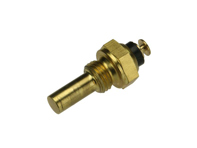
- Porsche 911 1968-1973 2.2L / 2.4L / 2.7L RS LWB (F)
- Porsche 911 1974-1977 2.7L / 1976-77 3.0 Carrera
- Porsche 911 1978-1983 3.0L / SC
- Porsche 911 1975-1977 3.0L Turbo (930)
- Porsche 914 (1970-1976)
Fits:
Porsche 911 / 912 1969-76
Porsche 911 SC SPM 1978-83
Porsche 911 Turbo 3.0L 1975-77
Porsche 914
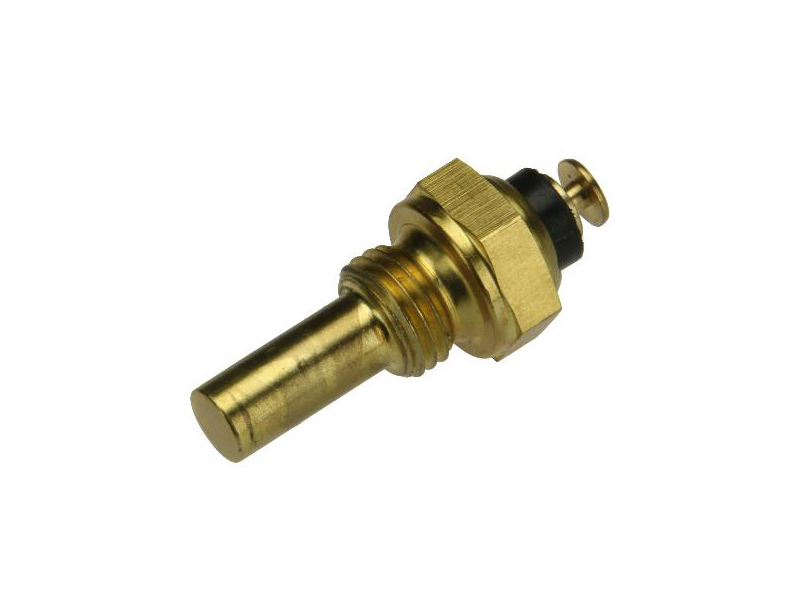
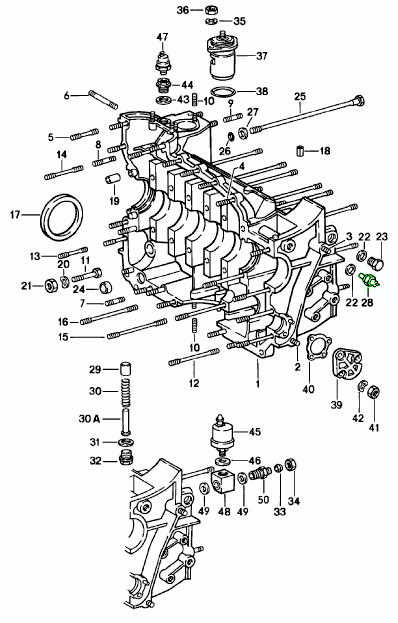
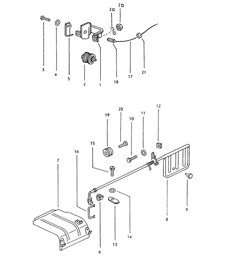
Diagram ref no 28
Related reference numbers
Related, superseded, cross reference or alternative numbers for comparison.
90164163200
The product you are viewing cross references to these numbers

OEMatch Thermostat / Temperature Sensor — Fit, Function, Confidence
Engine thermostats and temperature sensors control coolant flow and send temperature data to the engine control unit, helping to maintain correct operating temperature for Porsche models. Proper function supports warm-up, emissions control and cabin heating, and reduces the risk of avoidable engine stress. OEMatch focuses on Thermostat / Temperature Sensor-related items selected for Porsche applications.
Available Types
- Fixed-opening and temperature-controlled thermostats
- Coolant temperature sensors and senders (engine and radiator)
- Thermostat housings and integrated sender assemblies
Understanding OEMatch Thermostat / Temperature Sensor
OEM (Original Equipment Manufacturer) parts are made by the same company that produced your Porsche’s original thermostat / temperature sensor. OE (Original Equipment) refers to parts matching original specifications for the thermostat / temperature sensor and may be supplied by alternative manufacturers. Aftermarket parts offer alternative options, sometimes with enhanced features or better value. OEMatch supplies non-OEM thermostat / temperature sensor engineered as direct-fit alternatives to OEM parts, made to original-spec dimensions and tolerances for Porsche models. A thermostat opens at a specified temperature to allow coolant to circulate through the radiator, while temperature sensors measure coolant or cylinder head temperature and inform fan control, fuel mixture and emissions strategies. Both components work together to keep the engine within its designed operating window and to support reliable vehicle operation.
Benefits Include
- Stable engine operating temperature and predictable warm-up
- Accurate temperature input for ECU control and cooling fans
- Consistent cabin heating and support for emissions systems
Why Thermostat / Temperature Sensor Wear and Fail
- Thermostat valve sticking or corrosion caused by debris and old coolant
- Sensor degradation from prolonged heat exposure and contaminated coolant
- Electrical faults, corroded connectors or damaged wiring affecting readings
The Importance of Replacing with OEMatch Thermostat / Temperature Sensor
Replacing worn or faulty thermostats and sensors restores reliable temperature control and helps prevent overheating, long warm-up times and poor fuel economy. Correctly matched replacements reduce the chance of installation issues and support consistent ECU behaviour, heater performance and long-term engine condition across Porsche model ranges.
Advantages
- Direct-fit replacements engineered to match original dimensions and tolerances
- Components selected for compatibility with factory cooling circuits and mounting points
- Cost-effective alternatives that preserve fit and function for Porsche applications
Support & Advice
These items affect safety-critical systems. Installation should be carried out by a qualified technician following model-specific procedures and torque settings. Use calibrated tools and new fasteners where specified.