



Enter your VAT number here and click Verify:
Your details have been verified. VAT number registered to:
,
.
Your order will now be zero rated for VAT purposes. We reserve the right to verify these details after your order request has been made and reinstate VAT if required.
Your VAT details were not recognised or were invalid. Your VAT number must be matched to your Billing Country as specified above. This is currently specified as . You do not need to enter the country code part of your VAT number as this has already been selected in your billing address details above.
The VAT number checking service is currently offline. Please supply your VAT details within the comments or special instructions field below and we will apply a VAT discount after placing your order request.
Brake Disc Cover Plates
By OE Match

- Porsche 914 (1970-1976)
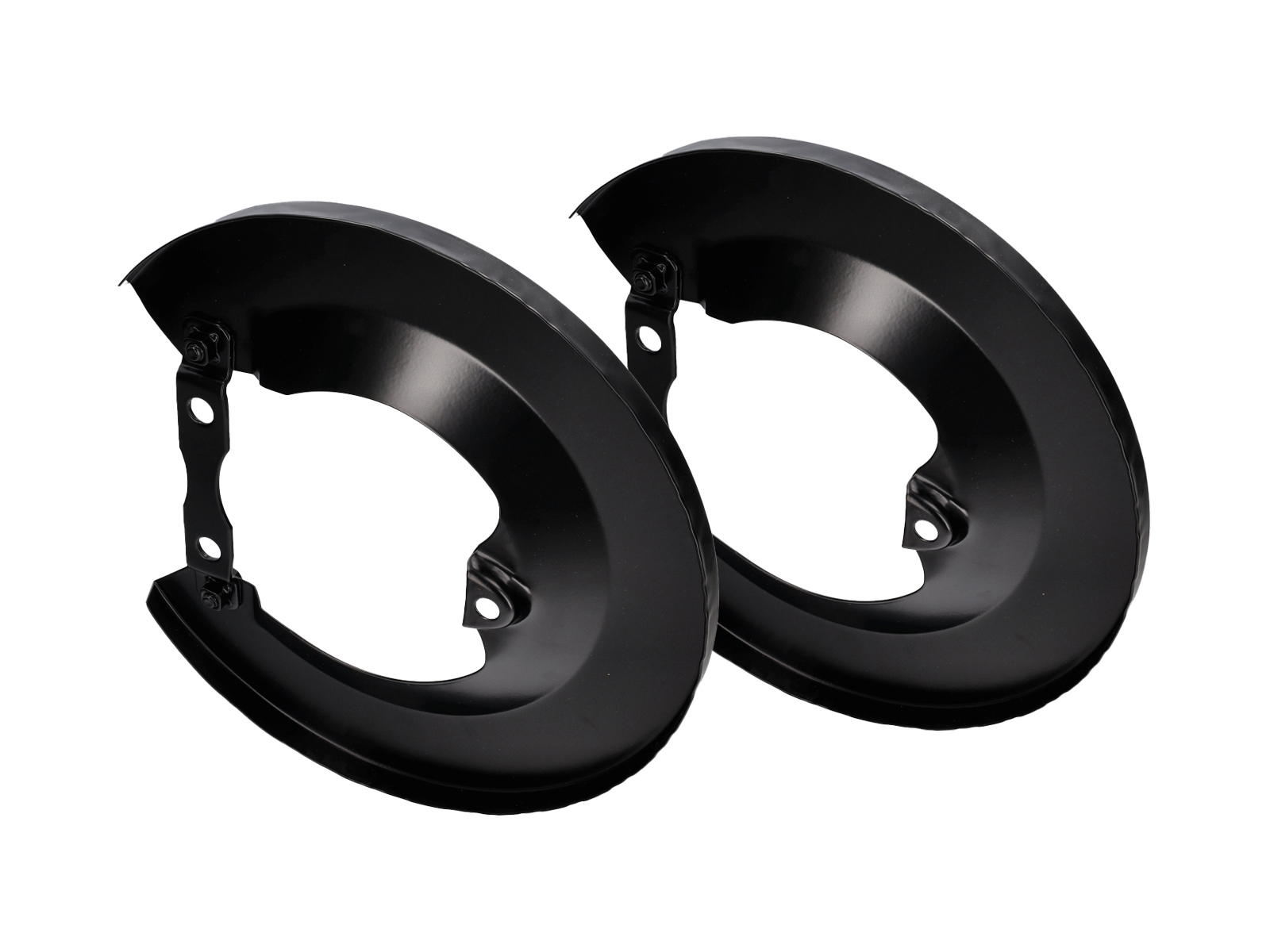
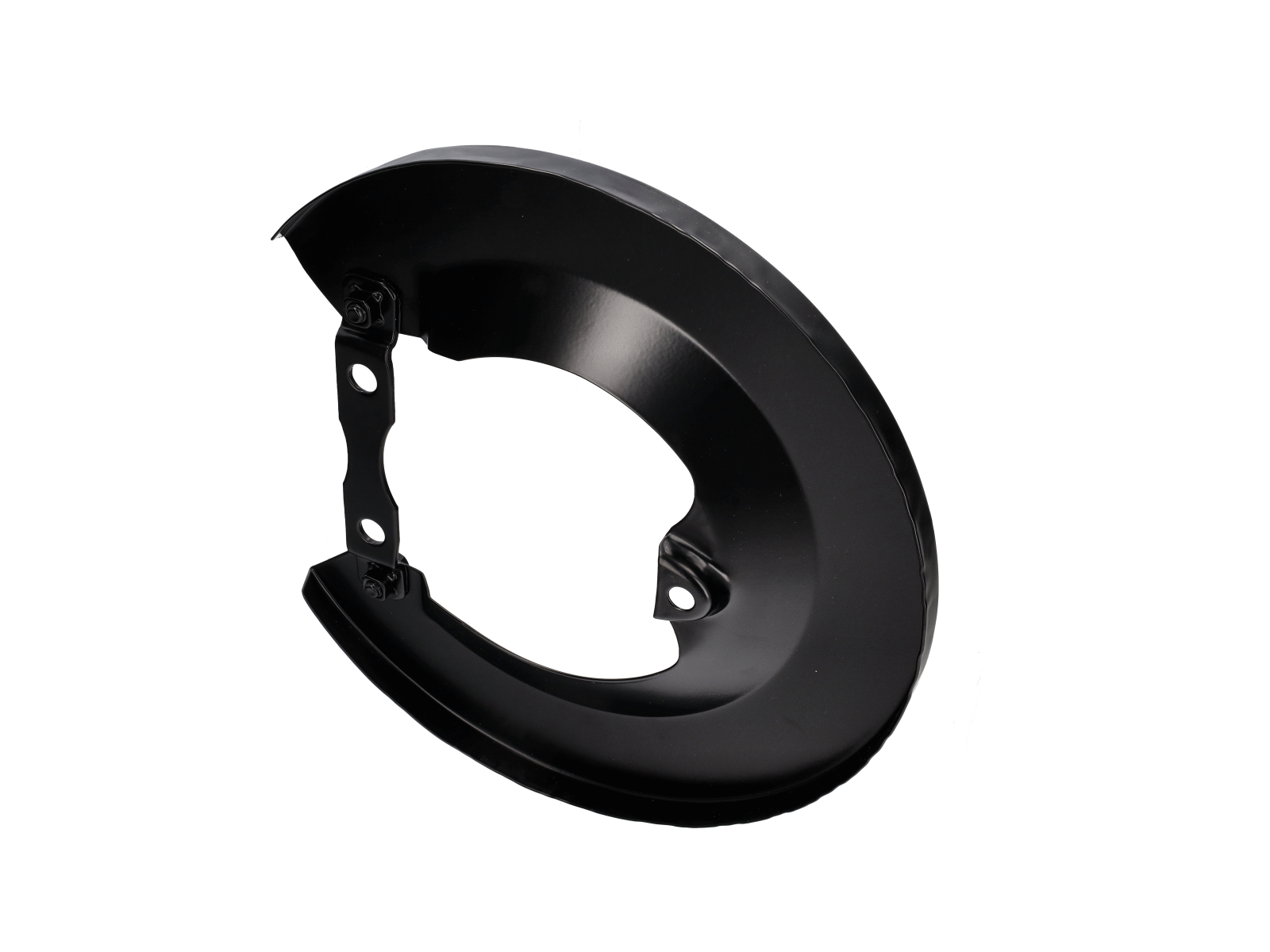
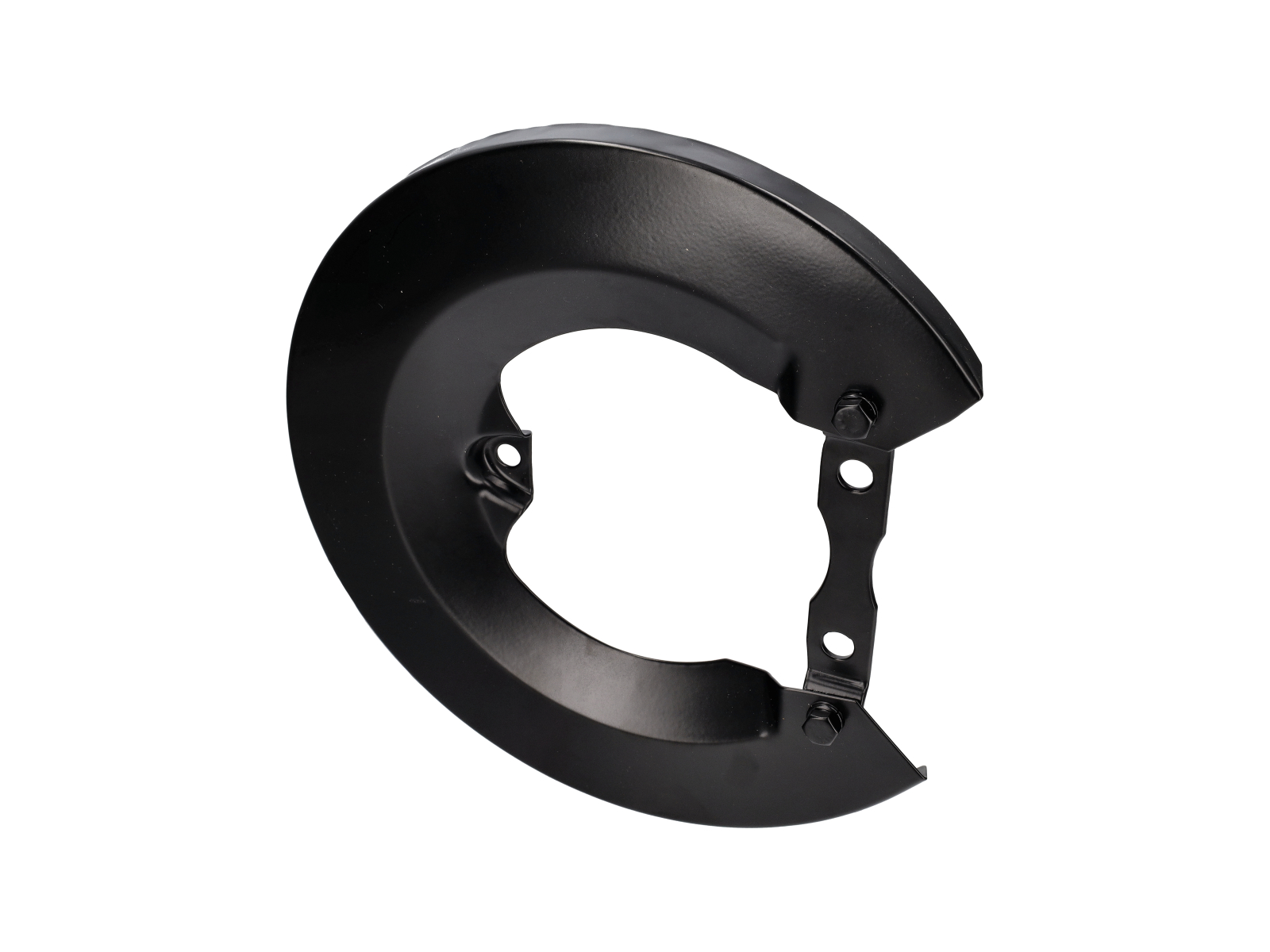
Brake disc cover plate with retaining bar and bar fixings.
SET OF 2

Porsche 914-6 - 1970 to 1976
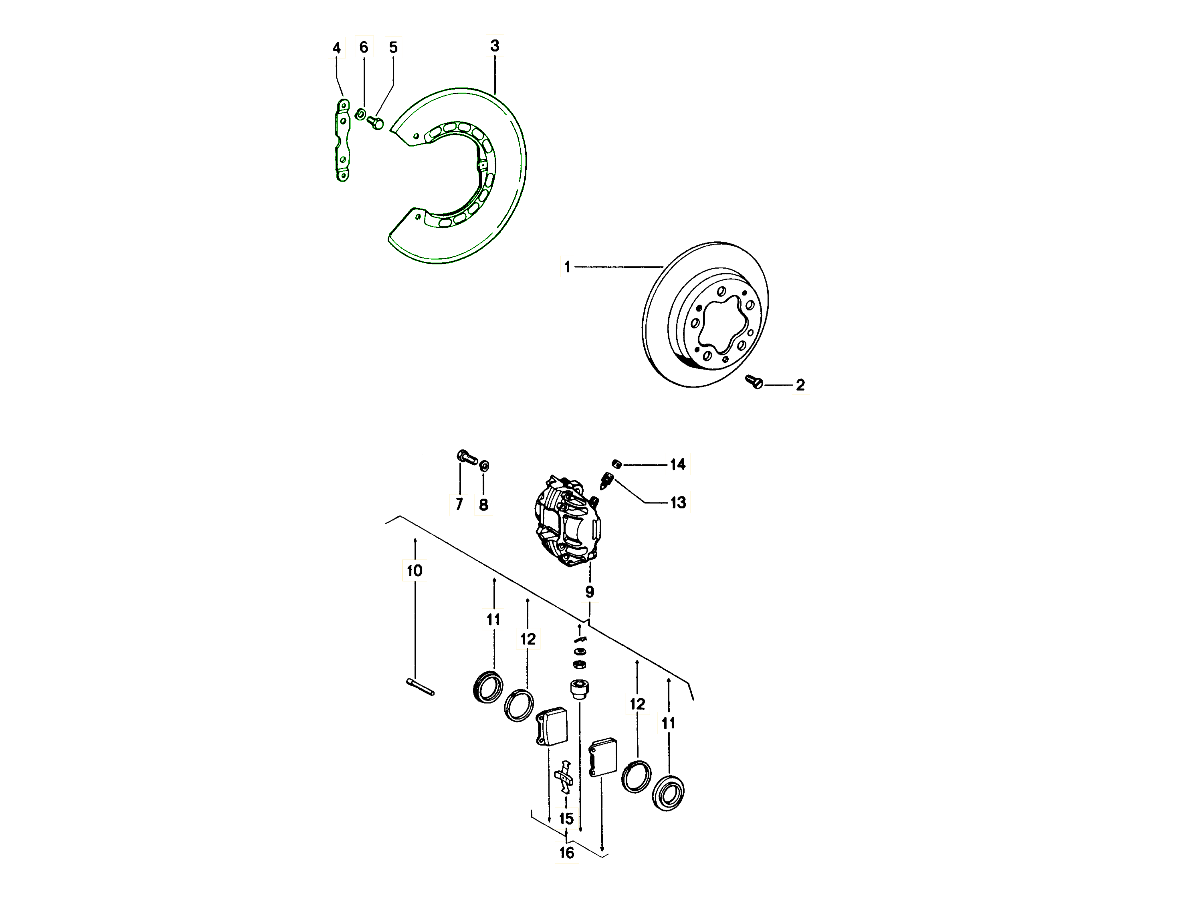
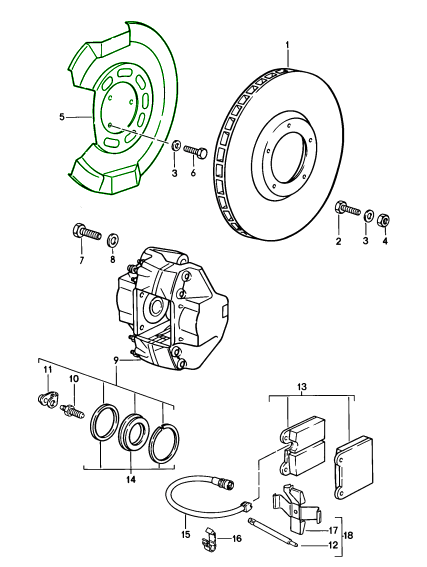
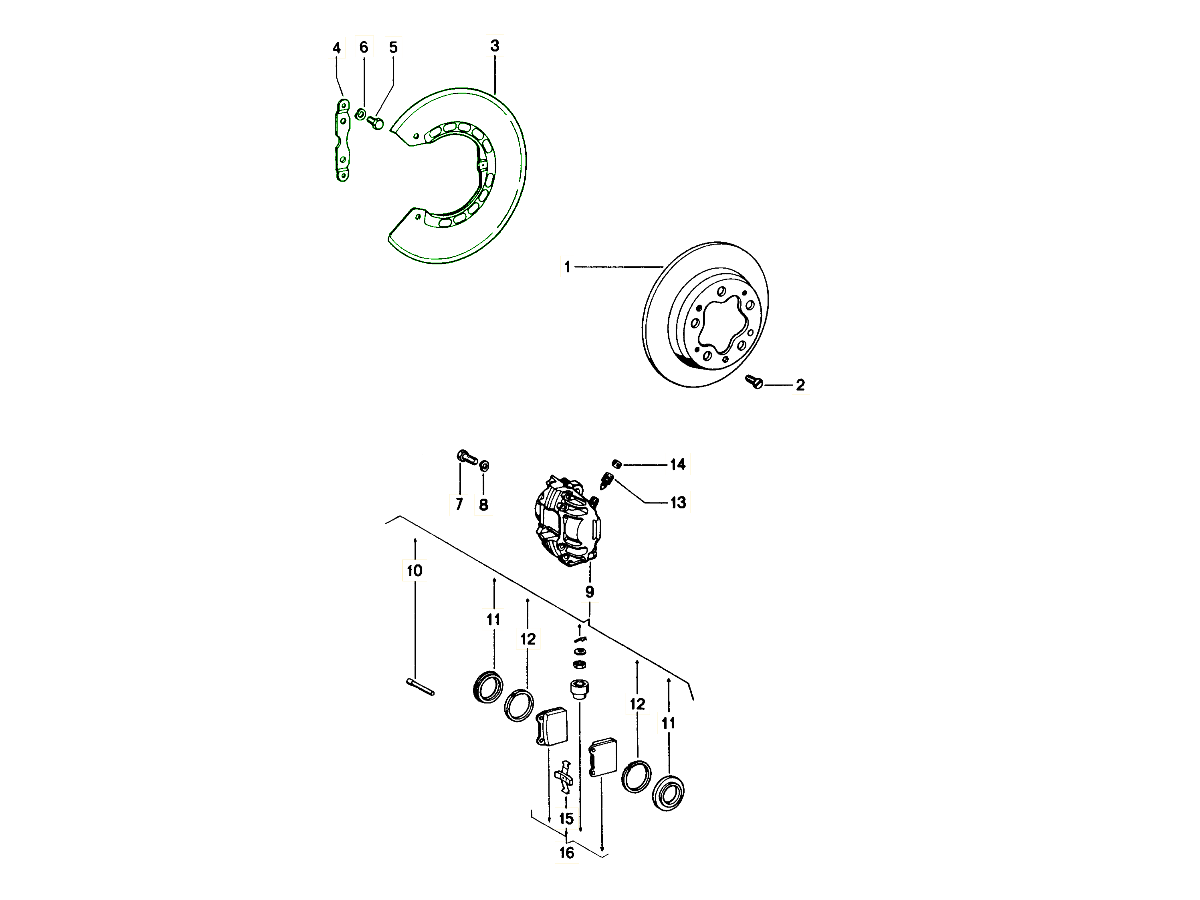
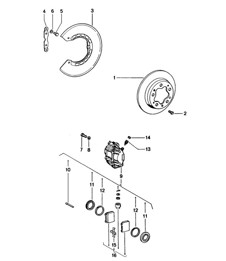
Diagram Ref No 3, 4, 5 and 6
What it does:
• Shields the rear brake discs from dirt, debris, and road spray
• Helps maintain efficient cooling and protects the rotor surfaces
Over time, the original cover plates can corrode, warpage, or suffer from broken fasteners. A replacement kit restores protection, preserves brake component integrity, and maintains that authentic appearance.
Related reference numbers
Related, superseded, cross reference or alternative numbers for comparison.
90135280121
The product you are viewing cross references to these numbers
This kit is comprised of the following items:

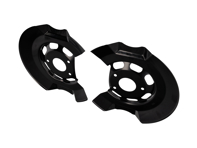
- Porsche 911 1968-1973 2.2L / 2.4L / 2.7L RS LWB (F)
- Porsche 911 1974-1977 2.7L / 1976-77 3.0 Carrera
- Porsche 911 1978-1983 3.0L / SC
- Porsche 911 1984-1986 3.2L
- Porsche 911 1987-1989 3.2L G50
- Porsche 911 1975-1977 3.0L Turbo (930)
- Porsche 914 (1970-1976)

Porsche 911 1969-89
Porsche 930 1975-77
Porsche 914-6 1970-76
Click 'Zoom in' for large parts diagram.
Diagram Ref No 5
Related reference numbers
Related, superseded, cross reference or alternative numbers for comparison.
90135180117
The product you are viewing cross references to these numbers
This kit is comprised of the following items:
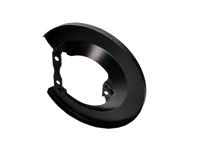
- Porsche 914 (1970-1976)
This rear brake disc cover plate kit is supplied with cover plates, a retaining bar, and mounting hardware, it restores proper underbody protection to factory standards.
Porsche 914-6 - 1970 to 1976
Diagram Ref No 3, 4, 5 and 6
What it does:
• Shields the rear brake discs from dirt, debris, and road spray
• Helps maintain efficient cooling and protects the rotor surfaces
Over time, the original cover plates can corrode, warpage, or suffer from broken fasteners. A replacement kit restores protection, preserves brake component integrity, and maintains that authentic appearance.
Related reference numbers
Related, superseded, cross reference or alternative numbers for comparison.
90135280121
The product you are viewing cross references to these numbers
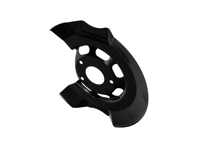
- Porsche 911 1968-1973 2.2L / 2.4L / 2.7L RS LWB (F)
- Porsche 911 1974-1977 2.7L / 1976-77 3.0 Carrera
- Porsche 911 1978-1983 3.0L / SC
- Porsche 911 1984-1986 3.2L
- Porsche 911 1987-1989 3.2L G50
- Porsche 911 1975-1977 3.0L Turbo (930)
- Porsche 914 (1970-1976)
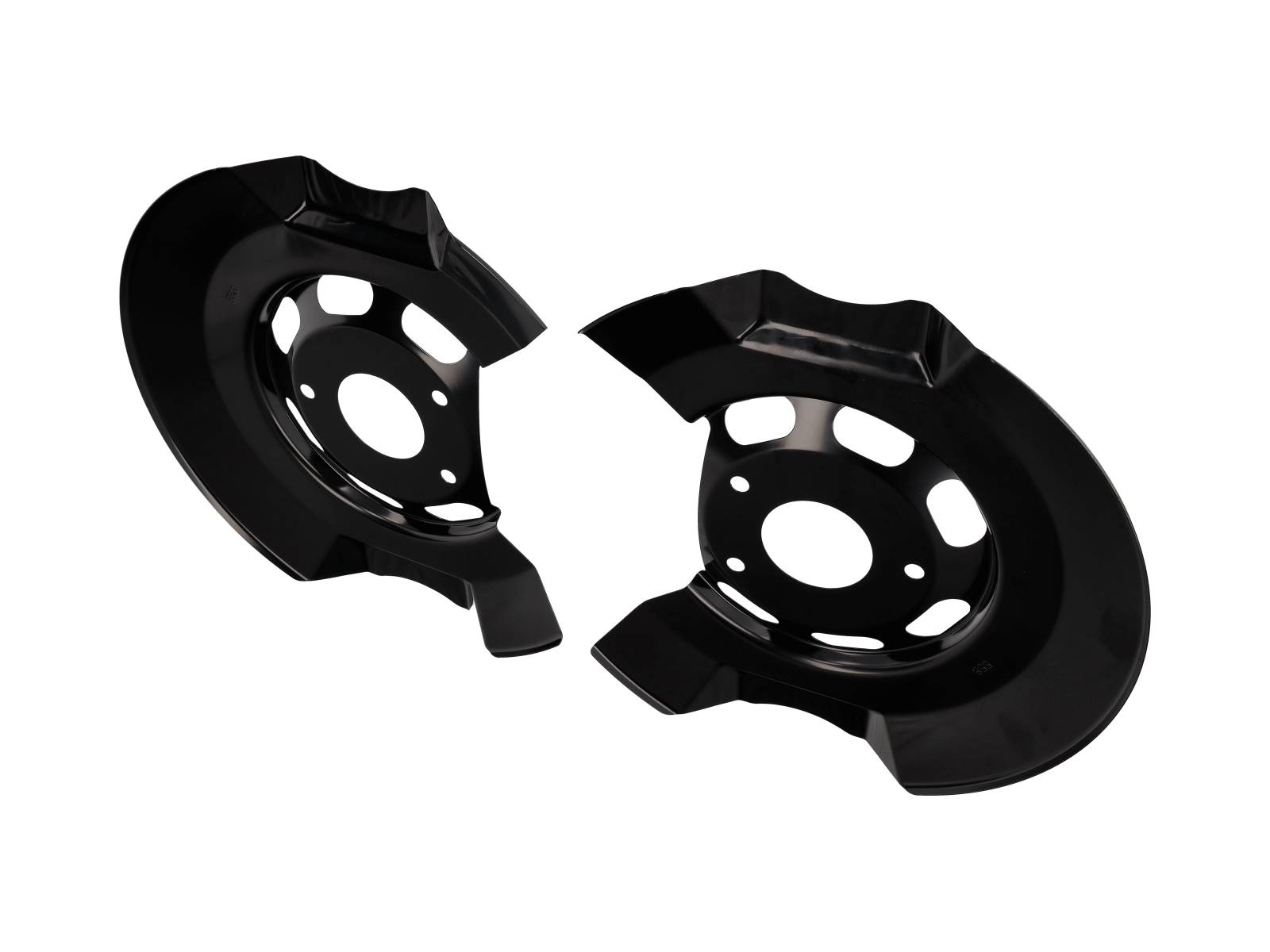
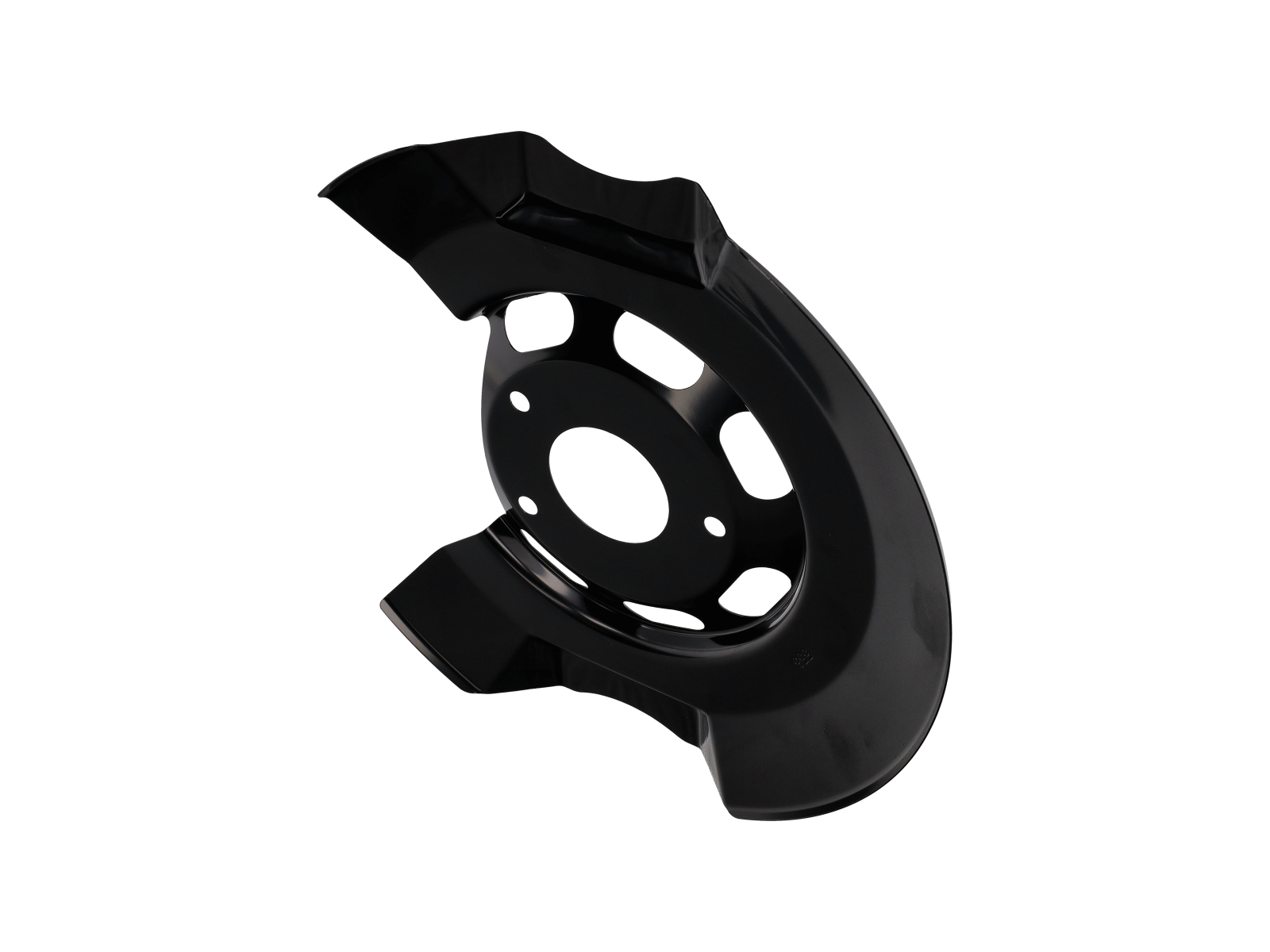
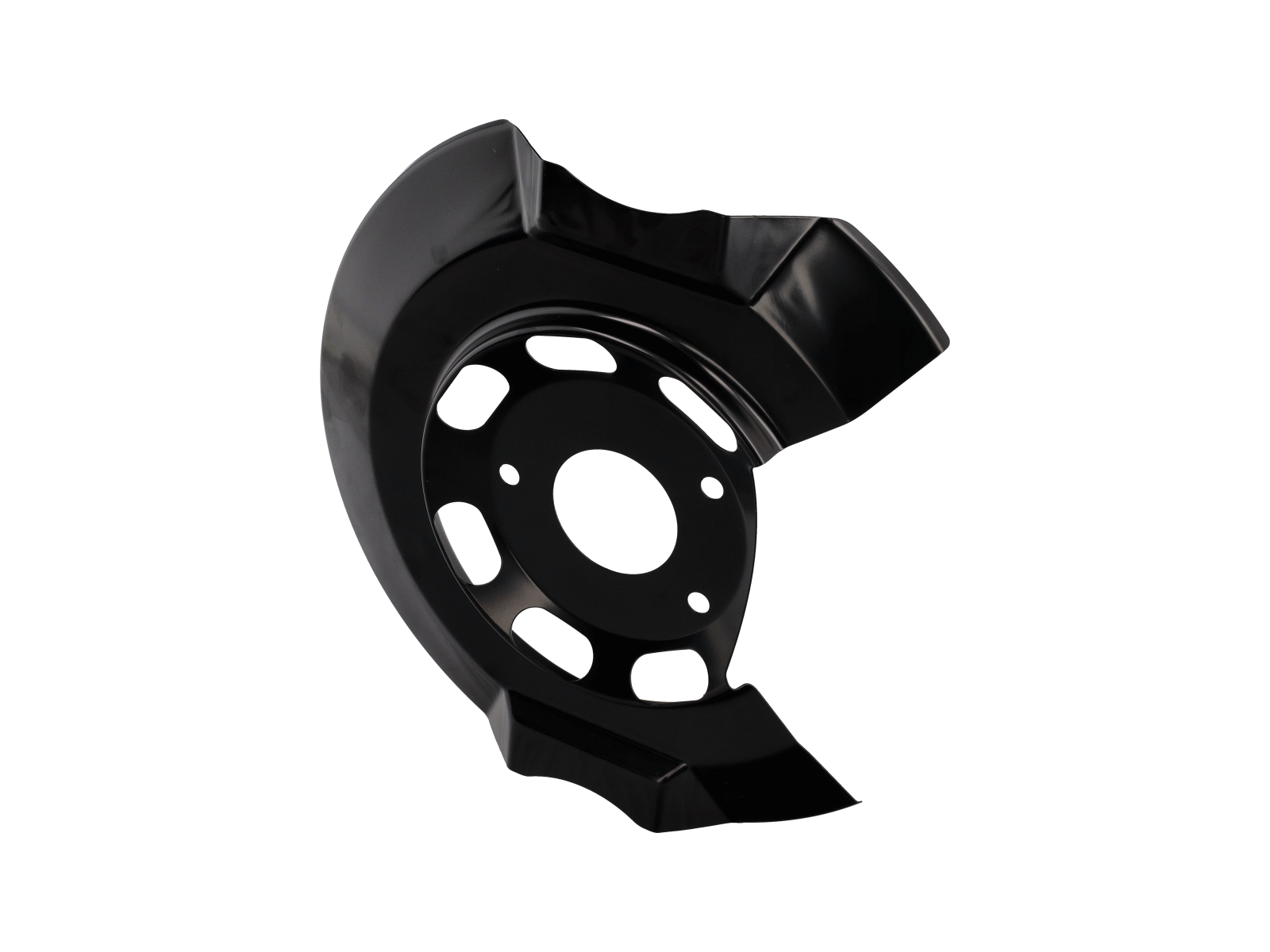
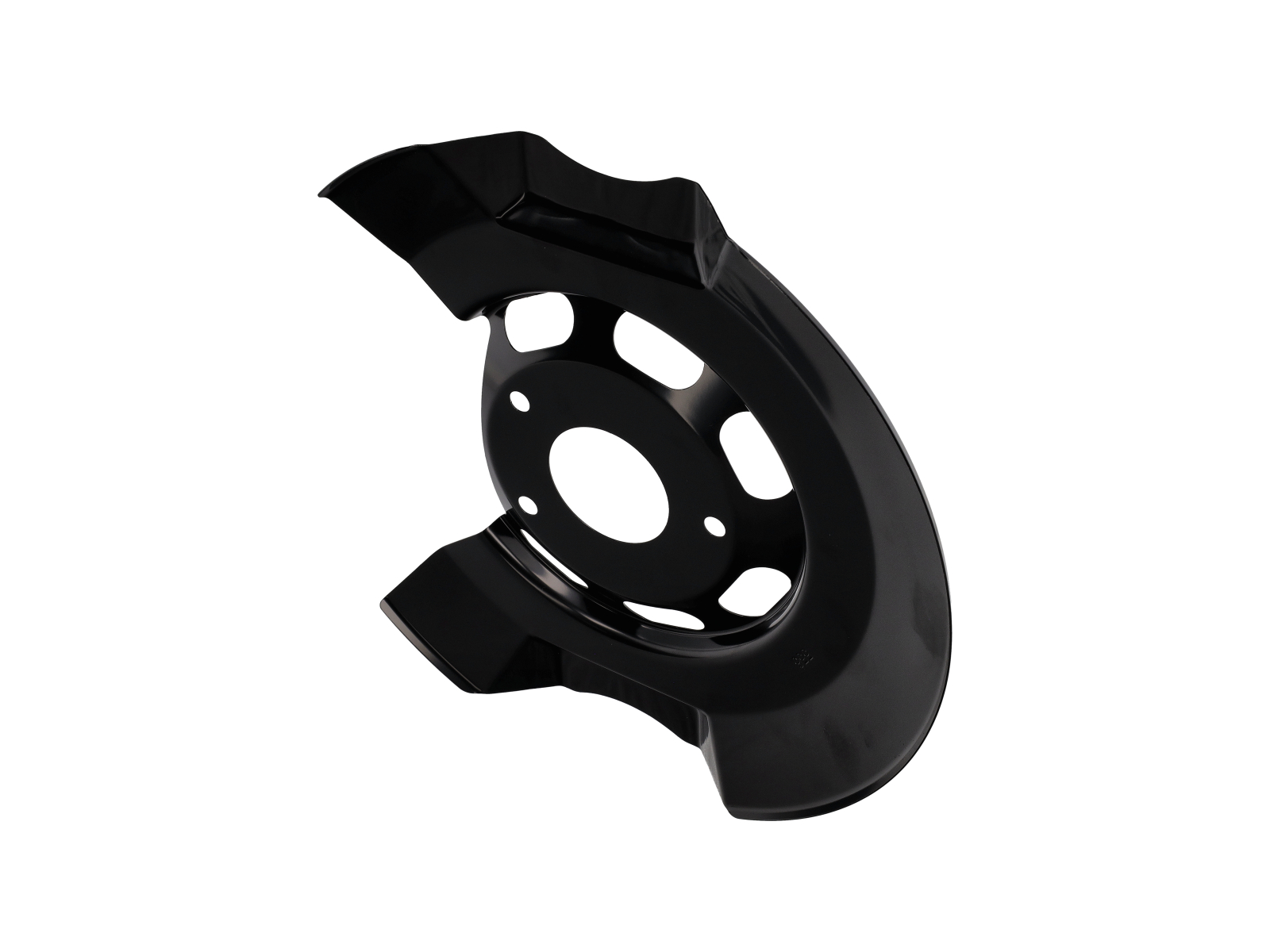
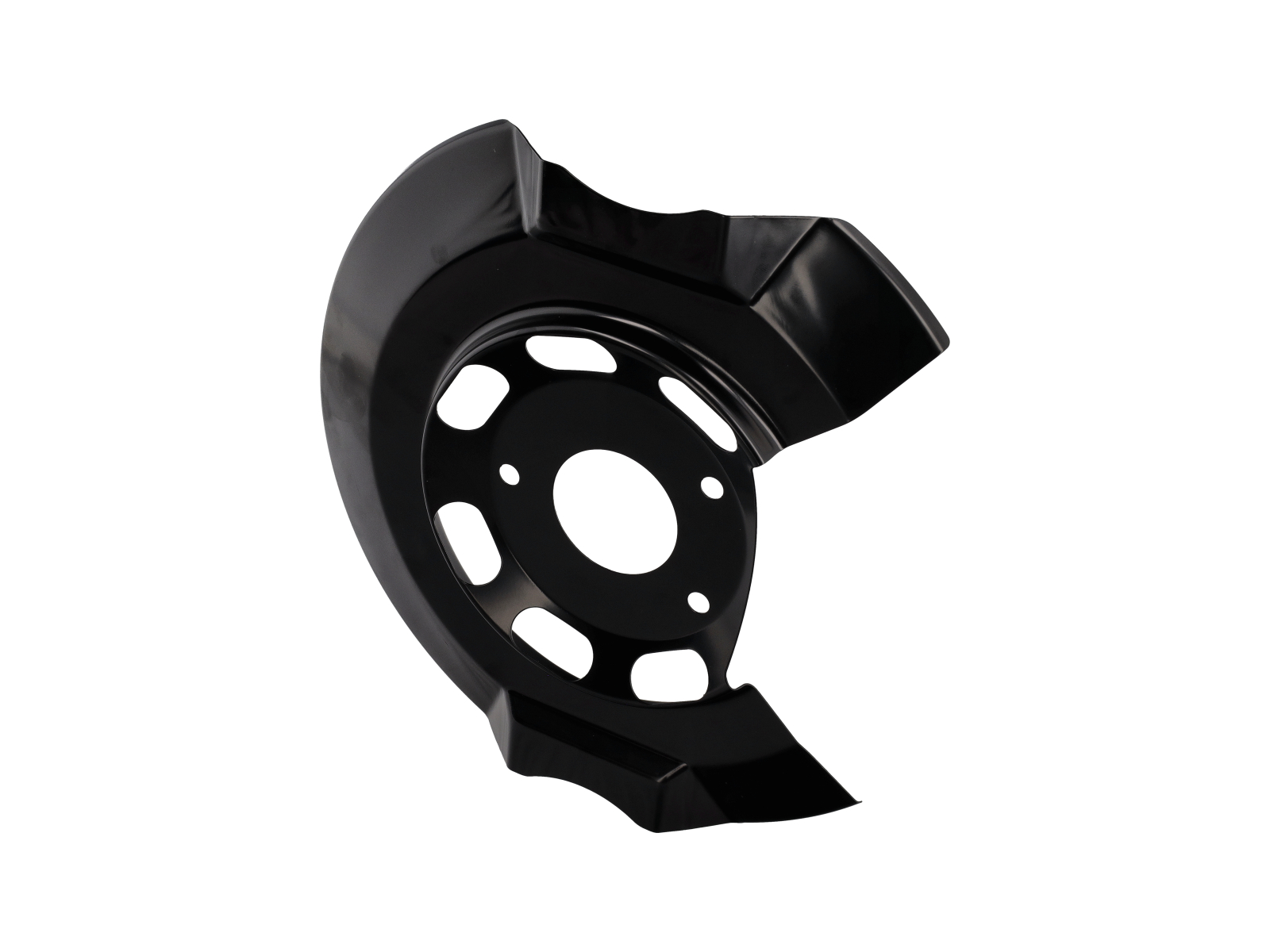
Front Brake Disc Backing Plate - fits Left or Right
Sold each - 2 required per car
Restore proper brake protection and factory-correct
appearance with this OE Match Front Brake Disc Backing Plate.
This component forms an important part of the
braking system by protecting the brake disc assembly from road debris while
helping to manage airflow around the brake components.
Fits:
- Porsche 911 1968-1973 2.2L / 2.4L / 2.7L RS LWB (F)
- Porsche 911 1974-1977 2.7L / 1976-77 3.0 Carrera
- Porsche 911 1978-1983 3.0L / SC
- Porsche 911 1984-1986 3.2L
- Porsche 911 1987-1989 3.2L G50
- Porsche 911 1975-1977 3.0L Turbo (930)
- Porsche 914 (1970-1976)
Often referred to as a brake dust shield or brake disc splash guard, the backing plate sits behind the brake disc and provides a protective barrier between the braking system and contaminants thrown up from the road. It also helps guide cooling airflow around the brake assembly, contributing to consistent braking performance.
As these plates are mounted underneath the vehicle, they are frequently exposed to moisture, road salt, stone impacts and corrosion. Replacing damaged or rusted backing plates helps maintain brake system protection while restoring the appearance of the suspension and braking assembly.
What Does a Brake Disc Backing Plate Do?
The brake disc backing plate performs several important functions within the braking system.
Its primary roles include:
- Protecting the brake disc from road debris
- Shielding brake components from dirt and water
- Helping manage brake cooling airflow
- Reducing contamination around the brake assembly
- Protecting wheel bearing components
- Supporting long-term brake system reliability
- Maintaining factory brake system design
Although often overlooked, the backing plate contributes to the overall durability and effectiveness of the braking system.
Why Do Brake Disc Backing Plates Fail?
Brake backing plates are constantly exposed to harsh operating conditions beneath the vehicle.
Common causes of failure include:
- Corrosion caused by moisture and road salt
- Stone and debris impact damage
- Accident or kerb strike damage
- Age-related deterioration
- Metal fatigue
- Improper handling during brake servicing
- Long-term environmental exposure
Over time, corrosion can weaken the plate, causing distortion, cracking or complete failure.
When Should a Brake Disc Backing Plate Be Replaced?
Brake backing plates should be inspected whenever brake discs or wheel bearings are serviced.
Common signs replacement is required include:
- Visible rust or corrosion
- Cracked or damaged plate edges
- Bent or distorted backing plates
- Contact between the plate and brake disc
- Excessive brake dust contamination
- Missing sections caused by corrosion
- Restoration or refurbishment projects
- Suspension rebuild work
If the backing plate begins rubbing against the brake disc, it should be replaced immediately to prevent noise and potential damage.
Why Replacement Matters
A damaged brake backing plate can compromise protection of the braking system and detract from the quality of a restoration.
Benefits of replacement include:
- Improved brake component protection
- Reduced contamination from road debris
- Correct brake cooling airflow management
- Improved reliability
- Restoration of factory appearance
- Prevention of brake disc contact issues
- Enhanced long-term durability
- Ideal for restoration and maintenance projects
For classic Porsche models, replacing worn backing plates helps preserve both function and originality.
Related reference numbers
Related, superseded, cross reference or alternative numbers for comparison.
90135180117
The product you are viewing cross references to these numbers
-

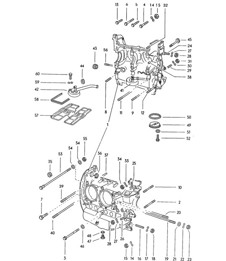
Crankcase 914 1970-76 111-005
-
Cylinder head 914 1970-76 113-000
-
Air cooling 914 1970-1976 115-000
-
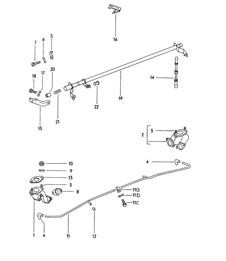
Intake connection / Intake pipe / Control shaft 914-1,8V 1970-76 117-005
-
Injection system 914-4/1,7 and 914-1,8/2,0 1970-76 117-010
-
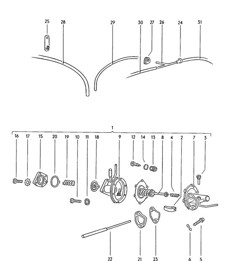
Fuel pump 914-1,8V 1970-76 201-020
-
Replacement transmission / Transmission case 914 1970-76 302-000
-
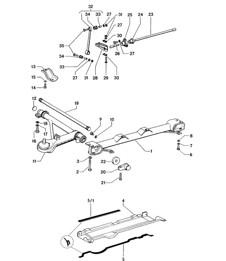
Front axle / Stabiliser 914 1970-76 401-000
-
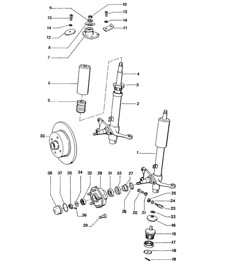
Shock absorber strut / Lubricants 914 1970-76 402-000
-
Disc brake - Front - 914 1970-76 602-000
-
Disc brake - Rear - (Model: SB) 914 1970-76 603-000
-
Engine electrics 914 1970-76 901-015
-
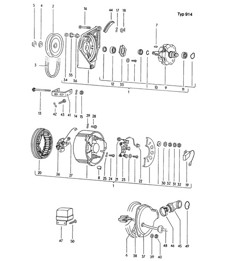
Generator / Single parts 914 1970-76 902-005






OEMatch Brake Disc Cover Plates — Stopping Power, Consistent Control
Brake disc cover plates shield brake discs and calipers from road debris, water and dust while helping to manage heat and preserve long-term braking reliability on Porsche models. OEMatch Brake Disc Cover Plates components are compatible replacements engineered to original-spec dimensions and tolerances — a practical option when genuine or OEM parts are unavailable.
Understanding OEMatch Brake Disc Cover Plates
OEM (Original Equipment Manufacturer) parts are made by the same company that produced your Porsche’s original brake disc cover plates. OE (Original Equipment) refers to parts matching original specifications for the brake disc cover plates and may be supplied by alternative manufacturers. Aftermarket parts offer alternative options, sometimes with enhanced features or better value. OEMatch supplies non-OEM brake disc cover plates engineered as direct-fit alternatives to OEM parts, made to original-spec dimensions and tolerances for Porsche models. Typical cover plates are formed from corrosion-resistant steel or aluminium and are shaped to clear caliper bodies, sensors and wheel movement. Correct profiling keeps clearance between rotating and fixed components and helps channel airflow to assist cooling under load.
Benefits Include
- Protects brake discs and calipers from road contaminants and moisture
- Helps manage heat for more consistent braking behaviour
- Reduces corrosion and contamination to support longer component life
Why Brake Disc Cover Plates Wear and Fail
- Corrosion from salt and moisture leading to material loss
- Physical damage from road debris or impact
- Heat-related warping or cracking under thermal cycling
- Bending or displacement caused by incorrect installation or impact
The Importance of Replacing with OEMatch Brake Disc Cover Plates
Replacing damaged or corroded cover plates restores essential protection to the braking system on Porsche models, preventing grit and moisture from accelerating wear of discs and calipers. Renewing these shields supports consistent brake feel, helps maintain cooling paths and reduces the risk of premature component deterioration.
Advantages
- Available in corrosion-resistant steel and aluminium finishes
- Model-specific shaping to match original clearances and mounting points
- Suitable for restoration projects and routine maintenance on Porsche vehicles
Available Types
- Stamped steel backing plates for corrosion resistance
- Pressed aluminium shields for reduced mass
- Model-specific restoration reproductions for classic Porsche applications
Support & Advice
These items affect safety-critical systems. Installation should be carried out by a qualified technician following model-specific procedures and torque settings. Use calibrated tools and new fasteners where specified.