


Enter your VAT number here and click Verify:
Your details have been verified. VAT number registered to:
,
.
Your order will now be zero rated for VAT purposes. We reserve the right to verify these details after your order request has been made and reinstate VAT if required.
Your VAT details were not recognised or were invalid. Your VAT number must be matched to your Billing Country as specified above. This is currently specified as . You do not need to enter the country code part of your VAT number as this has already been selected in your billing address details above.
The VAT number checking service is currently offline. Please supply your VAT details within the comments or special instructions field below and we will apply a VAT discount after placing your order request.
Engine Compartment Seals
By OE Match

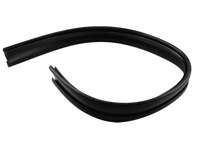

- Porsche 914 (1970-1976)
The OE Match Engine Compartment Seal is a replacement rubber seal designed for the engine bay of the Porsche 914 1.7–2.0.
Fits:- Porsche 914 (1970-1976)
Diagram Ref No 12
The seal forms part of the engine compartment sealing system, helping separate the engine bay from surrounding body areas and maintain the correct airflow path around the air-cooled engine.
Because the Porsche 914 relies heavily on controlled cooling airflow, a complete and correctly fitted engine compartment seal is important for keeping hot air, dirt and debris from circulating where they should not.
This OE Match replacement is ideal for restoring an original seal that has become hardened, cracked, shrunken, damaged or missing through age.
What This Product Does:
The engine compartment seal helps create a controlled environment around the engine.
Its main functions include:
- Sealing gaps around the engine compartment
- Helping direct cooling air correctly
- Reducing recirculation of hot air around the engine
- Helping keep dirt, dust and road debris out of the engine bay
- Limiting moisture intrusion
- Supporting correct engine temperature management
- Helping protect surrounding wiring, hoses and components
- Maintaining the original factory-style engine bay sealing arrangement
On an air-cooled Porsche, correct airflow is particularly important because cooling performance depends on directing air through the intended cooling path rather than allowing hot air to circulate back into the engine compartment.
Symptoms Of Wear Or Failure:
Engine compartment seals deteriorate naturally through age, heat, oil vapour and repeated compression.
Common signs that replacement may be required include:
- Rubber becoming hard or brittle
- Cracks or splits in the seal
- Sections breaking away
- Seal shrinking and leaving visible gaps
- Loss of flexibility or elasticity
- Flattened or permanently compressed rubber
- Seal no longer sitting securely in position
- Missing sections of the original seal
- Increased dirt or debris entering the engine bay
- Visible gaps around the engine compartment
- Hot air being able to recirculate around the engine
- Deterioration found during engine removal or restoration
Even if an old seal appears complete, decades of heat exposure may have reduced its ability to seal effectively. Design911 notes that engine-bay seals commonly degrade from heat, oil vapour, compression fatigue and general ageing.
Why Replacement Matters:
- A damaged or incomplete engine compartment seal can allow hot air to recirculate into areas intended to receive cooler airflow.
- On an air-cooled Porsche 914, this can reduce the effectiveness of the engine's cooling arrangement and make temperature control less efficient.
- Gaps in the seal can also allow more dirt, moisture and road contamination into the engine compartment, increasing contamination around electrical connections, hoses and other components.
- Replacing a hardened, cracked or missing seal helps restore the original airflow path and creates a more complete barrier around the engine compartment.
- It is particularly worthwhile during engine removal, rebuilding or restoration, when access to the sealing areas is easier and ageing rubber components can be renewed as part of the overall refurbishment.
Related reference numbers
Related, superseded, cross reference or alternative numbers for comparison.
91450415510
The product you are viewing cross references to these numbers

- Porsche 914 (1970-1976)
Fits:
Porsche 914 - 1970 to 1976
Click 'Zoom in' for large parts diagram.
Diagram ref no 15
Related reference numbers
Related, superseded, cross reference or alternative numbers for comparison.
91451231910
The product you are viewing cross references to these numbers


OEMatch Engine Compartment Seals — Durability, Sealing, Performance
OEMatch engine compartment seals restore and maintain sealing, airflow control and component protection for Porsche models. They are suitable for restoration projects, routine maintenance and engine rebuilds, helping to keep wiring, hoses and bodywork free from moisture, dust and debris.
Understanding OEMatch Engine Compartment Seals
OEM (Original Equipment Manufacturer) parts are made by the same company that produced your Porsche’s original engine compartment seals.
OE (Original Equipment) refers to parts matching original specifications for the engine compartment seals and may be supplied by alternative manufacturers. Aftermarket parts offer alternative options, sometimes with enhanced features or better value. OEMatch supplies non-OEM engine compartment seals engineered as direct-fit alternatives to OEM parts, made to original-spec dimensions and tolerances for Porsche models.
Engine compartment seals sit between body panels and the engine bay to control airflow, retain cooling efficiency and exclude contaminants. Typical materials include EPDM and neoprene rubber chosen for heat and weather resistance. Correctly fitted seals reduce heat transfer to adjacent panels, limit ingress of water and grit, and protect electrical connectors, sensors and hoses from premature wear.
Available Types
- Edge seals and weatherstrips for engine bay perimeters
- Cooling bay seals and duct seals to guide airflow
- Rear engine bay perimeter seals and scuttle seals
Benefits Include
- Restores correct cooling airflow and engine bay thermal balance
- Prevents moisture, dust and debris from reaching sensitive components
- Protects wiring, hoses and sensor connections from contamination
Why Engine Compartment Seals Wear and Fail
- Heat exposure causing hardening, cracking or loss of elasticity
- Chemical attack from oil, fuels or cleaning fluids
- Compression fatigue and abrasion from vibration or misalignment
The Importance of Replacing with OEMatch Engine Compartment Seals
OEMatch Engine Compartment Seals components are compatible replacements engineered to original-spec dimensions and tolerances — a practical option when genuine or OEM parts are unavailable. Replacing degraded seals restores airflow control, reduces corrosion risk and prevents overheating or electrical faults that can follow prolonged exposure to moisture and debris.
Advantages
- Designed as direct-fit alternatives to original parts for straightforward installation
- Available in materials selected for heat, oil and weather resistance
- Suitable for classic restorations and modern maintenance tasks
Support & Advice
Fitting can appear straightforward but may require specific procedures such as correct positioning, sealing detail and careful reassembly to avoid panel damage. If you lack the right tools or experience, or if the vehicle includes hidden fasteners or sensors, seek professional installation. Recheck fasteners and seal compression after initial use.


