

Enter your VAT number here and click Verify:
Your details have been verified. VAT number registered to:
,
.
Your order will now be zero rated for VAT purposes. We reserve the right to verify these details after your order request has been made and reinstate VAT if required.
Your VAT details were not recognised or were invalid. Your VAT number must be matched to your Billing Country as specified above. This is currently specified as . You do not need to enter the country code part of your VAT number as this has already been selected in your billing address details above.
The VAT number checking service is currently offline. Please supply your VAT details within the comments or special instructions field below and we will apply a VAT discount after placing your order request.
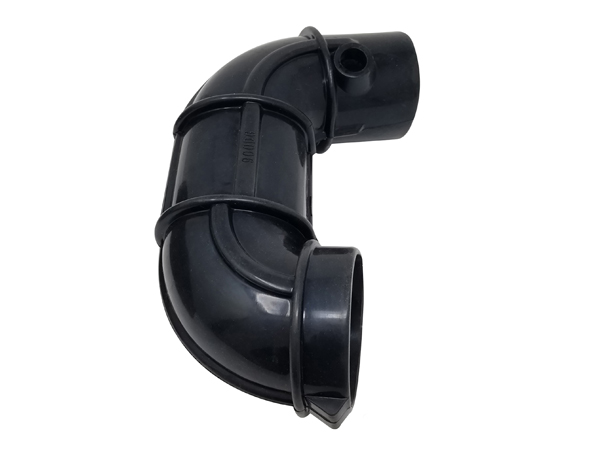
Air Intake Boot
By OE Match



- Porsche 914 (1970-1976)
Fits:
Porsche 914-4 1.7L
Click 'Zoom in' for large parts diagram.
Diagram ref no 1
Related reference numbers
Related, superseded, cross reference or alternative numbers for comparison.
022129967P
The product you are viewing cross references to these numbers
- Porsche 914 (1970-1976)
Air intake elbow hose by OE Match for the Porsche 914-4 1.7L US Spec. This moulded intake component connects the air box to the throttle body and replaces an ageing, cracked or poorly sealing hose.
Fits
- Porsche 914-4 1.7L US Spec
What This Product Does
The elbow carries filtered intake air between the air cleaner assembly and throttle body. An intact hose helps maintain a sealed intake path, reducing the risk of unmetered air entering the engine and disturbing the air–fuel mixture.
Functions
- Connects the air box to the throttle body
- Provides a sealed path for filtered intake air
- Accommodates the angled routing between intake components
- Helps prevent air leaks within the intake tract
- Supports consistent idle and throttle operation
Technical Details
- Product type: moulded air intake elbow hose
- Location: between the air box and throttle body
- Reference number: 022129967L
- Application: Porsche 914-4 with 1.7L US-specification engine
- Visible cracking or splitting when the hose is flexed
- Rough, hunting or unstable idle
- Hissing or whistling from the intake system
- Hesitation during acceleration
- Stalling or difficult low-speed running
- Lean mixture or intermittent misfire symptoms
- Loose clamps or poor sealing at the connections
Why Replacement Matters
Repeated heat cycles, vibration and age can harden the original hose or open cracks around its bends and connection points. Replacing a leaking elbow restores the sealed passage between the air box and throttle body. Inspect the adjoining clamps and fittings during installation, as distorted or corroded hardware may prevent the new hose from sealing correctly.
FAQs
- How can a damaged intake elbow be identified?
Inspect the hose while gently flexing it, paying particular attention to the folds, bends and clamping surfaces. A smoke test can reveal leaks that are difficult to see. - Can a split hose cause poor running?
Yes. Air entering through a crack may upset the intended air–fuel mixture, particularly at idle and low engine load. - Should the clamps also be replaced?
Renew clamps that are corroded, distorted or unable to apply even pressure around the hose connections.
Related reference numbers
Related, superseded, cross reference or alternative numbers for comparison.
022129967L
The product you are viewing cross references to these numbers

OEMatch Air Intake Boot — Durability, Sealing, Performance
OEMatch air intake boots for Porsche models connect the air filter housing to the throttle body or intake manifold and preserve controlled airflow and sealing. Properly functioning boots help prevent unmetered air entering the engine, supporting stable idle, consistent power delivery and efficient combustion across many Porsche engine layouts.
Available Types
- Rubber bellows and corrugated inlet boots
- Silicone elbows and couplers
- Replacement inlet hoses with integrated mounting points
Understanding OEMatch Air Intake Boot
OEM (Original Equipment Manufacturer) parts are made by the same company that produced your Porsche’s original air intake boot.
OE (Original Equipment) refers to parts matching original specifications for the air intake boot and may be supplied by alternative manufacturers. Aftermarket parts offer alternative options, sometimes with enhanced features or better value. OEMatch supplies non-OEM air intake boots engineered as direct-fit alternatives to OEM parts, made to original-spec dimensions and tolerances for Porsche models.
Air intake boots form a flexible, heat-resistant link between the airbox and engine, sealing the pathway used by metered air. They protect sensors such as the MAF from contamination and help preserve the calibrated air-fuel mixture required for smooth idling and responsive throttle behaviour. Boots must withstand heat, oil exposure and vibration while retaining clamp locations and mounting points designed for Porsche engine bays.
Benefits Include
- Restores airtight sealing for accurate air-fuel ratio control
- Protects MAF and other intake sensors from dirt and oil
- Improves throttle response and reduces hesitation
Why Air Intake Boot Wear and Fail
- Heat and age cause cracking or hardening of rubber sections
- Oil contamination can soften and degrade the material
- Loose clamps, damaged fittings or excessive engine movement create leaks
The Importance of Replacing with OEMatch Air Intake Boot
A leaking or damaged boot allows unmetered air into the intake, upsetting the air-fuel balance and potentially triggering faults or drivability issues. Replacing a failed boot restores correct airflow, reduces the risk of misfires and helps maintain fuel efficiency and long-term engine reliability when components are installed to the correct orientation and securement.
Advantages
- Constructed from heat- and oil-resistant rubber or silicone compounds
- Designed for correct mounting positions and clamp interfaces
- Offered as an application-focused alternative to help maintain Porsche engine function
Support & Advice
These items affect engine air management and installation should be carried out by a qualified technician following model-specific procedures and torque settings. If you plan DIY work, use appropriate clamps, confirm correct routing and inspect adjacent sensors and housings for damage before final assembly.