



Enter your VAT number here and click Verify:
Your details have been verified. VAT number registered to:
,
.
Your order will now be zero rated for VAT purposes. We reserve the right to verify these details after your order request has been made and reinstate VAT if required.
Your VAT details were not recognised or were invalid. Your VAT number must be matched to your Billing Country as specified above. This is currently specified as . You do not need to enter the country code part of your VAT number as this has already been selected in your billing address details above.
The VAT number checking service is currently offline. Please supply your VAT details within the comments or special instructions field below and we will apply a VAT discount after placing your order request.
Fuel Expansion Tank
By OE Match


- Porsche 911 1965-1968 2.0L / 912 SWB (F)
- Porsche 911 1968-1973 2.2L / 2.4L / 2.7L RS LWB (F)
- Porsche 911 1974-1977 2.7L / 1976-77 3.0 Carrera
- Porsche 356 1950-55
- Porsche 356A 1955-59
- Porsche 356B 1959-63
- Porsche 356C 1963-65
- Porsche 914 (1970-1976)
- Porsche 912E 4CYL 1976
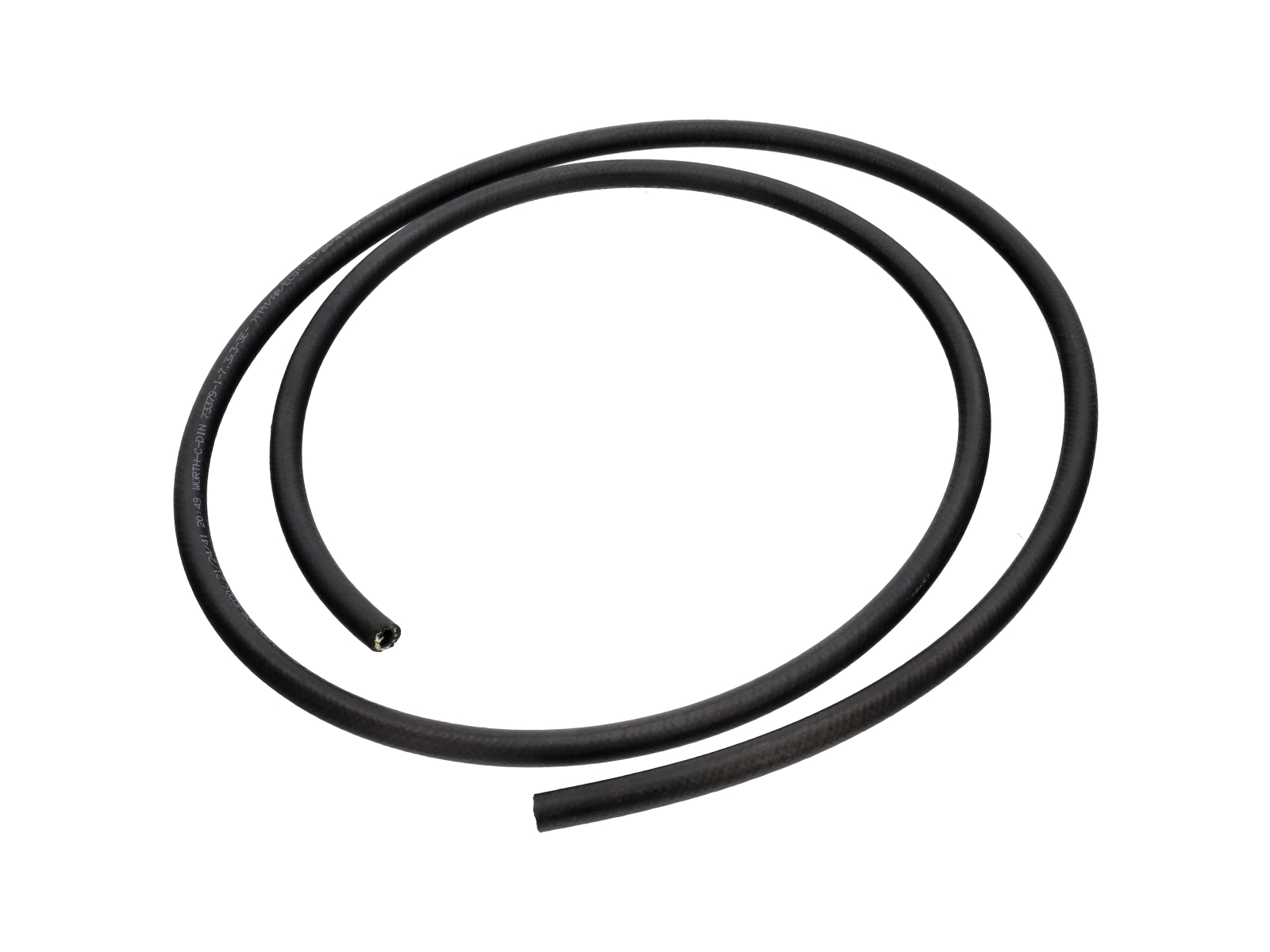
Braided Fuel Hose (Sold by the Metre) - 7.3mm Internal Diameter / 13.5mm Outer Diameter.
This high-quality braided fuel hose is designed for multiple uses within the fuel system of various vehicles. It offers extremely low fuel permeability, excellent heat resistance, and high flexibility, making it a reliable choice for demanding applications.
Fits:
Porsche 356 1950-65
Porsche 911 Carrera 1965-1977
Porsche 912 1967-69
Porsche 914 1970-76
Comparable to Porsche part number(s): 99918003050 & 9991800305A
Specifications:
Inner Diameter (ID): 7.3mm
Outer Diameter (OD): 13.5mm
Material: FPM/ECO/AR/ECO (Type 3E) – Compliant with DIN 73379-1
Complies With: EU End-of-Life Vehicles Directive
NOTE: This product is not suitable for use in fuel tanks, or for gear and/or engine oils. Always follow the manufacturer's specifications regarding operating temperatures, especially for high-performance engines exposed to extreme heat.
Related reference numbers
Related, superseded, cross reference or alternative numbers for comparison.
9991800305A
The product you are viewing cross references to these numbers
-

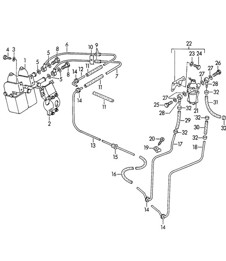
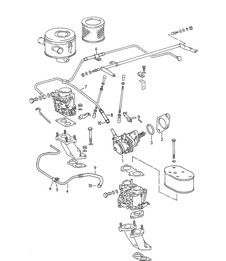
Carburettor / SOLEX 32PBJ / SOLEX 40PJCB / And Fuel supply line / Fuel pump 356 1950-55 107-000
-
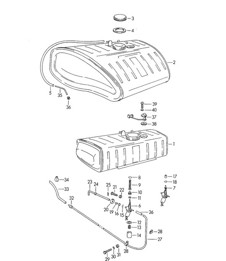
Fuel pump - AUTOPULSE 500 - Electric with Lines (Model: CARRERA, 1500 GS/GT) 356, 356A 1950-1959 107-045
-
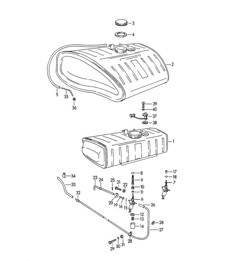
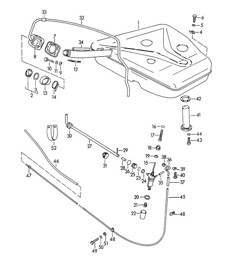
Fuel tank 356, 356A 1950-1959 201-000
-
Carburettor and Fuel supply line (Model: CARRERA, 587/1/2) 356B / 356C 1960-1965 107-003
-
Carburettor and Fuel supply line (Model: CARRERA, 692/3/3A) 356B / 356C 1960-1965 107-004
-
Fuel pump and Fuel line (Model: 1600, 1600 S, 1600 S90) 356B / 356C 1960-1965 107-005
-
Fuel pump and Fuel line (Model: CARRERA, 692/3/3A, 587/1/2) 356B / 356C 1960-1965 107-007
-
Fuel tank 356 B-T5 1960-1965 201-000
-
Fuel tank 356B-T6 / 356C 1960-1965 201-005
-
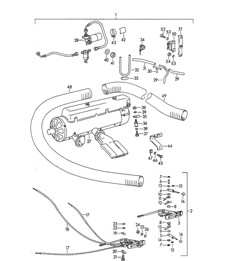
Heater - EBERSPAECHER - BN 4 - 356B / 356C 1960-65 813-015




OEMatch Fuel Expansion Tank — Fit, Function, Confidence
OEMatch Fuel Expansion Tank components are compatible replacements engineered to original-spec dimensions and tolerances — a practical option when genuine or OEM parts are unavailable. These tanks manage pressure and vapour in Porsche fuel systems, providing a controlled area for fuel and vapour as temperature and pressure change and supporting EVAP monitoring on many models. Suitable for both modern and classic Porsche vehicles, they help reduce fuel odour, avoid tank deformation and support reliable starting and running when a tank or vent part becomes faulty.
Available Types
- Standard replacement tanks for modern Porsche models
- Classic-style tanks suited to earlier Porsche vehicles and restorations
- Replacement vent valves, seals and repair spares
Understanding OEMatch Fuel Expansion Tank
OEM (Original Equipment Manufacturer) parts are made by the same company that produced your Porsche’s original fuel expansion tank.
OE (Original Equipment) refers to parts matching original specifications for the fuel expansion tank and may be supplied by alternative manufacturers. Aftermarket parts offer alternative options, sometimes with enhanced features or better value. OEMatch supplies non-OEM fuel expansion tanks engineered as direct-fit alternatives to OEM parts, made to original-spec dimensions and tolerances for Porsche models.
A fuel expansion tank provides a controlled area for vapour and excess liquid when fuel temperature or pressure changes, preventing vapour lock, odour and tank distortion. OEMatch catalogs over 4,000 part numbers with more than 8,700 OE cross-references and is continually developing items to support maintenance across Porsche generations.
Benefits Include
- Restores correct pressure balance and venting within the fuel system
- Helps prevent fuel odour and vapour leaks
- Supports EVAP monitoring and emission controls
- Uses fuel-resistant materials to resist heat and vapour exposure
Why Fuel Expansion Tank Wear and Fail
- Cracking or warping due to repeated heat and vapour cycles
- Deterioration of plastic or rubber seals with age and fuel exposure
- Blocked or faulty vent valves and lines causing excess internal pressure
- Corrosion or contamination in older systems and accidental damage during service
The Importance of Replacing with OEMatch Fuel Expansion Tank
Replacing a degraded or leaking expansion tank preserves correct venting and pressure control so the fuel system operates as intended. For Porsche models this reduction in vapour loss and pressure variance helps maintain consistent starting behaviour, avoids tank deformation and reduces the likelihood of EVAP-related fault codes. Choosing a replacement designed for Porsche applications supports straightforward installation and ongoing system reliability.
Advantages
- Materials chosen to withstand fuel exposure and heat cycles
- Designs that reflect original venting and pressure characteristics for Porsche systems
- Available spares for repairs, reducing the need for full-tank replacement
Support & Advice
Fitting can appear straightforward but may require procedures such as correct torque settings and careful routing of hoses. If you lack the correct tools or model-specific knowledge, we recommend professional installation. Recheck fasteners and connections after initial running and observe for any diagnostic codes or fuel odours.