

Enter your VAT number here and click Verify:
Your details have been verified. VAT number registered to:
,
.
Your order will now be zero rated for VAT purposes. We reserve the right to verify these details after your order request has been made and reinstate VAT if required.
Your VAT details were not recognised or were invalid. Your VAT number must be matched to your Billing Country as specified above. This is currently specified as . You do not need to enter the country code part of your VAT number as this has already been selected in your billing address details above.
The VAT number checking service is currently offline. Please supply your VAT details within the comments or special instructions field below and we will apply a VAT discount after placing your order request.
Speed / Reference / Knock Sensors
By OE Match

- Porsche 911 1984-1986 3.2L
- Porsche 911 1987-1989 3.2L G50
- Porsche 911 1978-1989 3.3L Turbo (930)
also known are Engine Crankshaft Position Sensor
The engine crankshaft position sensor (CPS) is a critical component that monitors the crankshaft’s position and rotational speed. It sends this data to the engine control unit (ECU), allowing precise control of fuel injection, ignition timing, and other key engine functions. Without accurate input from the CPS, the ECU cannot properly synchronize spark or fuel delivery—leading to poor performance or even a no-start condition.
Crankshaft sensors typically use magnetic or Hall-effect technology:
Magnetic sensors generate a signal with a coil and magnet as the crankshaft rotates.
Hall-effect sensors detect changes in the magnetic field using a semiconductor for highly accurate readings.
Depending on the engine design, the CPS is usually located near the crankshaft pulley, harmonic balancer, flywheel, or transmission. It reads notches or teeth on a tone wheel to create a signal the ECU can interpret.
Over time, heat, vibration, and contaminants (oil, dirt, or metal shavings) can cause the sensor to fail. When this happens, common symptoms include engine stalling, rough idling, misfires, or a no-start condition.
Fits:- Porsche 911 1984-1986 3.2L
- Porsche 911 1987-1989 3.2L G50
- Porsche 911 1978-1989 3.3L Turbo (930)
Common Symptoms of a Failing Crankshaft Position Sensor
· No Start Condition – If the ECU doesn’t receive a proper signal, the engine won’t start.
· Stalling When Warm – The sensor may fail when the engine reaches operating temperature, causing unexpected stalling.
· Erratic or Dead Tachometer – In some vehicles, a faulty CPS can cause the tachometer to behave irregularly.
· Check Engine Code P0335 – A failed internal circuit may trigger this code, though not always.
· Poor Performance at Certain RPMs – Timing issues can cause hesitation, especially at idle or higher RPMs.
· Multiple Cylinder Misfires – Unlike a single bad coil or injector, CPS failure can cause misfires across all cylinders.
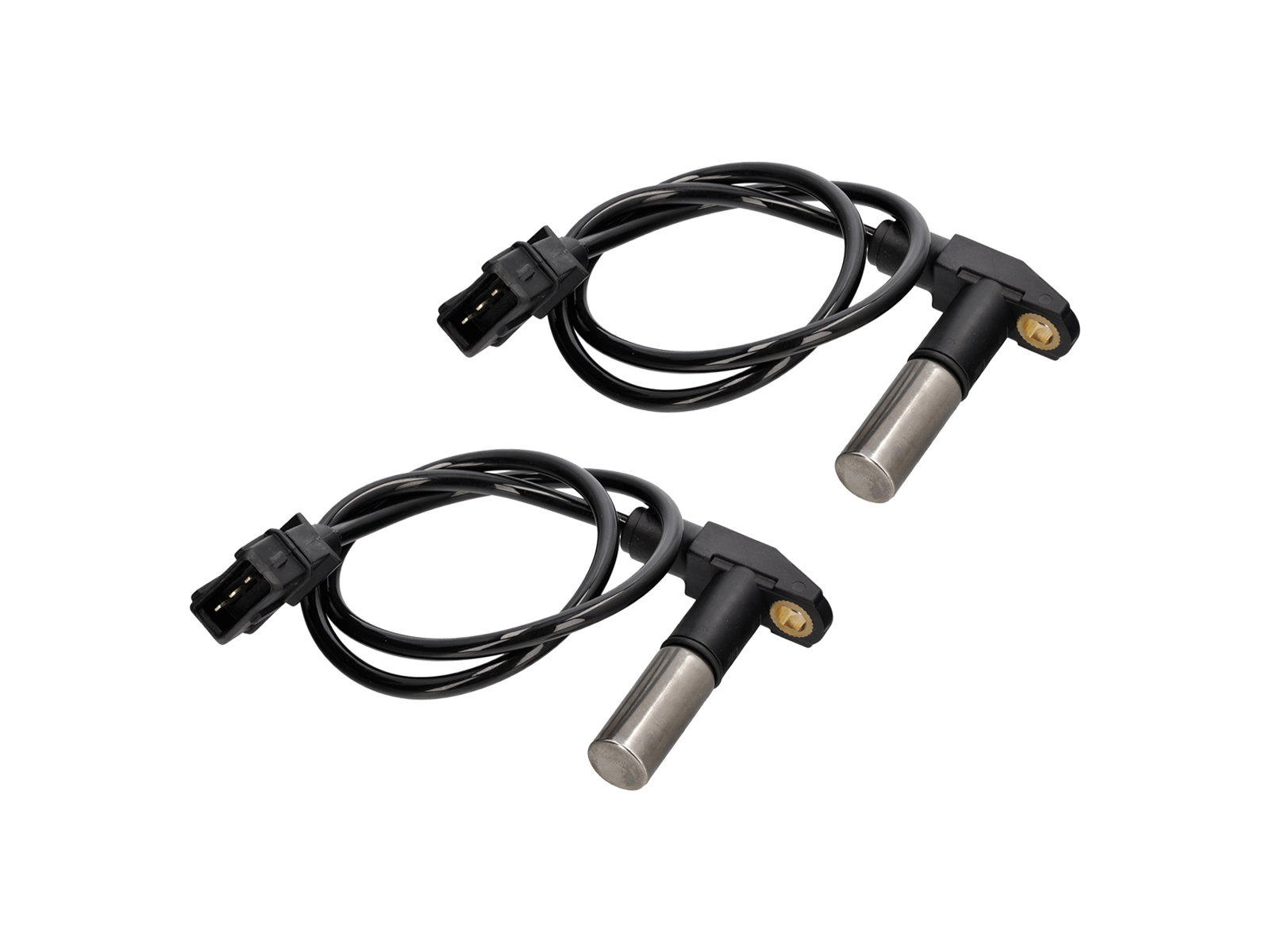
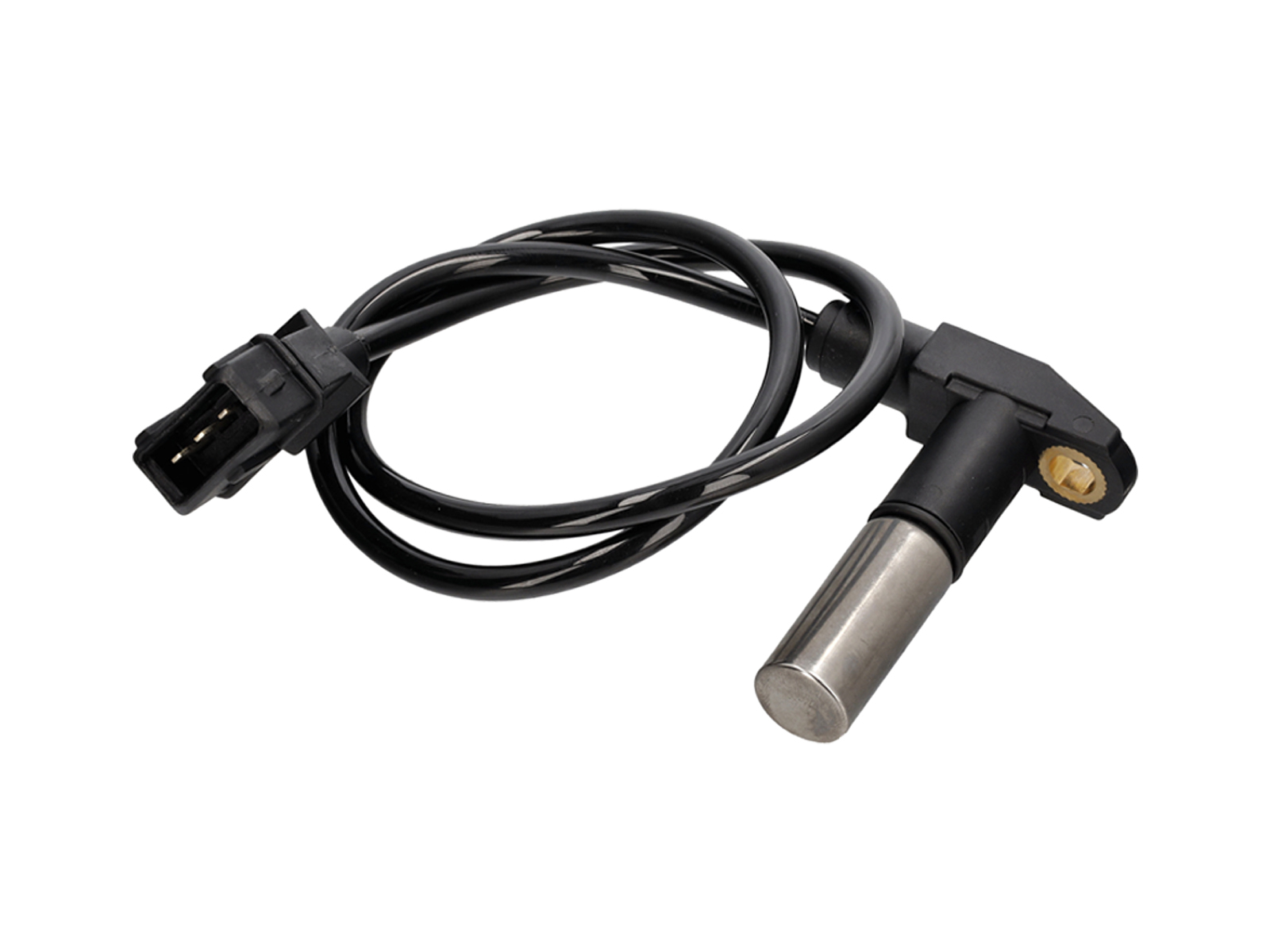
This crankshaft sensor is designed for Porsche 911 G models produced between 1984 and 1989. It serves as a pulse generator, transmitting engine speed data to the DME, and is a frequent culprit when the engine experiences irregular performance.
Identified by the Bosch number ending in 005, this sensor was installed in pairs within the vehicle. A reliable and precise pulse generator is crucial for optimal engine electronics performance.
Related reference numbers
Related, superseded, cross reference or alternative numbers for comparison.
91160621502
The product you are viewing cross references to these numbers
This kit is comprised of the following items:

- Porsche 911 1984-1986 3.2L
- Porsche 911 1987-1989 3.2L G50
- Porsche 911 1978-1989 3.3L Turbo (930)
- Porsche 924S 2.5L 1986-87
- Porsche 924S 2.5L 1988
- Porsche 944 2.5L 8V 1982-87
- Porsche 944 2.7L 8V 1988-89
- Porsche 944S 2.5L 16V 1987-88
- Porsche 944S2 3.0L 16V 1989-91
- Porsche 944 Turbo 2.5L 8V 1985-88
- Porsche 944 Turbo 2.5L 8V 1989-91
- Porsche 944 Turbo S 2.5L 8V 1988
- Porsche 968 3.0L 1992-94
- Porsche 968 Sport 3.0L 1994-95
- Porsche 968 CS 3.0L 1993-95
- Porsche 968 Turbo S 3.0L 1993-94
- Porsche 928 4.5L 1978-82
- Porsche 928S 4.7L 1981-83
- Porsche 928S2 4.7L 1984-86
- Porsche 928S4 5.0L 1987-92
- Porsche 928GT 5.0L 1989-91
- Porsche 928GTS 5.4L 1992-95
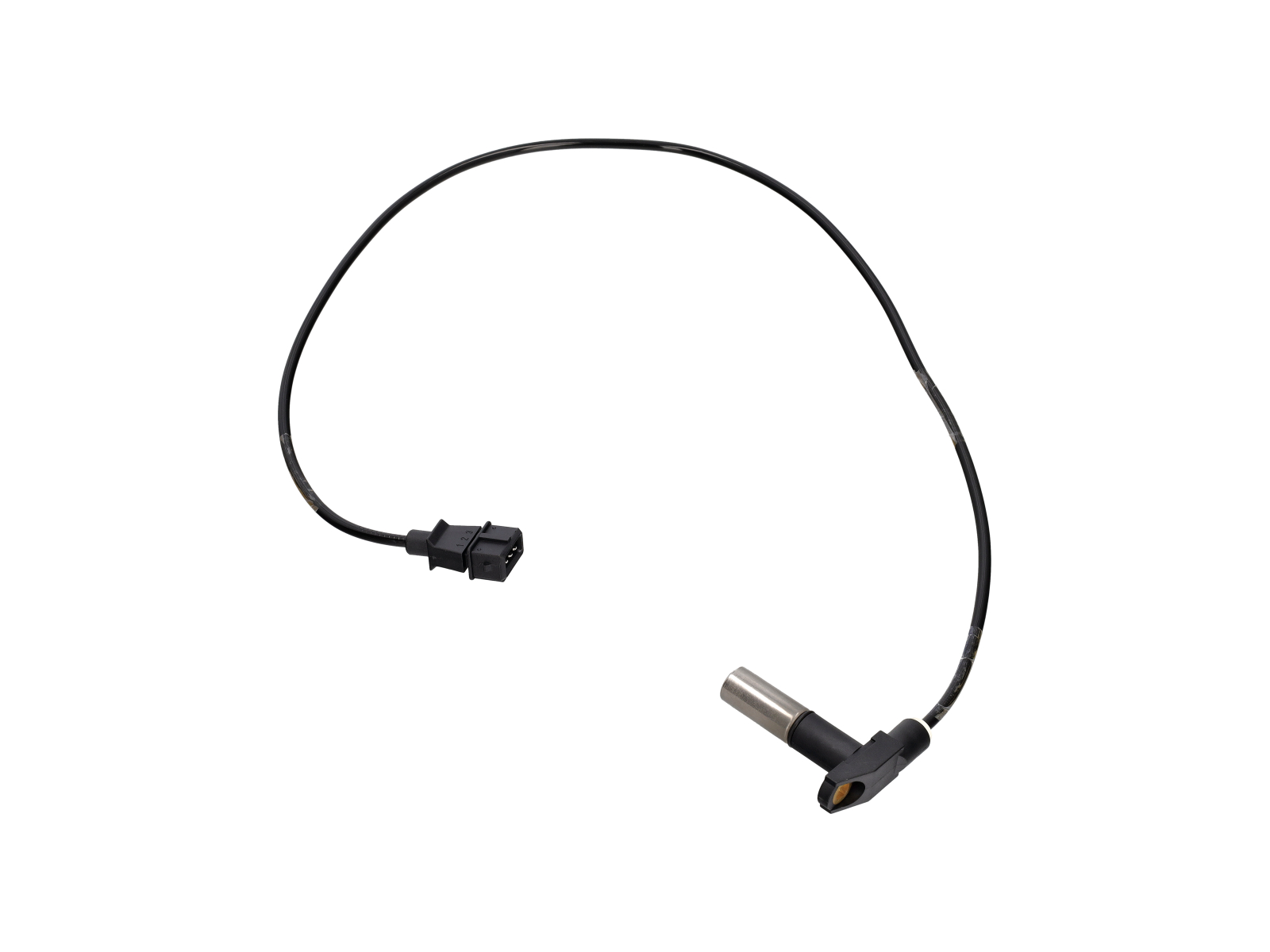
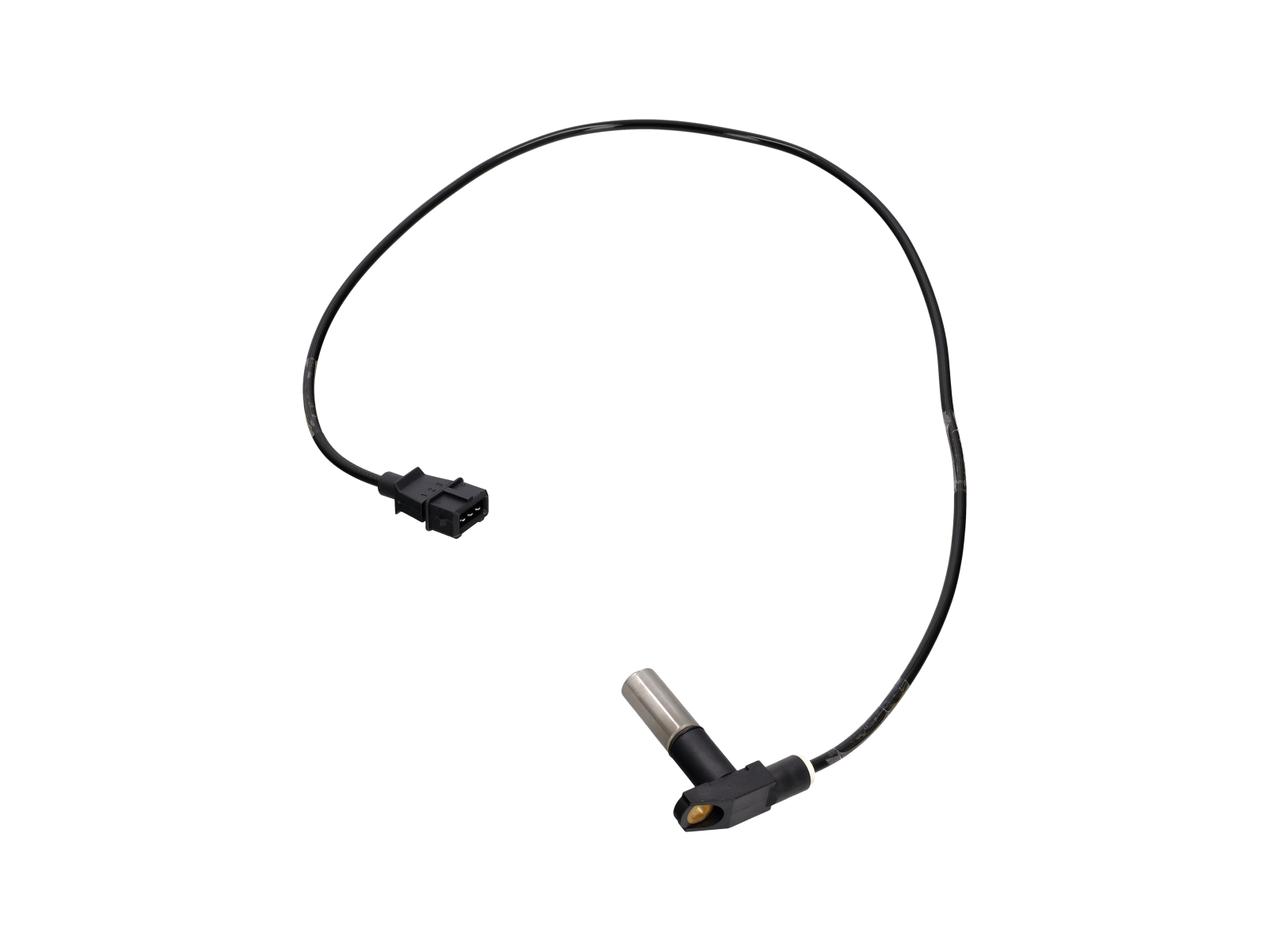
OE Match crankshaft pulse sender, reference 94460611500, for selected Porsche 911, 924S, 928, 944 and 968 applications. Catalogued against the relevant Porsche reference, this engine electrical sensor is intended for installation in the specified DME engine-management systems.
What This Product Does
The pulse sender monitors crankshaft rotation and provides the engine control unit with the reference information needed to determine engine speed or position. Depending on the vehicle’s DME configuration, this signal supports the accurate control of ignition timing and fuel injection.
Functions
- Detects crankshaft rotation or a defined reference point
- Transmits an electrical pulse signal to the DME control unit
- Supports calculation of engine speed and crankshaft position
- Provides timing information for ignition and fuel-injection control
- Helps the engine-management system recognise that the engine is cranking
Technical Details
- Part reference: 94460611500
- Component descriptions: pulse sender, crankshaft position sensor, crank-angle sensor and speed reference sensor
- Earlier cross-references: 94460601500 and 94460601700
- The Porsche 944 and 924S engine-electrics catalogues specify two senders for applicable installations
- The Porsche 968 1992–1995 engine-electrics diagram specifies one pulse sender
- Quantity and sensor function vary by engine-management arrangement; confirm the vehicle specification before ordering
Symptoms of Fault
- Engine cranks but does not start
- Intermittent starting difficulty, particularly when the engine is hot
- Sudden stalling or cutting out while running
- Misfires, hesitation or an uneven idle caused by an unstable signal
- Tachometer signal dropping unexpectedly on applicable vehicles
- Stored crankshaft, reference-signal or engine-speed fault information
- Cracked cable insulation, heat damage or corrosion at the connector
Why Replacement Matters
A weak or missing pulse signal can prevent the DME from establishing the correct crankshaft reference. This may interrupt ignition and injection control, resulting in intermittent running faults or a complete no-start condition. Before replacing the sender, inspect its wiring, connector, mounting, sensor gap where applicable, battery condition and engine earth connections. Testing the signal during cranking can help distinguish a defective sender from a wiring or control-unit fault.
Fits
- Porsche 911 & 912 (1965–1989): 911 3.3L Turbo (930) 1978–1989; 911 3.2L 1984–1986; 911 3.2L G50 1987–1989
- Porsche 924 (1977–1988): 924S 2.5L 1986–1987; 924S 2.5L 1988
- Porsche 928 (1978–1995): 928 4.5L 1978–1982; 928S 4.7L 1981–1983; 928S2 4.7L 1984–1986; 928S4 5.0L 1987–1992; 928GT 5.0L 1989–1991; 928GTS 5.4L 1992–1995
- Porsche 944 (1982–1991): 944 2.5L 8V 1982–1987; 944 2.7L 8V 1988–1989; 944S 2.5L 16V 1987–1988; 944S2 3.0L 16V 1989–1991; 944 Turbo 2.5L 8V 1985–1988; 944 Turbo 2.5L 8V 1989–1991; 944 Turbo S 2.5L 8V 1988
- Porsche 968 (1992–1995): 968 3.0L 1992–1994; 968 Sport 3.0L 1994–1995; 968 CS 3.0L 1993–1995; 968 Turbo S 3.0L 1993–1994
Check fitment for your specific vehicle (model, year, engine) before ordering.
FAQs
- Why can a failed reference sender cause a no-start?
Without a valid crankshaft signal, the DME may be unable to time the ignition and fuel-injection events. - Why might the fault be intermittent?
Heat, vibration, ageing insulation or an internal electrical fault can cause the signal to disappear only under certain conditions. - Should the sensor be replaced from a fault code alone?
No. Inspect the connector and wiring, verify power and earth conditions, and test the sender signal where suitable diagnostic equipment is available. - How many senders are required?
The required quantity depends on the Porsche model and engine-management arrangement. Some 924S and 944 applications use two, while the supplied 968 diagram identifies one. - Does installation clearance matter?
Yes. The sensor must be correctly mounted, and the specified gap should be verified where the application uses an adjustable mounting arrangement.
Related reference numbers
Related, superseded, cross reference or alternative numbers for comparison.
94460611500
The product you are viewing cross references to these numbers
- Porsche 911 1984-1986 3.2L
- Porsche 911 1987-1989 3.2L G50
- Porsche 924S 2.5L 1986-87
- Porsche 924S 2.5L 1988
- Porsche 944 2.5L 8V 1982-87
- Porsche 944 2.7L 8V 1988-89
- Porsche 944S 2.5L 16V 1987-88
- Porsche 944S2 3.0L 16V 1989-91
- Porsche 944 Turbo 2.5L 8V 1985-88
- Porsche 944 Turbo 2.5L 8V 1989-91
- Porsche 944 Turbo S 2.5L 8V 1988
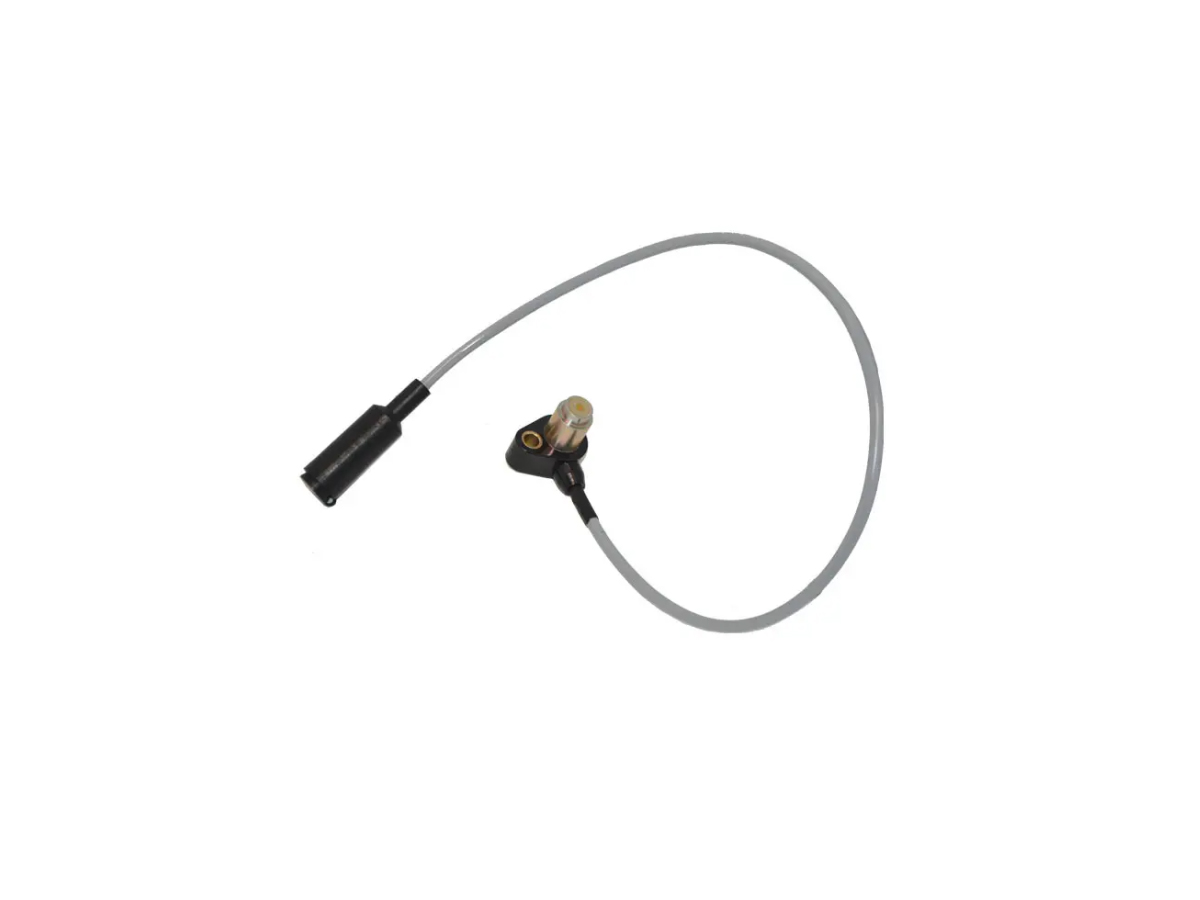
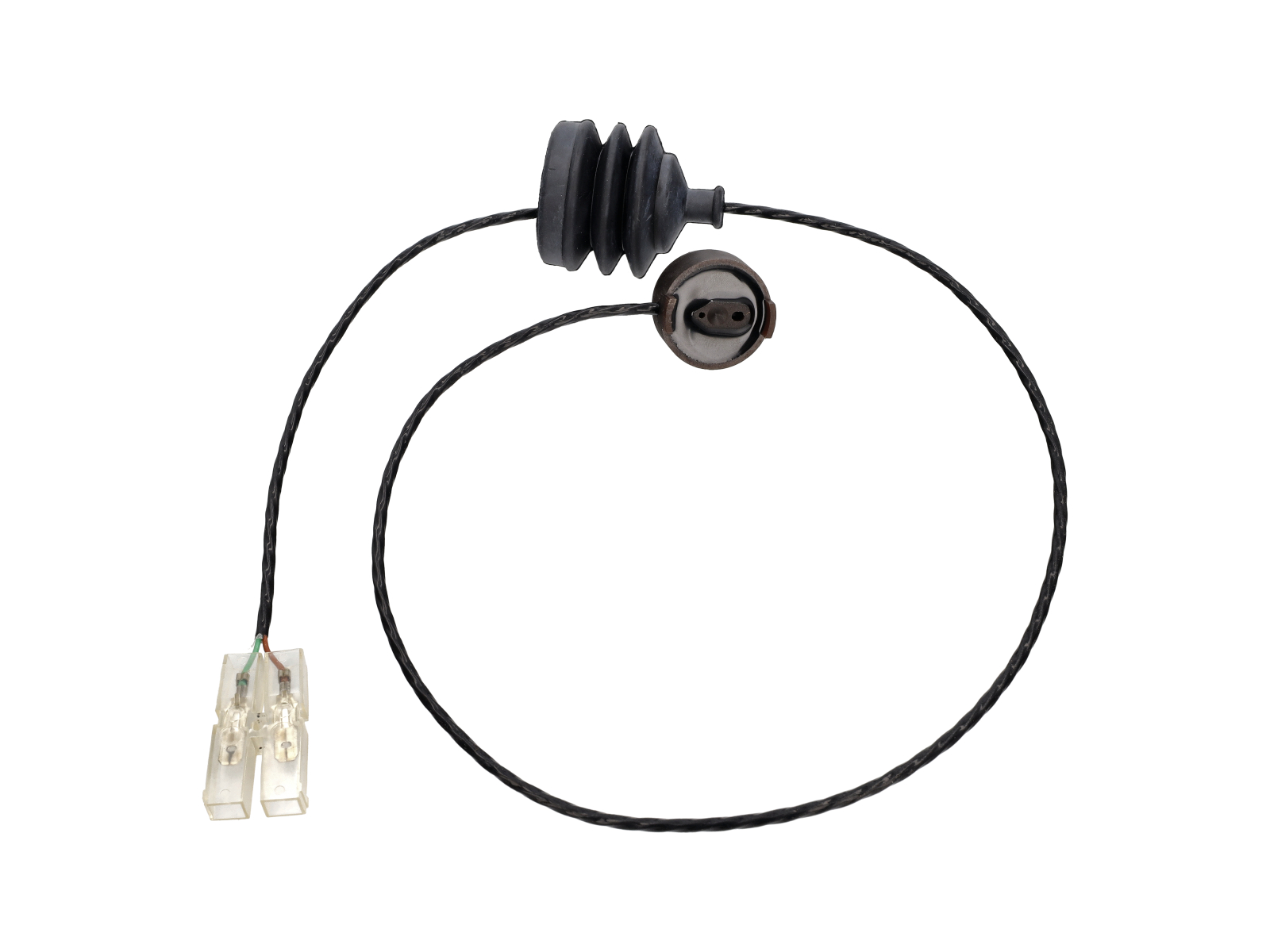
Sensor for upper dead centre
Fits:
Porsche 911 1984-89
Porsche 924S 1986-88
Porsche 944 1984-91
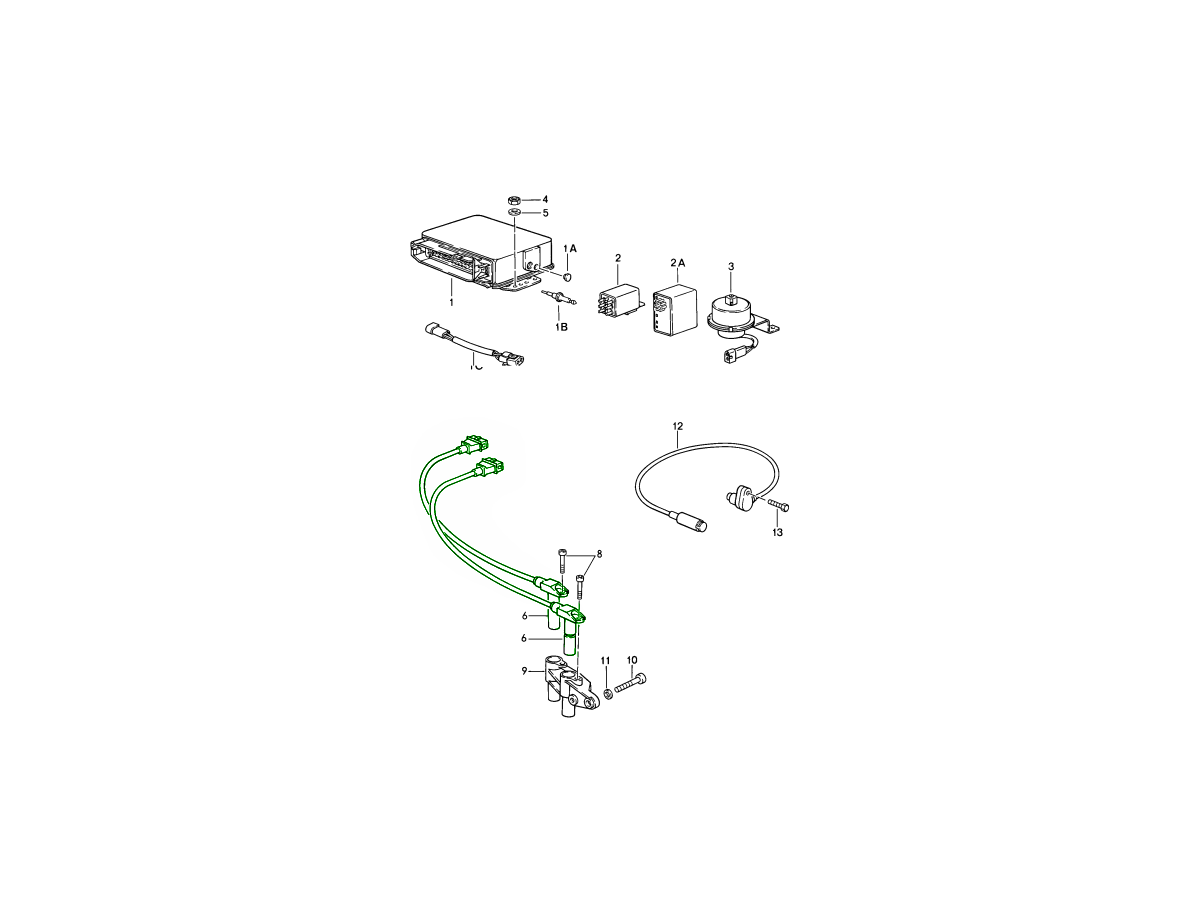
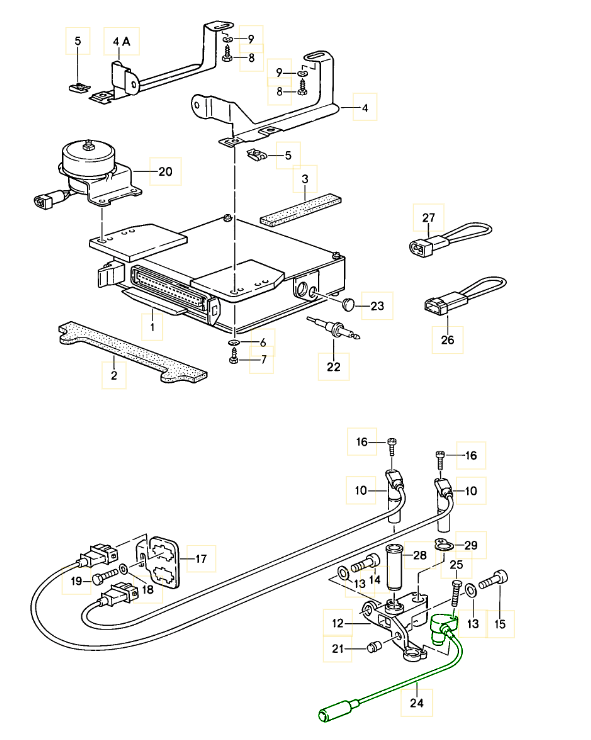
Click 'Zoom in' for large parts diagram.
Diagram ref no 24
Related reference numbers
Related, superseded, cross reference or alternative numbers for comparison.
91160610800
The product you are viewing cross references to these numbers
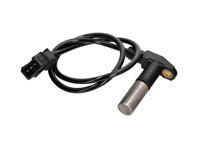
- Porsche 911 1984-1986 3.2L
- Porsche 911 1987-1989 3.2L G50
- Porsche 911 1978-1989 3.3L Turbo (930)
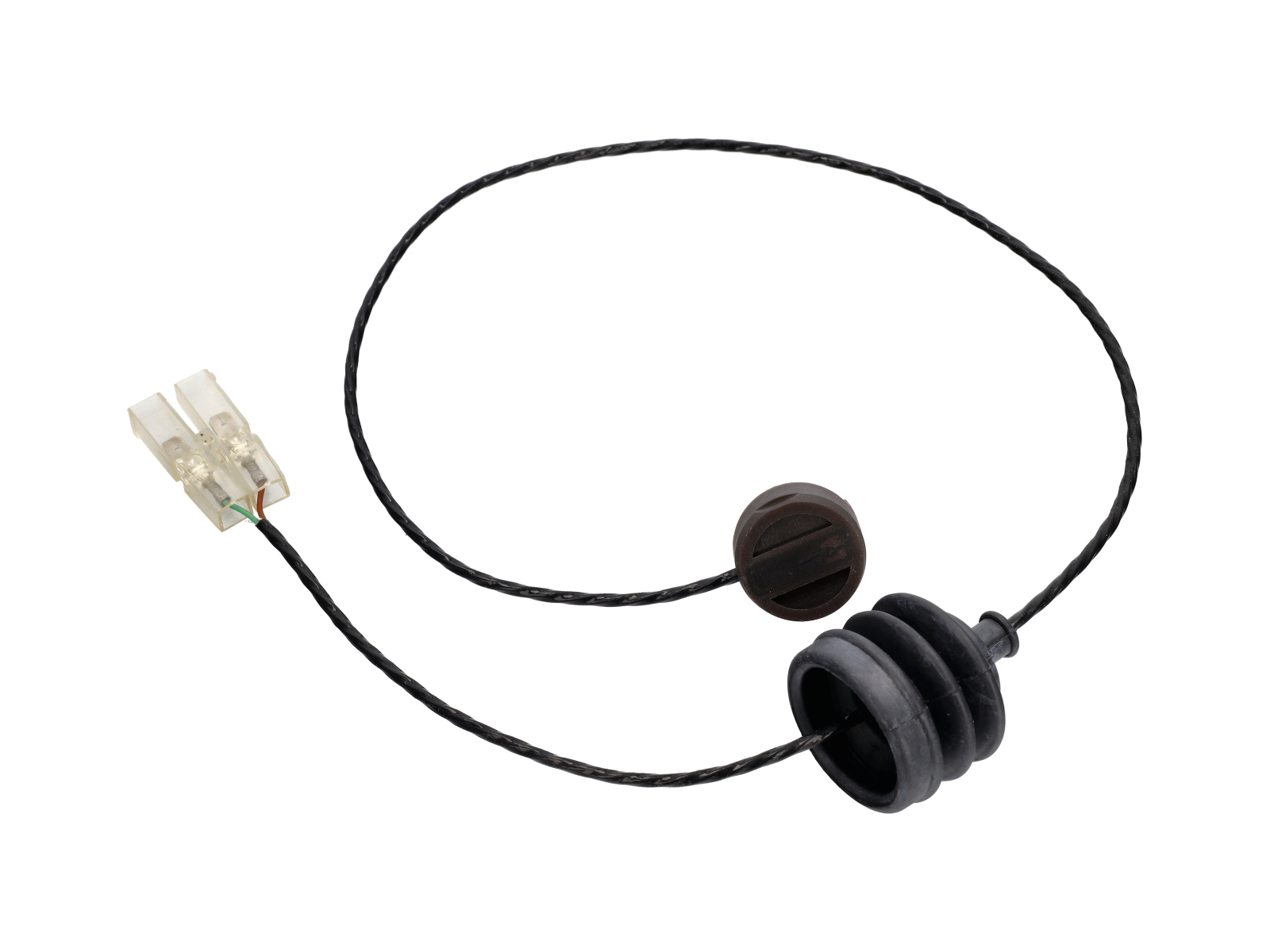
Please note there are 2 per car, Price is Each
Fits:
Porsche 911 1984-1986 3.2L
Porsche 911 1987-1989 3.2L G50
Porsche 911 1978-1989 3.3L Turbo (930)
The engine crankshaft position sensor (CPS) is a critical component that monitors the crankshaft’s position and rotational speed. It sends this data to the engine control unit (ECU), allowing precise control of fuel injection, ignition timing, and other key engine functions. Without accurate input from the CPS, the ECU cannot properly synchronize spark or fuel delivery—leading to poor performance or even a no-start condition.
Crankshaft sensors typically use magnetic or Hall-effect technology:
Magnetic sensors generate a signal with a coil and magnet as the crankshaft rotates. Hall-effect sensors detect changes in the magnetic field using a semiconductor for highly accurate readings.
Depending on the engine design, the CPS is usually located near the crankshaft pulley, harmonic balancer, flywheel, or transmission. It reads notches or teeth on a tone wheel to create a signal the ECU can interpret.
Over time, heat, vibration, and contaminants (oil, dirt, or metal shavings) can cause the sensor to fail. When this happens, common symptoms include engine stalling, rough idling, misfires, or a no-start condition.
Common Symptoms of a Failing Crankshaft Position Sensor
No Start Condition – If the ECU doesn’t receive a proper signal, the engine won’t start.
Stalling When Warm – The sensor may fail when the engine reaches operating temperature, causing unexpected stalling.
Erratic or Dead Tachometer – In some vehicles, a faulty CPS can cause the tachometer to behave irregularly.
Check Engine Code P0335 – A failed internal circuit may trigger this code, though not always.
Poor Performance at Certain RPMs – Timing issues can cause hesitation, especially at idle or higher RPMs.
Multiple Cylinder Misfires – Unlike a single bad coil or injector, CPS failure can cause misfires across all cylinders.
Related reference numbers
Related, superseded, cross reference or alternative numbers for comparison.
91160621502
The product you are viewing cross references to these numbers
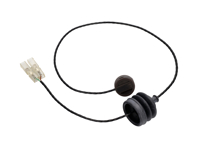
- Porsche 911 1974-1977 2.7L / 1976-77 3.0 Carrera
- Porsche 911 1978-1983 3.0L / SC
- Porsche 911 1984-1986 3.2L
- Porsche 911 1975-1977 3.0L Turbo (930)
Fits:
Porsche 911 1974-84 (incl. Turbo)
only fits up to 1974-1984
For cars Porsche 911 1985-86 3.2L and Porsche 911 Turbo 1985-88 use 91160620901
Related reference numbers
Related, superseded, cross reference or alternative numbers for comparison.
91160620900
The product you are viewing cross references to these numbers
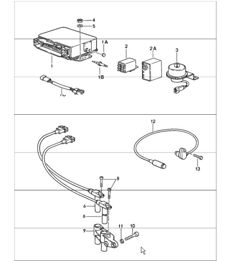

OEMatch Speed / Reference / Knock Sensors — Fit, Function, Confidence
Carefully selected for Porsche models, these sensors provide the signal inputs the engine control system needs to manage ignition, fuelling and detonation control. The following information explains the different types, common failure modes and what to consider when replacing them on Porsche vehicles.
Available Types
- Speed sensors (wheel and crank speed)
- Reference sensors (crankshaft and camshaft position)
- Knock sensors (detonation monitoring)
Understanding OEMatch Speed / Reference / Knock Sensors
OEM (Original Equipment Manufacturer) parts are made by the same company that produced your Porsche’s original speed / reference / knock sensors. OE (Original Equipment) refers to parts matching original specifications for the speed / reference / knock sensors and may be supplied by alternative manufacturers. Aftermarket parts offer alternative options, sometimes with enhanced features or better value. OEMatch supplies non-OEM speed / reference / knock sensors engineered as direct-fit alternatives to OEM parts, made to original-spec dimensions and tolerances for Porsche models. Speed sensors report rotational speed for engine or transmission management; reference sensors provide crank or cam position data used to time injection and ignition; knock sensors detect detonation so the ECU can retard timing to protect the engine.
Benefits Include
- Consistent timing and ignition control to support smooth running
- Improved responsiveness through accurate signal input
- Reduced risk of detonation-related damage when a knock sensor is functioning correctly
Why Speed / Reference / Knock Sensors Wear and Fail
- Thermal stress from proximity to exhaust and hot engine components
- Electrical faults caused by connector corrosion, wiring damage or moisture ingress
- Mechanical damage or contamination to sensing elements from oil, debris or impact
The Importance of Replacing with OEMatch Speed / Reference / Knock Sensors
Replacing worn or damaged sensors restores accurate data flow to the ECU, which helps maintain correct ignition timing, fuelling and detonation control on Porsche engines. Timely replacement can prevent drivability issues such as rough idle, misfire or loss of power and supports consistent fuel economy and emissions behaviour across model ranges.
Advantages
- Direct-fit replacements engineered to match original dimensions and tolerances
- Signal characteristics matched to factory expectations for consistent ECU behaviour
- Robust connector and sealing details to resist heat and contamination
Support & Advice
These items affect safety-critical systems. Installation should be carried out by a qualified technician following model-specific procedures and torque settings. Use calibrated tools and new fasteners where specified.