



Enter your VAT number here and click Verify:
Your details have been verified. VAT number registered to:
,
.
Your order will now be zero rated for VAT purposes. We reserve the right to verify these details after your order request has been made and reinstate VAT if required.
Your VAT details were not recognised or were invalid. Your VAT number must be matched to your Billing Country as specified above. This is currently specified as . You do not need to enter the country code part of your VAT number as this has already been selected in your billing address details above.
The VAT number checking service is currently offline. Please supply your VAT details within the comments or special instructions field below and we will apply a VAT discount after placing your order request.
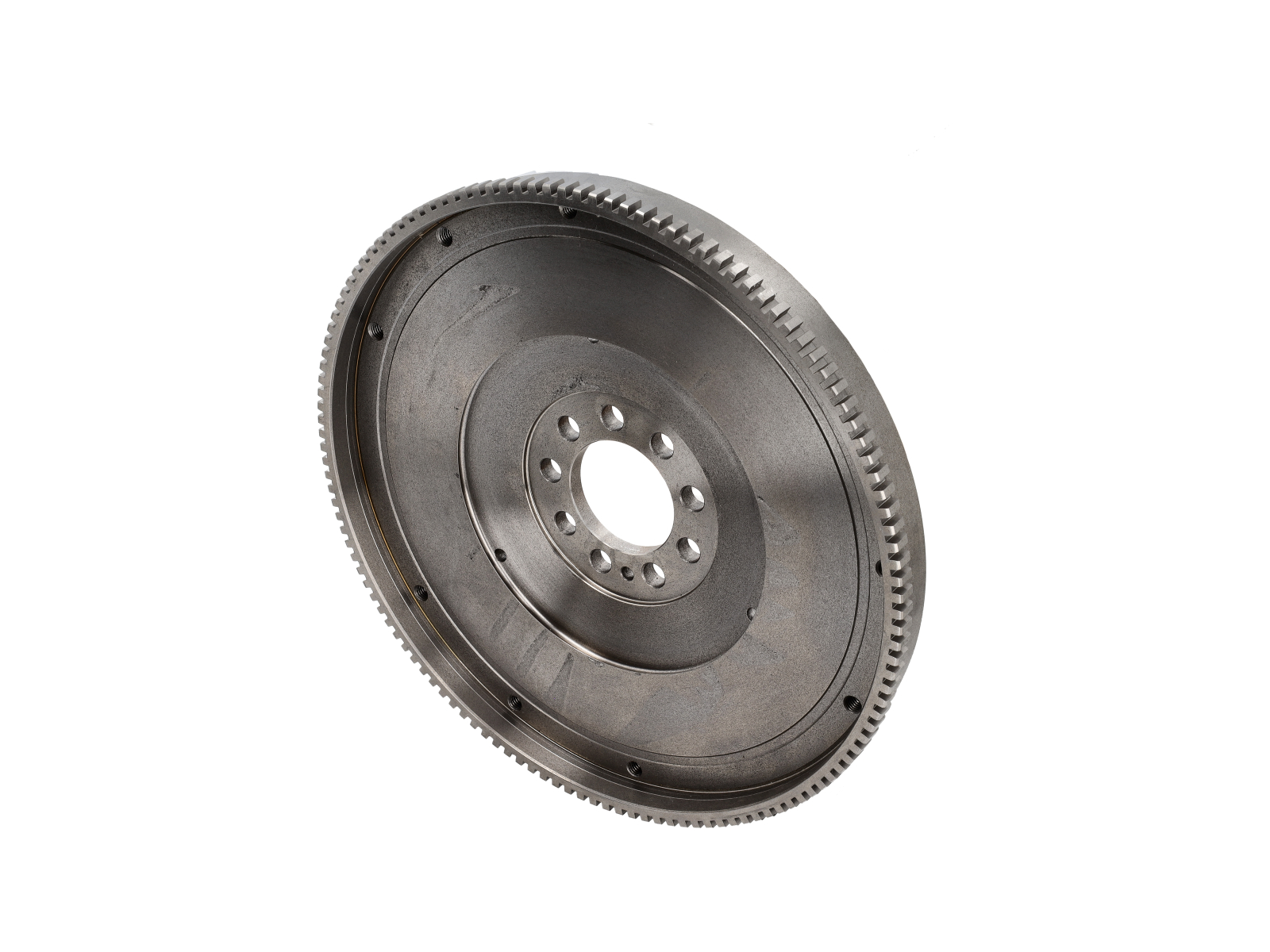
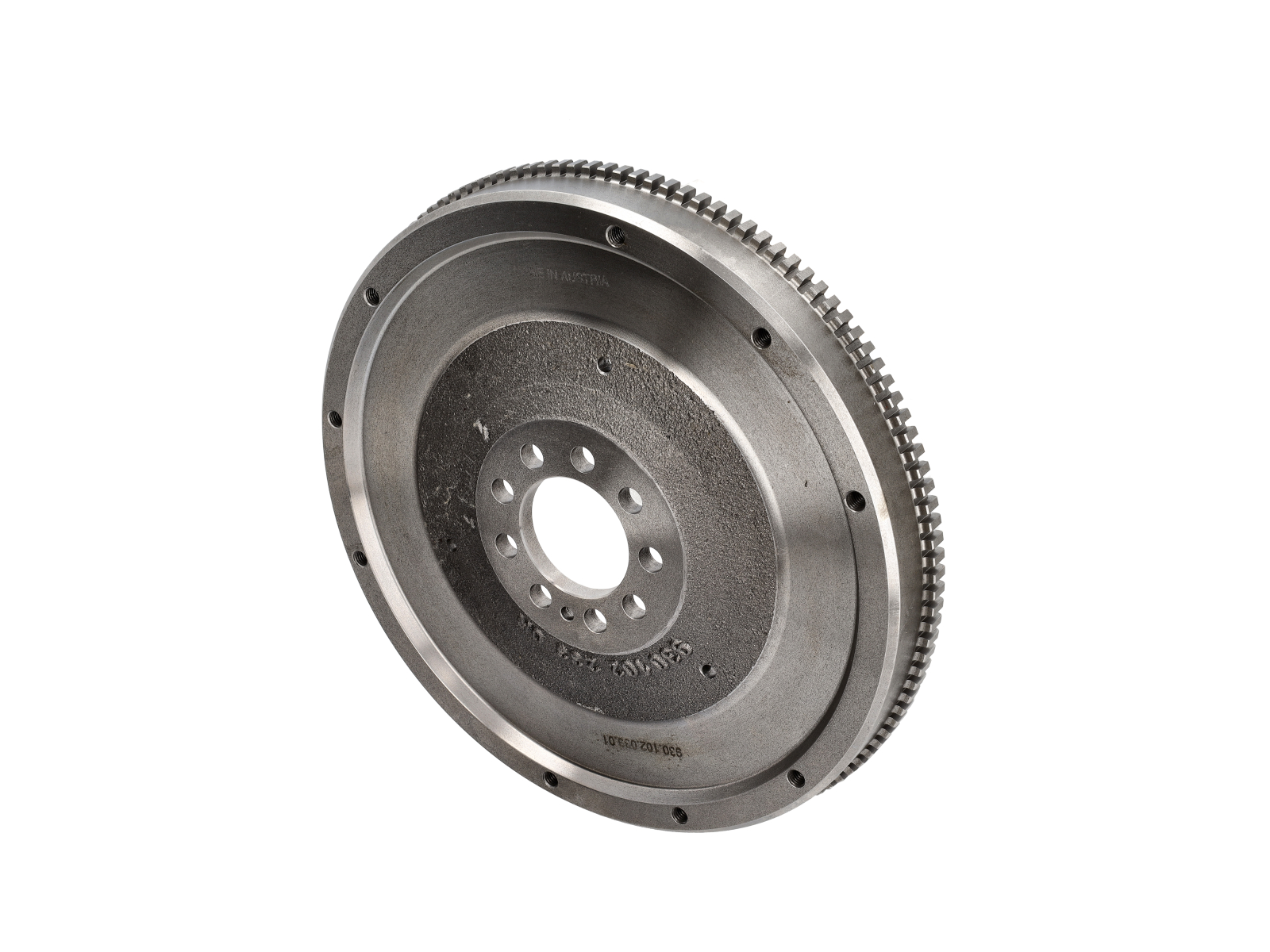
Flywheel / Torque
By OE Match

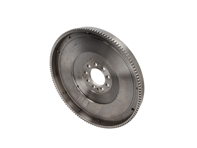

- Porsche 911 1984-1986 3.2L
Fits:
Porsche 911 3.2L 1984 - 1986 (915 Gearbox)
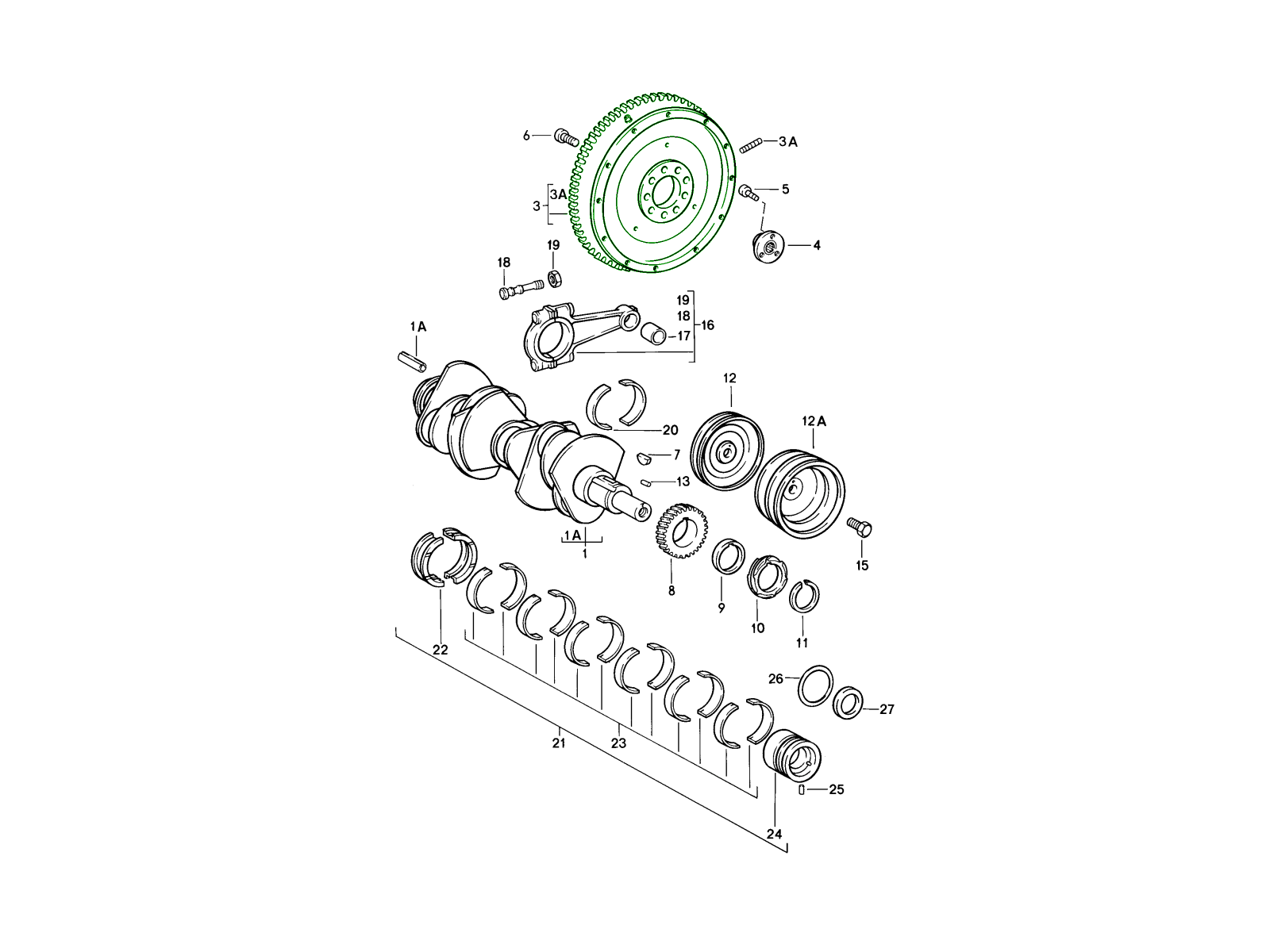
Diagram ref no 3
The clutch flywheel purpose & function
A flywheel in general (for a manual-transmission car) has several critical roles:
• Mass / inertia storage — It smooths out the pulses of the engine, aiding when cylinders fire and bridging the gaps between combustion events.
• Clutch friction surface — The clutch disc presses against the flywheel, so the flywheel must have a suitable, stable friction surface.
• Crank / sensor interface — In this case, because it is used with Motronic control, the flywheel provides trigger pulses (teeth or marks) used by the engine control (DME) to know crankshaft position or engine speed.
• Balancing — It must be precisely balanced (often as part of the entire rotating assembly including crank, flywheel, clutch) to avoid vibration and stresses. If the flywheel is worn, warped, cracked, or misaligned, all of these functions are jeopardized (vibrations, clutch slippage, sensor error, etc.).
Common failure modes / why / signs & symptoms
Because the flywheel is a high-stress rotating component, over time or under strain it is subject to wear, damage and failure. For this particular part and era, here are common issues:
• Surface wear, scoring, glazing, heat spots on the friction surface: repeated clutch engagement or slipping can overheat zones, creating hard “spots” or cracks.
• Cracks / fractures: under severe stress or impact, cracks can develop, especially around bolt holes or near sensor teeth.
• Distortion (warpage): heat cycles may warp the flywheel face so it is no longer flat, causing uneven clutch engagement or chatter.
• Sensor trigger damage: damage or wear to the trigger teeth or notches may make the engine control module misread crank position or lost signals.
• Bolt failures / loosening: the 9 bolts attaching the flywheel to the crank are critical; if they stretch, loosen, or fail, misalignment or imbalance can result.
• Imbalance / degradation of balancing: over time, if the mating surfaces or mountings shift or fatigue, the initial balance may be compromised, introducing vibration.
• Oil contamination: if the rear main seal or other seals leak oil onto the friction surface, the clutch/flywheel interface becomes compromised (slippage, glazing).
• Fatigue / wear of dowel pins or alignment features: if alignment dowels (or roll pins) degrade or are missing, mounting may be off, leading to misalignment. In a forum thread, a user found small roll pins (alignment inserts) that had come off the flywheel.
Related reference numbers
Related, superseded, cross reference or alternative numbers for comparison.
93010203301
The product you are viewing cross references to these numbers
- Porsche 911 1978-1983 3.0L / SC
- Porsche 911 1984-1986 3.2L
- Porsche 911 1987-1989 3.2L G50
- Porsche 911 1975-1977 3.0L Turbo (930)
- Porsche 911 1978-1989 3.3L Turbo (930)
Fitting Position: Transmission End
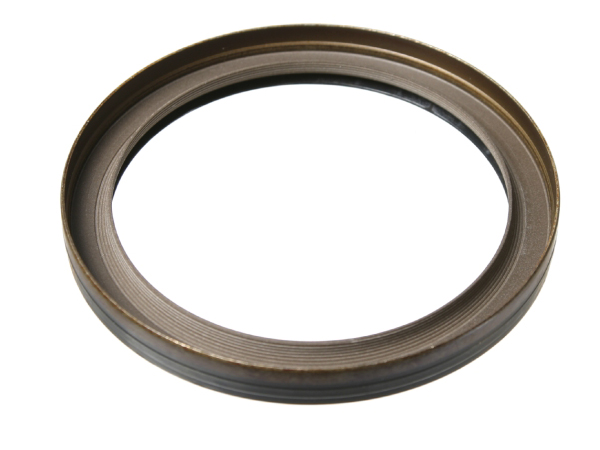
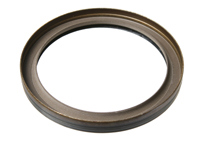
Inner Diameter: 90 mm, Outer diameter: 110 mm, Width: 12 mm
Radial Shaft Seal Design.
Fits:
Porsche 911 3.0L 1978 - 1983
Porsche 911 3.2L 1984 - 1989
Porsche 930 Turbo 1975 - 1989
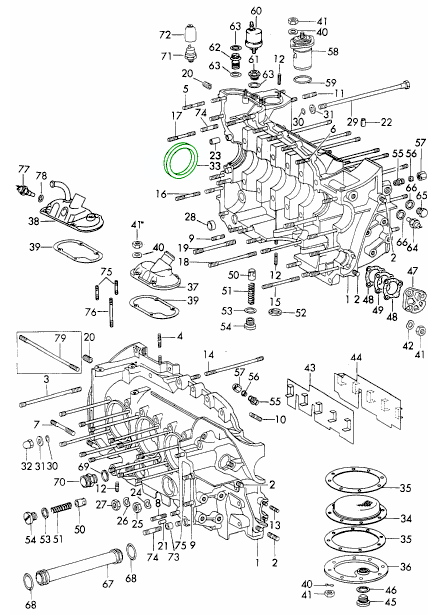
Diagram Ref No 33
The rear main oil seal fits at the rear of the crankshaft where it passes through the engine case. It helps retain engine oil inside the crankcase and prevents oil from leaking into the flywheel, clutch, or transmission bellhousing area.
Functions
• Replaces the rear crankshaft oil seal
• Helps seal the rear of the engine crankshaft
• Helps prevent engine oil leaks from the bellhousing area
• Protects the clutch and flywheel area from oil contamination
• Supports correct crankcase oil retention
• Replaces hardened, worn, split, leaking, or damaged original seals
• OE Match replacement for Porsche 911 and 930 engine service.
Why Replace This Part?
Rear main oil seals are exposed to heat, crankshaft rotation, oil, pressure changes, and age-related wear. Over time, the seal can harden, shrink, crack, wear, or lose sealing ability. A failed rear main seal may cause oil leaks between the engine and gearbox, oil contamination on the clutch, burning oil smells, or visible oil dripping from the bellhousing area. Replacing the seal helps restore a clean, reliable crankshaft seal.
When to Replace This Part
• Oil is leaking from between the engine and gearbox
• Oil drips are visible from the bellhousing area
• The clutch or flywheel is contaminated with oil
• The engine or gearbox has been removed
• The flywheel is being removed or replaced
• The original seal is hardened, worn, split, or leaking
• Preventative replacement is being carried out during clutch or engine service.
Where it fits on the car
This oil seal fits at the rear crankshaft position on Porsche 911 and 930 engines. It sits between the crankshaft and engine case, behind the flywheel area.
Related reference numbers
Related, superseded, cross reference or alternative numbers for comparison.
99911342641
The product you are viewing cross references to these numbers
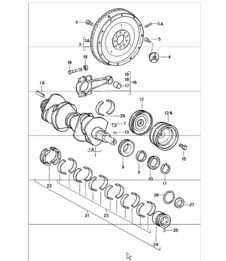
OEMatch Flywheel / Torque Converter — Fit, Function, Confidence
OEMatch Flywheel / Torque components are compatible replacements engineered to original-spec dimensions and tolerances — a practical option when genuine or OEM parts are unavailable. Flywheels and torque converters transfer engine torque to the gearbox, smooth rotational forces and allow engagement in manual and automatic transmissions. For Porsche models they play a central role in clutch performance, idle balance and transmission behaviour.
Understanding OEMatch Flywheel / Torque Converter
OEM (Original Equipment Manufacturer) parts are made by the same company that produced your Porsche’s original flywheel / torque.
OE (Original Equipment) refers to parts matching original specifications for the flywheel / torque and may be supplied by alternative manufacturers. Aftermarket parts offer alternative options, sometimes with enhanced features or better value. OEMatch supplies non-OEM flywheel / torque engineered as direct-fit alternatives to OEM parts, made to original-spec dimensions and tolerances for Porsche models.
OEMatch also catalogues over 4,000 part numbers with more than 8,700 OE cross-references and continues to develop new lines to support Porsche vehicles across many generations.
Benefits Include
- Restores smooth engine-to-transmission torque transfer and reduces driveline vibration
- Provides correct friction surfaces and balance for reliable clutch engagement
- Offers options for manual, automatic and PDK applications to suit specific Porsche drivetrains
Why Flywheel / Torque Wear and Fail
- Heat and clutch slippage can warp or glaze flywheel friction surfaces
- Ring gear wear or cracked teeth affect starter engagement
- Torque converters suffer fluid contamination, internal seal failure or bearing wear leading to shudder or loss of torque transfer
The Importance of Replacing with OEMatch Flywheel / Torque
Timely replacement restores smooth torque delivery, reduces vibration and prevents secondary damage to the clutch, gearbox and bearings. Replacing worn units during clutch or transmission service helps retain balance and reduces the risk of recurrent noise, shudder or accelerated wear. Selecting the correct unit for the Porsche model and transmission type supports consistent drivability.
Advantages
- Direct-fit units prepared to original specifications where applicable
- Options available for OEM-spec, remanufactured and performance-oriented replacements where suitable
- Parts selected for Porsche applications and cross-referenced to factory references
Available Types
- Single-mass flywheels for manual transmissions
- Dual-mass flywheels and carrier assemblies
- Lightweight flywheels for performance applications where appropriate
- Torque converters for automatic and PDK transmissions, including remanufactured units
Support & Advice
Installation should be carried out by a qualified technician following model-specific procedures and torque settings. Use calibrated tools and new bolts where specified and confirm correct alignment and balance when installing flywheels or torque converters.
-
 Clutch Kits
-
Clutch Friction Plate
-
Clutch Pressure Plate
-
Clutch Cables & Parts
-
Clutch Guide Tube
-
Clutch Ring Gear
-
Clutch Forks & Levers
-
Clutch Bolts
-
Gearbox Parts
-
Driveshafts & Parts
-
Gasket Sets / Gaskets / Seals / Lock Nuts
-
Gearbox Mounts
-
Gearshift Control Parts
-
CV Joints Kits
-
CV Boots and Kits
-
Rear Differential
-
Sensors
-
Transmission Cooling
-
Motor Sport Parts