



Enter your VAT number here and click Verify:
Your details have been verified. VAT number registered to:
,
.
Your order will now be zero rated for VAT purposes. We reserve the right to verify these details after your order request has been made and reinstate VAT if required.
Your VAT details were not recognised or were invalid. Your VAT number must be matched to your Billing Country as specified above. This is currently specified as . You do not need to enter the country code part of your VAT number as this has already been selected in your billing address details above.
The VAT number checking service is currently offline. Please supply your VAT details within the comments or special instructions field below and we will apply a VAT discount after placing your order request.
Brake Pedal & Parts
By OE Match


- Porsche 911 1965-1968 2.0L / 912 SWB (F)
- Porsche 911 1968-1973 2.2L / 2.4L / 2.7L RS LWB (F)
- Porsche 911 1974-1977 2.7L / 1976-77 3.0 Carrera
- Porsche 911 1978-1983 3.0L / SC
- Porsche 911 1984-1986 3.2L
- Porsche 911 1987-1989 3.2L G50
- Porsche 911 1975-1977 3.0L Turbo (930)
- Porsche 911 1978-1989 3.3L Turbo (930)
- Porsche 914 (1970-1976)
Fits:
Porsche 911 - 1965 to 1977
Porsche 911 - 1978 to 1989 if brake booster (servo) is deleted
Porsche 914 - 1970 to 1976
Note - No bodywork adjustments to the footwell are required to fit the pedal assembly.
We have re-issued this motorsport inspired accessory that has not been available for many years
Left Hand Drive (LHD) only
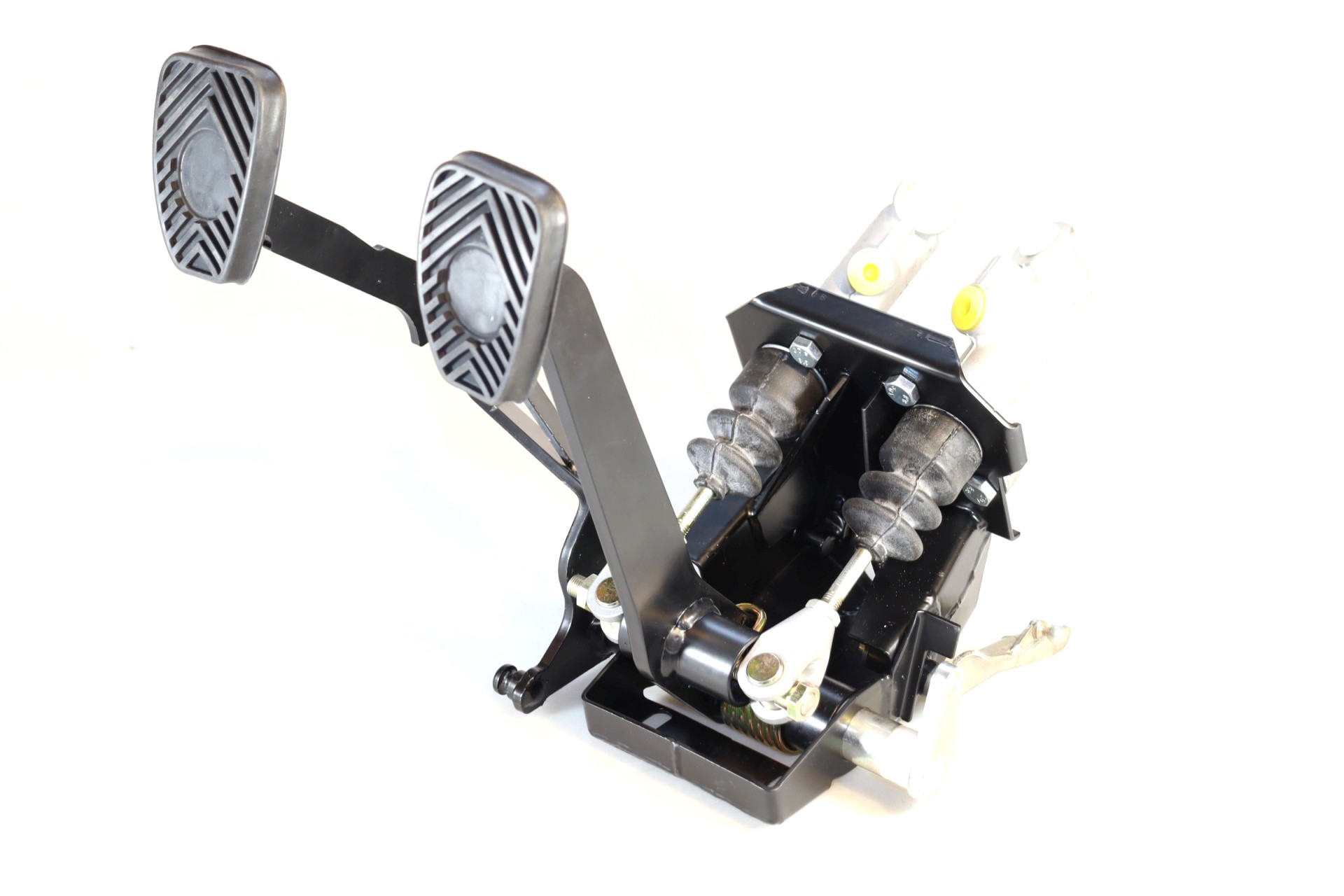
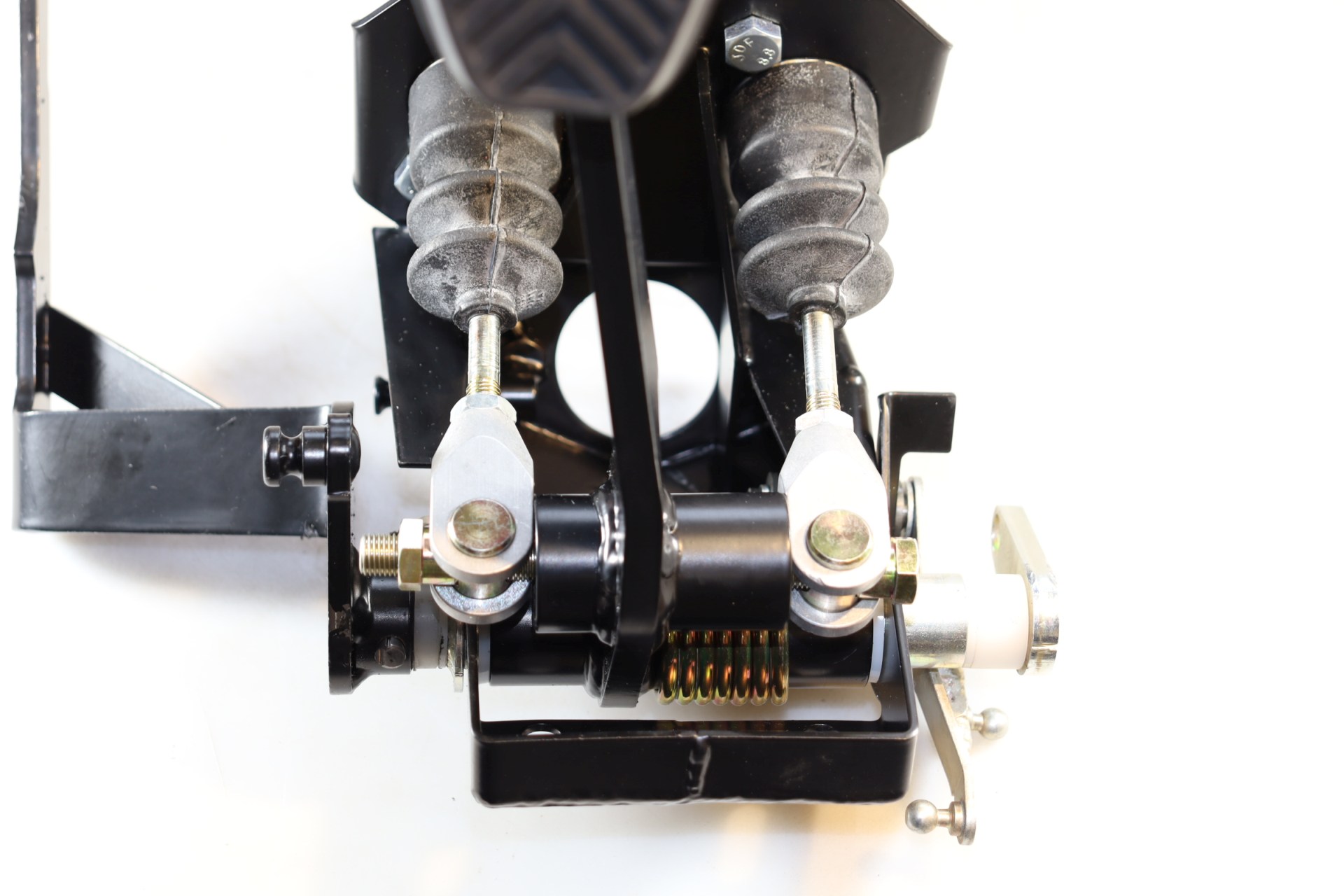
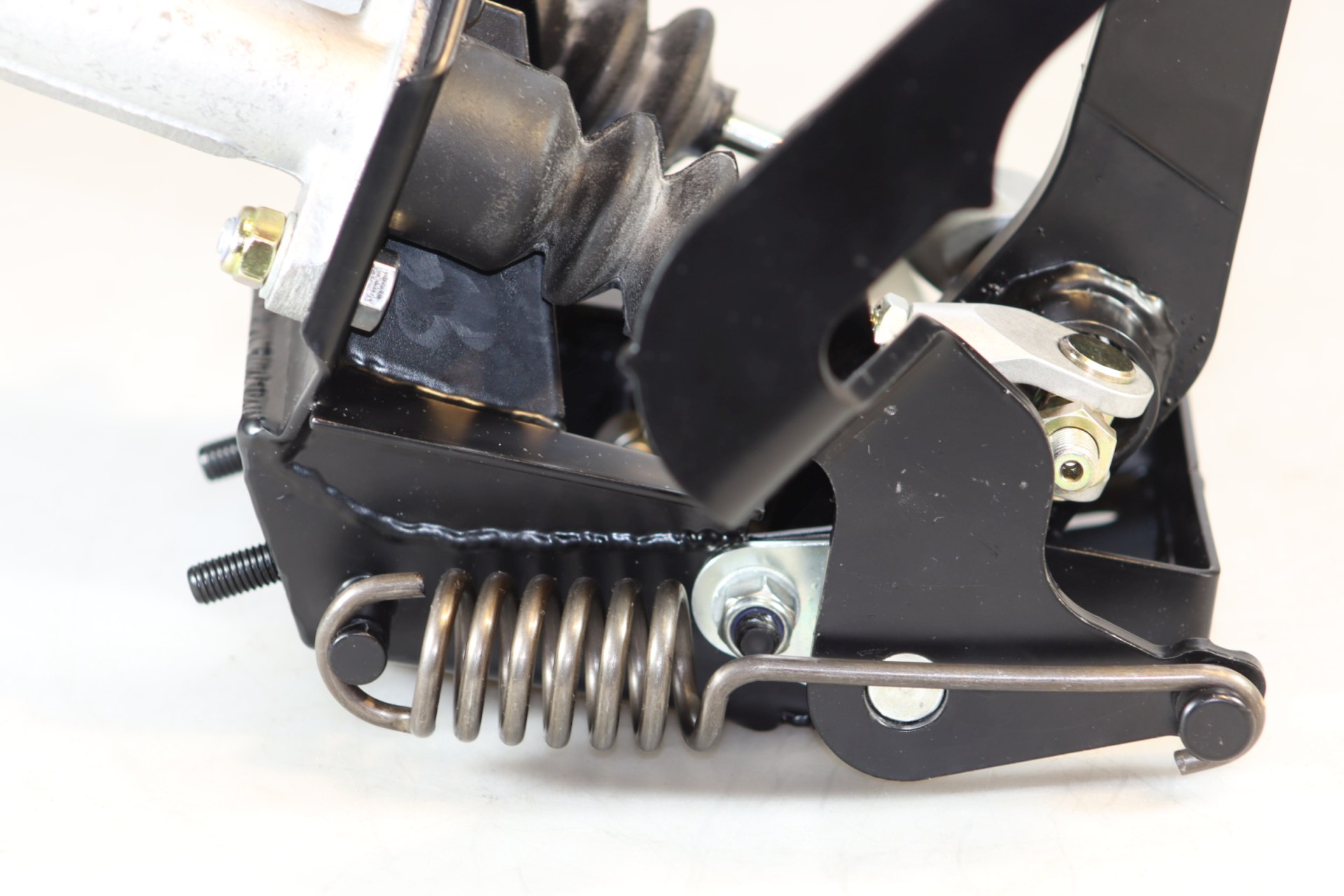
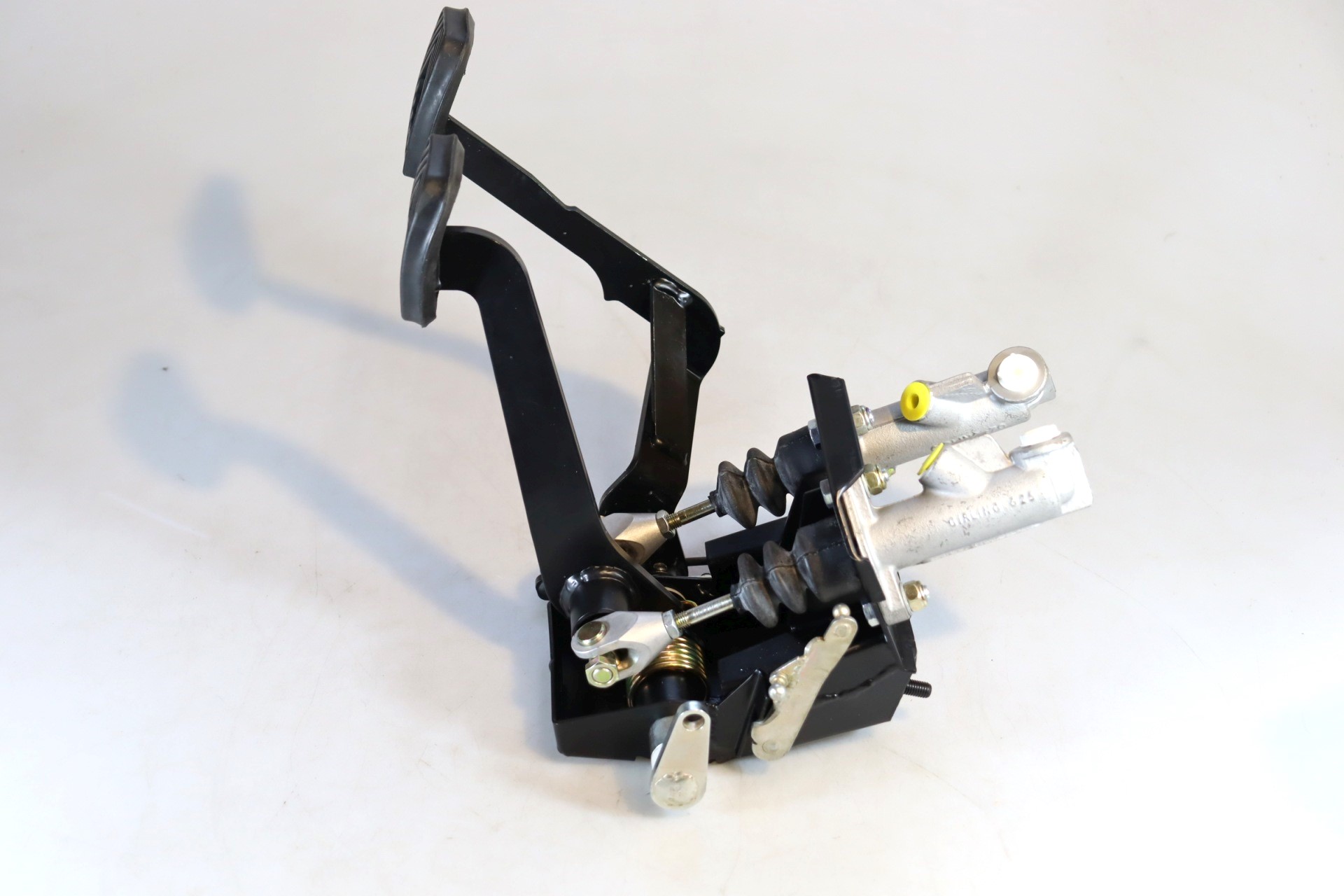
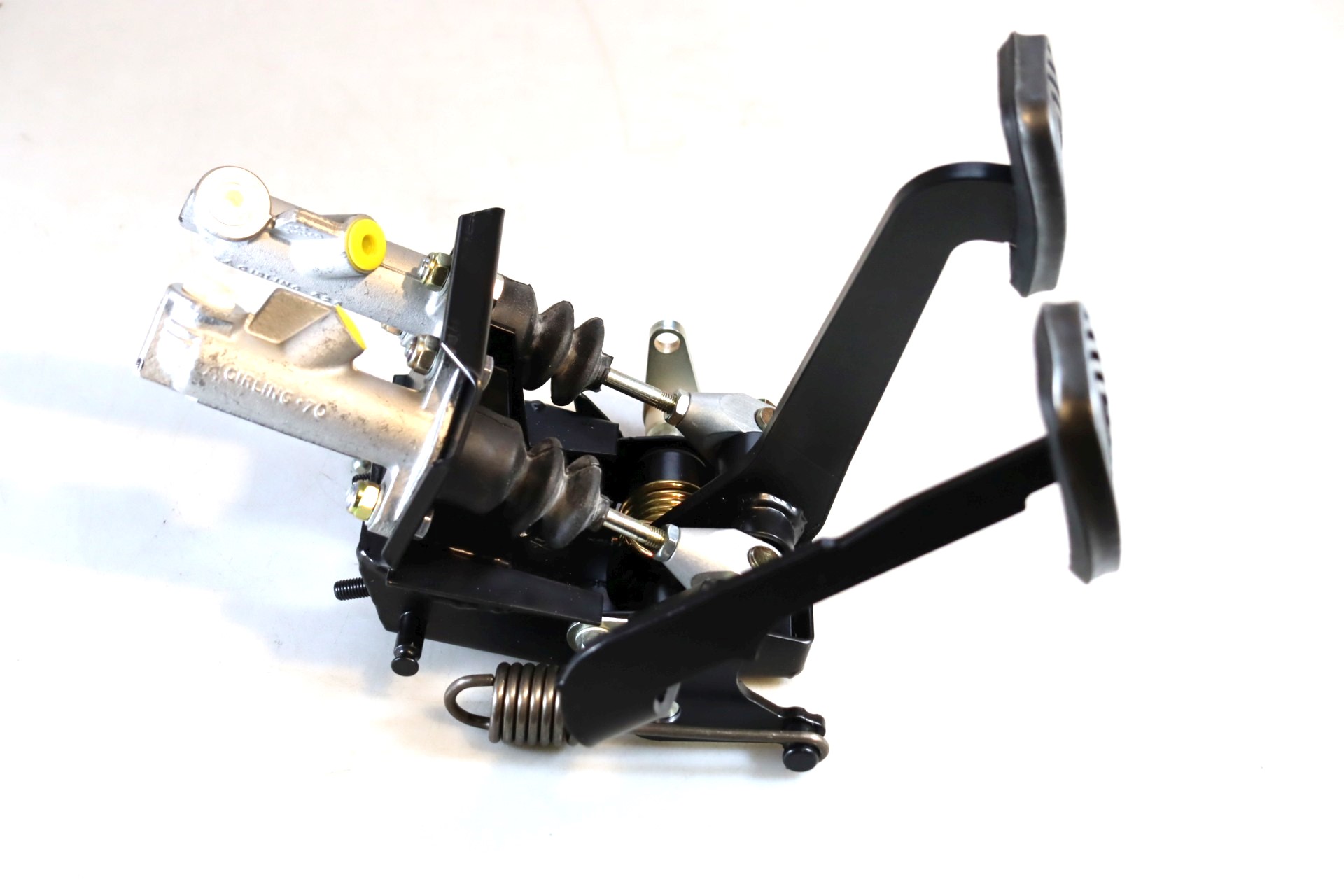
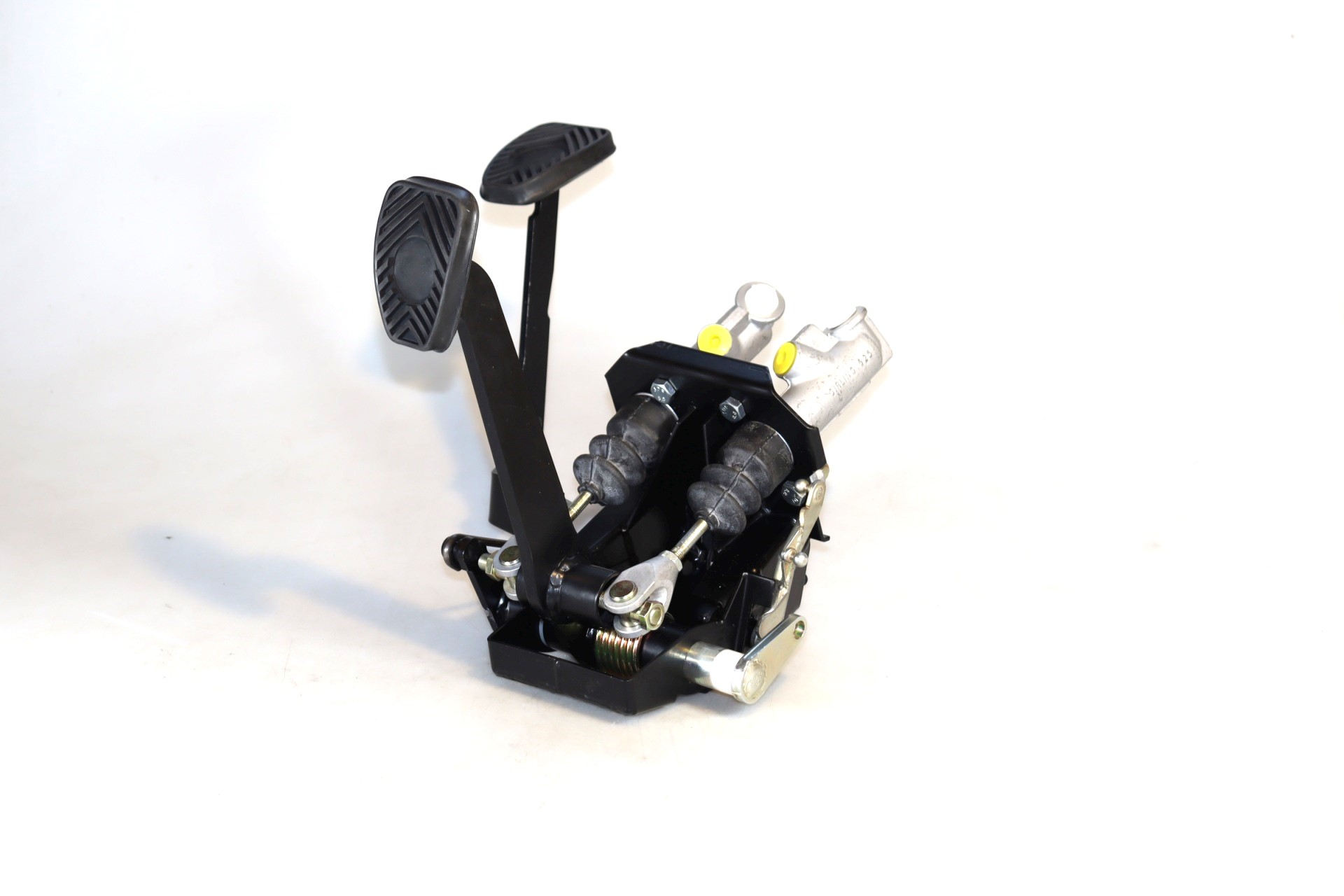
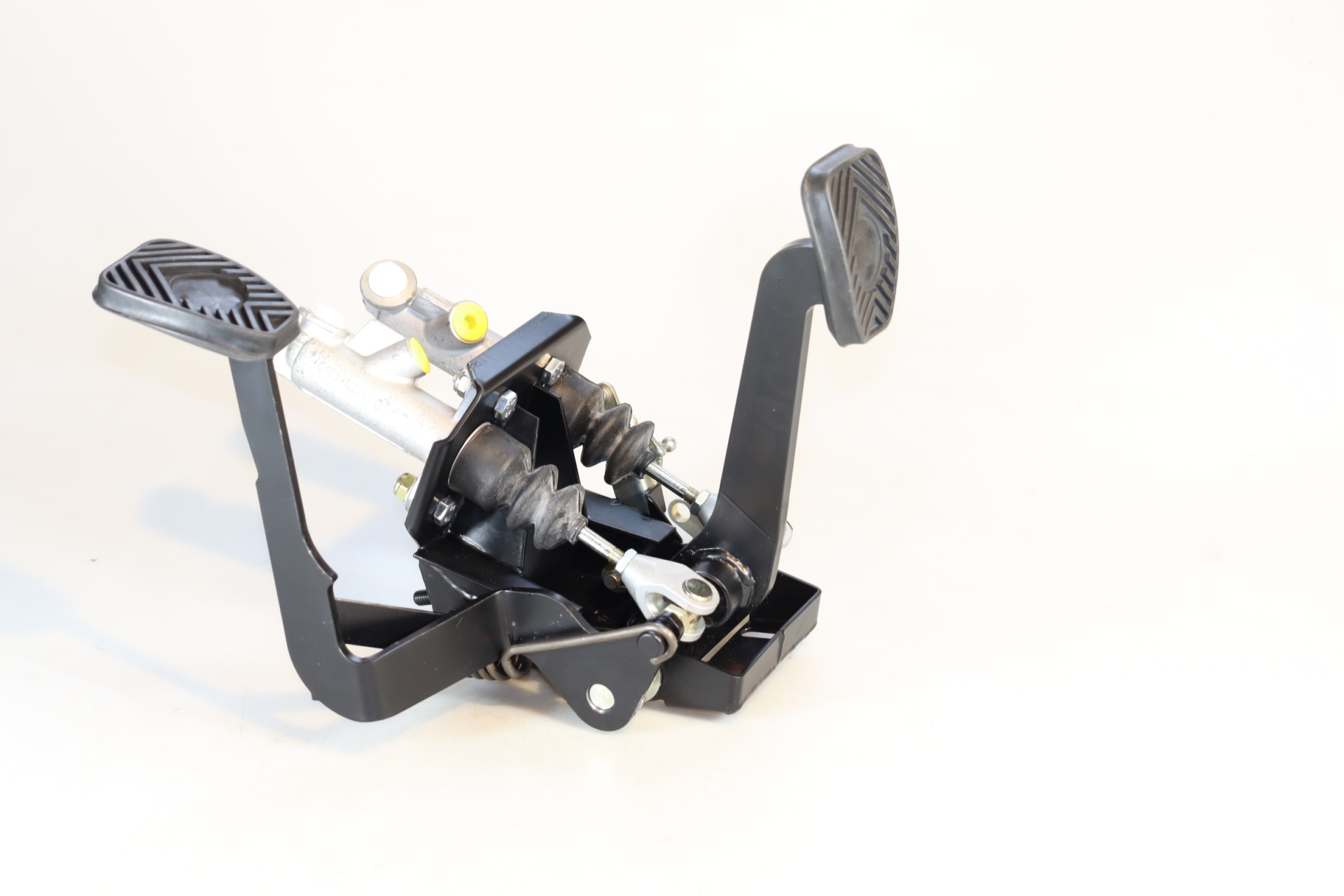
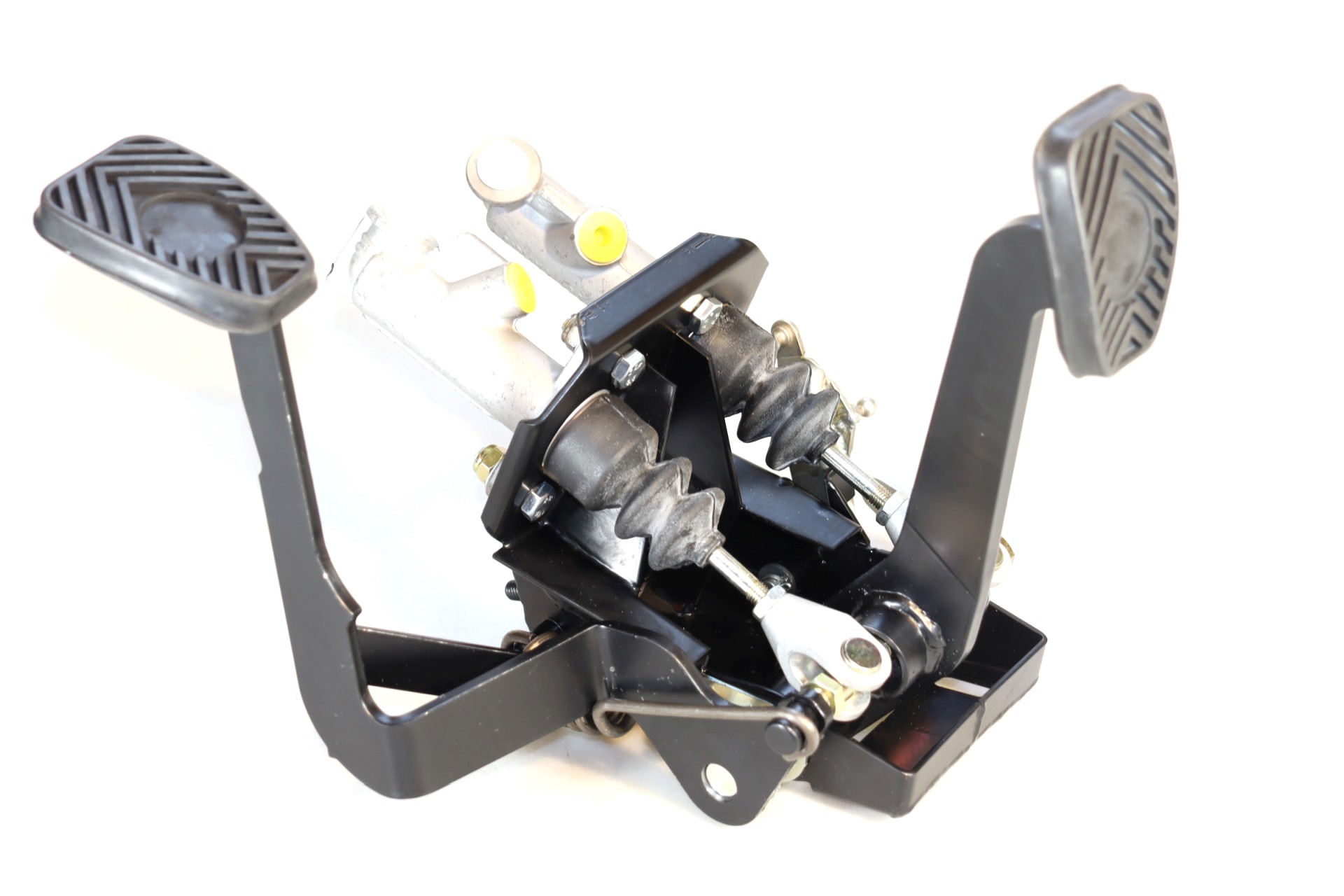
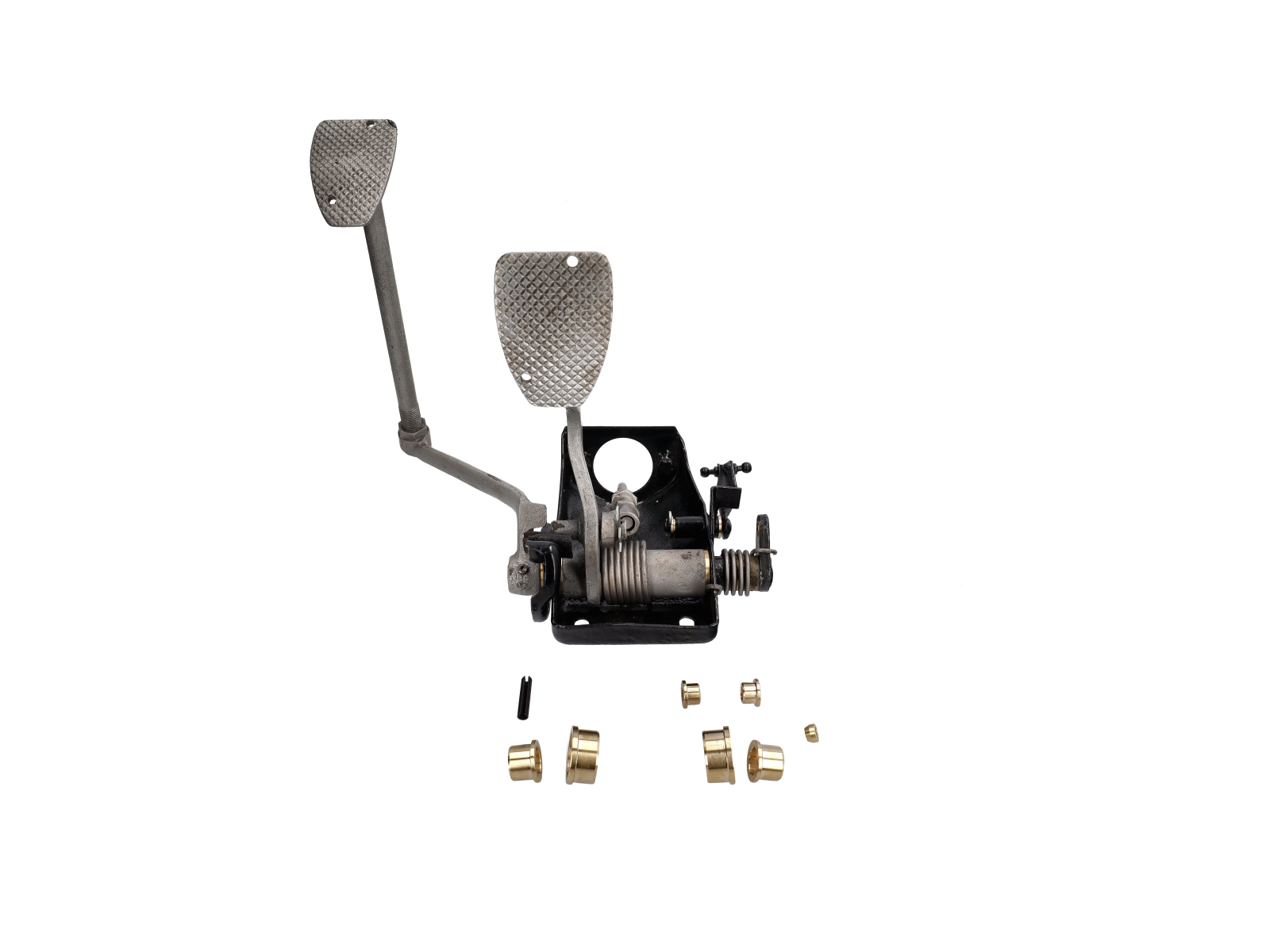
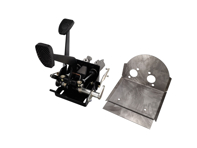
As fitted to the 911 SC RS by the Porsche factory, a balance beam brake system works by allowing precise distribution of the braking forces between the front and rear axles by adjusting the brake beam. This allows the maximum braking performance for the vehicle.
If using upgraded (from standard) brake calipers with different piston sizes, different pads or larger brake discs the braking force to the respective axles can be altered so a balance beam brake system should be used. Brake calipers with increased piston sizes can also lead to a "soft" brake pedal and the balance beam brake system prevents this.
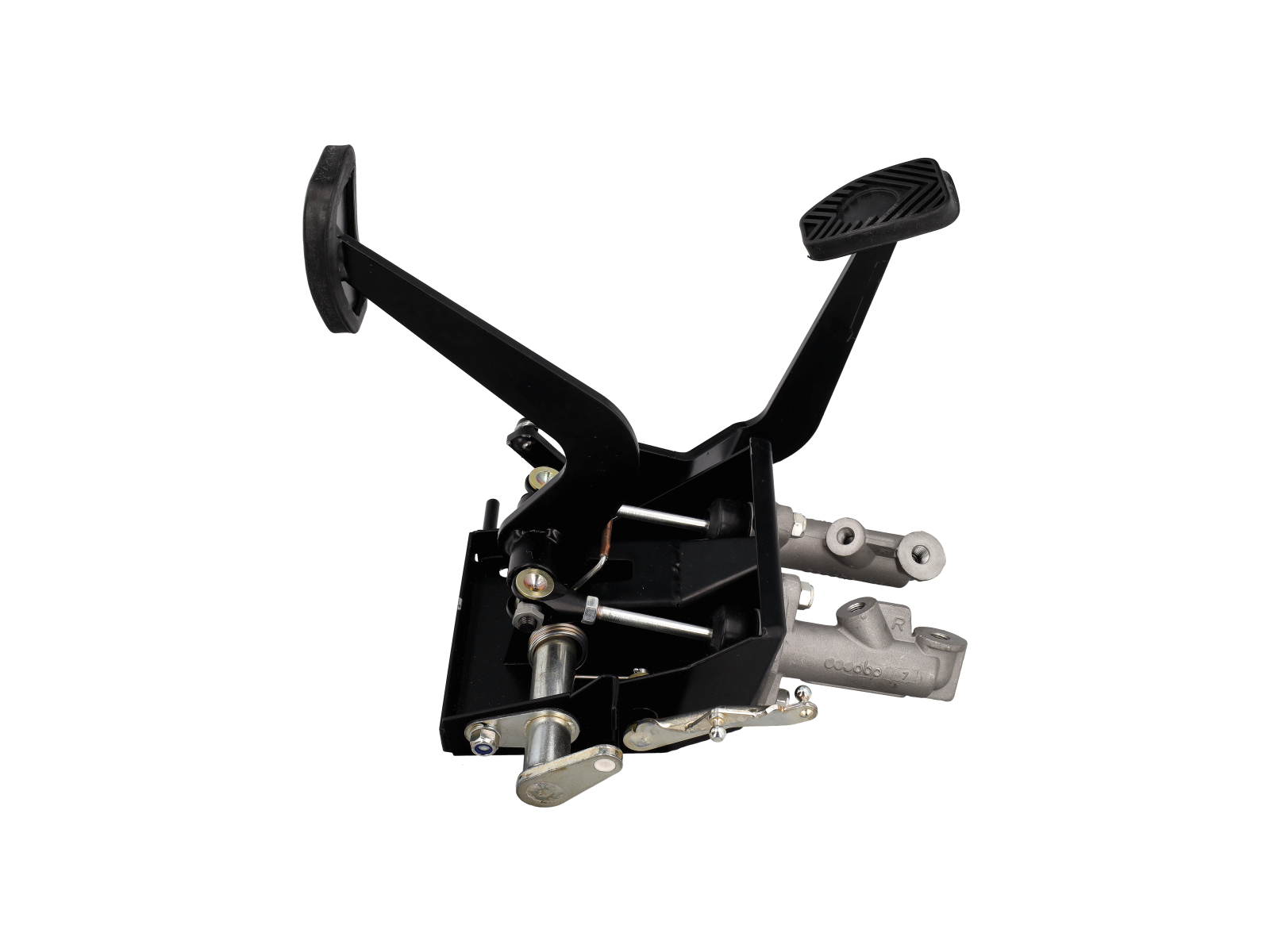
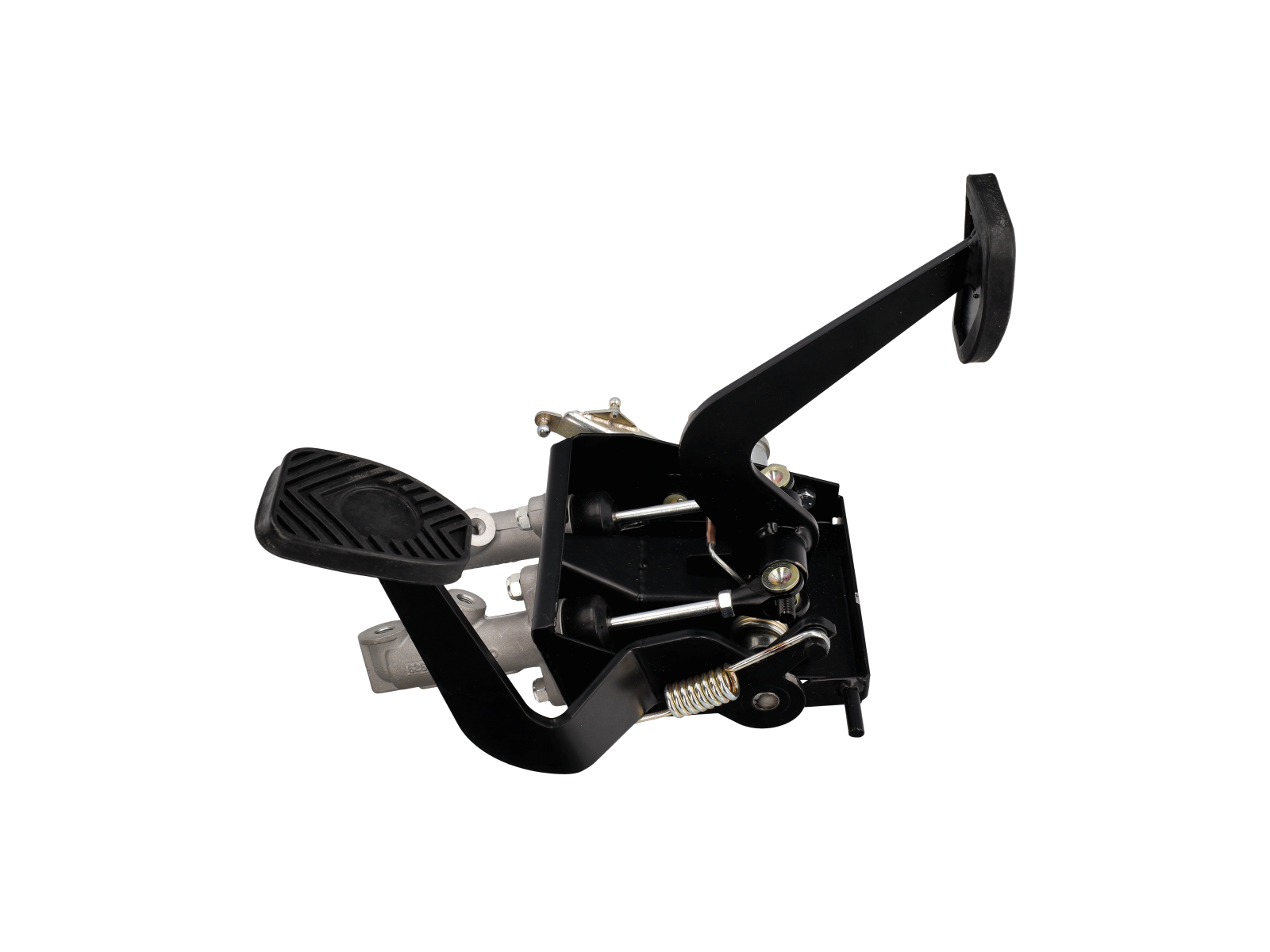
The balance beam systems has two brake master cylinders mounted in parallel on a bracket that allows precise adjustment between the front and rear axles.
Related reference numbers
Related, superseded, cross reference or alternative numbers for comparison.
91142305401
The product you are viewing cross references to these numbers
- Porsche 911 1965-1968 2.0L / 912 SWB (F)
- Porsche 911 1968-1973 2.2L / 2.4L / 2.7L RS LWB (F)
- Porsche 911 1974-1977 2.7L / 1976-77 3.0 Carrera
- Porsche 911 1978-1983 3.0L / SC
- Porsche 911 1984-1986 3.2L
- Porsche 911 1987-1989 3.2L G50
- Porsche 911 1975-1977 3.0L Turbo (930)
- Porsche 911 1978-1989 3.3L Turbo (930)
- Porsche 914 (1970-1976)
Fits:
Porsche 911 - 1965 to 1977
Porsche 911 - 1978 to 1989 if brake booster (servo) is deleted
Porsche 914 - 1970 to 1976
We have re-issued this motorsport inspired accessory that has not been available for many years
Left Hand Drive (LHD) only
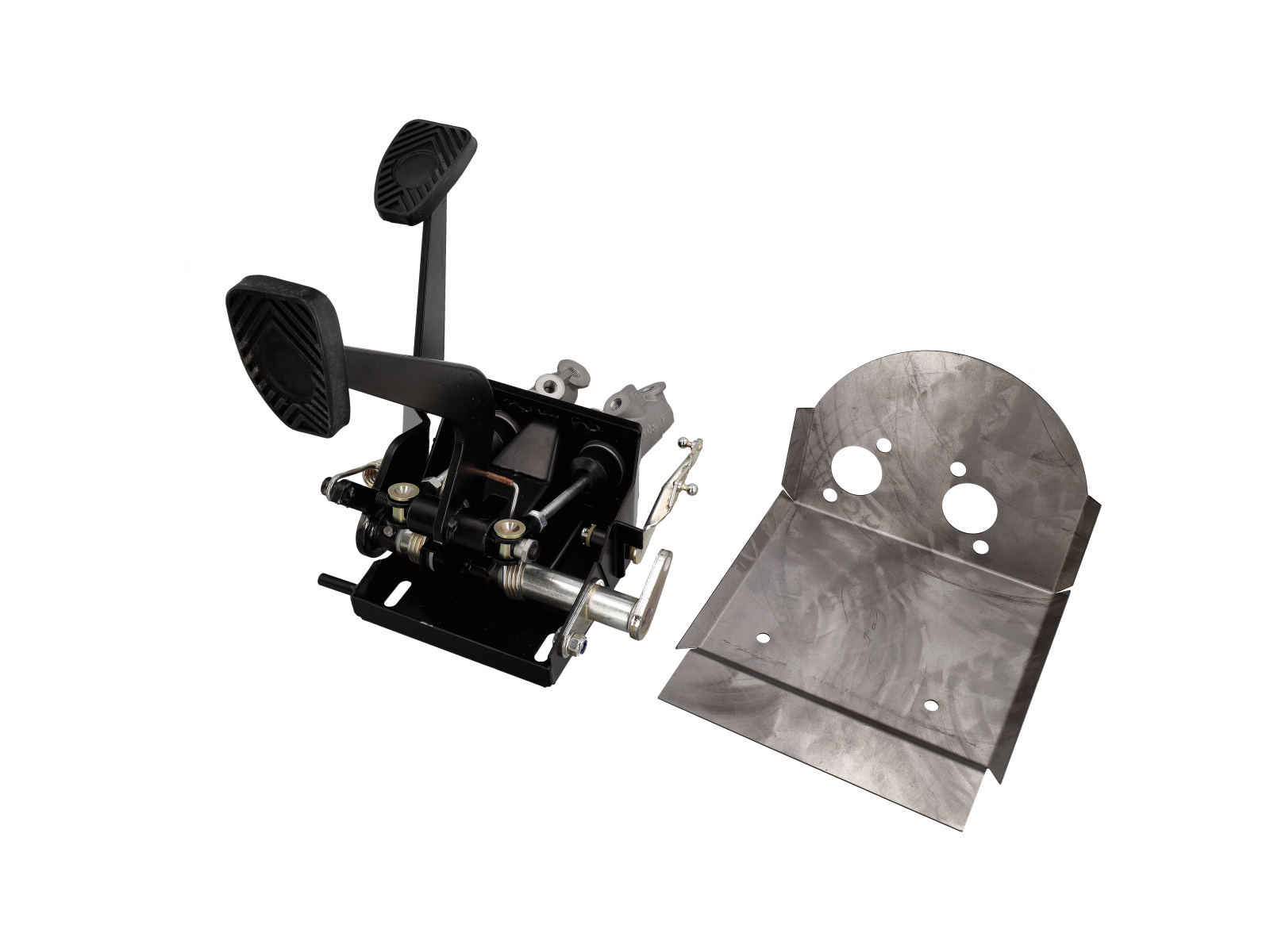
Note: The floor pan must be modified and included in the kit is the reinforcement panel required.
As fitted to the 2.8 RSR and 3.0 RSR by the Porsche factory, a balance beam brake system works by allowing precise distribution of the braking forces between the front and rear axles by adjusting the brake beam. This allows the maximum braking performance for the vehicle.
If using upgraded (from standard) brake calipers with different piston sizes, different pads or larger brake discs the braking force to the respective axles can be altered so a balance beam brake system should be used. Brake calipers with increased piston sizes can also lead to a "soft" brake pedal and the balance beam brake system prevents this.
The balance beam systems has two brake master cylinders mounted in parallel on a bracket that allows precise adjustment between the front and rear axles.
If you don't want to make any changes to the bodywork, or originality is not so important to you, use the balance arm brake system of the 911 SC RS (item number 91142305401/1).
- Porsche 911 1965-1968 2.0L / 912 SWB (F)
- Porsche 911 1968-1973 2.2L / 2.4L / 2.7L RS LWB (F)
- Porsche 911 1974-1977 2.7L / 1976-77 3.0 Carrera
- Porsche 911 1978-1983 3.0L / SC
- Porsche 911 1984-1986 3.2L
- Porsche 911 1987-1989 3.2L G50
- Porsche 911 1975-1977 3.0L Turbo (930)
- Porsche 911 1978-1989 3.3L Turbo (930)
- Porsche 914 (1970-1976)
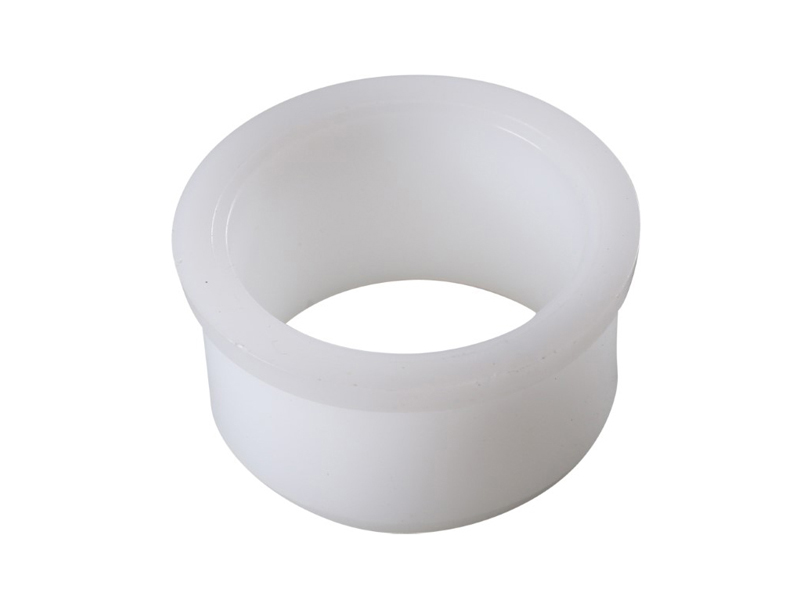
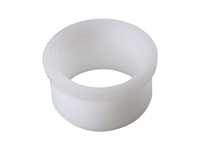
Sold each.
Fits:
Porsche 911 2.0-3.3 01/63-07/89
Porsche 914 1.7-2.0 01/69-02/76
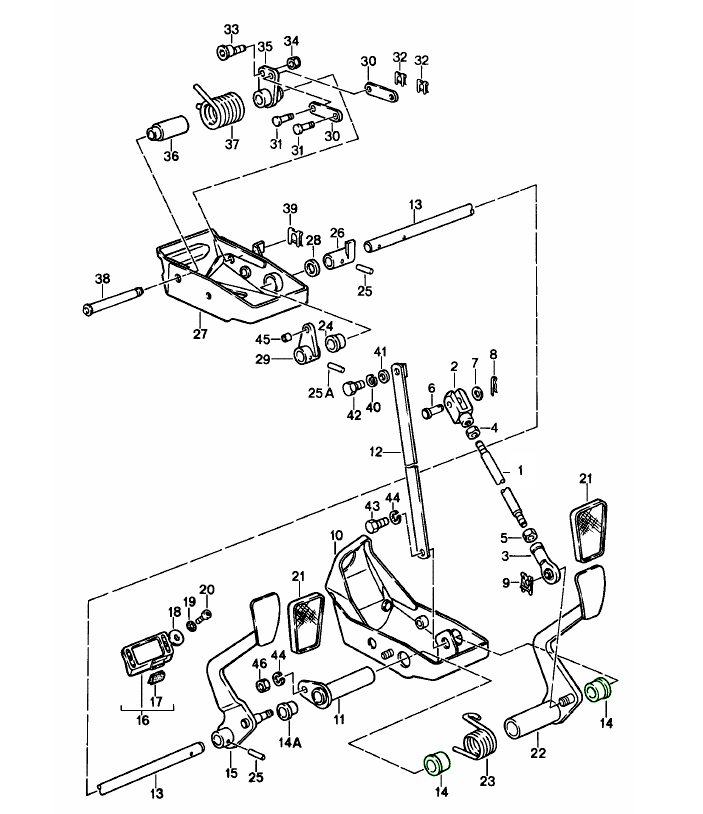
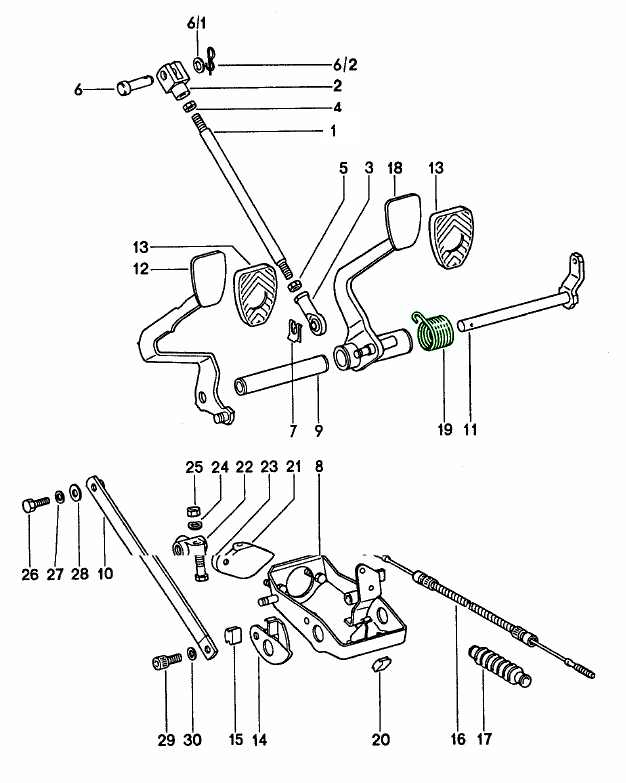
Click 'Zoom in' for large parts diagram.
Diagram ref no 14
Related reference numbers
Related, superseded, cross reference or alternative numbers for comparison.
91142354201
The product you are viewing cross references to these numbers
- Porsche 911 1974-1977 2.7L / 1976-77 3.0 Carrera
- Porsche 911 1978-1983 3.0L / SC
- Porsche 911 1984-1986 3.2L
- Porsche 911 1987-1989 3.2L G50
- Porsche 911 1975-1977 3.0L Turbo (930)
- Porsche 911 1978-1989 3.3L Turbo (930)
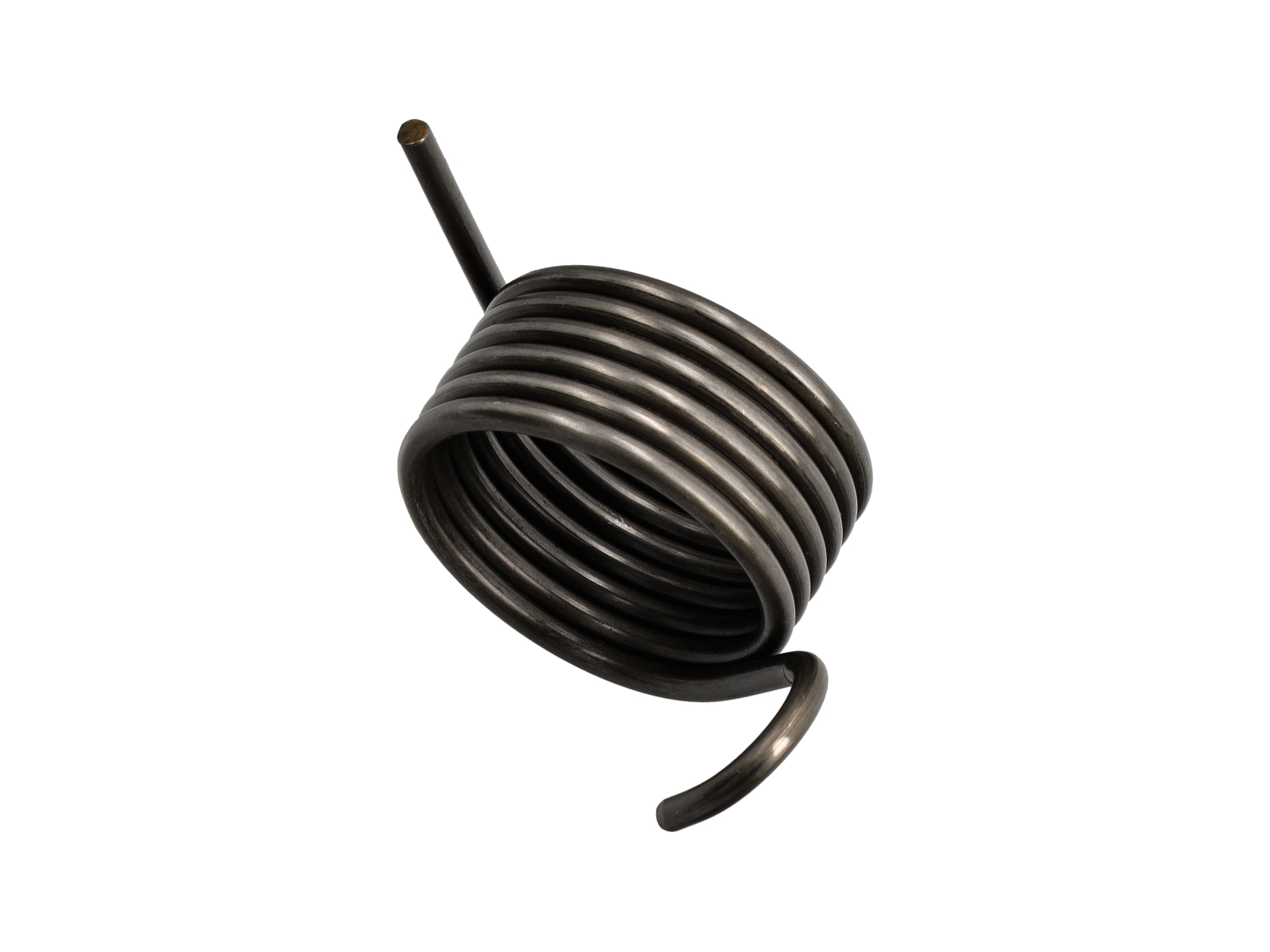
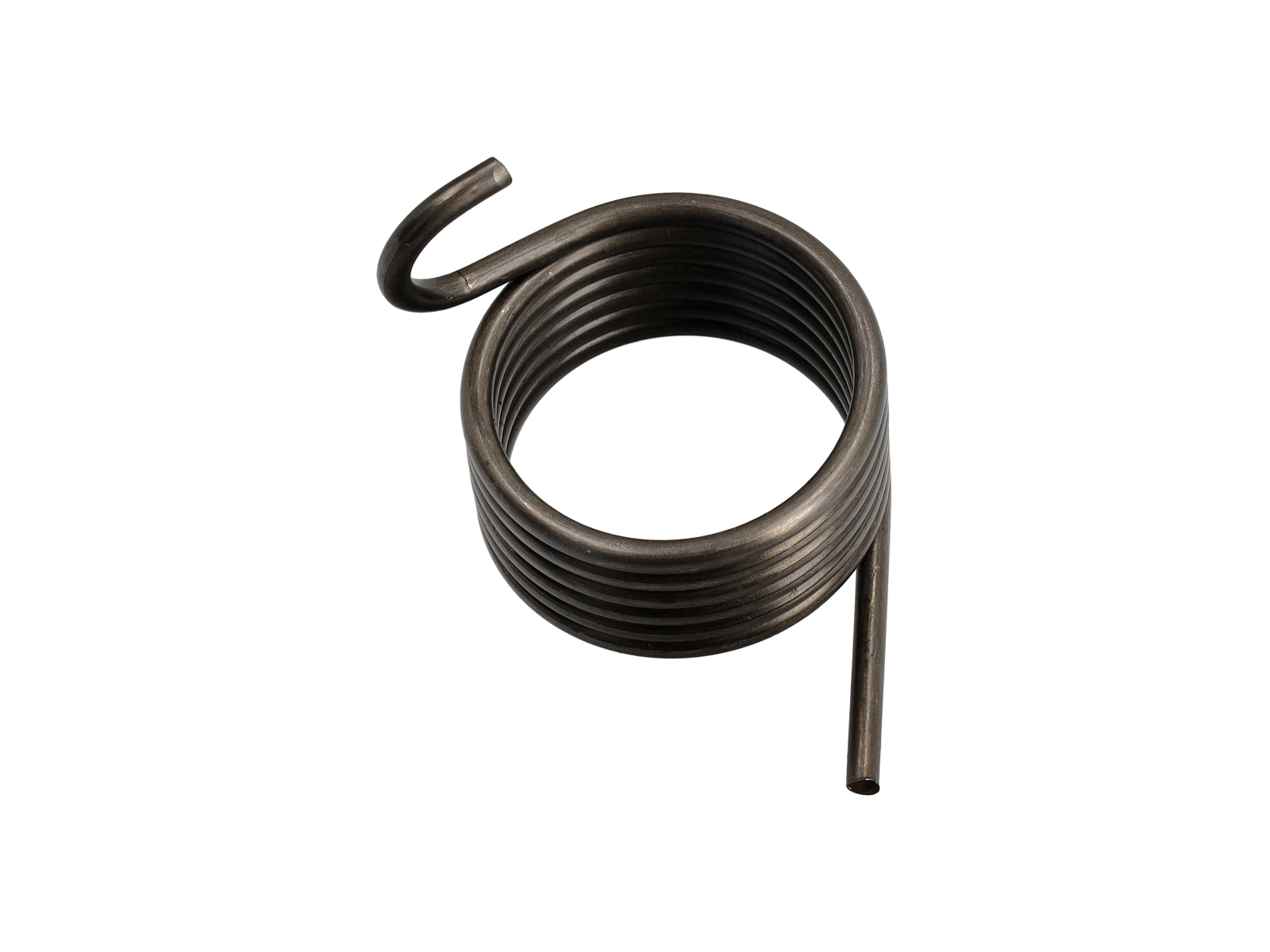
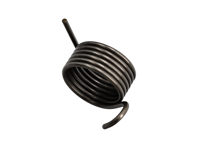
Pedal Return Spring
The OE Brake Pedal Return Spring is a replacement component
for left-hand-drive Porsche 911 models manufactured between 1974 and 1989,
designed to help return the brake pedal to its normal resting position after
braking.
Fits:
- Porsche 911 1974-1977 2.7L / 1976-77 3.0 Carrera
- Porsche 911 1978-1983 3.0L / SC
- Porsche 911 1984-1986 3.2L
- Porsche 911 1987-1989 3.2L G50
- Porsche 911 1975-1977 3.0L Turbo (930)
- Porsche 911 1978-1989 3.3L Turbo (930)
Diagram ref no 19
The brake pedal return spring is an important part of the pedal assembly, helping maintain smooth, consistent pedal movement and ensuring the brake pedal returns correctly when released.
Over time, the original spring can weaken, corrode, stretch or break, potentially resulting in sluggish pedal return, excessive pedal movement or an incorrectly positioned brake pedal.
Replacing a worn or damaged spring helps restore the intended operation of the brake pedal assembly and contributes to the safe and reliable functioning of the braking system.
What Does the Brake Pedal Return Spring Do?
The brake pedal return spring assists the brake pedal in returning to its normal resting position when the driver releases pressure from the pedal.
Working alongside the pedal linkage and brake master cylinder mechanism, the spring helps maintain consistent pedal movement and return action.
Its main functions include:
- Assisting the brake pedal's return to its resting position
- Maintaining the correct pedal return action
- Helping prevent excessive pedal movement
- Supporting smooth operation of the pedal assembly
- Contributing to consistent brake pedal feel
- Helping maintain the correct relationship between the brake pedal and its associated controls
Although relatively small, the return spring is an important mechanical component within the brake pedal assembly.
Why Does the Brake Pedal Return Spring Fail?
Brake pedal return springs are subjected to repeated tension and movement every time the brakes are applied.
After many years of use, the spring may lose its original tension or suffer mechanical damage.
Common causes of failure include:
- Metal fatigue from repeated pedal operation
- Corrosion caused by moisture and age
- Loss of spring tension over time
- Stretching or deformation
- Breakage caused by excessive loading
- Incorrect installation during pedal assembly repairs
- Damage to the spring's mounting or attachment points
A weakened or broken spring may no longer provide sufficient assistance to return the brake pedal correctly.
When Should It Be Replaced?
Replacement is recommended whenever the brake pedal return spring becomes weakened, stretched, corroded, damaged or broken.
Common symptoms include:
- Brake pedal slow to return after being released
- Brake pedal failing to return fully to its resting position
- Excessive free movement in the pedal assembly
- Unusual pedal movement or inconsistent return action
- Visible corrosion or deformation of the spring
- Broken or missing spring Incorrect pedal positioning following previous repairs
The return spring should also be inspected during pedal cluster refurbishment, brake master cylinder replacement or a complete classic Porsche restoration.
A brake pedal that does not return correctly may also indicate a fault elsewhere in the braking system and should be investigated before the vehicle is driven.
Checks & Diagnosis
Before replacing the spring, inspect the complete brake pedal assembly to determine the cause of the problem.
Check for:
- Weak, stretched or broken return spring
- Corrosion around the pedal pivot points
- Worn pedal bushes or bearings
- Stiff or seized pedal movement
- Damaged spring attachment points
- Incorrect pedal linkage adjustment
- Brake master cylinder or pushrod problems
- Obstruction preventing full pedal return
A sticking brake pedal is not always caused by the return spring. Binding pedal pivots, incorrect linkage adjustment or hydraulic faults can produce similar symptoms.
If the pedal does not return fully or the brakes remain partially applied, the underlying fault must be identified and repaired.
Installation Notes
The brake pedal return spring is fitted within the brake pedal assembly and should be installed in accordance with the Porsche workshop instructions.
Before installation, inspect the pedal pivots, bushes, spring mounting points and associated linkage for wear or damage.
Ensure the replacement spring is correctly positioned and securely attached.
Take care when fitting or removing the spring, as it may be under tension.
After installation, check that the brake pedal moves freely and returns fully to its correct resting position.
Verify the brake pedal free play, brake light switch operation and correct brake release before returning the vehicle to service.
Professional installation is recommended because the component forms part of the braking system.
Related reference numbers
Related, superseded, cross reference or alternative numbers for comparison.
91142353103
The product you are viewing cross references to these numbers
- Porsche 911 1974-1977 2.7L / 1976-77 3.0 Carrera
- Porsche 911 1978-1983 3.0L / SC
- Porsche 911 1984-1986 3.2L
- Porsche 911 1987-1989 3.2L G50
- Porsche 911 1975-1977 3.0L Turbo (930)
- Porsche 911 1978-1989 3.3L Turbo (930)
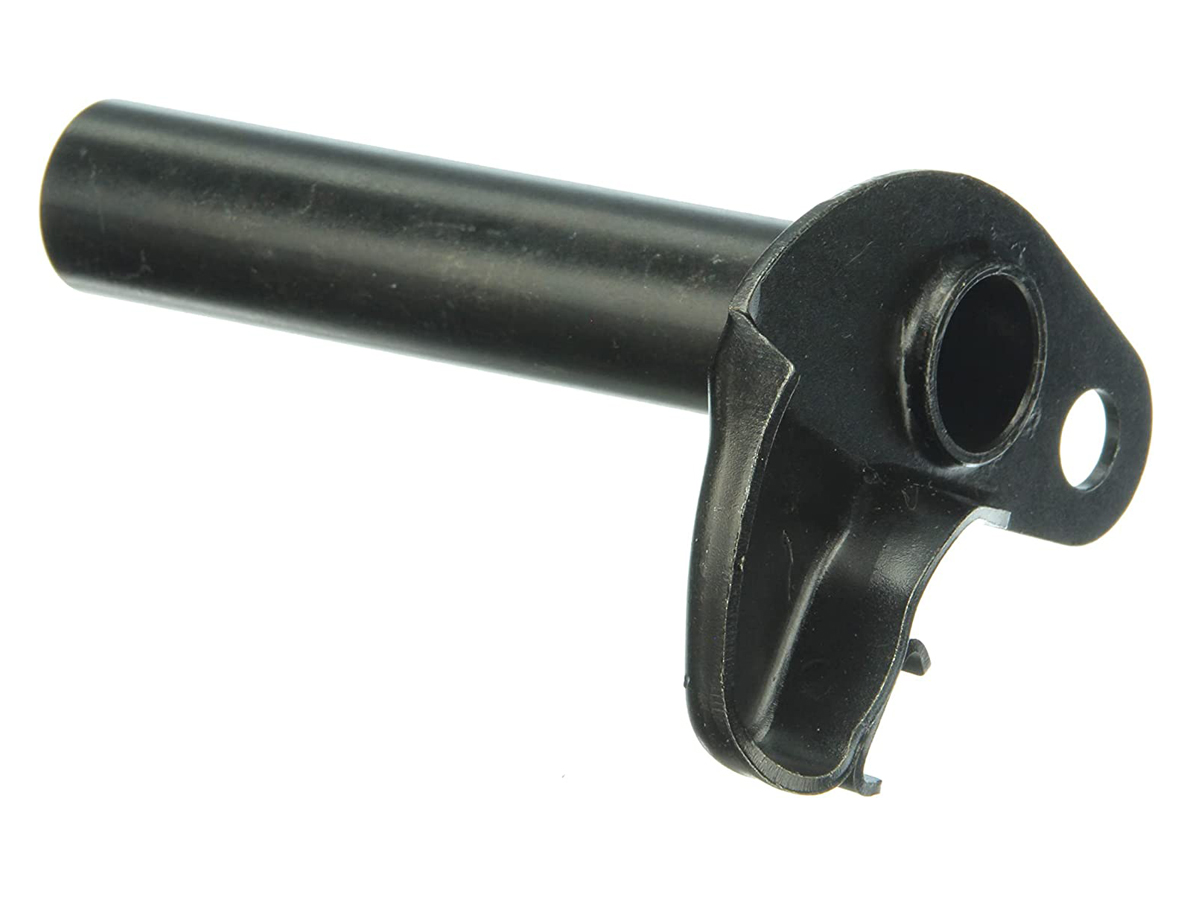
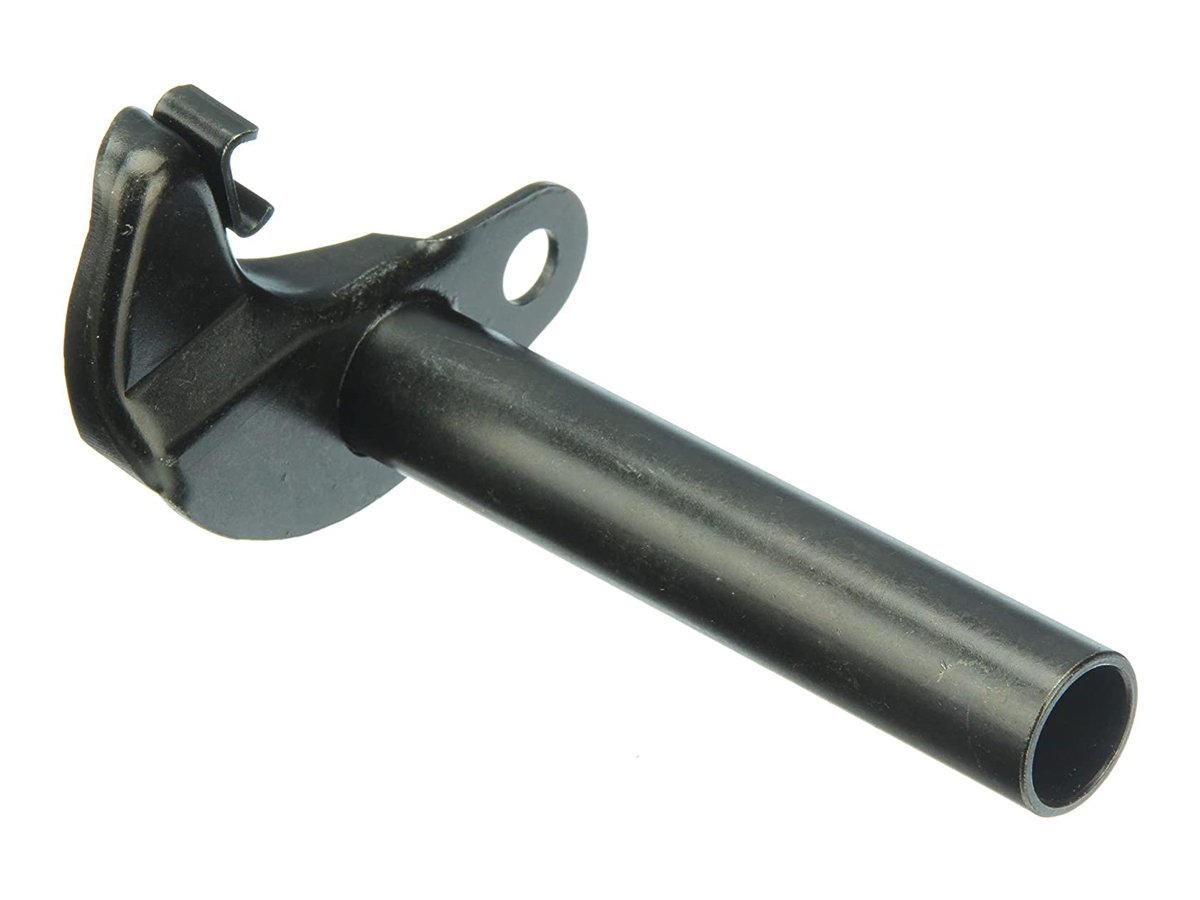
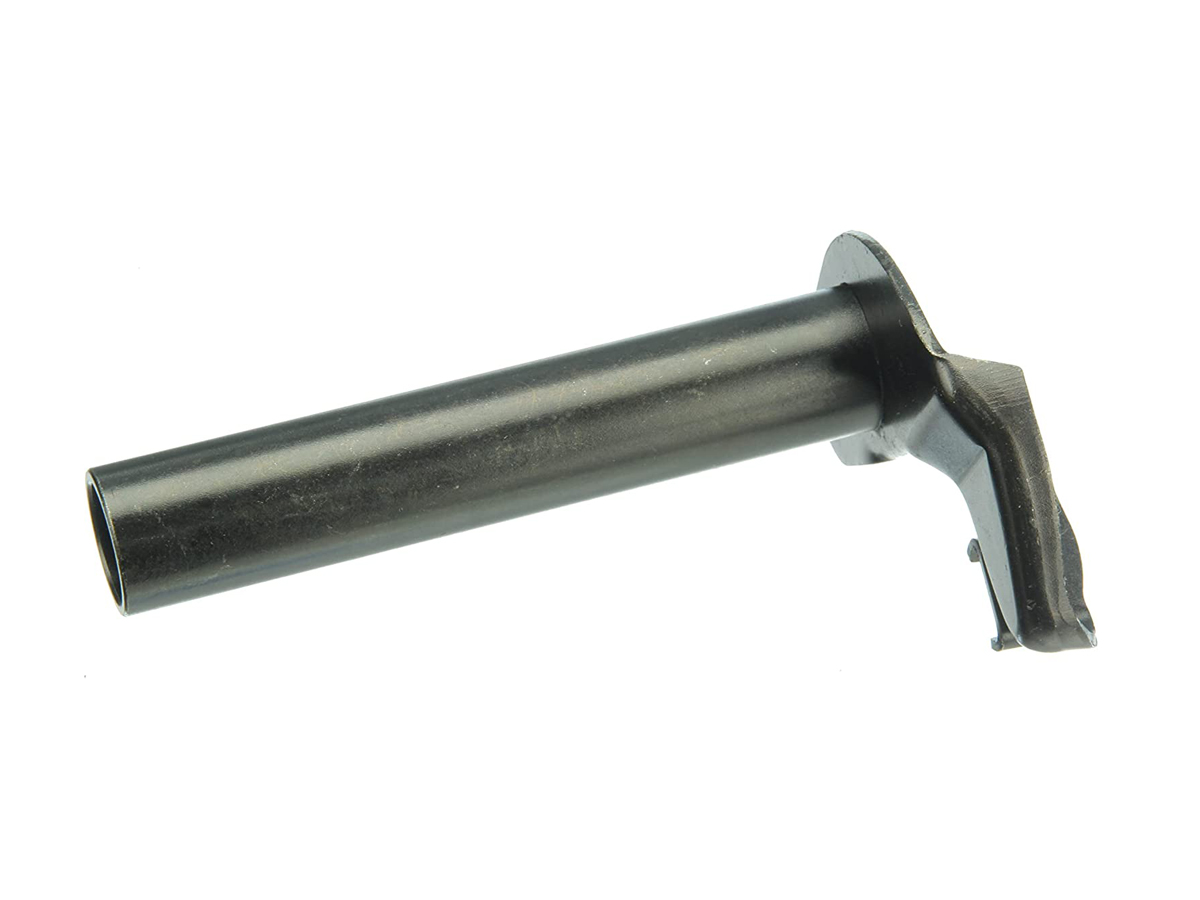
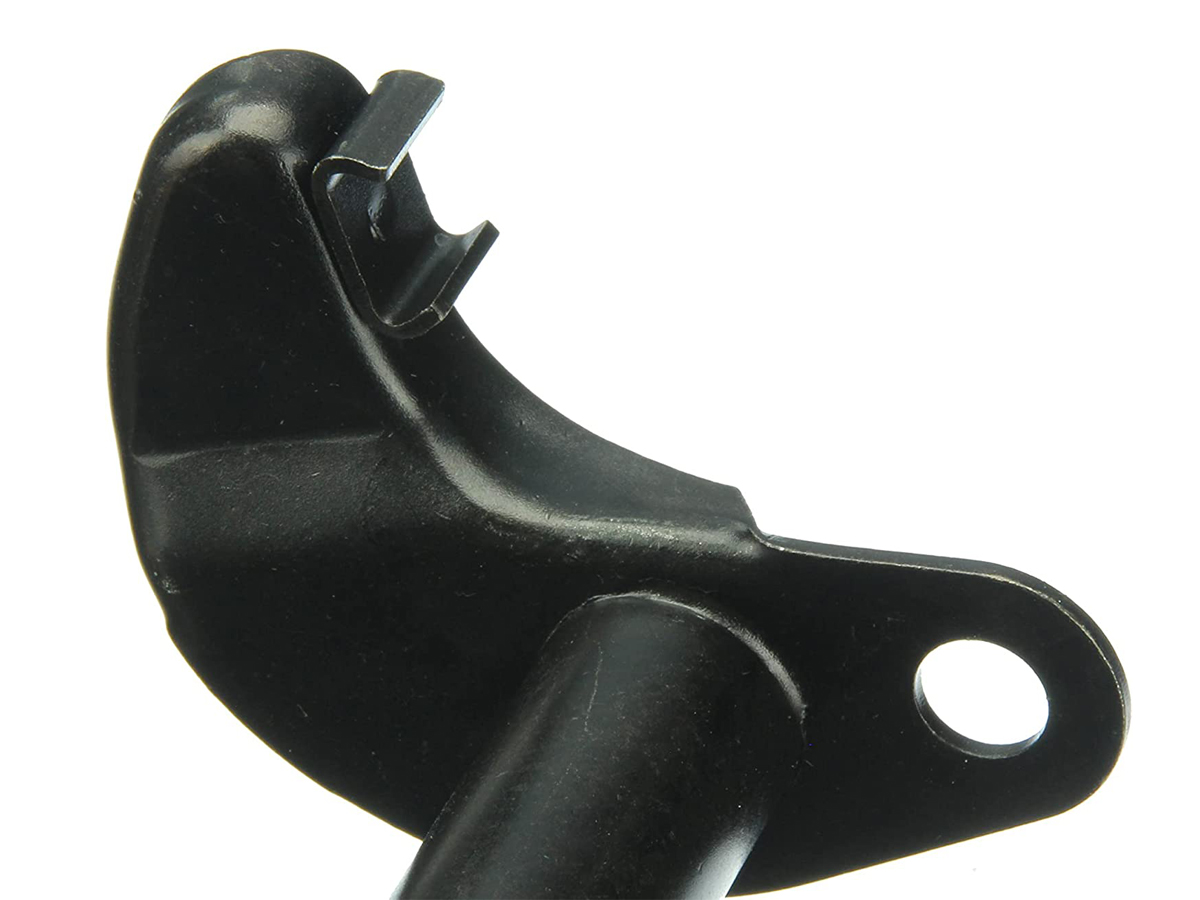
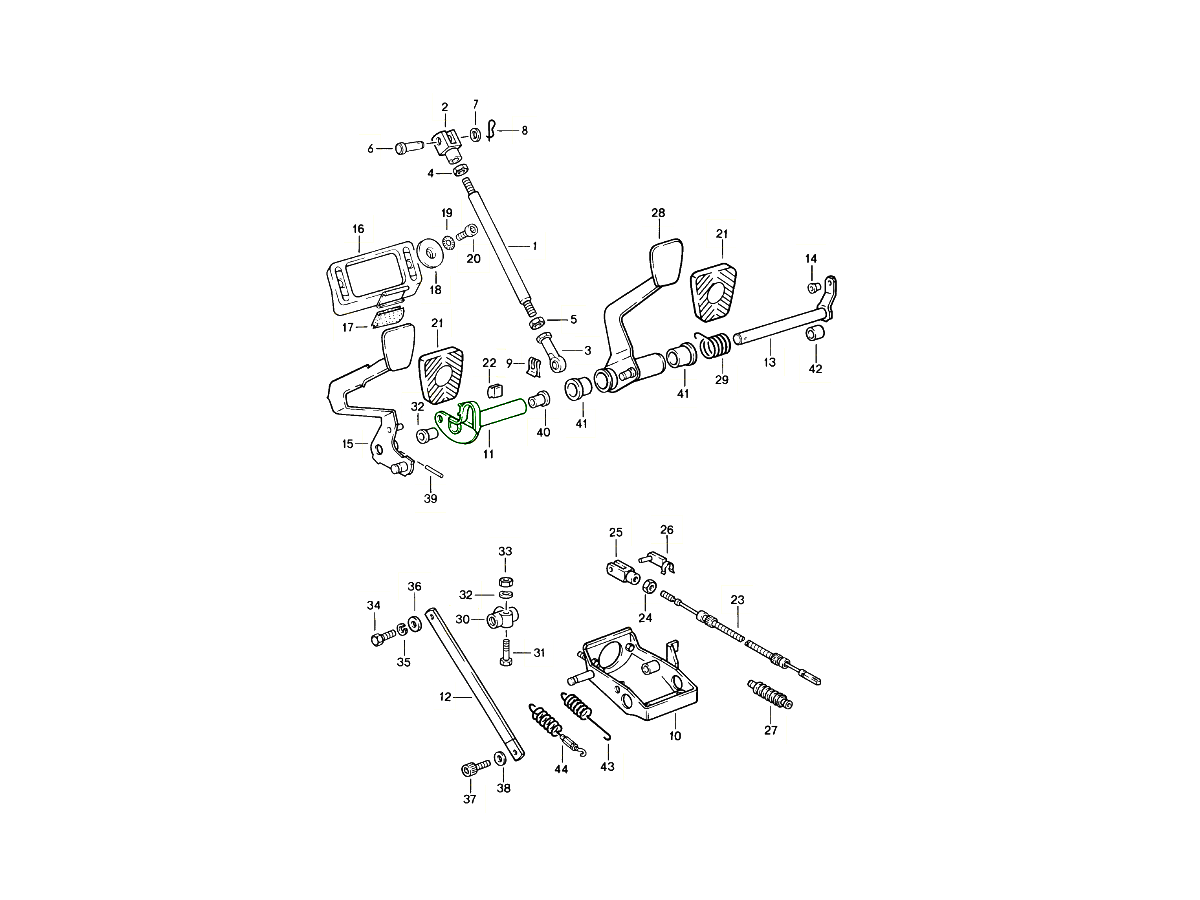
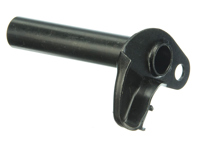
In pedal box; Brake pedal pivots on OD and Clutch pedal pivots on ID of this tube.
Fits:Porsche 911/911S 1974-77
Porsche 911 1978-86 (LHD Cars)
Porsche 911 (930) Turbo 1975-77
Porsche 911 (930) Turbo 1984-88 (LHD Cars)
Diagram ref no 11
Related reference numbers
Related, superseded, cross reference or alternative numbers for comparison.
91142306200
The product you are viewing cross references to these numbers
- Porsche 911 1965-1968 2.0L / 912 SWB (F)
- Porsche 911 1968-1973 2.2L / 2.4L / 2.7L RS LWB (F)
- Porsche 911 1974-1977 2.7L / 1976-77 3.0 Carrera
- Porsche 911 1978-1983 3.0L / SC
- Porsche 911 1984-1986 3.2L
- Porsche 911 1987-1989 3.2L G50
- Porsche 911 1975-1977 3.0L Turbo (930)
- Porsche 911 1978-1989 3.3L Turbo (930)
Note: RHD cars also need Accelerator bell crank bushing 91442321101 which is not in the kit.
Not for Sportomatic SPM cars
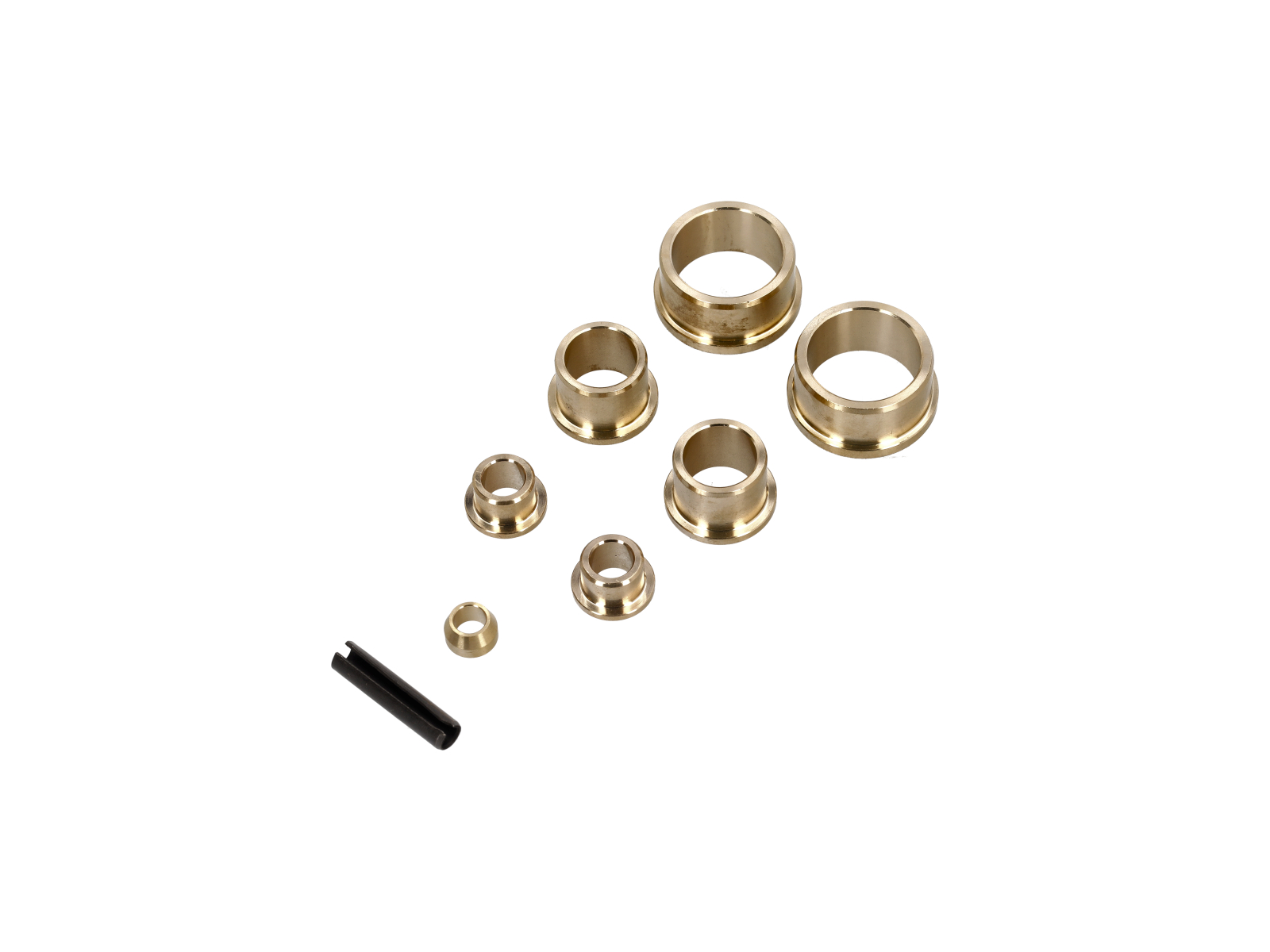
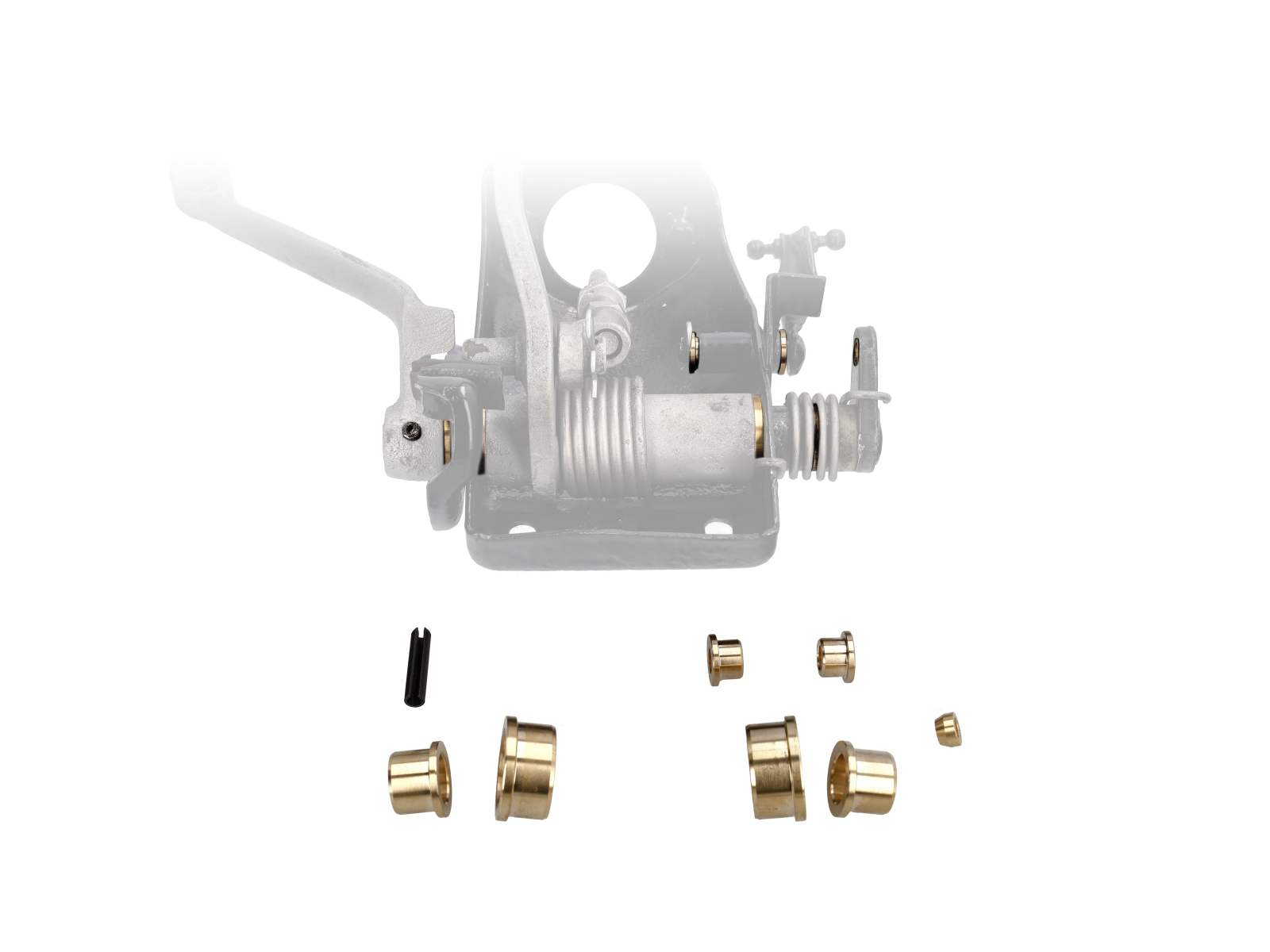
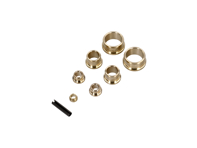
Heavy duty brass pedal bushing kit contains:
(x2) Brake Pedal Bushings - 91142354201
(x2) Clutch Pedal Bushings - 91142334102
(x2) Accelerator pedal Bell Crank Bushings - 90142325300
(x1) Clutch Clevis Pin Bushing - 90142343400
(x1) Clutch Pedal Roll/Spring pin - 90030900200
Fits:
Porsche 911 1965-89
Porsche 912
Porsche 930 1976-88
excluding Sportomatic
Worn plastic brake pedal bushings or sticking accelerator bushing cause serious accidents. The ultimate solution is a set of Design 911 precision heavy duty brass pedal bushings. This is a comprehensive pedal box rebuild kit, with seven heavy duty bushings for the clutch cable arm, brake, clutch, and throttle pedals, and a new spring/roll clutch pedal retaining pin.
Sold as a set
Related reference numbers
Related, superseded, cross reference or alternative numbers for comparison.
93042340190
The product you are viewing cross references to these numbers
- Porsche 911 1965-1968 2.0L / 912 SWB (F)
- Porsche 911 1968-1973 2.2L / 2.4L / 2.7L RS LWB (F)
- Porsche 911 1974-1977 2.7L / 1976-77 3.0 Carrera
- Porsche 911 1978-1983 3.0L / SC
- Porsche 911 1984-1986 3.2L
- Porsche 911 1987-1989 3.2L G50
- Porsche 911 1975-1977 3.0L Turbo (930)
- Porsche 911 1978-1989 3.3L Turbo (930)
- Porsche 964 (911) C2 1989-93
- Porsche 964 (911) C4 1989-93
- Porsche 964 (911) RS 3.6L 1991-93
- Porsche 964 (911) RS 3.8L 1991-93
- Porsche 964 (911) TURBO 3.3L 1991-93
- Porsche 964 (911) TURBO 3.6L 1991-93
- Porsche 993 (911) C2 1994-97
- Porsche 993 (911) C4 1994-97
- Porsche 993 (911) RS 1994-97
- Porsche 993 (911) C2S 1994-97
- Porsche 993 (911) C4S 1994-97
- Porsche 993 (911) TURBO 1994-96
- Porsche 993 (911) GT2 1994-97
- Porsche 993 (911) TURBO S 1994-97
- Porsche 356 1950-55
- Porsche 356A 1955-59
- Porsche 356B 1959-63
- Porsche 356C 1963-65
- Porsche 914 (1970-1976)
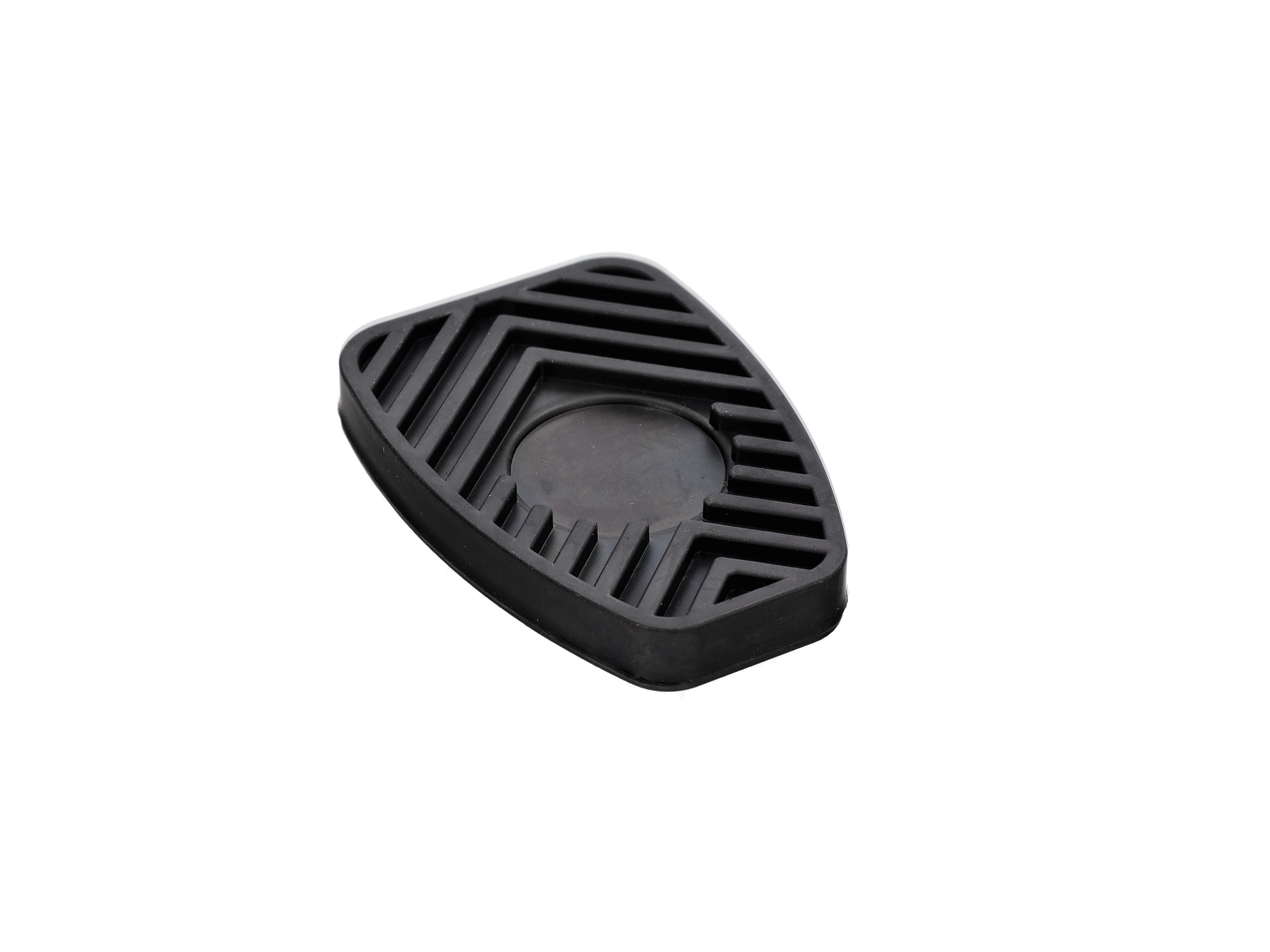
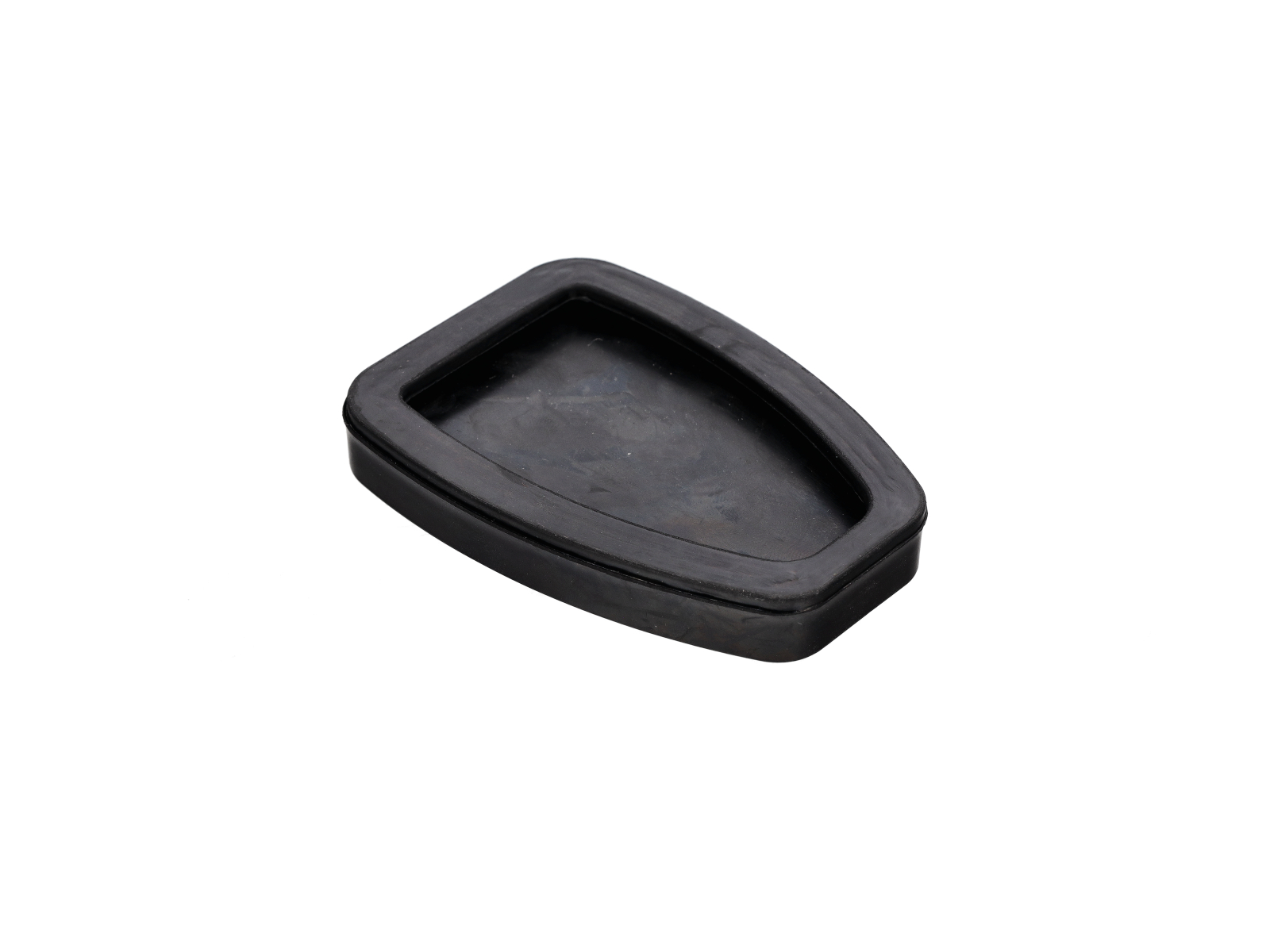
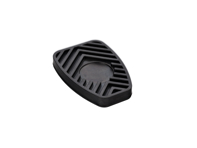
It’s designed to fit tightly over the pedal arm face, providing the correct grip pattern and cushioning feel underfoot. Ideal for restorations, interior refreshes, or routine servicing, it helps keep pedal operation safe and consistent.
Sold each.
Fits:
Porsche 911 1970 - 1989 RHD or LHD Cars
Porsche 356 1950 - 1965 RHD or LHD Cars
Porsche 914 1970 - 1976 RHD or LHD Cars
Porsche 964 1990 - 1994 LHD Cars
Porsche 993 1994 - 1998 LHD Cars
The pad acts as a grippy wear layer over the pedal surface, improving pedal feel and protecting the metal pedal face from further wear while maintaining the original pedal appearance.
Old pedal rubbers harden, crack, or wear smooth over time, which can reduce grip and driver control. Replacing pad restores safety, improves pedal feel, and refreshes the cabin’s original finish.
When to replace:
• Pedal surface is smooth or slippery
• Rubber is cracked, split, or missing
• Pad feels loose on the pedal
• During interior refresh or pedal box service
Related reference numbers
Related, superseded, cross reference or alternative numbers for comparison.
91442321000
The product you are viewing cross references to these numbers


OEMatch Brake Pedal & Parts — Stopping Power, Consistent Control
For Porsche models, well-maintained brake pedals preserve precise control and consistent feedback whether used on the road or the track. Many owners search for genuine or OEM brake pedal & parts; these are direct-fit alternatives designed to match the original form, fit and function. OEMatch focuses on Brake Pedal & Parts-related items selected for Porsche applications.
Understanding OEMatch Brake Pedal & PartsOEM (Original Equipment Manufacturer) parts are made by the same company that produced your Porsche’s original brake pedal & parts.
OE (Original Equipment) refers to parts matching original specifications for the brake pedal & parts and may be supplied by alternative manufacturers. Aftermarket parts offer alternative options, sometimes with enhanced features or better value. OEMatch supplies non‑OEM brake pedal & parts engineered as direct‑fit alternatives to OEM parts, made to original‑spec dimensions and tolerances for Porsche models.
The brake pedal converts driver force into hydraulic or electronic braking input via the master cylinder and associated sensors. Typical assemblies comprise the pedal arm, pivot and bushings, return spring, mounting bracket and the brake light switch or travel sensors where fitted. Correct geometry and free movement are essential to consistent pedal travel and predictable modulation.
- Restores consistent pedal feel and travel for accurate braking
- Supports reliable activation of brake light switches and sensors
- Resists corrosion and fatigue through selected materials
- Maintains mounting points and clearances for safe operation
- Worn pivots or bushings producing play and uneven movement
- Corrosion or metal fatigue in brackets and arms
- Weakened or broken return springs and faulty switches or sensors
A correctly functioning pedal affects stopping distances and driver confidence; faults can lead to inconsistent braking or failure to signal braking to vehicle systems. Timely replacement restores control, prevents secondary damage to the master cylinder or sensors, and reduces the risk of noise, sticking or unexpected pedal travel. For Porsche models, attention to correct fasteners and any required sensor recalibration supports safe operation.
Advantages- Direct-fit alternatives designed to match original form, fit and function
- Made to original-spec dimensions and tolerances for consistent performance
- Selected for Porsche applications and compatibility with factory sensors where applicable