



Enter your VAT number here and click Verify:
Your details have been verified. VAT number registered to:
,
.
Your order will now be zero rated for VAT purposes. We reserve the right to verify these details after your order request has been made and reinstate VAT if required.
Your VAT details were not recognised or were invalid. Your VAT number must be matched to your Billing Country as specified above. This is currently specified as . You do not need to enter the country code part of your VAT number as this has already been selected in your billing address details above.
The VAT number checking service is currently offline. Please supply your VAT details within the comments or special instructions field below and we will apply a VAT discount after placing your order request.
Moulding and deco trims
By OE Match


- Porsche 911 1965-1968 2.0L / 912 SWB (F)
- Porsche 911 1968-1973 2.2L / 2.4L / 2.7L RS LWB (F)
- Porsche 911 1974-1977 2.7L / 1976-77 3.0 Carrera
- Porsche 911 1978-1983 3.0L / SC
- Porsche 911 1984-1986 3.2L
- Porsche 911 1987-1989 3.2L G50
- Porsche 911 1975-1977 3.0L Turbo (930)
- Porsche 911 1978-1989 3.3L Turbo (930)
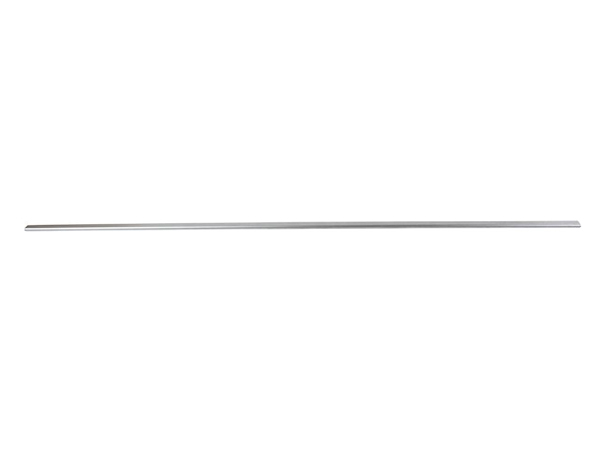
Length: 1 METER.
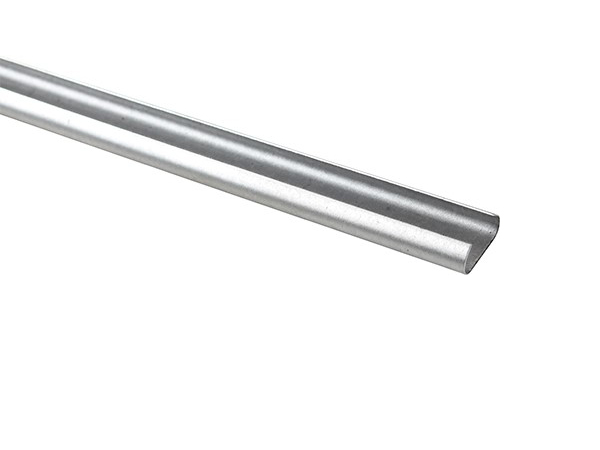
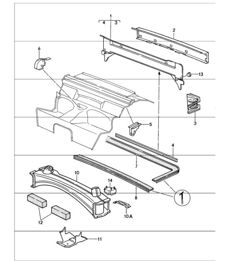
The OE MATCH Rear Profile Rail for Engine Bay Seal is a replacement retaining rail designed to secure the engine bay sealing profile in its correct position. Located at the rear of the engine compartment, this rail forms part of the engine bay sealing system and provides the correct mounting channel and support for the rubber seal.
Fits:
- Porsche 911 2.0-3.3 01/63-07/89
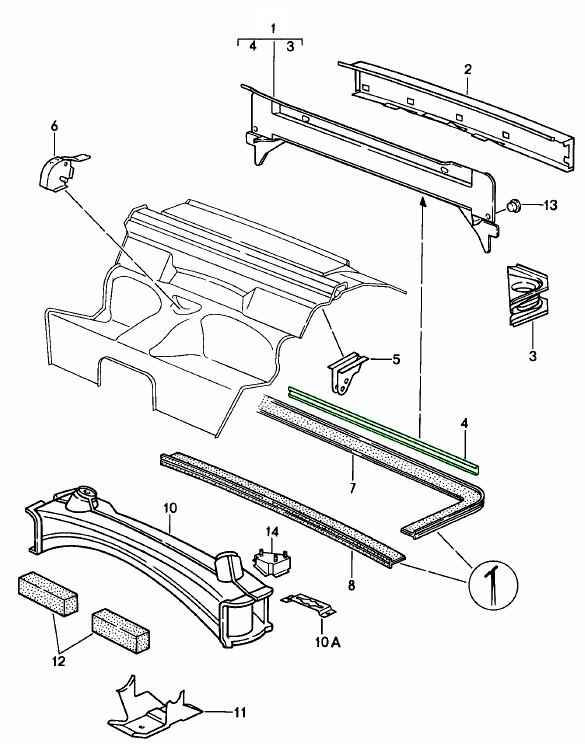
Diagram Ref No 4
On older classic Porsche models, the original rail can become corroded, bent, damaged or weakened, particularly after decades of exposure to moisture, engine heat and previous repair work. This OE MATCH replacement is ideal for restoration work or when renewing the surrounding engine bay seals and bodywork.
What This Product Does:
- The profile rail acts as a retaining and locating channel for the engine bay rubber seal. It holds the seal securely against the bodywork so that it can maintain the intended separation between the engine compartment and surrounding body panels.
- A correctly fitted rail helps the rubber sealing profile sit at the proper height, position and orientation, preventing sections of the seal from becoming loose, displaced or incorrectly seated.
- Although simple in design, the rail is an important supporting component of the engine bay sealing arrangement. A new rubber seal cannot perform as intended if the rail securing it is badly corroded, distorted or missing.
Symptoms Of Wear Or Failure:
Because the profile rail is a structural retaining component rather than a conventional moving part, deterioration is usually visible during inspection or when removing the engine bay seal.
Common signs that replacement may be required include:
- Rust or corrosion along the profile rail
- Perforation or severe metal deterioration
- Rail becoming bent, crushed or distorted
- Engine bay seal repeatedly coming loose
- Rubber seal no longer sitting evenly in its channel
- Sections of the retaining rail becoming detached
- Damage caused during previous bodywork or restoration
- Missing sections of the original rail
- Difficulty installing or retaining a replacement engine bay seal
- Poor or inconsistent sealing around the rear engine compartment
Corrosion can be particularly problematic because deterioration may be hidden beneath or behind the rubber sealing profile until the seal is removed.
Why Replacement Matters:
- A damaged profile rail can prevent the engine bay seal from being securely and correctly installed. Even a new seal may lift, move or sit incorrectly when fitted into a deteriorated retaining channel.
- Replacing the rail provides a sound mounting surface for the engine bay seal and helps restore the original sealing arrangement of the engine compartment. Correct sealing is important for managing the airflow and separation intended by the vehicle's original engine bay design, as well as helping limit the transfer of dirt, debris and moisture through unwanted gaps.
- Addressing corrosion at the rail also matters during restoration. Leaving a badly rusted retaining section in place can compromise otherwise good bodywork and make future seal replacement more difficult.
Related reference numbers
Related, superseded, cross reference or alternative numbers for comparison.
90150179720
The product you are viewing cross references to these numbers
- Porsche 911 1974-1977 2.7L / 1976-77 3.0 Carrera
- Porsche 911 1978-1983 3.0L / SC
- Porsche 911 1984-1986 3.2L
- Porsche 911 1987-1989 3.2L G50
- Porsche 911 1975-1977 3.0L Turbo (930)
- Porsche 911 1978-1989 3.3L Turbo (930)
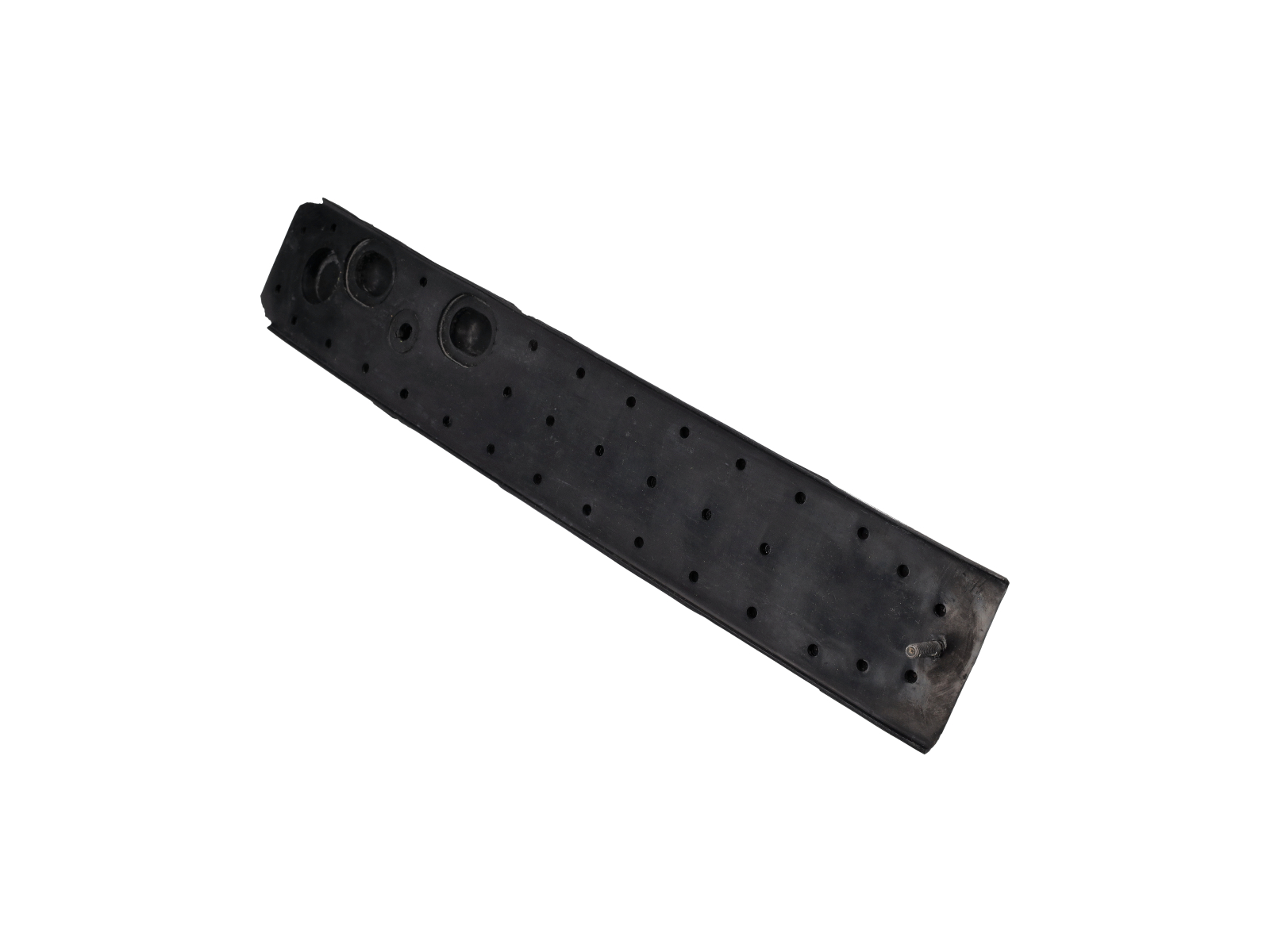
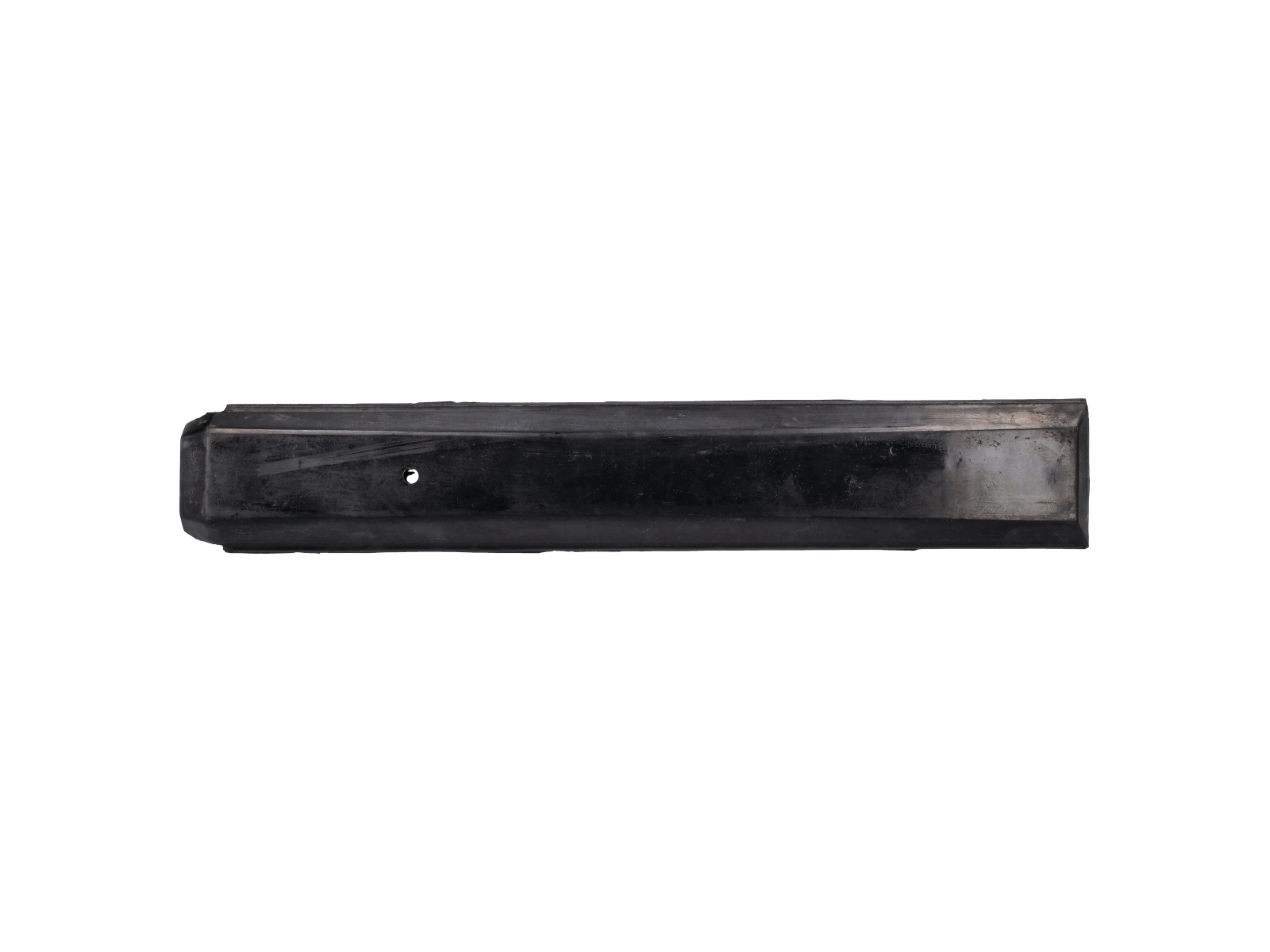
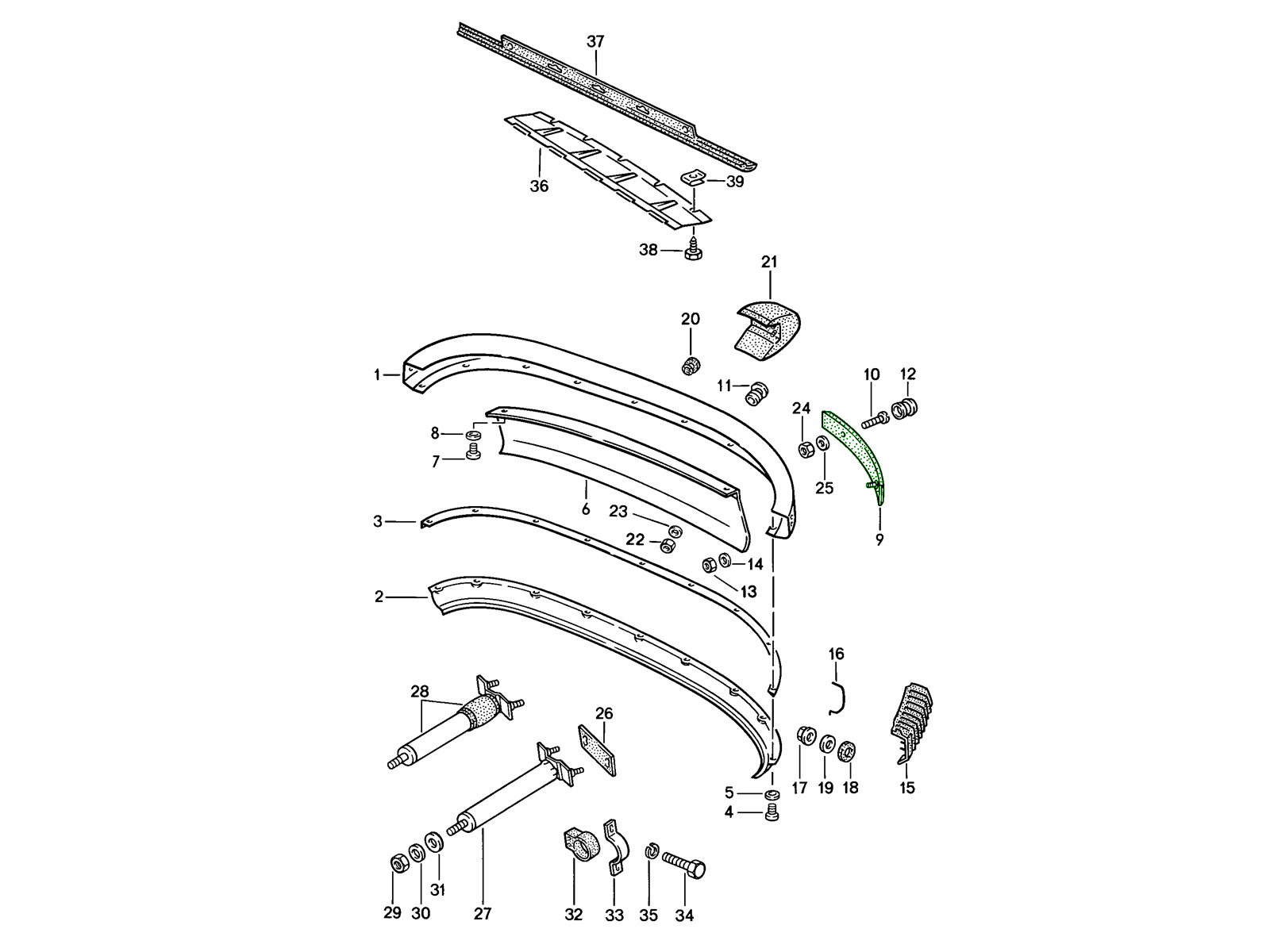
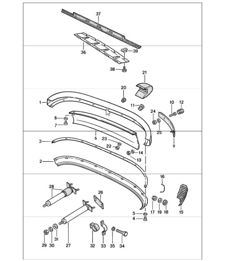
Also known as a rear bumper guard or bumper protection strip, it is mounted along the corner of the rear bumper to provide aesthetic and light impact protection. It acts as a protective rubber trim piece that attaches to the corner of the rear bumper, helping to prevent damage from light impacts, parking accidents, or everyday wear and tear.
Fits:
Porsche 911 1974 - 1989
Porsche 912 1976
Porsche 930 1978 - 1979
Diagram ref no. 9
The rear bumper protective trim enhances the aesthetic finish of the bumper while acting as a buffer against minor impacts. By absorbing small knocks and contact with objects such as shopping carts or low barriers, the strip helps protect the painted bumper surface underneath and maintain the classic exterior look.
Function:
• Protects the rear bumper surface against minor knocks and abrasion
• Complements the vehicle’s exterior styling with a period-correct trim piece
• Maintains original bumper contours and bodyline appearance
• Helps preserve resale value by reducing visible damage in a vulnerable area
Original bumper trim strips can become cracked, worn, faded, or missing over time due to age and environmental exposure. A damaged or missing trim strip not only detracts from the car’s appearance but also leaves the bumper more susceptible to scratches and dents. The replacement strips restore a factory-style finish and continue to provide a tangible protective function.
Replace this bumper trim if:
• The original strip is cracked, faded, or torn
• Trim no longer fits snugly to the bumper
• Cosmetic restoration of the bumper area is underway
• During bumper repair or repaint work
Related reference numbers
Related, superseded, cross reference or alternative numbers for comparison.
911505
The product you are viewing cross references to these numbers
OEMatch Moulding and deco trims — Fit, Function, Confidence
OEMatch Moulding and deco trims for Porsche models provide finishing strips, protective edges and decorative trim designed for visual accuracy and straightforward replacement. They support restoration and repair projects across classic and modern Porsche models while matching period-correct appearance and surface finishes.
Available Types- Chrome and aluminium mouldings
- Rubber deco strips
- Rear bumper finishing strips
- Classic reproduction mouldings for 356, 911 and 964
- Mounting clips and fixing accessories
- Custom and lightweight trim options
OEM (Original Equipment Manufacturer) parts are made by the same company that produced your Porsche’s original moulding and deco trims. OE (Original Equipment) refers to parts matching original specifications for the moulding and deco trims and may be supplied by alternative manufacturers. Aftermarket parts offer alternative options, sometimes with enhanced features or better value. OEMatch supplies non-OEM moulding and deco trims engineered as direct-fit alternatives to OEM parts, made to original-spec dimensions and tolerances for Porsche models. OEMatch provides a wide range of Porsche components, from gaskets to suspension hardware, engine parts and interior trim; over 4,000 individual part numbers and over 8,700 OE cross-references are catalogued and new items are regularly added to support restoration and maintenance work.
Benefits Include- Preserve authentic exterior appearance and correct panel alignment
- Protect bumper edges and paint from minor scuffs
- Provide period-correct finishes in metal or rubber to suit restoration goals
- Impact and abrasion from kerbs or loading
- UV exposure and corrosion of metal trims and hardening of rubber parts
- Loose or damaged clips, adhesive failure or incorrect installation
Mouldings and deco trims play a visible role in a Porsche’s exterior lines; replacing worn or damaged items restores the vehicle’s intended appearance, protects underlying paintwork and prevents further edge damage. Using correctly dimensioned trims helps to maintain panel gaps and alignment across repair or restoration tasks.
Advantages- Direct-fit replacements engineered to match original dimensions and tolerances for consistent mountings
- Available in metal, rubber and lightweight alternatives for period restoration or bespoke builds
- Complete kits including clips and fixings to simplify installation
Many owners can fit these at home using basic hand tools. Check alignment and fixing points before removing the old part, protect paintwork with masking tape, and confirm the correct mounting clips, pins or seals. Avoid drilling new holes. If the vehicle includes hidden sensors or you are unsure, seek professional help.