



Enter your VAT number here and click Verify:
Your details have been verified. VAT number registered to:
,
.
Your order will now be zero rated for VAT purposes. We reserve the right to verify these details after your order request has been made and reinstate VAT if required.
Your VAT details were not recognised or were invalid. Your VAT number must be matched to your Billing Country as specified above. This is currently specified as . You do not need to enter the country code part of your VAT number as this has already been selected in your billing address details above.
The VAT number checking service is currently offline. Please supply your VAT details within the comments or special instructions field below and we will apply a VAT discount after placing your order request.
Lambda Sensors / Probes
By OE Match

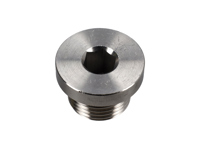

- Porsche 911 1974-1977 2.7L / 1976-77 3.0 Carrera
- Porsche 911 1978-1983 3.0L / SC
- Porsche 911 1984-1986 3.2L
- Porsche 911 1987-1989 3.2L G50
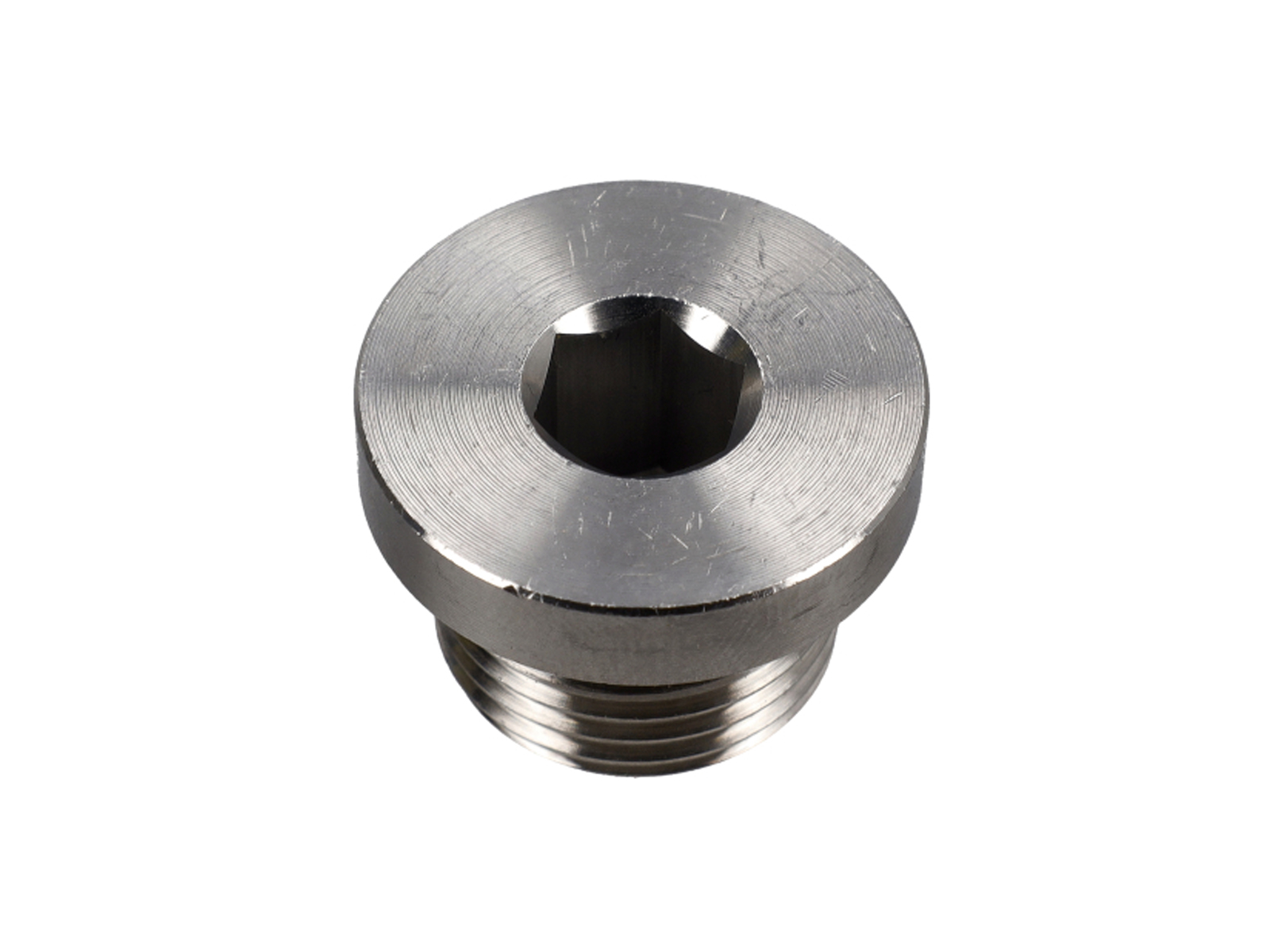
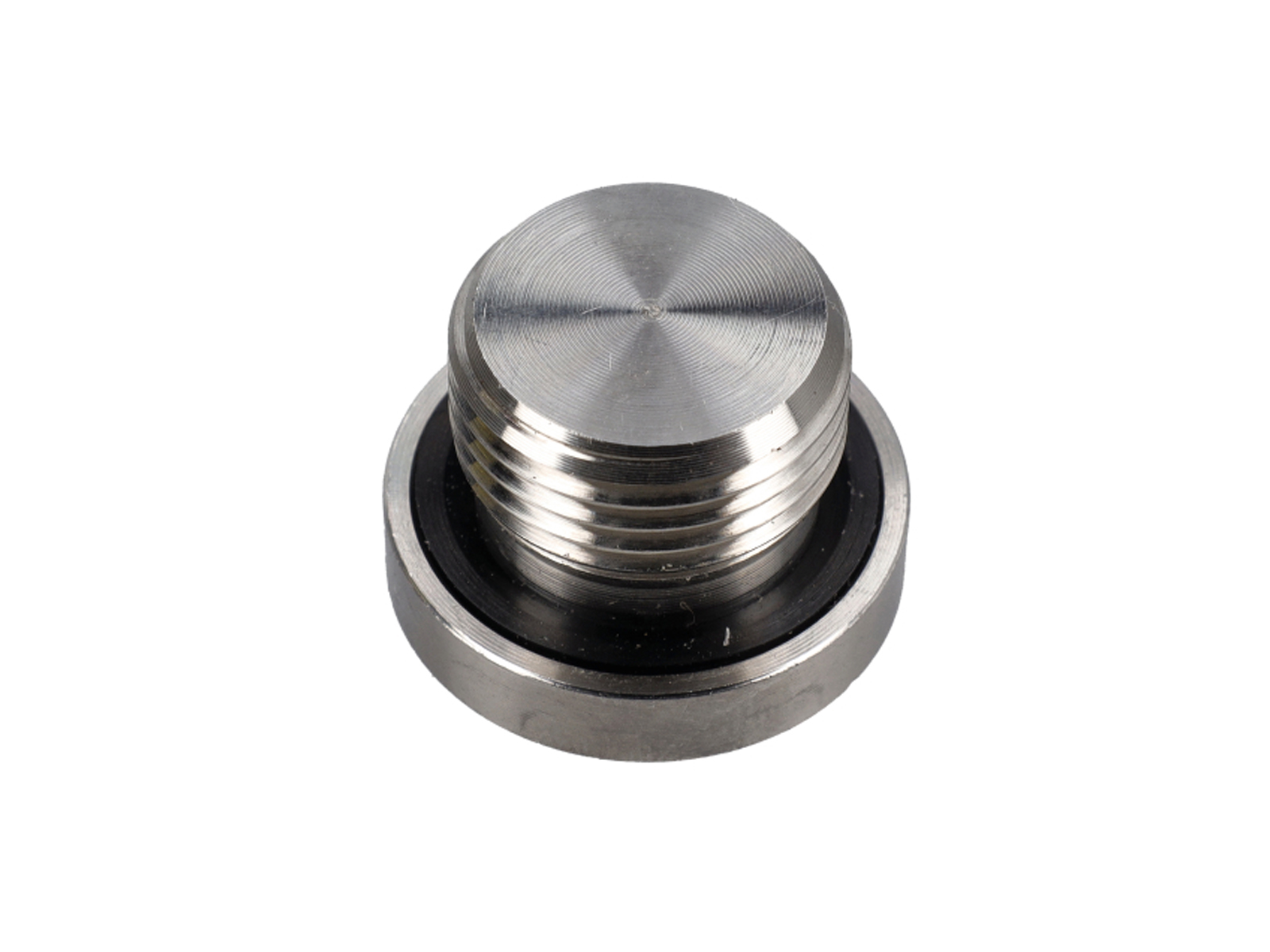
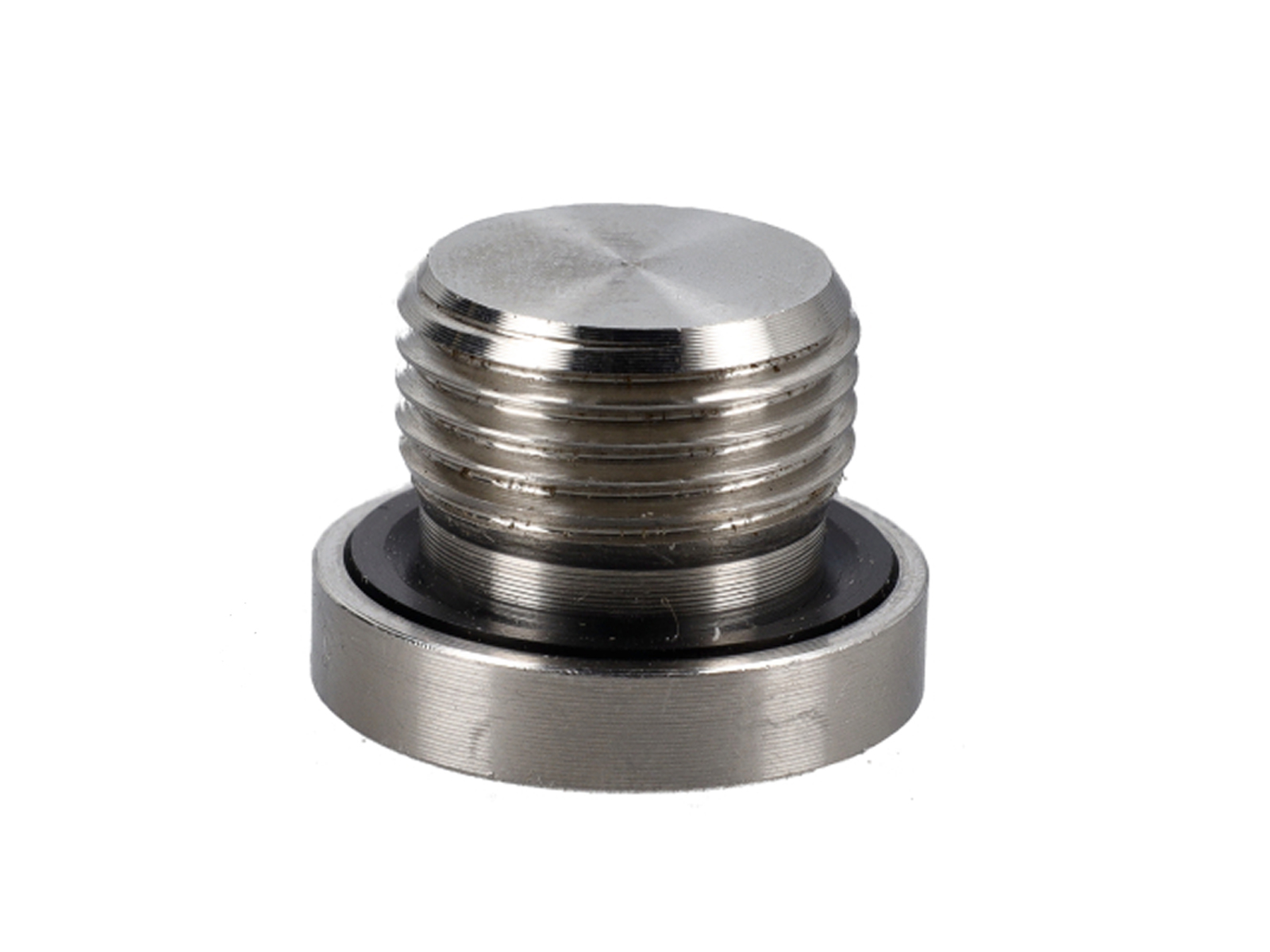
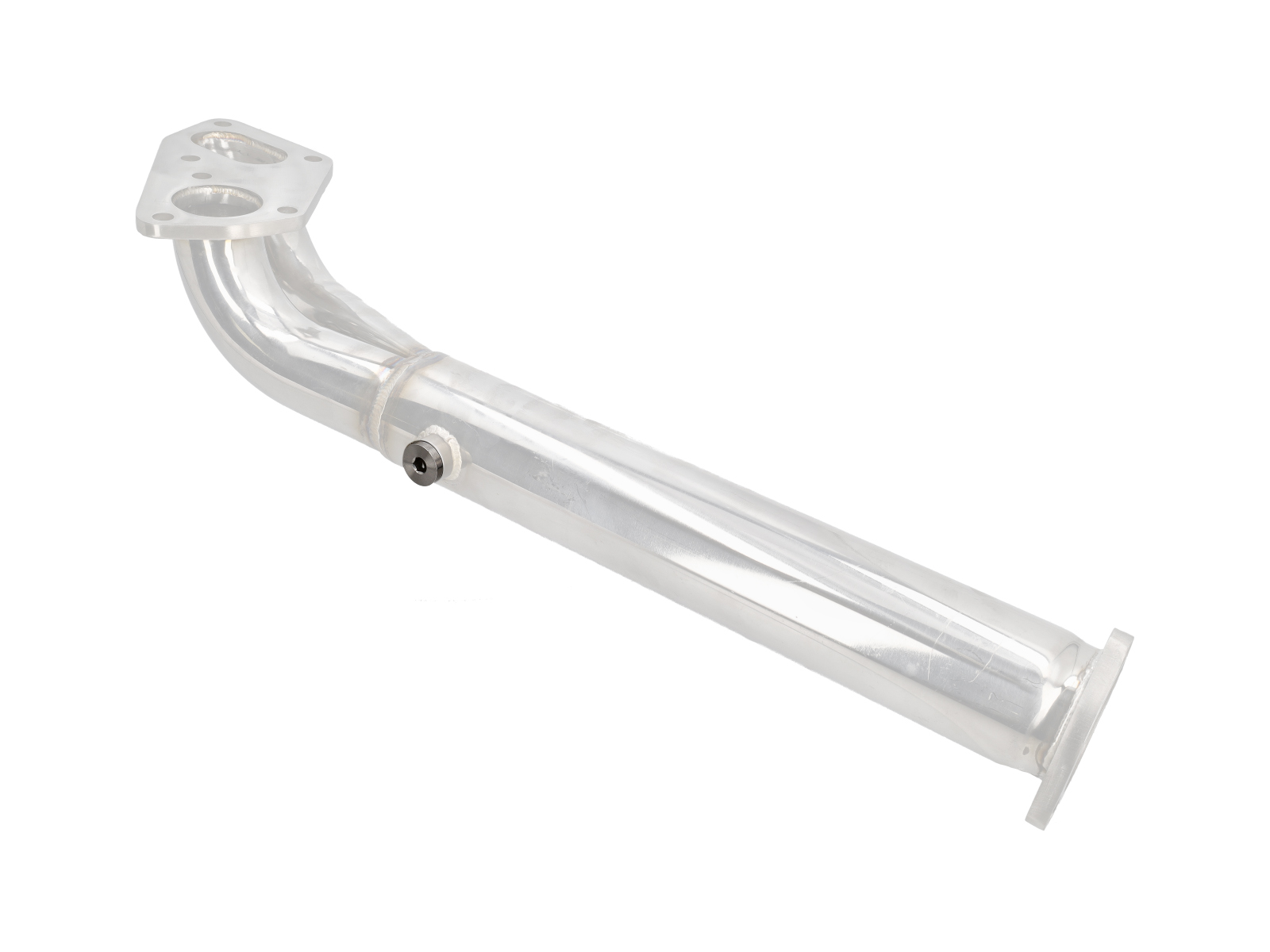
Securely seal an unused oxygen sensor port with this OE Match Blanking Plug for Oxygen Sensor Hole. Designed for compatible exhaust applications, this plug is used when an oxygen (lambda) sensor mounting hole is present but a sensor is not required for the particular vehicle, exhaust configuration, testing setup or application.
M 18 x 1,5 x 18
23mm in length
Oxygen sensor ports are threaded openings in the exhaust system that normally accommodate a lambda sensor. When the port is not being used, it must be properly sealed. Leaving the opening exposed can allow hot exhaust gases to escape and may permit moisture and contamination to enter the exhaust system.
What This Product Does:
- Seals an unused oxygen or lambda sensor mounting hole.
- Prevents exhaust gases escaping through an unused sensor port.
- Helps maintain the integrity of the exhaust system.
- Protects the threaded sensor opening from dirt and contamination.
- Helps reduce moisture entering through an unused port.
- Allows an exhaust component with an oxygen sensor boss to be used where a sensor is not required.
- Provides a removable solution if an oxygen sensor is required later.
- Replaces a missing, damaged or corroded blanking plug.
- Provides an OE-style solution for compatible exhaust applications.
Symptoms Of Wear Or Failure:
- Exhaust gases leaking around the plug.
- A ticking or blowing noise from the oxygen sensor port.
- Black soot deposits around the plug or threaded opening.
- A strong exhaust smell near the affected area.
- The plug has become loose.
- Visible corrosion or deterioration.
- Damaged or stripped plug threads.
- A plug that can no longer be securely tightened.
- The original blanking plug is missing.
- An oxygen sensor has been removed and the port remains open.
- Heat or exhaust staining around the sensor boss.
Why Replacement Matters:
- An unused oxygen sensor hole should never be left open during normal engine operation. Exhaust gases are extremely hot and can escape through the opening at high velocity, potentially damaging nearby components and creating excessive noise.
- An exhaust leak can also affect the correct operation of the exhaust system. Depending on the location of the unused port and the vehicle's configuration, unwanted air entering the exhaust may also interfere with exhaust-gas measurements or diagnostic testing.
- The threaded sensor boss itself can deteriorate if left exposed. Dirt, moisture and corrosion may damage the threads, making installation of a future oxygen sensor more difficult or requiring repair of the sensor mounting point.
- A loose or damaged plug can produce similar problems. Soot deposits around the port are often an indication that combustion gases are escaping past the sealing surface or threads.
Related reference numbers
Related, superseded, cross reference or alternative numbers for comparison.
333660211
The product you are viewing cross references to these numbers
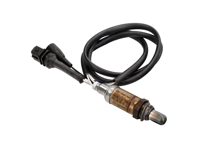
- Porsche 911 1984-1986 3.2L
- Porsche 911 1987-1989 3.2L G50
- Porsche 928S2 4.7L 1984-86
Fits:
Porsche 911 1984-86
Porsche 928 1983-86
Function:
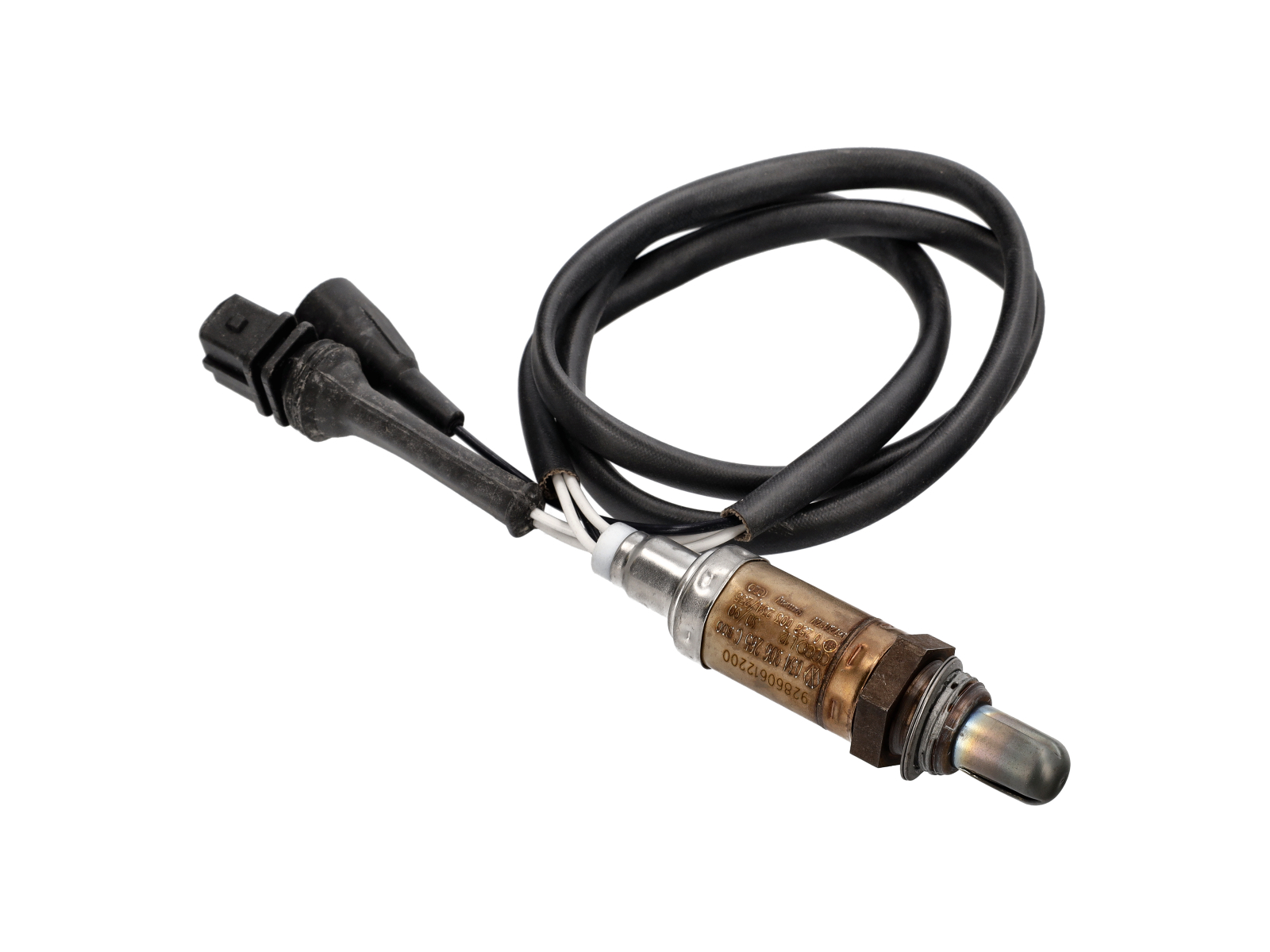
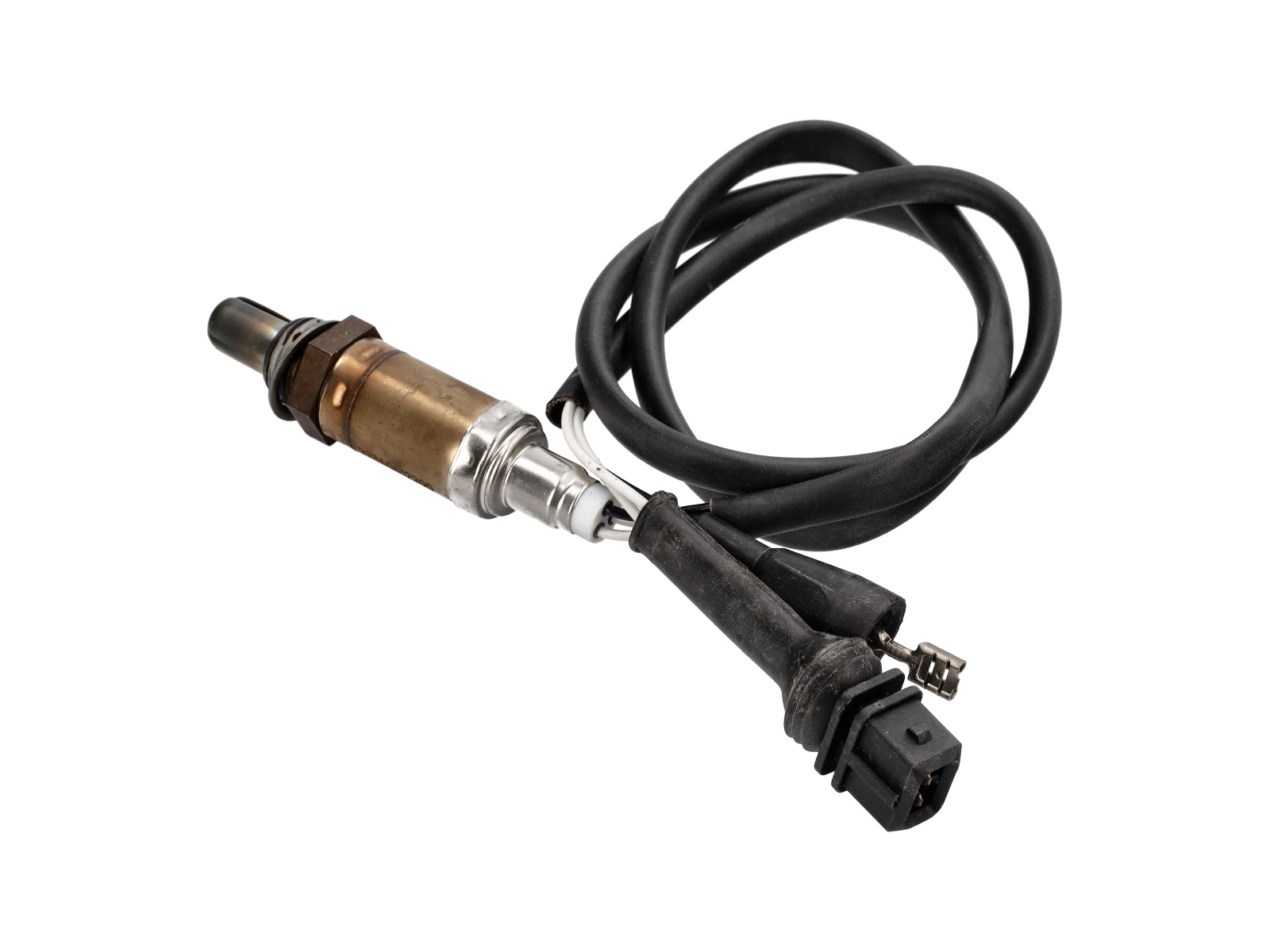
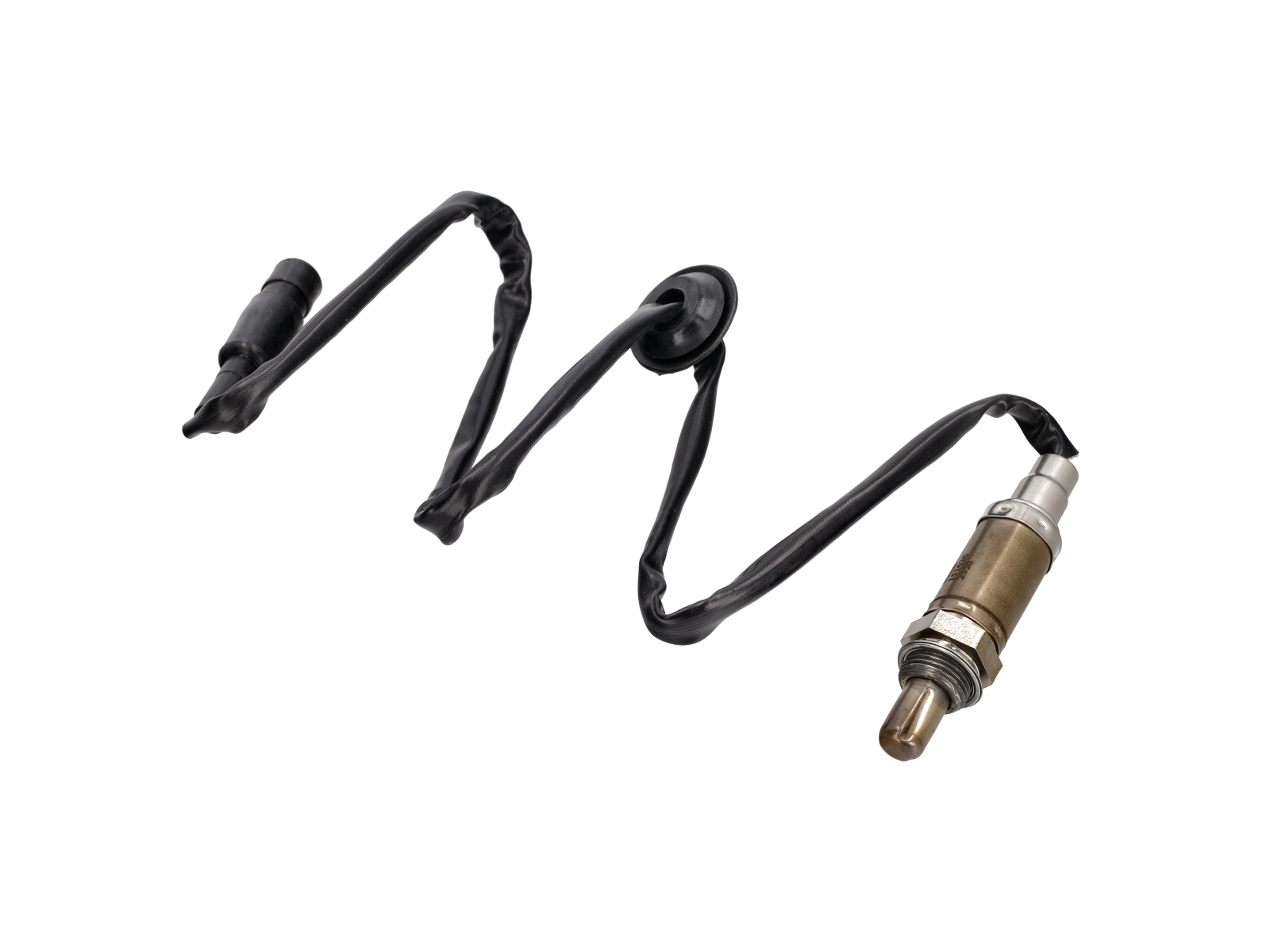
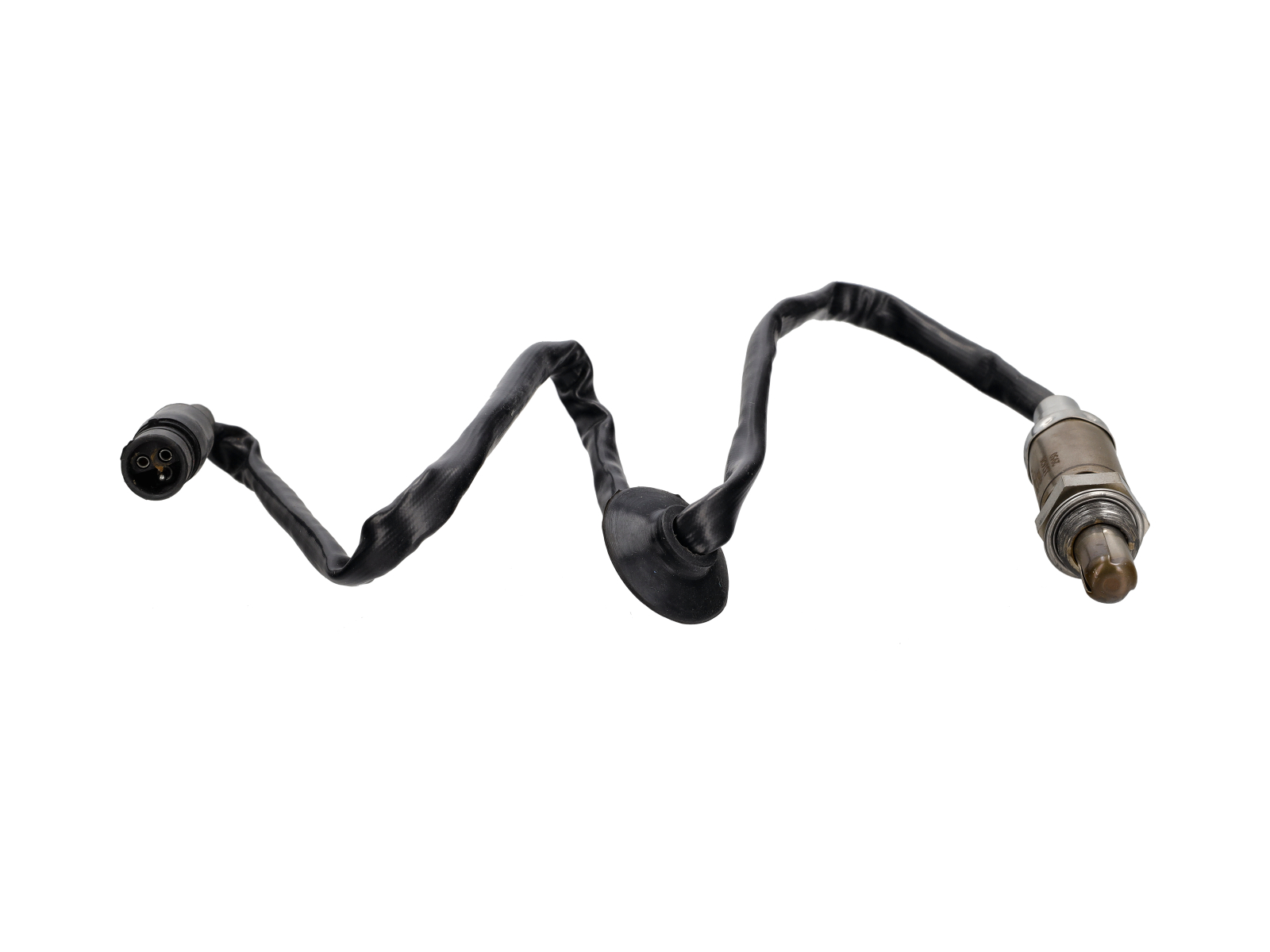
The Oxygen Sensor (also known as Lambda Sensor) is located in the exhaust manifold and measures the amount of unburned oxygen in your engine's exhaust. Based on the amount of oxygen, it sends a signal to your engine computer which then adjusts the air/fuel mixture for optimum engine performance and emission control.
Failure Symptoms:
• Excessive fuel consumption, a faulty oxygen sensor can waste 30% of your fuel.
• Driveability problems, such as engine surging or hesitation.
• High hydrocarbon emissions, failing an emissions inspection.
• The engine warning light may be on or service flag displayed.
• The ecu/computer stores a mixture-related fault code.
• When the oxygen sensor has stopped functioning completely, the catalytic converter may overheat and fail
Maintenance / Service:
• Test and/or replace every 30,000 miles.
• Perform periodic emission checks.
• Watch for service light.
• Vehicle manufacturers recommend periodic inspection and replacement of oxygen sensor.
Related reference numbers
Related, superseded, cross reference or alternative numbers for comparison.
92860612400
The product you are viewing cross references to these numbers
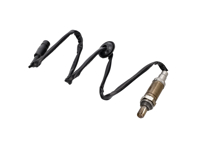
- Porsche 911 1987-1989 3.2L G50
- Porsche 911 1978-1989 3.3L Turbo (930)
- Porsche 964 (911) C2 1989-93
- Porsche 964 (911) C4 1989-93
- Porsche 964 (911) RS 3.6L 1991-93
- Porsche 964 (911) RS 3.8L 1991-93
- Porsche 964 (911) TURBO 3.3L 1991-93
- Porsche 964 (911) TURBO 3.6L 1991-93
- Porsche 928S2 4.7L 1984-86
- Porsche 928S4 5.0L 1987-92
- Porsche 928GT 5.0L 1989-91
- Porsche 928GTS 5.4L 1992-95
Fits:
Porsche 911 1987-89
Porsche 964 1989-94
Porsche 928 1983-95
Function:
The Oxygen Sensor (also known as Lambda Sensor) is located in the exhaust manifold and measures the amount of unburned oxygen in your engine's exhaust. Based on the amount of oxygen, it sends a signal to your engine computer which then adjusts the air/fuel mixture for optimum engine performance and emission control.
Failure Symptoms:
Excessive fuel consumption, a faulty oxygen sensor can waste 30% of your fuel.
Driveability problems, such as engine surging or hesitation.
High hydrocarbon emissions, failing an emissions inspection.
The engine warning light may be on or service flag displayed.
The ecu/computer stores a mixture-related fault code.
When the oxygen sensor has stopped functioning completely, the catalytic converter may overheat and fail
Maintenance/Service:
Test and/or replace every 30,000 miles.
Perform periodic emission checks.
Watch for service light.
Vehicle manufacturers recommend periodic inspection and replacement of oxygen sensor.
Related reference numbers
Related, superseded, cross reference or alternative numbers for comparison.
96560612601
The product you are viewing cross references to these numbers
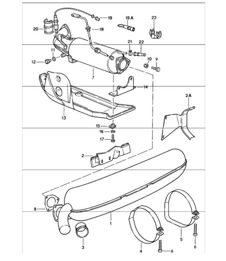
OEMatch Lambda Sensors / Probes — Fit, Function, Confidence
OEMatch Lambda Sensors / Probes components are compatible replacements engineered to original-spec dimensions and tolerances — a practical option when genuine or OEM parts are unavailable. Lambda sensors measure oxygen in exhaust gases and report to the engine control unit so fuel injection and ignition are adjusted for correct combustion in Porsche models, helping to maintain efficient running and emissions control.
Available Types
- Narrowband heated zirconia sensors for stoichiometric control
- Wideband (UEGO) sensors for precise air-fuel ratio feedback
- Pre-catalyst and post-catalyst probes for exhaust monitoring
Understanding OEMatch Lambda Sensors / Probes
OEM (Original Equipment Manufacturer) parts are made by the same company that produced your Porsche’s original lambda sensors / probes.
OE (Original Equipment) refers to parts matching original specifications for the lambda sensors / probes and may be supplied by alternative manufacturers. Aftermarket parts offer alternative options, sometimes with enhanced features or better value. OEMatch supplies non-OEM lambda sensors / probes engineered as direct-fit alternatives to OEM parts, made to original-spec dimensions and tolerances for Porsche models.
Lambda sensors detect oxygen content in exhaust gases and provide a feedback signal used by the ECU to regulate fuel delivery and maintain correct combustion. Sensor designs vary by application; heated elements assist rapid warm-up, while wideband units offer greater resolution for tuning and diagnostics. Correct sensor operation supports catalytic converter efficiency and engine management across a range of Porsche engines.
Benefits Include
- Restores accurate air-fuel control for stable idle and part-throttle response
- Helps reduce emissions and supports catalytic converter protection
- Improves fuel economy by enabling correct mixture control
Why Lambda Sensors / Probes Wear and Fail
- Contamination of the sensing element by oil, coolant or deposits
- Thermal cycling and element degradation from repeated extreme temperatures
- Wiring damage, connector corrosion or poor electrical contact
The Importance of Replacing with OEMatch Lambda Sensors / Probes
Replacing a degraded sensor restores reliable feedback to the ECU, reduces the risk of poor combustion or catalytic converter damage and helps keep emissions within expected limits for Porsche models. OEMatch supplies sensors chosen for compatibility with Porsche mounting and electrical interfaces to simplify replacement while supporting accurate air-fuel control.
Advantages
- Direct-fit options that match factory mounting points and electrical connections
- Available with heated elements or wideband sensing for specific applications
- Corrosion-resistant housings and common connector types for straightforward installation