



Enter your VAT number here and click Verify:
Your details have been verified. VAT number registered to:
,
.
Your order will now be zero rated for VAT purposes. We reserve the right to verify these details after your order request has been made and reinstate VAT if required.
Your VAT details were not recognised or were invalid. Your VAT number must be matched to your Billing Country as specified above. This is currently specified as . You do not need to enter the country code part of your VAT number as this has already been selected in your billing address details above.
The VAT number checking service is currently offline. Please supply your VAT details within the comments or special instructions field below and we will apply a VAT discount after placing your order request.
Gaskets
By OE Match

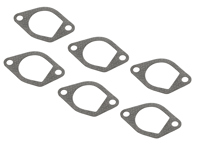
- Porsche 911 1974-1977 2.7L / 1976-77 3.0 Carrera
- Porsche 911 1978-1983 3.0L / SC
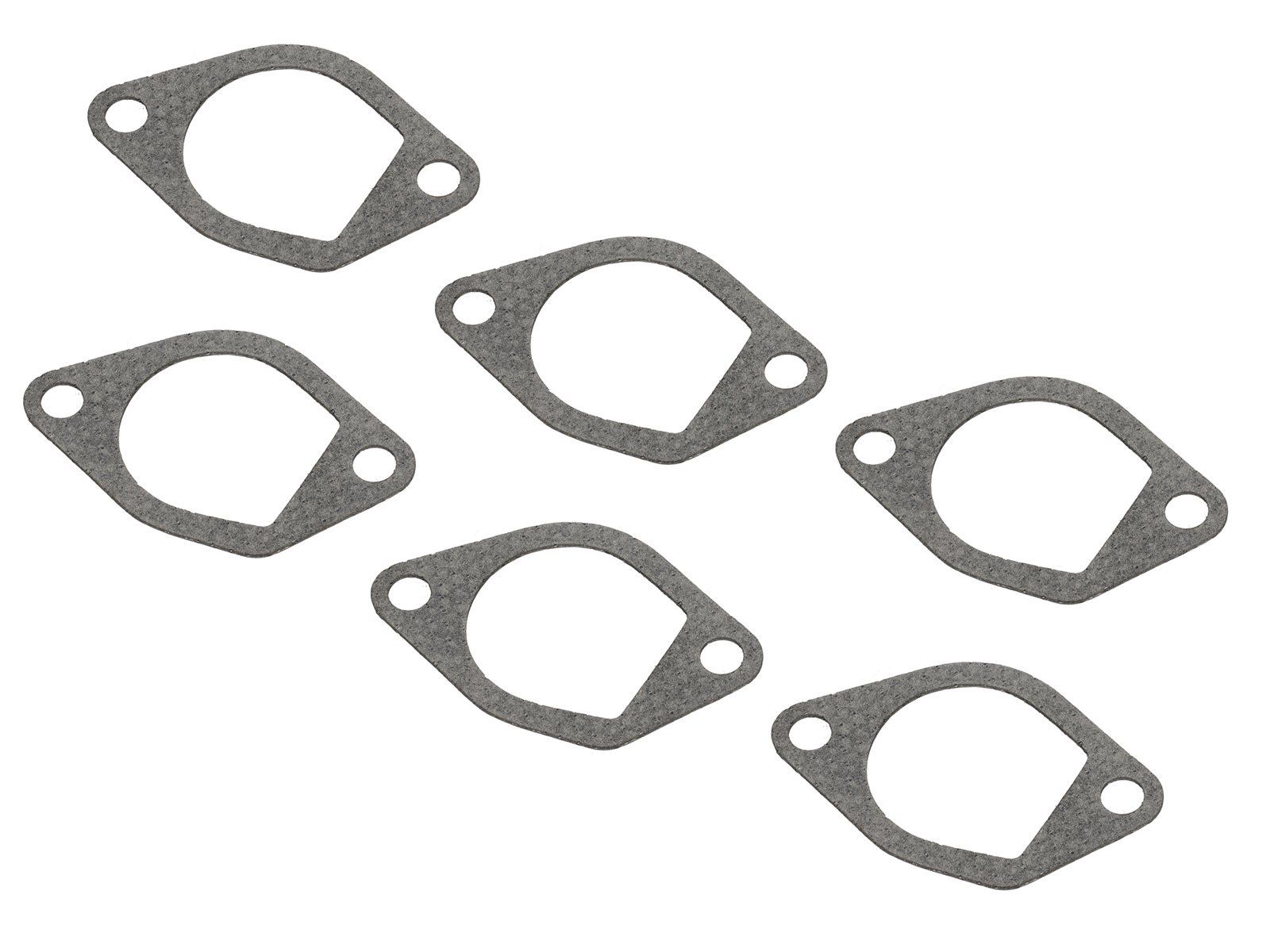
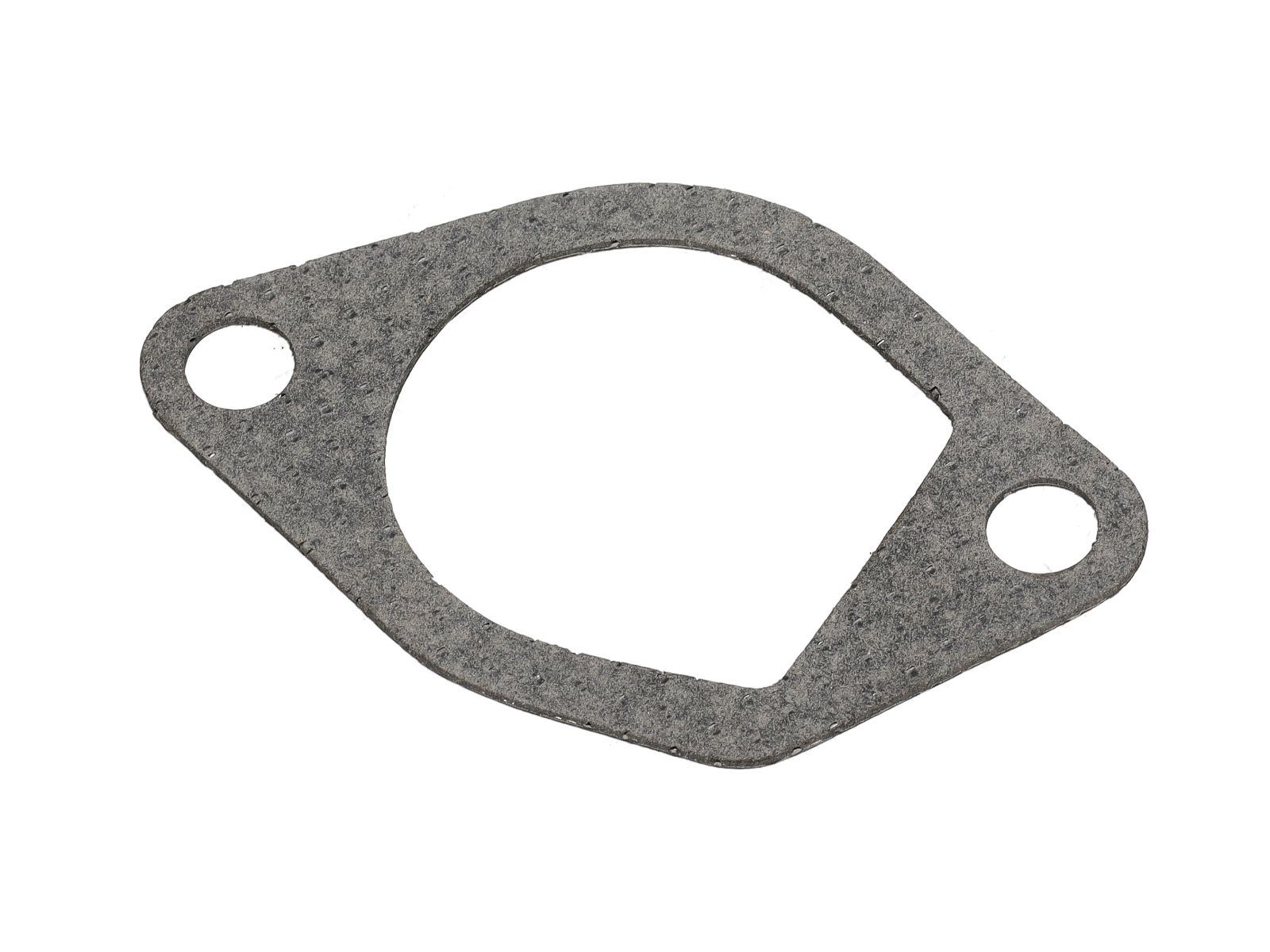
Flat intake manifold gasket it used between the intake manifold runners and the cylinder head on Porsche flat-six engines. Each gasket seals one intake port pair; a complete engine typically uses six of them.
Fits:
Porsche 911 1974 - 1983 - 6pcs required
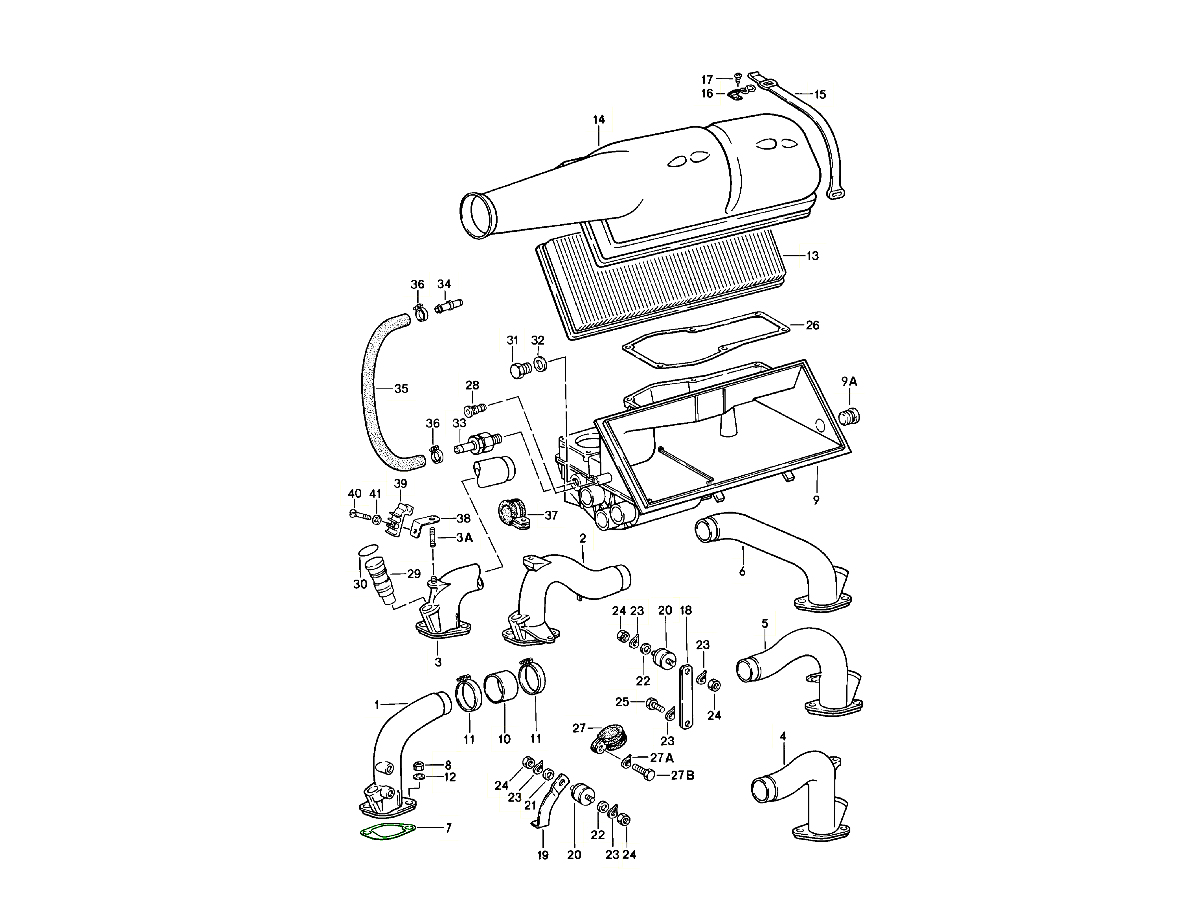
Diagram ref no 7.
This set of six intake manifold gaskets provides a complete gas-tight seal between the intake manifold and cylinder heads, ensuring that all air entering the engine follows the correct metered path through the CIS or fuel-injection system. By eliminating air leaks at the manifold flanges, these gaskets help maintain proper air–fuel mixture, support smooth idle and drivability, and prevent lean conditions that can raise combustion temperatures.
Over time, manifold gaskets naturally harden, shrink or crack from heat cycles, fuel vapour exposure and age. When this happens, the engine may draw in unmetered air, resulting in rough idle, poor cold running, lean mixture symptoms, hesitation or flat spots during acceleration. Vacuum leaks also make tuning more difficult and can lead to increased fuel consumption. Replacing old gaskets with a fresh set of six restores full sealing integrity, stabilises idle and mixture control, and helps the engine operate as intended.
When to replace
You should replace the full set of inlet manifold gaskets if:
• You are rebuilding or refreshing the top end of the engine.
• There are suspected vacuum leaks around the intake manifold.
• The engine shows rough idle, hunting, or lean-related symptoms not traced to other components.
• The existing gaskets are cracked, brittle, or oil/fuel soaked.
• You are upgrading, servicing or adjusting the CIS / intake system on a classic 911 or 930.
Related reference numbers
Related, superseded, cross reference or alternative numbers for comparison.
93011019716
The product you are viewing cross references to these numbers
This kit is comprised of the following items:

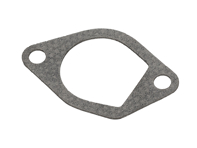
- Porsche 911 1974-1977 2.7L / 1976-77 3.0 Carrera
- Porsche 911 1978-1983 3.0L / SC
Flat intake manifold gasket it used between the intake manifold runners and the cylinder head on Porsche flat-six engines. Each gasket seals one intake port pair; a complete engine typically uses six of them.
Sold each, typically 6 required per car.
Fits:
Porsche 911 1974 - 1983 - 6pcs required
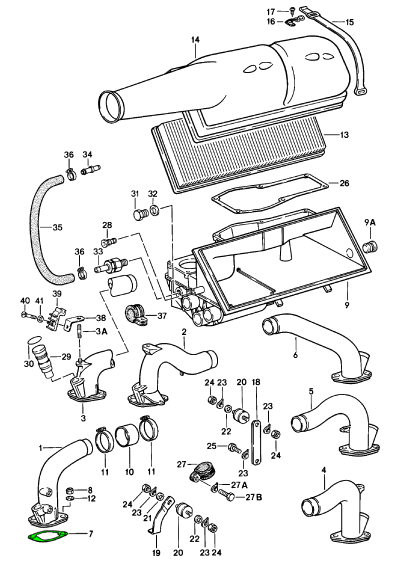
Diagram ref no 7.
This gasket provides a gas-tight seal at the intake manifold interface so that all air entering the engine passes through the intended metered path (CIS / fuel injection system).
By preventing air leaks at the manifold flange, it:
• Maintains correct mixture and idle quality
• Supports smooth throttle response and drivability
• Helps avoid lean conditions that can lead to higher combustion temperatures.
Over time, intake manifold gaskets can harden, shrink or crack due to heat cycles, fuel vapour and age. When they fail:
• The engine may draw in unmetered air, causing rough idle, poor cold running or lean mixture.
• You can experience hesitation, popping, or flat spots under acceleration.
• Vacuum leaks can make tuning and diagnostics difficult and may increase fuel consumption.
Replacing old gaskets with fresh restores correct sealing, stabilises idle and mixture, and helps the engine run as intended.
When to replace
Consider replacing the inlet manifold gaskets if:
• You’re rebuilding or refreshing the top end of the engine.
• There are suspected vacuum leaks around the intake manifold.
• The engine has rough idle, hunting, or lean codes/symptoms not traced to other components.
• The original gaskets are visibly cracked, brittle, or oil/fuel soaked.
• You are converting, upgrading or servicing the CIS / intake system on a classic 911 or 930.
Related reference numbers
Related, superseded, cross reference or alternative numbers for comparison.
93011019716
The product you are viewing cross references to these numbers

OEMatch Gaskets — Fit, Function, Confidence
For Porsche models, OEMatch supplies gaskets designed to match original specifications where feasible, offering a practical alternative when genuine parts are not available. These gaskets restore sealing across intake, oil and exhaust systems and help maintain engine response and reliability in everyday and specialist use.
Available Types
- Intake manifold and air inlet gaskets
- Head gaskets and multi-layer head seal sets
- Valve cover and rocker cover gaskets
- Oil pan and sump gaskets
- Exhaust and manifold gaskets
Understanding OEMatch Gaskets
OEM (Original Equipment Manufacturer) parts are made by the same company that produced your Porsche’s original gaskets.
OE (Original Equipment) refers to parts matching original specifications for the gaskets and may be supplied by alternative manufacturers. Aftermarket parts offer alternative options, sometimes with enhanced features or better value. OEMatch supplies non-OEM gaskets engineered as direct-fit alternatives to OEM parts, made to original-spec dimensions and tolerances for Porsche models.
Gaskets form the seals between mating surfaces in Porsche engines and ancillaries. They prevent unmetered air, oil and coolant from entering or escaping where components join, and they support correct pressures and fluid routing. OEMatch maintains a wide catalogue of items for Porsche applications and continues development of new parts to support older and current models.
Benefits Include
- Restored airtight sealing for consistent combustion and idle
- Reduced risk of oil or coolant leakage into neighbouring systems
- Improved throttle response and fuel metering stability
- Replacement materials selected for heat and chemical resistance
Why Gaskets Wear and Fail
- Thermal cycling leading to material fatigue, cracking or deformation
- Chemical contamination from oil, coolant or fuel degrading the seal material
- Mechanical damage from improper installation or over-torqued fasteners
- Age-related hardening and loss of elasticity in compressible materials
The Importance of Replacing with OEMatch Gaskets
A leaking gasket can allow unmetered air, oil or coolant to affect combustion, emissions and component longevity. On Porsche engines, even small leaks can change idle quality, trigger diagnostic warnings or allow contamination between systems. Replacing degraded seals restores designed clearances and pressures, helps prevent secondary damage and supports predictable engine behaviour across normal and spirited use.
Advantages
- Direct-fit replacements engineered to match original dimensions and tolerances
- Wide coverage across common Porsche gasket types and material options
- Manufactured to withstand typical engine temperatures and chemical exposure