



Enter your VAT number here and click Verify:
Your details have been verified. VAT number registered to:
,
.
Your order will now be zero rated for VAT purposes. We reserve the right to verify these details after your order request has been made and reinstate VAT if required.
Your VAT details were not recognised or were invalid. Your VAT number must be matched to your Billing Country as specified above. This is currently specified as . You do not need to enter the country code part of your VAT number as this has already been selected in your billing address details above.
The VAT number checking service is currently offline. Please supply your VAT details within the comments or special instructions field below and we will apply a VAT discount after placing your order request.
Anti Roll Sway Bar
By OE Match


- Porsche 911 1965-1968 2.0L / 912 SWB (F)
- Porsche 911 1968-1973 2.2L / 2.4L / 2.7L RS LWB (F)
- Porsche 911 1974-1977 2.7L / 1976-77 3.0 Carrera
- Porsche 911 1978-1983 3.0L / SC
- Porsche 911 1984-1986 3.2L
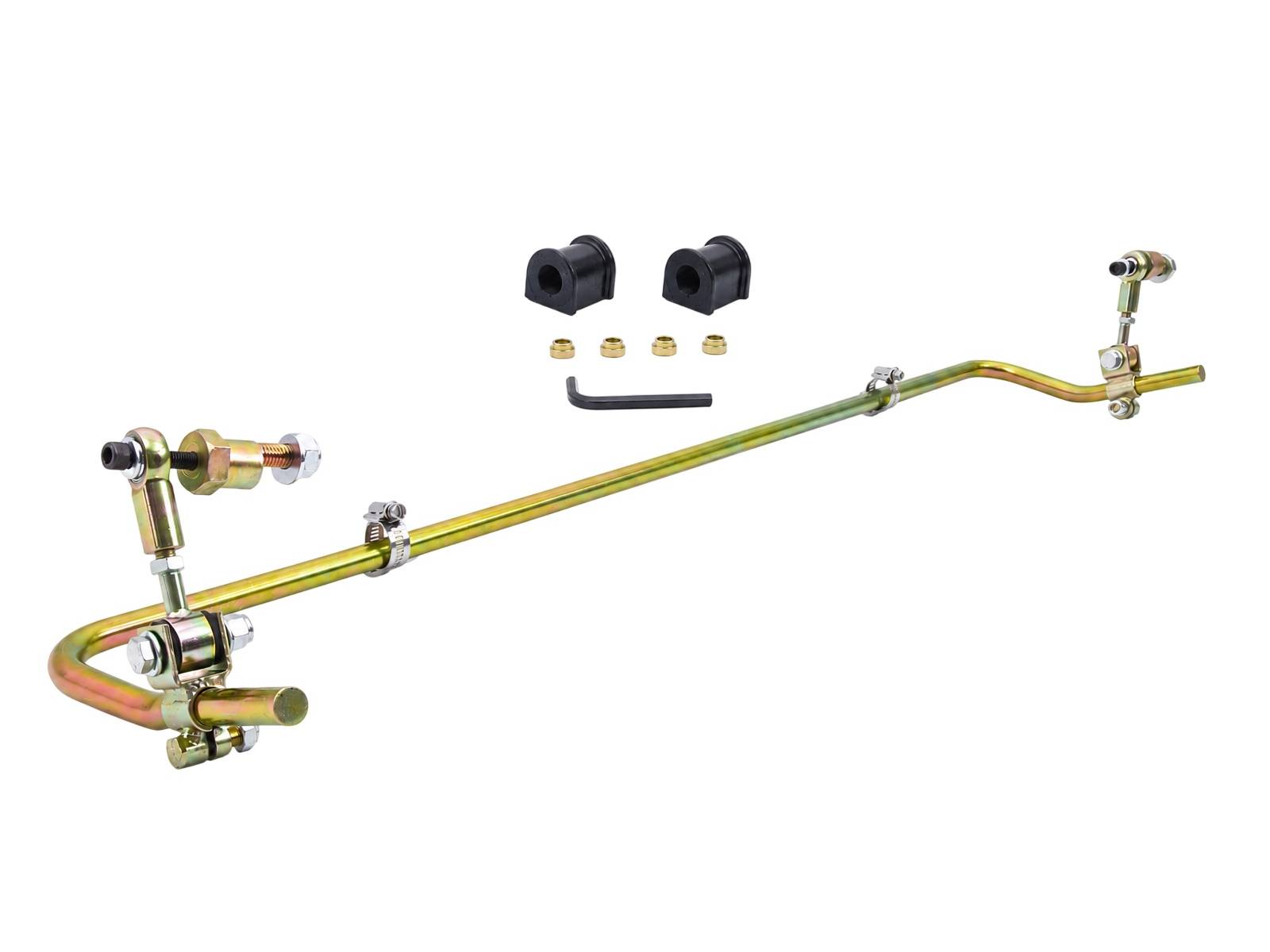
Adjustable Rear 16mm Anti Roll Bar Assembly
Transform the handling characteristics of your classic
Porsche 911 with the Adjustable Rear 16mm Anti Roll Bar Assembly.
Designed specifically for Porsche 911 models from 1965 to 1986, this
performance suspension upgrade improves chassis balance, reduces body roll and
provides the ability to fine-tune rear suspension behaviour to suit both road
and track driving.
Fits:
- Porsche 911 1965-1968 2.0L / 912 SWB (F)
- Porsche 911 1968-1973 2.2L / 2.4L / 2.7L RS LWB (F)
- Porsche 911 1974-1977 2.7L / 1976-77 3.0 Carrera
- Porsche 911 1978-1983 3.0L / SC
- Porsche 911 1984-1986 3.2L
Whether you own an early short-wheelbase 911, impact bumper model or a late G-Series Carrera, upgrading the rear anti roll bar is one of the most effective ways to sharpen handling response and maximise the capabilities of the iconic rear-engined Porsche chassis.
The adjustable design allows owners and suspension specialists to tailor handling characteristics to individual driving preferences, tyre specifications and suspension setups, making it an ideal upgrade for fast road, touring, track day and competition applications.
What Does a Rear Anti Roll Bar Do?
The anti roll bar, also known as a sway bar or stabiliser bar, connects the left and right sides of the suspension system and helps control body movement during cornering.
Its primary functions include:
Reducing
body roll
Improving
cornering stability
Maintaining
tyre contact with the road
Improving
chassis balance
Enhancing
steering response
Increasing
driver confidence
Supporting
more predictable handling
By reducing excessive chassis roll, the suspension can work more effectively and deliver greater grip through corners.
Why Upgrade to an Adjustable Rear Anti Roll Bar?
Many classic Porsche 911 models were designed with suspension settings that prioritised comfort and road use. Modern tyres, suspension upgrades and performance driving demands often exceed the capabilities of the original anti roll bar system.
Upgrading to the P87319 Adjustable Rear Anti Roll Bar offers
significant improvements including:
- Reduced Body Roll - The 16mm anti roll bar provides increased roll stiffness,
helping keep the chassis flatter during aggressive cornering.
- Improved Chassis Balance - A properly tuned rear anti roll bar can improve the
relationship between front and rear suspension behaviour, resulting in a more
predictable and balanced driving experience.
- Sharper Turn-In Response - Reducing chassis movement allows the car to react more
quickly to steering inputs, delivering a more connected and responsive feel.
- Increased Cornering Confidence - The vehicle remains more composed through fast bends,
allowing drivers to utilise available grip more effectively.
- Adjustable Performance - Unlike fixed anti roll bars, this assembly allows tuning of
suspension characteristics to suit:
- Fast road driving
- Touring Track days
- Motorsport applications
- Different tyre compounds
- Custom suspension setups
Why Do Original Anti Roll Bars Become Less Effective?
While the anti roll bar itself is generally durable, the
overall system can become less effective over time due to:
- Ageing suspension bushes
- Worn drop links
- Chassis fatigue
- Increased vehicle performance demands
- Modern tyre grip levels
- Suspension modifications
Many owners upgrading dampers, torsion bars or wheels find that an upgraded anti roll bar helps maximise the benefits of these modifications.
When Should You Upgrade?
This adjustable anti roll bar is an excellent upgrade when:
- Restoring a classic Porsche 911
- Rebuilding the suspension system
- Installing performance dampers
- Upgrading torsion bars
- Preparing a car for track days
- Improving fast road handling
- Reducing excessive body roll
- Fine-tuning chassis balance
It is particularly beneficial for enthusiastic drivers seeking greater precision and control from their classic 911.
Related reference numbers
Related, superseded, cross reference or alternative numbers for comparison.
91133370101
The product you are viewing cross references to these numbers
- Porsche 911 1965-1968 2.0L / 912 SWB (F)
- Porsche 911 1968-1973 2.2L / 2.4L / 2.7L RS LWB (F)
- Porsche 911 1974-1977 2.7L / 1976-77 3.0 Carrera
- Porsche 911 1978-1983 3.0L / SC
- Porsche 911 1984-1986 3.2L
- Porsche 911 1987-1989 3.2L G50
- Porsche 911 1975-1977 3.0L Turbo (930)
- Porsche 911 1978-1989 3.3L Turbo (930)
Fits:
Porsche 911 - 1965 to 1989
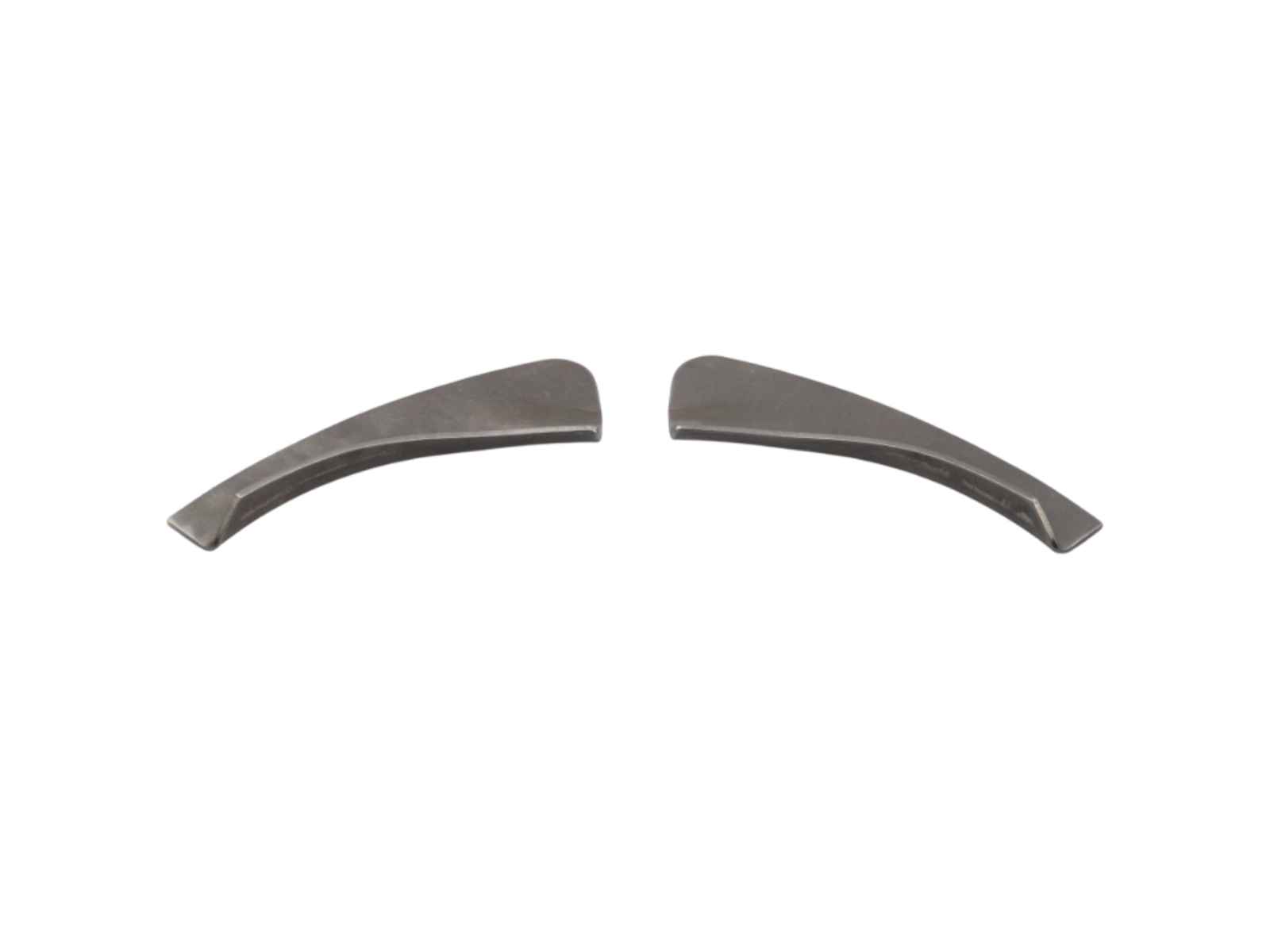
Weld on body reinforcement plates for rear anti roll bar, originally designed for the 911 3.0 RSR and 934
Related reference numbers
Related, superseded, cross reference or alternative numbers for comparison.
91150111121
The product you are viewing cross references to these numbers
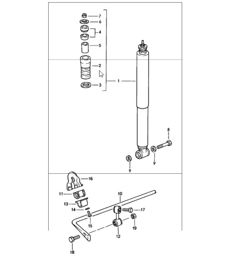
OEMatch Anti Roll Sway Bar — Fit, Function, Confidence
OEMatch anti roll sway bars for Porsche models help reduce body roll and improve cornering balance while retaining original mounting locations and sensor compatibility where present. These components suit road and light performance use and are offered alongside replacement and upgrade options matched to specific Porsche applications.
- Solid steel bar for direct replacement and durability
- Hollow tubular bar to reduce unsprung mass while maintaining stiffness
- Adjustable end-link or multi-rate options for fine tuning handling balance
OEM (Original Equipment Manufacturer) parts are made by the same company that produced your Porsche’s original anti roll sway bar. OE (Original Equipment) refers to parts matching original specifications for the anti roll sway bar and may be supplied by alternative manufacturers. Aftermarket parts offer alternative options, sometimes with enhanced features or better value. OEMatch supplies non-OEM anti roll sway bar engineered as direct-fit alternatives to OEM parts, made to original-spec dimensions and tolerances for Porsche models. OEMatch provides a wide range of Porsche parts from gaskets to suspension hardware, engine items and interior trim. Over 6,700 part numbers and more than 11,800 cross-references are catalogued, with over 100 products in development to support owners across Porsche generations.
- Reduced body roll for improved stability and driver control
- Better tyre contact through corners, aiding traction
- Opportunity to tune understeer/oversteer by changing front or rear rate
- Corrosion and fatigue over time from road chemistry and moisture
- End-link, bushing or mounting wear causing noise and reduced effectiveness
- Incorrect fitment or prior damage from impacts or improper installation
Replacing a worn or damaged anti roll sway bar restores the intended balance between front and rear grip and helps maintain predictable handling for Porsche models. Correctly sized bars and compatible end-links preserve suspension geometry and reduce tyre wear caused by excessive body roll, contributing to consistent vehicle behaviour in everyday and spirited driving.
- Direct-fit options matched to Porsche mounting points and clearances
- Choice of stiffness levels to suit road or track-biased setups
- Available end-link and bushing replacements to complete the installation
These items affect safety-critical systems. Installation should be carried out by a qualified technician following model-specific procedures and torque settings. Use calibrated tools and new fasteners where specified. Recheck fasteners after initial mileage.