



Enter your VAT number here and click Verify:
Your details have been verified. VAT number registered to:
,
.
Your order will now be zero rated for VAT purposes. We reserve the right to verify these details after your order request has been made and reinstate VAT if required.
Your VAT details were not recognised or were invalid. Your VAT number must be matched to your Billing Country as specified above. This is currently specified as . You do not need to enter the country code part of your VAT number as this has already been selected in your billing address details above.
The VAT number checking service is currently offline. Please supply your VAT details within the comments or special instructions field below and we will apply a VAT discount after placing your order request.
Brake Disc Standard
By OE Match


- Porsche 356 1950-55
- Porsche 356A 1955-59
- Porsche 356B 1959-63
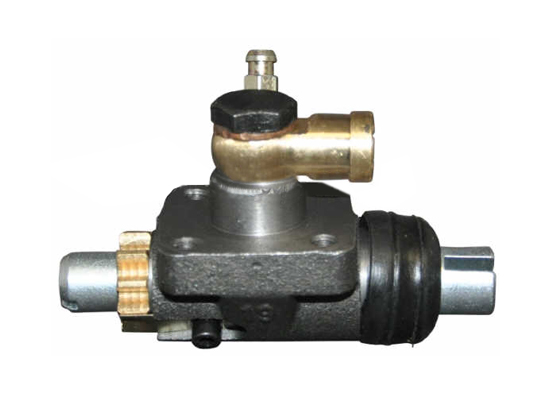
The OE Match Front Wheel Brake Cylinder 19.05mm is a premium-quality replacement hydraulic brake cylinder designed for compatible Porsche models equipped with drum brake front axles. Manufactured to OE specifications for fit, bore size and durability, this 19.05mm wheel cylinder converts hydraulic brake pressure into mechanical force, pushing the brake shoes against the drum to deliver safe, smooth and reliable braking performance.
Fits:
- Porsche 356 1950-55
- Porsche 356A 1955-59
- Porsche 356B 1959-63
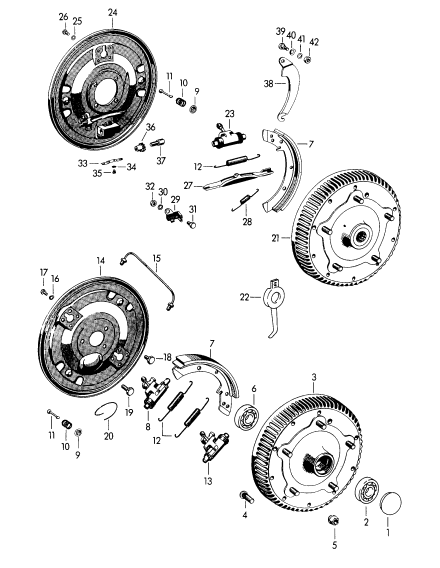
Diagram Ref No 8
Manufactured from high-quality cast metal with precision-machined internal bores, corrosion-resistant pistons and high-performance rubber seals, the wheel cylinder is engineered to withstand high hydraulic pressures, repeated braking cycles and prolonged exposure to brake fluid. Designed for direct OE-style installation, it restores dependable braking performance and helps maintain the original operation of the front braking system.
What This Product Does:
- Converts hydraulic brake pressure into mechanical braking force.
- Pushes the brake shoes evenly against the brake drum.
- Delivers smooth and consistent front braking performance.
- Maintains correct hydraulic pressure within the drum brake system.
- Provides balanced braking across the front axle.
- Features a precision 19.05mm bore for OE performance.
- Restores factory braking efficiency and pedal feel.
- Forms an essential part of the hydraulic front drum brake system.
Symptoms Of Wear Or Failure:
- Brake fluid leaks from the wheel cylinder.
- Soft or spongy brake pedal.
- Reduced front braking performance.
- Vehicle pulling to one side during braking.
- Brake shoes contaminated with brake fluid.
- Sticking or seized brake pistons.
- Uneven brake shoe wear.
- Reduced braking efficiency.
- Brake warning light caused by low brake fluid.
- MOT or vehicle inspection failure due to leaking hydraulic components.
Why Replacement Matters:
- The wheel brake cylinder operates under high hydraulic pressure every time the brakes are applied and is continually exposed to brake fluid, moisture and temperature changes. Over time, the internal seals can deteriorate, while corrosion or wear within the cylinder bore may cause leaks or prevent the pistons from moving freely.
- A failing wheel cylinder can significantly reduce braking performance, contaminate the brake shoes with fluid and create an inconsistent brake pedal feel. Continued operation with a leaking or seized cylinder can increase stopping distances, accelerate brake component wear and compromise vehicle safety.
- Replacing a worn or damaged front wheel brake cylinder restores reliable hydraulic operation and balanced braking performance. The OE Match replacement features a precision 19.05mm bore, factory-style fitment and premium-quality materials, ensuring dependable braking, improved safety and long-lasting durability for your Porsche.
Related reference numbers
Related, superseded, cross reference or alternative numbers for comparison.
69535151
The product you are viewing cross references to these numbers
OEMatch Brake Disc Standard — Stopping Power, Consistent Control
Standard brake discs provide the primary friction surface in a Porsche braking system, working with pads and calipers to convert speed into controlled deceleration. This summary covers road-focused rotors intended for routine and spirited driving, inspection cues and straightforward replacement guidance to help preserve safe, consistent braking for Porsche models.
Available Types
- Solid cast iron rotors for everyday road use
- Vented rotors to aid heat dissipation during prolonged braking
- Coated or zinc-plated discs for improved corrosion resistance in wet or salted conditions
Understanding OEMatch Brake Disc Standard
OEM (Original Equipment Manufacturer) parts are made by the same company that produced your Porsche’s original brake discs. OE (Original Equipment) refers to parts matching original specifications for the brake discs and may be supplied by alternative manufacturers. Aftermarket parts offer alternative options, sometimes with enhanced features or better value. OEMatch supplies non-OEM brake discs engineered as direct-fit alternatives to OEM parts, made to original-spec dimensions and tolerances for Porsche models. Brake discs are typically cast and machined to tight tolerances to ensure balance, correct thickness and secure mounting; material choice and finishing affect heat handling, wear characteristics and corrosion resistance. OEMatch maintains an extensive Porsche-focused catalogue and aims to support vehicle longevity by offering many part numbers and cross-references relevant to repair and restoration.
Benefits Include
- Restores consistent braking feel and predictable pedal response
- Reduces vibration and rotor run‑out when discs are correctly balanced and fitted
- Maintains correct thickness to preserve safe braking performance and component life
Why Brake Disc Standard Wear and Fail
- Progressive surface wear and scoring from pad abrasion or contaminated friction material
- Heat-related cracking or warping after repeated heavy braking or overheating
- Corrosion and pitting from moisture, road salt or extended storage leading to reduced thickness
The Importance of Replacing with OEMatch Brake Disc Standard
Timely replacement of worn or damaged brake discs helps maintain stopping distances, vehicle stability and the intended brake balance of Porsche models. Replacing discs when they reach minimum thickness or show signs of heat damage reduces the risk of vibration, uneven pad wear and loss of braking control, and supports other maintenance tasks such as pad renewal and caliper inspection.
Advantages
- Direct-fit alignment with factory mounting points to preserve geometry and wheel clearance
- Precision machining and balance to minimise vibration and ensure consistent contact with pads
- Options with protective coatings to lessen corrosion in roadgoing use
Support & Advice
These items affect safety-critical systems. Installation should be carried out by a qualified technician following model-specific procedures and torque settings. Use calibrated tools and new fasteners where specified.