



Enter your VAT number here and click Verify:
Your details have been verified. VAT number registered to:
,
.
Your order will now be zero rated for VAT purposes. We reserve the right to verify these details after your order request has been made and reinstate VAT if required.
Your VAT details were not recognised or were invalid. Your VAT number must be matched to your Billing Country as specified above. This is currently specified as . You do not need to enter the country code part of your VAT number as this has already been selected in your billing address details above.
The VAT number checking service is currently offline. Please supply your VAT details within the comments or special instructions field below and we will apply a VAT discount after placing your order request.
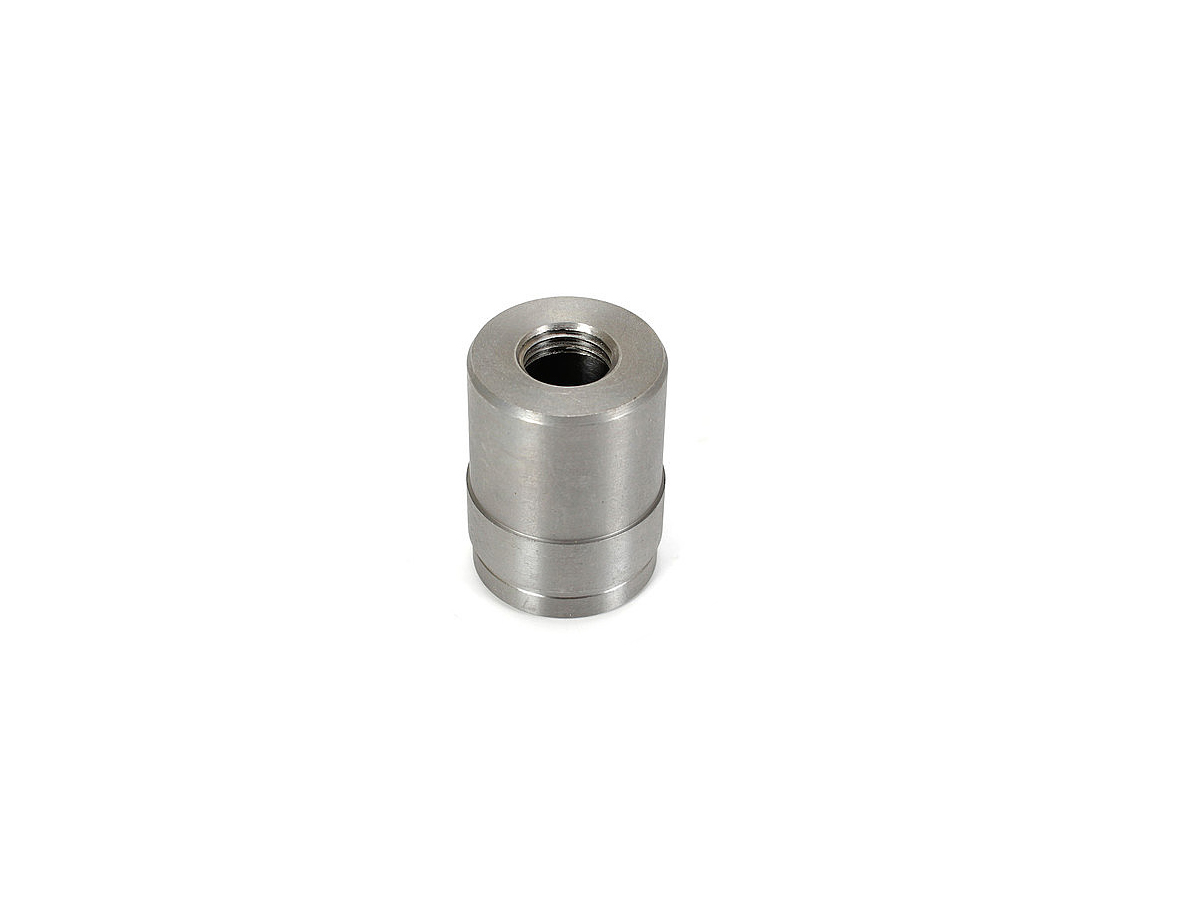
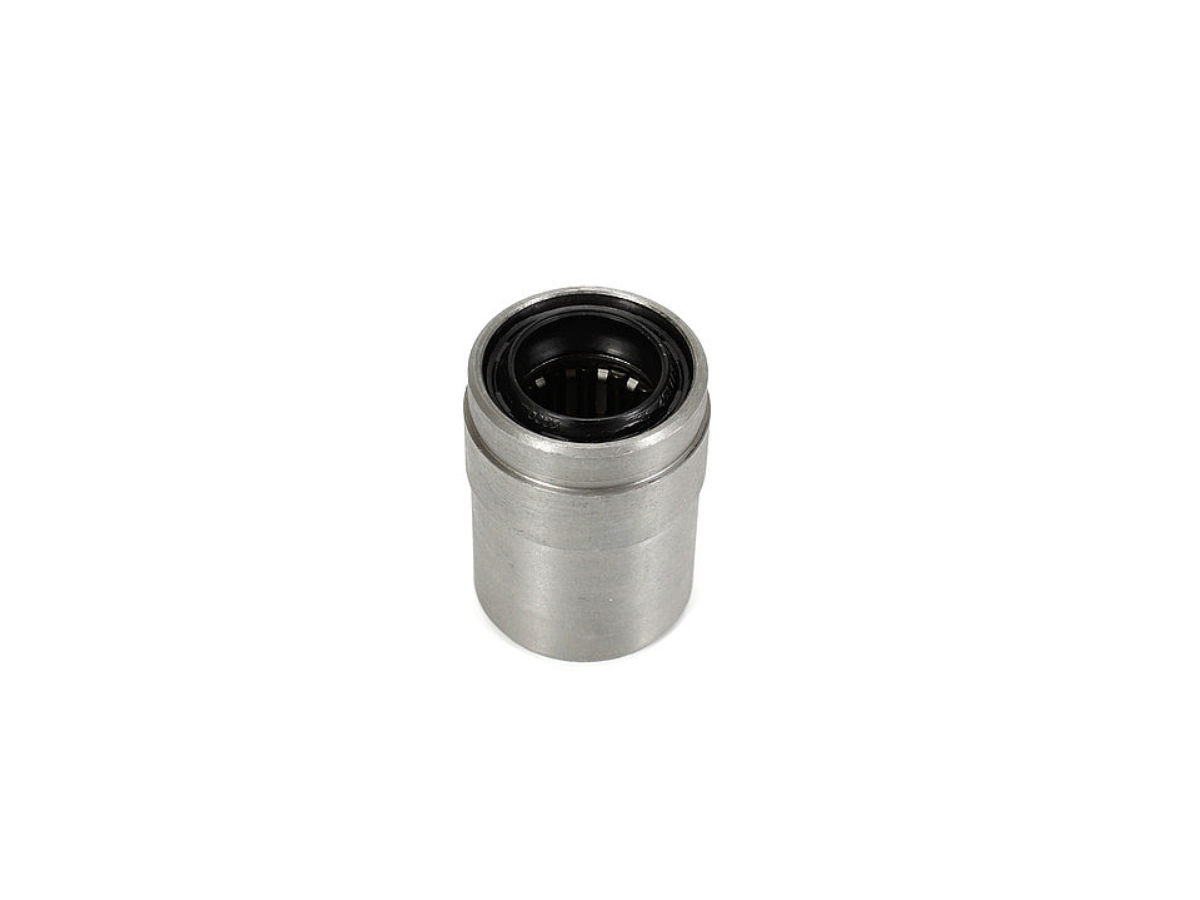
Flywheel / Torque
By OE Match


- Porsche 924 2.0L 1976-79
- Porsche 924 2.0L 1980-85
Fits:
Porsche 924 1976-85
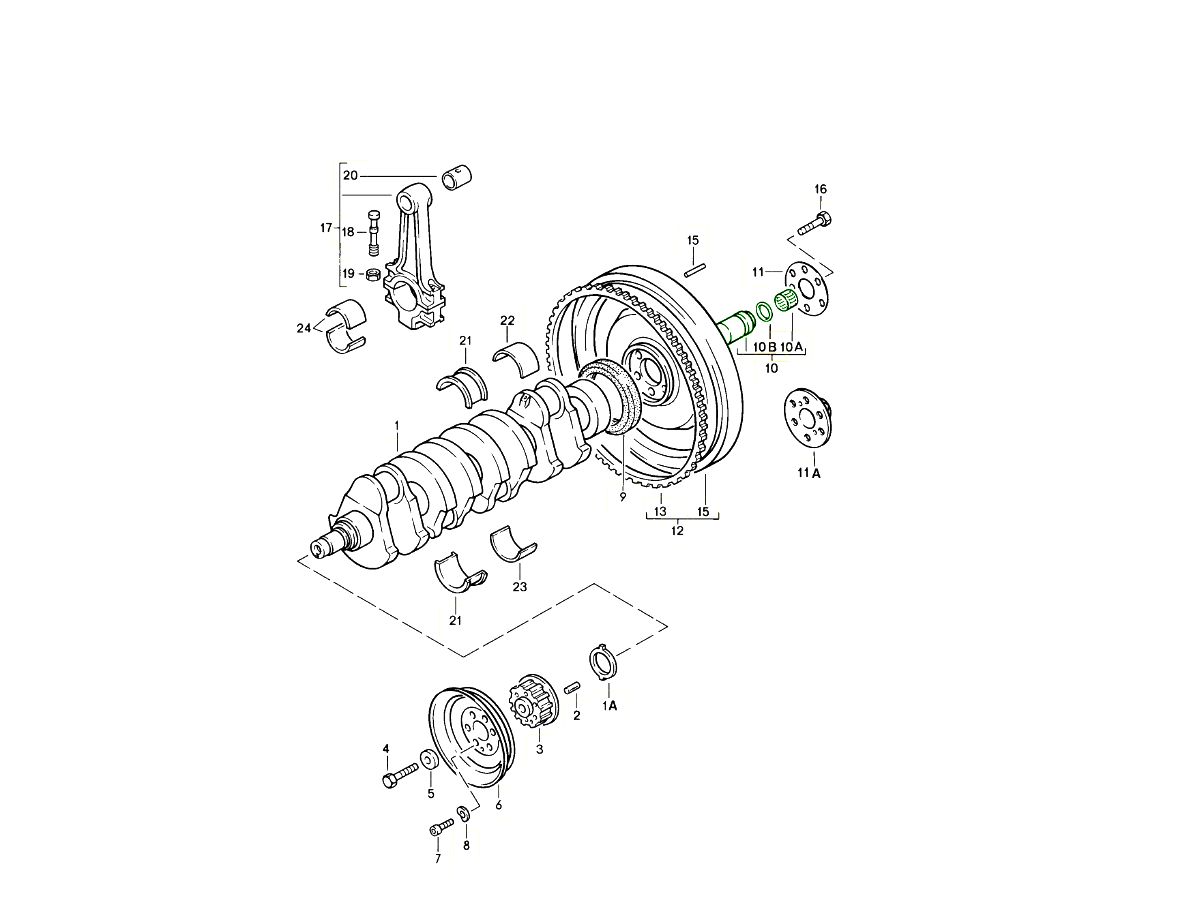
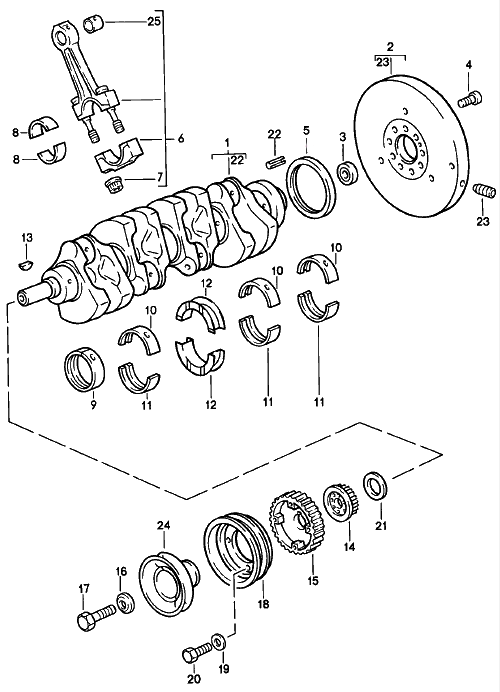
Diagram ref no 10
Related reference numbers
Related, superseded, cross reference or alternative numbers for comparison.
047105169A
The product you are viewing cross references to these numbers
- Porsche 911 1987-1989 3.2L G50
- Porsche 911 1978-1989 3.3L Turbo (930)
- Porsche 964 (911) C2 1989-93
- Porsche 964 (911) C4 1989-93
- Porsche 964 (911) RS 3.6L 1991-93
- Porsche 964 (911) RS 3.8L 1991-93
- Porsche 964 (911) TURBO 3.3L 1991-93
- Porsche 964 (911) TURBO 3.6L 1991-93
- Porsche 997 MK1 TURBO 2007-09
- Porsche 997 MK1 GT3 / GT3 RS 2007-09
- Porsche 924 Turbo 2.0L 1979-81
- Porsche 924 Turbo 2.0L 1982-84
- Porsche 924S 2.5L 1986-87
- Porsche 924S 2.5L 1988
- Porsche 944 2.5L 8V 1982-87
- Porsche 944 2.7L 8V 1988-89
- Porsche 944S 2.5L 16V 1987-88
- Porsche 944S2 3.0L 16V 1989-91
- Porsche 944 Turbo 2.5L 8V 1985-88
- Porsche 944 Turbo 2.5L 8V 1989-91
- Porsche 944 Turbo S 2.5L 8V 1988
- Porsche 968 3.0L 1992-94
- Porsche 968 Sport 3.0L 1994-95
- Porsche 968 CS 3.0L 1993-95
- Porsche 968 Turbo S 3.0L 1993-94
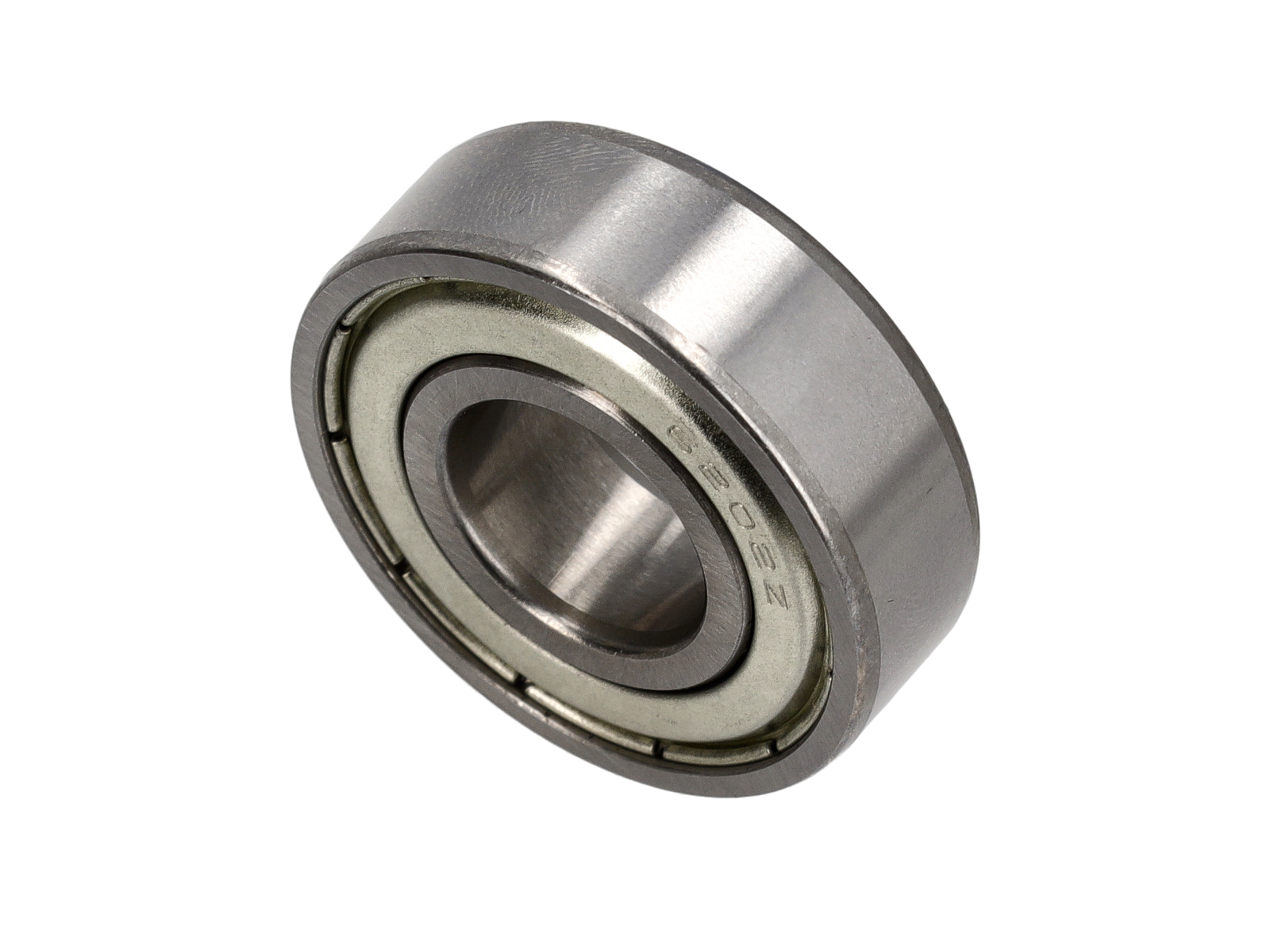
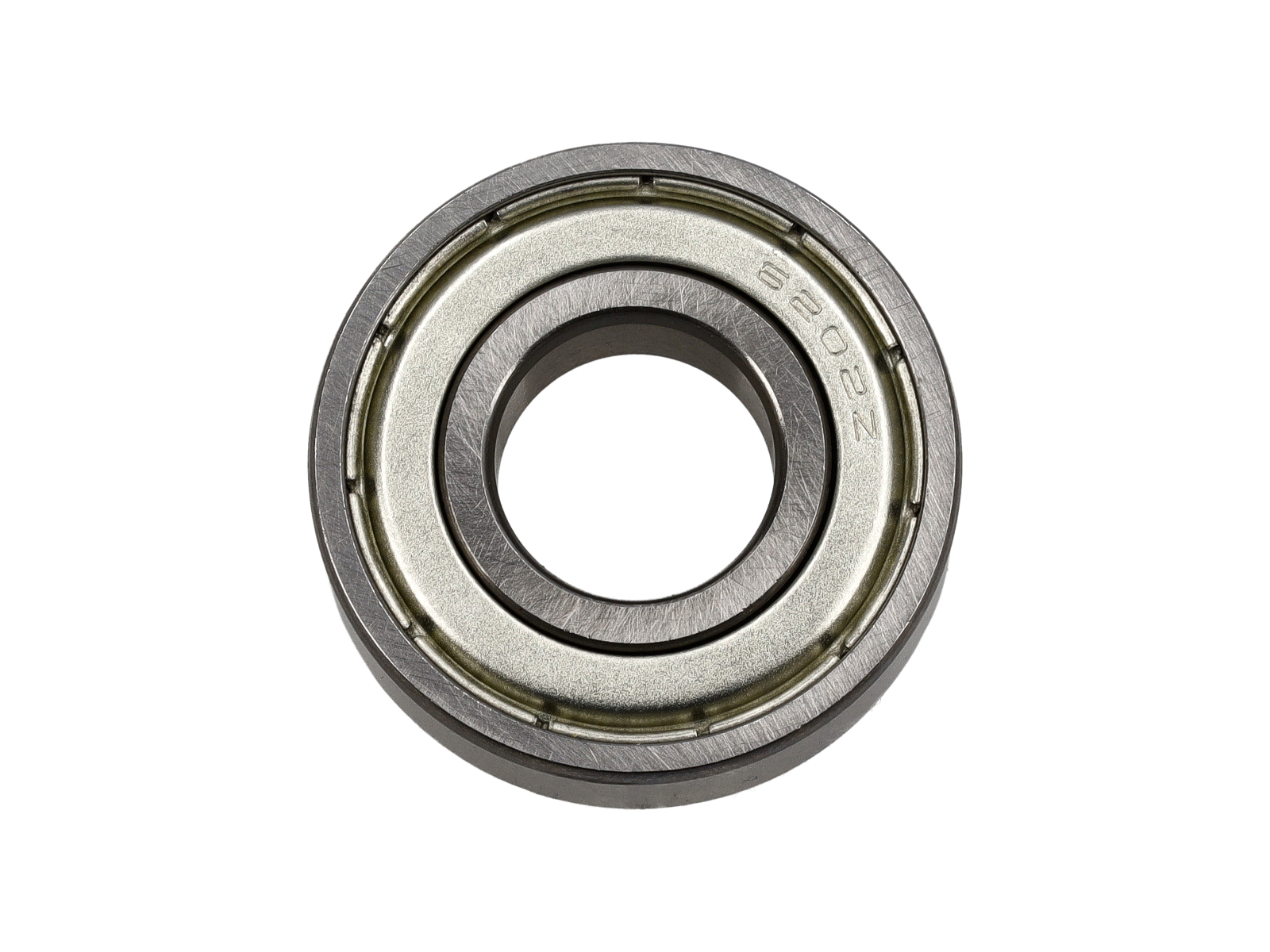
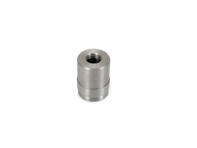
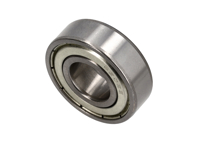
Flywheel Spigot Bearing
Ensure smooth clutch operation and precise gearbox input
shaft alignment with this OE Match Flywheel Spigot Bearing, designed for selected Porsche 911, 924, 944, 968 and 997
GT3 RS models. Manufactured to original equipment specifications, this
high-quality replacement bearing supports the gearbox input shaft within the
flywheel or crankshaft, reducing friction and ensuring smooth clutch
engagement.
Fits:
- Porsche 911 1987-1989 3.2L G50
- Porsche 911 1978-1989 3.3L Turbo (930)
- Porsche 964 (911) C2 1989-93
- Porsche 964 (911) C4 1989-93
- Porsche 964 (911) RS 3.6L 1991-93
- Porsche 964 (911) RS 3.8L 1991-93
- Porsche 964 (911) TURBO 3.3L 1991-93
- Porsche 964 (911) TURBO 3.6L 1991-93
- Porsche 997 MK1 TURBO 2007-09
- Porsche 997 MK1 GT3 RS 2007-09
- Porsche 924 Turbo 2.0L 1979-81
- Porsche 924 Turbo 2.0L 1982-84
- Porsche 924S 2.5L 1986-87
- Porsche 924S 2.5L 1988
- Porsche 944 2.5L 8V 1982-87
- Porsche 944 2.7L 8V 1988-89
- Porsche 944S 2.5L 16V 1987-88
- Porsche 944S2 3.0L 16V 1989-91
- Porsche 944 Turbo 2.5L 8V 1985-88
- Porsche 944 Turbo 2.5L 8V 1989-91
- Porsche 944 Turbo S 2.5L 8V 1988
- Porsche 968 3.0L 1992-94
- Porsche 968 Sport 3.0L 1994-95
- Porsche 968 CS 3.0L 1993-95
- Porsche 968 Turbo S 3.0L 1993-94
Diagram ref no 3
Although compact, the spigot bearing is a critical drivetrain component. Replacing it during clutch servicing helps maintain precise transmission alignment, reduces gearbox wear and ensures reliable long-term operation.
What Does the Flywheel Spigot Bearing Do?
Also known as a pilot bearing, the flywheel spigot bearing supports the tip of the gearbox input shaft while allowing it to rotate independently of the engine when the clutch is disengaged.
Its primary functions include:
- Supporting the gearbox input shaft.
- Maintaining precise alignment between the engine and transmission.
- Reducing friction during clutch operation.
- Allowing smooth clutch disengagement.
- Minimising wear on the gearbox input shaft.
- Helping provide smooth gear changes and consistent clutch operation.
A properly functioning spigot bearing is essential for the smooth operation of the clutch and transmission.
Why Do Flywheel Spigot Bearings Fail?
The bearing is subjected to continuous rotational loads,
clutch operation and heat throughout its service life. Common causes of failure
include:
- Normal bearing wear after high mileage.
- Loss or deterioration of lubrication.
- Dirt or clutch dust contamination.
- Corrosion caused by moisture.
- Excessive heat generated by clutch slip.
- Wear caused by misalignment or heavy clutch use.
As the bearing wears, it may develop excessive play or roughness, placing additional stress on the clutch and gearbox.
When Should the Flywheel Spigot Bearing Be Replaced?
Replacement is recommended whenever:
- A new clutch kit is installed.
- The gearbox is removed.
- A flywheel is replaced.
- The bearing feels rough or noisy.
- Excessive play is detected.
- During engine or transmission rebuilds.
Because the bearing is inexpensive compared to the labour required to access it, Porsche specialists strongly recommend replacing it during every clutch replacement.
Related reference numbers
Related, superseded, cross reference or alternative numbers for comparison.
93110211102
The product you are viewing cross references to these numbers
- Porsche 964 (911) C2 1989-93
- Porsche 964 (911) C4 1989-93
- Porsche 964 (911) RS 3.6L 1991-93
- Porsche 964 (911) RS 3.8L 1991-93
- Porsche 964 (911) TURBO 3.3L 1991-93
- Porsche 964 (911) TURBO 3.6L 1991-93
- Porsche 993 (911) C2 1994-97
- Porsche 993 (911) C4 1994-97
- Porsche 993 (911) RS 1994-97
- Porsche 993 (911) C2S 1994-97
- Porsche 993 (911) C4S 1994-97
- Porsche 993 (911) TURBO 1994-96
- Porsche 993 (911) GT2 1994-97
- Porsche 993 (911) TURBO S 1994-97
- Porsche 996 TURBO 2000-05
- Porsche 996 GT2 2001-05
- Porsche 996 GT3 MKI 1999-02
- Porsche 924S 2.5L 1986-87
- Porsche 924S 2.5L 1988
- Porsche 944 2.5L 8V 1982-87
- Porsche 944 2.7L 8V 1988-89
- Porsche 944S 2.5L 16V 1987-88
- Porsche 944S2 3.0L 16V 1989-91
- Porsche 944 Turbo 2.5L 8V 1985-88
- Porsche 944 Turbo 2.5L 8V 1989-91
- Porsche 944 Turbo S 2.5L 8V 1988
- Porsche 968 3.0L 1992-94
- Porsche 968 Sport 3.0L 1994-95
- Porsche 968 CS 3.0L 1993-95
- Porsche 968 Turbo S 3.0L 1993-94
- Porsche 928 4.5L 1978-82
- Porsche 928S 4.7L 1981-83
- Porsche 928S2 4.7L 1984-86
- Porsche 928S4 5.0L 1987-92
- Porsche 928GT 5.0L 1989-91
- Porsche 928GTS 5.4L 1992-95
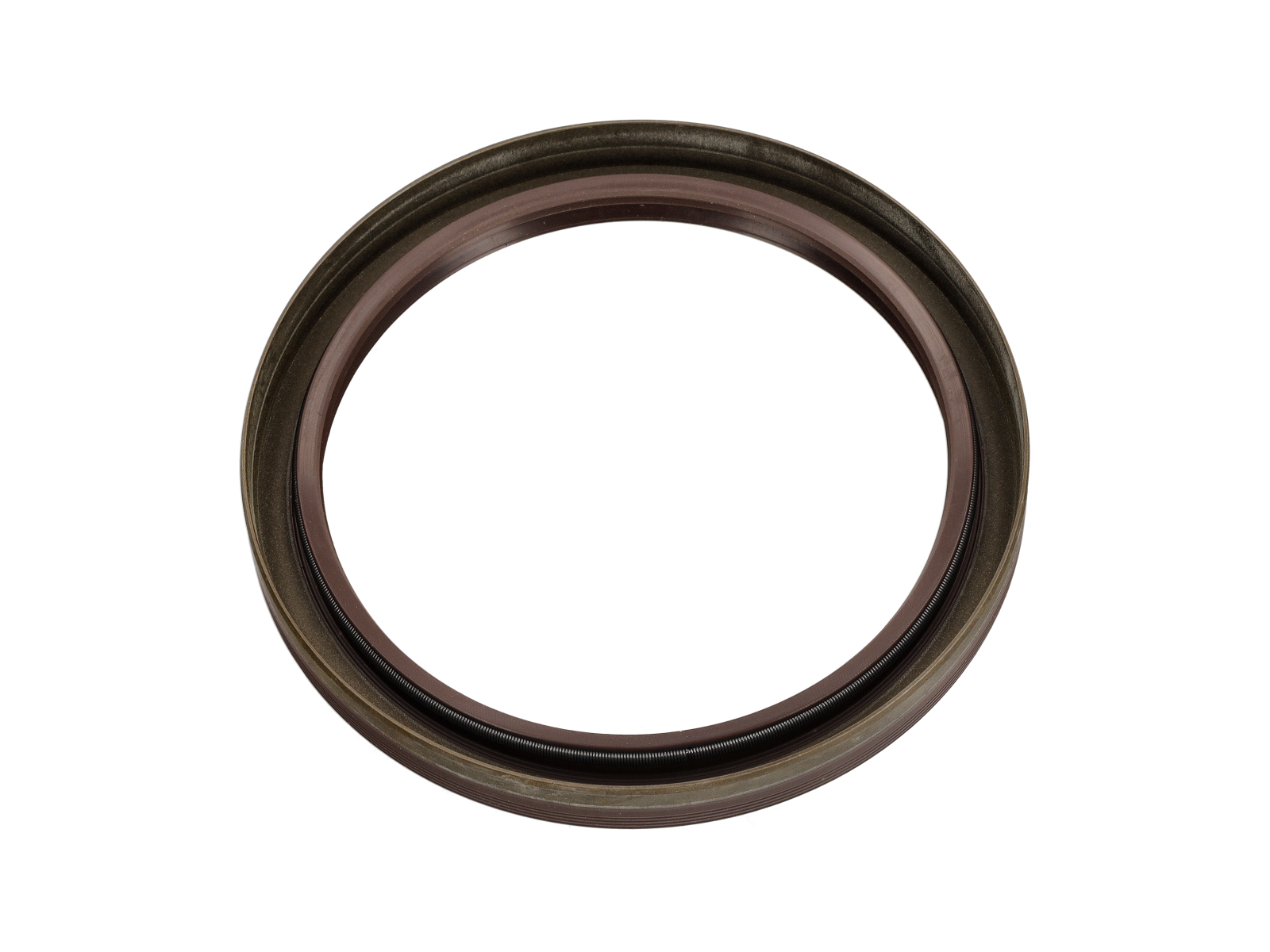
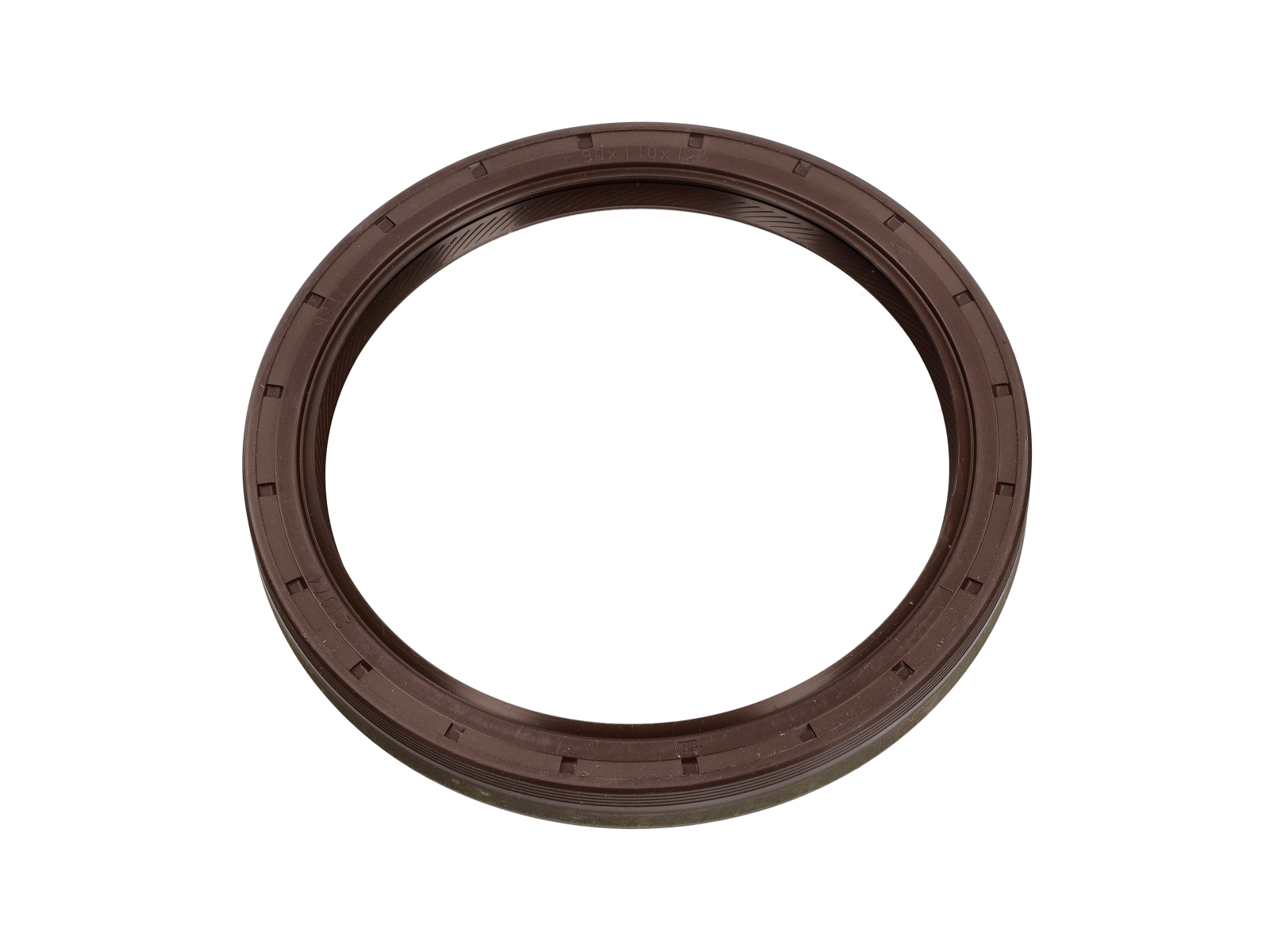
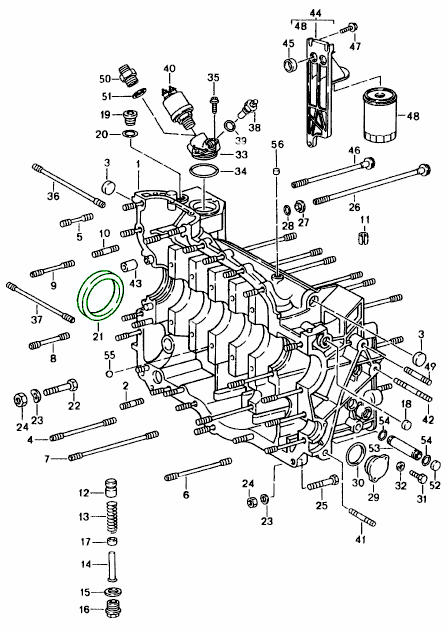
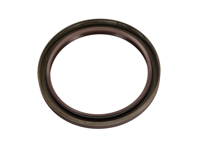
Restore engine sealing integrity and prevent costly oil leaks with this OE Match Rear Main Oil Seal for the Porsche 964, Porsche 993 and Porsche 996. Manufactured to OE specifications and measuring 90mm inner diameter, 110mm outer diameter and 12mm width, this critical engine seal is designed to prevent engine oil escaping around the rear of the crankshaft where it exits the engine case and connects to the flywheel assembly.
Fits:
- Porsche 964 (911) C2 1989-93
- Porsche 964 (911) C4 1989-93
- Porsche 964 (911) RS 3.6L 1991-93
- Porsche 964 (911) RS 3.8L 1991-93
- Porsche 964 (911) TURBO 3.3L 1991-93
- Porsche 964 (911) TURBO 3.6L 1991-93
- Porsche 993 (911) C2 1994-97
- Porsche 993 (911) C4 1994-97
- Porsche 993 (911) RS 1994-97
- Porsche 993 (911) C2S 1994-97
- Porsche 993 (911) C4S 1994-97
- Porsche 993 (911) TURBO 1994-96
- Porsche 993 (911) GT2 1994-97
- Porsche 993 (911) TURBO S 1994-97
- Porsche 996 TURBO 2000-05
- Porsche 996 GT2 2001-05
- Porsche 996 GT3 MKI 1999-02
- Porsche 924S 2.5L 1986-87
- Porsche 924S 2.5L 1988
- Porsche 944 2.5L 8V 1982-87
- Porsche 944 2.7L 8V 1988-89
- Porsche 944S 2.5L 16V 1987-88
- Porsche 944S2 3.0L 16V 1989-91
- Porsche 944 Turbo 2.5L 8V 1985-88
- Porsche 944 Turbo 2.5L 8V 1989-91
- Porsche 944 Turbo S 2.5L 8V 1988
- Porsche 968 3.0L 1992-94
- Porsche 968 Sport 3.0L 1994-95
- Porsche 968 CS 3.0L 1993-95
- Porsche 968 Turbo S 3.0L 1993-94
- Porsche 928 4.5L 1978-82
- Porsche 928S 4.7L 1981-83
- Porsche 928S2 4.7L 1984-86
- Porsche 928S4 5.0L 1987-92
- Porsche 928GT 5.0L 1989-91
- Porsche 928GTS 5.4L 1992-95
Diagram Ref No. 21
The rear main oil seal, often referred to as the RMS (Rear Main Seal), is one of the most important sealing components in the engine. It retains engine oil inside the crankcase while allowing the crankshaft to rotate at high speed. A worn or damaged seal can lead to oil leaks, clutch contamination and unnecessary engine maintenance costs if left unattended.
This OE Match replacement provides the correct fit, sealing performance and durability required for maintenance, engine rebuilds and preventative servicing.
What Does the Rear Main Oil Seal Do?
The rear main oil seal forms a seal around the rear section of the crankshaft.
Its primary functions include:
- Preventing engine oil leaks
- Sealing the rear crankshaft opening
- Protecting the flywheel area from contamination
- Maintaining correct engine oil levels
- Preventing oil reaching the clutch assembly
- Supporting long-term engine reliability
- Allowing smooth crankshaft rotation
Without a properly functioning rear main seal, oil can escape from the engine and create a range of reliability issues.
Why Do Rear Main Oil Seals Fail?
Like all rubber sealing components, rear main oil seals are subject to wear and ageing.
Common causes of failure include:
- Heat cycling
- Age-related hardening
- Crankshaft wear
- Engine vibration
- Long-term oil exposure
- Improper installation
- Excessive crankcase pressure
- High mileage use
Over time, the sealing lip can lose flexibility and its ability to maintain consistent contact with the crankshaft surface.
Symptoms of a Failing Rear Main Oil Seal
Common warning signs include:
- Oil leaks between engine and gearbox
- Oil drips beneath the vehicle
- Oil contamination around the flywheel housing
- Clutch slip caused by oil contamination
- Burning oil smell
- Gradual oil level loss
- Oil residue on transmission bellhousing
Because the seal is located behind the flywheel, leaks can often be mistaken for other engine oil leaks unless properly diagnosed.
When Should the Rear Main Oil Seal Be Replaced?
Replacement is recommended when:
- Oil leakage is present
- The gearbox is being removed
- Replacing the clutch assembly
- Rebuilding the engine
- Refurbishing the crankshaft
- Carrying out preventative maintenance
- The original seal shows signs of ageing
- Engine mileage is high
Many Porsche specialists recommend replacing the rear main seal whenever the clutch or flywheel is removed, as labour access is significantly easier during these procedures.
Why Replacement Matters
A leaking rear main oil seal can lead to far more expensive repairs if ignored.
Benefits of replacement include:
- Prevention of engine oil leaks
- Protection of the clutch assembly
- Improved engine cleanliness
- Reduced maintenance costs
- Improved reliability
- Professional rebuild standards
- Long-term sealing performance
- Greater peace of mind
Replacing the seal during clutch or engine work is considered a smart preventative maintenance measure.
Related reference numbers
Related, superseded, cross reference or alternative numbers for comparison.
99911342642
The product you are viewing cross references to these numbers

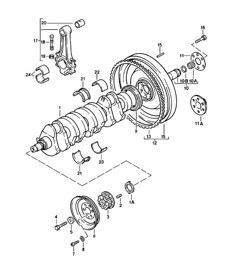
OEMatch Flywheel / Torque Converter — Fit, Function, Confidence
OEMatch Flywheel / Torque components are compatible replacements engineered to original-spec dimensions and tolerances — a practical option when genuine or OEM parts are unavailable. Flywheels and torque converters transfer engine torque to the gearbox, smooth rotational forces and allow engagement in manual and automatic transmissions. For Porsche models they play a central role in clutch performance, idle balance and transmission behaviour.
Understanding OEMatch Flywheel / Torque Converter
OEM (Original Equipment Manufacturer) parts are made by the same company that produced your Porsche’s original flywheel / torque.
OE (Original Equipment) refers to parts matching original specifications for the flywheel / torque and may be supplied by alternative manufacturers. Aftermarket parts offer alternative options, sometimes with enhanced features or better value. OEMatch supplies non-OEM flywheel / torque engineered as direct-fit alternatives to OEM parts, made to original-spec dimensions and tolerances for Porsche models.
OEMatch also catalogues over 4,000 part numbers with more than 8,700 OE cross-references and continues to develop new lines to support Porsche vehicles across many generations.
Benefits Include
- Restores smooth engine-to-transmission torque transfer and reduces driveline vibration
- Provides correct friction surfaces and balance for reliable clutch engagement
- Offers options for manual, automatic and PDK applications to suit specific Porsche drivetrains
Why Flywheel / Torque Wear and Fail
- Heat and clutch slippage can warp or glaze flywheel friction surfaces
- Ring gear wear or cracked teeth affect starter engagement
- Torque converters suffer fluid contamination, internal seal failure or bearing wear leading to shudder or loss of torque transfer
The Importance of Replacing with OEMatch Flywheel / Torque
Timely replacement restores smooth torque delivery, reduces vibration and prevents secondary damage to the clutch, gearbox and bearings. Replacing worn units during clutch or transmission service helps retain balance and reduces the risk of recurrent noise, shudder or accelerated wear. Selecting the correct unit for the Porsche model and transmission type supports consistent drivability.
Advantages
- Direct-fit units prepared to original specifications where applicable
- Options available for OEM-spec, remanufactured and performance-oriented replacements where suitable
- Parts selected for Porsche applications and cross-referenced to factory references
Available Types
- Single-mass flywheels for manual transmissions
- Dual-mass flywheels and carrier assemblies
- Lightweight flywheels for performance applications where appropriate
- Torque converters for automatic and PDK transmissions, including remanufactured units
Support & Advice
Installation should be carried out by a qualified technician following model-specific procedures and torque settings. Use calibrated tools and new bolts where specified and confirm correct alignment and balance when installing flywheels or torque converters.
-
 Clutch Kits
-
Clutch Release Bearings
-
Clutch Cables & Parts
-
Clutch Guide Tube
-
Clutch Forks & Levers
-
Clutch Bolts
-
Gearbox Parts
-
Driveshafts & Parts
-
Gasket Sets / Gaskets / Seals / Lock Nuts
-
Gearshift Control Parts
-
Gearbox Sump / Oil Pan
-
Rear Differential
-
Sensors
-
Transmission Cooling
-
Fluid Hoses & Pipes