



在此输入您的增值税号,然后单击验证:
您的详细信息已经过验证。增值税号注册至:
,
。
现在,您的订单的增值税税率为零。我们保留在您提出订单请求后验证这些详细信息的权利,并在需要时恢复增值税。
您的增值税详细信息无法识别或无效。您的增值税号必须与上面指定的帐单国家/地区相匹配。当前指定为 。您无需输入增值税号的国家/地区代码部分,因为已在上面的帐单地址详细信息中选择了该部分。
增值税号查询服务目前已离线。请在下面的评论或特殊说明字段中提供您的增值税详细信息,我们将在您提出订单请求后应用增值税折扣。
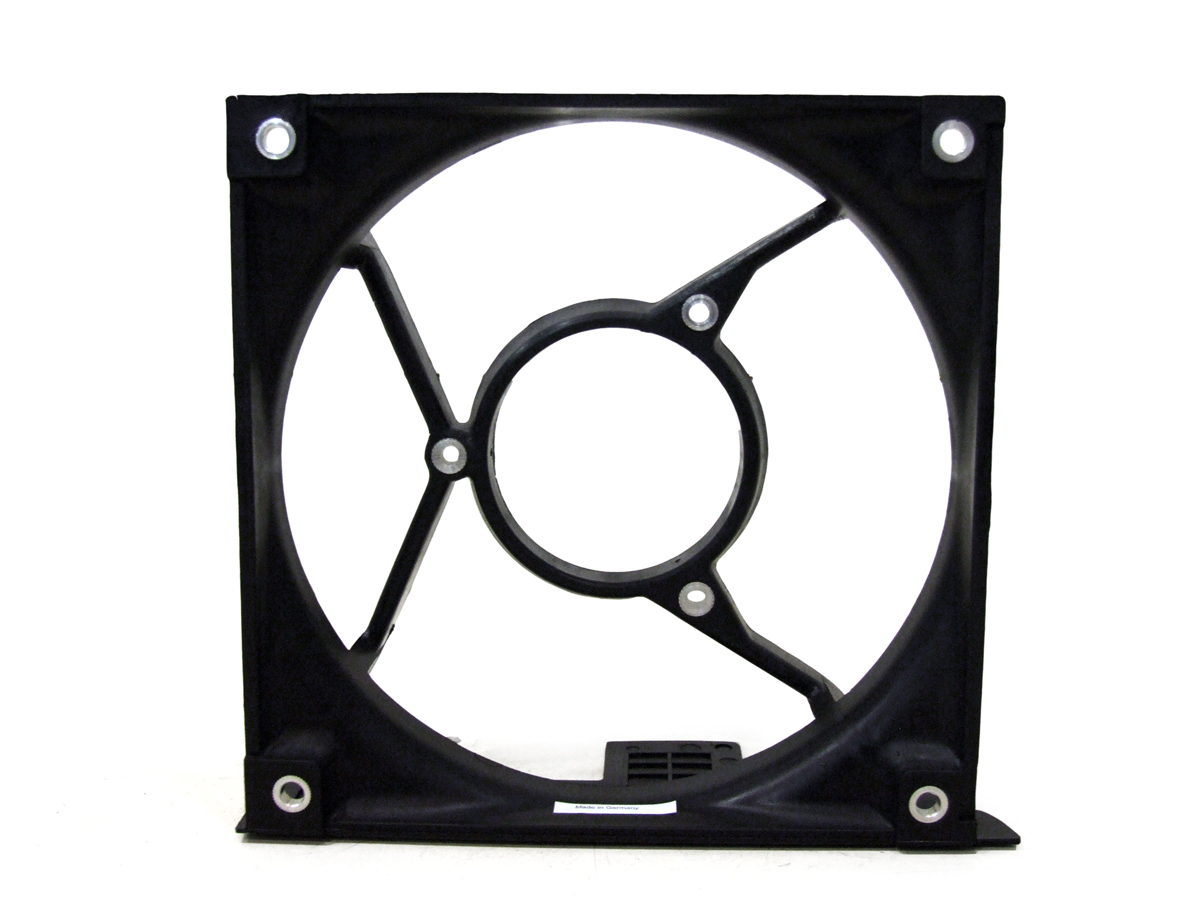
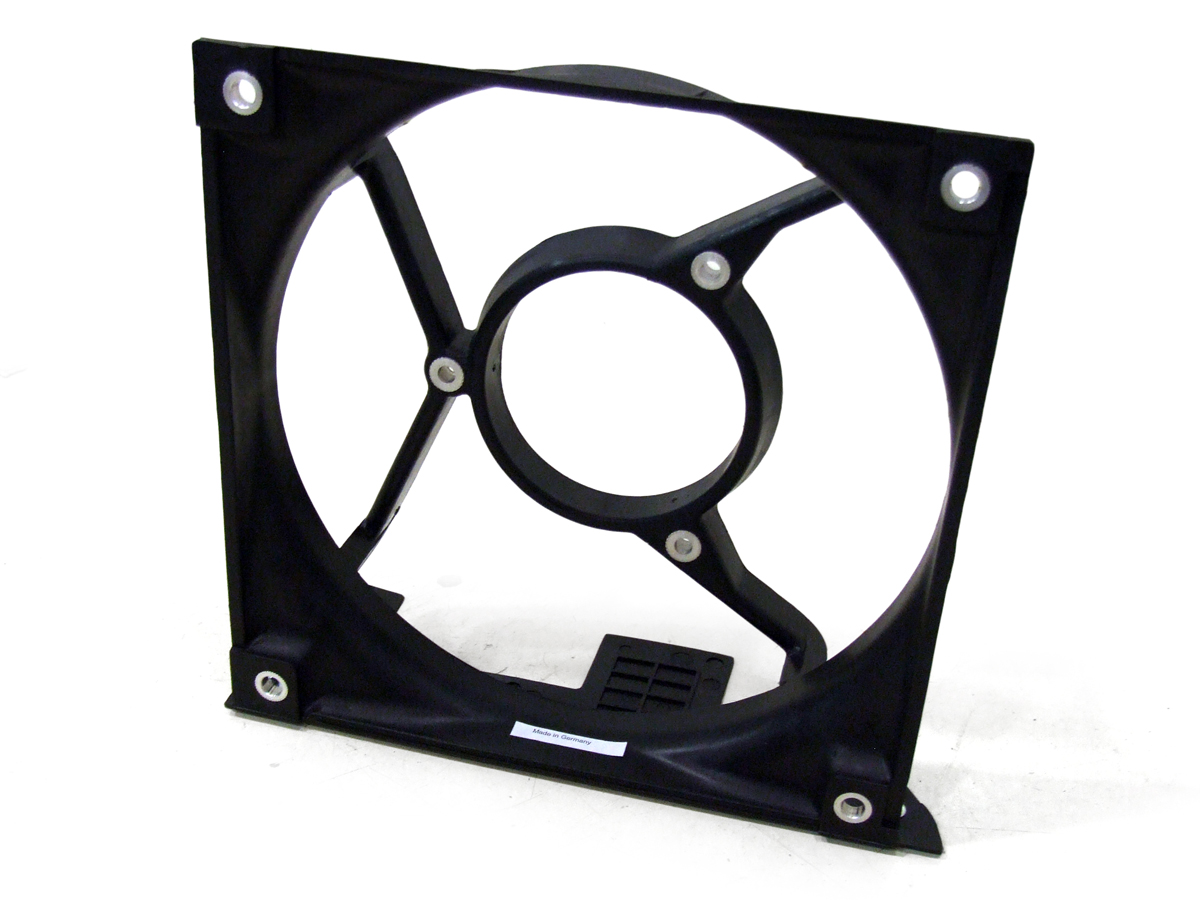
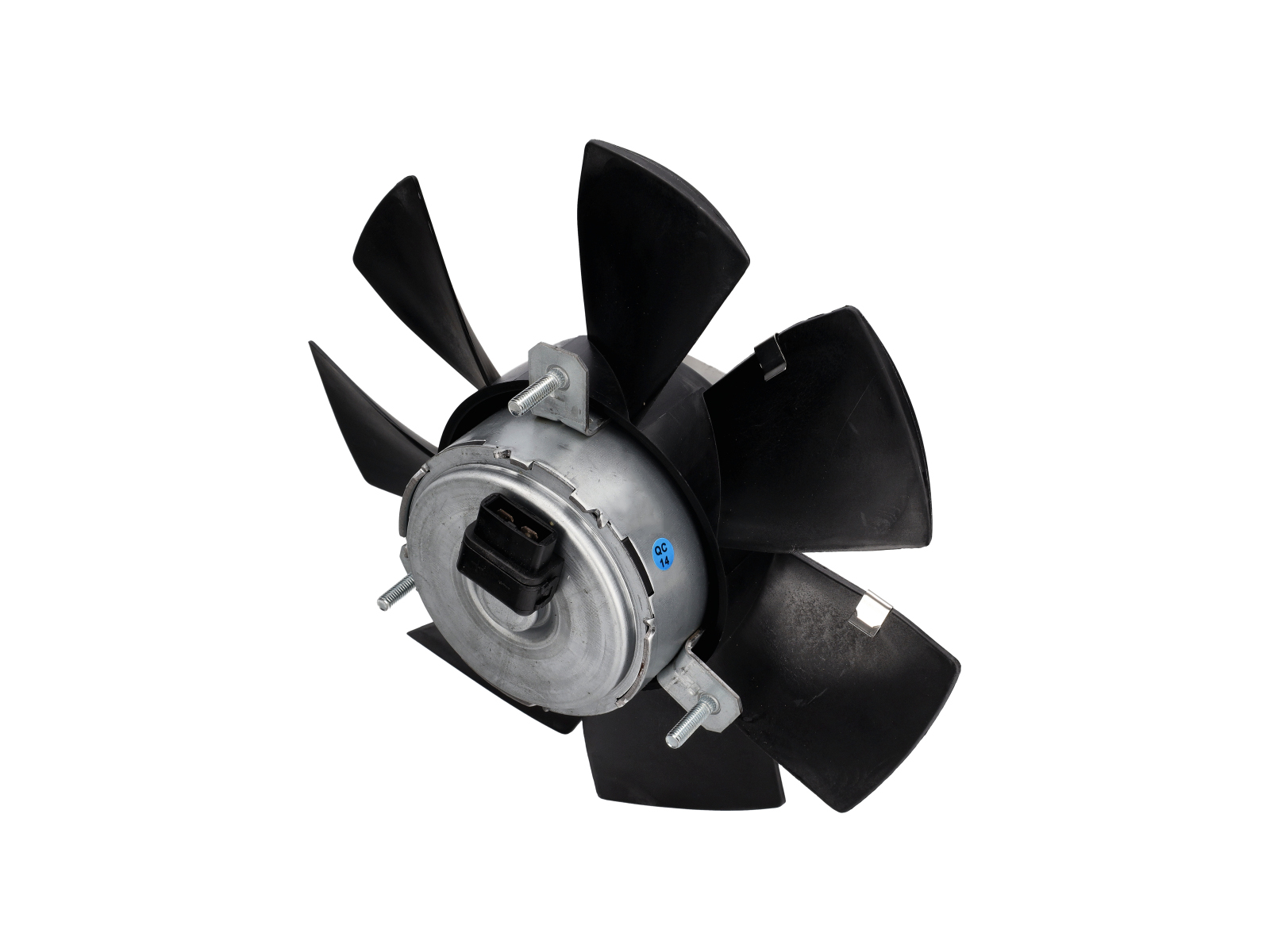
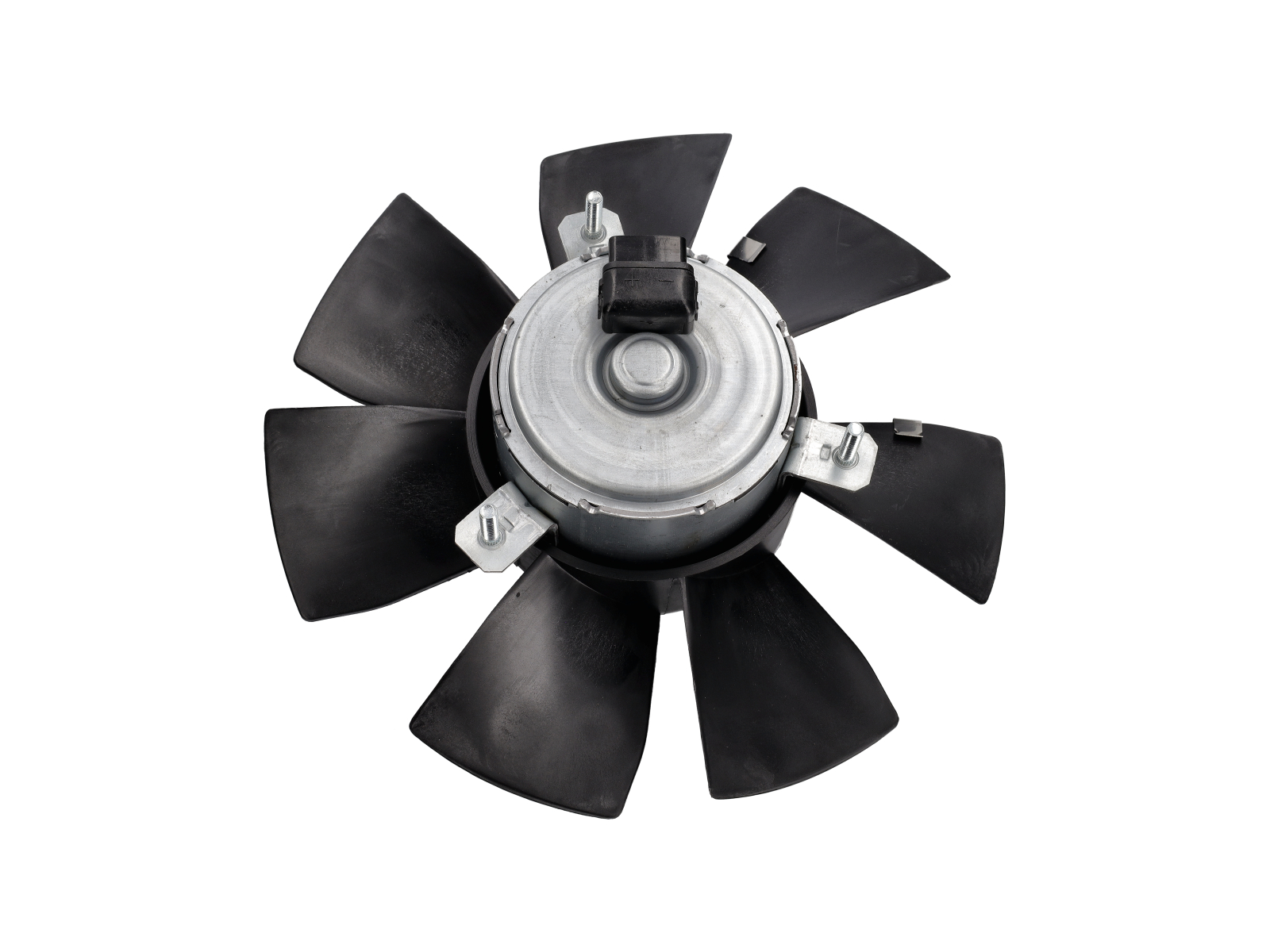
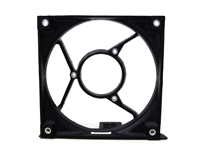
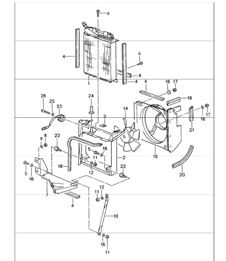
油冷却器风扇和外壳
经过 OE Match


- Porsche 993 (911) C2 1994-97
- Porsche 993 (911) C4 1994-97
- Porsche 993 (911) RS 1994-97
- Porsche 993 (911) C2S 1994-97
- Porsche 993 (911) C4S 1994-97
- Porsche 993 (911) TURBO 1994-96
- Porsche 993 (911) GT2 1994-97
- Porsche 993 (911) TURBO S 1994-97
适用:
保时捷 993 1994-96
点击“放大”查看零件大图。
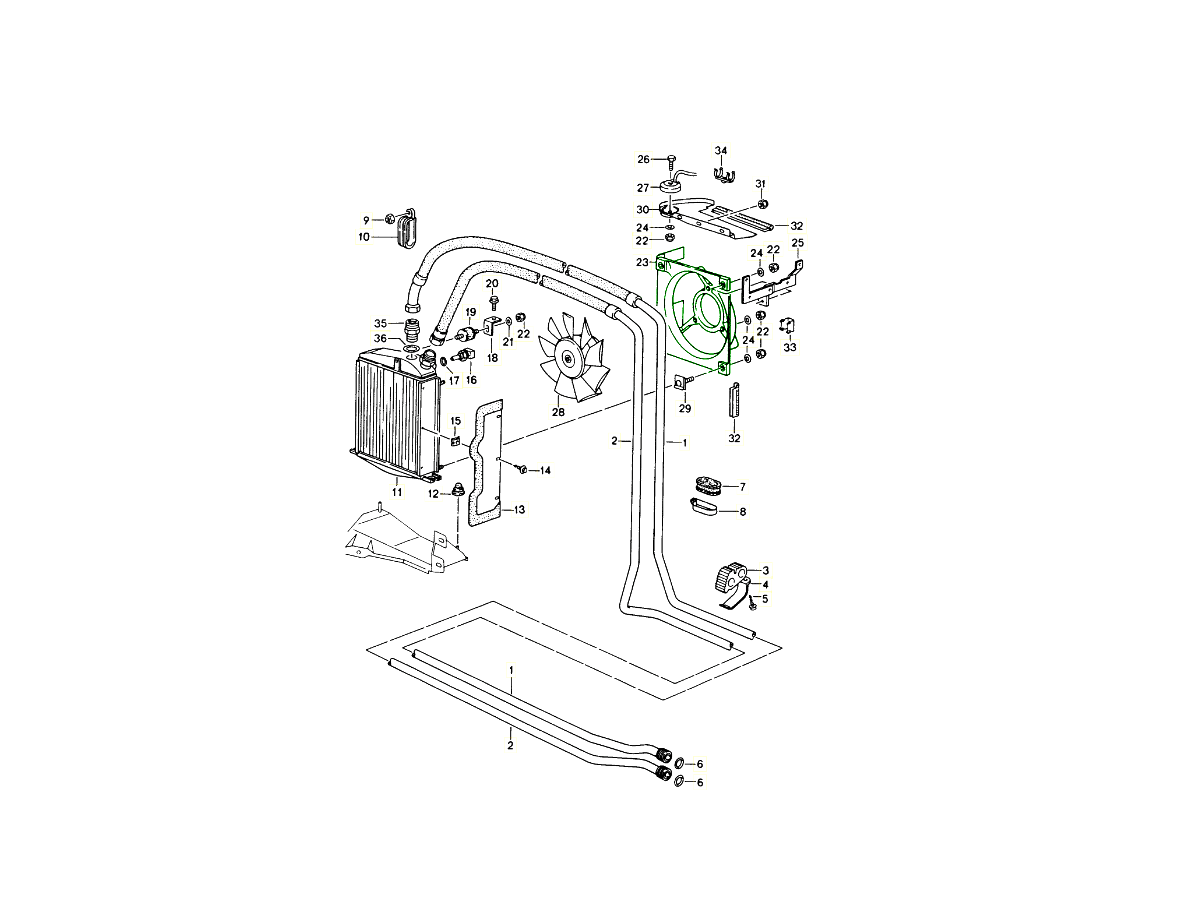
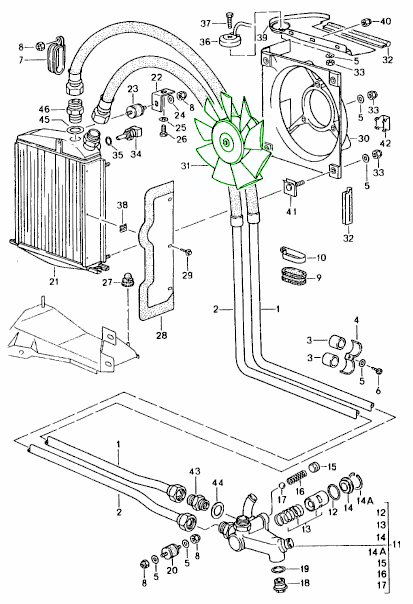
图示编号 23。
相关参考编号
相关编号、被取代编号、交叉引用编号或替代编号,供比较之用。
99362404100
您正在查看的产品与这些编号存在交叉引用关系
- Porsche 964 (911) C2 1989-93
- Porsche 964 (911) C4 1989-93
- Porsche 964 (911) TURBO 3.3L 1991-93
- Porsche 964 (911) TURBO 3.6L 1991-93
- Porsche 993 (911) C2 1994-97
- Porsche 993 (911) C4 1994-97
- Porsche 993 (911) TURBO 1994-96
- Porsche 993 (911) TURBO S 1994-97
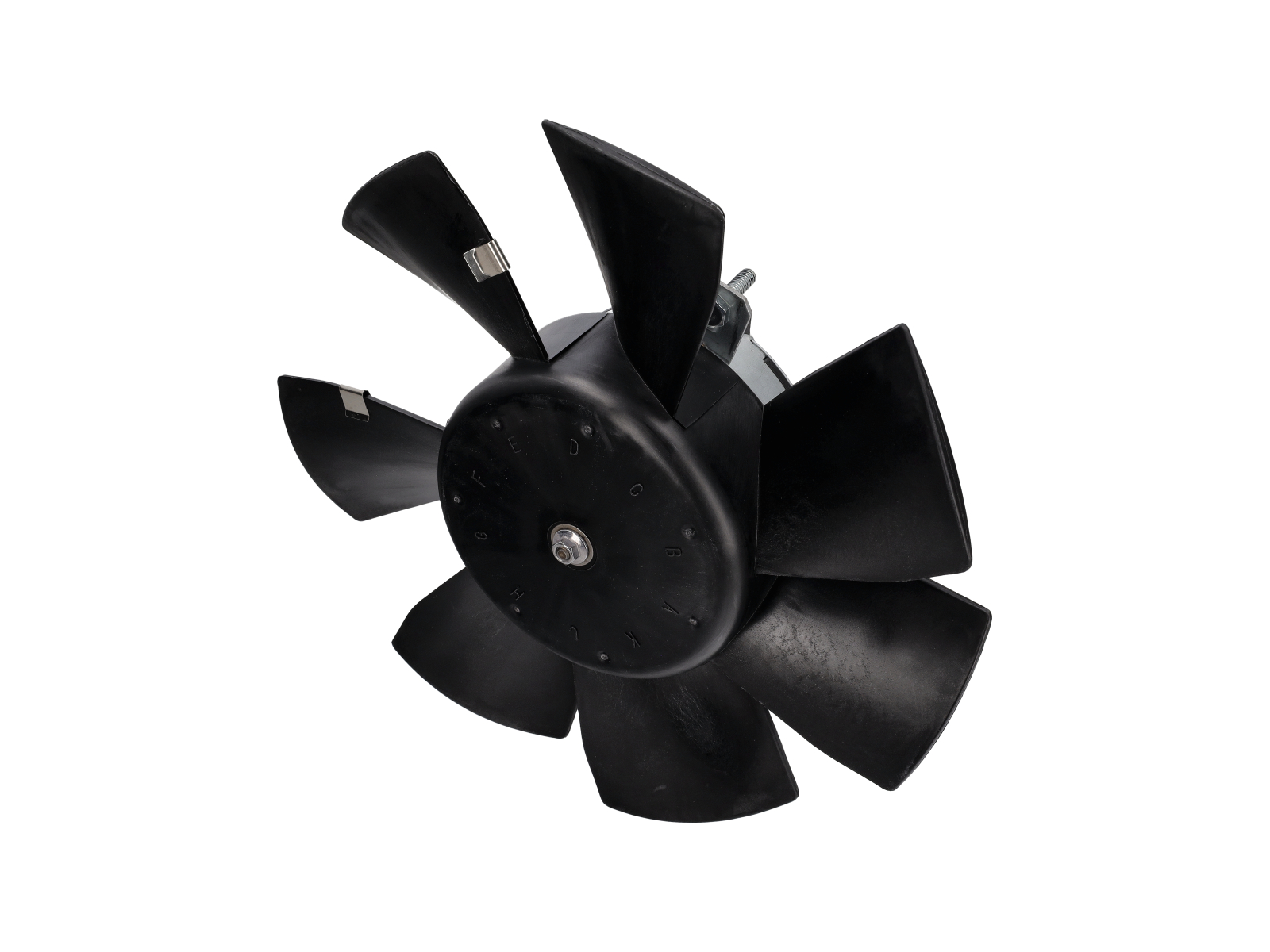
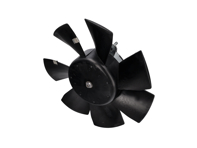
这款原厂配套的散热器油冷器电动风扇是保时捷964和993车型的替换冷却风扇。它的设计与原厂风扇在尺寸和功能上完全一致,有助于确保正确的油冷性能和可靠的温度控制。
适用:
保时捷 964 C2 / C4 / Turbo 1989 - 1994
保时捷 993 C2 / C4 / Turbo 1985 - 1998
图示编号 31
当需要额外冷却时,电动风扇可辅助空气流经机油冷却器/散热器冷却器区域。它有助于在低速行驶、交通拥堵或高温条件下吸入空气流经冷却器,从而维持稳定的发动机机油温度并保护发动机免受过热影响。
函数
•辅助气流流经油冷却器/散热器冷却器区域
•有助于保持正确的发动机机油温度
•即使在低速行驶和交通拥堵的情况下,也能提供良好的散热性能。
•有助于防止在严苛条件下过热
•恢复电风扇的正常运转
•更换故障、噪音过大、卡死或损坏的原装风扇
为什么要更换这个部件?
电动冷却风扇的故障原因包括电机磨损、轴承卡死、电气故障、叶片断裂、腐蚀或老化。风扇故障可能导致油温升高、行驶过程中冷却性能下降、警示灯亮起、噪音、振动,甚至辅助冷却系统完全失效。更换风扇有助于恢复正常的空气流通和可靠的冷却系统功能。
何时更换此部件
•机油冷却器风扇不运转
•风扇电机噪音过大、卡死、动力不足或运转不稳
•交通拥堵或天气炎热时,发动机油温度会升高
•风扇叶片出现裂纹、断裂或损坏
风扇电路存在电气故障
•正在更换机油冷却器或周围的冷却系统部件。
•该车辆正在进行保时捷 964 或 993 冷却系统修复。
它安装在车上的哪个位置
这款电动风扇安装在保时捷 964 和 993 车型的机油冷却器/散热器冷却器区域。它是辅助冷却系统的一部分,当自然气流不足时,它可以帮助空气流过冷却器。
相关参考编号
相关编号、被取代编号、交叉引用编号或替代编号,供比较之用。
96462403503
您正在查看的产品与这些编号存在交叉引用关系

High-Quality Oil Cooler Fans & Housings for Efficient Engine Temperature Control
Oil cooler fans and housings play a vital role in maintaining stable oil temperatures, especially in performance engines or vehicles driven in hot climates. The oil cooler fan increases airflow across the cooler core, while the housing directs and contains the airflow for maximum cooling efficiency. Together, they help protect the engine’s lubrication system, reduce heat stress and prevent oil degradation during demanding driving conditions.
Whether you’re restoring a classic model, upgrading a performance build or replacing worn components, a reliable oil cooler fan and housing are essential for long-term engine protection.
What Oil Cooler Fans & Housings Do
These components work together to manage oil temperature by:
- Increasing
airflow over the oil cooler to disperse heat quickly
- Maintaining
consistent oil temperature under load
- Protecting
engine internals from overheating and lubrication breakdown
- Enhancing
overall cooling efficiency during heavy driving or hot weather
- Supporting track use, towing and high-performance applications
The fan housing (or shroud) ensures directed airflow, preventing turbulence and maximising cooling effectiveness.
Why Oil Cooler Fans & Housings Commonly Fail
Given the intense temperatures and airflow demands, oil
cooler fans and their housings can deteriorate over time.
Typical causes of
failure include:
- Heat
fatigue leading to cracked housings or weakened plastic
- Fan
motor wear from continuous high-speed operation
- Electrical
issues such as failing relays, damaged connectors or burnt wiring
- Debris
impact damage from stones or road contaminants
- Corrosion
or brittleness caused by heat cycles and oil exposure
- Vibration stress causing mounting points to loosen or break
When these components fail, airflow efficiency drops, allowing oil temperatures to rise and placing unnecessary strain on the engine.
Why You Should Replace Worn Oil Cooler Fans & Housings
A compromised oil cooler fan or housing reduces cooling
performance, increasing the risk of overheating, oil breakdown and engine wear.
Replacing these components with high-quality, precision-engineered
alternatives designed to meet original performance standards ensures:
- Restored airflow and optimal cooling
- Stable oil temperatures under demanding driving conditions
- Improved oil longevity and engine durability
- Reduced risk of overheating or lubrication failure
- Quieter, more reliable fan operation
Upgrading or replacing these parts is a cost-effective way to protect high-value engine components.