



Enter your VAT number here and click Verify:
Your details have been verified. VAT number registered to:
,
.
Your order will now be zero rated for VAT purposes. We reserve the right to verify these details after your order request has been made and reinstate VAT if required.
Your VAT details were not recognised or were invalid. Your VAT number must be matched to your Billing Country as specified above. This is currently specified as . You do not need to enter the country code part of your VAT number as this has already been selected in your billing address details above.
The VAT number checking service is currently offline. Please supply your VAT details within the comments or special instructions field below and we will apply a VAT discount after placing your order request.
Instruments
By OE Match


- Porsche 911 1965-1968 2.0L / 912 SWB (F)
- Porsche 911 1968-1973 2.2L / 2.4L / 2.7L RS LWB (F)
- Porsche 911 1974-1977 2.7L / 1976-77 3.0 Carrera
- Porsche 911 1978-1983 3.0L / SC
- Porsche 924 2.0L 1976-79
- Porsche 924 2.0L 1980-85
- Porsche 924 Turbo 2.0L 1979-81
- Porsche 924 Turbo 2.0L 1982-84
- Porsche 924 Carrera GT 2.0L 1981
- Porsche 924 Carrera GTS 2.0L 1982
- Porsche 924S 2.5L 1986-87
- Porsche 924S 2.5L 1988
- Porsche 944 2.5L 8V 1982-87
- Porsche 944 2.7L 8V 1988-89
- Porsche 944S 2.5L 16V 1987-88
- Porsche 944S2 3.0L 16V 1989-91
- Porsche 944 Turbo 2.5L 8V 1985-88
- Porsche 944 Turbo 2.5L 8V 1989-91
- Porsche 944 Turbo S 2.5L 8V 1988
- Porsche 968 3.0L 1992-94
- Porsche 968 Sport 3.0L 1994-95
- Porsche 968 CS 3.0L 1993-95
- Porsche 968 Turbo S 3.0L 1993-94
- Porsche 914 (1970-1976)
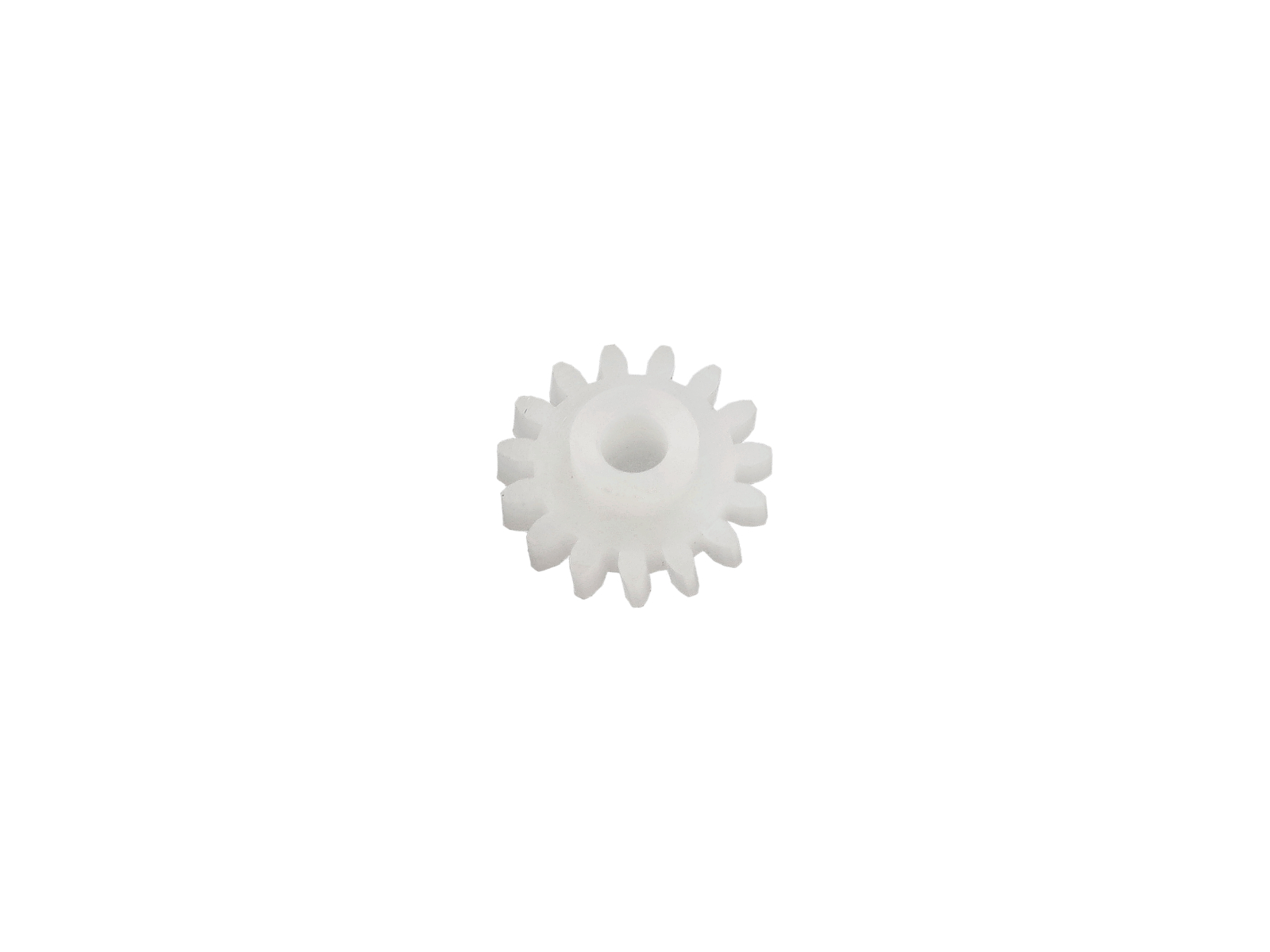
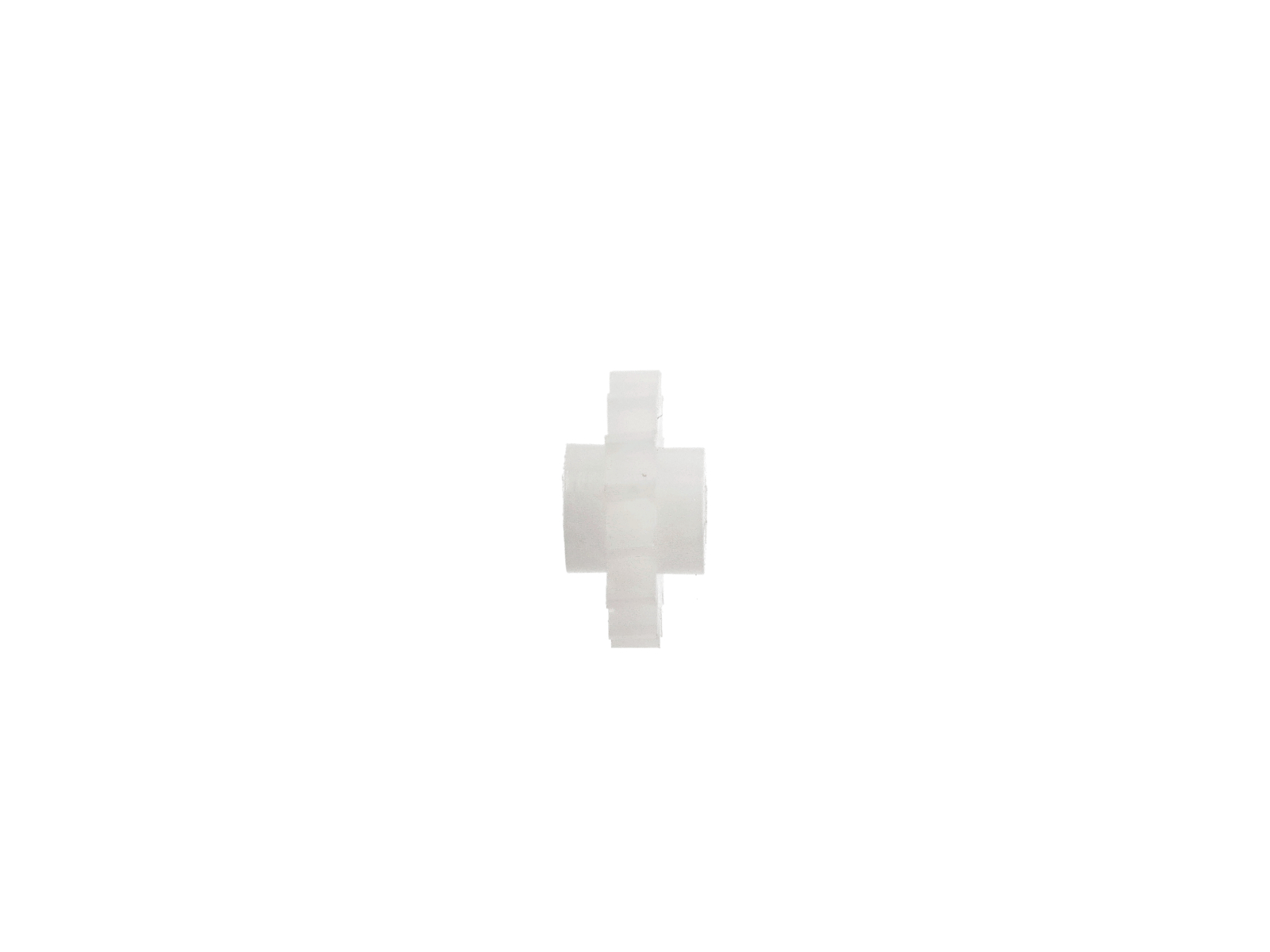
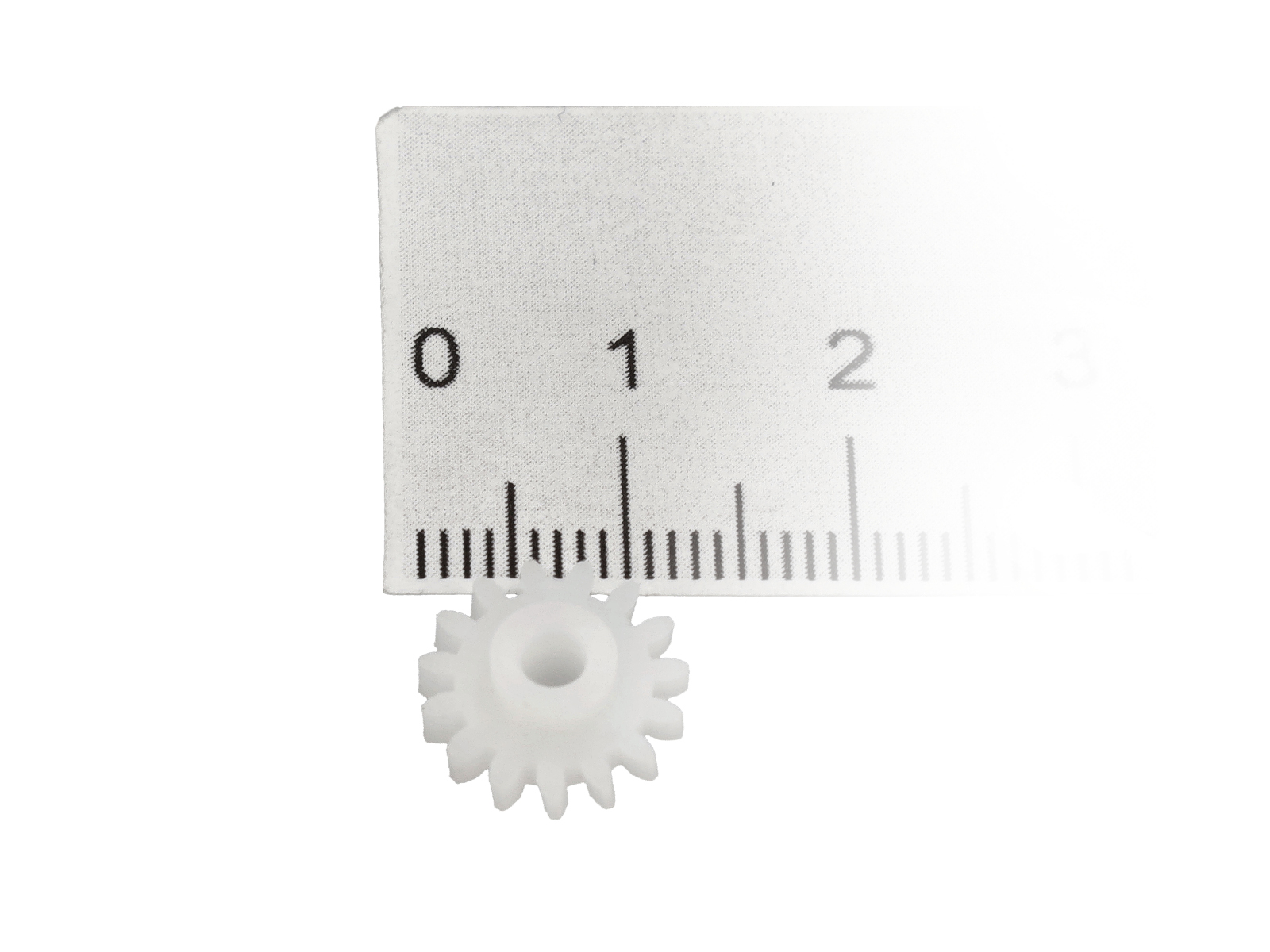
Mechanical Odometer Speedometer Gear
Restore the operation of your classic Porsche's odometer
with this OE Match Mechanical Odometer Speedometer Gear.
Fits:
- Porsche 911 1965-1968 2.0L / 912 SWB (F)
- Porsche 911 1968-1973 2.2L / 2.4L / 2.7L RS LWB (F)
- Porsche 911 1974-1977 2.7L / 1976-77 3.0 Carrera
- Porsche 911 1978-1983 3.0L / SC
- Porsche 924 2.0L 1976-79
- Porsche 924 2.0L 1980-85
- Porsche 924 Turbo 2.0L 1979-81
- Porsche 924 Turbo 2.0L 1982-84
- Porsche 924 Carrera GT 2.0L 1981
- Porsche 924 Carrera GTS 2.0L 1982
- Porsche 924S 2.5L 1986-87
- Porsche 924S 2.5L 1988
- Porsche 944 2.5L 8V 1982-87
- Porsche 944 2.7L 8V 1988-89
- Porsche 944S 2.5L 16V 1987-88
- Porsche 944S2 3.0L 16V 1989-91
- Porsche 944 Turbo 2.5L 8V 1985-88
- Porsche 944 Turbo 2.5L 8V 1989-91
- Porsche 944 Turbo S 2.5L 8V 1988
- Porsche 968 3.0L 1992-94
- Porsche 968 Sport 3.0L 1994-95
- Porsche 968 CS 3.0L 1993-95
- Porsche 968 Turbo S 3.0L 1993-94
- Porsche 914 (1970-1976)
This gear is located on the side of the speedometer framework and forms an important part of the internal gear train that drives both the odometer and trip meter. Over time, the original plastic gear can become brittle through age and repeated use, often developing a fine crack around the centre bore where it fits onto the shaft. Once cracked, the gear can no longer grip the shaft correctly, causing it to slip and preventing the odometer from recording mileage accurately.
One of the most common symptoms is that the speedometer needle continues to work normally, while the odometer and trip meter stop counting or operate intermittently.
It is important to note that there are potentially two internal gears that commonly fail within the speedometer. Before ordering, inspect the gear mounted on the side of the speedometer framework.
If your existing gear is metal, this replacement is not required. If your gear is plastic, inspect it carefully around the shaft hole for hairline cracks or signs of slipping. Even a very small crack is enough to cause the gear to fail.To ensure the correct replacement is ordered, the speedometer must be opened and the existing gear inspected. As Porsche used several different gear styles and tooth counts across production, it is always recommended to confirm the original gear before purchasing.
Key Features
- Replaces the plastic gear fitted to the side of the speedometer framework
- Restores odometer and trip meter operation
- Direct replacement for worn or cracked original gears
- Manufactured for precise fit and reliable performance
- Ideal for speedometer restoration and instrument repairs
Always inspect your original gear before ordering Not required if your existing gear is metal
Porsche Mechanical Speedometer & Odometer Repair Parts
The mechanical VDO speedometers fitted to classic Porsche models are renowned for their durability, but after decades of service the internal plastic gears naturally become brittle. One of the most common failures occurs when the gear mounted on the side of the speedometer framework develops a small crack around the centre shaft.
Although the crack is often difficult to see, it prevents the gear from gripping the shaft securely, allowing it to rotate independently instead of driving the odometer mechanism. Replacing the damaged gear restores accurate mileage recording while preserving the originality of your factory instrument.
Common Symptoms of a Failed Mechanical Odometer Gear
- Speedometer needle operates correctly
- Odometer has stopped recording mileage
- Trip meter no longer works
- Intermittent odometer operation
- Gear slips on the shaft
- Hairline crack visible around the centre bore of the plastic gear
Because several different gear designs and tooth counts were used across Porsche production, dismantling the speedometer and inspecting the original gear is essential before ordering a replacement.
OEMatch Instruments — Fit, Function, Confidence
OEMatch Instruments for Porsche models provide accurate monitoring and a sympathetic interior appearance. Many owners search for genuine or OEM instruments; these are direct-fit alternatives designed to match the original form, fit and function. This collection is intended for restoration, repair and replacement of analogue, digital and hybrid clusters across classic and modern Porsche models.
- Analogue instrument clusters and individual gauges for classic models
- Digital clusters and displays for later-model Porsche vehicles
- Hybrid clusters combining analogue dials with digital information
- Individual gauge units, stepper motors, lens and bezel repair parts
OEM (Original Equipment Manufacturer) parts are made by the same company that produced your Porsche’s original instruments.
OE (Original Equipment) refers to parts matching original specifications for the instruments and may be supplied by alternative manufacturers. Aftermarket parts offer alternative options, sometimes with enhanced features or better value. OEMatch supplies non-OEM instruments engineered as direct-fit alternatives to OEM parts, made to original-spec dimensions and tolerances for Porsche models.
Combining mechanical and electrical repair items with compatible sensor interfaces, these units allow restoration or replacement while retaining the vehicle’s original instrument layout and diagnostic behaviour.
- Restores accurate vehicle monitoring for speed, RPM, temperature and oil pressure
- Preserves cockpit appearance and illumination consistent with Porsche interiors
- Offers component-level parts for targeted repair and reduced intervention
- Deterioration of stepper motors or internal gears in analogue gauges
- Electrical faults, corroded connections or failing sensors affecting readings
- Faded faces, cracked lenses or moisture ingress leading to display faults
Keeping instruments functioning preserves driving control and situational awareness and helps avoid misleading warnings or missed faults. Replacing or refurbishing clusters maintains accurate data for engine and vehicle systems, supports correct diagnostics and restores the interior presentation that is important to many Porsche owners. When fitting, consider compatibility with the vehicle’s wiring, sensors and any required recalibration.
Advantages- Component-level options that reduce the need for full-cluster replacement
- Compatibility with Porsche instrument layouts and illumination standards
- Parts selected to support restoration and long-term serviceability
These items affect safety-critical systems. Installation should be carried out by a qualified technician following model-specific procedures and torque settings. Use calibrated tools and new fasteners where specified and confirm electrical connections and sensor interfaces during testing. If you lack the correct tools or experience, seek professional installation and check operation after initial use.