



Enter your VAT number here and click Verify:
Your details have been verified. VAT number registered to:
,
.
Your order will now be zero rated for VAT purposes. We reserve the right to verify these details after your order request has been made and reinstate VAT if required.
Your VAT details were not recognised or were invalid. Your VAT number must be matched to your Billing Country as specified above. This is currently specified as . You do not need to enter the country code part of your VAT number as this has already been selected in your billing address details above.
The VAT number checking service is currently offline. Please supply your VAT details within the comments or special instructions field below and we will apply a VAT discount after placing your order request.
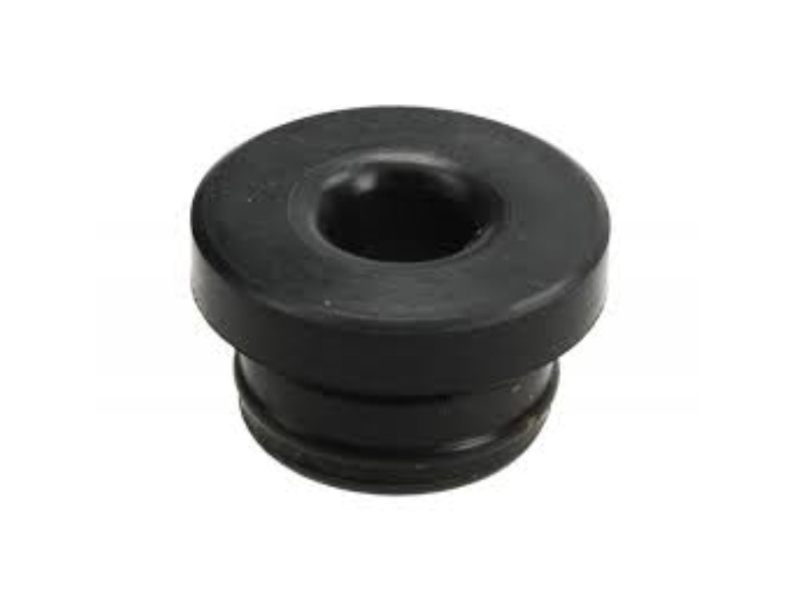
Brake Fluid Reservoir
By OE Match

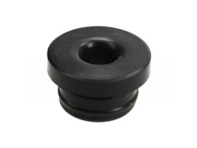

- Porsche 924 2.0L 1976-79
- Porsche 924 2.0L 1980-85
Sold each.
Fits:
Porsche 924 1976-85
not for Turbo models
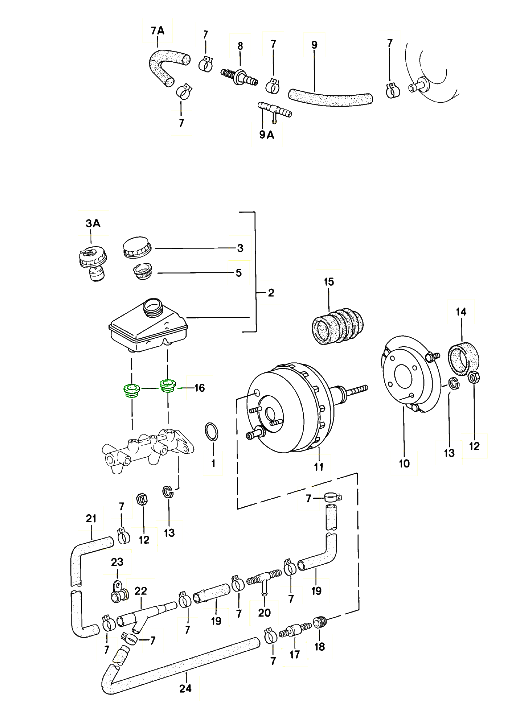
Diagram ref no 16
Related reference numbers
Related, superseded, cross reference or alternative numbers for comparison.
211611817A
The product you are viewing cross references to these numbers
- Porsche 911 1965-1968 2.0L / 912 SWB (F)
- Porsche 911 1968-1973 2.2L / 2.4L / 2.7L RS LWB (F)
- Porsche 911 1974-1977 2.7L / 1976-77 3.0 Carrera
- Porsche 911 1978-1983 3.0L / SC
- Porsche 911 1975-1977 3.0L Turbo (930)
- Porsche 993 (911) C2 1994-97
- Porsche 993 (911) C4 1994-97
- Porsche 924 2.0L 1976-79
- Porsche 924 2.0L 1980-85
- Porsche 924S 2.5L 1986-87
- Porsche 924S 2.5L 1988
- Porsche 944 2.5L 8V 1982-87
- Porsche 944 2.7L 8V 1988-89
- Porsche 944S 2.5L 16V 1987-88
- Porsche 944S2 3.0L 16V 1989-91
- Porsche 968 3.0L 1992-94
- Porsche 968 Sport 3.0L 1994-95
- Porsche 968 CS 3.0L 1993-95
- Porsche 968 Turbo S 3.0L 1993-94
- Porsche 928 4.5L 1978-82
- Porsche 928S 4.7L 1981-83
- Porsche 928S2 4.7L 1984-86
- Porsche 928S4 5.0L 1987-92
- Porsche 928GT 5.0L 1989-91
- Porsche 928GTS 5.4L 1992-95
- Porsche 914 (1970-1976)
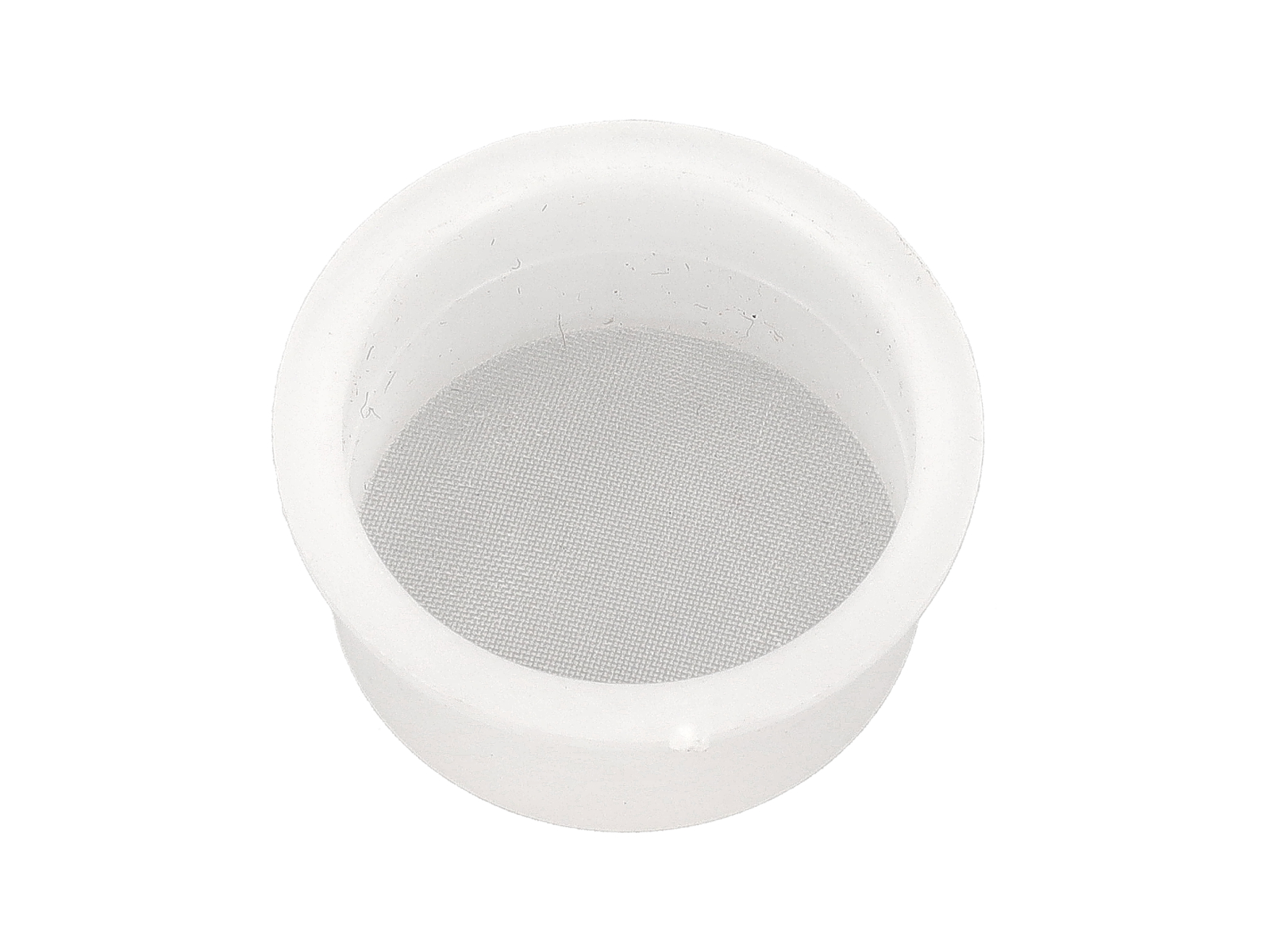
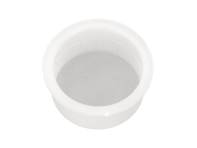
Restore the cleanliness and reliability of your Porsche's braking system with this OE Match Brake Fluid Strainer, manufactured as a direct replacement. Produced to OE-style specifications, this high-quality replacement strainer is designed to fit within the brake fluid reservoir, helping to prevent dirt, debris, and other contaminants from entering the hydraulic braking system during servicing while maintaining clean brake fluid circulation.
Fits:
- Porsche 911 1965-1968 2.0L / 912 SWB (F)
- Porsche 911 1968-1973 2.2L / 2.4L / 2.7L RS LWB (F)
- Porsche 911 1974-1977 2.7L / 1976-77 3.0 Carrera
- Porsche 911 1978-1983 3.0L / SC
- Porsche 911 1975-1977 3.0L Turbo (930)
- Porsche 993 (911) C2 1994-97
- Porsche 993 (911) C4 1994-97
- Porsche 924 2.0L 1976-79
- Porsche 924 2.0L 1980-85
- Porsche 924S 2.5L 1986-87
- Porsche 924S 2.5L 1988
- Porsche 944 2.5L 8V 1982-87
- Porsche 944 2.7L 8V 1988-89
- Porsche 944S 2.5L 16V 1987-88
- Porsche 944S2 3.0L 16V 1989-91
- Porsche 968 3.0L 1992-94
- Porsche 968 Sport 3.0L 1994-95
- Porsche 968 CS 3.0L 1993-95
- Porsche 968 Turbo S 3.0L 1993-94
- Porsche 928 4.5L 1978-82
- Porsche 928S 4.7L 1981-83
- Porsche 928S2 4.7L 1984-86
- Porsche 928S4 5.0L 1987-92
- Porsche 928GT 5.0L 1989-91
- Porsche 928GTS 5.4L 1992-95
- Porsche 914 (1970-1976)
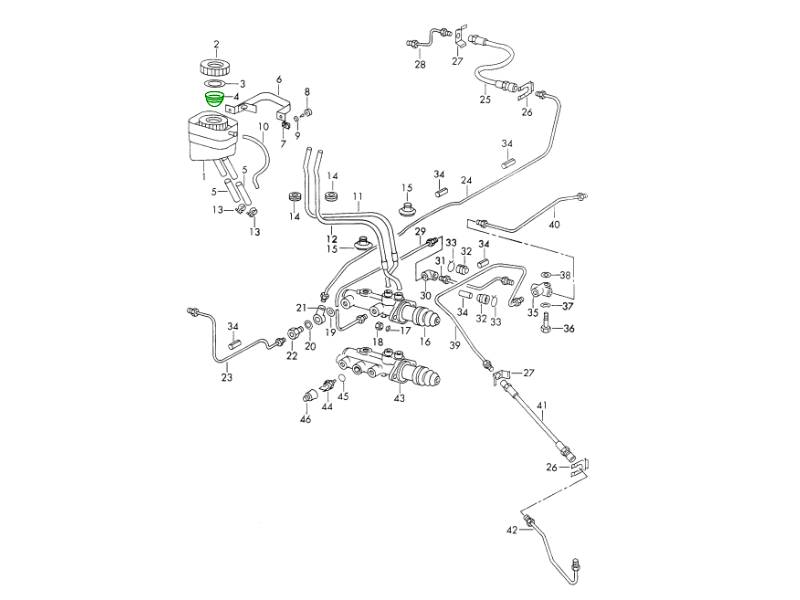
Diagram Ref No 4
The brake fluid strainer is a small but essential component that protects sensitive hydraulic components, including the master cylinder, ABS unit, and brake calipers, from contamination. Over time, the original strainer can become clogged, damaged, brittle, or deteriorate through prolonged exposure to brake fluid and heat, reducing its effectiveness. This OE Match replacement restores proper filtration within the reservoir, making it ideal for routine maintenance and classic Porsche restoration projects.
What This Product Does:
- Filters dirt and debris within the brake fluid reservoir.
- Helps maintain clean brake fluid.
- Protects the master cylinder and hydraulic components from contamination.
- Supports reliable braking system performance.
- Reduces the risk of contaminants entering the system during servicing.
- Replaces damaged or worn original strainers.
- Provides an OE-style fit and dependable durability.
Symptoms Of Wear Or Failure:
- Cracked or damaged brake fluid strainer.
- Clogged or contaminated strainer mesh.
- Debris visible inside the brake fluid reservoir.
- Brittle or deteriorated plastic construction.
- Missing brake fluid strainer.
- Signs of contamination during brake fluid changes.
- Reduced effectiveness of the reservoir filter.
- Age-related deterioration of the original component.
Why Replacement Matters:
- The brake fluid strainer is a vital component that helps protect the hydraulic braking system by preventing contaminants from entering the brake fluid supply. A damaged, clogged, or missing strainer can allow debris to circulate through the braking system, increasing wear on critical hydraulic components and potentially affecting long-term braking reliability.
- Replacing a worn or damaged brake fluid strainer restores proper reservoir filtration, helps maintain clean brake fluid, and protects expensive braking components from unnecessary wear. Manufactured to OE-style specifications, this OE Match replacement provides the correct fit, reliable performance, and long-lasting durability, making it an excellent choice for Porsche maintenance and restoration.
Related reference numbers
Related, superseded, cross reference or alternative numbers for comparison.
211611381B
The product you are viewing cross references to these numbers
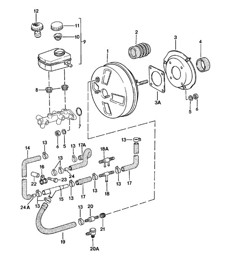
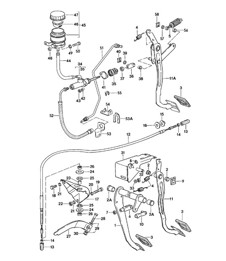
OEMatch Brake Fluid Reservoir — Stopping Power, Consistent Control
A replacement brake fluid reservoir for Porsche models, responsible for storing and supplying hydraulic fluid to the master cylinder while protecting the braking system from contamination and moisture. OEMatch supplies a wide selection chosen for Porsche applications to support repair, restoration and routine maintenance.
Available Types
- Replacements suited to classic and modern Porsche models
- Reservoirs offered with integrated fluid-level sensor where specified
- Assemblies supplied with cap and sealing components
Understanding OEMatch Brake Fluid Reservoir
OEM (Original Equipment Manufacturer) parts are made by the same company that produced your Porsche’s original brake fluid reservoir. OE (Original Equipment) refers to parts matching original specifications for the brake fluid reservoir and may be supplied by alternative manufacturers. Aftermarket parts offer alternative options, sometimes with enhanced features or better value. OEMatch supplies non-OEM brake fluid reservoir engineered as direct-fit alternatives to OEM parts, made to original-spec dimensions and tolerances for Porsche models. The reservoir stores brake fluid, feeds the master cylinder and helps maintain consistent hydraulic pressure while keeping air and contaminants out of the system. A sound reservoir and secure seals support predictable pedal feel and reduce the risk of fluid ingress or loss.
Benefits Include
- Maintains hydraulic pressure and consistent brake response
- Protects brake fluid from moisture and contaminants
- Facilitates easy visual checks of fluid level and condition
Why Brake Fluid Reservoir Wear and Fail
- Plastic fatigue, cracking or crazing from heat and vibration
- Degrading seals or damaged connections at the master cylinder
- Contamination from moisture or debris entering the reservoir
The Importance of Replacing with OEMatch Brake Fluid Reservoir
Replacing a worn or damaged reservoir restores hydraulic integrity and helps ensure the braking system functions reliably. Correct replacement reduces the chance of fluid loss, air ingress and degraded pedal response, supporting safe operation and consistent braking behaviour across different driving conditions.
Advantages
- Designed for compatibility with Porsche master cylinder assemblies
- Constructed from materials chosen for heat and fluid resistance
- Simplifies servicing with familiar mounting points and sealed caps
Support & Advice
These items affect safety-critical systems. Installation should be carried out by a qualified technician following model-specific procedures and torque settings. Use calibrated tools and new fasteners where specified.