



Enter your VAT number here and click Verify:
Your details have been verified. VAT number registered to:
,
.
Your order will now be zero rated for VAT purposes. We reserve the right to verify these details after your order request has been made and reinstate VAT if required.
Your VAT details were not recognised or were invalid. Your VAT number must be matched to your Billing Country as specified above. This is currently specified as . You do not need to enter the country code part of your VAT number as this has already been selected in your billing address details above.
The VAT number checking service is currently offline. Please supply your VAT details within the comments or special instructions field below and we will apply a VAT discount after placing your order request.
Air con pipes
By OE Match

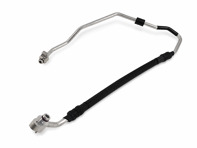

- Porsche 9YA Cayenne V6 3.0L Petrol (340Hp) 2018-23
- Porsche 9YA Cayenne Coupe V6 3.0L Petrol (340Hp) 2019-23
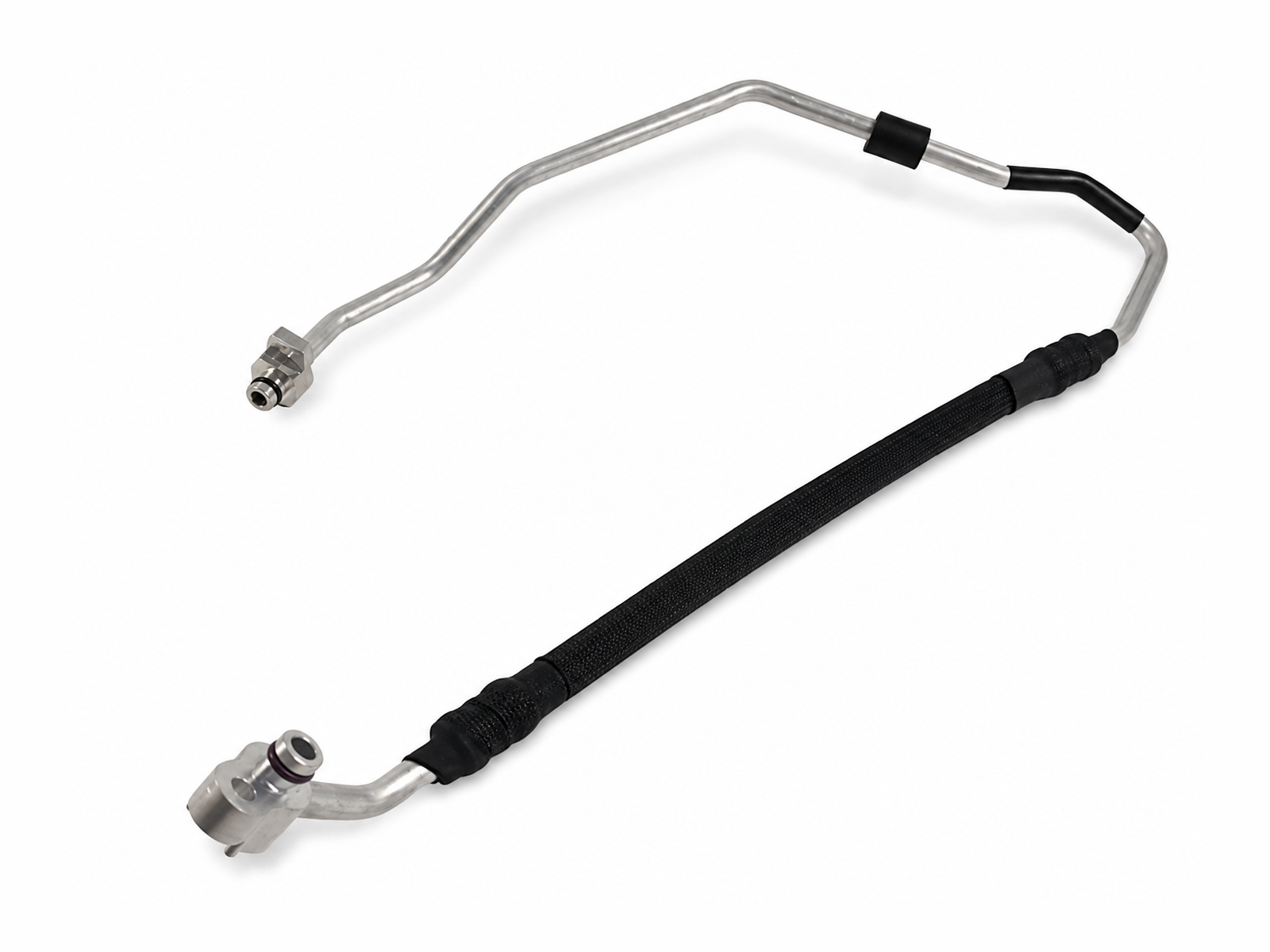
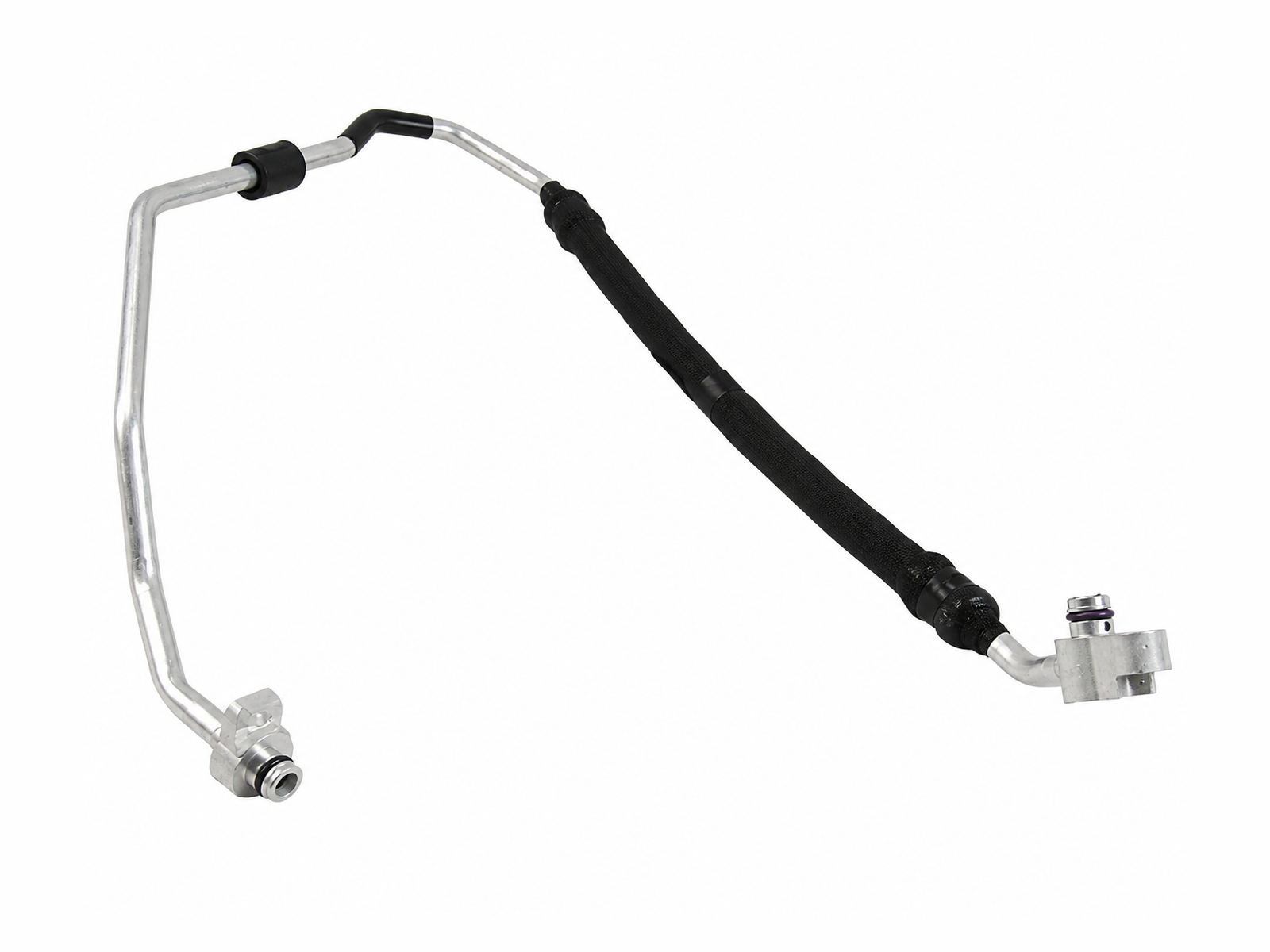
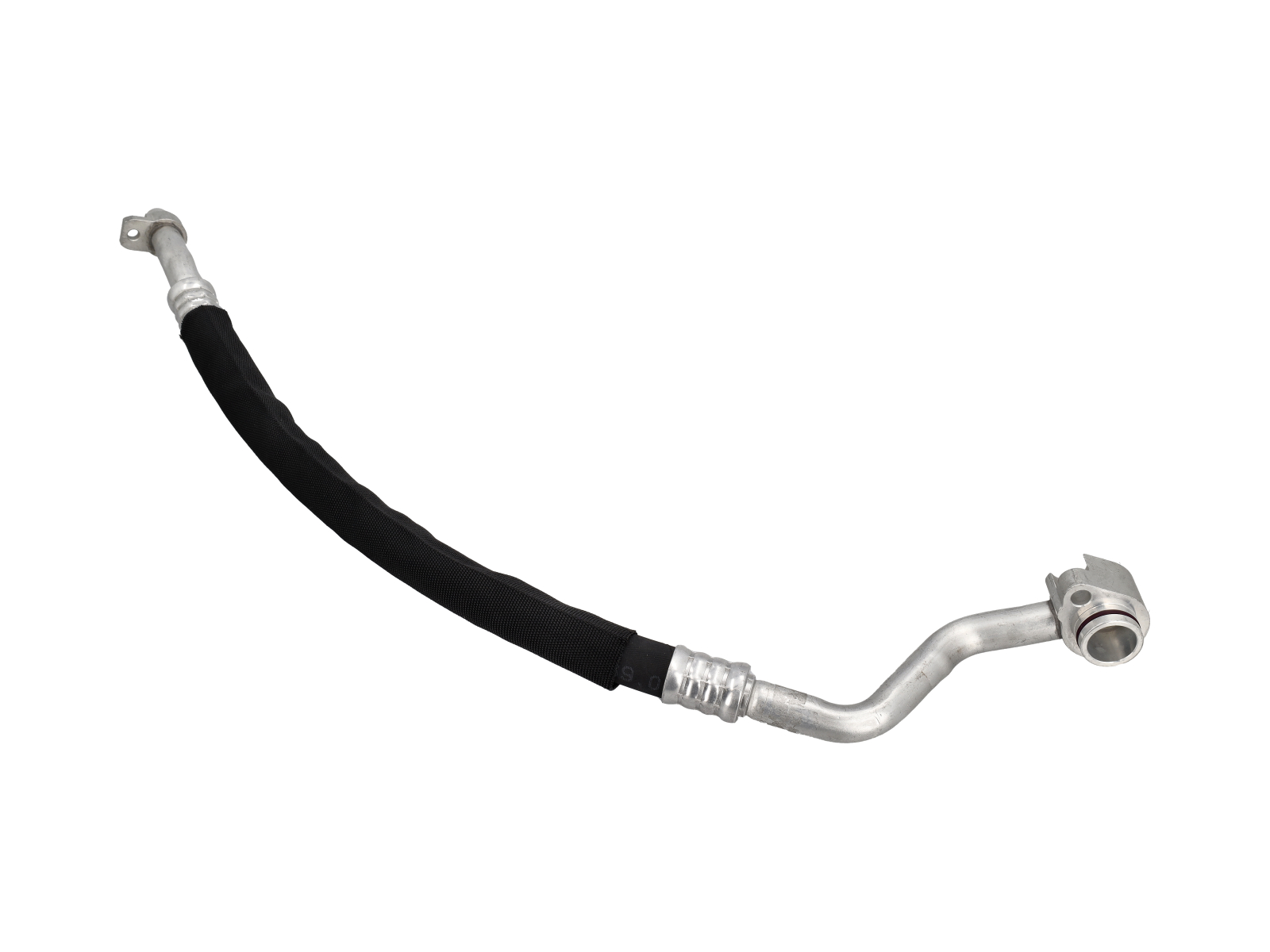
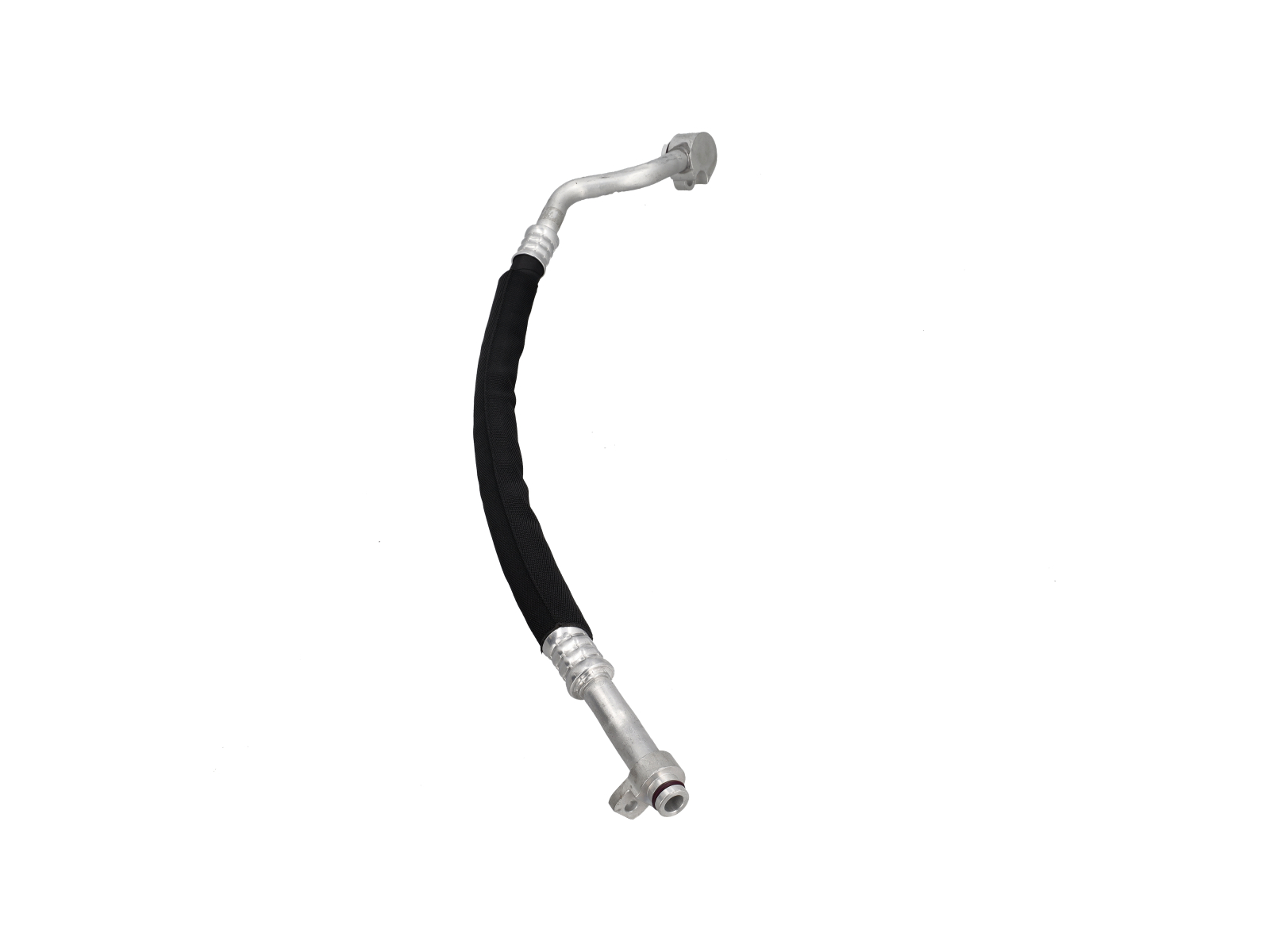
This OE Match air conditioning refrigerant pressure line is a replacement A/C pipe for Porsche 9YA Cayenne 3.0L models. It is designed to match the original-style fitment and function, helping maintain correct refrigerant flow within the vehicle’s air conditioning system.
Fits:
Porsche 9YA Cayenne 3.0L petrol 2018 - 2024 (PR:DU6)
* Refrigerant R1234yf (option code: KK3)
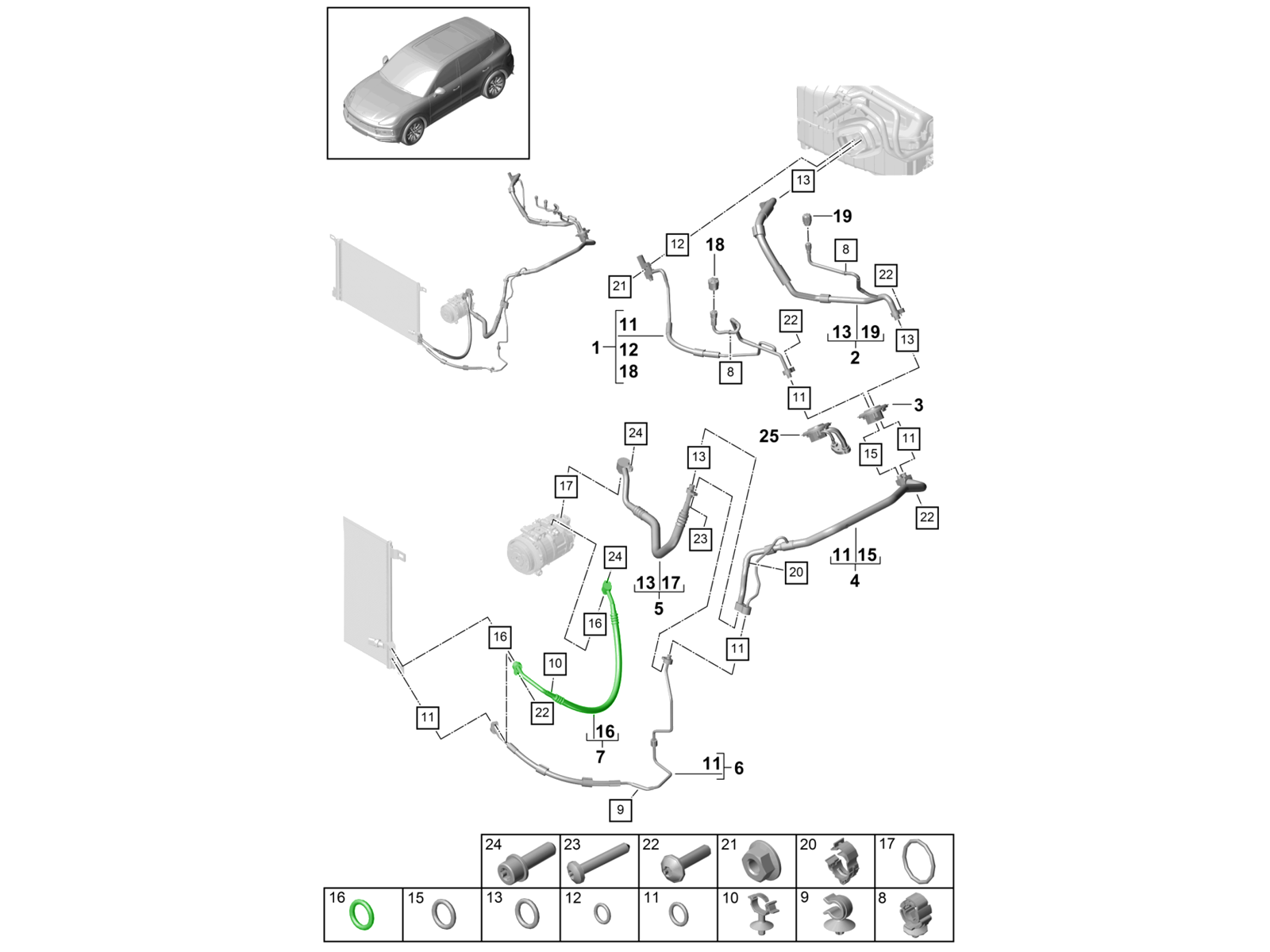
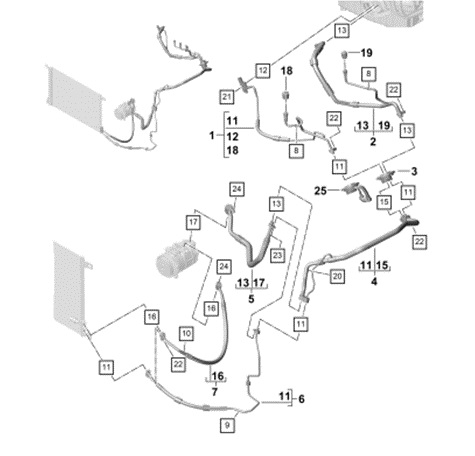
Diagram ref no 7
The refrigerant pressure line carries air conditioning refrigerant between A/C system components under pressure. It helps the system circulate refrigerant correctly so the air conditioning can cool the cabin efficiently and operate as intended.
Functions
• Carries refrigerant through the air conditioning system
• Helps maintain correct A/C system pressure and flow
• Supports efficient cabin cooling performance
• Connects designated air conditioning system components
• Helps prevent refrigerant leaks when correctly installed
• Replaces damaged, leaking, corroded, or worn original pressure lines
• OE Match replacement for A/C system repair and service.
Why Replace This Part?
Air conditioning refrigerant pressure lines can become damaged by corrosion, vibration, impact, age, or seal failure. A leaking or damaged pressure line can cause refrigerant loss, poor cooling, A/C system pressure faults, or complete air conditioning failure. Replacing the line helps restore correct refrigerant circulation and supports reliable climate control operation.
When to Replace This Part
• The A/C pressure line is leaking refrigerant
• The pipe is corroded, cracked, bent, or physically damaged
• The air conditioning system is not cooling correctly
• Refrigerant pressure faults are present
• Oil or dye residue is visible around the A/C line or joints
• The line has been damaged during engine bay or front-end repairs
• The A/C system is being serviced, repaired, or recommissioned.
Where it fits on the car
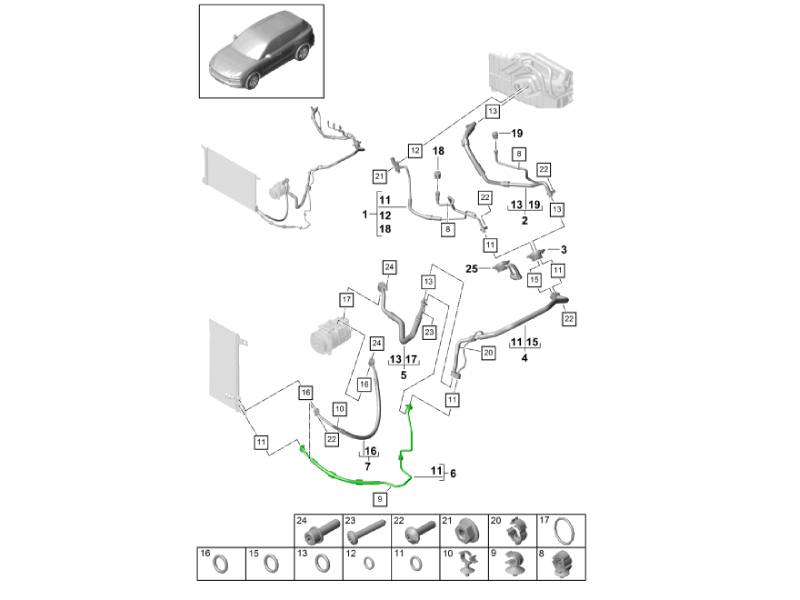
This refrigerant pressure line fits within the air conditioning pipework system on Porsche 9YA Cayenne 3.0L models. It connects between the specified A/C system components according to the vehicle’s factory diagram and refrigerant circuit layout.
Related reference numbers
Related, superseded, cross reference or alternative numbers for comparison.
9Y0816721C
The product you are viewing cross references to these numbers
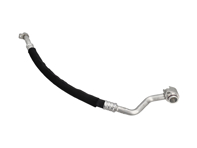
- Porsche 9YA Cayenne V6 3.0L Petrol (340Hp) 2018-23
- Porsche 9YA Cayenne Coupe V6 3.0L Petrol (340Hp) 2019-23
- Porsche 9YA Cayenne S V6 2.9L Petrol (440Hp) 2018-23
- Porsche 9YA Cayenne Coupe S V6 2.9L Petrol (440Hp) 2019-23
Fits:
Porsche 9YA Cayenne V6 3.0ltr - 2018 to 2023
Porsche 9YA Cayenne S V6 2.9ltr - 2018 to 2023
Click 'Zoom in' for large parts diagram.
Diagram ref no 5
Related reference numbers
Related, superseded, cross reference or alternative numbers for comparison.
9Y0820743C
The product you are viewing cross references to these numbers
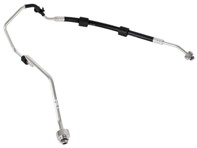
- Porsche 9YA Cayenne S V6 2.9L Petrol (440Hp) 2018-23
- Porsche 9YA Cayenne Coupe S V6 2.9L Petrol (440Hp) 2019-23
- Porsche 9YA.2 Cayenne V6 3.0L Petrol (353Hp) 2023>>
- Porsche 9YA.2 Cayenne Coupe V6 3.0L (353Hp) 2023>>
- Porsche 9YA.2 Cayenne GTS V8 4.0L Bi-Turbo Petrol 2023>>
- Porsche 9YA.2 Cayenne GTS Coupe V8 4.0L Bi-Turbo 2023>>
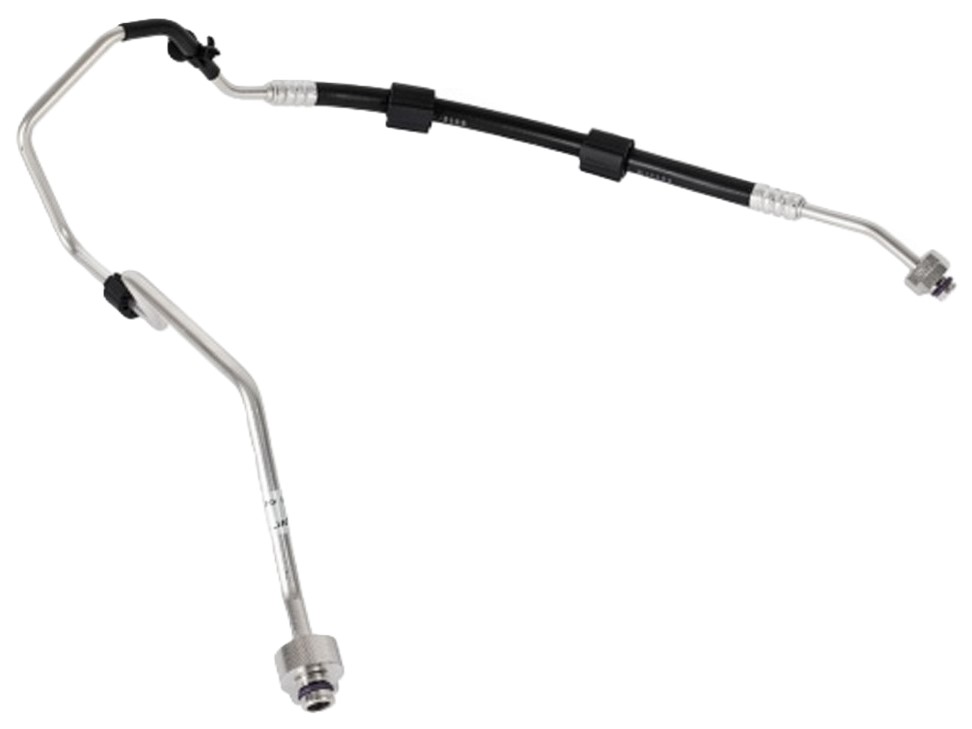
The OE MATCH Refrigerant Line, Condenser is a air conditioning system component designed to transport refrigerant between the condenser and other critical climate control system components. This refrigerant line plays a vital role in maintaining efficient refrigerant circulation and ensuring optimal air conditioning performance.
Fits:
- Porsche 9YA Cayenne S V6 2.9L Petrol (440Hp) 2018-23
- Porsche 9YA Cayenne Coupe S V6 2.9L Petrol (440Hp) 2019-23
- Porsche 9YA.2 Cayenne V6 3.0L Petrol (353Hp) 2023>>
- Porsche 9YA.2 Cayenne Coupe V6 3.0L (353Hp) 2023>>
Diagram Ref No 6
Manufactured from quality aluminium tubing and reinforced hose sections where required, the line is designed to withstand the high pressures, temperature fluctuations and vibrations encountered within modern automotive climate control systems. It provides secure, leak-free connections that help maintain system efficiency and long-term reliability.
What This Product Does:
- Transfers refrigerant between the condenser and associated A/C system components.
- Maintains correct refrigerant flow throughout the climate control system.
- Supports efficient heat exchange and cooling performance.
- Helps maintain correct operating pressures within the refrigerant circuit.
- Contributes to consistent cabin cooling and passenger comfort.
- Provides secure, sealed connections within the air conditioning system.
- Supports reliable operation of the climate control system.
- Helps maintain overall A/C system efficiency and performance.
Symptoms Of Wear Or Failure:
- Reduced air conditioning cooling performance.
- Warm air blowing from cabin vents.
- Refrigerant leaks from pipework or connection points.
- Oily residue around A/C fittings or hose connections.
- Frequent refrigerant recharge requirements.
- Air conditioning pressure-related fault codes.
- Hissing noises caused by escaping refrigerant.
- Excessive or irregular compressor cycling.
- Climate control warning messages.
- Visible corrosion, cracking or physical damage to the line.
Why Replacement Matters:
- Condenser refrigerant lines operate under significant pressure and are continuously exposed to vibration, heat, moisture, road debris and environmental contaminants. Over time, metal sections can corrode, hose sections may deteriorate and sealing surfaces can wear, resulting in refrigerant leaks and reduced system efficiency.
- A leaking refrigerant line can cause a loss of refrigerant, reducing cooling performance and increasing strain on the air conditioning compressor. If left unresolved, low refrigerant levels can accelerate wear of expensive climate control components and may eventually lead to compressor failure or complete A/C system malfunction.
- Replacing a worn or damaged refrigerant line restores proper refrigerant circulation, maintains system pressure and ensures efficient climate control operation.
Related reference numbers
Related, superseded, cross reference or alternative numbers for comparison.
9Y0816741T
The product you are viewing cross references to these numbers
OEMatch Air con pipes — Fit, Function, Confidence
OEMatch supplies air con pipes for Porsche models, selected for application-specific needs. These lines carry refrigerant between the compressor, condenser and evaporator, maintaining pressure and enabling efficient cabin cooling. Replacing damaged or leaking pipes restores system integrity and helps prevent compressor damage and further component wear.
Understanding OEMatch Air con pipes
OEM (Original Equipment Manufacturer) parts are made by the same company that produced your Porsche’s original air con pipes.
OE (Original Equipment) refers to parts matching original specifications for the air con pipes and may be supplied by alternative manufacturers. Aftermarket parts offer alternative options, sometimes with enhanced features or better value. OEMatch supplies non-OEM air con pipes engineered as direct-fit alternatives to OEM parts, made to original-spec dimensions and tolerances for Porsche models. OEMatch also maintains an extensive selection of Porsche parts and a catalogue of cross-references to support sourcing and repair decisions.
Air con pipes form the network that links the compressor, condenser, evaporator and any service fittings. Correct routing, secure fittings and intact sealing surfaces ensure the circuit holds pressure, prevents contamination and supports efficient heat exchange. Materials commonly used include corrosion-resistant aluminium for hard lines and reinforced rubber for flexible hose sections; joints and O-rings are common leak points and require careful inspection when servicing.
Benefits Include
- Restores correct refrigerant circulation and operating pressure for dependable cooling.
- Reduces the risk of leaks and contamination that can damage the compressor and system internals.
- Improves resistance to corrosion and vibration through appropriate materials and routing.
Why Air con pipes Wear and Fail
- Corrosion and pitting from moisture, road salt or environmental exposure affecting metal lines.
- Rubber hose deterioration due to heat, ozone and age leading to cracks and softening.
- Mechanical damage from vibration, impact or incorrect routing plus degraded O-rings and seals.
The Importance of Replacing with OEMatch Air con pipes
Timely replacement of faulty air con pipes restores cooling efficiency and helps avoid more costly compressor or system repairs. New lines reduce the likelihood of slow leaks and contamination during servicing or restoration work. When fitting new pipes, replace associated O-rings and seals, verify correct routing and torque on fittings, and confirm the system holds pressure before recharge to maintain reliable climate control.
Advantages
- Constructed from aluminium and reinforced rubber where appropriate to balance strength and flexibility.
- Pre-formed bends and correct fittings preserve routing and clearance around engine and chassis components.
- Supplied ready for installation with appropriate connection styles to match service fittings and seals.
Available Types
- Aluminium refrigerant lines for fixed routing applications.
- Reinforced rubber hose assemblies for flexible connections and vibration isolation.
- Complete hose assemblies with fittings and O-rings for system repairs and rebuilds.
Support & Advice
Installation should be carried out by a qualified technician following model-specific procedures and torque settings. If you undertake simple checks, protect paintwork, confirm correct fittings and recheck fasteners after initial use.