



Enter your VAT number here and click Verify:
Your details have been verified. VAT number registered to:
,
.
Your order will now be zero rated for VAT purposes. We reserve the right to verify these details after your order request has been made and reinstate VAT if required.
Your VAT details were not recognised or were invalid. Your VAT number must be matched to your Billing Country as specified above. This is currently specified as . You do not need to enter the country code part of your VAT number as this has already been selected in your billing address details above.
The VAT number checking service is currently offline. Please supply your VAT details within the comments or special instructions field below and we will apply a VAT discount after placing your order request.
Brake Pad Wear Sensors
By OE Match

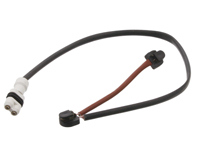

- Porsche 997 MK1 Carrera 2S 3.8L 2005-08
- Porsche 997 MK1 Carrera 4S 3.8L 2005-08
- Porsche 997 MKII Carrera C2S 3.8L 2009-12
Rear Brake Pad Wear Sensor - Sold each
Maintain the safety, reliability and performance of your
Porsche braking system with this OE Match Rear Brake Pad Wear Sensor. Designed specifically for Porsche 997 Carrera 2S and Carrera 4S
models, this sensor forms a vital part of the factory brake wear monitoring
system, helping drivers monitor rear brake pad condition and schedule
maintenance before braking performance is affected.
Fits:
Installed directly into the rear brake pad assembly, the wear sensor monitors the remaining thickness of the brake pad friction material. When the pads approach their minimum service limit, the sensor activates the dashboard brake wear warning light, alerting the driver that replacement is required.
For high-performance sports cars such as the Porsche 997 Carrera S models, maintaining the brake wear monitoring system is essential for preserving braking efficiency, protecting expensive brake components and ensuring maximum driving confidence.
What Does a Brake Pad Wear Sensor Do?
The brake pad wear sensor continuously monitors brake pad thickness throughout its service life.
As the brake friction material wears down, the sensor eventually contacts the brake disc and completes an electrical circuit, triggering the brake wear warning light on the instrument cluster.
A correctly functioning sensor helps:
- Monitor brake pad condition
- Provide early brake wear warnings
- Prevent excessive brake pad wear
- Protect brake discs from damage
- Improve maintenance scheduling
- Support safe braking performance
- Maintain factory brake monitoring functionality
The sensor acts as an important preventative maintenance component, helping avoid costly brake repairs.
Why Do Brake Pad Wear Sensors Fail?
Brake wear sensors are exposed to extreme operating conditions including heat, vibration, moisture and road contamination.
Common causes of failure include:
- Normal brake pad wear
- Sensor activation when brake pads reach their wear limit
- Damaged wiring
- Corrosion in electrical connectors
- Heat-related deterioration
- Water ingress
- Physical damage during brake servicing
- Age-related material fatigue
As brake wear sensors are considered service items, they should be replaced whenever they become activated or damaged.
When Should a Brake Pad Wear Sensor Be Replaced?
Replacement is recommended whenever brake pads are changed or if the sensor has become damaged.
Common symptoms include:
- Brake wear warning light illuminated
- Intermittent brake warning messages
- Damaged or broken sensor wiring
- False brake wear warnings
- Corroded electrical connections
- Sensor damage during brake servicing
- Rear brake pad replacement due to wear
Replacing the sensor during brake pad replacement ensures the monitoring system continues to function correctly.
Why Replacement Matters
A functioning brake wear sensor helps maintain braking safety and protects expensive brake system components.
Benefits include:
- Accurate brake pad monitoring
- Reliable dashboard warning operation
- Improved braking safety
- Protection of brake discs
- Reduced maintenance costs
- Better servicing planning
- Improved brake system reliability
- Long-term braking component protection
For Porsche 997 owners, maintaining the brake wear monitoring system helps preserve both performance and peace of mind.
Related reference numbers
Related, superseded, cross reference or alternative numbers for comparison.
99761267602
The product you are viewing cross references to these numbers
- Porsche 997 MK1 Carrera 4S 3.8L 2005-08
- Porsche 997 MKII Carrera C4S 3.8L 2009-12
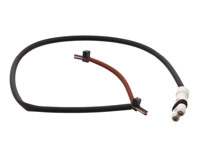
Front Brake Pad Wear Sensor
Sold each - 2 required per car
Maintain the safety and effectiveness of your Porsche
braking system with this OE Match Front Brake Pad Wear Sensor, commonly
referred to as the brake pad warning wire, for the Porsche 997 Carrera 4S. This
important component continuously monitors brake pad wear and alerts the driver
when the pads have reached their service limit.

Porsche 997 MK1 Carrera 4S 3.8L 2005-08
Porsche 997 MKII Carrera C4S 3.8L 2009-12
Installed directly into the brake pad, the wear sensor forms part of the vehicle's brake monitoring system. As the brake pads wear down, the sensor eventually contacts the brake disc, breaking the electrical circuit and triggering the brake pad warning light on the dashboard. This provides a clear indication that the brake pads require replacement.
Manufactured to OE Match standards, this replacement sensor offers reliable performance, correct fitment and dependable brake wear monitoring.
What Does the Brake Pad Wear Sensor Do?
The brake pad wear sensor is designed to monitor the thickness of the brake pads.
Its primary functions include:
- Monitoring brake pad wear
- Activating the dashboard warning light
- Alerting the driver to required brake maintenance
- Supporting safe vehicle operation
- Preventing excessive brake pad wear
- Helping protect brake discs from damage
- Supporting routine brake servicing
The sensor acts as an early warning system, helping drivers replace brake pads before braking performance is compromised.
Why Do Brake Pad Wear Sensors Fail?
Brake wear sensors operate in a demanding environment exposed to heat, moisture, dirt and vibration.
Common causes of failure include:
- Normal brake pad wear
- Sensor activation after pad wear
- Heat damage
- Road debris impact
- Corrosion within electrical connections
- Wiring damage
- Brake servicing damage
- Age-related deterioration
In many cases, the sensor is designed as a service item and is typically replaced whenever the brake pads are renewed.
When Should the Brake Pad Wear Sensor Be Replaced?
Replacement is recommended whenever:
- The brake wear warning light is illuminated
- New brake pads are installed
- The sensor has contacted the brake disc
- The wiring is damaged
- Corrosion is present
- Brake servicing is being carried out
- Fault codes indicate sensor failure
- Preventative maintenance is being performed
Most Porsche technicians recommend fitting new sensors whenever new brake pads are installed.
Why Replacement Matters
A damaged or worn sensor can prevent the brake monitoring system from operating correctly.
Benefits of replacement include:
- Accurate brake wear monitoring
- Reliable warning light operation
- Improved vehicle safety
- Protection against excessive pad wear
- Prevention of brake disc damage
- Correct brake system functionality
- Reduced maintenance risks
- Restoration of factory brake monitoring performance
Replacing a worn sensor is a simple and cost-effective way to maintain the effectiveness of the Porsche brake warning system.
Related reference numbers
Related, superseded, cross reference or alternative numbers for comparison.
99761268001
The product you are viewing cross references to these numbers


OEMatch Brake Pad Wear Sensors — Stopping Power, Consistent Control
OEMatch brake pad wear sensors for Porsche models monitor pad thickness and provide timely warnings when replacement is needed. Accurate sensing supports routine maintenance, helps protect discs from excessive wear and contributes to predictable braking behaviour across classic and modern Porsche vehicles.
Understanding OEMatch Brake Pad Wear SensorsOEM (Original Equipment Manufacturer) parts are made by the same company that produced your Porsche’s original brake pad wear sensors. OE (Original Equipment) refers to parts matching original specifications for the brake pad wear sensors and may be supplied by alternative manufacturers. Aftermarket parts offer alternative options, sometimes with enhanced features or better value. OEMatch supplies non-OEM brake pad wear sensors engineered as direct-fit alternatives to OEM parts, made to original-spec dimensions and tolerances for Porsche models. These sensors detect pad material loss either by completing or interrupting an electrical circuit or by a change in resistance as the pad wears, which triggers a dashboard warning or service message. Sensors are routed and secured close to the pads and rely on intact insulation and secure connectors to deliver reliable signals. OEMatch maintains a wide Porsche-focused catalogue and extensive OE cross-references to help identify the correct item for each model and application.
Benefits Include- Restores accurate pad-wear monitoring so replacements are identified in good time.
- Helps prevent unnecessary disc damage by prompting timely pad changes.
- Simplifies servicing with standardised connections and mounting that fit original locations.
- Supports consistent warning-system behaviour across many Porsche models.
- Exposure to high brake temperatures can melt or crack sensor housings or cable insulation.
- Corrosion or ingress from water and road salt can cause electrical faults.
- Abrasion and vibration can wear or fray sensor cables and protective sleeving.
- Poor connector contacts or incorrect routing during servicing may interrupt the signal.
Replacing faulty or degraded sensors preserves the vehicle’s ability to warn of low pad thickness, reducing the risk of disc damage and helping maintain braking consistency. Timely replacement supports scheduled maintenance and contributes to overall braking system reliability for Porsche models.
Advantages- Wide model coverage and OE cross-references to aid correct part selection.
- Designed to fit original mounting points and clearances for straightforward installation.
- Durable materials and connector designs intended to resist heat and contamination.
- Suitable for maintenance, restoration and routine brake servicing.
These items affect safety-critical systems. Installation should be carried out by a qualified technician following model-specific procedures and torque settings. Use calibrated tools and new fasteners where specified.