



Enter your VAT number here and click Verify:
Your details have been verified. VAT number registered to:
,
.
Your order will now be zero rated for VAT purposes. We reserve the right to verify these details after your order request has been made and reinstate VAT if required.
Your VAT details were not recognised or were invalid. Your VAT number must be matched to your Billing Country as specified above. This is currently specified as . You do not need to enter the country code part of your VAT number as this has already been selected in your billing address details above.
The VAT number checking service is currently offline. Please supply your VAT details within the comments or special instructions field below and we will apply a VAT discount after placing your order request.
Oil Filter Housing
By OE Match


- Porsche 964 (911) C2 1989-93
- Porsche 964 (911) C4 1989-93
- Porsche 964 (911) RS 3.6L 1991-93
- Porsche 964 (911) RS 3.8L 1991-93
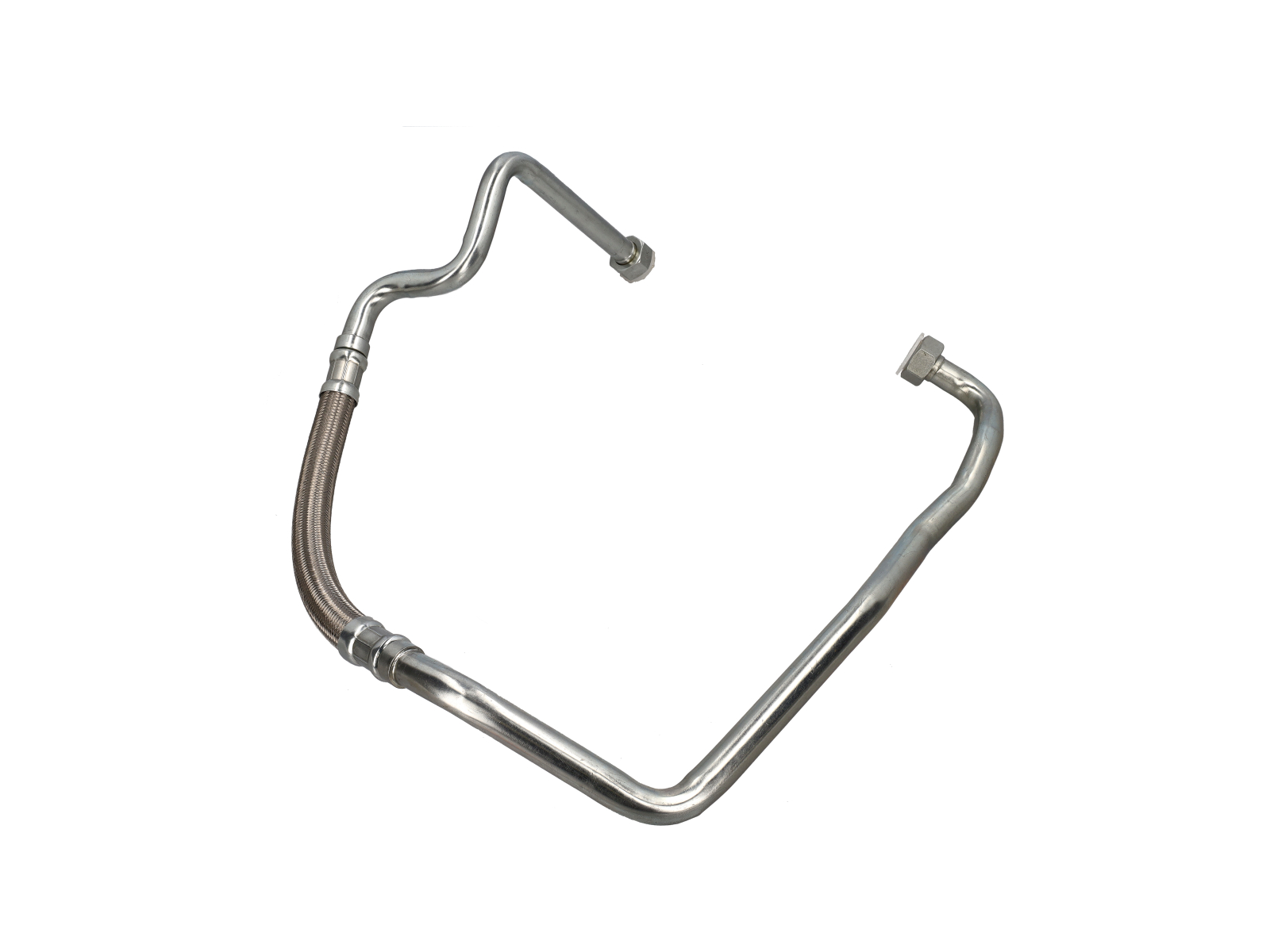
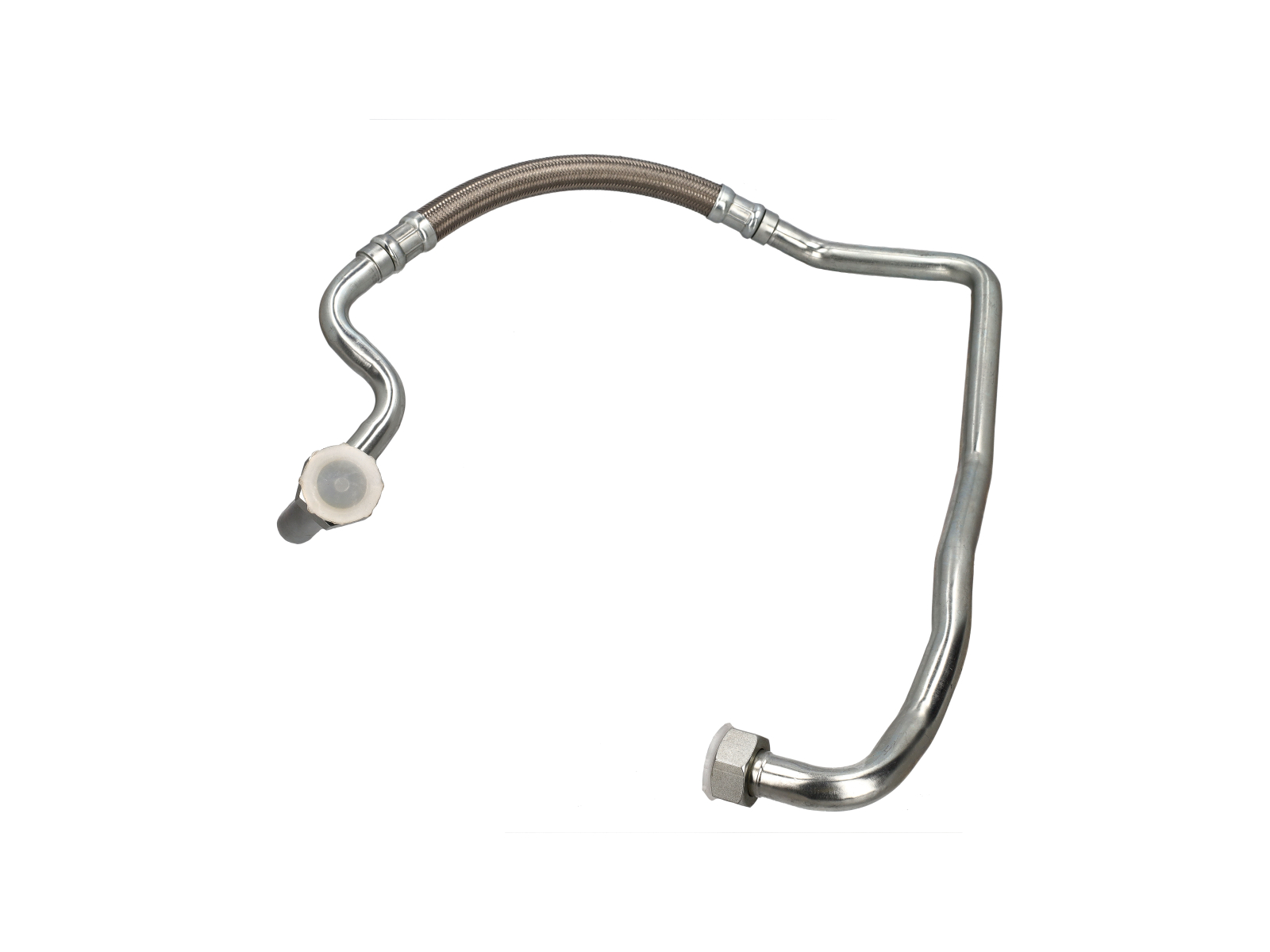
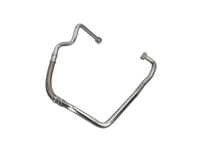
Oil Pipe – Oil Filter Housing to Crankcase
The Porsche 964 Oil Pipe connects the oil filter
housing to the engine crankcase and forms an essential part of the Porsche 964
dry-sump lubrication system. This oil line allows filtered engine oil to be
transferred efficiently into the crankcase, ensuring critical internal engine
components receive the lubrication required for smooth operation, temperature
control, and long-term reliability.
Fits:
- Porsche 964 (911) C2 1989-93
- Porsche 964 (911) C4 1989-93
- Porsche 964 (911) RS 3.6L 1991-93
- Porsche 964 (911) RS 3.8L 1991-93
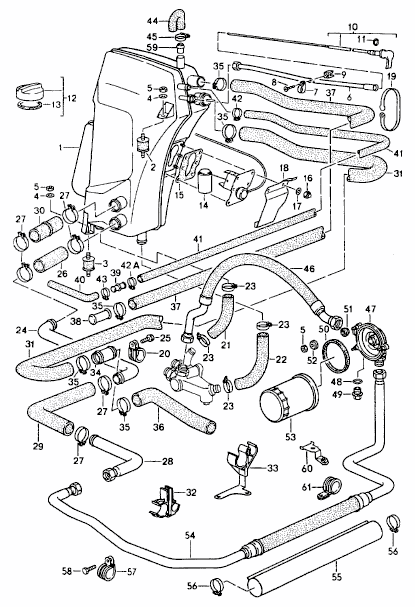
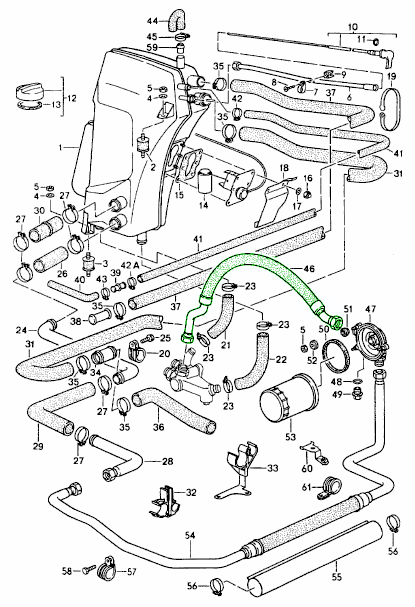
Diagram Ref No 54
On the Porsche 964, maintaining proper oil circulation is vital. The dry-sump lubrication system relies on a network of precisely engineered oil pipes to move oil throughout the engine, filtration system, oil tank, and cooling circuit. A damaged, leaking, or corroded oil pipe can compromise oil flow, reduce oil pressure, and potentially expose the engine to severe wear or damage.
Whether you are carrying out preventative maintenance, restoring a classic Porsche 964, or rebuilding an engine, replacing ageing oil system components helps preserve engine performance and reliability.
What Does This Oil Pipe Do?
The oil filter housing to crankcase pipe transfers filtered oil directly into the engine lubrication circuit after it has passed through the oil filter assembly.
Its functions include:
- Delivering filtered oil to the crankcase
- Maintaining continuous lubrication throughout the engine
- Supporting stable oil pressure
- Assisting proper operation of the dry-sump lubrication system
- Helping protect bearings, pistons, camshafts, and other critical components
- Supporting engine cooling through effective oil circulation
Without reliable oil flow through this pipe, engine lubrication efficiency can be significantly affected.
Why Does This Oil Pipe Fail?
The oil pipe is exposed to constant heat cycles, oil pressure, engine vibration, and environmental contaminants. Over time, these conditions can contribute to deterioration.
Common causes of failure include:
- Corrosion of metal pipe sections
- Age-related material fatigue
- Damage from road debris
- Cracked or weakened connections
- Oil leaks at joints or fittings
- Vibration-related stress fractures
- Damage during engine or oil system repairs
- Seized fittings caused by corrosion
As Porsche 964 models continue to age, original oil lines are increasingly susceptible to wear and deterioration.
Common Symptoms of a Failing Oil Pipe
Signs that the oil filter housing to crankcase pipe may
require replacement include:
- Visible oil leaks
- Oil residue around pipe connections
- Corrosion or rust on pipe surfaces
- Oil smells from the engine bay
- Damaged or crushed pipe sections
- Difficulty maintaining proper oil pressure
- Seized or damaged fittings during servicing
Because this component carries pressurised engine oil, any leak should be addressed immediately to avoid potential engine damage.
When Should You Replace It?
Replacement is recommended when:
- Oil leaks become visible
- Corrosion is identified during inspection
- Pipework becomes damaged or restricted
- During engine rebuilds
- During oil system refurbishment
- While replacing oil filter housing components
- As
preventoative maintenance on ageing vehicles
- During full restoration projectsil pipes
Replacing ageing before failure helps maintain oil pressure, improve reliability, and protect valuable engine components from unnecessary wear.
Related reference numbers
Related, superseded, cross reference or alternative numbers for comparison.
96420725216
The product you are viewing cross references to these numbers
- Porsche 964 (911) C2 1989-93
- Porsche 964 (911) C4 1989-93
- Porsche 964 (911) RS 3.6L 1991-93
- Porsche 964 (911) RS 3.8L 1991-93
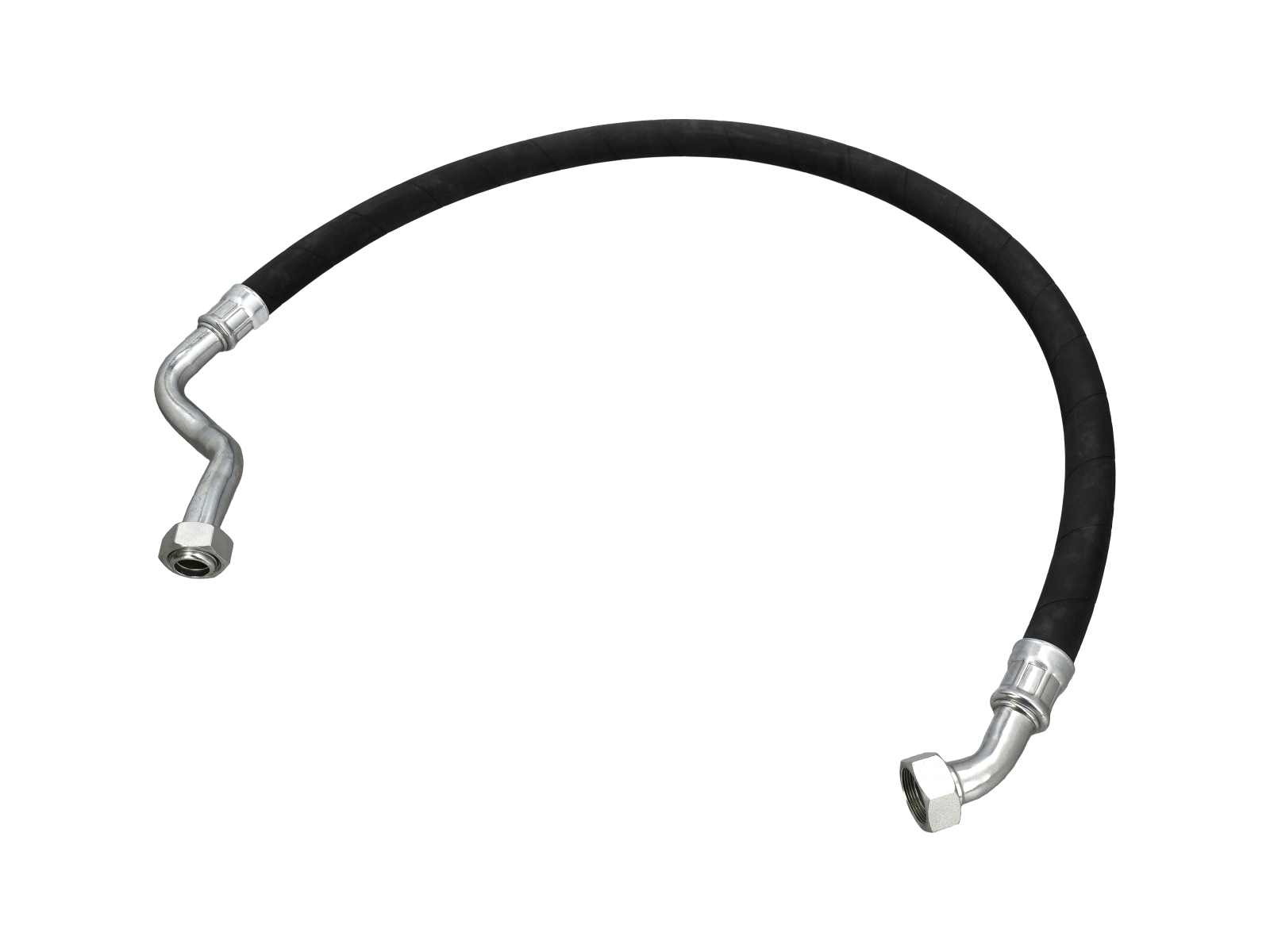
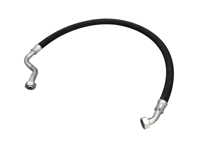
Oil Pipe – Thermostat to Oil Filter
The Porsche 964 Oil Pipe from the thermostat to the oil
filter is a critical component within the engine's lubrication and oil cooling
system. Designed specifically for Porsche 964 models produced between 1989 and
1994, this oil line transfers engine oil between the thermostat assembly and
the oil filter housing, ensuring continuous oil circulation and filtration
before oil is distributed throughout the engine.
Fits:
- Porsche 964 (911) C2 1989-93
- Porsche 964 (911) C4 1989-93
- Porsche 964 (911) RS 3.6L 1991-93
- Porsche 964 (911) RS 3.8L 1991-93
Diagram Ref No 46
The Porsche 964 relies on a sophisticated dry-sump lubrication system that not only lubricates critical engine components but also assists in engine cooling. This oil pipe plays an important role in maintaining correct oil flow, pressure, and filtration efficiency, helping to protect the engine under both normal driving and high-performance conditions.
Whether you are restoring a Porsche 964, rebuilding an engine, or repairing a leaking oil system, replacing ageing oil pipes is essential for maintaining reliability and preventing costly engine damage.
What Does This Oil Pipe Do?
The thermostat-to-oil-filter pipe forms part of the engine's oil circulation circuit.
Its primary functions include:
- Transporting oil between the thermostat and oil filter housing
- Maintaining uninterrupted oil flow through the lubrication system
- Ensuring oil passes through filtration before recirculation
- Supporting stable oil pressure throughout the engine
- Assisting the operation of the Porsche dry-sump oil system
- Helping maintain proper engine cooling and lubrication
Without a properly functioning oil pipe, oil flow can be compromised, placing the engine at risk of lubrication issues and overheating.
Why Does This Oil Pipe Fail?
The oil pipe operates in a demanding environment where it is constantly exposed to heat cycles, oil pressure, vibration, road contamination, and age-related deterioration.
Common causes of failure include:
- Corrosion of metal pipe sections
- External damage from road debris
- Fatigue from vibration and engine movement
- Deterioration of sealing surfaces
- Cracked or weakened pipe connections
- Oil contamination and sludge build-up
- Damage during previous repairs or engine removal work
- Age-related wear on original factory-installed lines
As the vehicle ages, corrosion and fatigue become increasingly common, particularly on original oil system components.
Common Symptoms of a Failing Oil Pipe
Signs that the thermostat-to-oil-filter pipe may require
replacement include:
- Visible oil leaks
- Oil residue around the pipe or fittings
- Corrosion on exposed metal sections
- Reduced oil pressure
- Oil smells from the engine bay
- Damaged or crushed pipework
- Difficulty removing seized fittings during servicing
Because the oil system is vital to engine protection, even small leaks should be addressed promptly.
When Should You Replace It?
Replacement is recommended when:
- Oil leaks are present
- Corrosion becomes visible
- Pipe fittings become damaged or seized
- During engine rebuilds
- During oil thermostat replacement
- During major oil system refurbishment
- As part of preventative maintenance on ageing vehicles
- During restoration projects where long-term reliability is a priority
Replacing ageing oil lines before failure helps prevent oil loss, lubrication issues, and expensive engine repairs.
Related reference numbers
Related, superseded, cross reference or alternative numbers for comparison.
96420725414
The product you are viewing cross references to these numbers
OEMatch Oil Filter Housing — Service Ready, Reliable Running
OEMatch oil filter housings for Porsche models provide the housing and sealing interfaces that locate the engine oil filter and manage oil flow. They are intended as compatible replacements made to original-spec dimensions and tolerances, chosen to restore sealing, stabilise oil pressure and support routine servicing or engine work.
Available Types
- Die-cast aluminium housings with separate filter cap
- Composite or polymer housings designed for corrosion resistance
- Housings with integrated sensor ports or pressure relief features
- Sealing kits and O-ring sets for house-cap interfaces
Understanding OEMatch Oil Filter Housing
OEM (Original Equipment Manufacturer) parts are made by the same company that produced your Porsche’s original oil filter housing.
OE (Original Equipment) refers to parts matching original specifications for the oil filter housing and may be supplied by alternative manufacturers. Aftermarket parts offer alternative options, sometimes with enhanced features or better value. OEMatch supplies non-OEM oil filter housing engineered as direct-fit alternatives to OEM parts, made to original-spec dimensions and tolerances for Porsche models.
The oil filter housing locates and seals the oil filter element while routing oil through the lubrication circuit. Correct sealing and pressure regulation are essential to avoid leaks and to ensure filtered oil reaches bearings and moving parts. Housings may be made from aluminium, reinforced polymers or composites and can integrate sensor ports, relief valves and mounting interfaces. OEMatch supplies a wide range of Porsche oil system items, cataloguing thousands of part numbers and cross-references and continuing to develop new lines to support Porsche vehicles.
Benefits Include
- Restores reliable sealing at the filter interface to prevent oil loss
- Helps maintain stable oil pressure and consistent filtration flow
- Supports sensor integration and correct mounting of filter elements
Why Oil Filter Housing Wear and Fail
- Repeated heat cycles and thermal expansion can crack or warp housings
- Degraded seals or O-rings lead to progressive oil leakage
- Thread or cap damage from incorrect fitting or over-tightening
- Corrosion or contaminant build-up affecting sealing surfaces
The Importance of Replacing with OEMatch Oil Filter Housing
Replacing a worn or damaged oil filter housing restores sealing integrity, helps maintain correct oil pressure and reduces the risk of contamination reaching critical engine parts. Choosing an OEMatch oil filter housing offers a replacement intended to match original-spec interfaces and sealing dimensions for Porsche engines, which helps simplify installation and supports reliable operation after service or repair.
Advantages
- Choice of materials and designs to suit classic and modern Porsche engines
- Produced to match original mounting points and sealing surfaces where applicable
- Available sealing kits and cap components to complete the repair
Support & Advice
Fitting can appear straightforward but may require procedures such as correct torque settings and careful routing of hoses. If you lack the correct tools or model-specific knowledge, we recommend professional installation. Recheck fasteners and connections after initial running and observe for any diagnostic codes or leaks.