



Enter your VAT number here and click Verify:
Your details have been verified. VAT number registered to:
,
.
Your order will now be zero rated for VAT purposes. We reserve the right to verify these details after your order request has been made and reinstate VAT if required.
Your VAT details were not recognised or were invalid. Your VAT number must be matched to your Billing Country as specified above. This is currently specified as . You do not need to enter the country code part of your VAT number as this has already been selected in your billing address details above.
The VAT number checking service is currently offline. Please supply your VAT details within the comments or special instructions field below and we will apply a VAT discount after placing your order request.
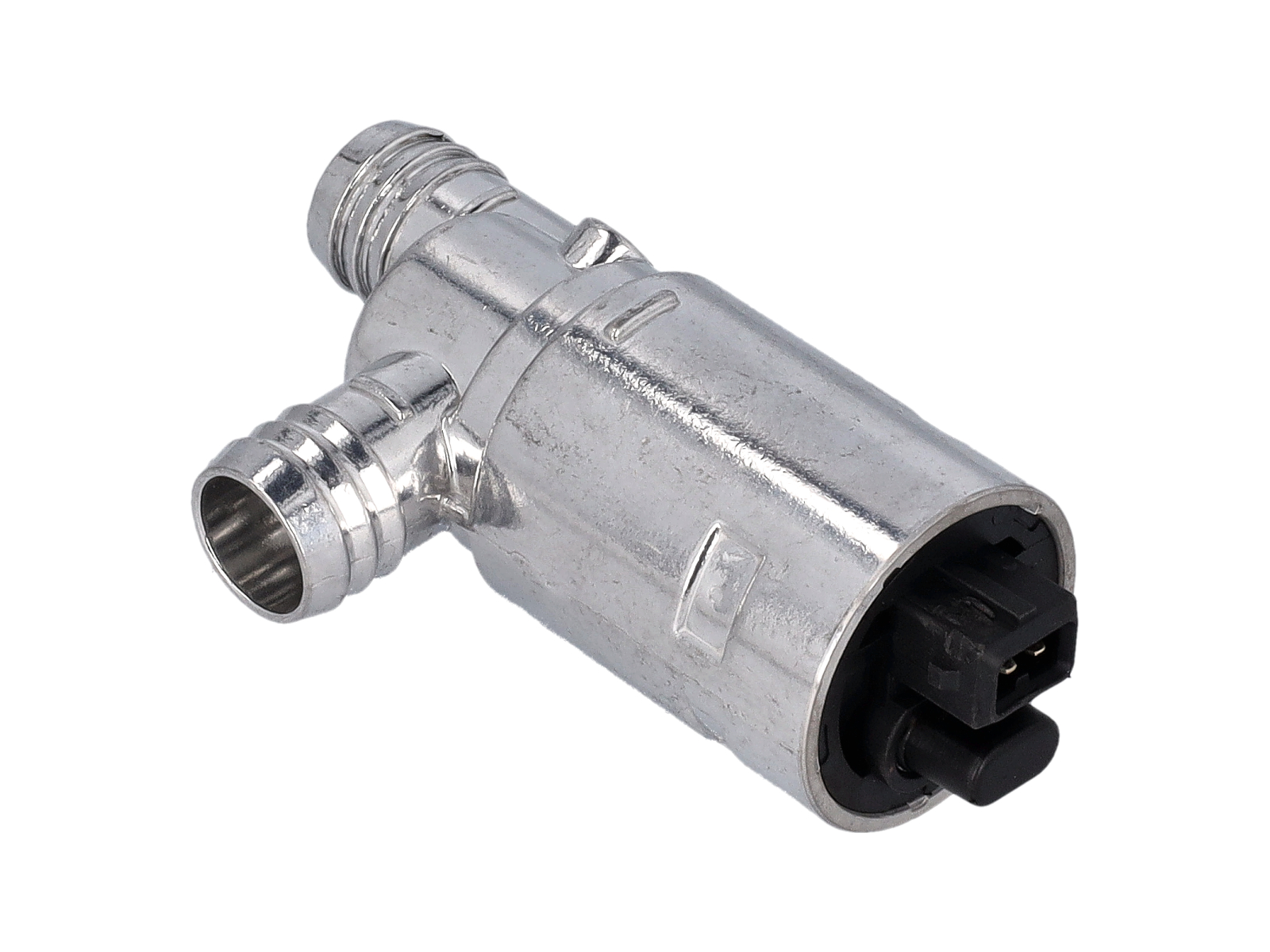
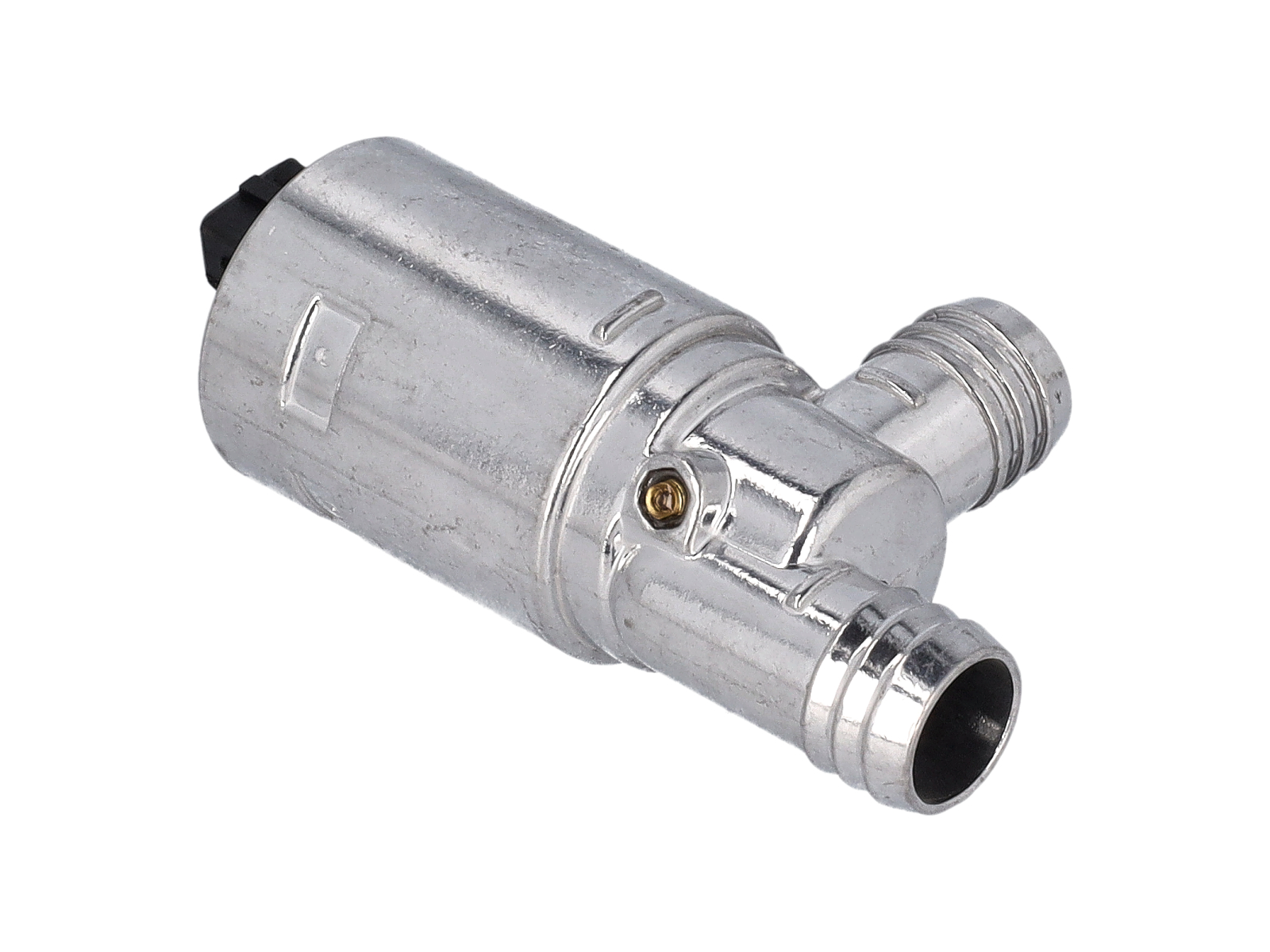
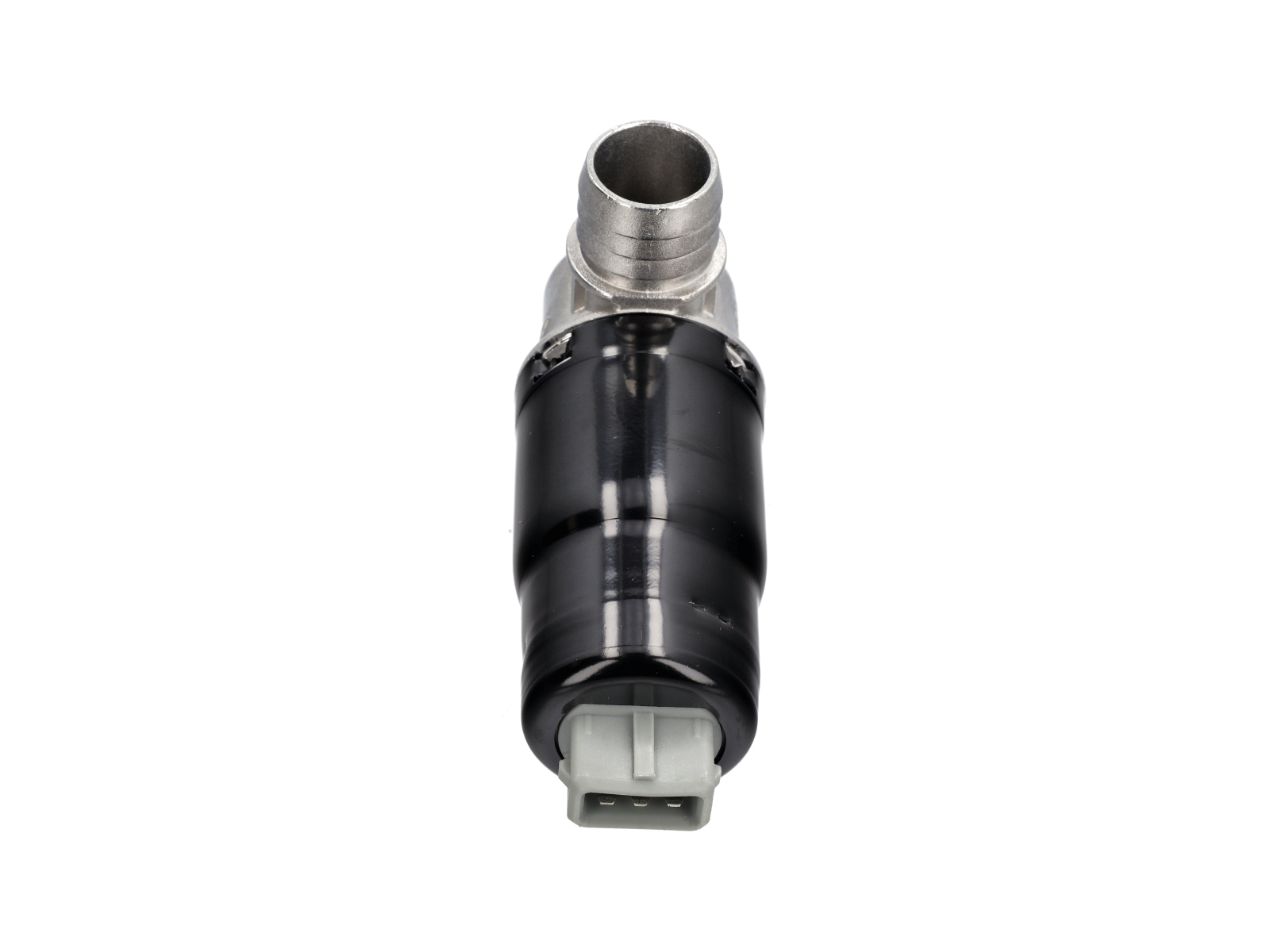
Idle Control Valve
By OE Match


- Porsche 928S4 5.0L 1987-92
- Porsche 928GT 5.0L 1989-91
- Porsche 928GTS 5.4L 1992-95
Fits:
Porsche 928 S4 / 928 GT / 928 GTS 1987-95
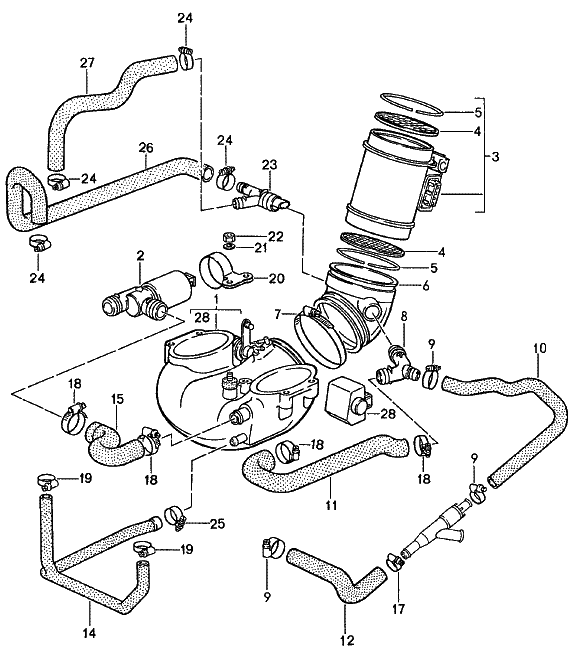
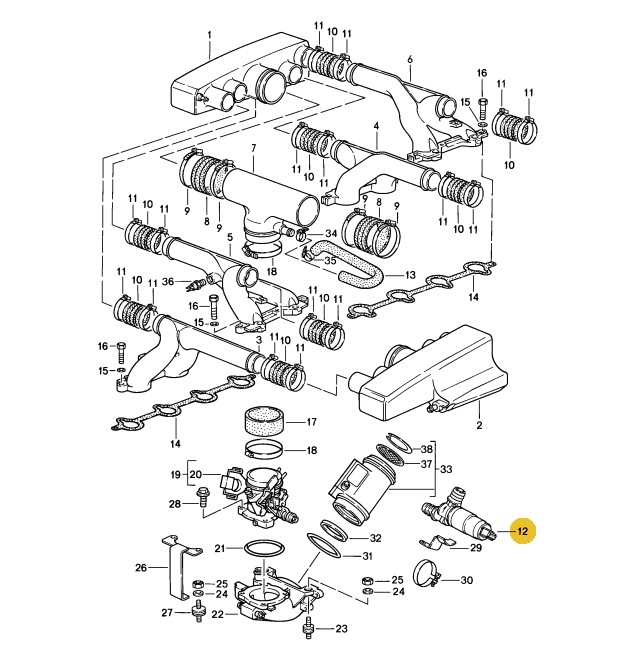
Click 'zoom in' for large parts diagram.
Diagram ref no 11.
Related reference numbers
Related, superseded, cross reference or alternative numbers for comparison.
92860616102
The product you are viewing cross references to these numbers
- Porsche 928S4 5.0L 1987-92
- Porsche 928GT 5.0L 1989-91
Fits:
Porsche 928S4 5.0L 1987-92
Porsche 928GT 5.0L 1989-91
Click 'Zoom in' for large parts diagram.
Diagram ref no 12
Why This Should Be Replaced Over time, the idle speed control valve can become clogged with carbon, varnish, and oil residues from the intake system. This contamination inhibits the valve’s ability to move freely, leading to poor control of idle air flow. Replacing the valve restores proper engine management and smooth idle operation.
Replacement is recommended when: The idle speed control valve becomes sluggish, sticks, or fails completely. The engine struggles to maintain a stable idle under varying loads. The valve has exceeded typical service life due to age, mileage, or contamination. Continued operation with a failing idle valve can lead to rough engine operation and increased stress on other engine systems.
Common Issues / Symptoms of Failure
A faulty or worn idle speed control valve often causes a variety of drivability issues:
- Unstable idle: Engine RPM fluctuates up and down at idle.
- High idle: Engine runs faster than normal when warm.
- Low idle / stalling: Engine may stall unexpectedly when coming to a stop or when loads change (e.g., A/C switched on).
- Hard starting: Especially noticeable during cold starts.
- Hesitation or rough running: When the system fails to adjust air flow correctly.
- Check Engine Light: ECU may set idle-related fault codes if the idle valve isn’t responding.
Related reference numbers
Related, superseded, cross reference or alternative numbers for comparison.
92860616100
The product you are viewing cross references to these numbers
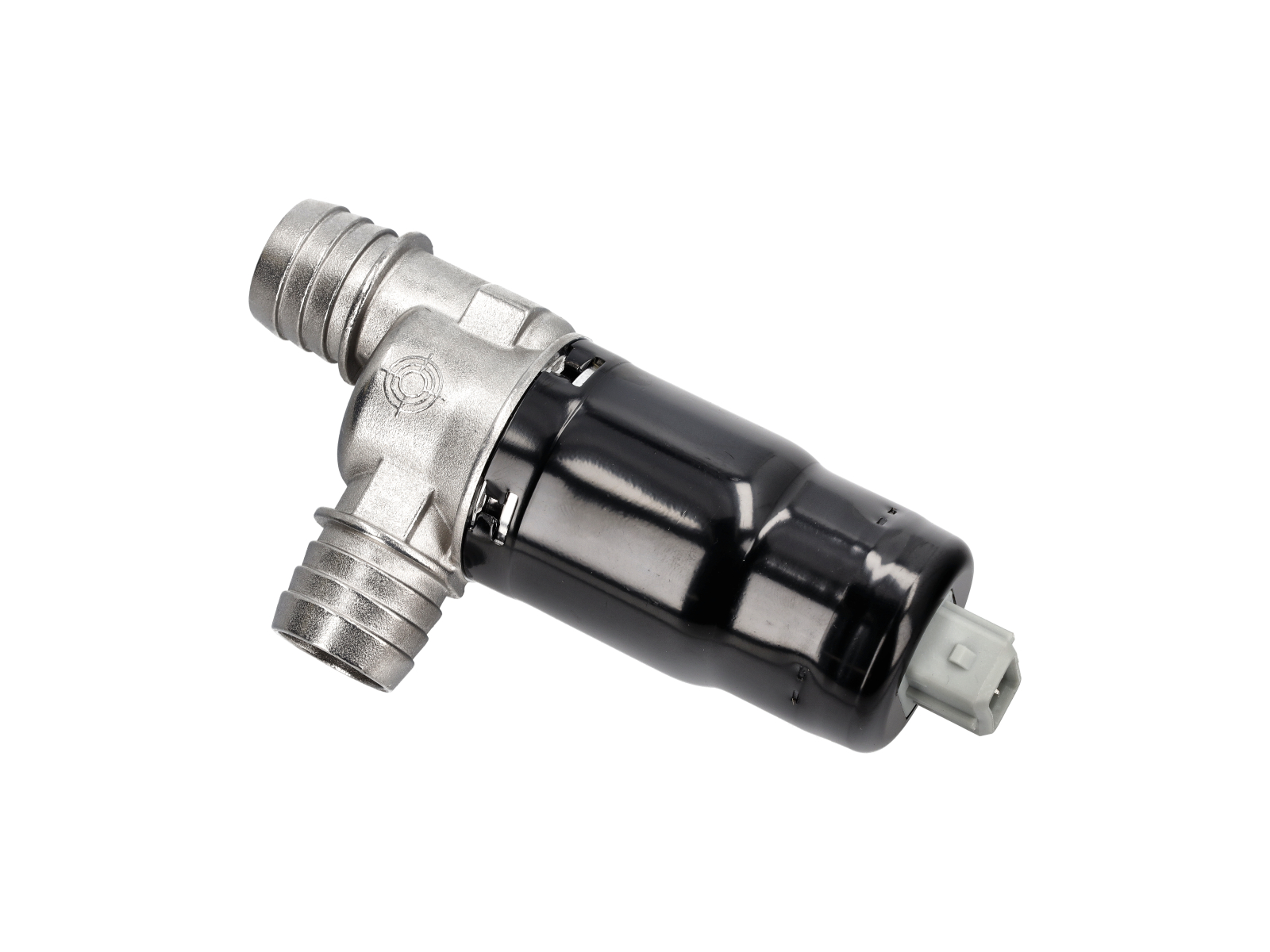
OEMatch Idle Control Valve — Durability, Sealing, Performance
OEMatch provides a wide selection of Porsche parts, cataloguing over 4,000 part numbers and more than 8,700 OE cross-references to support repairs across Porsche generations. Idle control valves regulate airflow when the throttle is closed to maintain a steady idle and help prevent stalling during changes in load, temperature and electrical demand.
- Stable idle under changing loads and accessory use
- Improved cold-start smoothness and warm-up control
- Reduced risk of stalling during idle and deceleration
- Consistent idle response as the ECU adjusts airflow
- Carbon or oil deposits that restrict valve movement or passages
- Electrical faults in actuators, motors or connector terminals
- Air leaks in vacuum or intake hoses affecting idle regulation
- Contamination from degraded fuel, oil vapour or debris
- Age-related wear to moving parts and seals causing slow or inconsistent response
- Direct-fit replacements engineered to match original dimensions and tolerances
- Extensive catalogue and OE cross-references to aid correct selection for Porsche models
- Technical information and selection support from OEMatch to help confirm application
These items affect engine management and idle behaviour. Installation should be carried out by a qualified technician following model-specific procedures and torque settings. Use the correct connectors and seals, protect surrounding finishes during work and, where required, verify idle settings and ECU adaptations after fitting.