


Enter your VAT number here and click Verify:
Your details have been verified. VAT number registered to:
,
.
Your order will now be zero rated for VAT purposes. We reserve the right to verify these details after your order request has been made and reinstate VAT if required.
Your VAT details were not recognised or were invalid. Your VAT number must be matched to your Billing Country as specified above. This is currently specified as . You do not need to enter the country code part of your VAT number as this has already been selected in your billing address details above.
The VAT number checking service is currently offline. Please supply your VAT details within the comments or special instructions field below and we will apply a VAT discount after placing your order request.
Caliper Seals |Pistons
By OE Match


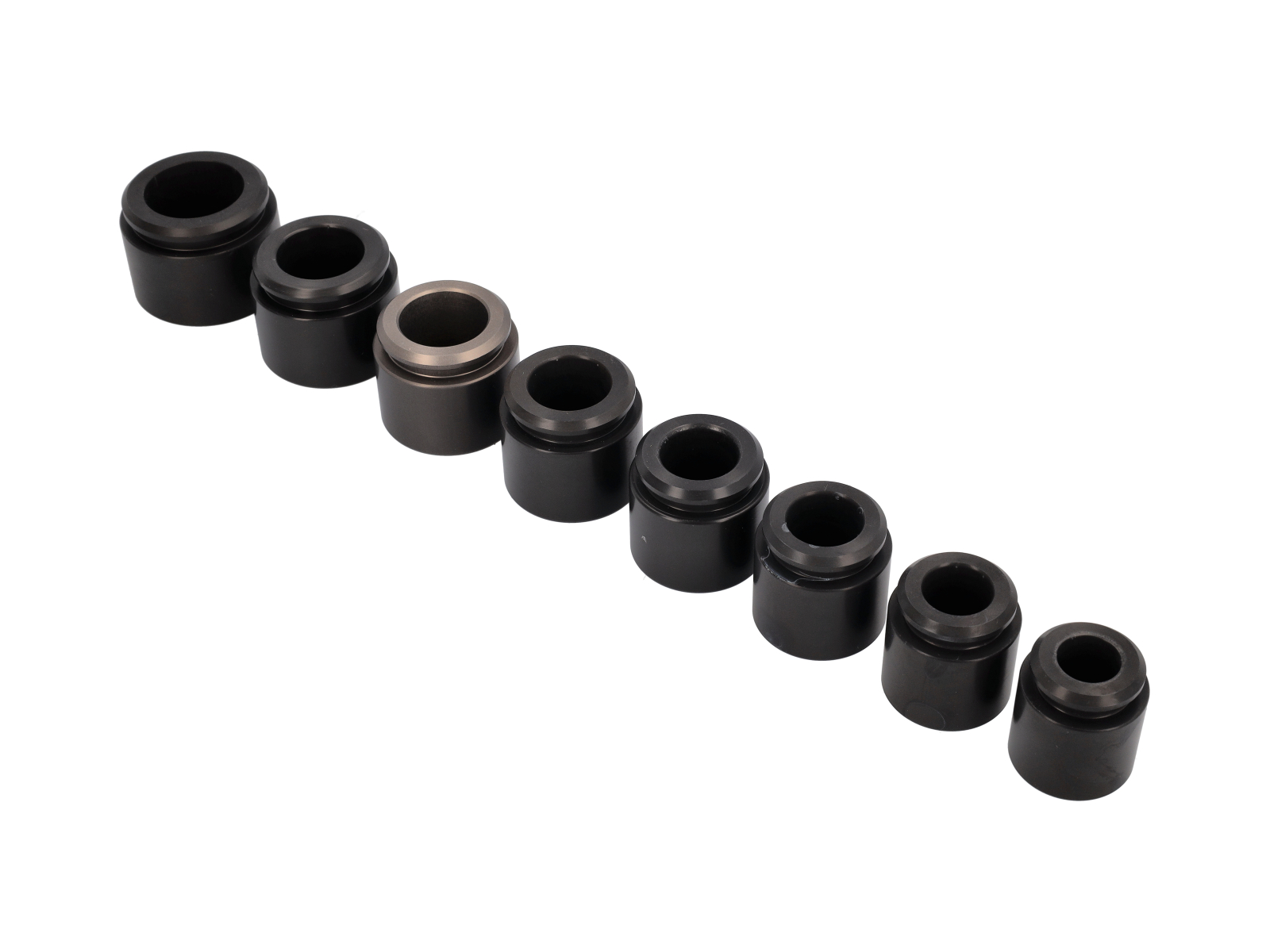
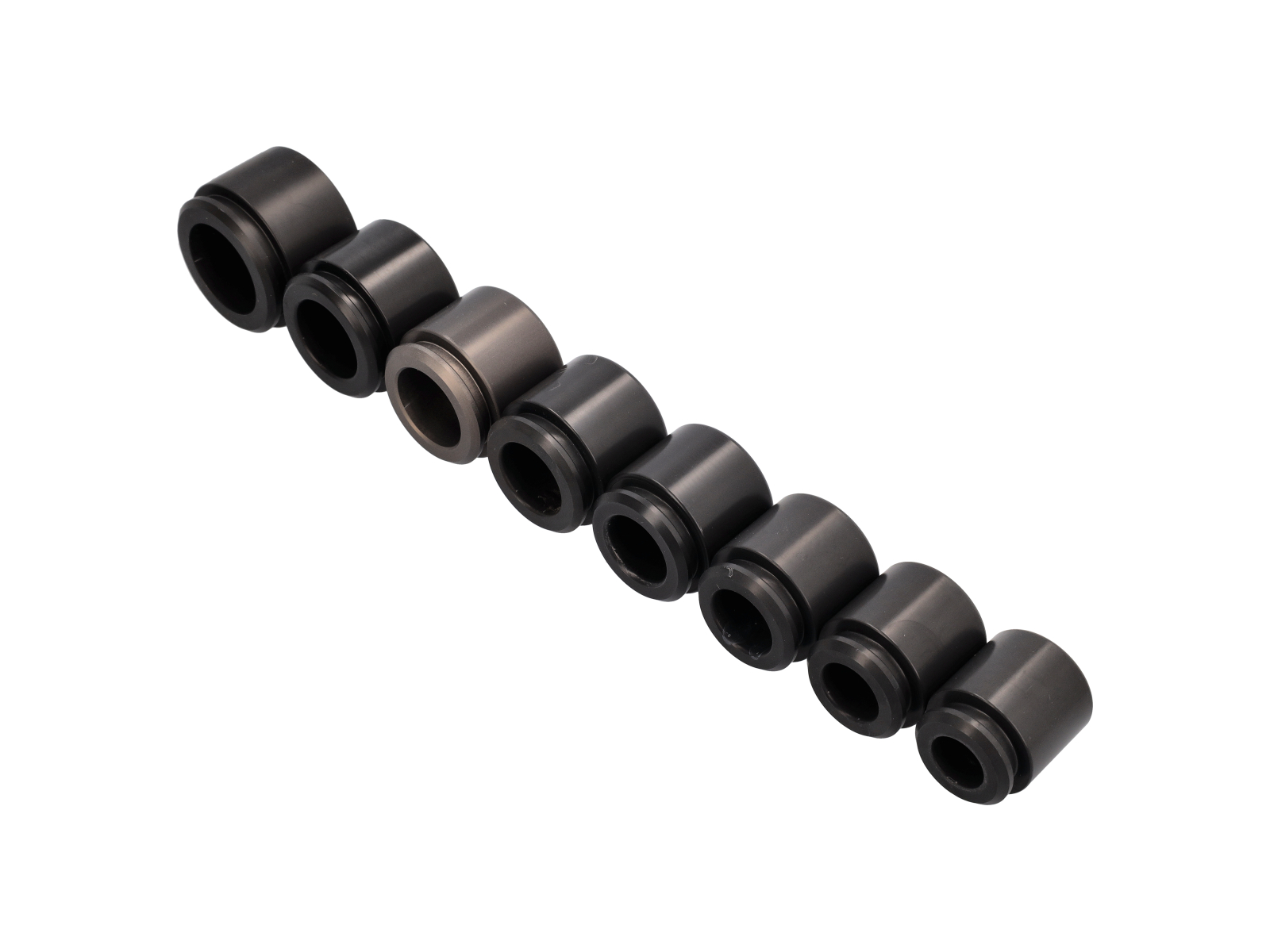
Brake Caliper Replacement Pistons for Brembo Calipers
Sold each
Restore the performance and reliability of your Porsche Brembo braking system with these OE Match Brake Caliper Replacement Pistons. Manufactured to original equipment specifications, these precision-engineered pistons are designed for rebuilding Brembo brake calipers fitted to a wide range of Porsche models.
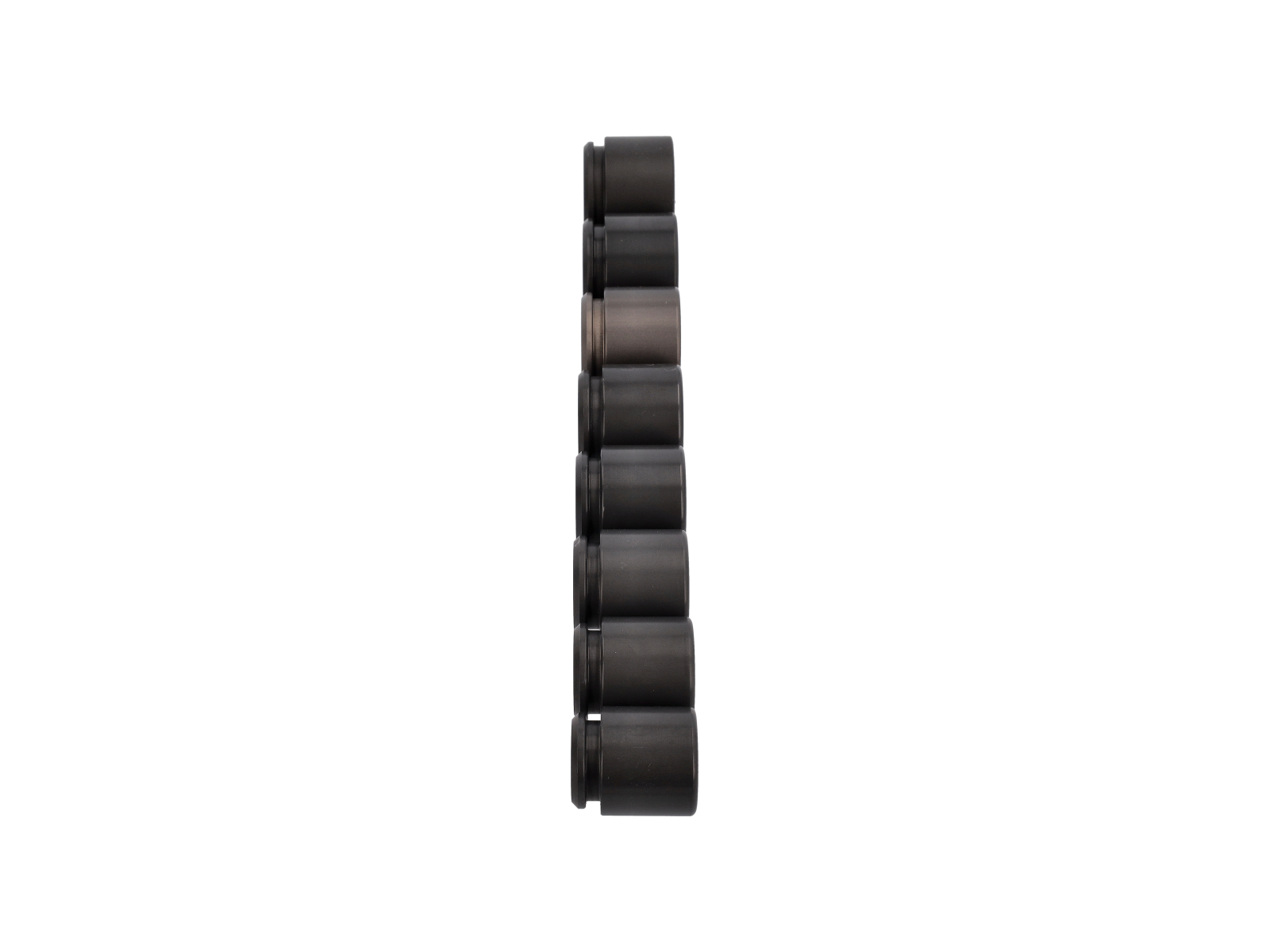
Available in 28mm, 30mm, 32mm, 34mm, 36mm, 38mm, 40mm and 44mm outer diameters, every piston has an overall height of 32mm and is manufactured to deliver the correct fit, smooth operation and dependable sealing performance when used with new piston seals and dust boots.
Important: Please check the piston diameter required for your specific caliper before ordering. Many Brembo calipers use two different piston diameters within the same caliper to optimise braking performance. The sizes listed refer to the outer diameter (OD) of the piston.
What Does a Brake Caliper Piston Do?
The brake caliper piston is one of the most important components inside the braking system. Hydraulic brake fluid pressure pushes the piston forward, forcing the brake pad firmly against the brake disc to generate the friction required to slow or stop the vehicle.
Its primary functions include:
- Converting hydraulic pressure into braking force.
- Applying even pressure across the brake pads.
- Ensuring smooth and consistent piston movement.
- Maintaining balanced braking performance.
- Supporting Porsche ABS and stability control systems.
- Delivering precise pedal feel and braking response.
Correctly functioning pistons are essential for maintaining the powerful, progressive braking performance expected from Porsche Brembo calipers.
Why Do Brake Caliper Pistons Fail?
Brake caliper pistons operate in harsh conditions and are continually exposed to heat, moisture and brake dust. Over time they can become damaged or worn.
Common causes include:
- Corrosion caused by moisture ingress.
- Torn or damaged dust boots.
- Contaminated brake fluid.
- Surface pitting.
- Heat generated during heavy braking.
- Seized pistons caused by corrosion.
- Damage during previous repairs.
- High mileage and normal wear.
A damaged piston can prevent the caliper from operating correctly, leading to reduced braking performance and uneven brake pad wear.
Symptoms of a Worn or Damaged Caliper Piston
Common symptoms include:
- Sticking or seized brake calipers.
- Uneven brake pad wear.
- Vehicle pulling during braking.
- Reduced braking performance.
- Overheating brakes. Brake drag.
- Fluid leaks around the piston seal.
- Difficulty retracting the piston during servicing.
Replacing damaged pistons during a caliper overhaul restores smooth operation and reliable braking performance.
When Should Brake Caliper Pistons Be Replaced?
Replacement is recommended whenever:
- Corrosion or pitting is visible.
- Pistons become seized or difficult to move.
- The caliper is being rebuilt.
- Dust boots have failed allowing contamination.
- Brake fluid leaks occur around the piston.
- Uneven pad wear is caused by sticking pistons.
- Restoring older Brembo brake calipers.
- During preventative maintenance on ageing braking systems.
For the best results, new pistons should always be installed with new piston seals and dust protection boots.
OE Match Quality You Can Trust
These OE Match Brake Caliper Replacement Pistons offer:
- Manufactured to original equipment specifications.
- Precision-machined finish.
- Excellent corrosion resistance.
- Smooth piston movement.
- Direct replacement fitment.
- Suitable for Brembo brake calipers.
- Available in 28mm, 30mm, 32mm, 34mm, 36mm, 38mm, 40mm and 44mm diameters.
- Uniform piston height of 32mm.
- Ideal for professional caliper rebuilding.
Related reference numbers
Related, superseded, cross reference or alternative numbers for comparison.
1055955
The product you are viewing cross references to these numbers
- Porsche 924 Turbo 2.0L 1979-81
- Porsche 924 Turbo 2.0L 1982-84
- Porsche 924 Carrera GT 2.0L 1981
- Porsche 924 Carrera GTS 2.0L 1982
- Porsche 924S 2.5L 1986-87
- Porsche 924S 2.5L 1988
- Porsche 944 2.5L 8V 1982-87
- Porsche 944 2.7L 8V 1988-89
- Porsche 944S 2.5L 16V 1987-88
- Porsche 928 4.5L 1978-82
- Porsche 928S 4.7L 1981-83
- Porsche 928S2 4.7L 1984-86
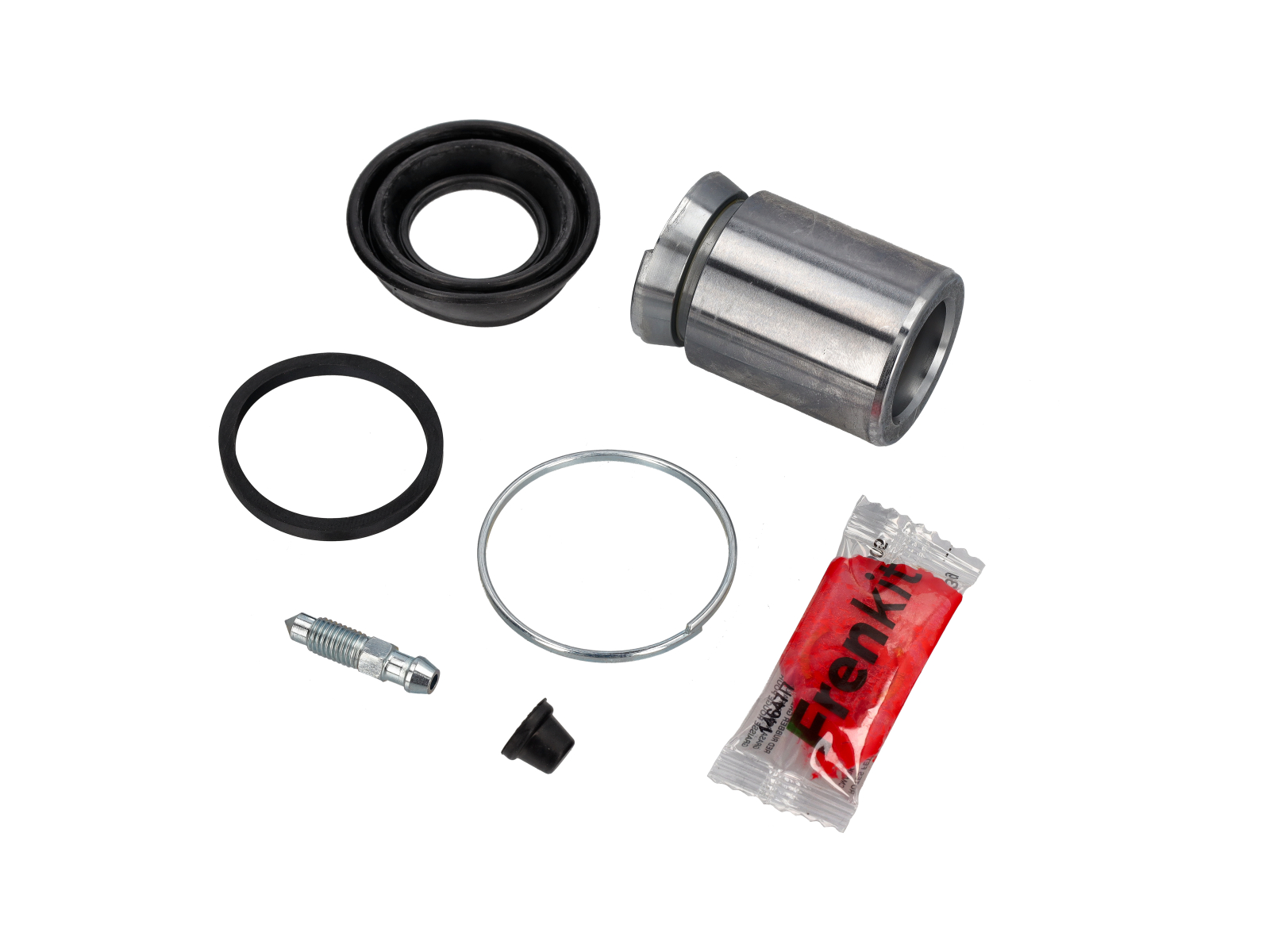
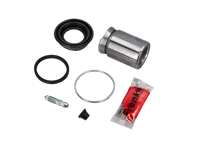
Rear Brake Caliper Piston & Seal Kit
1 kit per caliper - 2 required per car
High-quality rear brake caliper piston and seal kit designed for a range of classic Porsche transaxle and V8 models including the Porsche 924 turbo, 924S, 944 and 928 models
This complete rebuild kit is designed for rear brake
calipers fitted with 36mm pistons and provides the essential components
required to restore braking performance, hydraulic sealing, and smooth piston
operation.
Fits:
- Porsche 924 Turbo 2.0L 1979-81
- Porsche 924 Turbo 2.0L 1982-84
- Porsche 924 Carrera GT 2.0L 1981
- Porsche 924 Carrera GTS 2.0L 1982
- Porsche 924S 2.5L 1986-87
- Porsche 924S 2.5L 1988
- Porsche 944 2.5L 8V 1982-87
- Porsche 944 2.7L 8V 1988-89
- Porsche 944S 2.5L 16V 1987-88
- Porsche 928 4.5L 1978-82
- Porsche 928S 4.7L 1981-83
- Porsche 928S2 4.7L 1984-86
Please
verify piston diameter before ordering.
Kit includes
1 x 36mm caliper piston
1 x 36mm piston
dust cap
1 x 36mm piston seal
1 x retaining spring
1 x bleed nipple and
cover
Manufactured to OEM specifications, these components ensure precise fitment, long-term durability, and reliable braking performance for classic Porsche models.
Key Features
• Rear brake caliper piston and seal kit
• Designed for 36mm rear brake calipers
• OEM-quality materials for reliability and durability
• Restores hydraulic sealing and piston movement
• Ideal for restoration and brake servicing projects
Function and Purpose
This kit is essential for maintaining rear brake caliper performance.
It helps to:
• Restore smooth caliper piston operation
• Maintain hydraulic pressure and braking consistency
• Prevent brake fluid leaks
• Protect pistons from dirt and moisture ingress
• Ensure safe and reliable braking performance
Why Replace Brake Pistons & Seals?
Brake caliper components can deteriorate over time due to age, moisture, and heat exposure.
Common issues include:
• Corroded or sticking pistons
• Worn or leaking piston seals
• Cracked dust caps
• Reduced braking efficiency
• Uneven brake performance
Replacing worn pistons and seals restores safe braking operation and improves reliability.
Related reference numbers
Related, superseded, cross reference or alternative numbers for comparison.
928107236
The product you are viewing cross references to these numbers
OEMatch Caliper Seals |Pistons — Stopping Power, Consistent Control
OEMatch caliper seals and pistons for Porsche models restore hydraulic integrity and consistent brake response. These restoration and repair components are practical alternatives when genuine or OEM parts are unavailable, offering direct-fit replacements engineered to match original-spec dimensions and tolerances. OEMatch maintains extensive cross-references to support model-specific servicing.
Available Types
- Seal kits — piston seals and dust boots
- Replacement pistons — steel and phenolic options
- Rebuild kits including seals, pistons and associated fittings
Understanding OEMatch Caliper Seals |Pistons
OEM (Original Equipment Manufacturer) parts are made by the same company that produced your Porsche's original caliper seals and pistons. OE (Original Equipment) refers to parts matching original specifications for the caliper seals and pistons and may be supplied by alternative manufacturers. Aftermarket parts offer alternative options, sometimes with enhanced features or better value. OEMatch supplies non-OEM caliper seals and pistons engineered as direct-fit alternatives to OEM parts, made to original-spec dimensions and tolerances for Porsche models.
Caliper pistons convert hydraulic pressure into pad clamping force while seals retain fluid and exclude contamination. Correct materials, surface finish and seal geometry reduce the risk of corrosion, piston scoring and sticking. Components listed here are chosen to address common Porsche service needs and to support caliper rebuilds across different models.
Benefits Include
- Restores hydraulic integrity to prevent leaks and maintain consistent pedal feel
- Improves caliper response and even pad wear
- Reduces corrosion and fluid-related deterioration
- Supports reliable retraction and balanced braking across wheels
Why Caliper Seals |Pistons Wear and Fail
- Aging and brake fluid degradation that harden or swell seals
- Corrosion and pitting on pistons from moisture ingress
- Heat damage from sustained or aggressive braking
- Contamination or debris causing seal abrasion and piston scoring
The Importance of Replacing with OEMatch Caliper Seals |Pistons
Worn seals and pistons compromise braking performance and can lead to leaks, uneven braking or sticking calipers. Replacing these parts restores consistent system pressure, pedal feel and safety-critical function; selecting components matched to Porsche specifications helps maintain correct clearances and long-term reliability without altering system behaviour.
Advantages
- High-quality materials chosen for corrosion and fluid resistance
- Made to original-spec dimensions and tolerances for Porsche models
- Suitable for restorations, routine servicing and caliper rebuilds
Support & Advice
These items affect safety-critical systems. Installation should be carried out by a qualified technician following model-specific procedures and torque settings. Use calibrated tools and replace fasteners where specified. If you lack the correct tools or are unsure about hidden sensors or required recalibration, seek professional installation.