



Enter your VAT number here and click Verify:
Your details have been verified. VAT number registered to:
,
.
Your order will now be zero rated for VAT purposes. We reserve the right to verify these details after your order request has been made and reinstate VAT if required.
Your VAT details were not recognised or were invalid. Your VAT number must be matched to your Billing Country as specified above. This is currently specified as . You do not need to enter the country code part of your VAT number as this has already been selected in your billing address details above.
The VAT number checking service is currently offline. Please supply your VAT details within the comments or special instructions field below and we will apply a VAT discount after placing your order request.
Pressure Accumulator
By OE Match


- Porsche 993 (911) TURBO 1994-96
- Porsche 996 TURBO 2000-05
- Porsche 996 GT2 2001-05
- Porsche 997 MK1 TURBO 2007-09
- Porsche 997 MK1 GT2 2007-09
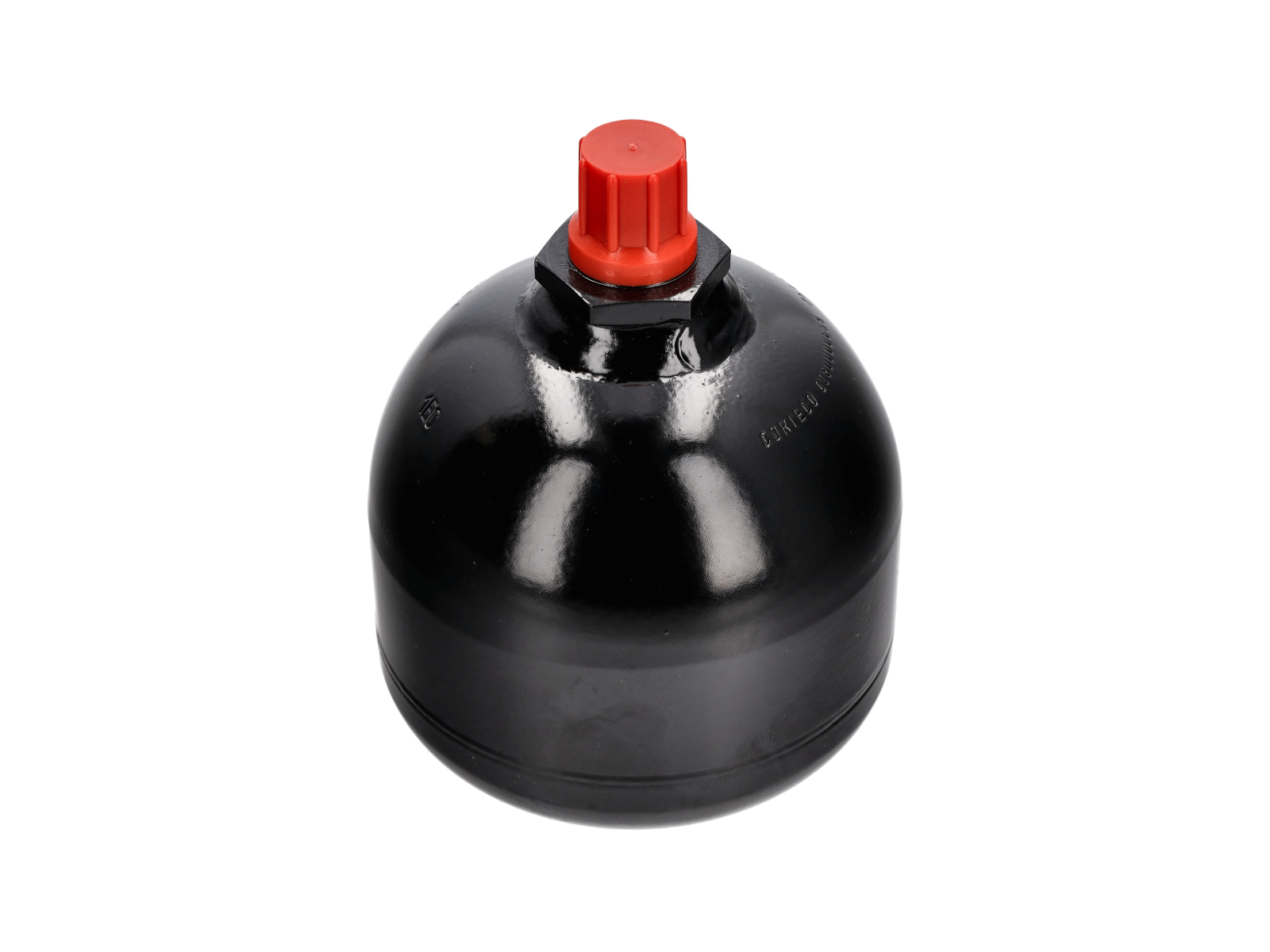
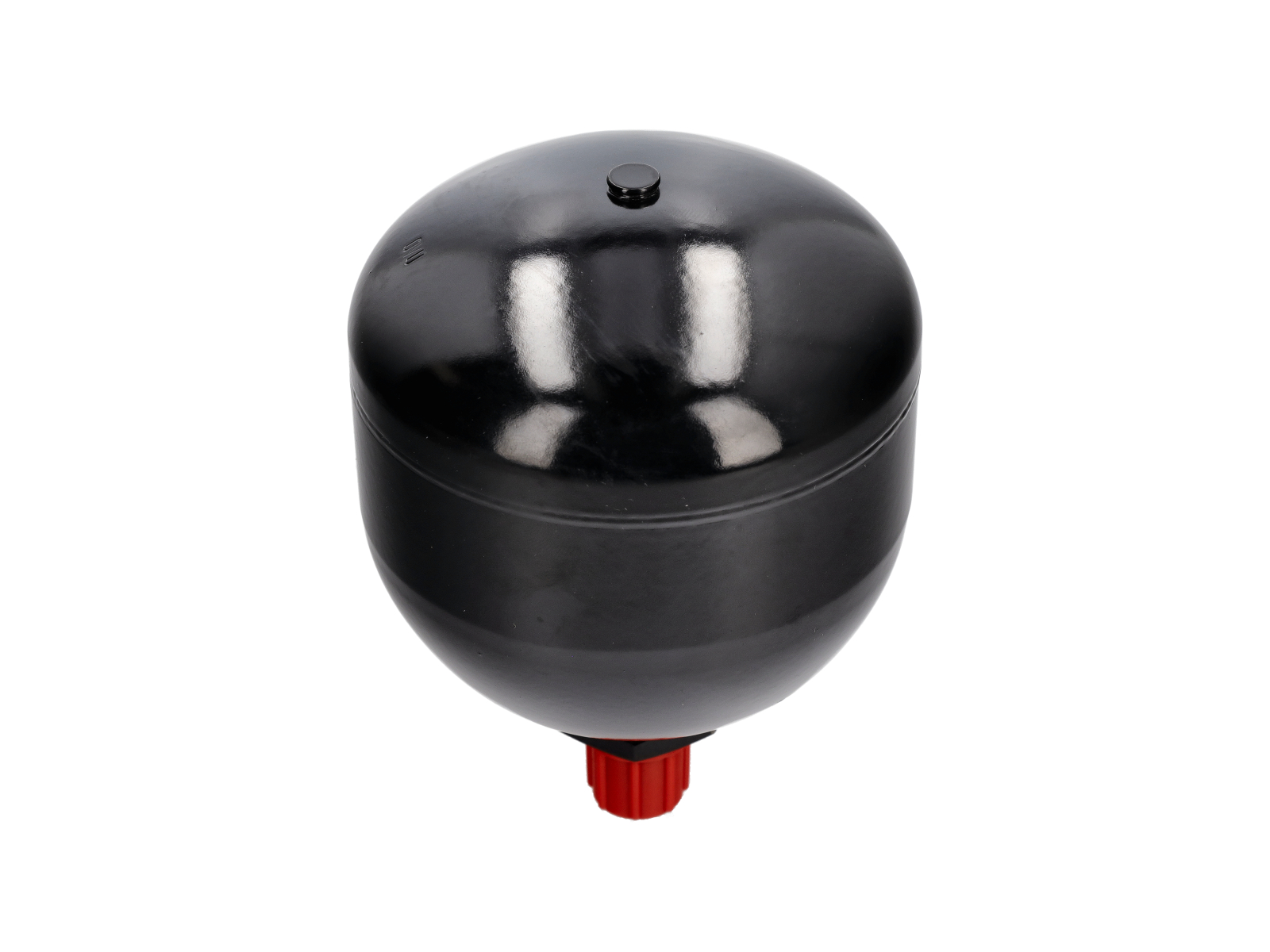
OE Match pressure accumulator for Porsche 993 Turbo, 996 Turbo, and 997 Turbo models. This replacement hydraulic pressure accumulator helps maintain stored system pressure, supporting correct operation, smooth response, and reliable function within the applicable hydraulic system.
Fits:
Porsche 993 Turbo 1994 - 1998
Porsche 996 Turbo / GT2 2000 - 2005
Porsche 997 Turbo / GT2 2007 - 2009
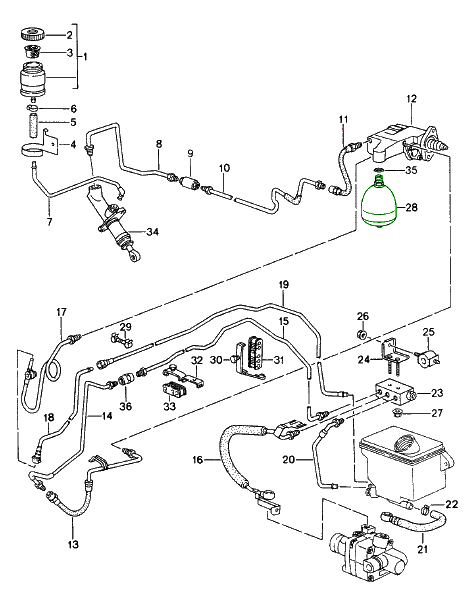
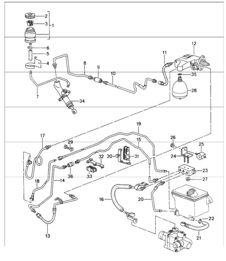
Diagram ref no 28
The pressure accumulator stores hydraulic pressure and helps stabilise pressure supply during system operation. A correctly functioning accumulator helps maintain consistent pressure delivery, reduces pressure fluctuation, and supports reliable system response.
Functions
• Replaces the pressure accumulator
• Stores and maintains hydraulic pressure
• Helps stabilise pressure supply during operation
• Supports smooth and reliable hydraulic system response
• Helps reduce pressure fluctuation
• Suitable for hydraulic system service or fault repair
• OE Match replacement for Porsche Turbo models.
Why Replace This Part?
Pressure accumulators can weaken or fail due to age, internal diaphragm wear, repeated pressure cycling, fluid contamination, or long-term use. A faulty accumulator may cause poor pressure retention, warning messages, delayed operation, inconsistent response, or frequent system cycling. Replacing the accumulator helps restore correct hydraulic pressure storage and system reliability.
When to Replace This Part
• Hydraulic pressure is not being maintained correctly
• System operation is delayed, inconsistent, or noisy
• Warning light or fault code points to pressure storage issues
• Pump operation becomes more frequent than normal
• Accumulator fails diagnostic or pressure testing
• Hydraulic system service is being carried out
• The vehicle is undergoing Porsche Turbo maintenance or restoration.
Where it fits on the car
This pressure accumulator fits within the applicable hydraulic pressure system on Porsche 993 Turbo, 996 Turbo, and 997 Turbo models.
Related reference numbers
Related, superseded, cross reference or alternative numbers for comparison.
99731416600
The product you are viewing cross references to these numbers
OEMatch Pressure Accumulator — Stopping Power, Consistent Control
OEMatch pressure accumulators for Porsche models support stable hydraulic performance across braking, clutch and suspension systems. Selected for Porsche applications, these units help maintain consistent pressure, reduce pump workload and contribute to predictable pedal feel and reliable hydraulic actuation during normal and demanding use.
Available Types
- Hydraulic accumulators for brake system and ABS applications
- Accumulators designed for clutch actuation where specified by the model
- Suspension and ride-height accumulators used on hydraulic suspension systems
Understanding OEMatch Pressure Accumulator
OEM (Original Equipment Manufacturer) parts are made by the same company that produced your Porsche’s original pressure accumulator.
OE (Original Equipment) refers to parts matching original specifications for the pressure accumulator and may be supplied by alternative manufacturers. Aftermarket parts offer alternative options, sometimes with enhanced features or better value. OEMatch supplies non-OEM pressure accumulator engineered as direct-fit alternatives to OEM parts, made to original-spec dimensions and tolerances for Porsche models.
The pressure accumulator stores hydraulic fluid and gas to stabilise system pressure, smoothing demand spikes and providing reserve energy for rapid actuation. Key elements include a nitrogen gas chamber and an elastomer diaphragm or bladder, robust seals and corrosion-resistant housings. Proper materials and sealing preserve pressure integrity and reduce the risk of contamination that can impair valves, pumps and sensors.
Benefits Include
- Restores and maintains stable hydraulic pressure for consistent braking and clutch response
- Reduces pump cycling and wear by supplying reserve fluid under demand
- Minimises hydraulic noise and pulsation for smoother system operation
Why Pressure Accumulator Wear and Fail
- Gas leakage from the charge chamber leading to reduced reserve pressure
- Diaphragm or bladder degradation and rupture due to age or exposure
- Contamination, corrosion or seal wear that allows fluid loss or pressure loss
The Importance of Replacing with OEMatch Pressure Accumulator
Replacement restores correct hydraulic reserve and helps ensure predictable actuation of brakes, clutch and suspension components. Because accumulators form part of safety-critical circuits, renewing a worn unit reduces stress on pumps and valves and supports consistent system response across a wide range of temperatures and operating conditions.
Advantages
- Direct-fit alternatives prepared for Porsche applications and made to original-spec dimensions where applicable
- Durable materials and sealing to resist pressure, temperature and contamination
- OEMatch catalogues thousands of part numbers and OE cross-references for Porsche models, helping to match the correct unit to the application
Support & Advice
These items affect safety-critical systems. Installation should be carried out by a qualified technician following model-specific procedures and torque settings. Use calibrated tools and new fasteners where specified. If you lack the correct tools or experience, seek professional installation and confirm system operation after fitting.