



Enter your VAT number here and click Verify:
Your details have been verified. VAT number registered to:
,
.
Your order will now be zero rated for VAT purposes. We reserve the right to verify these details after your order request has been made and reinstate VAT if required.
Your VAT details were not recognised or were invalid. Your VAT number must be matched to your Billing Country as specified above. This is currently specified as . You do not need to enter the country code part of your VAT number as this has already been selected in your billing address details above.
The VAT number checking service is currently offline. Please supply your VAT details within the comments or special instructions field below and we will apply a VAT discount after placing your order request.


- Porsche 968 3.0L 1992-94
- Porsche 968 Sport 3.0L 1994-95
- Porsche 968 CS 3.0L 1993-95
- Porsche 968 Turbo S 3.0L 1993-94
Kit includes inlet valve x 8
Fits:
Porsche 968
Porsche 968 Sport
Porsche 968 Club Sport
Click 'Zoom in' for large parts diagram.
Diagram Ref No 6.
Related reference numbers
Related, superseded, cross reference or alternative numbers for comparison.
92810564106
The product you are viewing cross references to these numbers
This kit is comprised of the following items:

- Porsche Boxster S 986 3.2L 1999-02
- Porsche Boxster S 986 3.2L 2003-04
- Porsche 996 C2 3.4L 1997-08/01
- Porsche 996 C4 3.4L 1997-08/01
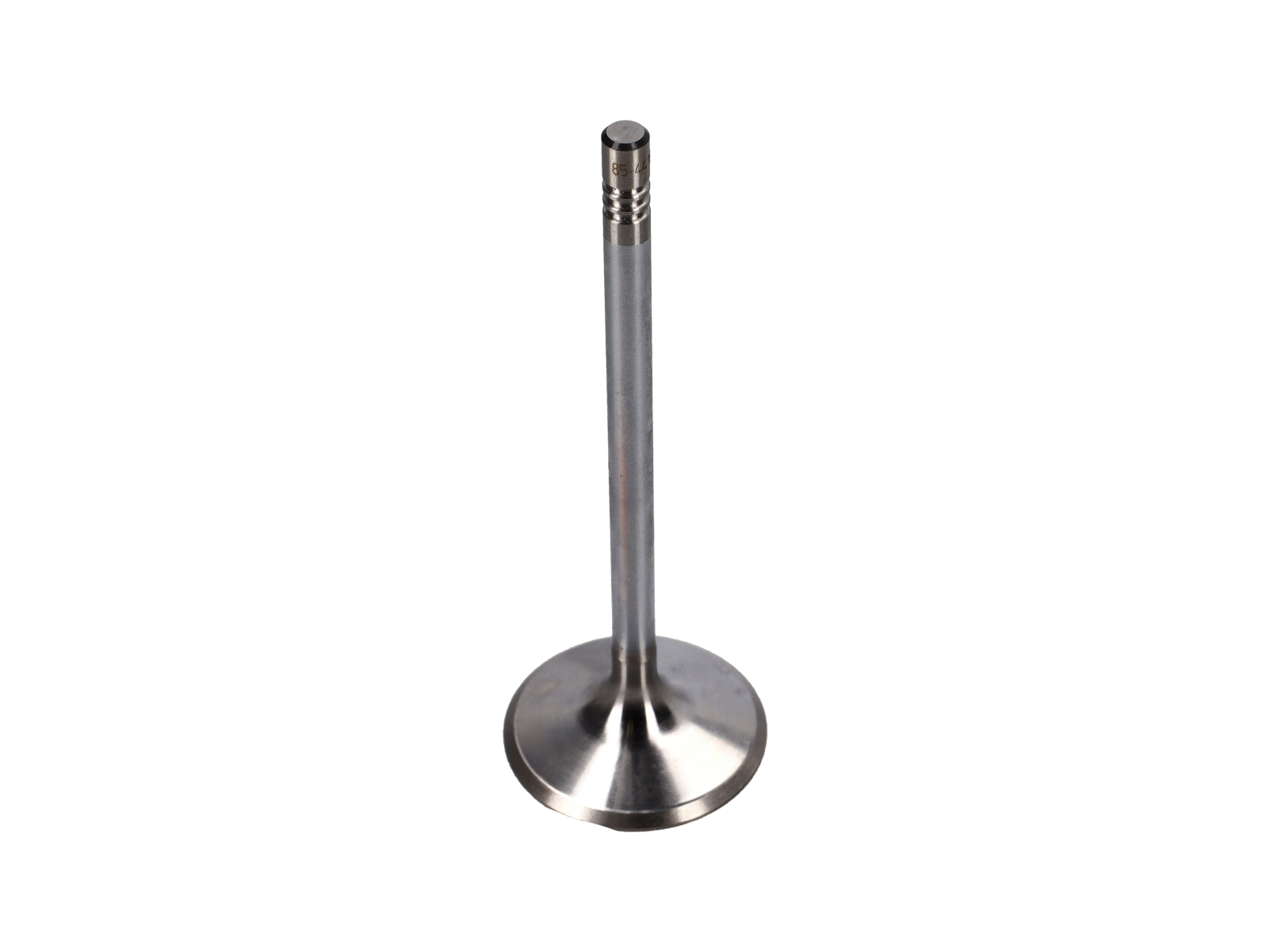
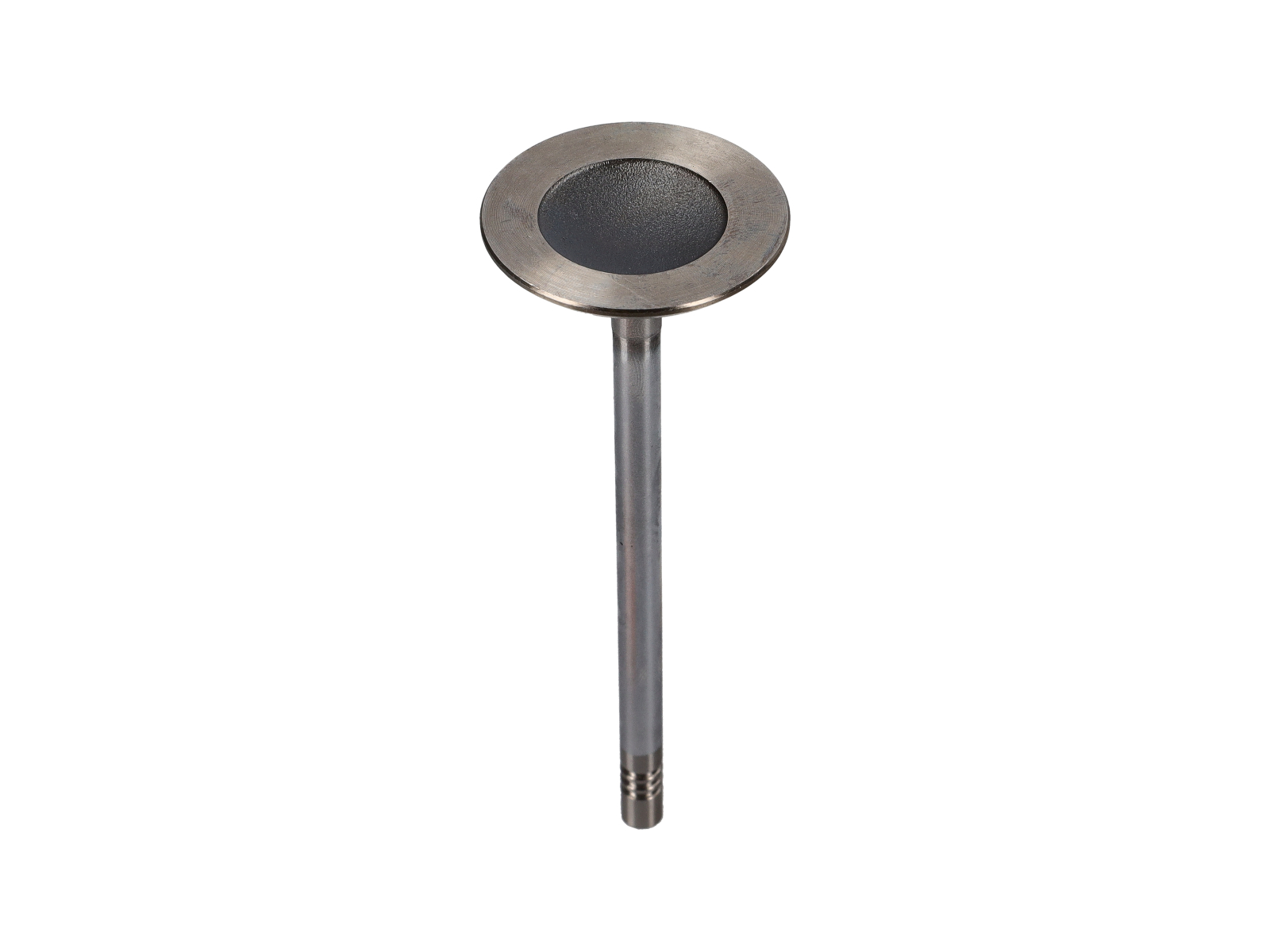
The OE Match Engine Cylinder Head Inlet Valve is a high-quality replacement valvetrain component designed to control the flow of the air-fuel mixture into the engine's combustion chamber. Manufactured to OE specifications for fit, precision and durability, this inlet valve plays a crucial role in maintaining efficient engine breathing, combustion efficiency and overall engine performance.
Fits:
- Porsche Boxster S 986 3.2L 1999-02
- Porsche Boxster S 986 3.2L 2003-04
- Porsche 996 C2 3.4L 1997-08/01
- Porsche 996 C4 3.4L 1997-08/01
Diagram Ref No 8
Constructed from premium-grade, heat-resistant materials, the inlet valve is engineered to withstand constant operation, repeated opening and closing cycles, and the demanding conditions found within the cylinder head. Working alongside the camshaft, valve springs, valve guides and cylinder head assembly, it ensures precise airflow management and reliable combustion throughout the engine's operating range.
What This Product Does:
- Regulates the intake of air and fuel into the combustion chamber.
- Opens and closes in precise synchronisation with the engine cycle.
- Maintains an effective seal during compression and combustion.
- Supports efficient airflow and cylinder filling.
- Helps maximise engine power and throttle response.
- Contributes to fuel economy and emissions control.
- Forms an essential part of the engine valvetrain system.
Symptoms Of Wear Or Failure:
- Reduced engine power and acceleration.
- Rough idle or uneven engine operation.
- Engine misfires.
- Poor throttle response.
- Increased fuel consumption.
- Low compression in the affected cylinder.
- Difficulty starting the engine.
- Ticking or tapping noises from the cylinder head.
- Engine management warning lights or fault codes.
- Failed compression or leak-down test results.
Why Replacement Matters:
- Inlet valves operate continuously under demanding conditions, experiencing thousands of opening and closing cycles every minute while being exposed to heat, combustion deposits and airflow turbulence. Over time, valves can become worn, bent, burnt, carbon-contaminated or develop sealing issues that reduce engine efficiency and performance.
- A damaged inlet valve can restrict airflow into the combustion chamber, resulting in poor combustion, reduced power output and increased fuel consumption. If left unresolved, valve-related problems can lead to compression loss and may cause additional damage to valve seats, cylinder heads and other internal engine components.
- Replacing a worn or damaged inlet valve restores proper airflow, improves combustion efficiency and helps maintain optimal engine performance. An OE Match replacement provides factory-style fitment, precision manufacturing and long-term durability, ensuring reliable operation and helping protect your Porsche engine from premature wear and costly repairs.
Related reference numbers
Related, superseded, cross reference or alternative numbers for comparison.
99610511155
The product you are viewing cross references to these numbers


- Porsche Boxster S 986 3.2L 1999-02
- Porsche Boxster S 986 3.2L 2003-04
- Porsche Boxster 987 S 3.2/3.4L 2005-08/08
- Porsche 996 C2 3.4L 1997-08/01
- Porsche 996 C4 3.4L 1997-08/01
The OE Match Engine Cylinder Head Exhaust Valve is a precision replacement valvetrain component designed to control the release of burnt combustion gases from the engine cylinder.
Fits:
- Porsche Boxster S 986 3.2L 1999-02
- Porsche Boxster S 986 3.2L 2003-04
- Porsche Boxster 987 S 3.2/3.4L 2005-08/08
- Porsche 996 C2 3.4L 1997-08/01
- Porsche 996 C4 3.4L 1997-08/01
Diagram Ref No 9
Located within the cylinder head, the exhaust valve opens at the correct point in the engine cycle to allow combustion gases to leave the cylinder and enter the exhaust system. It then closes firmly against the valve seat to seal the combustion chamber during the compression and power strokes.
Because exhaust valves are directly exposed to extremely hot combustion gases, they operate under demanding thermal and mechanical conditions. Correct valve condition and seating are therefore essential for maintaining cylinder compression, efficient combustion and reliable engine performance.
This OE Match replacement provides an OE-style solution for engine repair, cylinder-head refurbishment or complete engine rebuilding.
What This Product Does:
- Controls the flow of exhaust gases out of the combustion chamber.
- Opens to allow burnt gases to enter the exhaust system.
- Closes against the valve seat to seal the cylinder.
- Helps maintain correct cylinder compression.
- Supports efficient combustion and engine performance.
- Works with the camshaft, lifters, valve spring, valve guide and valve seat.
- Helps maintain consistent engine power and smooth running.
- Provides the correct sealing surface between the valve and cylinder head.
- Replaces a burnt, bent, worn or damaged original exhaust valve.
The valve face must form an accurate seal against the valve seat every time the valve closes. Even relatively minor damage to the valve face or stem can affect cylinder sealing and engine performance.
Symptoms Of Wear Or Failure:
A worn, burnt or damaged exhaust valve may cause:
- Engine misfires.
- Rough or unstable idle.
- Loss of engine power.
- Poor acceleration.
- Reduced compression in the affected cylinder.
- High cylinder leak-down readings.
- Air leakage heard through the exhaust during a leak-down test.
- Difficulty starting the engine.
- Increased fuel consumption.
- Engine management warning light.
- Misfire-related fault codes.
- Irregular exhaust note.
- Ticking or tapping noises from the cylinder head.
- Burnt, pitted or eroded valve face.
- Bent or excessively worn valve stem.
- Excessive carbon deposits.
- Visible overheating or discolouration of the valve.
A damaged exhaust valve can prevent the cylinder from sealing correctly, allowing compression and hot combustion gases to escape into the exhaust port.
Why Replacement Matters:
Exhaust valves operate in one of the hottest areas of the engine. Every combustion cycle exposes the valve head and seating surface to intense heat while the valve repeatedly opens and closes at high speed.
Over time, an exhaust valve can suffer from:
- Valve-face erosion.
- Pitting or burning.
- Carbon build-up.
- Stem wear.
- Mechanical distortion.
- Overheating.
- Poor seating caused by valve-guide or valve-seat wear.
Once the valve can no longer seal correctly, compression in the affected cylinder can fall. This can lead to misfires, reduced power, rough running and increased fuel consumption.
Replacing a damaged exhaust valve helps restore:
- Correct combustion-chamber sealing.
- Cylinder compression.
- Smooth engine operation.
- Reliable exhaust-gas control.
- Consistent engine performance.
- Correct valvetrain operation.
Related reference numbers
Related, superseded, cross reference or alternative numbers for comparison.
99610524700
The product you are viewing cross references to these numbers


- Porsche 996 TURBO 2000-05
- Porsche 996 GT2 2001-05
- Porsche 997 MK1 TURBO 2007-09
- Porsche 997 MK1 GT2 2007-09
- Porsche 997 MKII GT2 RS 2011-13
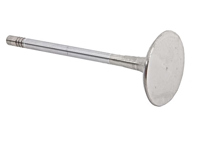
The OE Match Engine Cylinder Head Inlet Valve is a precision replacement valvetrain component designed for selected Porsche 996 Turbo, 996 GT2, 997 Turbo, 997 GT2 and GT2 RS 3.6L engines.
Fits:- Porsche 996 Turbo/GT2 2001-05
- Porsche 997.1 Turbo / GT2 3.6L 2007-09
- Porsche 997.2 GT2 RS 3.6L 2011
Diagram Ref No 2
The inlet valve controls the flow of the intake charge into the combustion chamber. During the intake stroke, it opens to allow the cylinder to fill before closing securely against the valve seat for the compression and combustion phases.
Correct valve condition, alignment and seating are essential for maintaining cylinder compression, efficient airflow and consistent engine performance. This is particularly important in high-performance turbocharged engines, where reliable cylinder sealing and airflow are critical under increased boost pressure and engine load.
What This Product Does:
- Controls the intake of air into the combustion chamber.
- Opens during the intake stroke to allow efficient cylinder filling.
- Closes against the valve seat to seal the combustion chamber.
- Helps maintain correct cylinder compression.
- Supports efficient combustion and engine breathing.
- Helps maintain throttle response and engine performance.
- Works with the valve guide, valve seat, valve spring and associated valvetrain components.
- Helps maintain reliable operation in high-performance turbocharged engines.
- Replaces an inlet valve that has become bent, pitted, burnt or excessively worn.
- Helps restore correct cylinder-head operation during engine repair or rebuilding.
For correct operation, the valve must move smoothly within its guide and form an even seal against the valve seat. Wear or damage that prevents complete seating can allow compression to escape and reduce engine efficiency.
Symptoms Of Wear Or Failure:
Possible symptoms include:
- Low or uneven cylinder compression.
- Engine misfires.
- Rough or unstable idle.
- Reduced engine power.
- Poor acceleration or throttle response.
- Difficulty starting.
- Increased fuel consumption.
- Uneven engine running.
- Check engine or engine-management warning light.
- Misfire-related fault codes.
- Ticking or abnormal valvetrain noise.
- Poor compression-test results.
- Leakage through the intake tract during a cylinder leak-down test.
- Pitting or erosion of the valve face.
- Carbon deposits around the valve.
- Bent or damaged valve stem.
- Excessive valve-stem wear.
- Failure of the valve to seal correctly against its seat.
A leaking inlet valve can allow cylinder pressure to escape back into the intake system rather than remaining within the combustion chamber.
Why Replacement Matters:
The inlet valve performs two essential functions: allowing the cylinder to fill efficiently and sealing the combustion chamber when closed.
During engine operation, the valve is exposed to continuous opening and closing cycles, high temperatures, combustion deposits and significant mechanical loading. In turbocharged engines, reliable valve sealing becomes particularly important because the engine operates under substantial cylinder pressures.
Over time, an inlet valve may suffer from:
- Valve-face pitting or erosion.
- Carbon build-up.
- Valve-stem wear.
- Mechanical distortion.
- Damage caused by poor seating.
- Wear associated with excessive valve-guide clearance.
- Damage caused by valve-to-piston contact.
A worn or damaged valve can lead to compression loss, misfires and reduced engine output.
Replacing a defective inlet valve helps restore:
- Correct cylinder sealing.
- Strong compression.
- Efficient intake airflow.
- Smooth engine operation.
- Consistent power delivery.
- Reliable turbocharged engine performance.
- Correct valvetrain operation.
Related reference numbers
Related, superseded, cross reference or alternative numbers for comparison.
99610511172
The product you are viewing cross references to these numbers


- Porsche 996 TURBO 2000-05
- Porsche 996 GT2 2001-05
- Porsche 997 MK1 TURBO 2007-09
- Porsche 997 MK1 GT2 2007-09
- Porsche 997 MKII GT2 RS 2011-13
The OE Match exhaust valve is a precision engine component used in the cylinder heads of Porsche 911 Turbo and GT2 models. It is responsible for controlling the release of exhaust gases from the combustion chamber during the engine’s exhaust cycle.
Sold individually, 12 exhaust valves required per engine (one per cylinder).
Fits:
Porsche 996 Turbo / GT2 2001 - 2005
Porsche 997.1 Turbo / GT2 3.6L 2007 - 2009
Porsche 997.2 GT2 RS 3.6L 2011
Diagram ref no 3.
The exhaust valve is a key element of the engine valve train system. It sits inside the cylinder head and works with the camshaft, valve springs and lifters to regulate the flow of gases in and out of the engine.
This OE Match version follows the original Porsche design, providing the correct stem diameter, valve head geometry and sealing surface required for proper installation and reliable performance.
During engine operation, the exhaust valve opens to allow burnt gases to exit the combustion chamber and enter the exhaust manifold. It then closes to seal the cylinder during the compression and power strokes.
Properly functioning exhaust valves are essential for maintaining engine compression, combustion efficiency and turbocharger performance.
Function
• Exhaust Gas Control: Releases combustion gases from the cylinder
• Combustion Sealing: Closes to maintain compression during the power cycle
• Engine Performance: Supports efficient airflow and combustion
• Valve Train Operation: Works with camshaft, lifters and valve springs
Exhaust valves operate under extremely high heat and mechanical stress. Over time they can develop wear, carbon buildup, or valve face damage, which may lead to compression loss, reduced engine performance or valve train noise. Replacing worn valves during engine servicing helps maintain proper sealing, stable combustion and reliable turbocharged performance.
Consider replacing the exhaust valve when:
• Performing a cylinder head rebuild
• Engine compression is low or uneven
• Valves show burning, pitting or wear
• During major engine overhaul or restoration
Related reference numbers
Related, superseded, cross reference or alternative numbers for comparison.
99610511372
The product you are viewing cross references to these numbers