



Enter your VAT number here and click Verify:
Your details have been verified. VAT number registered to:
,
.
Your order will now be zero rated for VAT purposes. We reserve the right to verify these details after your order request has been made and reinstate VAT if required.
Your VAT details were not recognised or were invalid. Your VAT number must be matched to your Billing Country as specified above. This is currently specified as . You do not need to enter the country code part of your VAT number as this has already been selected in your billing address details above.
The VAT number checking service is currently offline. Please supply your VAT details within the comments or special instructions field below and we will apply a VAT discount after placing your order request.
Fuel Pumps
By OE Match


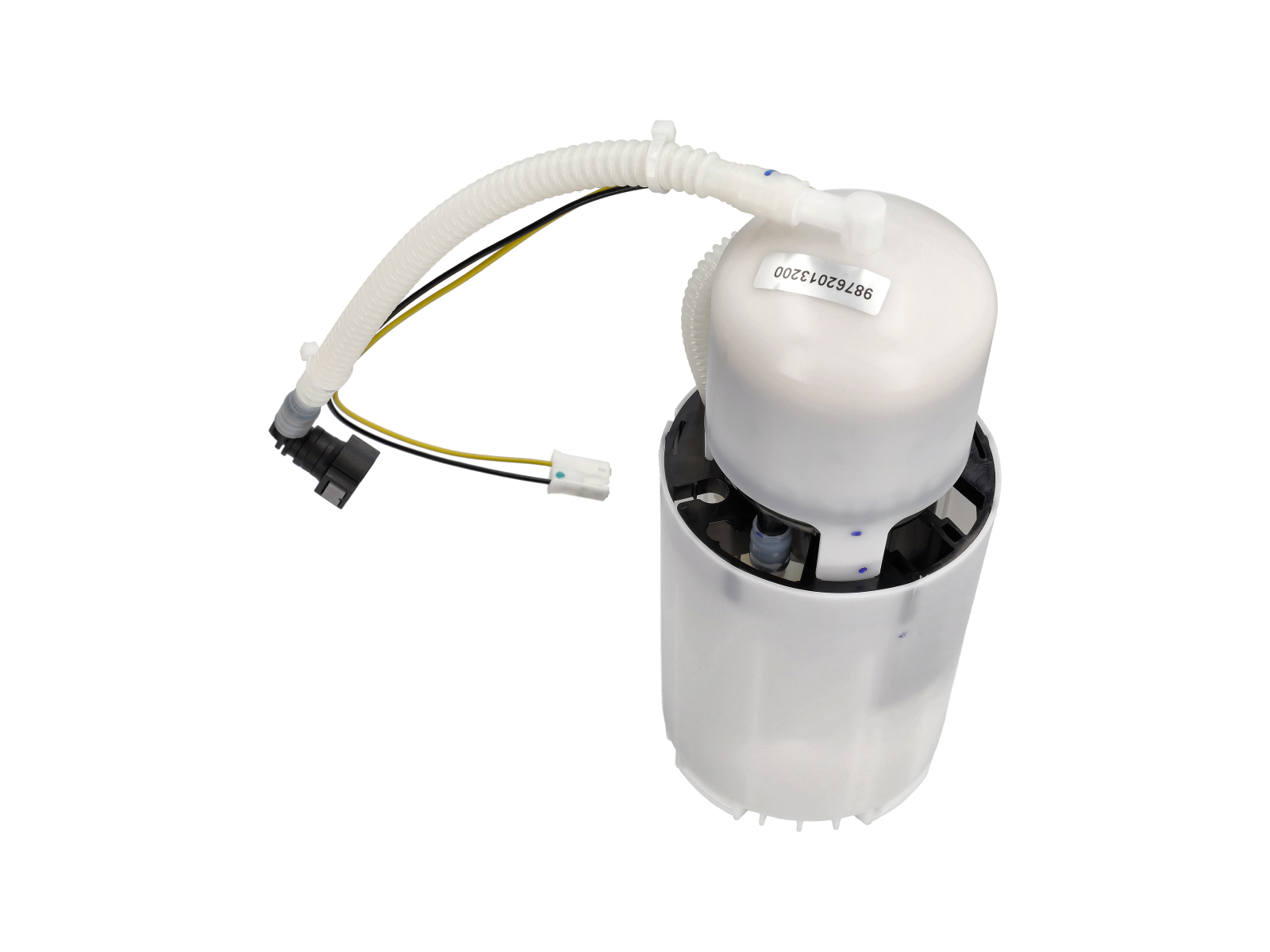
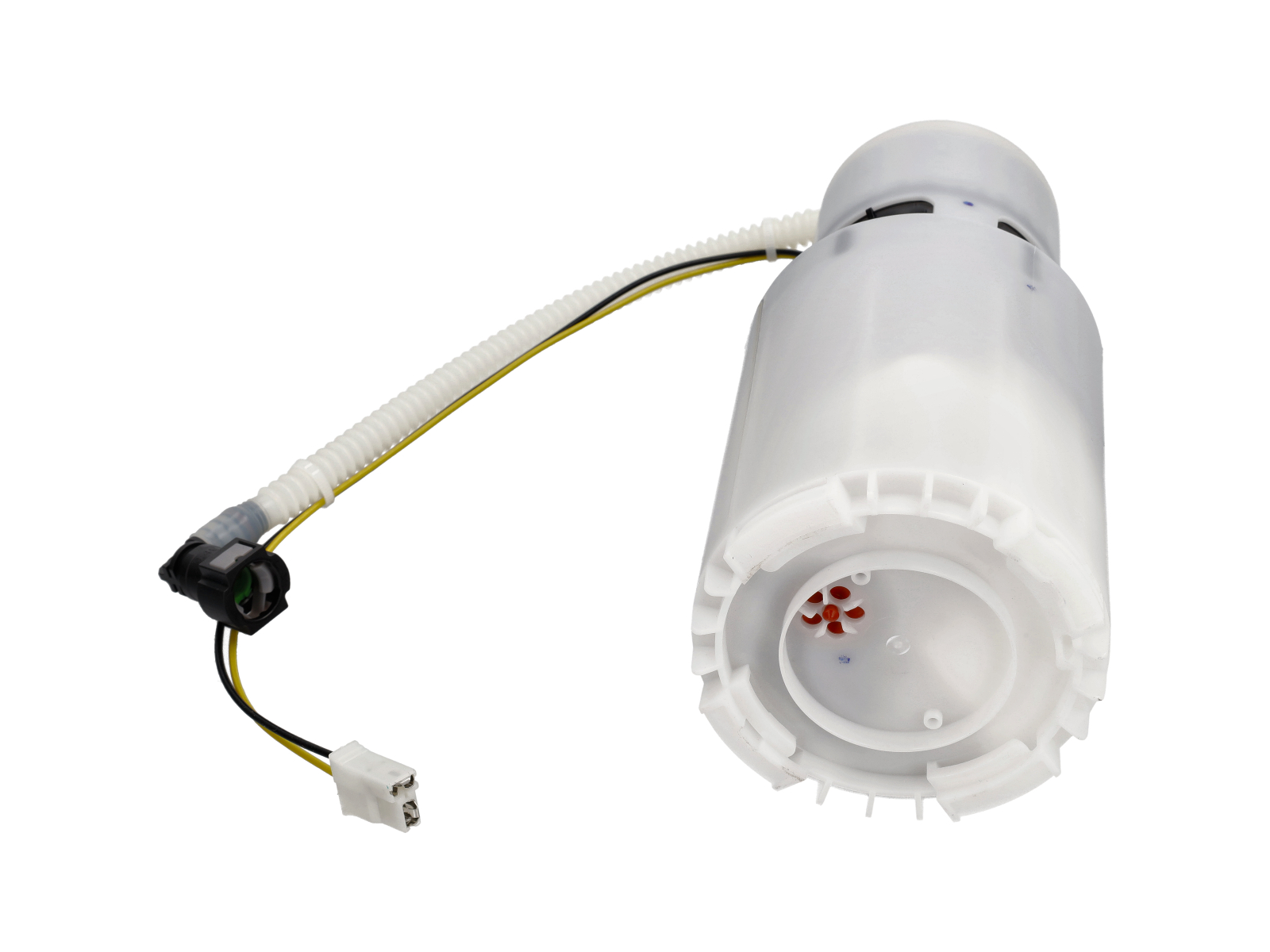
- Porsche Boxster 987 MKII 2.9L 2009-12
- Porsche Cayman 2.9L 987C MKII 2009-12
Fits:
Porsche 987-2 Boxster 2.9L 2009-12
Porsche 987-2 Cayman 2.9L 2009-12
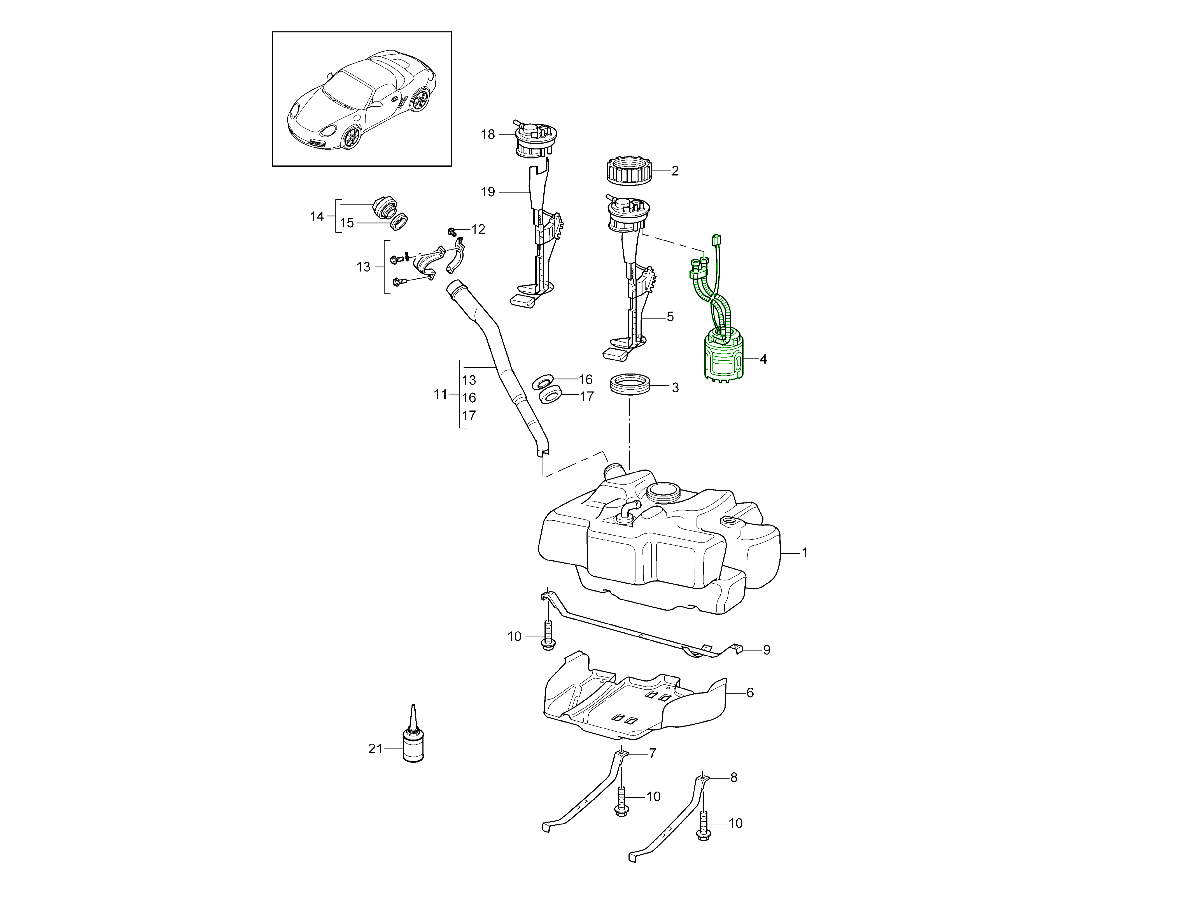
Diagram ref. 4.
NOTE: This fuel pump is not suitable for the 987-2 Boxster / Cayman S 3.4L. These engines are direct injection and require a different fuel pump.
Related reference numbers
Related, superseded, cross reference or alternative numbers for comparison.
98762013202
The product you are viewing cross references to these numbers

OEMatch Fuel Pumps — Fit, Function, Confidence
A fuel pump supplies pressurised fuel from the tank to the engine, maintaining the pressure and flow your Porsche needs for reliable starting, smooth idling and predictable throttle response. OEMatch selects pumps suited to Porsche models, from restoration projects to routine replacement tasks.
Available Types
- In-tank electric pumps and modules
- External mechanical and electric pumps
- Pump modules with integrated sender units
- High-flow units for specific performance applications
Understanding OEMatch Fuel Pumps
OEM (Original Equipment Manufacturer) parts are made by the same company that produced your Porsche’s original fuel pumps.
OE (Original Equipment) refers to parts matching original specifications for the fuel pumps and may be supplied by alternative manufacturers. Aftermarket parts offer alternative options, sometimes with enhanced features or better value. OEMatch supplies non-OEM fuel pumps engineered as direct-fit alternatives to OEM parts, made to original-spec dimensions and tolerances for Porsche models.
The pump moves fuel from the tank to the injectors at the pressure required by the engine management system. In many Porsche models the pump is mounted inside the tank as a sealed module, while other models use an external unit. Pumps depend on clean fuel and a stable electrical supply; some assemblies also include a sender or strainer. Choosing the correct type for the model and fuel system layout helps maintain consistent delivery and avoids premature wear.
Benefits Include
- Restores and maintains correct fuel pressure for stable combustion
- Improves starting reliability and throttle response
- Reduces risk of stalling and hesitation under load
Why Fuel Pumps Wear and Fail
- Contamination from dirt, rust or water in the tank
- Running low on fuel, causing overheating or cavitation
- Electrical faults such as intermittent power or corroded connections
- Clogged filters or blocked lines reducing flow and stressing the motor
The Importance of Replacing with OEMatch Fuel Pumps
Replacing a worn or failing pump restores the fuel pressure and flow the engine needs to run cleanly and responsively. Correct replacement helps prevent misfires, extended cranking and potential damage to injectors or fuel lines. OEMatch parts are chosen to suit Porsche systems and can support both routine maintenance and vehicle restoration efforts.
Advantages
- Direct-fit replacements engineered to match original dimensions and tolerances
- Corrosion-resistant materials and sealed assemblies for longer service life
- Options that match factory electrical and mounting interfaces for straightforward installation
Support & Advice
Fitting can appear straightforward but may require procedures such as correct torque settings and careful routing of hoses. If you lack the correct tools or model-specific knowledge, we recommend professional installation. Recheck fasteners and connections after initial running and observe for any diagnostic codes or fuel odours.