





Enter your VAT number here and click Verify:
Your details have been verified. VAT number registered to:
,
.
Your order will now be zero rated for VAT purposes. We reserve the right to verify these details after your order request has been made and reinstate VAT if required.
Your VAT details were not recognised or were invalid. Your VAT number must be matched to your Billing Country as specified above. This is currently specified as . You do not need to enter the country code part of your VAT number as this has already been selected in your billing address details above.
The VAT number checking service is currently offline. Please supply your VAT details within the comments or special instructions field below and we will apply a VAT discount after placing your order request.

- Porsche 911 1978-1983 3.0L / SC
- Porsche 911 1984-1986 3.2L
- Porsche 911 1987-1989 3.2L G50
- Porsche 911 1978-1989 3.3L Turbo (930)
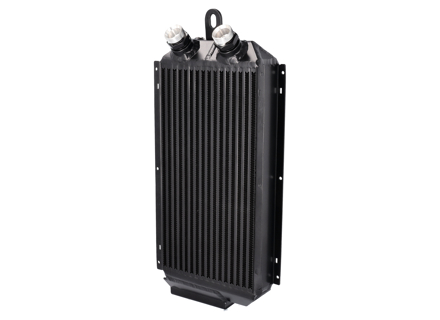
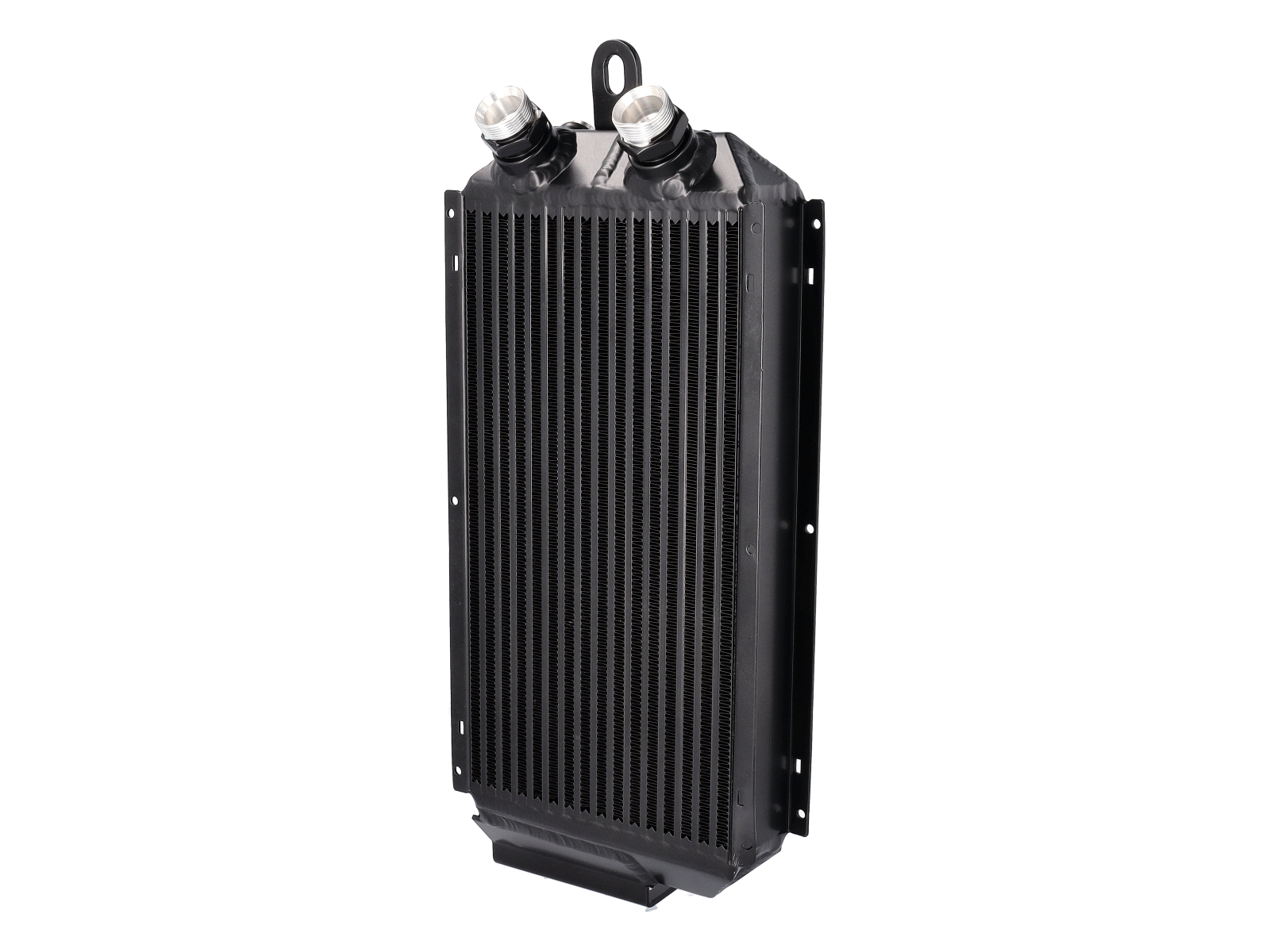
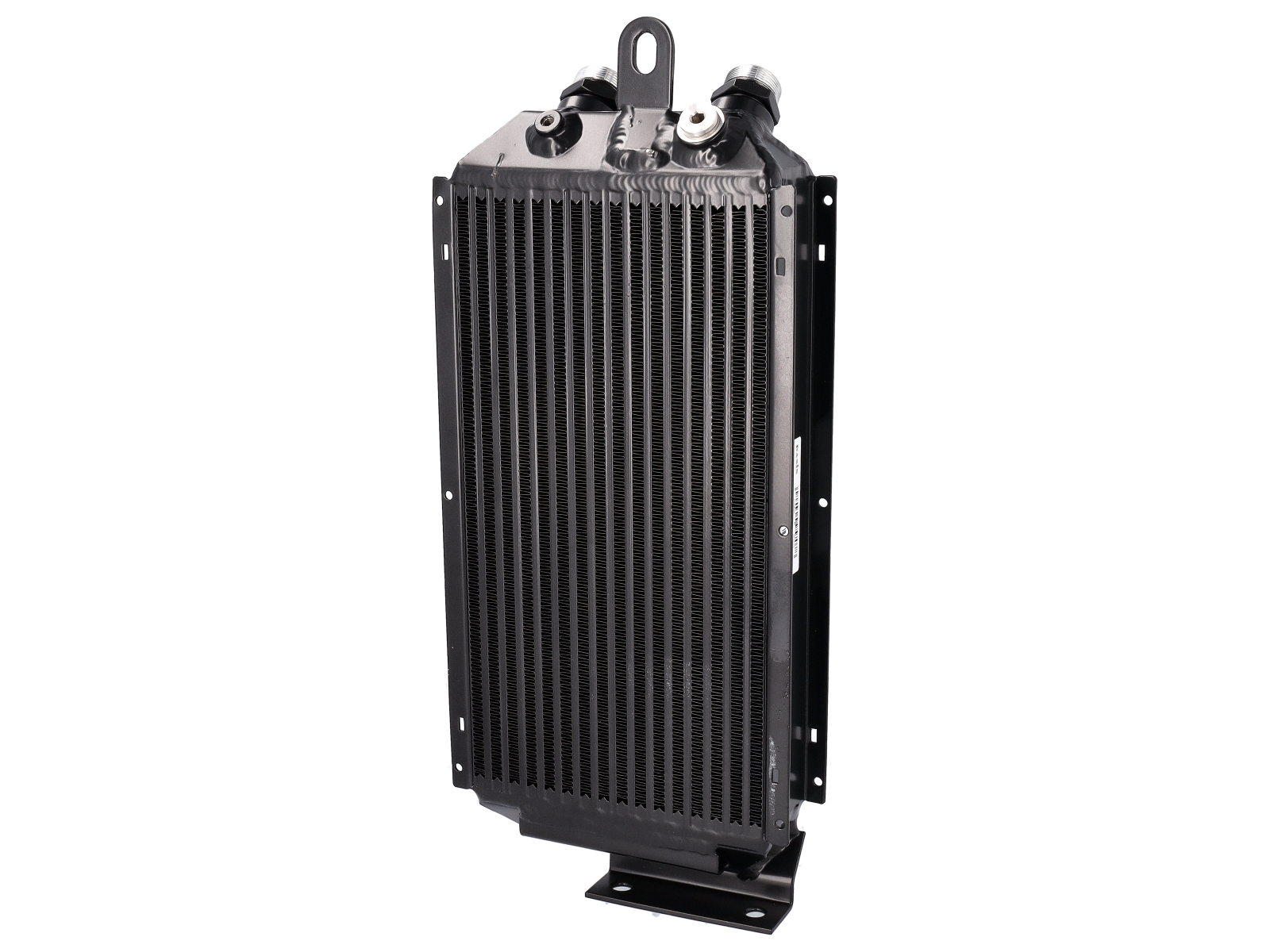
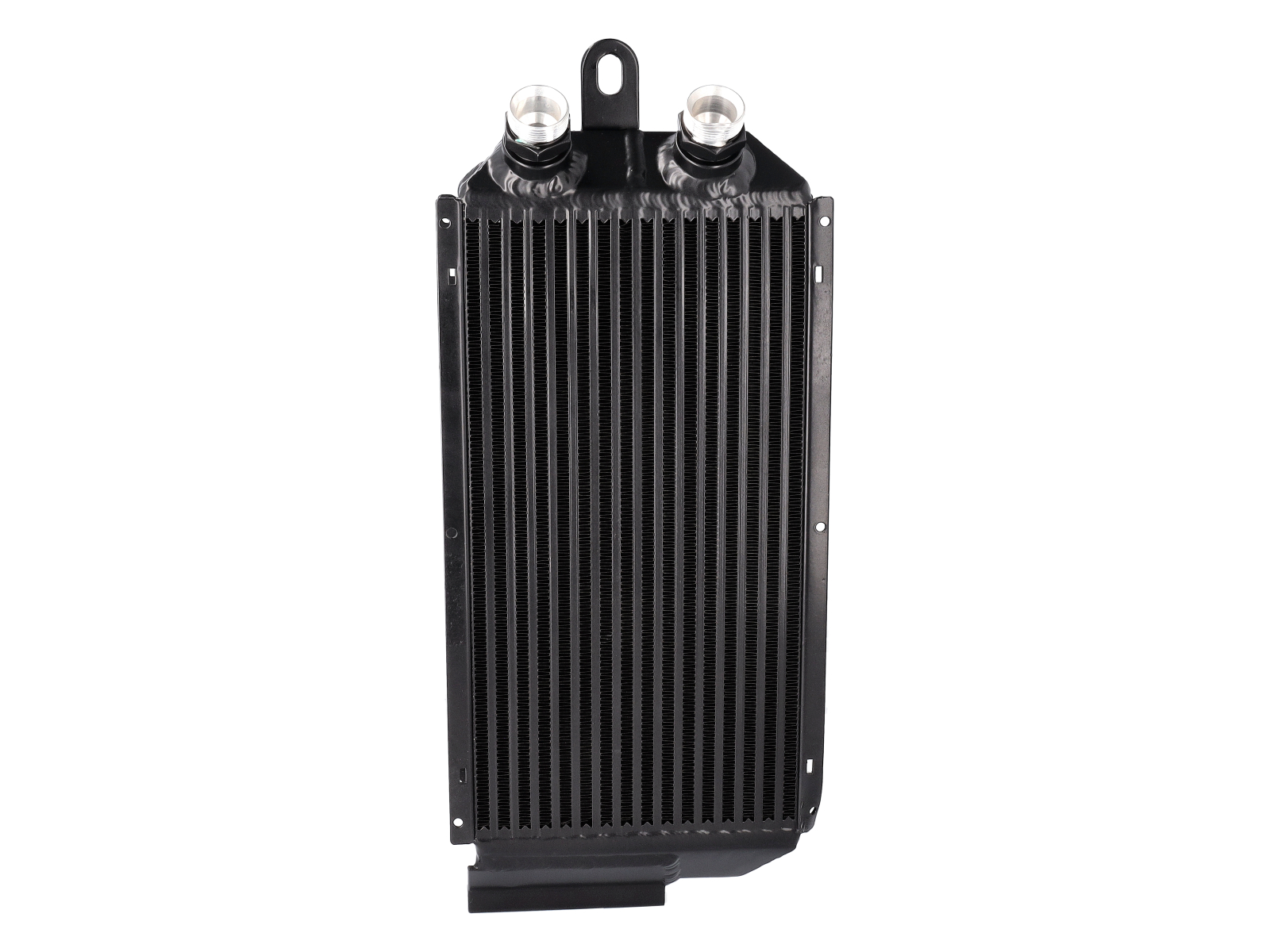
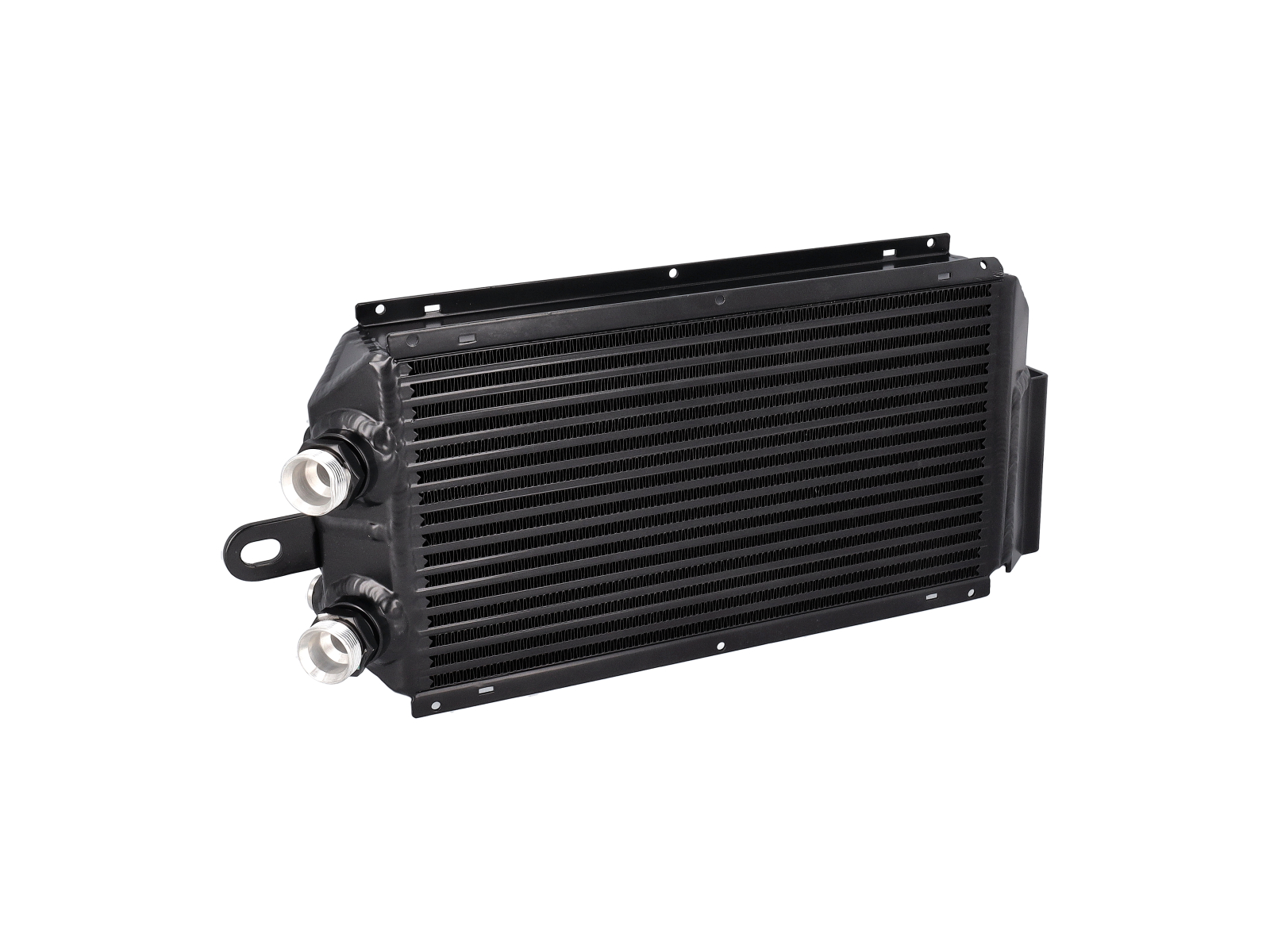
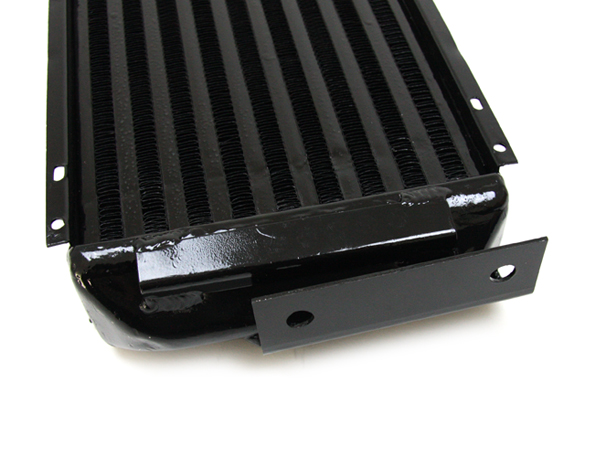
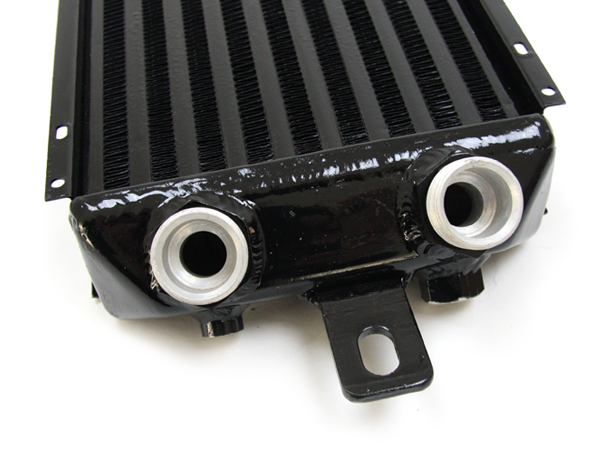
Front Radiator Oil Cooler
Mounted at the front of the vehicle's external oil cooling
circuit, the cooler uses passing airflow to remove excess heat from the
circulating engine oil. This is particularly important on air-cooled Porsche
911 engines, where engine oil plays a major role in both lubrication and
temperature control.
Fits:
- Porsche 911 1978-1983 3.0L / SC
- Porsche 911 1984-1986 3.2L
- Porsche 911 1987-1989 3.2L G50
- Porsche 911 1978-1989 3.3L Turbo (930)
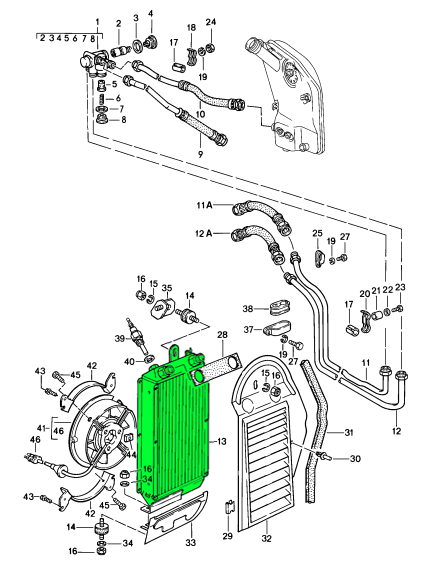
Diagram Ref No 13
What Does the Front Oil Cooler Do?
Hot engine oil is circulated from the rear-mounted engine through the external oil lines to the front cooler. Air passing through the cooler removes heat from the oil before it returns through the lubrication system.
Maintaining a suitable oil temperature helps preserve oil viscosity and provides reliable lubrication for bearings, camshafts and other heavily loaded engine components.
Why Do Oil Coolers Fail?
After decades of use, an original Porsche 911 oil cooler can
deteriorate through:
- External corrosion
- Oil leaks
- Damaged or corroded fittings
- Stone and road debris damage
- Bent or damaged cooling fins
- Internal contamination
- Previous accident damage
- Blocked airflow through accumulated dirt and debris
Oil leakage or restricted cooling efficiency should be investigated promptly, particularly on an air-cooled engine.
When Should It Be Replaced?
Replacement should be considered if the cooler is leaking, physically damaged, badly corroded or no longer providing effective heat transfer.
Unusually high engine oil temperatures should not automatically be blamed on the cooler. The external thermostat, oil pipes, airflow, oil level and associated cooling components should also be checked before replacement.
Important Installation Information
The cooler does not include the temperature sensor or blanking plug and washer. These are available separately and should be selected according to the vehicle's installation.
When replacing the cooler, also inspect:
- External oil pipes and hoses
- Oil line connections
- Oil thermostat operation
- Cooler mounting rubbers and brackets
- Temperature sensor where fitted
- Airflow around the cooler
- Evidence of contamination within the oil circuit
Related reference numbers
Related, superseded, cross reference or alternative numbers for comparison.
93020705304
The product you are viewing cross references to these numbers
- Porsche Boxster 987 MKII 2.9L 2009-12
- Porsche Boxster S 987 MKII 3.4L 2009-12
- Porsche Boxster 981 2.7L 2012-16
- Porsche Boxster 981 S / GTS 3.4L 2012-16
- Porsche 997 MKII Carrera C2 3.6L 2009-12
- Porsche 997 MKII Carrera C4 3.6L 2009-12
- Porsche 997 MKII Carrera C2S 3.8L 2009-12
- Porsche 997 MKII Carrera C4S 3.8L 2009-12
- Porsche 997 MKII Turbo 2010-13
- Porsche 997 MKII GT2 RS 2011-13
- Porsche 991.1 Carrera C2 3.4L (350 Bhp) 2012-16
- Porsche 991.1 Carrera C2S / GTS 3.8L (400/430 Bhp) 2012-16
- Porsche 991.1 Carrera C4 3.4L (350 Bhp) 2012-16
- Porsche 991.1 Carrera C4S / GTS 3.8L (400/430 Bhp) 2012-16
- Porsche 991.1 Turbo 3.8L (520 Bhp) 2014-16
- Porsche 991.1 Turbo S 3.8L (560 Bhp) 2014-16
- Porsche 991.2 Carrera 2 3.0L (370 Bhp) 2016-19
- Porsche 991.2 Carrera 2S / GTS 3.0L (420/450 Bhp) 2016-19
- Porsche 991.2 Carrera 4 3.0L (370 Bhp) 2016-19
- Porsche 991.2 Carrera 4S / GTS 3.0L (420/450 Bhp) 2016-19
- Porsche 991.2 Cabriolet 2 3.0L (370 Bhp) 2016-19
- Porsche 991.2 Cabriolet 2S / GTS 3.0L (420/450 Bhp) 2016-19
- Porsche 991.2 Cabriolet 4 3.0L (370 Bhp) 2016-19
- Porsche 991.2 Cabriolet 4S / GTS 3.0L (420/450 Bhp) 2016-19
- Porsche 991.2 Targa 4 3.0L (370 Bhp) 2016-19
- Porsche 991.2 Targa 4S / GTS 3.0L (420/450 Bhp) 2016-19
- Porsche 991.2 Turbo Coupe 3.8L (540 Bhp) 2016-19
- Porsche 991.2 Turbo S Coupe 3.8L (580 Bhp) 2016-19
- Porsche 991.2 Turbo Cabriolet 3.8L (540 Bhp) 2016-19
- Porsche 991.2 Turbo S Cabriolet 3.8L (580 Bhp) 2016-19
- Porsche Cayman 2.9L 987C MKII 2009-12
- Porsche Cayman S / R 3.4L 987C MKII 2009-12
- Porsche Cayman 2.7L 981 2013-16
- Porsche Cayman S / GTS 3.4L 981 2013-16
- Porsche Cayman GT4 3.8L 2015-16
- Porsche 955 Cayenne S 4.5L V8 2003-06
- Porsche 955 Cayenne Turbo 4.5L 2003-06
- Porsche 955 Cayenne Turbo S 4.5L 2006>>
- Porsche 957 Cayenne S / GTS 4.8L 2007-10
- Porsche 957 Cayenne Turbo / Turbo S 4.8L 2007-10
Fits:
Porsche 987.2 Boxster 2009-12
Porsche 981 Boxster 2012-16 Incl Spyder
Porsche 987C.2 Cayman 2009-12
Porsche 981C Cayman 2012-16 Incl. GT4
Porsche 997.2 Carrera 2009-12
Porsche 997.2 Turbo 2010-13
Porsche 991.1 Carrera 2012-16
Porsche 991.2 Carrera 2017-18
Porsche 991 Turbo 2014-18
Porsche 955 Cayenne S / Turbo 4.5L 2003-06
Porsche 957 Cayenne S / GTS / Turbo 4.8L 2007-10
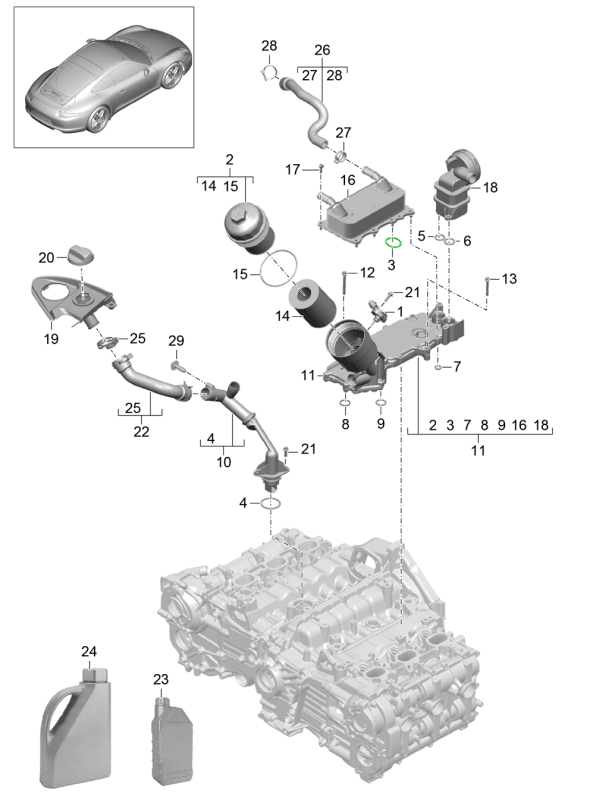
Click 'Zoom in' for large parts diagram.
Diagram ref no 16
Related reference numbers
Related, superseded, cross reference or alternative numbers for comparison.
0PB115441
The product you are viewing cross references to these numbers
- Porsche 997 MKII Carrera C2 3.6L 2009-12
- Porsche 997 MKII Carrera C4 3.6L 2009-12
- Porsche 997 MKII Carrera C2S 3.8L 2009-12
- Porsche 997 MKII Carrera C4S 3.8L 2009-12
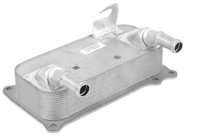
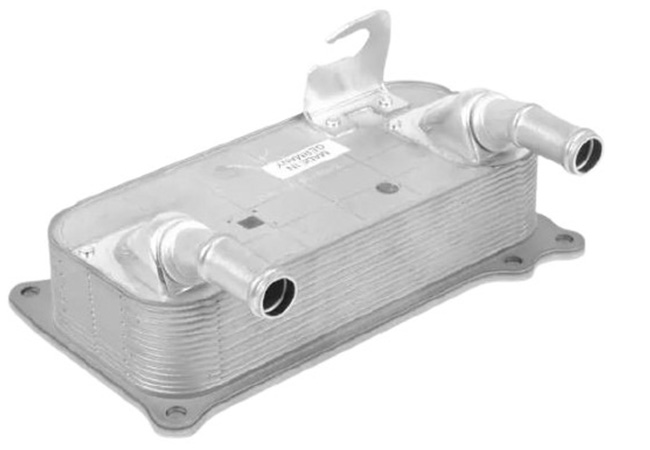
The OE Match Heat Exchanger on Engine is a high-quality replacement thermal management component designed to regulate engine operating temperatures by transferring heat between engine fluids. Manufactured to OE specifications for fit, performance and durability, this heat exchanger plays a critical role in maintaining optimum engine efficiency, lubrication performance and overall reliability.
Fits:
- Porsche 997 MKII Carrera C2 3.6L 2009-12
- Porsche 997 MKII Carrera C4 3.6L 2009-12
- Porsche 997 MKII Carrera C2S 3.8L 2009-12
- Porsche 997 MKII Carrera C4S 3.8L 2009-12
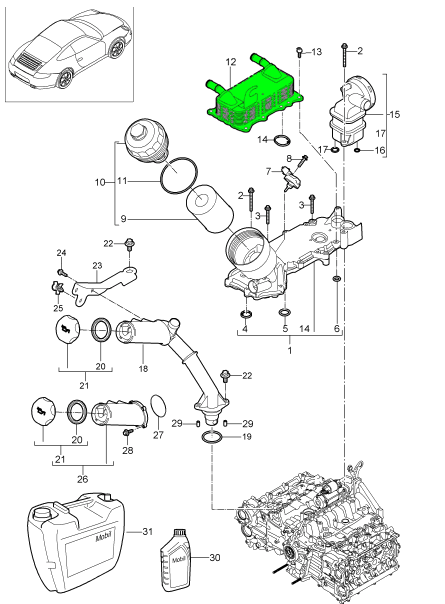
Diagram Ref No 12
Installed within the engine's cooling and lubrication system, the heat exchanger helps control oil and coolant temperatures, ensuring critical engine components operate within their intended temperature range. Efficient heat transfer improves engine protection, reduces wear and supports consistent performance under varying driving conditions.
What This Product Does:
- Regulates engine fluid temperatures through heat transfer.
- Helps maintain optimum engine oil operating temperature.
- Supports efficient engine cooling system performance.
- Improves lubrication system efficiency.
- Reduces thermal stress on engine components.
- Helps maintain stable engine operating temperatures.
- Contributes to improved engine reliability and longevity.
- Supports consistent performance under high-load conditions.
Symptoms Of Wear Or Failure:
- Engine oil leaks around the heat exchanger assembly.
- Coolant leaks from the engine area.
- Rising engine oil temperatures.
- Engine overheating.
- Oil contamination within the cooling system.
- Coolant contamination within the lubrication system.
- Reduced engine performance under load.
- Oil pressure irregularities.
- Warning lights relating to engine temperature or cooling system faults.
- Visible corrosion, cracking or damage to the heat exchanger body.
Why Replacement Matters:
- Engine heat exchangers operate in demanding environments and are continuously exposed to temperature fluctuations, pressure cycles, vibration and chemical exposure from engine oil and coolant. Over time, internal passages can become restricted, seals may deteriorate and the heat exchanger housing can corrode or develop leaks.
- A failing heat exchanger can compromise the engine's ability to regulate temperatures effectively, potentially leading to overheating, reduced lubrication performance and contamination between the oil and coolant systems. If left unresolved, these issues can accelerate engine wear and lead to costly repairs.
- Replacing a worn or damaged heat exchanger restores proper thermal management, improves cooling and lubrication efficiency and helps protect critical engine components. An OE Match replacement provides factory-style fitment, reliable heat transfer performance and long-term durability, ensuring your Porsche engine continues to operate at peak efficiency and reliability.
Related reference numbers
Related, superseded, cross reference or alternative numbers for comparison.
9A110745000
The product you are viewing cross references to these numbers