





Enter your VAT number here and click Verify:
Your details have been verified. VAT number registered to:
,
.
Your order will now be zero rated for VAT purposes. We reserve the right to verify these details after your order request has been made and reinstate VAT if required.
Your VAT details were not recognised or were invalid. Your VAT number must be matched to your Billing Country as specified above. This is currently specified as . You do not need to enter the country code part of your VAT number as this has already been selected in your billing address details above.
The VAT number checking service is currently offline. Please supply your VAT details within the comments or special instructions field below and we will apply a VAT discount after placing your order request.

- Porsche 955 Cayenne 3.2L V6 2003-06
- Porsche 957 Cayenne 3.0L Diesel 2007-10
- Porsche 958 Cayenne V6 3.0L Diesel (245Hp) 2010-17
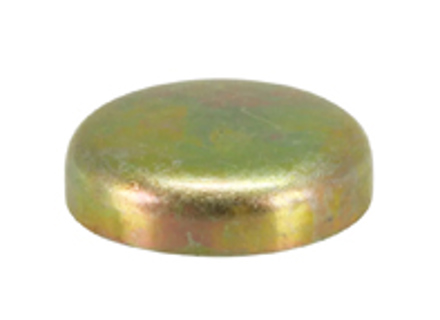
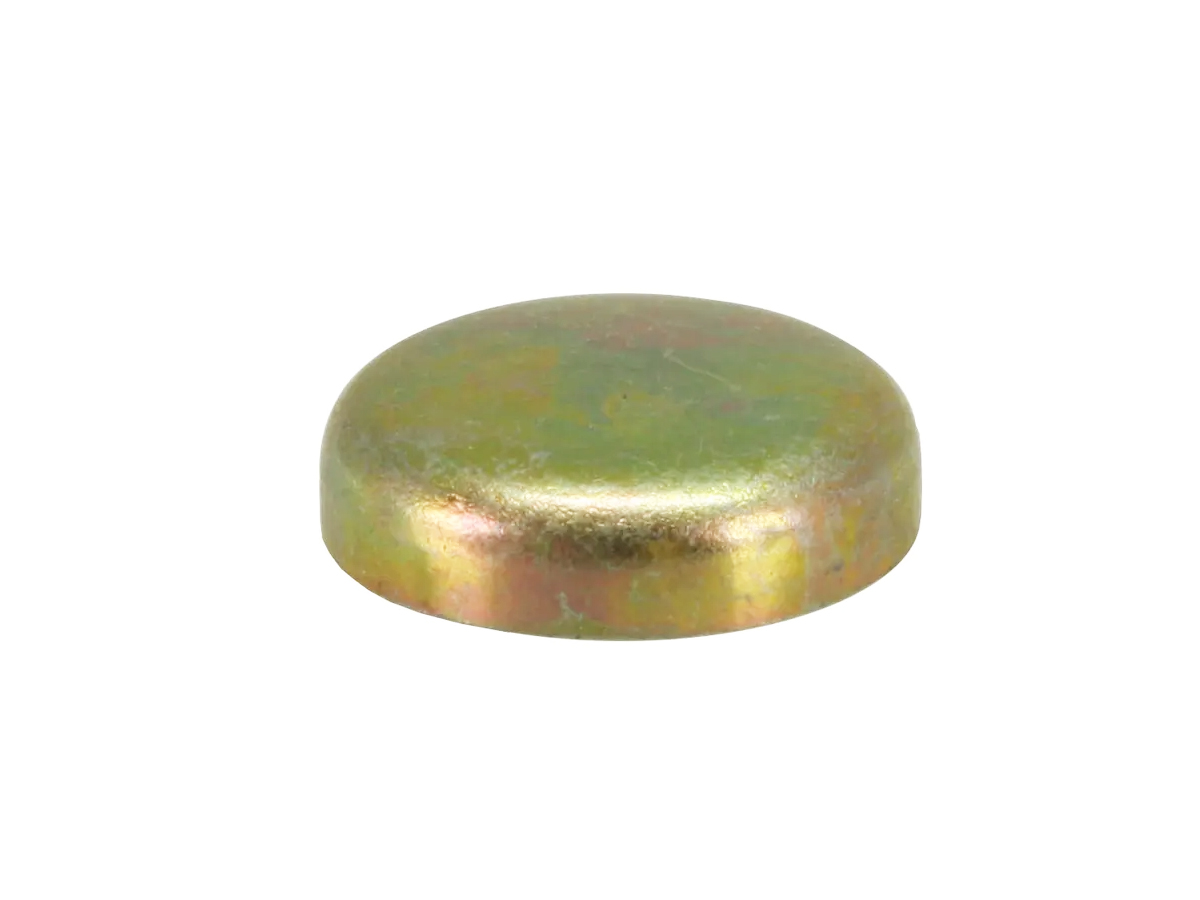
Crankcase Sealing Plug (Core Plug) A16
Sold each
Restore the integrity of your Porsche engine with this OE
Match Crankcase Sealing Plug (Core Plug) A16. This precision-engineered sealing plug provides a secure seal within the
crankcase, helping to prevent oil leaks and maintain the integrity of the
engine block.
Fits:
- Porsche 955 Cayenne 3.2L V6 2003-06
- Porsche 957 Cayenne 3.0L Diesel 2007-10
- Porsche 958 Cayenne V6 3.0L Diesel (245Hp) 2010-17
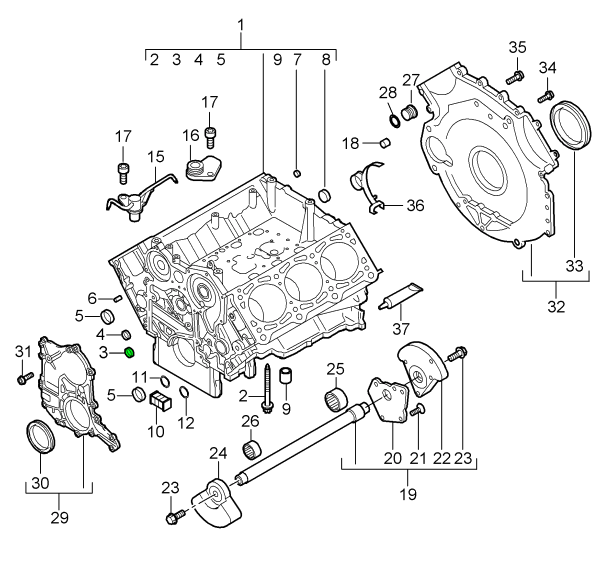
Diagram ref no 3
Core plugs play a vital role in sealing machined openings within the engine during manufacture. Over time, corrosion, engine heat and age can cause these plugs to deteriorate, making replacement essential during engine repairs or rebuilds. This OE Match component offers the correct dimensions and fit for dependable sealing and long-term reliability.
Whether you're rebuilding an engine, repairing an oil leak or carrying out preventative maintenance, this OE Match crankcase sealing plug provides a reliable OE-quality solution.
What Does the Crankcase Sealing Plug Do?
The crankcase sealing plug closes a machined opening within the engine block or crankcase.
Its primary functions include:
- Sealing casting and machining openings within the engine.
- Preventing engine oil leaks.
- Maintaining crankcase integrity.
- Helping protect the engine against dirt and moisture ingress.
- Supporting long-term engine reliability.
- Providing a secure, leak-free seal under normal operating conditions.
Although simple in design, the sealing plug is essential for maintaining a properly sealed engine.
Why Does the Crankcase Sealing Plug Fail?
Over time, sealing plugs are exposed to harsh operating conditions.
Common causes of failure include:
- Corrosion caused by moisture and coolant contamination.
- Age-related deterioration.
- Heat cycling causing material fatigue.
- Mechanical damage during engine repairs.
- Incorrect installation.
- Wear associated with high-mileage engines.
A failing core plug can lead to oil leaks, contamination and unnecessary engine repairs if left unattended.
When Should It Be Replaced?
Replacement is recommended when:
- An oil leak is traced to the sealing plug.
- The original plug shows corrosion or damage.
- Carrying out a complete engine rebuild.
- The crankcase has been dismantled.
- Performing preventative maintenance on a high-mileage engine.
- Replacing other crankcase sealing components.
Replacing ageing core plugs during engine work helps avoid future leaks and reduces the likelihood of repeat labour costs.
Related reference numbers
Related, superseded, cross reference or alternative numbers for comparison.
N0119034
The product you are viewing cross references to these numbers
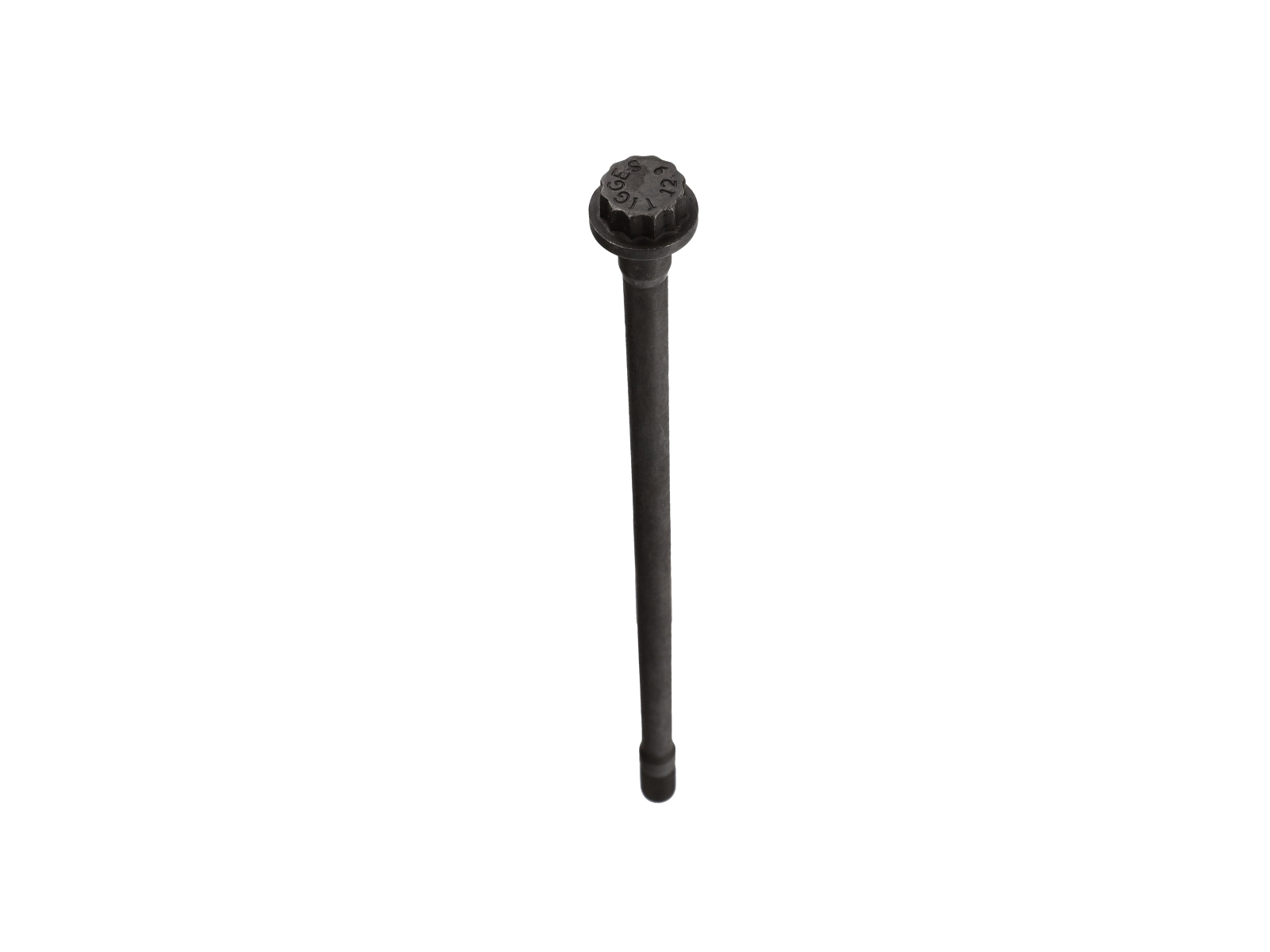
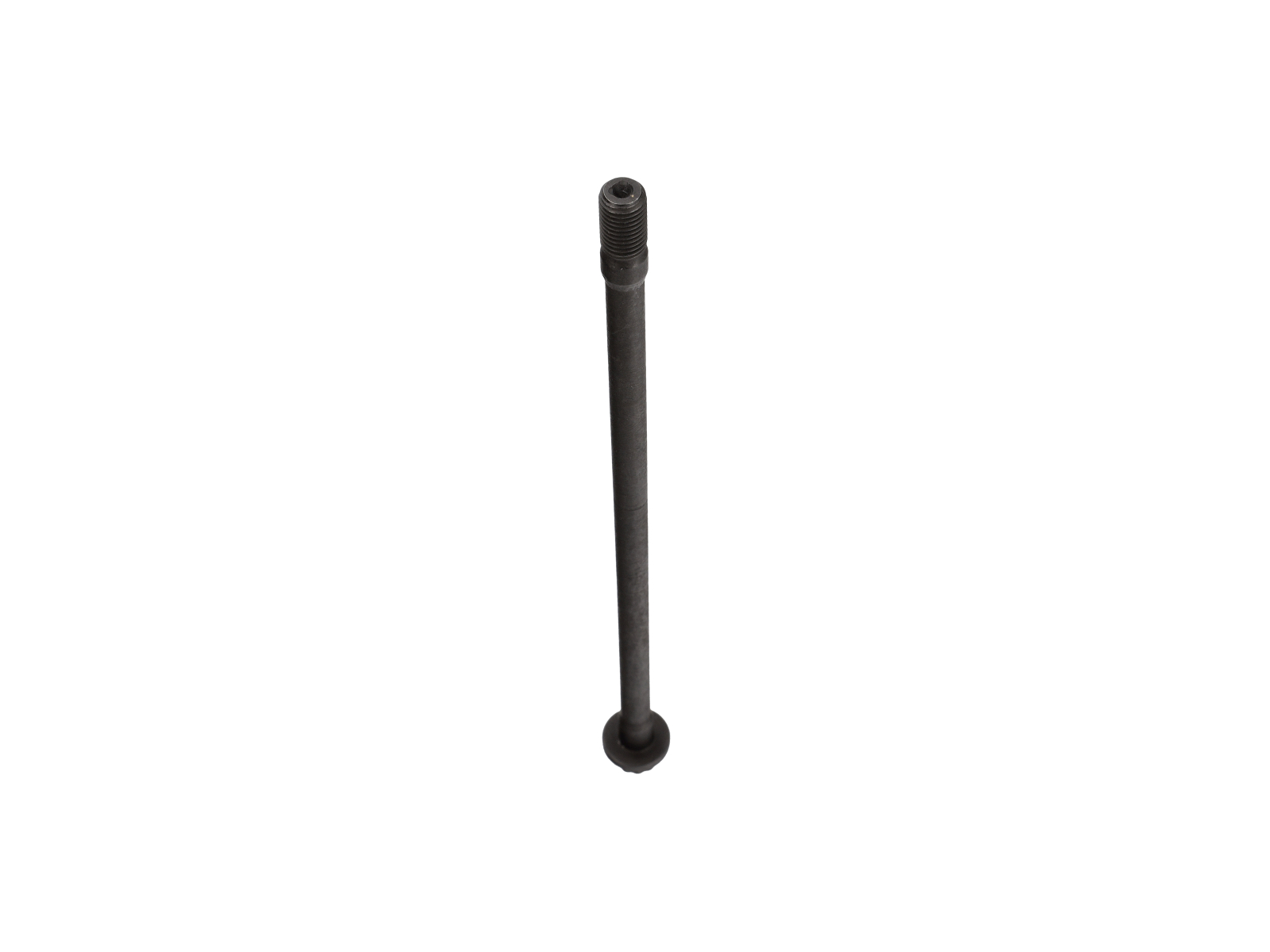
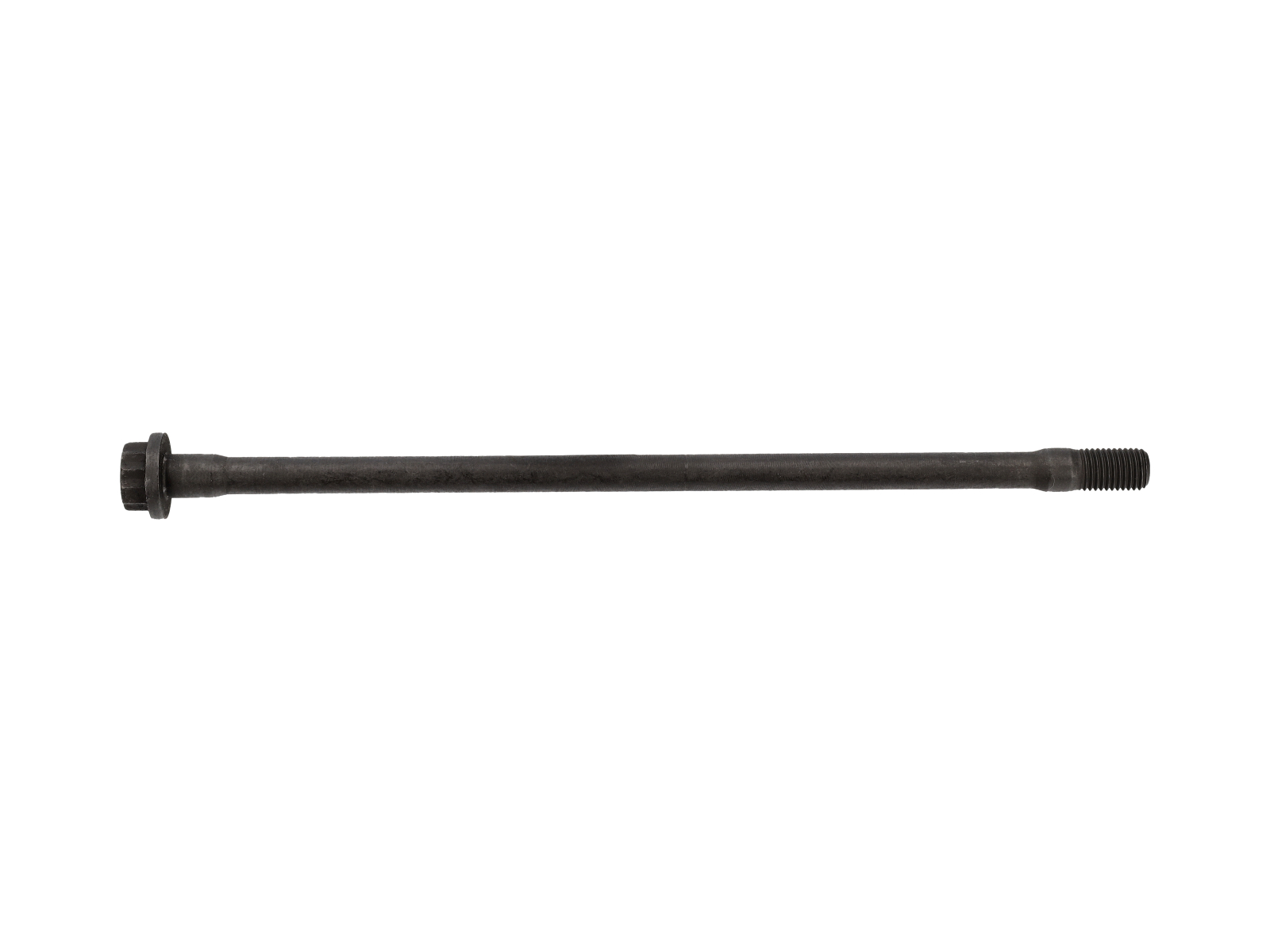
- Porsche 964 (911) C2 1989-93
- Porsche 964 (911) C4 1989-93
- Porsche 964 (911) RS 3.6L 1991-93
- Porsche 964 (911) RS 3.8L 1991-93
- Porsche 964 (911) TURBO 3.6L 1991-93
- Porsche 993 (911) C2 1994-97
- Porsche 993 (911) C4 1994-97
- Porsche 993 (911) RS 1994-97
- Porsche 993 (911) C2S 1994-97
- Porsche 993 (911) C4S 1994-97
- Porsche 993 (911) TURBO 1994-96
- Porsche 993 (911) GT2 1994-97
- Porsche 993 (911) TURBO S 1994-97
- Porsche 996 TURBO 2000-05
- Porsche 996 GT3 MKI 1999-02
- Porsche 996 GT3 MKII 2003>>
- Porsche 996 GT3 RS 2003-04
- Porsche 997 MK1 TURBO 2007-09
- Porsche 997 MK1 GT3 / GT3 RS 2007-09
- Porsche 997 MKII GT3 / GT3 RS 2010-11
- Porsche 997 MKII Turbo 2010-13
Fits:
Porsche 964 1989-94
Porsche 993 1995-98
Porsche 996 Turbo / GT3
Porsche 997 Turbo / GT3 2007>>
This product supersedes Porsche's old part number:
- 95910117301
Related reference numbers
Related, superseded, cross reference or alternative numbers for comparison.
95910117302
The product you are viewing cross references to these numbers
- Porsche 911 1974-1977 2.7L / 1976-77 3.0 Carrera
- Porsche 911 1978-1983 3.0L / SC
- Porsche 911 1984-1986 3.2L
- Porsche 911 1987-1989 3.2L G50
- Porsche 911 1975-1977 3.0L Turbo (930)
- Porsche 911 1978-1989 3.3L Turbo (930)
- Porsche 964 (911) C2 1989-93
- Porsche 964 (911) C4 1989-93
- Porsche 964 (911) RS 3.6L 1991-93
- Porsche 964 (911) RS 3.8L 1991-93
- Porsche 964 (911) TURBO 3.3L 1991-93
- Porsche 964 (911) TURBO 3.6L 1991-93
- Porsche 993 (911) C2 1994-97
- Porsche 993 (911) C4 1994-97
- Porsche 993 (911) RS 1994-97
- Porsche 993 (911) C2S 1994-97
- Porsche 993 (911) C4S 1994-97
- Porsche 993 (911) TURBO 1994-96
- Porsche 993 (911) GT2 1994-97
- Porsche 993 (911) TURBO S 1994-97
- Porsche 996 TURBO 2000-05
- Porsche 996 GT2 2001-05
- Porsche 996 GT3 MKI 1999-02
- Porsche 996 GT3 MKII 2003>>
- Porsche 996 GT3 RS 2003-04
- Porsche 997 MK1 TURBO 2007-09
- Porsche 997 MK1 GT3 / GT3 RS 2007-09
- Porsche 997 MK1 GT2 2007-09
- Porsche 997 MKII Turbo 2010-13
- Porsche 997 MKII GT2 RS 2011-13
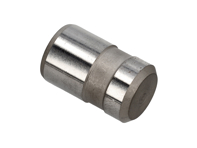
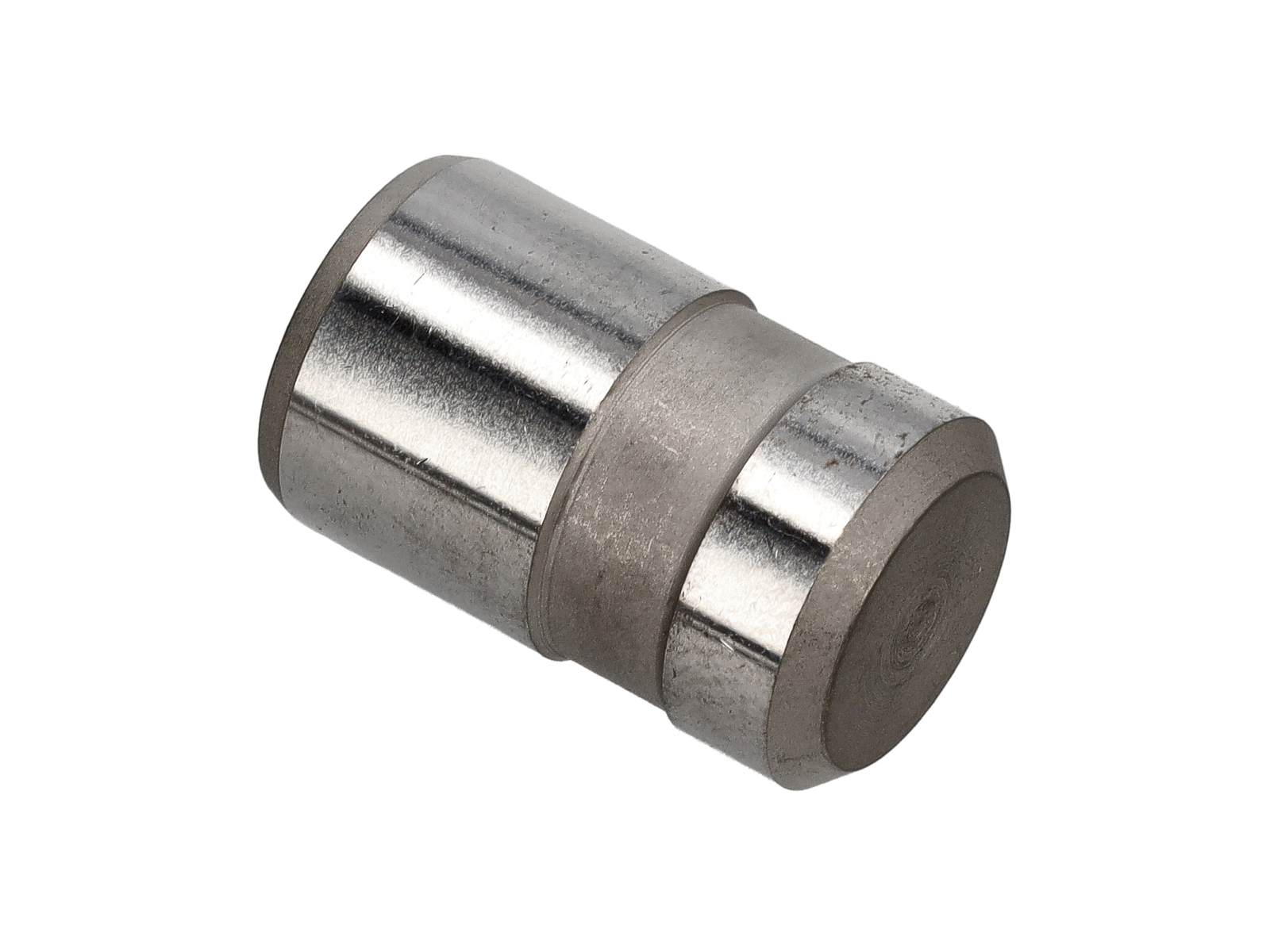
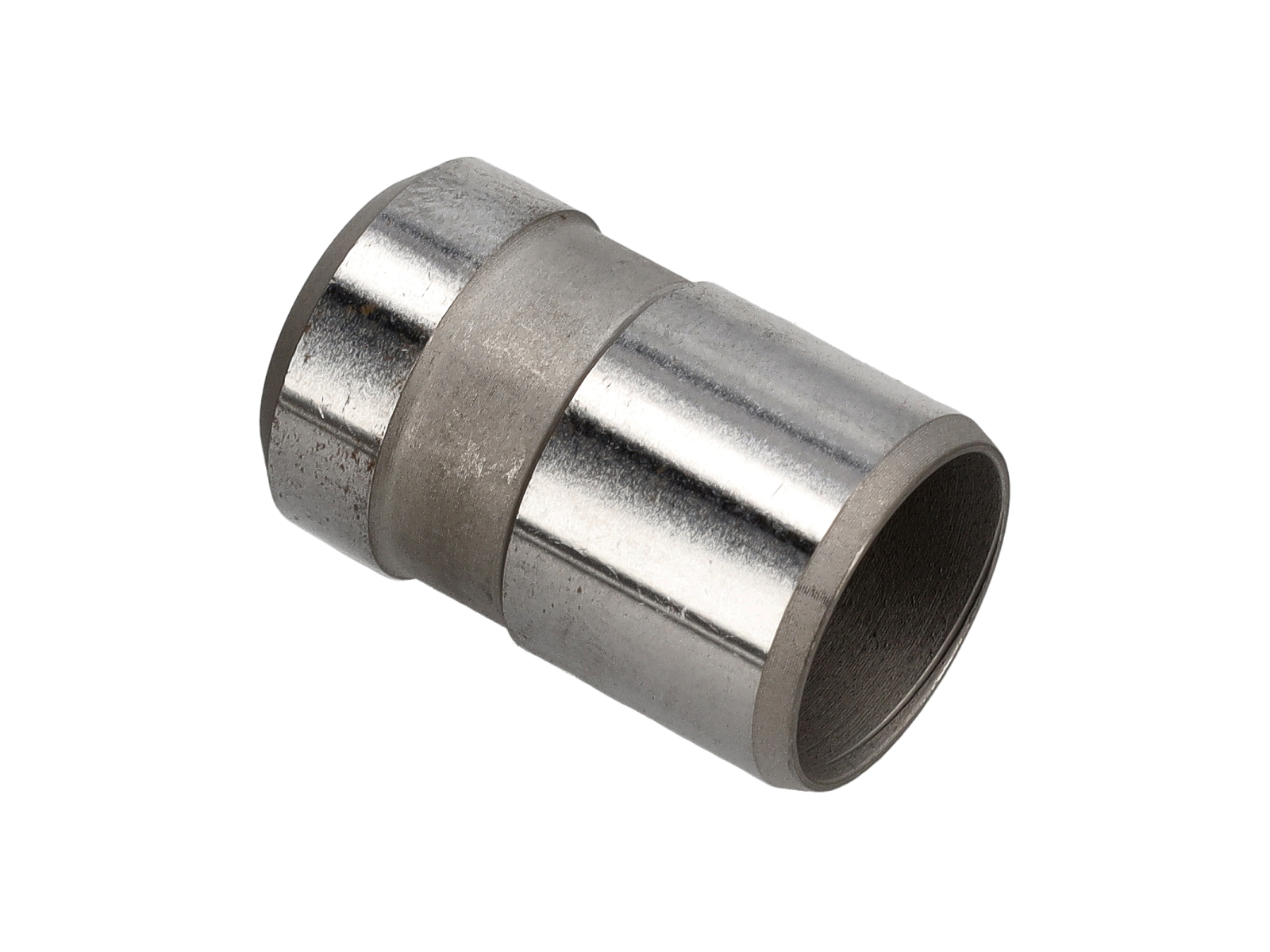
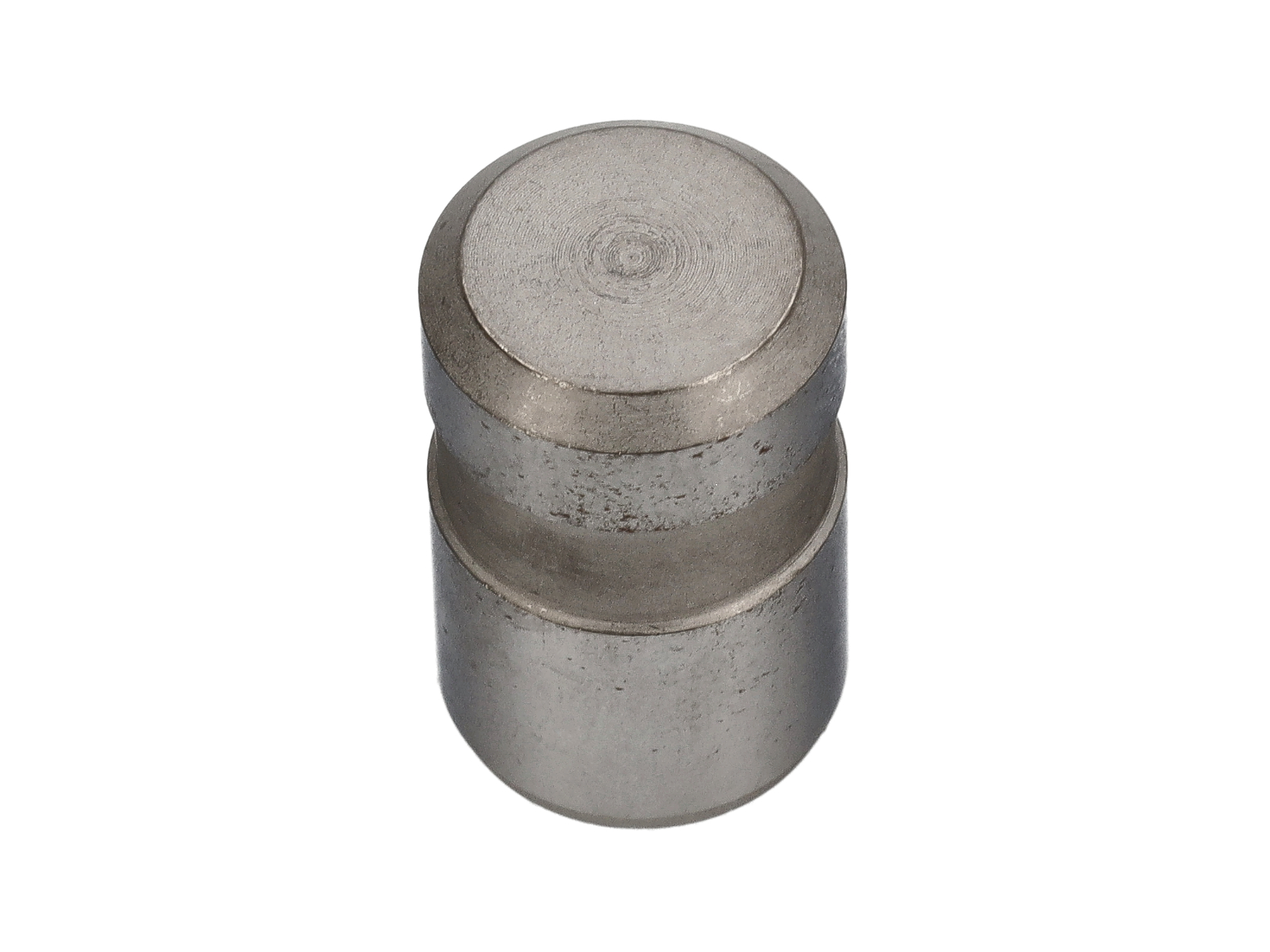
This OE Match oil pressure relief piston is a replacement piston used in the engine crankcase oil pressure relief system. It is designed to match the original Porsche-style fitment and helps regulate oil pressure within the engine lubrication circuit.
Fits:
Porsche 911/930 1974 - 1989
Porsche 964 1989 - 1994
Porsche 993 1995 - 1998
Porsche 996 Turbo / GT2 2001 - 2005
Porsche 997 Turbo / GT2 2005 >>
Porsche 996 GT3 / 997 GT3
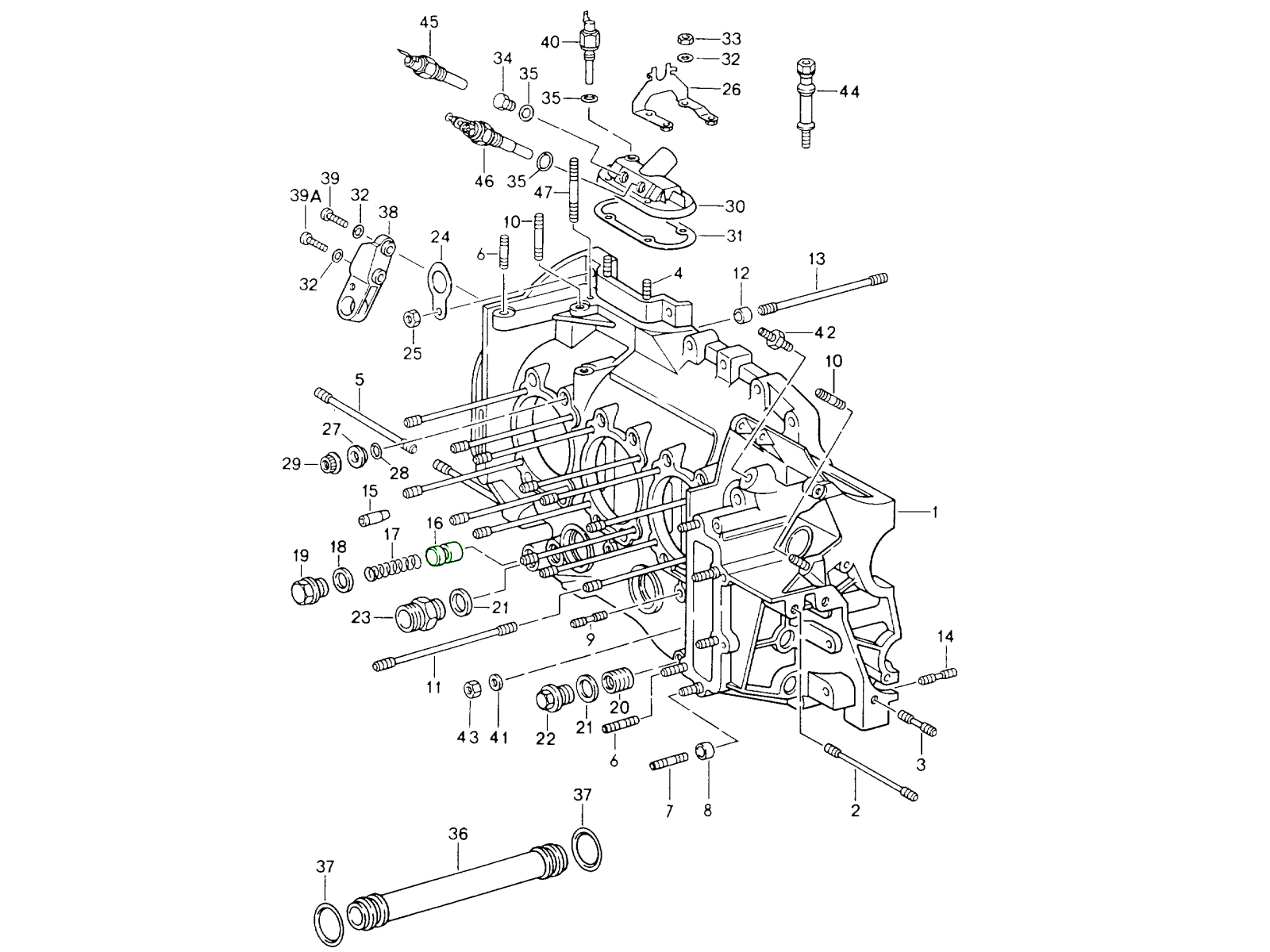
Diagram ref no 16
The oil pressure relief piston works with the relief spring and guide components inside the engine block/crankcase. Its job is to help control excess oil pressure by allowing oil to bypass when pressure reaches the required limit, protecting the lubrication system and helping maintain consistent oil flow to critical engine components.
Functions
• Helps regulate engine oil pressure
• Works with the oil pressure relief spring and guide sleeve
• Helps protect the engine from excessive oil pressure
• Supports correct oil flow through the lubrication system
• Helps maintain reliable lubrication of bearings and internal engine parts
• Provides an OE Match replacement for the original relief piston
• Suitable for engine rebuilds, crankcase service, and oil pressure repairs
The oil pressure relief piston is exposed to constant oil flow, heat, pressure, and engine wear particles. Over time, the piston can become scored, worn, sticky, or damaged, which may affect oil pressure regulation. A worn or sticking piston can contribute to low, high, or unstable oil pressure, so replacement is recommended during engine overhaul or when oil pressure control issues are being investigated.
When to replace
• Oil pressure is too high, too low, or unstable
• The original piston is scored, worn, sticking, or damaged
• The engine has suffered internal wear or contamination
• The crankcase oil pressure relief system is being serviced
• The oil pressure relief spring, guide sleeve, or plug is being replaced
• The engine is being rebuilt or overhauled
• There are concerns about correct lubrication system operation
Where it fits on the car
This piston fits inside the engine crankcase/oil pressure relief valve assembly. It sits in the crankcase and is used with the relief spring and guide sleeve to control oil pressure in the engine lubrication system.
Related reference numbers
Related, superseded, cross reference or alternative numbers for comparison.
91110751200
The product you are viewing cross references to these numbers
- Porsche Boxster 987 MKII 2.9L 2009-12
- Porsche Boxster S 987 MKII 3.4L 2009-12
- Porsche Boxster 981 2.7L 2012-16
- Porsche Boxster 981 S / GTS 3.4L 2012-16
- Porsche 997 MKII Carrera C2 3.6L 2009-12
- Porsche 997 MKII Carrera C4 3.6L 2009-12
- Porsche 997 MKII Carrera C2S 3.8L 2009-12
- Porsche 997 MKII Carrera C4S 3.8L 2009-12
- Porsche 997 MKII Turbo 2010-13
- Porsche 991.1 Carrera C2 3.4L (350 Bhp) 2012-16
- Porsche 991.1 Carrera C2S / GTS 3.8L (400/430 Bhp) 2012-16
- Porsche 991.1 Carrera C4 3.4L (350 Bhp) 2012-16
- Porsche 991.1 Carrera C4S / GTS 3.8L (400/430 Bhp) 2012-16
- Porsche 991.1 Turbo 3.8L (520 Bhp) 2014-16
- Porsche 991.1 Turbo S 3.8L (560 Bhp) 2014-16
- Porsche Cayman 2.9L 987C MKII 2009-12
- Porsche Cayman S / R 3.4L 987C MKII 2009-12
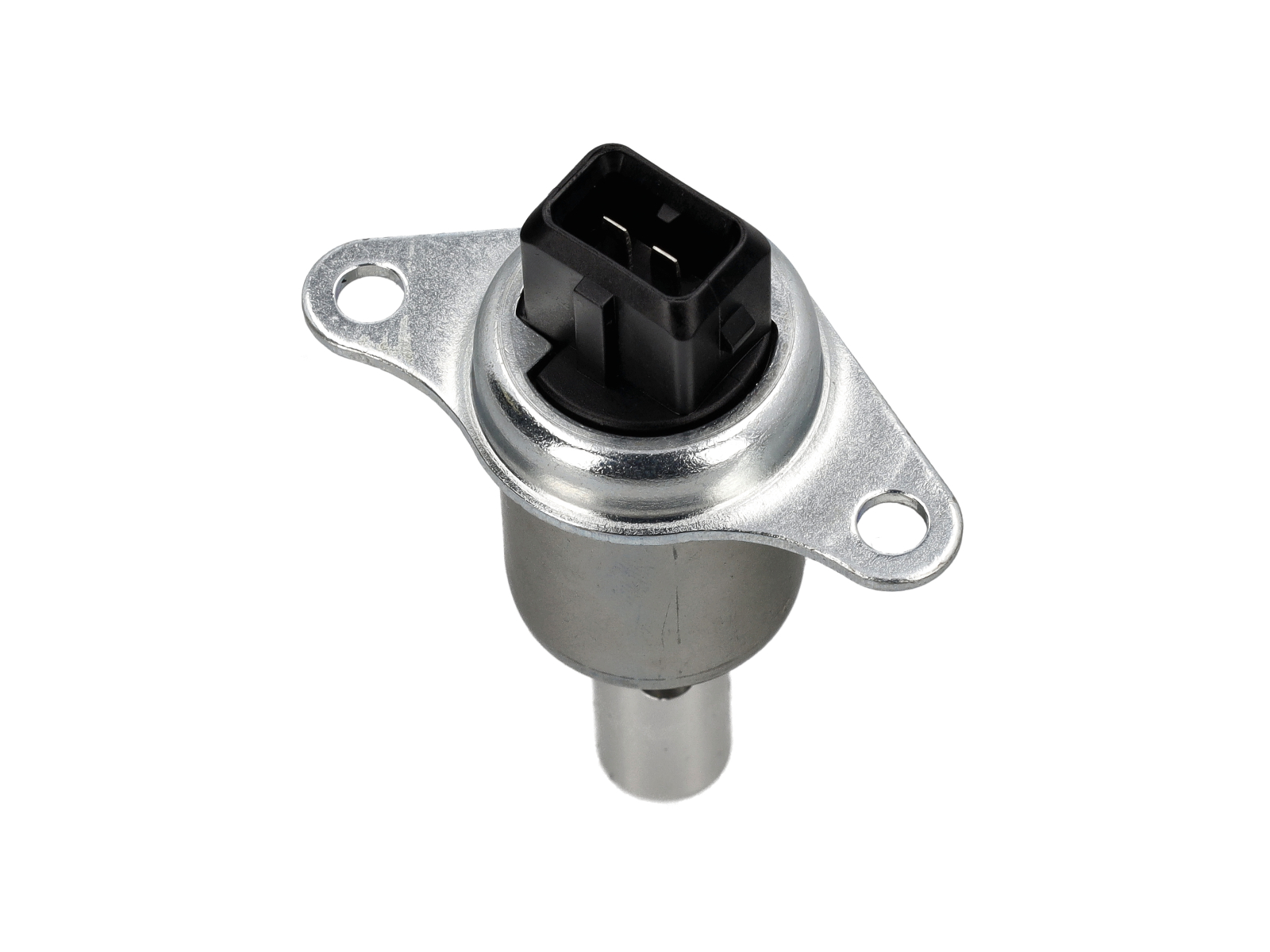
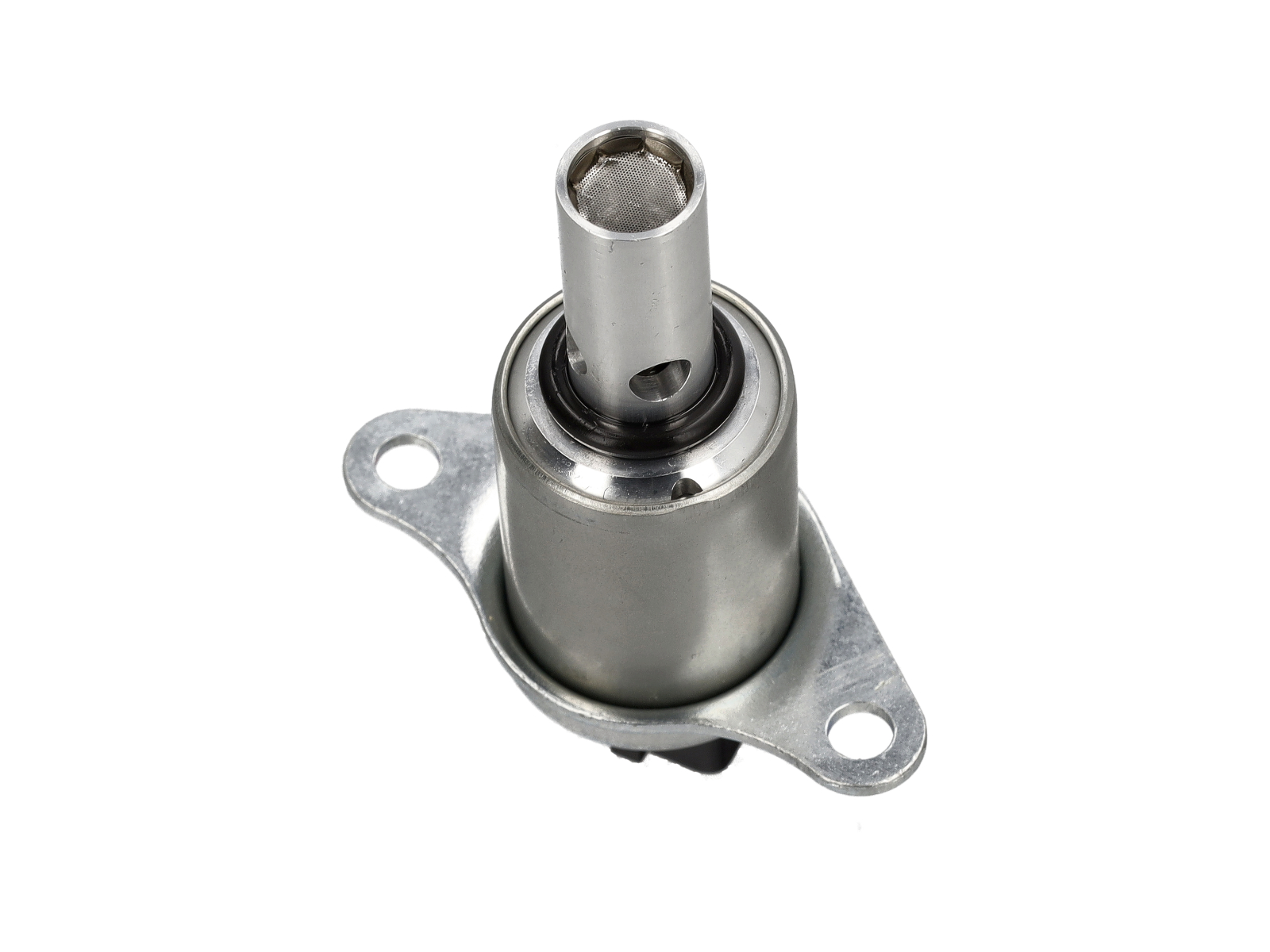
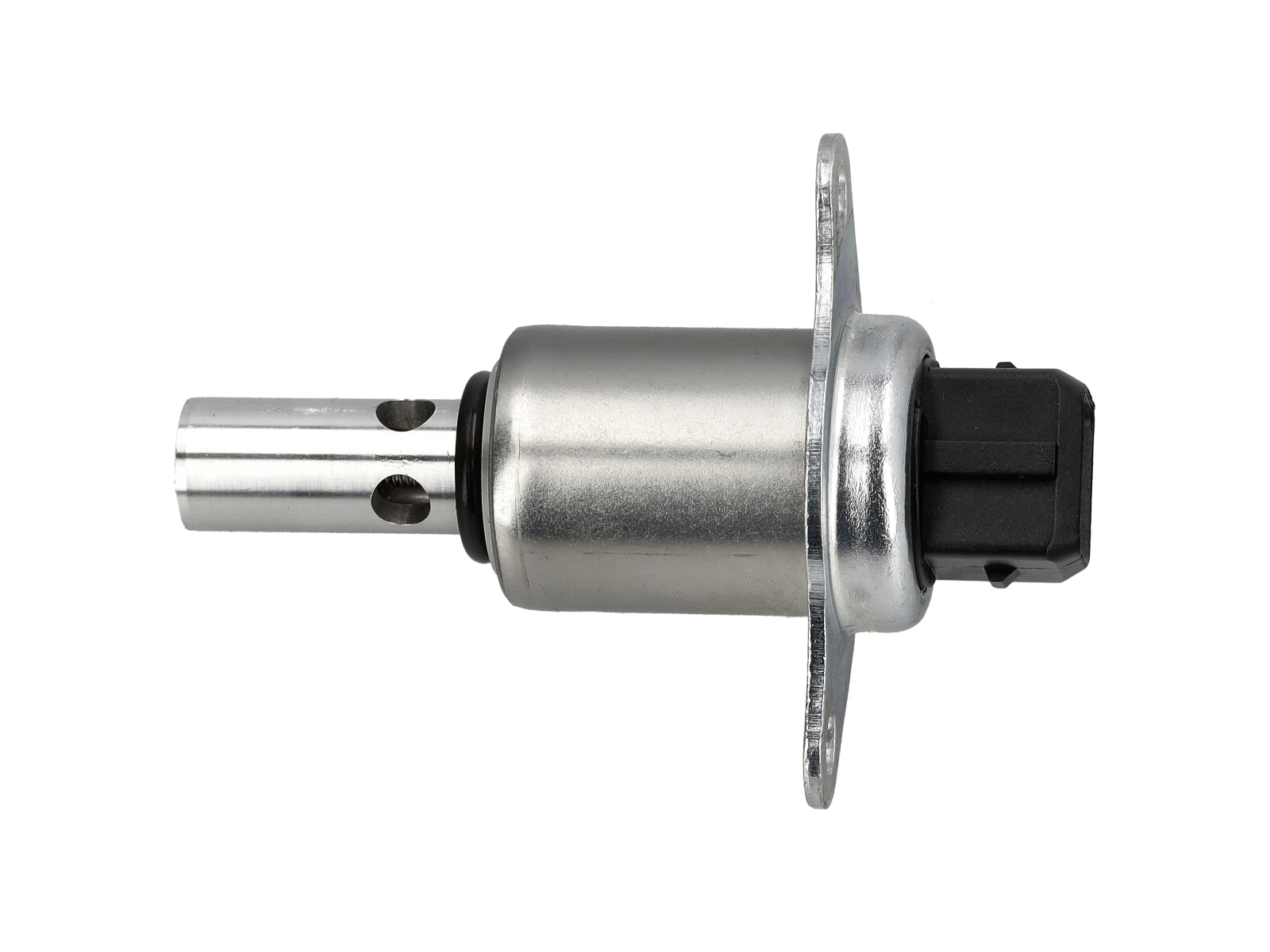
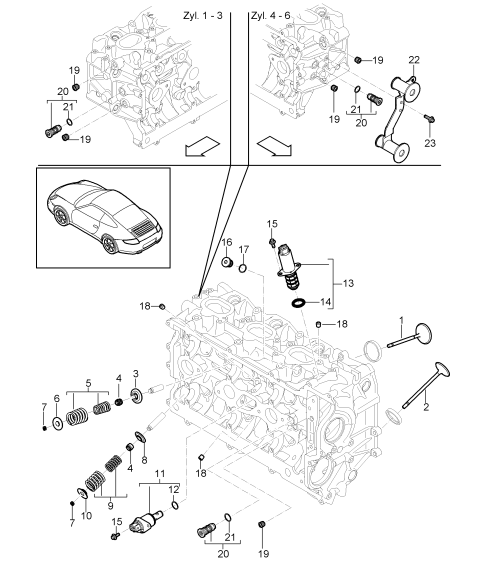
The Variable Valve Timing (VVT) solenoid, also referred to as a Control Valve Solenoid, Actuator, or Actuator VVS Tappet. It plays a key role in camshaft timing and variable valve lift, helping optimize engine performance across different speeds and loads
Fits:
Porsche 987 Boxster 2009-12
Porsche 987C Cayman 2009-12
Porsche 997 Carrera 2009-12
Porsche 997 Turbo / Turbo S 2010-2013
Porsche 981 Boxster 2012>>
Porsche 991 (911) Carrera / 991 (911) Turbo 2012 >>
Click 'Zoom in' for large parts diagram.
Diagram ref no 11.
The VVT solenoid is a critical component for controlling engine performance. if it malfunctions, it can lead to various engine issue like poor engine performance, this can manifest as hesitation, rough acceleration, or reduced power due to incorrect valve timing. Rough idling, an unstable idle can be caused by the engine struggling to maintain a steady RPM. Check engine light with diagnostic trouble codes (DTCs) related to the VVT system, such as P000220, P000284, and P134881, are often stored in the vehicle's onboard computer.
Related reference numbers
Related, superseded, cross reference or alternative numbers for comparison.
9A110530803
The product you are viewing cross references to these numbers