





Enter your VAT number here and click Verify:
Your details have been verified. VAT number registered to:
,
.
Your order will now be zero rated for VAT purposes. We reserve the right to verify these details after your order request has been made and reinstate VAT if required.
Your VAT details were not recognised or were invalid. Your VAT number must be matched to your Billing Country as specified above. This is currently specified as . You do not need to enter the country code part of your VAT number as this has already been selected in your billing address details above.
The VAT number checking service is currently offline. Please supply your VAT details within the comments or special instructions field below and we will apply a VAT discount after placing your order request.

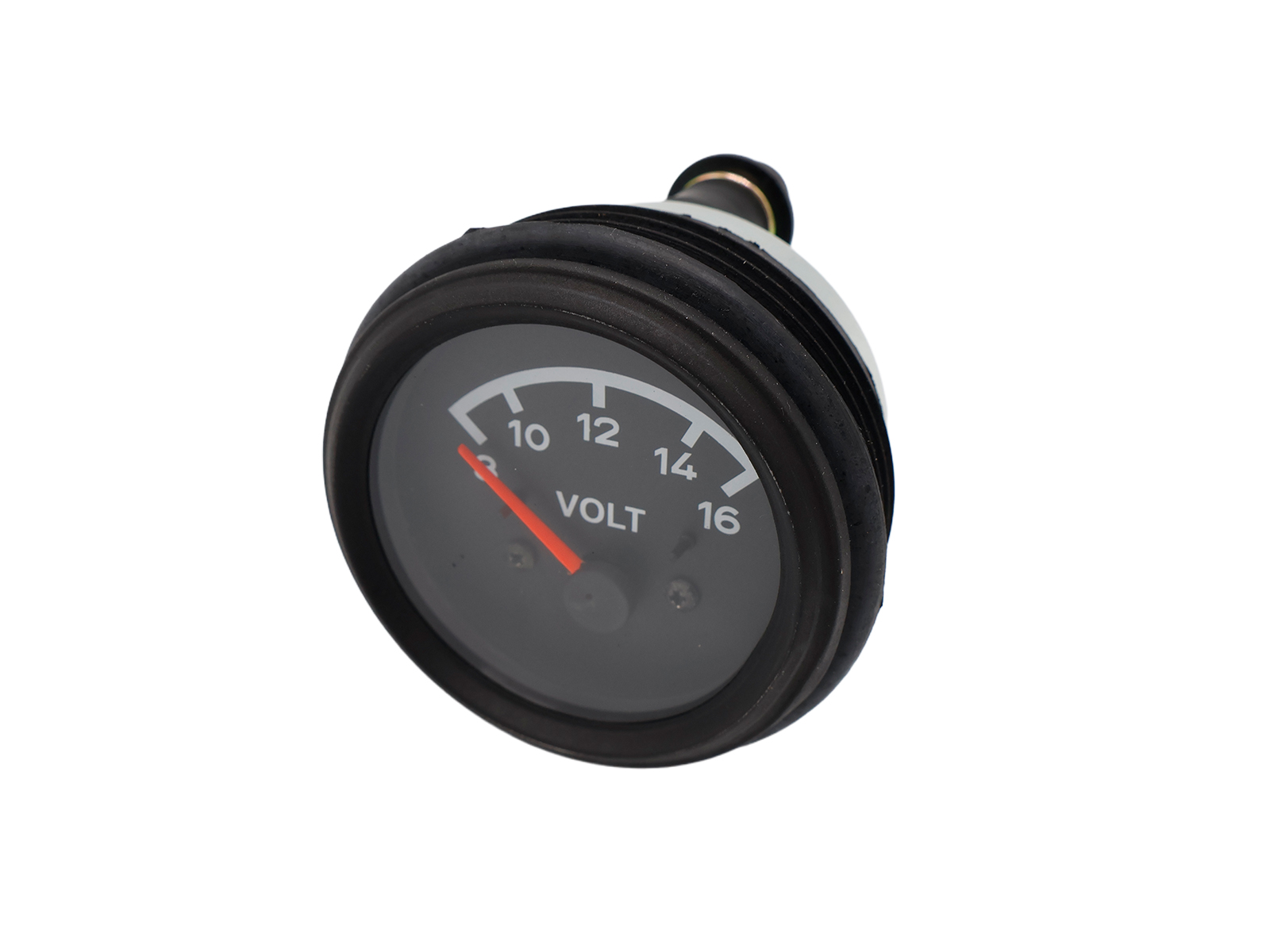
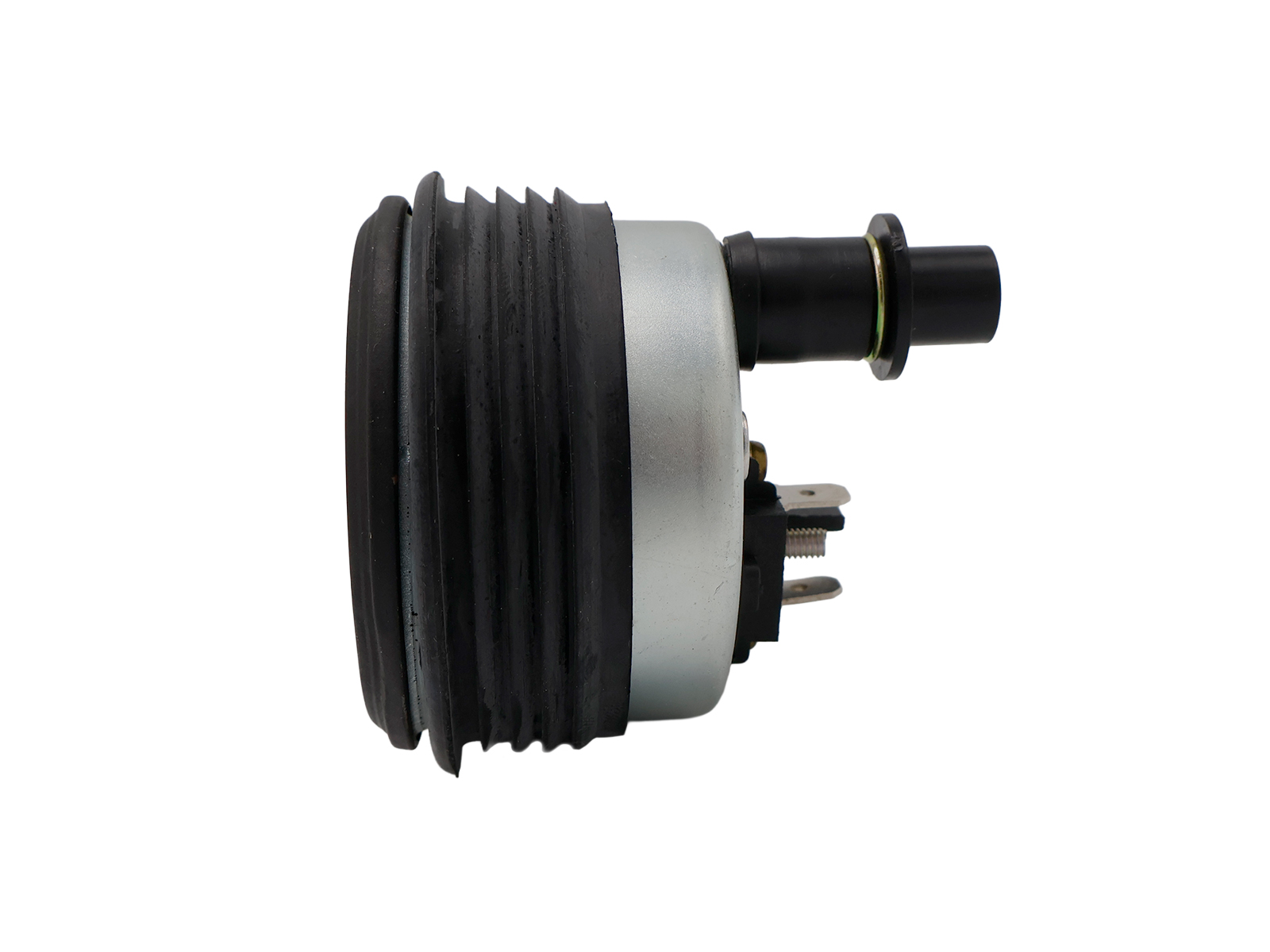
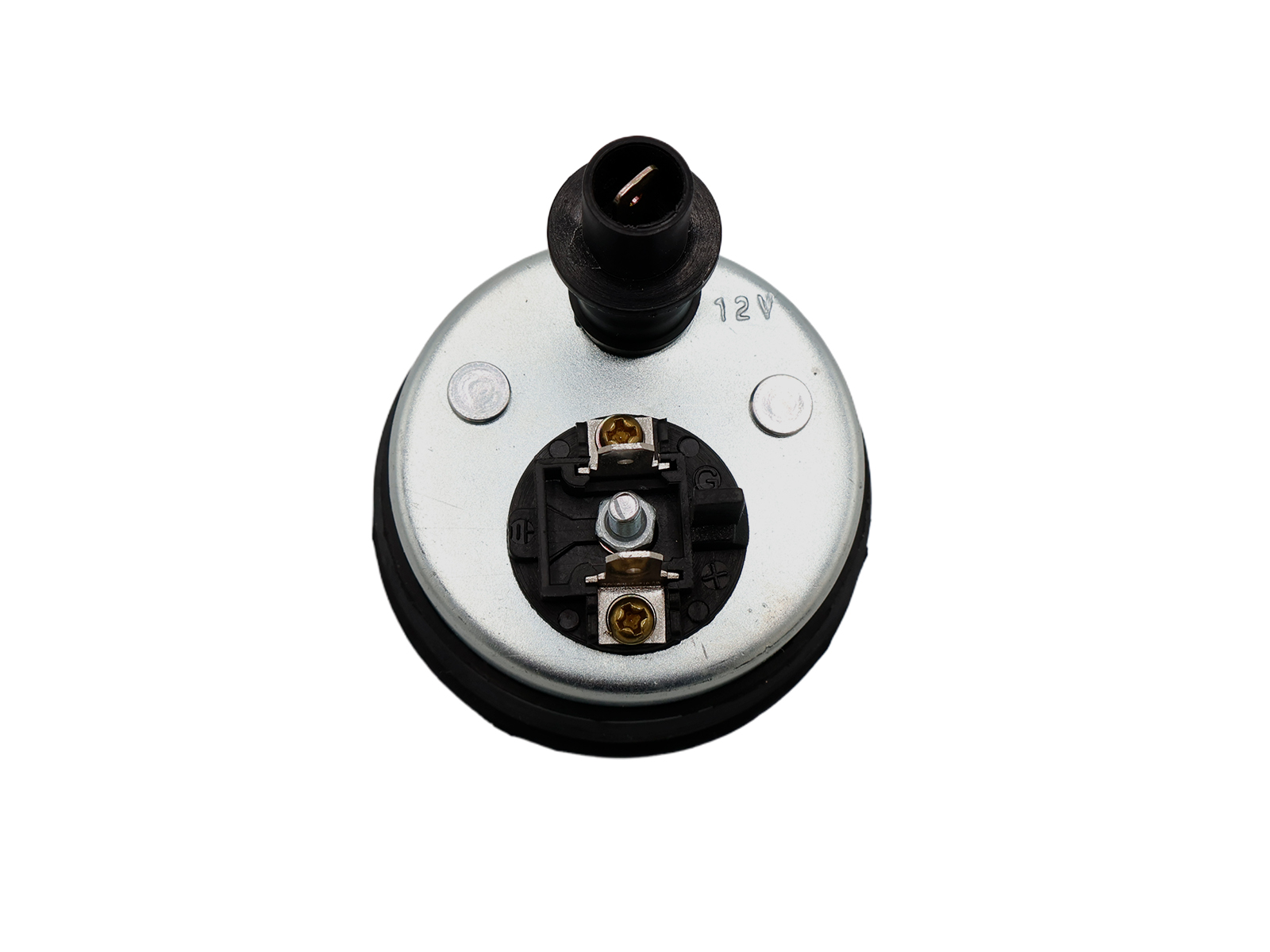
- Porsche 914 (1970-1976)
The OE MATCH Battery Voltage Gauge is a VDO-style electrical gauge designed to provide a clear indication of the vehicle’s battery and charging-system voltage. With an 8–16 volt display range, it allows the driver to monitor electrical system performance from the cockpit and identify abnormal voltage conditions before they develop into starting or reliability problems.
Fits:
- Porsche 914 (1970-1976)
What This Product Does:
The battery voltage gauge acts as a real-time monitor for the vehicle’s electrical system. With the ignition and engine running, it allows the driver to see whether the alternator and charging system are maintaining an appropriate voltage.
When the engine is switched off, the gauge can also provide an indication of battery voltage when the relevant electrical circuit is energised.
Monitoring voltage can help alert the driver to problems involving components such as the:
- Battery
- Alternator
- Voltage regulator
- Charging circuit
- Electrical connections and wiring
Rather than waiting for a weak battery or charging failure to leave the vehicle unable to start, a functioning voltmeter can provide an early visual indication that something in the electrical system requires investigation.
Symptoms Of Wear Or Failure:
Ageing gauges and their internal electrical components can eventually become inaccurate or stop operating altogether. Typical symptoms include:
- Gauge needle not moving
- Needle permanently reading too high or too low
- Voltage reading that appears obviously inaccurate
- Intermittent or fluctuating readings unrelated to actual system voltage
- Needle sticking or responding slowly
- Gauge working only occasionally
- Internal or electrical failure
- Physical damage to the gauge face, needle or housing
- Faded or difficult-to-read markings
- Poor illumination, where applicable
Before replacing the gauge, wiring, earth connections and actual battery voltage should also be checked, as an unusual reading can indicate a genuine charging-system problem rather than a faulty instrument.
Why Replacement Matters:
- A failed or inaccurate voltage gauge removes a useful source of information about the condition of the vehicle’s electrical system.
- If the alternator stops charging correctly, battery voltage can gradually fall until there is insufficient electrical power to operate the vehicle reliably or restart the engine. Conversely, excessive charging voltage may indicate a regulator or charging-system fault that should be investigated.
- Replacing a defective gauge restores the driver's ability to monitor voltage at a glance, providing useful advance warning of potential battery or charging issues.
- For classic vehicles, reliable electrical monitoring can be particularly valuable because ageing wiring, connectors, grounds, alternators and voltage regulators may all contribute to charging-system problems.
Related reference numbers
Related, superseded, cross reference or alternative numbers for comparison.
91464111510
The product you are viewing cross references to these numbers